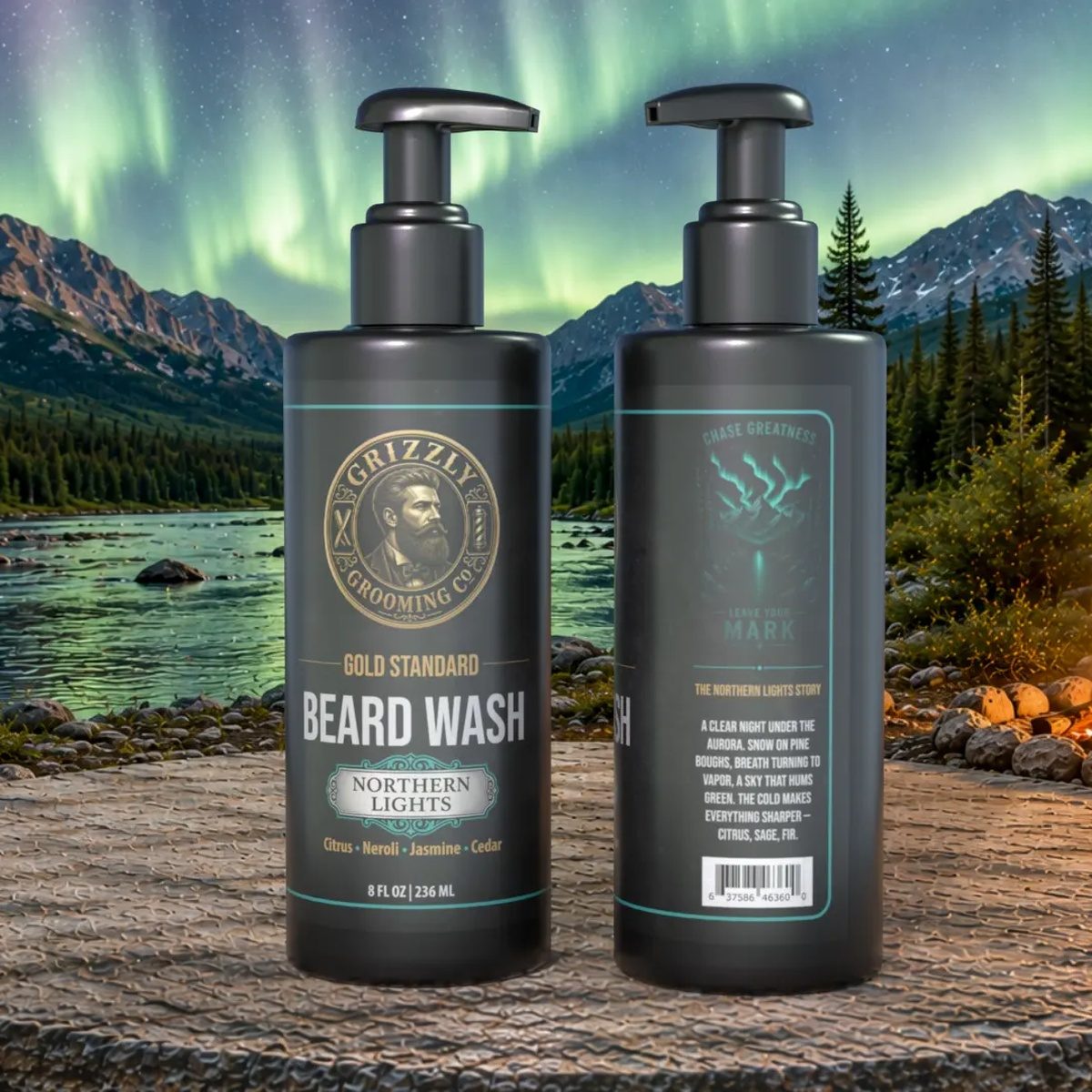
The Ingredient Panel: Evaluating What is Actually in Your Beard Wash
The skin beneath a beard is fundamentally different from the scalp, yet many men treat them with the same generic detergents. Understanding the ingredient panel is the first step in moving from basic hygiene to professional-grade maintenance. A proper wash should cleanse without stripping the natural sebum that keeps your facial hair resilient. The anatomy of a beard hair is typically thicker and more wire-like than the hair on your head, requiring a specific balance of surfactants, humectants, and lipids to maintain structural integrity and skin health.
- ›Avoid harsh sulfates like SLS and SLES which cause split ends and chronic skin dryness.
- ›Prioritize mild surfactants like Decyl Glucoside or Coco-Betaine for gentle cleansing.
- ›Ensure the presence of humectants like Glycerin to maintain hydration within the hair cortex.
- ›Look for botanical lipids like Jojoba or Argan oil to mimic natural sebum production.
- ›Maintain a pH balance between 4.5 and 5.5 to protect the skin's acid mantle.
- ›Opt for essential oils over synthetic fragrances to avoid phthalates and skin sensitization.
The Chemical Difference Between Beard Wash and Shampoo
Scalp hair is subjected to different environmental stressors and produces more oil than the face. Standard shampoos utilize Sodium Lauryl Sulfate (SLS) because it is a highly effective degreaser. However, the skin on the face is thinner and more sensitive. Using a standard shampoo on a beard strips the protective acid mantle, leading to a condition known as beardruff—a mix of dry skin flakes and irritation.
Beard wash is formulated as a low-surfactant cleanser. Instead of aggressive sulfates, a high-quality wash uses larger-molecule surfactants that lift surface dirt, sweat, and environmental pollutants without penetrating the skin's deeper layers. This distinction is critical for long-term beard health, as stripping the natural oils causes the hair cuticle to lift, resulting in a coarse, sandpaper-like texture.
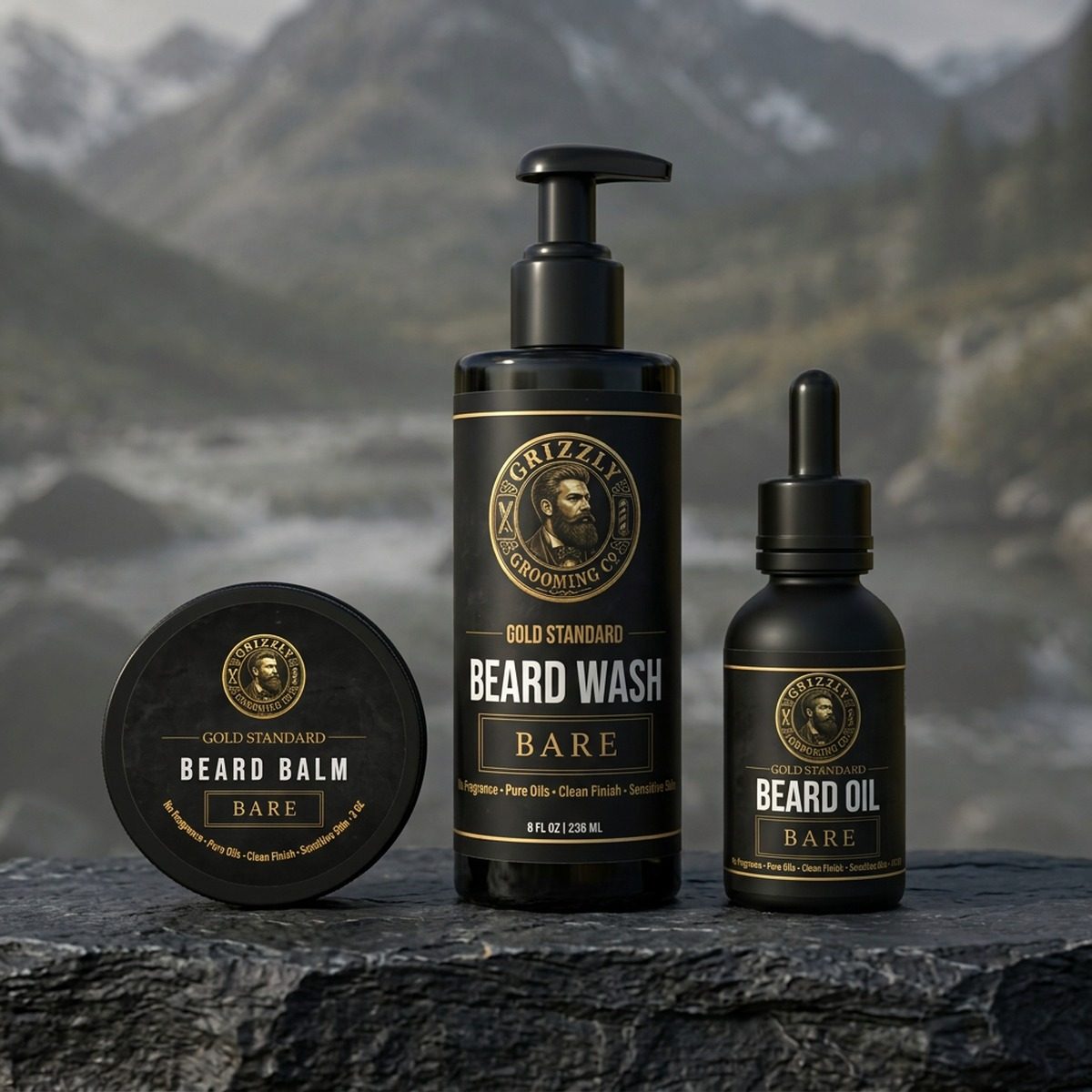
When evaluating a product, the first three ingredients define the majority of the formula. If you see SLS or SLES listed early, the product is likely too harsh for regular facial use. A technical approach to grooming prioritizes ingredients like Decyl Glucoside, which provides a dense foam without the moisture-stripping properties of industrial detergents. This ensures that the Gold Standard Beard Wash cleanses the hair while preserving the underlying skin's hydration levels.
Surfactant Science: Decyl Glucoside vs. Sulfates
Surfactants are the molecules responsible for breaking the surface tension of water to trap dirt and oil. In the world of beard care, not all surfactants are created equal. Sulfates are small molecules that can easily penetrate the skin barrier, causing inflammation. In contrast, non-ionic surfactants like Decyl Glucoside or amphoteric surfactants like Cocamidopropyl Betaine are derived from renewable sources like coconut or corn.
These gentler cleansers work by surrounding oil droplets on the hair shaft and suspending them in water so they can be rinsed away. Because they do not bind as aggressively to the proteins in your skin, they leave the moisture barrier intact. This is particularly important for men with longer beards, as the natural sebum produced by the skin cannot easily travel down the entire length of a four-inch beard.
Maintaining this delicate balance is why a dedicated wash is superior to bar soap. Most bar soaps have a high pH level, which causes the hair to swell and the cuticle to fray. By using a pH-balanced wash, you keep the hair cuticle flat and smooth, which reduces tangles and makes the application of beard oil more effective in the post-wash routine.
Humectants: Locking Moisture into the Hair Cortex
Cleansing is an inherently dehydrating process. To counter this, a professional-grade wash must include humectants. These are hygroscopic substances—meaning they attract and hold water molecules. Glycerin is the industry standard for this purpose. When applied during a wash, glycerin pulls moisture into the hair shaft, ensuring the beard remains elastic rather than brittle.
Another potent humectant often found in premium formulations is Aloe Vera leaf juice. Unlike water, which can evaporate and leave the hair dry, Aloe contains complex polysaccharides that create a thin, breathable film over the hair and skin. This film acts as a temporary reservoir of moisture, which is vital during the drying process after a shower.
Without these ingredients, the hair becomes porous. Porous hair absorbs water quickly but loses it just as fast, leading to 'poofy' or uncontrollable beard volume. By utilizing humectants in your wash, you prepare the hair to better receive the conditioning agents in your Beard Balm or Beard Butter later in your grooming sequence. This technical layering is the foundation of a soft, manageable beard.
The Role of Lipids and Botanical Oils in Cleansing
A superior beard wash does not just clean; it replenishes. Ingredients like jojoba oil, argan oil, and shea butter should appear on the label. These lipids mimic the sebum produced by your skin, providing a protective layer that prevents the hair shaft from swelling and damaging the cuticle when wet. Jojoba oil is particularly effective because its chemical structure is nearly identical to human sebum.
This allows it to penetrate the hair and skin more effectively than mineral oils or synthetic silicones, which merely sit on the surface and create a false sense of smoothness. When these oils are present in a wash, they perform 're-fatting'—a process where a portion of the oils stripped by the surfactants is immediately replaced by these beneficial plant fats.
Incorporate a wash that lists these botanicals early in the ingredient deck. This ensures the concentration is high enough to actually benefit the hair during the short window of time the product is on your face. For those with a shorter beard, these oils help prevent the 'stubble itch' associated with early growth phases by keeping the skin supple as the hair breaks through the surface.
Scent Chemistry: Essential Oils vs. Synthetic Fragrance
The term 'Fragrance' or 'Parfum' on a label is often a catch-all for hundreds of undisclosed chemicals, including phthalates which can be endocrine disruptors. For a product used daily near the nose and mouth, transparency is paramount. Synthetic fragrances are designed for longevity and 'throw,' but they often contain alcohols that can further dry out the facial hair.
Look for washes scented with pure essential oils like cedarwood, sandalwood, or peppermint. These provide a complex, masculine aroma while offering secondary benefits—peppermint can stimulate blood flow to the follicles, while sandalwood acts as a natural antiseptic for the skin. Essential oils are volatile compounds derived directly from plants, meaning they dissipate naturally and do not build up on the hair.
We prioritize these aromatics because they integrate with your body chemistry rather than masking it. This creates a cleaner, more sophisticated scent profile that lingers without being overwhelming. When you follow up your wash with a matching Cologne or Solid Cologne, the scent layers naturally without the chemical clash often found in cheaper, synthetic grooming kits.
PH Balance and the Acid Mantle
The pH scale runs from 0 to 14, with 7 being neutral. Human skin and hair typically sit between 4.5 and 5.5, which is slightly acidic. This acidity is known as the acid mantle, and it serves as the first line of defense against bacteria and environmental damage. Many mass-market soaps are alkaline, with pH levels as high as 9 or 10.
When you use an alkaline product on your beard, it forces the hair cuticle to open wide. This makes the hair feel rough and allows moisture to escape the cortex. A technically sound beard wash is specifically buffered to stay within the 5.0 to 5.5 range. This keeps the cuticle closed and the skin's defense system intact.
If your beard feels 'squeaky clean' after washing, that is actually a sign of trouble. That sensation is the result of all natural lubricants being removed and the hair cuticles rubbing against each other. A proper wash should leave the beard feeling clean but slightly slick, indicating that the acid mantle is preserved and the hair is protected.
Step-by-Step Application for Maximum Efficacy
To get the most out of your wash, start by thoroughly saturating your beard with lukewarm water for at least sixty seconds. This allows the hair to hydrate and the cuticle to slightly soften, making it easier for the wash to lift debris. Avoid hot water, as excessive heat can damage the proteins in the hair and irritate the skin.
Dispense a nickel-sized amount of wash for a medium beard, or a quarter-sized amount for longer growth. Work the product into a lather in your hands before applying it to the face. Focus your fingertips on the skin beneath the beard; this is where sweat and dead skin cells accumulate. Massage in circular motions for 30 to 45 seconds to stimulate blood flow to the follicles.
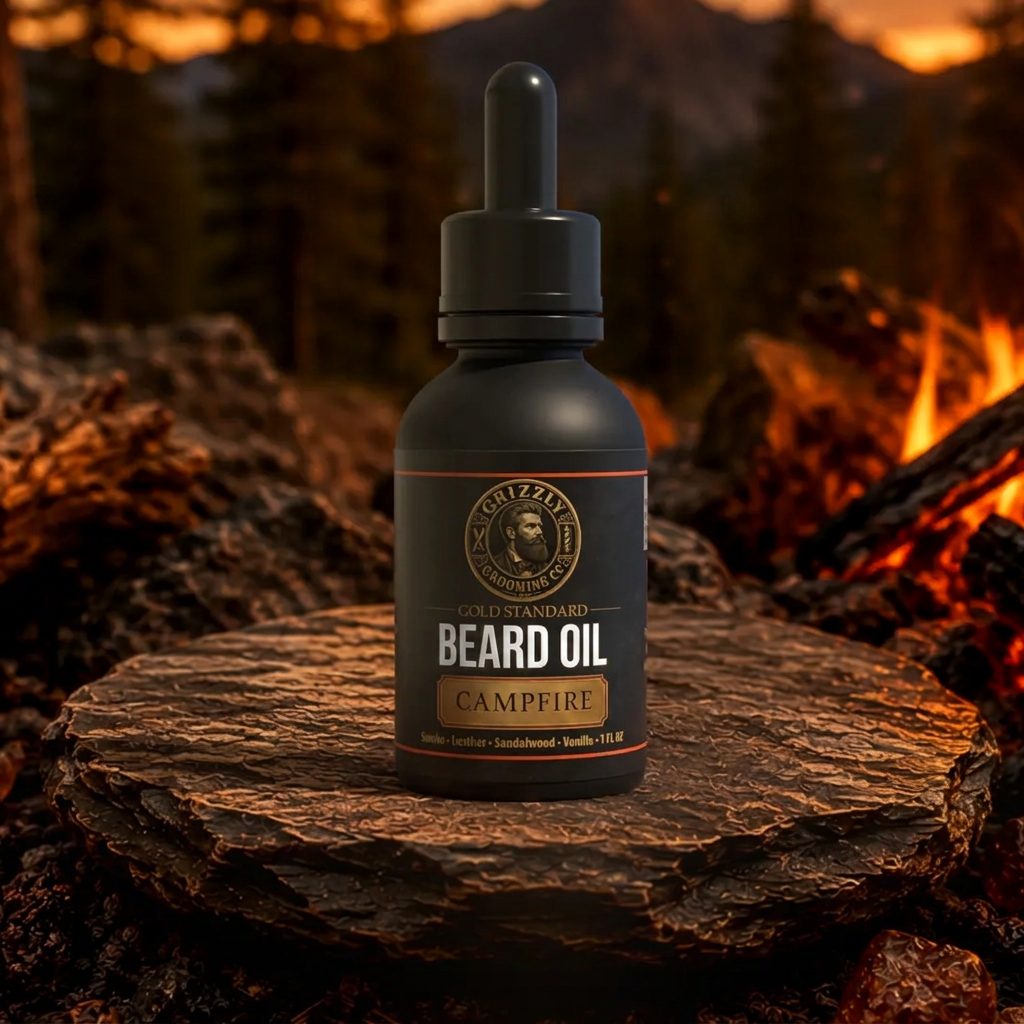
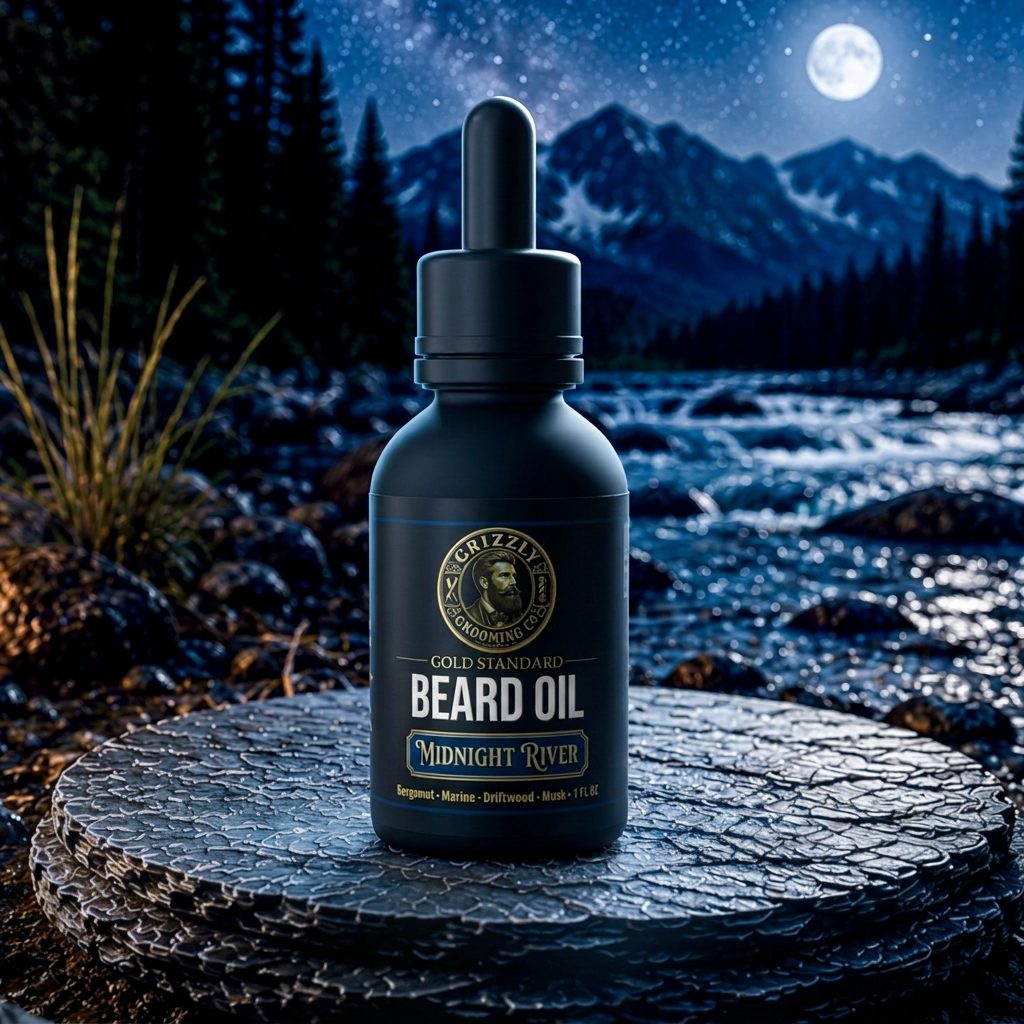
Rinse thoroughly with cool water. The drop in temperature helps to 'snap' the cuticle shut, locking in the humectants from the wash. Pat the beard dry with a microfiber towel rather than rubbing it vigorously, which can cause split ends. While the beard is still slightly damp, apply Gold Standard Beard Oil to seal in the hydration and provide a base layer of protection for the day.
Common Mistakes and How to Correct Them
The most frequent error is over-washing. Even the best beard wash should generally not be used every single day. For most men, two to three times per week is the ideal frequency. Washing daily can lead to a rebound effect where the skin overproduces oil to compensate for what was lost, leading to a greasy beard by mid-afternoon.
Another mistake is neglecting the rinse phase. Residual surfactants left on the skin can cause contact dermatitis, leading to redness and itching. Ensure you spend twice as long rinsing as you did lathering. If you live in an area with hard water, the minerals can react with the wash to leave a film; in this case, a final rinse with filtered water can make a significant difference in beard softness.
Finally, many men fail to transition their routine with the seasons. In the winter, you may need to wash less frequently and increase your use of Beard Butter to combat dry indoor heating. In the summer, sweat and sunscreen buildup may require an extra wash day. Listen to the texture of your hair—if it feels stiff, you likely need more moisture; if it feels limp and greasy, it is time for a thorough wash.
Adapting Your Wash Routine to Beard Length and Type
A man with a short, stubble-length beard has different needs than one with a full 'lumberjack' style. For short beards, the focus is almost entirely on the skin. Use a Goat Soap Bar or a gentle wash to prevent ingrown hairs and maintain a clear neckline. At this stage, the skin can still easily hydrate the hair, so the wash's role is primarily hygiene.
As the beard grows past two inches, the hair begins to pull more moisture away from the face. This is when the transition to a dedicated Beard Wash becomes mandatory. The longer the hair, the more prone it is to breakage at the ends. You must ensure the wash is applied all the way to the tips to remove environmental pollutants like smoke or food particles that can degrade the hair over time.
Coarse or curly beard types require even more attention to the ingredient panel. Curly hair has a harder time distributing sebum, making it naturally drier. If you have tight curls, look for a wash with higher concentrations of shea butter or argan oil. This provides the necessary 'slip' to prevent knotting during the wash, which is the leading cause of patchiness due to accidental hair pull-out during grooming.
Frequently Asked Questions
Can I just use regular hair shampoo on my beard?
It is not recommended. Scalp skin is thicker and less sensitive than facial skin, and head hair is typically less coarse than beard hair. Regular shampoos contain harsh detergents that will dry out your face and lead to irritation and beardruff.
How often should I actually use beard wash?
For most men, two to three times a week is sufficient. Washing every day can strip too much oil, even with a high-quality product. On off-days, simply rinse with warm water and follow up with beard oil to maintain hygiene without dryness.
Should I follow a wash with conditioner or beard butter?
Yes. Even a gentle wash opens the hair cuticle to some degree. Using a dedicated conditioner or beard butter afterward helps seal that cuticle, locking in moisture and providing the weight necessary for styling and control.
What is the best water temperature for washing a beard?
Lukewarm water is ideal for the washing phase as it helps the surfactants work effectively without Scalding the skin. Use a cool water rinse at the end to help flatten the hair cuticle and enhance natural shine.
Will beard wash help with beard itch?
If the itch is caused by dirt buildup or blocked pores, yes. However, if the itch is caused by dryness, the ingredients in the wash matter most. A sulfate-free wash with added oils will soothe the skin, whereas a cheap detergent-based wash will likely make the itch worse.
Can I use a beard wash on my mustache?
Absolutely. However, because mustache hair is often subjected to more food and drink contact, you may need to be more diligent with the rinse. Follow up with Mustache Wax to keep the hair out of your mouth and maintain the shape.
What should I do if my beard feels dry even after using a quality wash?
Dryness after washing usually indicates either over-washing or a lack of post-wash hydration. Ensure you are applying beard oil to a damp beard immediately after your shower, and consider adding a deeper hydrating layer like Beard Butter before bed.
Build your ritual in 60 seconds.
Answer four questions and get a custom regimen built around your beard and routine.
Start The Ritual Builder