The Barber's Rule: Exactly How Much Beard Oil to Apply Daily
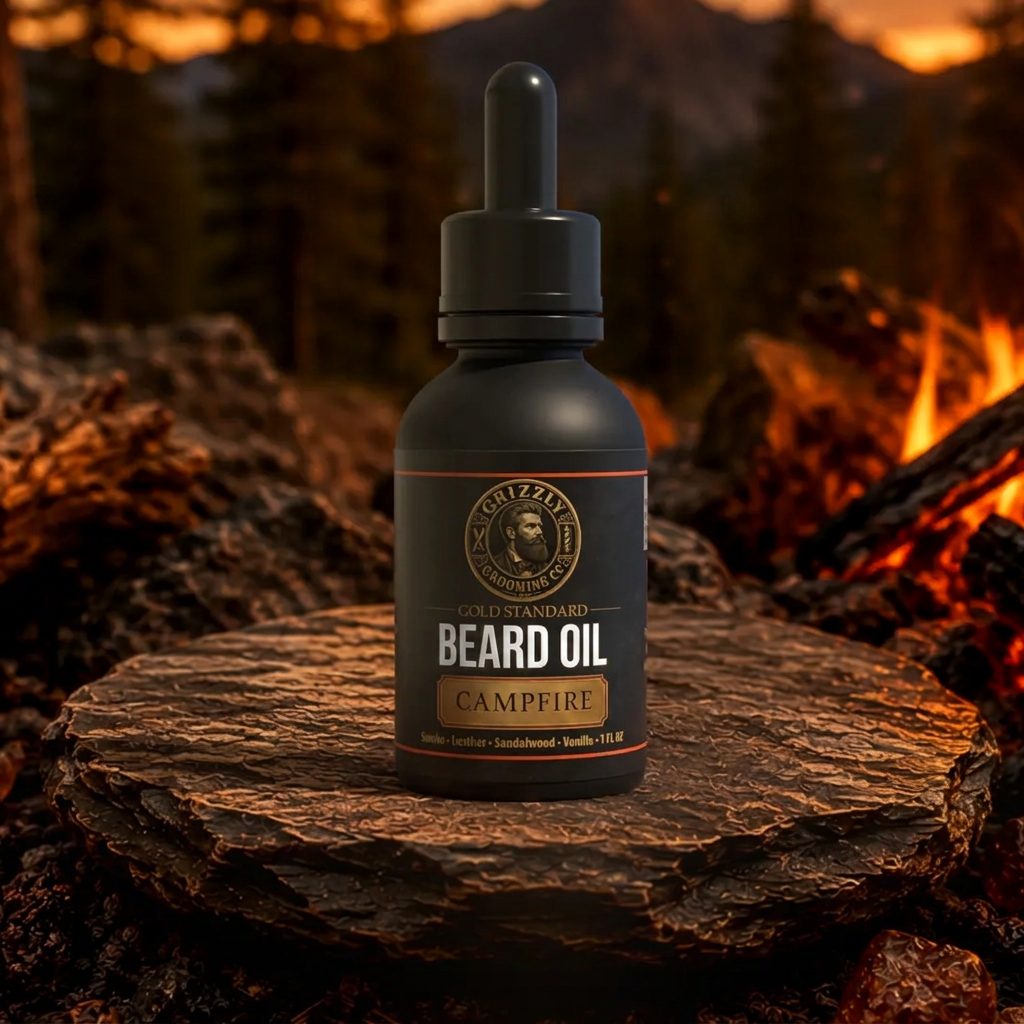
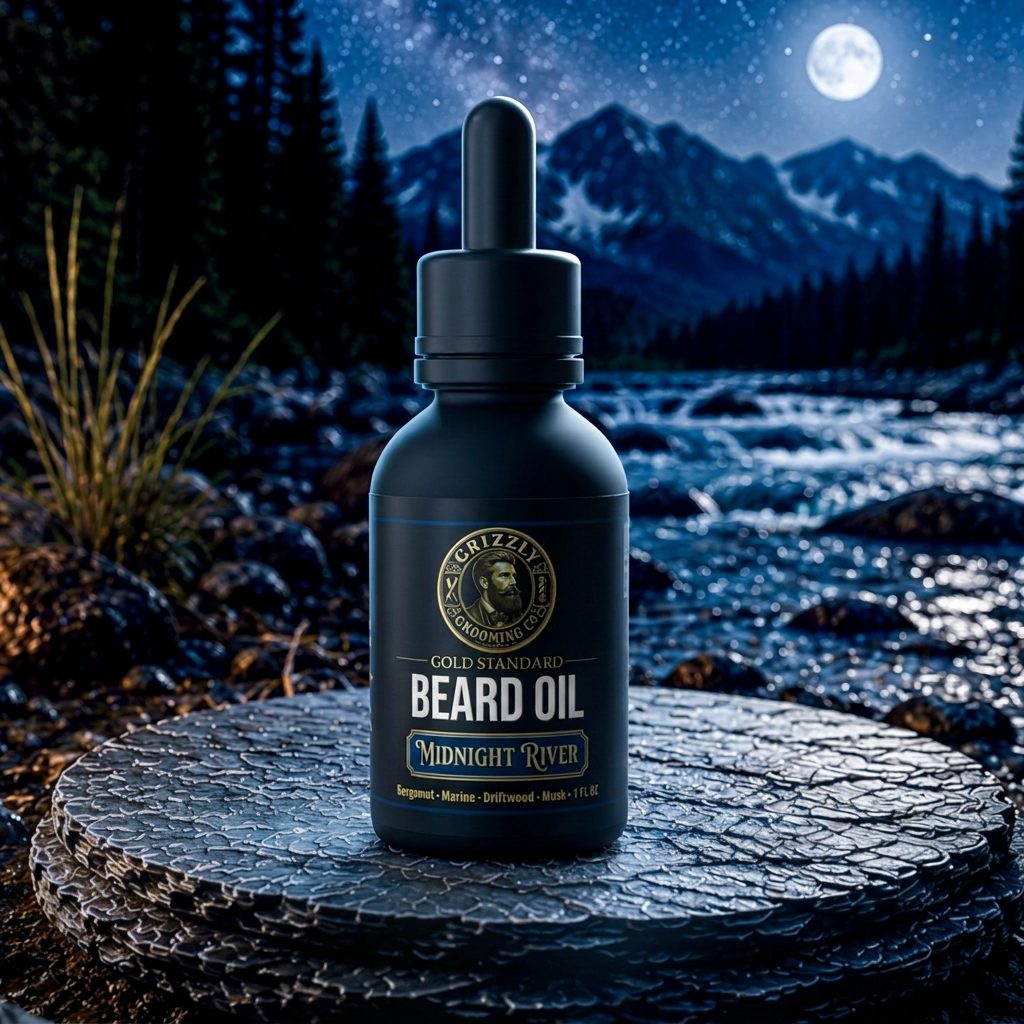
In the world of professional grooming, beard oil is often misunderstood as a styling product. In reality, it is a sophisticated skin treatment designed to replenish the sebum lost as facial hair grows longer. The follicles act as wicks, drawing moisture away from the face, which leads to the dreaded 'beard itch' and flaking. Applying too much oil causes congested pores and an artificial, greasy shine; applying too little leaves the hair brittle and the skin malnourished. Achieving the perfect balance requires a calculated approach based on beard length, density, and environmental conditions. By following the barber's rule for dosage, you ensure your Grizzly Gold Standard products work efficiently, maintaining a healthy dermis and a soft, manageable beard.
- ›Apply 2-3 drops for stubble, increasing by 2 drops for every inch of growth beyond the first.
- ›Warm the oil between your palms for five seconds to lower viscosity for better spreading.
- ›Focus application on the skin first to prevent beard dandruff and irritation at the root.
- ›Apply to towel-damp hair after a shower to utilize open pores and improved absorption.
- ›Use a boar hair brush to distribute the oil evenly and exfoliate the underlying skin.
- ›Adjust dosage based on climate, increasing oil in winter and decreasing in high humidity.
The Physics of Beard Oil and Skin Absorption
Beard oil functions through a process of lipid replacement. Human skin produces a natural oil called sebum, which keeps the skin barrier intact and the hair lubricated. As a beard grows, the surface area of the hair increases exponentially, eventually exceeding the volume of sebum your sebaceous glands can produce. This results in dry, tight skin and hair that becomes prone to breakage and split ends.
High-quality formulations, such as Gold Standard Beard Oil, utilize carrier oils like jojoba, argan, and sweet almond. These specific oils are chosen because their molecular structure closely mimics human sebum, allowing for deep penetration into the stratum corneum rather than merely sitting on top of the hair. When you apply the correct amount, the oil fills the gaps between skin cells, preventing trans-epidermal water loss.
The timing of application is as critical as the volume. Applying oil to bone-dry hair is inefficient because the hair cuticle is closed and the skin is less receptive. Conversely, applying to soaking wet hair is ineffective because oil and water repel each other. The ideal state is towel-damp; the warmth from a shower opens the pores and slightly swells the hair shaft, creating an optimal environment for the oil to be absorbed and locked in.
Dosage Requirements for Stubble and Early Growth
During the first 1 to 4 weeks of growth, the skin is the primary concern. As new hairs break through the surface, they can cause micro-irritation and redness. At this stage, you only need 2 to 3 drops of oil. The goal is not to coat the short hairs, which are still getting enough sebum, but to soothe the skin and soften the sharp ends of the emerging follicles to prevent ingrown hairs.
To apply, dispense the drops into your palm and rub your hands together to distribute the oil across your fingertips. Massage the oil directly into the skin of the cheeks, chin, and neck. Avoid the 'slapping' motion often seen in commercials; instead, use firm, circular motions to ensure the oil reaches the dermal layer. This stage is where a Goat Soap Bar is most useful, as it cleanses without stripping the delicate oils needed for this new growth.
If you have naturally oily skin, stick to the lower end of the dosage (2 drops). If your skin feels tight or looks flaky, use 3 drops. Over-applying at the stubble stage is the most common cause of 'beardne' or follicular breakouts. The oil should be fully absorbed within 5 to 10 minutes; any residual slickness indicates you should reduce the amount by one drop the following morning.
The Transition Stage: 1 to 3 Inches of Growth
As the beard reaches the mid-length stage, the demands on your skin increase. You are now managing a significant amount of hair that requires its own hydration to remain pliable. For a beard between 1 and 3 inches, the barber's rule dictates 4 to 6 drops. This amount provides enough coverage for the skin and the first half of the hair shaft.
At this length, the technique must evolve. Start by working the oil into the skin from the neck upwards, moving against the grain of the hair to ensure the product reaches the base. Once the skin is covered, use your remaining oil-covered palms to smooth the hair down from the cheeks to the chin. This dual-action approach ensures that neither the skin nor the hair is neglected.
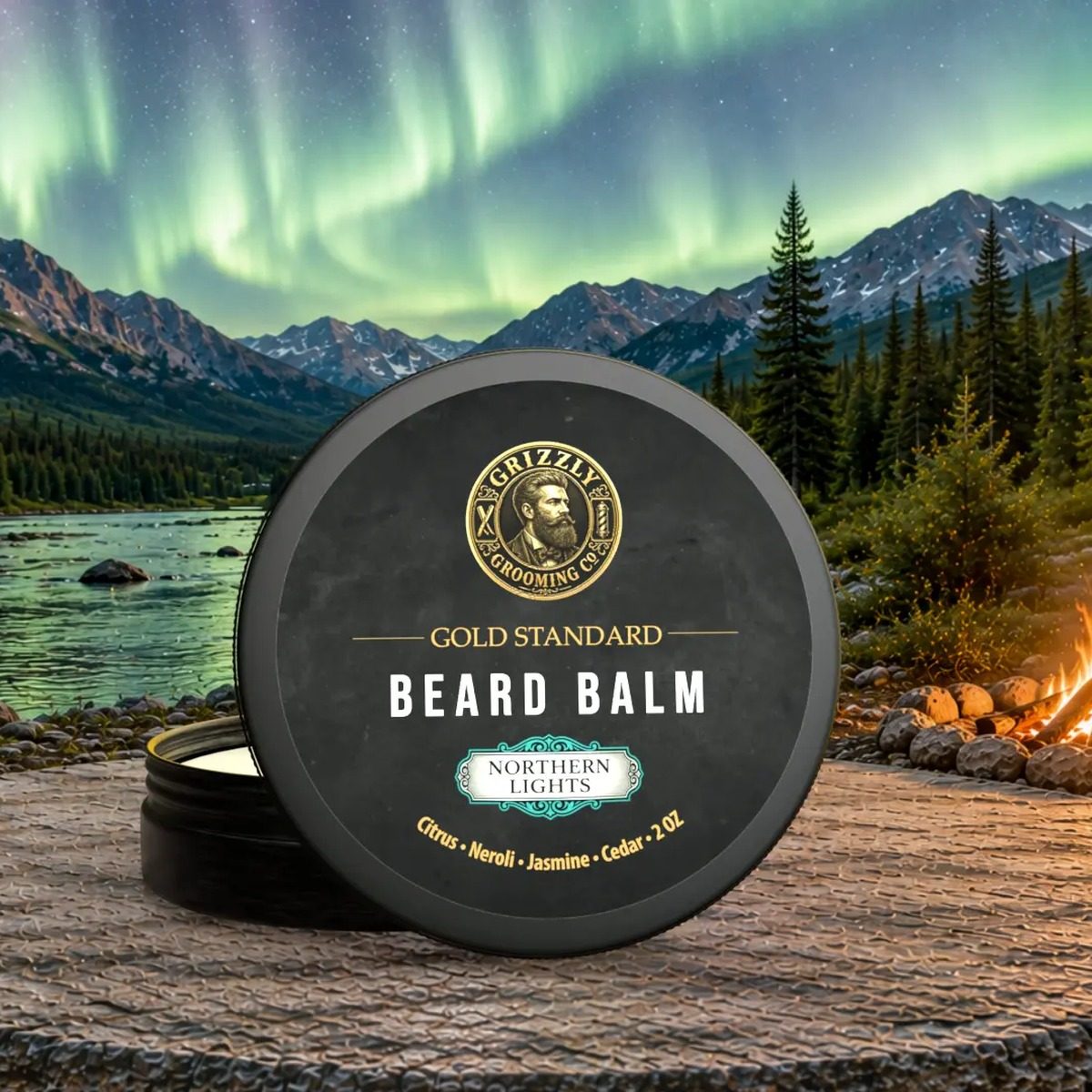
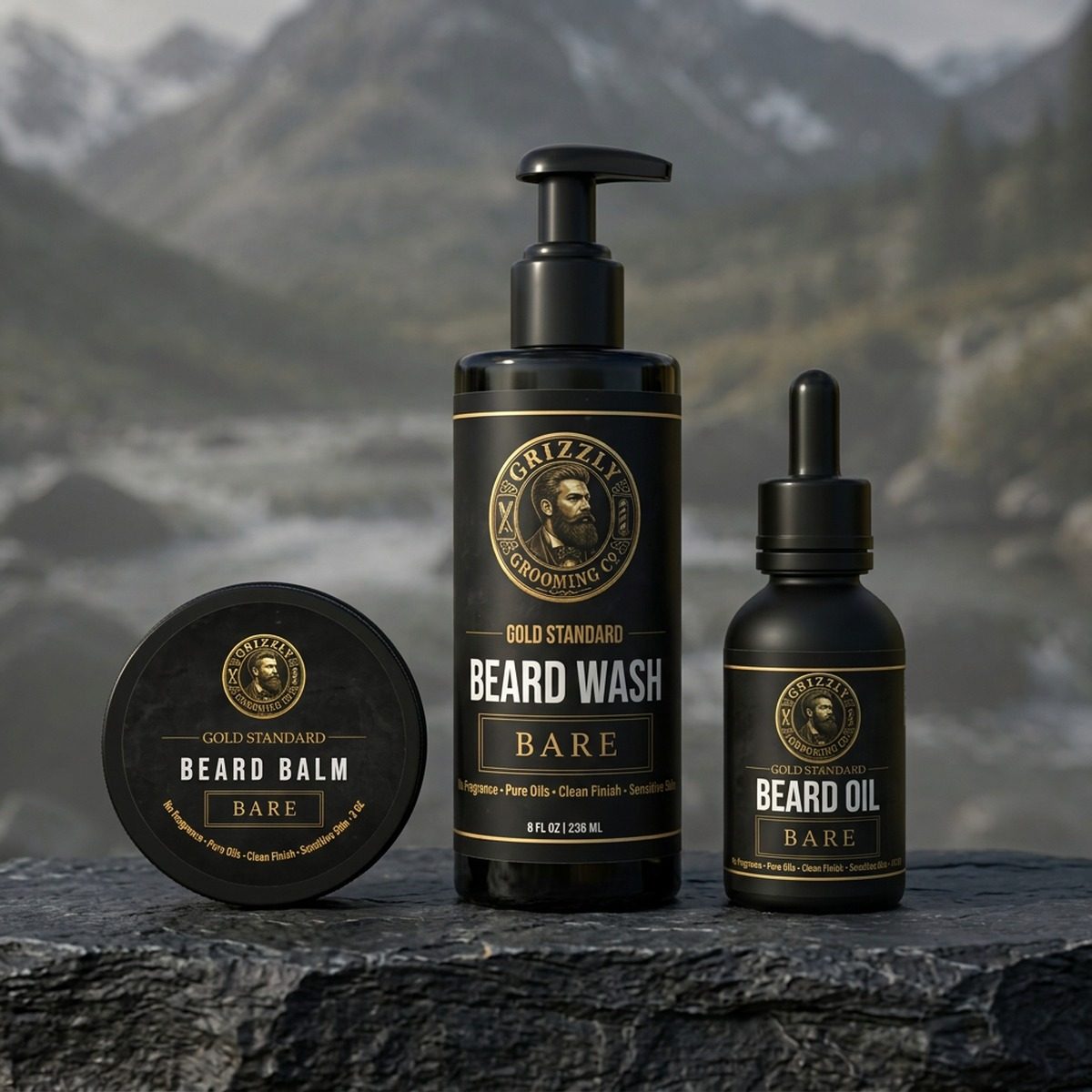
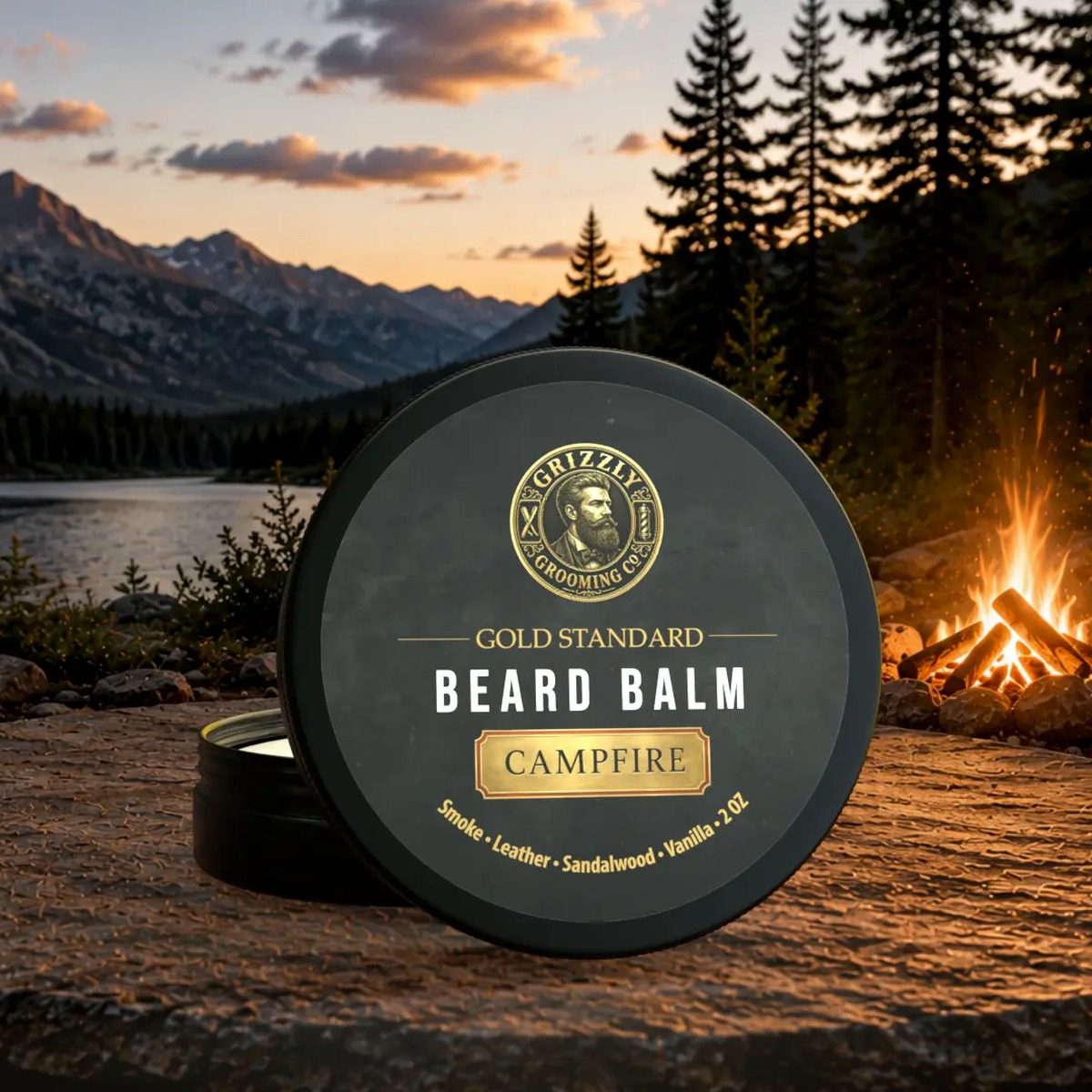
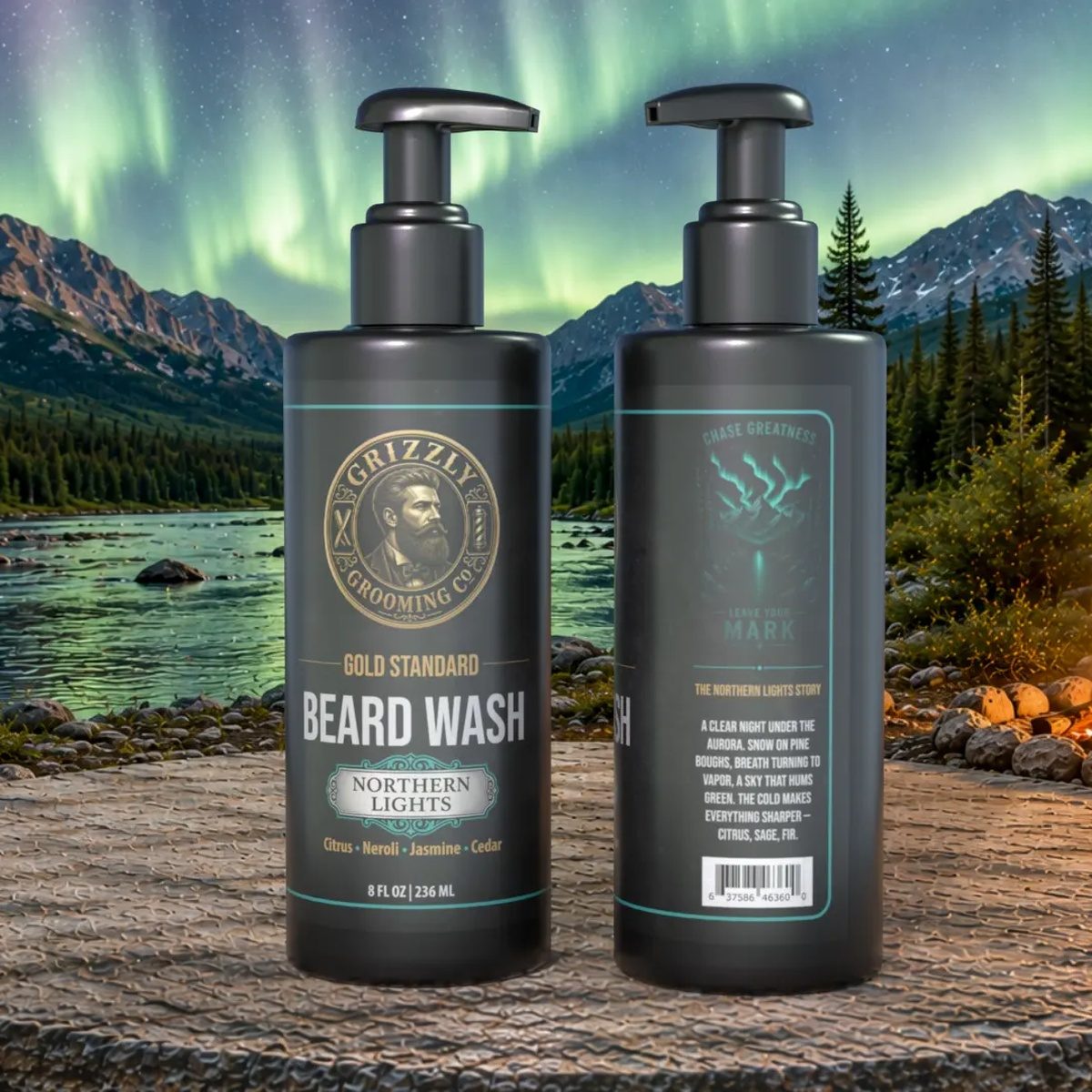
This is also the stage where you should begin incorporating a Beard Wash into your routine twice a week. Standard shampoos are too harsh for facial skin and will strip away the very oil you are trying to supplement. By using a dedicated wash, you maintain a clean canvas that allows your daily oil application to be more effective. If the beard feels particularly stiff at this length, adding a small amount of Beard Balm can provide additional structure and moisture retention.
Managing Full Beards and High Volume Growth
For beards exceeding 3 inches, the dosage increases to 7 to 10 drops, or potentially more for exceptionally dense growth. At this stage, the hair is long enough that the ends are prone to weathering and damage from the elements. The primary goal shifts toward protecting the integrity of the hair shaft while still maintaining skin health underneath the significant mass of hair.
Application for long beards requires a systematic approach. Divide your beard mentally into sections: left side, right side, and chin/mustache. You may find it easier to apply 4 drops to the skin first, then another 4 drops specifically to the mid-lengths and ends of the hair. Pay special attention to the mustache, which often gets neglected but is prone to dryness due to its proximity to the mouth and nose.
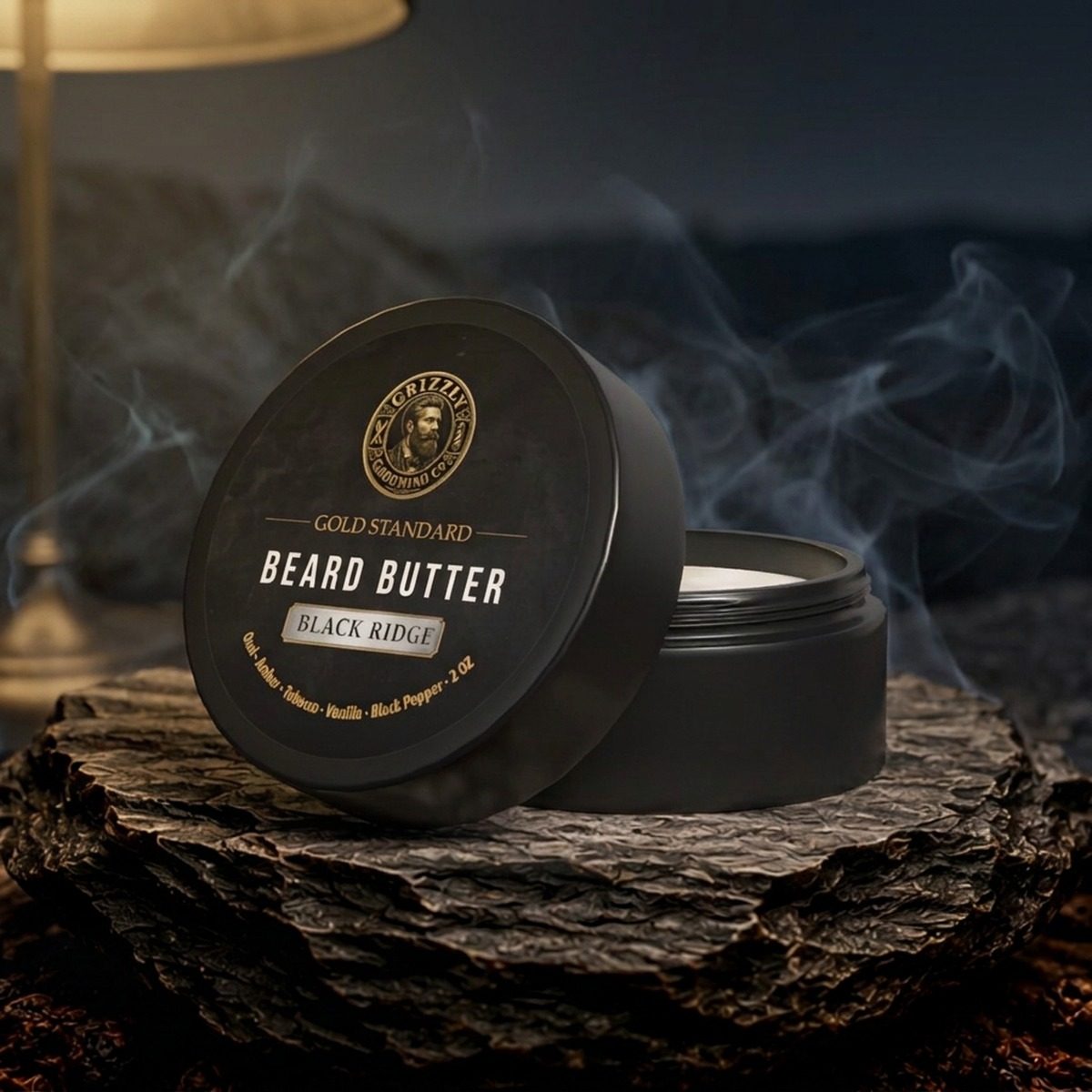
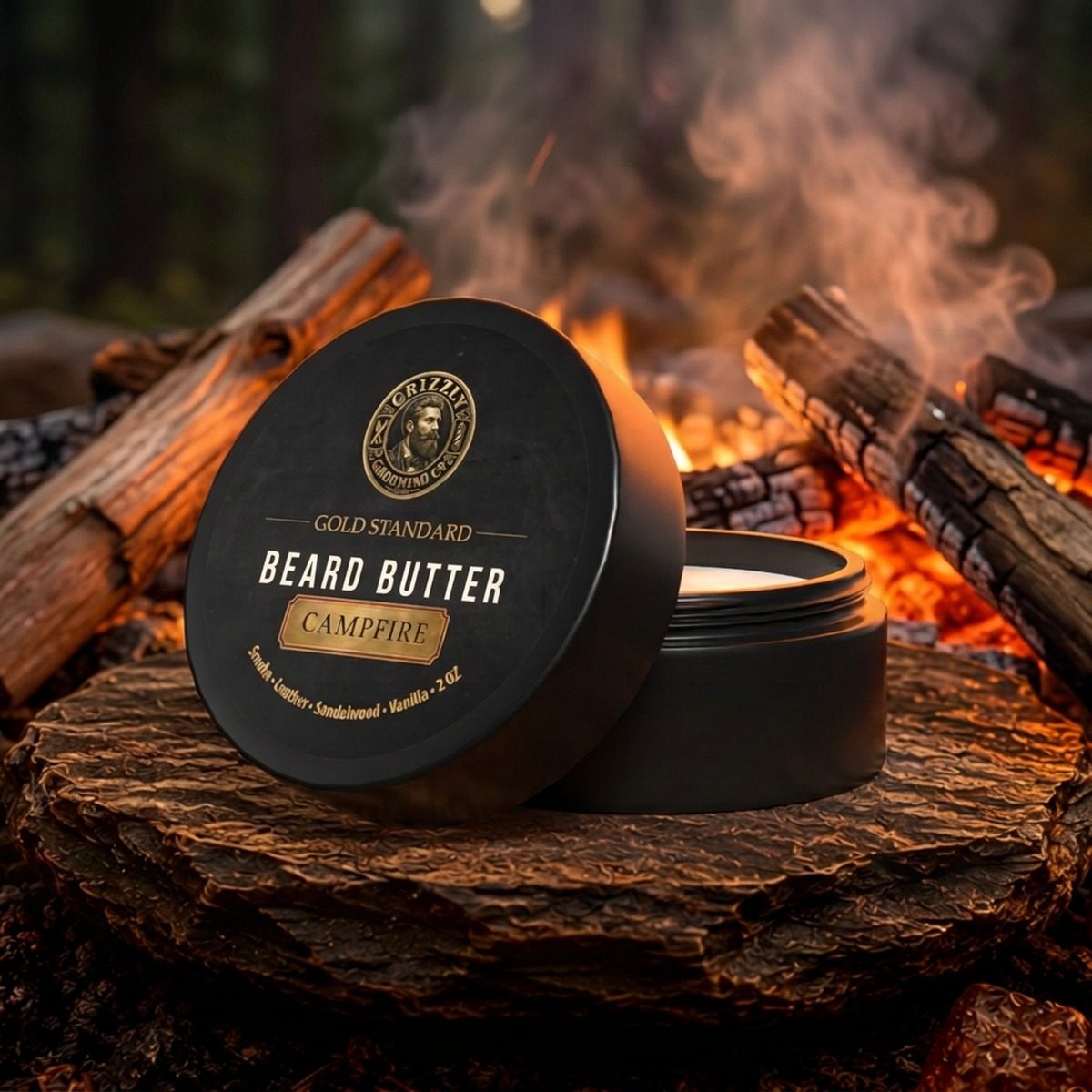
For very long beards, oil alone may not suffice for all-day hydration. This is when the Grizzly Gold Standard Beard Butter becomes a vital secondary tool. While the oil provides the deep skin nourishment, the butter acts as a sealant for the hair. Apply the oil in the morning after your shower, and use the butter in the evening or before bed to provide a slow-release conditioning treatment that lasts through the night.
Environmental and Seasonal Adjustments
A man's beard care routine cannot remain static throughout the year. In winter, the drop in humidity and the presence of indoor heating systems strip moisture from the hair and skin at an accelerated rate. During these months, you should increase your daily oil dosage by 2 to 3 drops. If your beard feels 'crunchy' by mid-afternoon, it is a sign that the morning application was insufficient for the environmental demands.
Conversely, in high-humidity summer environments, the skin produces more sweat and sebum, and the air holds more moisture. You may find that your standard 6-drop dose feels heavy or causes the beard to look stringy. During these periods, reduce your dosage slightly and focus more on the ends of the hair than the skin. Switching to a lighter Beard Balm during the day can also help manage the beard without the weight of excess oil.
Special consideration should be given to those in extreme climates, such as arid deserts or high-altitude regions. In these areas, the beard may require a supplemental application in the late afternoon. If you choose to re-apply, use only half of your morning dose and ensure the beard is free of dust or debris by using a quick rinse or a damp towel before the second application.
The Critical Role of Tools in Distribution
Applying oil with your hands is merely the first step; without proper tools, the oil will remain concentrated in the areas where your palms first made contact. A premium boar hair brush is essential for a professional finish. The natural scales on boar bristles are designed to trap the oil and distribute it evenly across every single hair, from the root to the tip, ensuring no section is oversaturated or left dry.
Brushing does more than just distribute product. It serves as a mechanical exfoliator, removing dead skin cells that can clog pores and cause 'beardruff.' It also stimulates blood flow to the surface of the skin, which can promote healthier follicle function. For longer beards, a wide-tooth wooden comb should be used first to detangle the hair before the brush is used to finish the styling and distribution process.
If you find that your beard has 'hot spots' of oiliness, it is usually a distribution error rather than a dosage error. Spend at least 60 seconds brushing your beard in multiple directions—up, down, and sideways—after applying your Gold Standard Beard Oil. This ensures a uniform sheen and prevents the oil from pooling on the skin, which is the primary cause of irritation for many men.
Adapting to Hair Texture and Porosity
Not all beards are created equal. Hair texture plays a significant role in how much oil is required. Coarse, curly, or wiry hair has a much higher surface area than straight hair because of its kinks and coils. These 'bends' in the hair are also structural weak points where moisture escapes more easily. If you have a coarse beard, you will likely need 1 to 2 more drops than a man with a straight beard of the same length.
Hair porosity—the hair's ability to absorb and retain moisture—is another factor. High-porosity hair absorbs oil quickly but also loses it quickly. If your beard drinks up the oil but feels dry again within two hours, you have high-porosity hair. In this case, applying oil and then immediately 'locking' it in with a wax-based Beard Balm or a heavy Beard Butter is the most effective strategy.
Low-porosity hair has a tightly closed cuticle that resists moisture. If the oil seems to sit on top of the hair for hours without ever absorbing, you may be using too much or applying it to hair that is too cold. In this instance, ensure your beard is warm (from a shower or a warm towel) before application to help open the cuticle, and stick to a lighter dose to avoid a greasy appearance.
Common Mistakes and How to Correct Them
The most frequent error is neglecting the skin. Many men rub the oil onto the surface of the beard like a hair gel. This leaves the skin underneath dry and itchy while the exterior of the beard looks unnaturally shiny. If you experience itching despite using oil, you are not reaching the skin. Correct this by using your fingertips to dig deep into the beard mass during application.
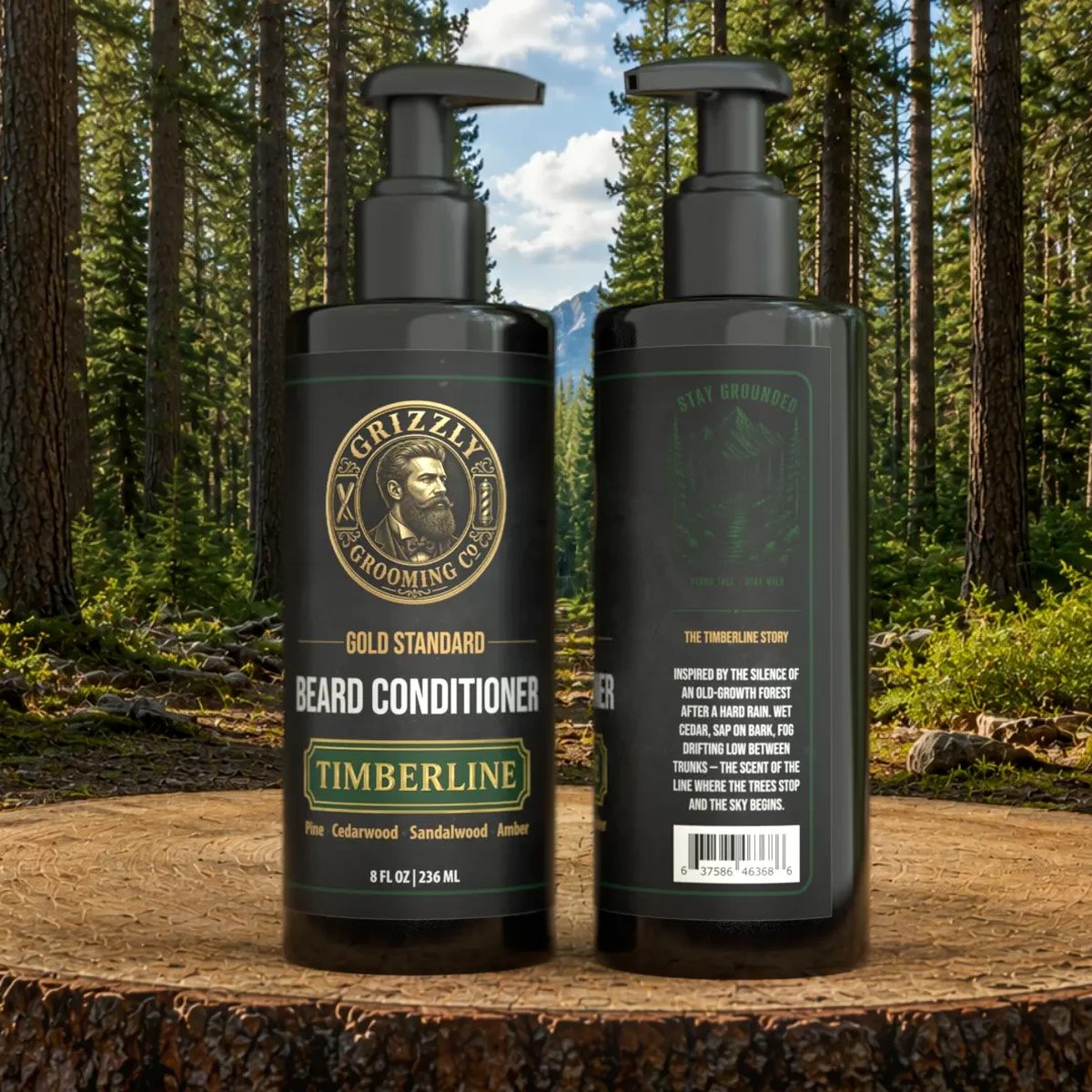
Another mistake is applying oil to a dirty beard. Over time, sweat, dust, and old product build up on the hair and skin. If you apply new oil over this layer, it cannot penetrate and will instead create a gummy residue. Ensure you are using a proper Beard Wash and occasional Conditioner to keep the follicles clean and receptive to treatment. For the body, using a Premium Deodorant and matching Cologne ensures your overall scent profile is consistent with your grooming routine.
Finally, don't ignore the 'tail' of your beard. The ends of the hair are the oldest part of the follicle and have been exposed to the most damage. Men often focus on the cheeks and chin but forget the very bottom of the beard. If your beard looks healthy at the top but looks like straw at the bottom, increase the amount of oil you apply specifically to the ends, or finish with a small amount of Beard Butter to seal the tips.
Frequently Asked Questions
Should I apply beard oil to a wet or dry beard?
Apply oil to towel-damp hair. Water and oil don't mix, but the moisture helps the oil spread more evenly across the skin and hair while the warmth from the water keeps pores and cuticles open for better absorption.
Can I use beard oil twice a day?
Yes, especially if you live in a dry climate or have a long beard. A full application in the morning and a smaller, half-dose application in the evening can help maintain softness and skin health around the clock.
How do I know if I am using too much beard oil?
If your beard feels greasy to the touch 20 minutes after application, or if you see oil marks on your phone screen or shirt collar, you are over-applying. The beard should have a healthy sheen, not a reflective shine.
Will beard oil help my beard grow faster?
No product can change your genetic growth rate. However, beard oil prevents breakage and split ends while keeping the skin healthy, which allows you to retain the length you grow and prevents you from shaving due to irritation.
Is beard oil the same as beard butter?
No. Beard oil is a liquid treatment primarily for the skin and hydration. Beard butter is a creamier product with a higher concentration of fats (like shea or mango butter) designed to deep-condition the hair and provide a light hold.
What should I do if beard oil makes me break out?
Breakouts usually mean you are using too much oil or not washing your beard properly. Ensure you are using a dedicated Beard Wash to remove old oil, and reduce your dosage by 1-2 drops until the skin clears.
Build your ritual in 60 seconds.
Answer four questions and get a custom regimen built around your beard and routine.
Start The Ritual Builder