Professional Techniques for a Barbershop Quality Grooming Ritual at Home
A professional grooming ritual is distinguished from a standard morning routine by its technical precision and the deliberate sequencing of tasks. The goal of a barbershop-grade service is to manage the biology of the hair and skin rather than simply masking its appearance. By understanding the structural differences between facial hair and scalp hair, and the specific needs of the underlying dermis, a man can achieve a level of refinement that persists throughout the day. This guide outlines the exact protocols utilized by master barbers to ensure structural integrity, aesthetic balance, and optimal skin health using a methodical, tool-based approach.
- ›Always prepare the facial hair with a three-minute steam treatment to soften the keratin before trimming.
- ›Utilize a pH-balanced beard wash to preserve the skin’s acid mantle and natural sebum production.
- ›Layer products by molecular weight: apply Beard Oil to the skin first, followed by Beard Butter or Balm to the hair.
- ›Execute trimming only on dry hair to avoid the shrinkage effect that leads to uneven lines and gaps.
- ›Maintain tools with weekly isopropyl alcohol sterilization to prevent follicular bacterial infection.
- ›Adapt the ritual to environmental factors, increasing lipid-heavy products like Beard Butter during winter months.
The Thermal Preparation: Porosity and Softening
The first step in a professional ritual is the thermal manipulation of the hair shaft. Facial hair is significantly more androgenic and coarse than scalp hair, possessing a flat or oval cross-section that makes it prone to stiffness. To counter this, a three-minute exposure to steam or a hot towel at approximately 105 degrees Fahrenheit is required. This process, known as swelling the cuticle, allows moisture to penetrate the cortex, making the hair pliable and reducing the force required for trimming.
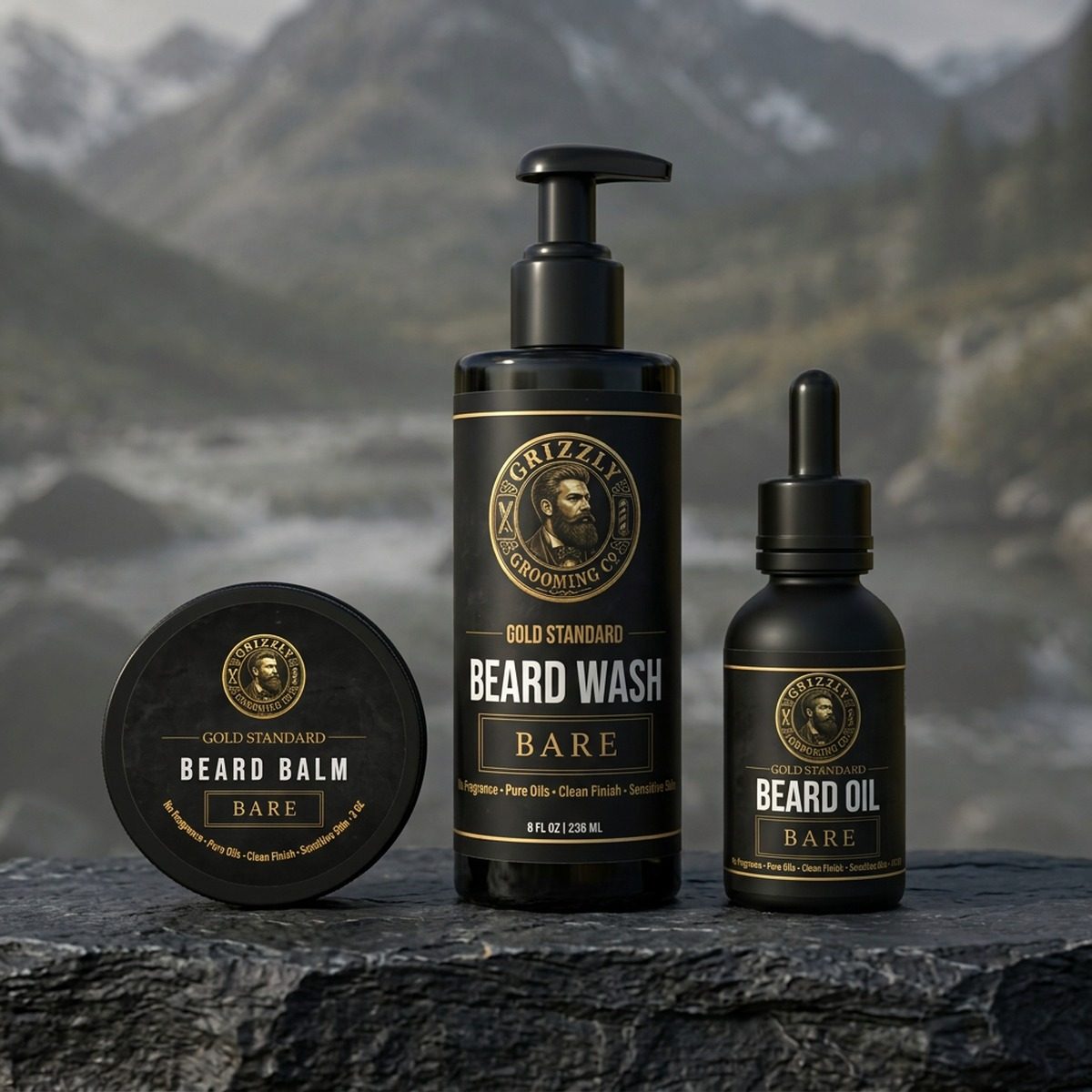
During this preparation phase, the choice of cleanser is critical. Standard bar soaps and body washes are formulated with high-pH surfactants like sodium lauryl sulfate, which strip the essential lipids from the skin. A dedicated Beard Wash uses milder agents such as decyl glucoside or coco-glucoside. These cleansers effectively remove environmental pollutants and oxidized sebum while maintaining the skin's natural pH, typically between 4.5 and 5.5, which is necessary to prevent the growth of unwanted bacteria and 'beardruff'.
For men with sensitive skin or prone to ingrown hairs, this stage should also include a gentle manual exfoliation. Using a Goat Soap Bar on the neck area helps remove dead skin cells that can trap emerging hairs. Ensuring the hair is fully hydrated before any blade touches the skin reduces the risk of pseudofolliculitis barbae, the medical term for razor bumps, by ensuring a clean cut rather than a jagged tear of the hair fiber.
Technical Trimming: Identifying the Natural Architecture
Trimming should always be performed on dry hair. When wet, hair elongates; if you trim to a specific length while damp, the hair will retract as it dries, often resulting in a shorter, patchier appearance than intended. Begin by using a wide-tooth comb to brush the beard outward, then downward, to reveal its true volume and any uneven growth patterns. This identifies the 'bulk' areas that require thinning versus the 'sparse' areas that need length to maintain the silhouette.
Establishing the neckline is the most critical anatomical decision in the ritual. A common error is placing the line too high, which creates an unnatural look and fails to support the jawline. The professional standard is to find the point two fingers above the Adam's apple and draw a 'U' shape toward the back of the ears. For the cheek line, follow the natural trajectory from the sideburn to the corner of the mouth, removing only the outliers that disrupt the clean line of the face shape.
Tool selection is paramount. When reducing bulk, use professional-grade shears rather than electric clippers for a more precise finish that doesn't split the ends of the hair. If using trimmers, ensure the blades are zero-gapped for crisp lines but avoid applying excessive pressure. For those maintaining a shorter beard, alternating guard lengths—shorter on the cheeks and longer toward the chin—creates an elongated, masculine profile that enhances the underlying bone structure.
Dermal Hydration: The Physics of Beard Oil
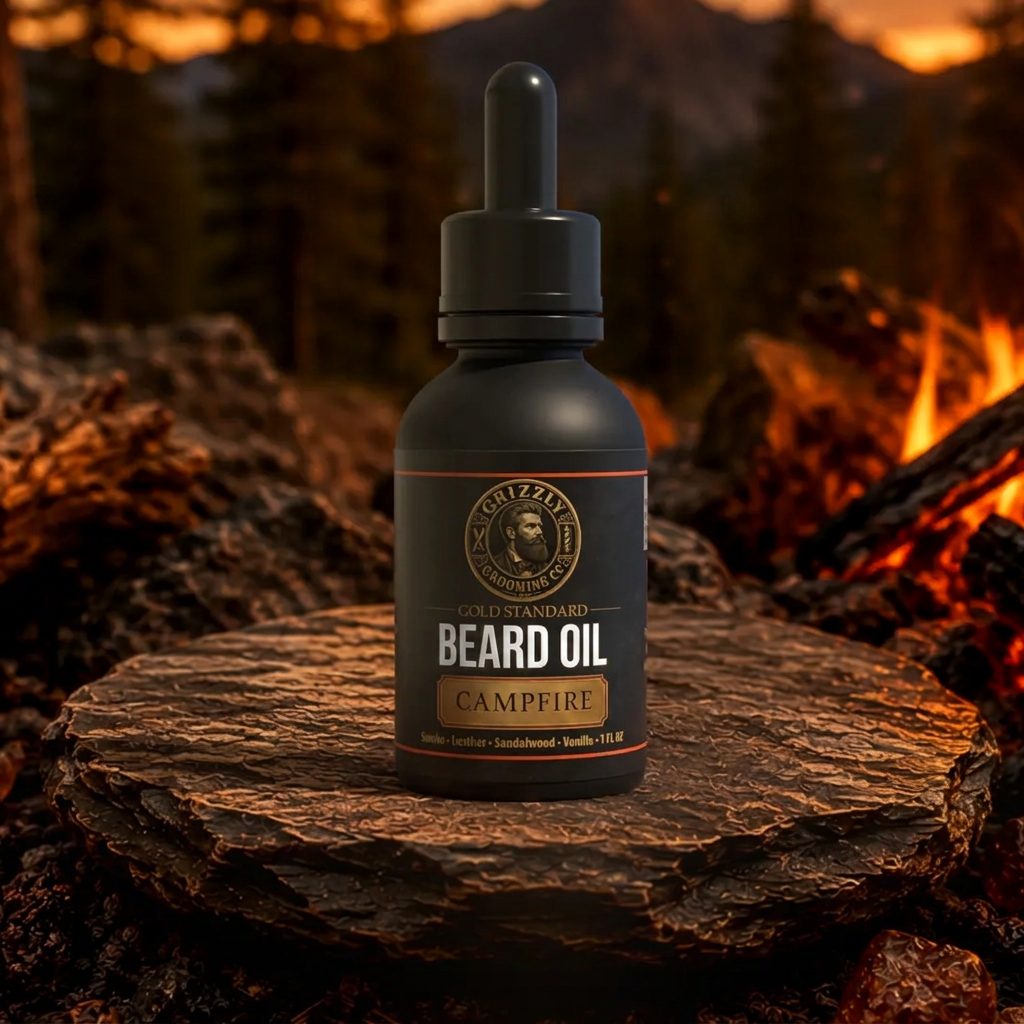
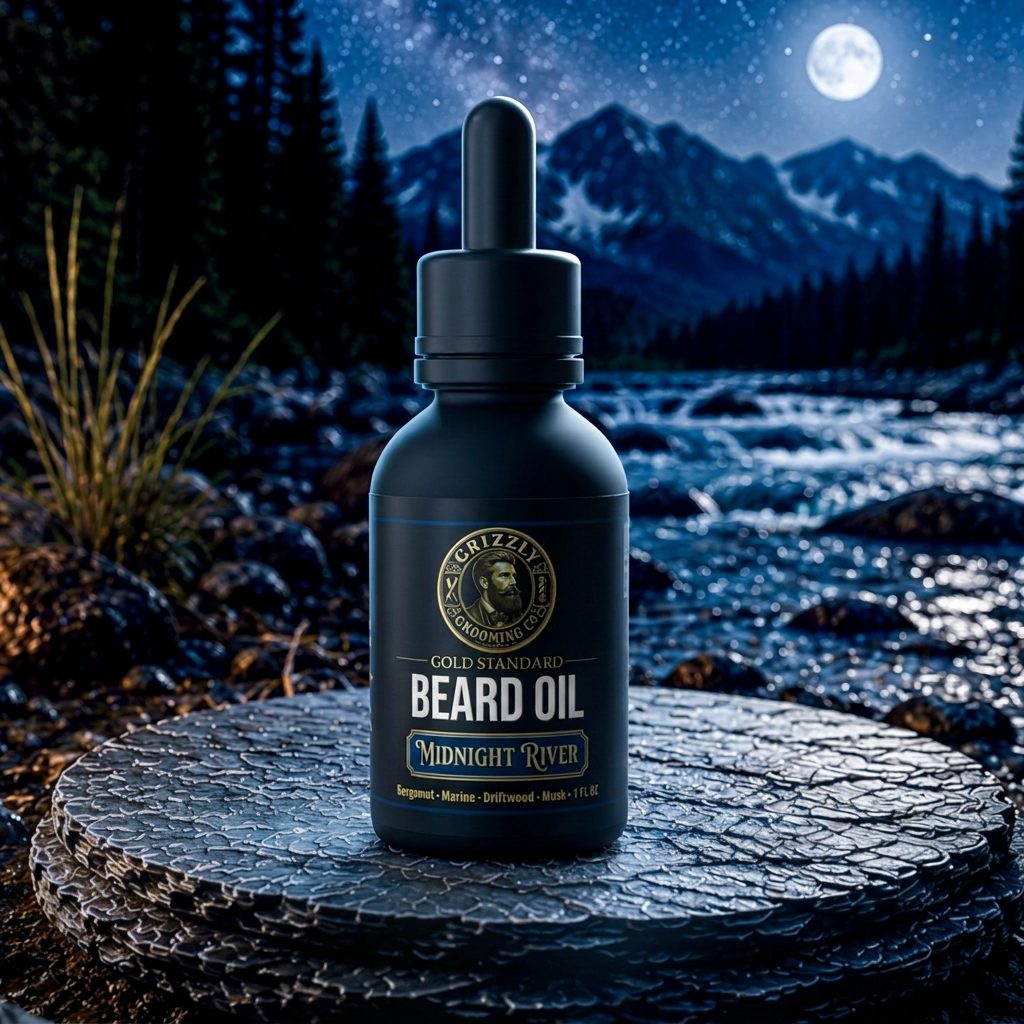
Beard oil is not primarily for the hair; it is a delivery system for the skin beneath. As a beard grows, it wicks away the natural sebum produced by your sebaceous glands, leaving the skin dry and prone to irritation. A premium Beard Oil, like the Grizzly Gold Standard, uses carrier oils such as jojoba or argan, which closely mimic human sebum. This allows the oil to be absorbed quickly without leaving a greasy residue or clogging pores.
The application technique is vital for maximum efficacy. Distribute 3 to 8 drops, depending on beard length and skin type (oily skin requires less, dry skin requires more), into your palms. Rub your hands together to warm the oil, then massage it directly into the skin, starting from the neck and working upward. Ensure the oil reaches the follicles at the base of the hair, as this is where the nutrition is most needed to support healthy growth cycles.
Seasonal adjustments are necessary for dermal health. During the winter, the low humidity levels accelerate moisture loss from the skin, often requiring a heavier application of oil or the addition of a lipid-rich Beard Butter. Conversely, in humid summer months, a lighter application ensures the skin remains breathable. Always finish the oil application by using a boar bristle brush to distribute the remaining product from the roots to the tips, which helps seal the hair cuticle and adds a natural luster.
Structural Finishing: Layering Balm and Butter
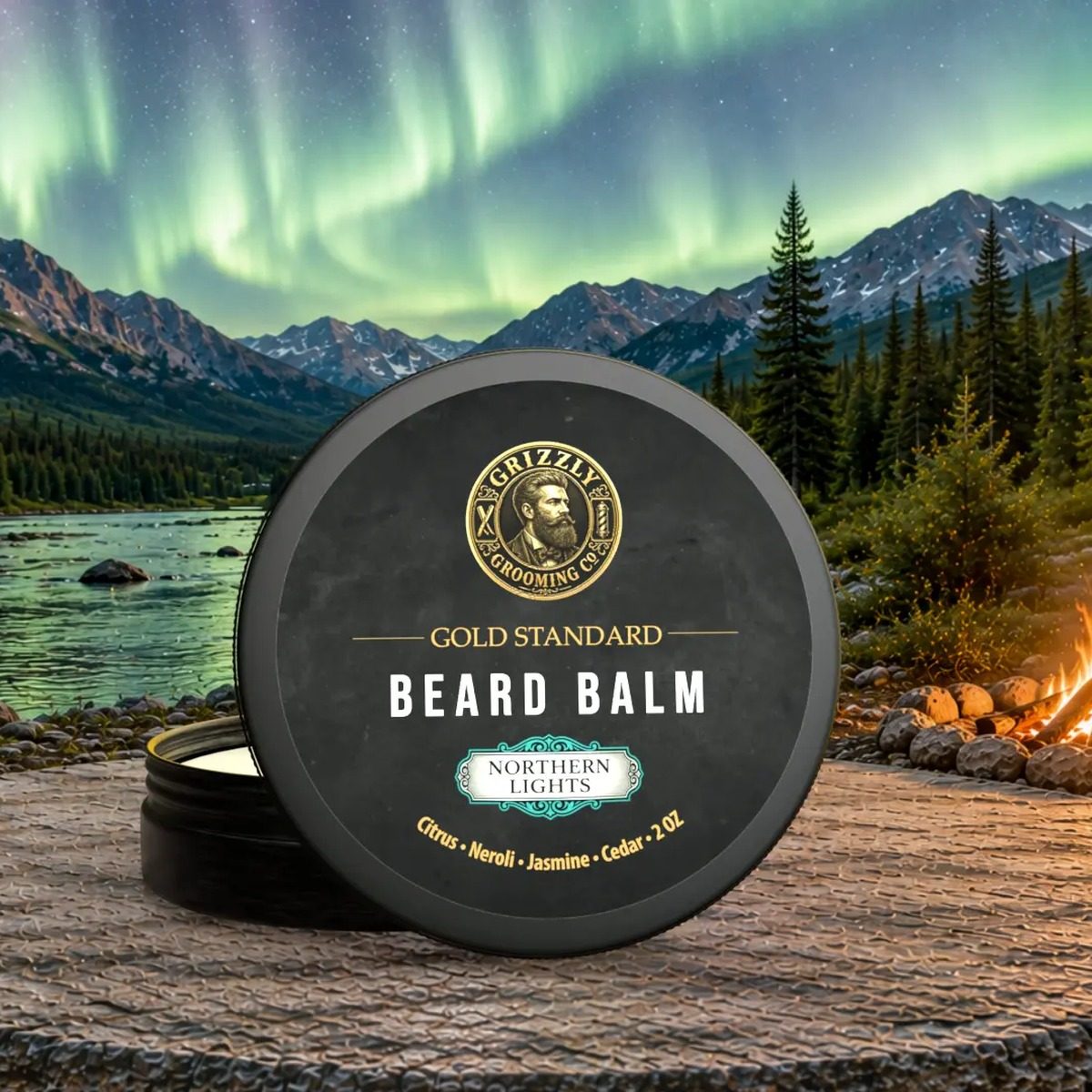
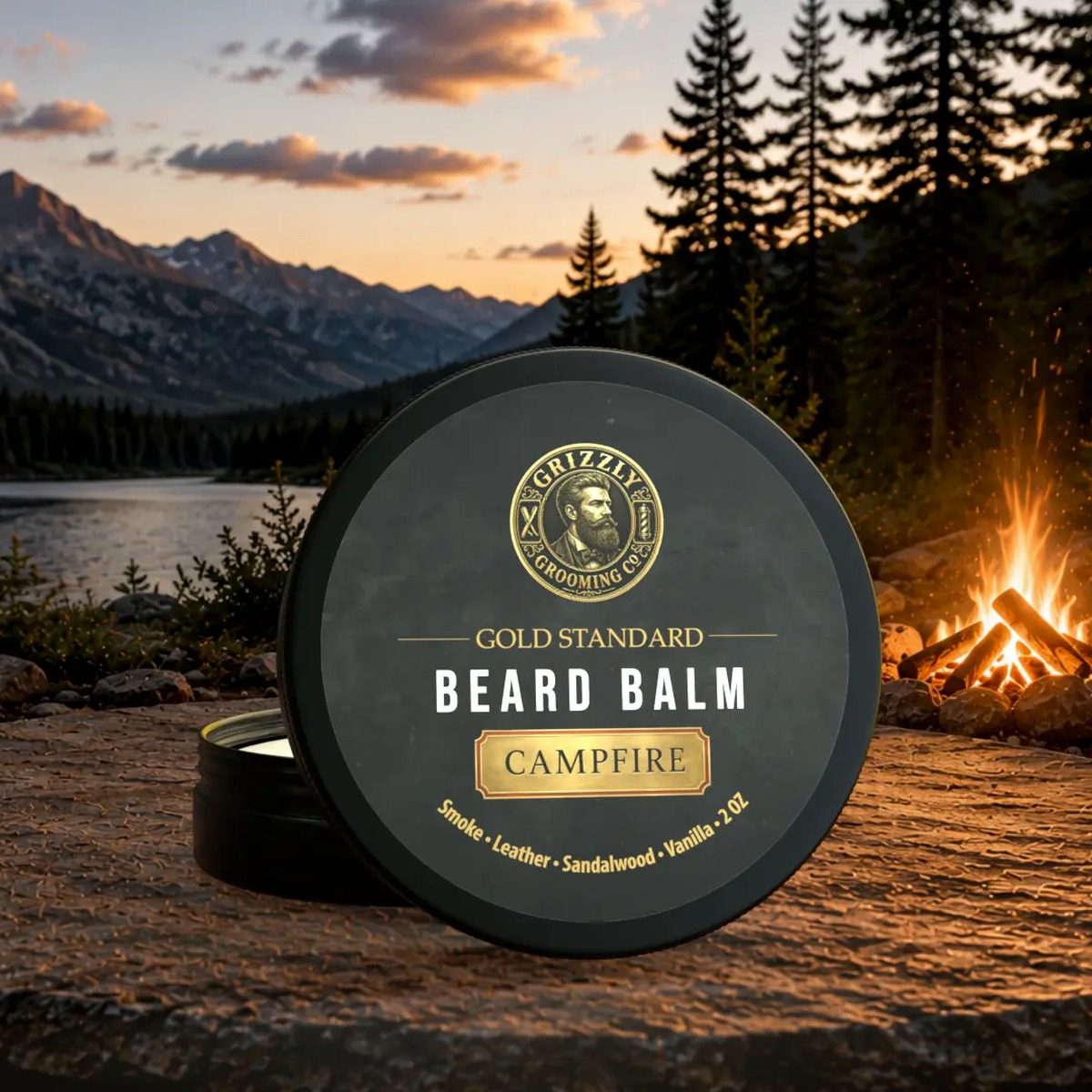
Once the skin is hydrated with oil, the focus shifts to the structural integrity of the beard itself. Beard Balm and Beard Butter serve as occlusive layers that lock in the oil while providing varying degrees of hold. A balm typically contains beeswax or lanolin, providing the mechanical tension needed to control flyaways and sculpt the beard into a cohesive shape. This is particularly useful for men with medium to long beards who require all-day silhouette maintenance.
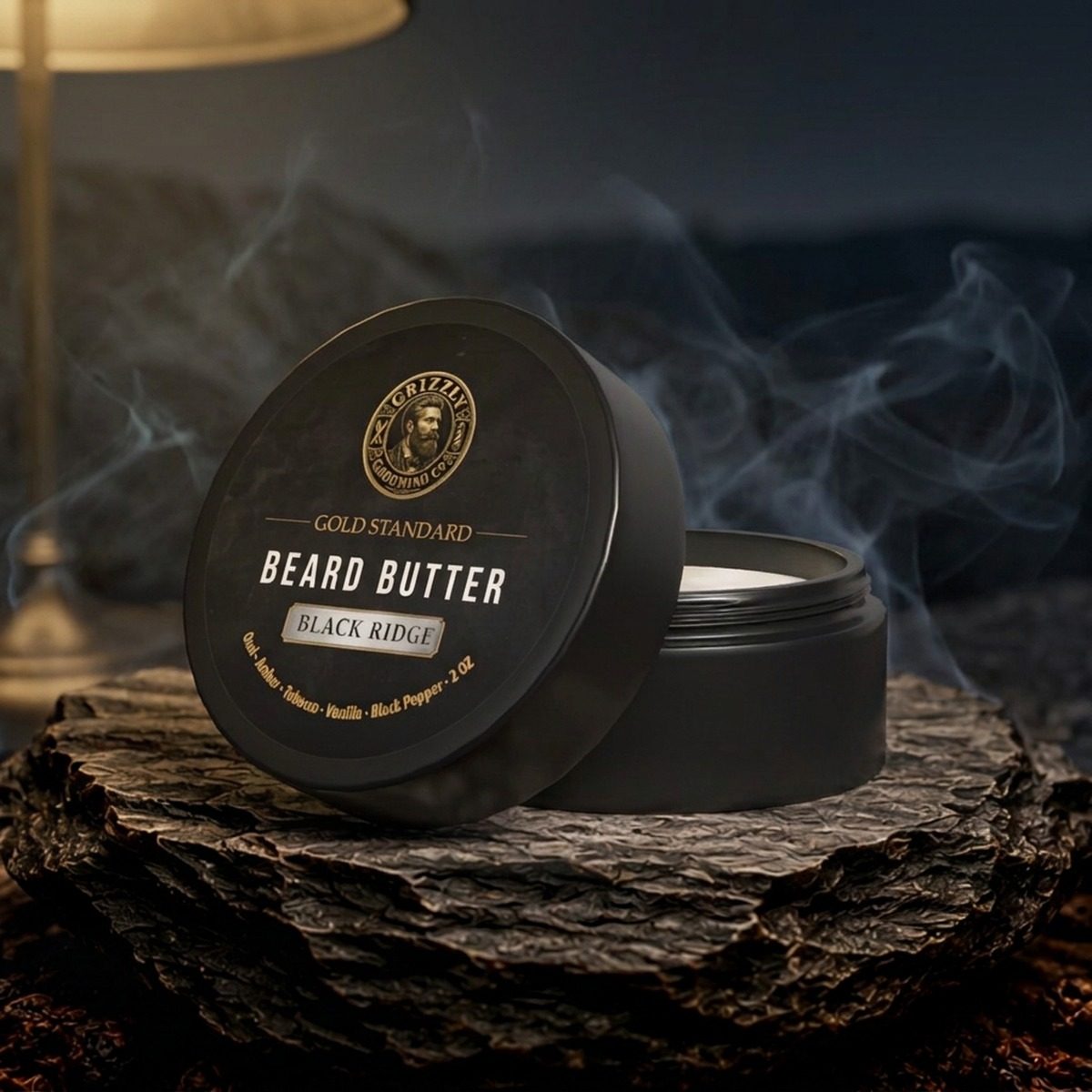
Beard Butter, by contrast, is formulated with higher concentrations of shea or cocoa butter and less wax. It is designed to deeply condition the hair fibers, making them softer to the touch and more manageable. In a professional ritual, butter is often used as a night treatment or as a secondary layer over oil for men with extremely coarse or curly hair. The fats in these butters penetrate the hair cortex, increasing elasticity and reducing the likelihood of breakage.
For the mustache, a specialized Mustache Wax is recommended to keep hair away from the mouth and maintain a clear line. Warm a small amount between the thumb and forefinger until it reaches a tacky consistency, then apply from the philtrum outward. This prevents the 'droop' that occurs as the day progresses and ensures the mustache remains a distinct element of the overall groom. This layering process creates a multi-dimensional barrier against environmental damage and dehydration.
Advanced Skin Care and Whole-Body Integration
A grooming ritual is incomplete if it ignores the surrounding canvas. The forehead, nose, and under-eye areas require specific attention to maintain a balanced complexion. Use a non-comedogenic moisturizer on the non-bearded areas of the face to prevent a visual disparity between the hydrated beard area and a dry forehead. This creates a unified appearance of health across the entire face, regardless of beard style.
Body maintenance should mirror the quality of facial care. Utilizing a dedicated Shampoo and Conditioner for the scalp is necessary, as these products are formulated to handle the higher oil production of the scalp compared to the face. Furthermore, integrating a Premium Deodorant and a Solid Cologne ensures a consistent scent profile that is subtle rather than overpowering. Solid colognes are particularly effective for professional settings as they sit closer to the skin and last longer due to their wax base.
Regularly assess the skin for signs of inflammation or congestion. If you notice small red bumps, it may be a sign of over-application of heavy waxes or a need for deeper cleansing. In these cases, increase the frequency of your Beard Wash usage and temporarily reduce the amount of balm. The goal is a state of equilibrium where the skin is supple and the hair is soft, without any buildup of product or debris.
Troubleshooting Common Grooming Failures
One of the most frequent mistakes is the 'over-trim.' This occurs when a man tries to fix a small asymmetry and ends up removing too much bulk from both sides. To correct this, always step back from the mirror every three clips to view the beard from a distance. If an error occurs, do not attempt to level it immediately; often, a few days of growth will naturally fill the gap, whereas further trimming will only compromise the overall shape.
Another common issue is 'product buildup,' characterized by a waxy feel or a lack of shine. This is usually the result of failing to use a proper wash or layering too many heavy products without adequate rinsing. To resolve this, perform a deep clean using a slightly warmer water temperature and a double-wash technique with your Beard Wash, then reset the routine with only a few drops of Beard Oil for 48 hours to allow the skin to breathe.
Itchy skin, particularly in the third or fourth week of growth, is often mistaken for a lack of cleanliness. In reality, it is usually caused by the sharp ends of recently shaved hairs curling back and piercing the skin. The solution is not more washing, but more hydration. Increasing the application of Beard Butter will soften these sharp tips, while the consistent use of a boar bristle brush will train the hairs to grow away from the skin surface.
Tool Maintenance and Hygiene Standards
Professional results are impossible with neglected tools. Trimmer blades accumulate skin cells, oils, and bacteria, which can lead to localized infections or acne if not cleaned. After every use, brush away the hair and apply a drop of clipper oil to the blades to maintain their sharpness and reduce friction-based heat. Once a week, submerge the non-electric components of your tools, such as combs and shears, in a solution of warm water and mild soap or isopropyl alcohol.
The condition of your brushes is equally important. A boar bristle brush acts as a natural distributor of oils, but it also traps dust and old product. To clean it, use a fine-tooth comb to remove trapped hairs, then wash the bristles with a small amount of Beard Wash, being careful not to soak the wooden handle. Allow it to air dry with the bristles facing down to prevent water from damaging the base.
Replace your razor blades or trimmer heads regularly. A dull blade does not cut; it tugs, leading to microscopic tears in the skin and increased irritation. If you feel any resistance or 'pulling' during your grooming ritual, it is a definitive sign that the tool is no longer performing at professional standards. Maintaining a high standard for your equipment ensures that each ritual is as effective as the first.
Adapting the Ritual to Different Beard Lengths
The requirements of a grooming ritual evolve as the beard matures. For short beards (stubble to 1 inch), the focus should be almost entirely on skin health and edge crispness. A light application of Beard Oil and a focused neckline trim every three days are sufficient. At this length, the skin is still visible, so ensuring the underlying dermis is free of redness and flaking is the primary aesthetic goal.
Medium beards (1 to 3 inches) require the introduction of Beard Balm and more frequent combing. This is the stage where the hair starts to develop its own direction, and mechanical control becomes necessary to prevent a disheveled appearance. A daily combing session with a wooden comb—which avoids the static electricity generated by plastic—is essential to prevent tangles and ensure even product distribution.
Long beards (3 inches and beyond) demand a focus on hydration and structural support. Because the hair is further from the sebaceous glands, the ends are prone to split ends and brittleness. A combination of daily oil, butter, and a weekly deep conditioning treatment is required. Additionally, long beards should be patted dry with a microfiber towel rather than rubbed, as rubbing can cause significant damage to the long hair fibers and lead to frizz.
Frequently Asked Questions
Should I apply beard oil to a wet or dry beard?
Apply oil to a towel-dried, slightly damp beard. The moisture helps the oil spread more evenly, but excessive water will repel the oil and prevent it from reaching the skin where it is most needed.
Is it necessary to use both beard oil and beard butter?
While not strictly mandatory, using both is optimal for comprehensive care. The oil targets skin hydration and follicle health, while the butter provides deep conditioning to the hair fibers and light styling control.
How do I prevent my beard from smelling like food or smoke?
Daily use of a specialized Beard Wash is the most effective way to remove trapped odors. For mid-day refreshes, a small application of a scented Beard Oil or Solid Cologne can neutralize environmental smells.
Can I use hair conditioner on my beard?
It is not recommended, as scalp conditioners often contain heavy silicones that can clog the pores on your face. A dedicated beard conditioner or butter is formulated to be non-comedogenic for facial skin.
How often should I clean my neckline?
For a sharp, professional appearance, clean the neckline every two to three days. This prevents the 'blurred' look of regrowth and maintains the intentional shape of your beard.
What is the best way to deal with a patchy beard?
Focus on maintaining clean lines and keeping the existing hair healthy with Beard Oil. Often, increasing the length of the surrounding hair and using a Beard Balm to style it over the patches can create a fuller appearance.
Build your ritual in 60 seconds.
Answer four questions and get a custom regimen built around your beard and routine.
Start The Ritual Builder