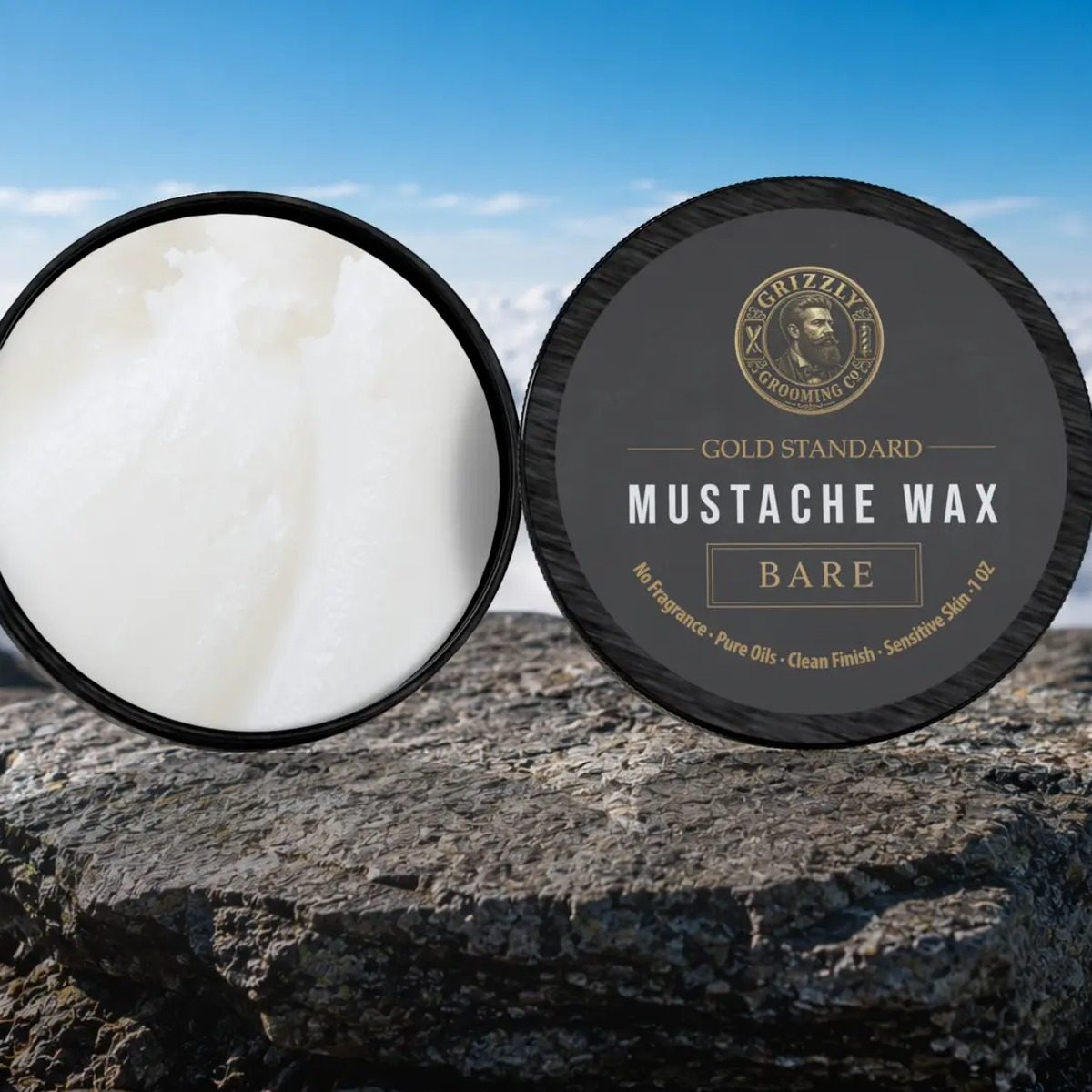
Natural Mustache Control: How to Manage Your Style Without Wax
The pursuit of a natural mustache aesthetic requires a shift from structural adhesives to disciplined grooming mechanics. While traditional mustache wax provides an ironclad hold suitable for competition-level styling, many men prefer a softer, more touchable texture for daily wear. Achieving this without sacrificing neatness involves a comprehensive understanding of hair biology, thermal manipulation, and the strategic application of moisture-regulating products. By mastering the fundamentals of hair training and precision maintenance, you can command a silhouette that remains sharp through the day while maintaining the natural movement and softness of the facial hair.
- ›Utilize a saw-cut fine-tooth comb twice daily to redirect the growth pattern of the follicles through mechanical training.
- ›Apply low-to-medium heat with a blow dryer and a small round brush to reshape hydrogen bonds for a wax-free hold.
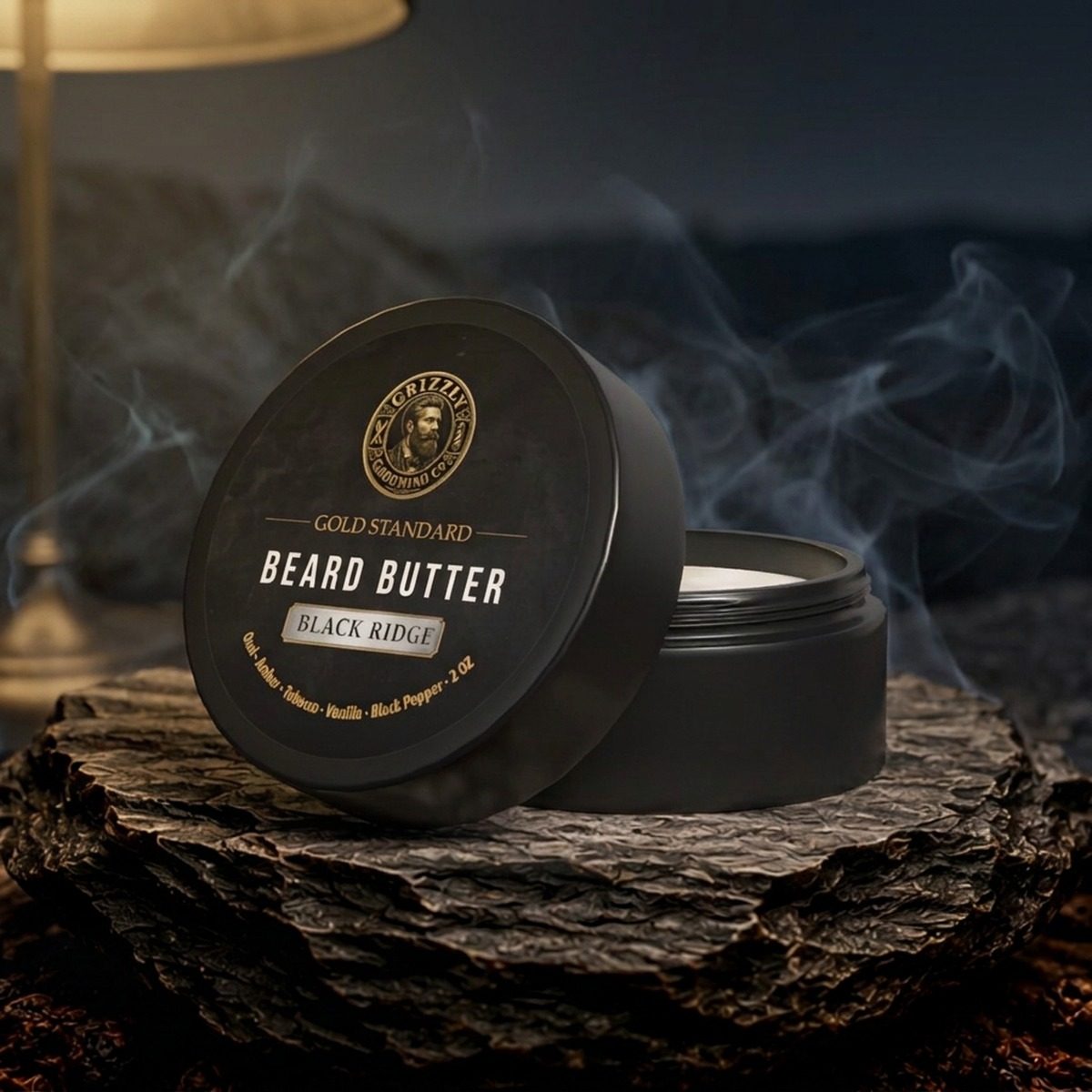
- ›Layer a single drop of Gold Standard Beard Oil with a pea-sized amount of Beard Butter to provide weight without stiffness.
- ›Execute vertical point-cutting with professional shears to remove rogue coarse hairs that disrupt the mustache silhouette.
- ›Maintain the vermilion border by trimming hair 1-2mm above the upper lip to prevent moisture buildup from food and drink.
- ›Implement a cold-shot blast at the end of every heat styling session to lock the hair cuticle into its new position.
Mechanical Training and Follicular Direction
Training the mustache to grow laterally or away from the center of the lip is a process of physical habituation known as mechanical direction. Unlike the hair on your scalp, mustache hair is typically androgenic, meaning it is thicker, coarser, and more prone to irregular growth patterns. Daily combing with a high-quality saw-cut comb is non-negotiable. Saw-cut tools are essential because they are hand-polished to remove the microscopic jagged edges found on molded plastic combs, which can snag the cuticle and cause split ends.
To begin the training process, start at the philtrum—the indentation above your upper lip—and comb outward toward the corners of the mouth. This should be done for three to five minutes every morning while the hair is slightly damp. The moisture makes the hair more elastic, allowing it to be guided into place more easily. Over several weeks, this constant redirection encourages the hair to lie flat against the skin rather than protruding forward in a 'brush' style.
Consistency is more important than duration. Short, frequent sessions throughout the day are more effective at training stubborn follicles than one long session. By keeping a comb in your pocket, you can reinforce the direction whenever the hair begins to stray. This practice also helps distribute the natural sebum oils from the skin across the entire hair shaft, which adds a microscopic layer of weight that assists in keeping the hair in its intended position.
For those with particularly dense or wiry growth, consider the 'tug and hold' method. While combing, apply gentle tension to the ends of the hair for five seconds at the end of each stroke. This helps stretch the hair slightly and reinforces the lateral path you are establishing. Within three to four weeks, the hair will begin to naturally gravitate toward this outward orientation, reducing the need for heavy styling agents.
Thermal Styling for Semi-Permanent Shape
Heat styling is the most potent alternative to mustache wax because it temporarily alters the hydrogen bonds within the hair. When hair is heated, these bonds break, allowing the hair to be reshaped. As it cools, the bonds reform in the new position. To execute this safely, use a blow dryer with a concentrator nozzle on a medium-heat setting. Excessive heat can lead to protein damage and brittleness, so always maintain a distance of at least six inches from the face.
Start with a damp mustache that has been towel-dried. Use a small round brush—preferably one with boar bristles—to catch the hair and roll it in the direction you want it to sit. If you are aiming for a traditional handlebar without wax, roll the ends of the mustache around the brush while applying heat for ten to fifteen seconds. The combination of tension and temperature will force the coarse hair to comply with the curve of the brush.
The most critical step in this process is the 'cold shot.' Almost every professional blow dryer features a button that deactivates the heating element. Once the hair has reached the desired shape under heat, hold it in place and blast it with cold air for ten seconds. This rapid cooling 'sets' the hydrogen bonds instantly, providing a natural, flexible hold that can withstand movement throughout the day without the sticky residue of a resin-based wax.
If you encounter stubborn sections that refuse to hold, you may need to repeat the heat-cool cycle. Avoid the temptation to crank the temperature to the maximum setting; instead, focus on the tension provided by the brush. For men with sensitive skin, ensure you apply a base layer of Gold Standard Beard Oil before styling to act as a mild thermal protectant, preventing the dry air from sapping the internal moisture of the hair cortex.
Hydration Layers: Oil versus Butter
Without the adhesive properties of wax, you must rely on the weight and pliability provided by hydration. A dry mustache is a frizzy mustache, and frizz is the enemy of a clean silhouette. The first layer of defense is a high-quality beard oil. For a mustache, you only need one to two drops. Rub the oil between your fingertips and work it directly into the skin beneath the mustache, then pull the excess through the hairs to the tips.
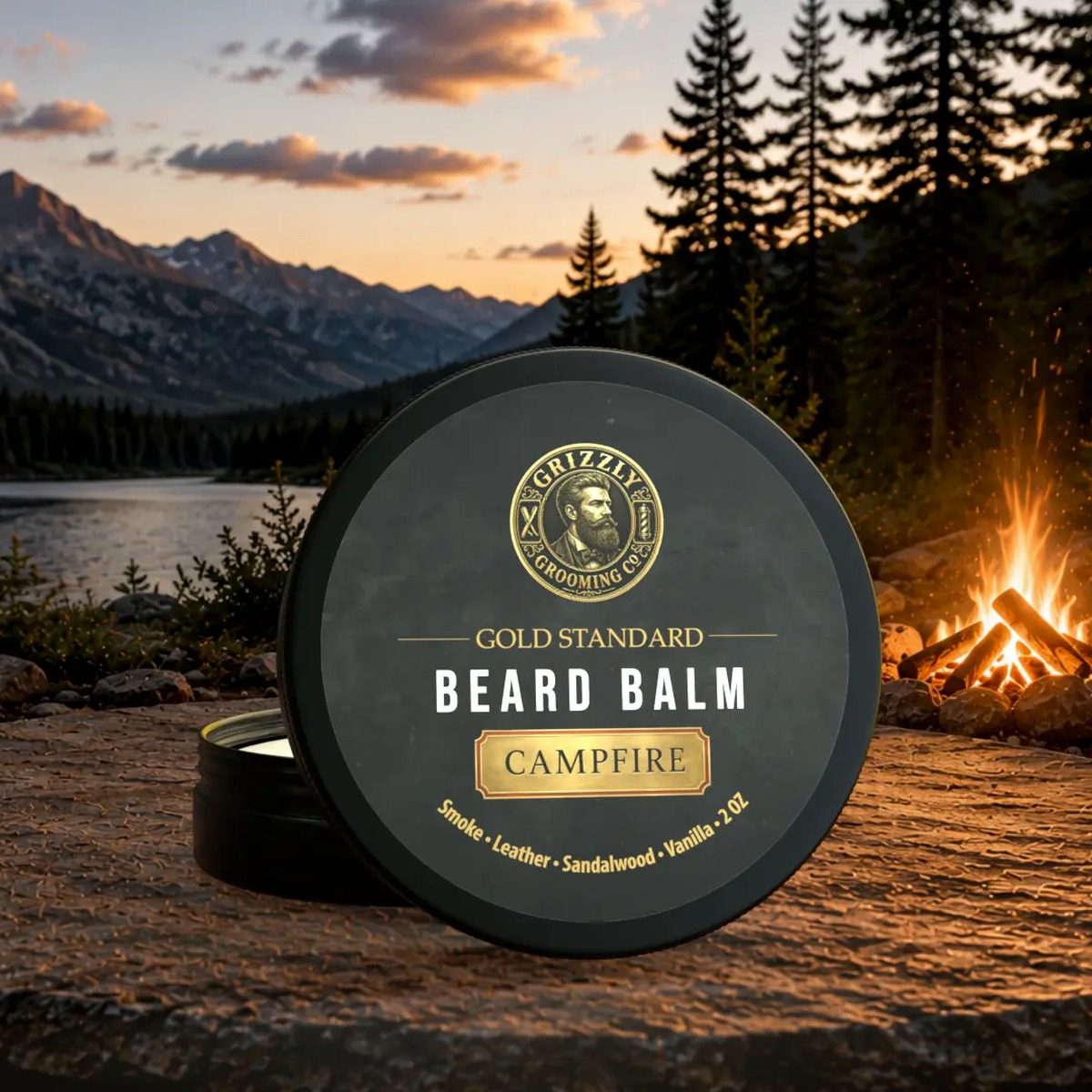
While oil provides shine and skin health, it offers very little in the way of hold. This is where Beard Butter becomes the primary styling tool. Beard Butter contains a higher concentration of shea and cocoa butters compared to oil, providing a creamy consistency that offers a 'light to medium' weight. Unlike Beard Balm, which often contains beeswax for structure, butter is designed to absorb into the hair, softening the fibers so they lay flat against one another.
To apply, scrape a pea-sized amount of butter and melt it between your palms. Apply it using a downward and outward motion. The butter fills the gaps in the hair cuticle, making the mustache appear fuller and more uniform. This is particularly effective during the winter months when low humidity causes facial hair to become static-prone and unruly. The butter acts as a barrier, locking in moisture and preventing environmental factors from disrupting your style.
For men with shorter mustaches, oil alone may suffice to keep the hair looking groomed. However, as the mustache grows longer and begins to cover the lip, the added weight of a butter is necessary to prevent the hairs from curling into the mouth. By layering these products, you achieve a groomed appearance that looks effortless and feels soft to the touch, avoiding the 'crusty' or 'shiny' look associated with over-waxing.
Precision Trimming Techniques for Wax-Free Control
When you aren't using wax to glue stray hairs into place, your trimming technique must be flawless. The goal is to create a self-supporting structure where the hairs lean on one another to maintain a shape. Use professional-grade grooming scissors with a tension screw that allows for micro-adjustments. Electric trimmers are often too blunt for the detail work required on a mustache and can lead to uneven lines that are difficult to correct.
The most important line is the vermilion border—the area where your lip meets your skin. Use the scissors to trim a clean line approximately one to two millimeters above the upper lip. This 'clearance' prevents the hair from wicking up liquids when you drink and keeps the mustache from looking like a 'walrus' style. Trim while your face is in a neutral expression; if you smile or stretch your lip, you will likely cut too much hair, creating a 'gap' when your face relaxes.
To manage volume without losing length, use a technique called 'point cutting.' Hold the scissors vertically and snip into the bulk of the mustache. This removes weight and allows the hair to lay flatter against the skin without creating a harsh, horizontal shelf. Focus specifically on the 'wings' of the mustache, where hair tends to bunch up and push outward. Removing this internal bulk allows the top layer of hair to drape more smoothly over the lower layers.
Regularly check for 'stragglers'—those individual hairs that grow faster or at a different angle than the rest. Comb the mustache straight down and snip anything that extends beyond the uniform line. By doing this every three to four days, you maintain a crisp silhouette that looks intentional and managed, even without the use of styling resins. This consistent upkeep is what separates a professional-looking mustache from an accidental one.
Managing Different Mustache Lengths and Styles
The strategy for wax-free management changes significantly as the mustache matures. For a 'Stache-only' look or a short corporate mustache, the focus is entirely on the bottom line. Short hairs are more rigid and harder to train, so you must rely heavily on the Beard Wash and Conditioner routine to keep them soft. A stiff, short mustache will stand straight out from the face; softening the hair allows it to follow the contour of the lip.
Intermediate mustaches—where the hair begins to reach the corners of the mouth—benefit most from the thermal styling mentioned earlier. At this length, the weight of the hair is not yet enough to keep it out of the mouth naturally. You will need to use the blow dryer daily to train the hair to sweep outward. This is also the stage where Beard Butter becomes essential to provide the necessary weight to keep the 'wings' from flaring out uncontrollably.
For long, full mustaches like the Chevron or the natural Handlebar, the weight of the hair becomes your greatest asset. Long hairs are naturally more flexible and will stay in place better than short, prickly ones. However, they are also more prone to tangling. Use a wide-tooth comb first to detangle, then follow with a fine-tooth comb to style. At this length, the ends may need a touch of Mustache Wax if you want a specific curl, but for a natural look, a heavy application of Beard Butter on the tips will suffice.
Regardless of length, the health of the underlying skin is paramount. A dry, itchy base will cause you to touch and fiddle with the mustache, which ruins the natural set you've created. Ensure your Gold Standard Beard Oil reaches the skin at all stages of growth. If you have a particularly long mustache, you may need to lift the hair in sections to ensure the skin is properly hydrated and free of irritation.
The Role of Cleansing and Environmental Care
A mustache that isn't cleaned properly will never style well. Sweat, salt, and food particles act like a low-grade adhesive, causing hairs to clump together and look stringy. You should use a dedicated Beard Wash every two to three days. Unlike standard face washes or shampoos, a beard-specific wash is formulated to cleanse the dense hair without stripping away the essential oils that keep the hair pliable. This prevents the 'brillo pad' texture that makes a mustache impossible to style without wax.
Conditioning is the secret weapon for natural control. After washing, apply a beard conditioner and let it sit for two minutes. This closes the hair cuticle, reducing friction between individual hairs and allowing them to glide over each other. This results in a smoother, more unified appearance. If you live in a hard-water area, the minerals can build up on your mustache, making it stiff. A final rinse with cool, filtered water can help remove these deposits and leave the hair softer.
Post-meal hygiene is also crucial for the wax-free look. Because you aren't using wax to seal the hair, it is more porous and likely to absorb odors and liquids. Develop the habit of rinsing your mustache with warm water after eating. This removes any debris that could weigh down one side of the mustache. Use a small pocket comb immediately after rinsing to reset the shape while the hair is still damp.
Seasonality affects your mustache more than you might realize. In the summer, humidity can cause the hair to swell and frizz. During these months, you may need to slightly increase your use of Beard Butter to seal the hair. In the winter, the dry air will try to pull moisture out of your facial hair, making it brittle. Swapping to a heavier Goat Soap Bar for your face and increasing your oil application will keep the mustache supple and manageable despite the elements.
Common Mistakes in Natural Mustache Management
The most frequent error is over-application of product. In an attempt to replace the hold of wax, many men apply too much beard oil, resulting in a greasy, separated look that highlights the skin rather than the hair. Start with a single drop; you can always add more, but removing excess oil requires a full wash. The mustache should have a healthy sheen, not a wet appearance. If your mustache feels oily to the touch after ten minutes, you've used too much.
Another common mistake is trimming while the hair is wet. Hair stretches when it is saturated with water and shrinks as it dries. If you trim your mustache to the lip line while it is wet, you will likely find that it sits much higher than intended once it dries, leading to an uneven or overly short appearance. Always perform your maintenance trims on dry hair that has been combed into its natural resting position.
Neglecting the 'transition zone'—the area where the mustache meets the cheek hair—is a frequent grooming oversight. If you don't define the boundaries of the mustache, it can blend into a messy beard, losing its distinct shape. Even if you are growing a full beard, keep the area around the corners of the mouth tidy. This defines the mustache as a deliberate feature and prevents the 'unkempt' look that often accompanies wax-free styling.
Finally, many men give up on mechanical training too early. As mentioned, it takes weeks for the follicles to adjust to a new growth direction. If you stop combing or heat styling after only a few days because you don't see an immediate change, you'll never achieve the natural hold you're looking for. Consistency in your morning routine is the only way to overcome the natural 'memory' of your facial hair.
Advanced Tools for the Wax-Free Specialist
Beyond the standard comb and dryer, several specialized tools can enhance your natural mustache game. A boar bristle brush is excellent for the 'finishing' stage. The natural bristles are uneven in length, which allows them to penetrate through the surface of the mustache and grab the shorter hairs underneath. This helps to unify the layers and create a dense, solid look that is difficult to achieve with a comb alone.
For men with extremely curly mustaches, a mini flat iron (specifically designed for short hair or beards) can be used to straighten the hair. Use the lowest possible heat setting and move the iron quickly to avoid singeing. This should only be done on completely dry hair that has been treated with a heat-protectant oil. Straightening the hair makes it much longer and easier to sweep to the sides without the need for wax.
Consider the use of a mustache-specific 'guard' or 'shield' when applying other face products. Often, cologne or heavy face moisturizers can get into the mustache hair, changing its texture or making it sticky. By protecting the mustache during your broader grooming routine, you ensure that only the intended products—like Gold Standard Beard Butter—are influencing its behavior and appearance.
Lastly, invest in a high-quality mirror with magnification. When you are managing a mustache without the 'glue' of wax, every hair counts. A 5x magnification mirror allows you to see the rogue hairs that are just beginning to curl out of place, letting you address them with scissors before they ruin the overall shape. This level of detail is what makes a natural mustache look sharp and professional.
Frequently Asked Questions
Can I use hairspray for a natural mustache look?
Hairspray is not recommended for facial hair. The high alcohol content can cause the hair to become brittle and the skin underneath to flake. For a natural look, stick to the thermal styling and beard butter methods outlined above.
How do I stop my mustache from getting in my mouth without wax?
This requires a combination of regular trimming at the lip line and heat styling. Use a blow dryer and a round brush to train the hairs to sweep laterally away from the center of the lip.
Will beard butter give me enough hold for a handlebar?
A natural handlebar is possible with beard butter, but it will be soft and lose its shape more quickly than a waxed one. It is best for a 'relaxed' handlebar look rather than a tight, vertical curl.
Is it okay to use a standard hairbrush on my mustache?
Standard hairbrushes are usually too large and have bristles that are spaced too far apart. A small boar bristle brush or a fine-tooth saw-cut comb is much more effective for the precision required for mustache styling.
How often should I wash my mustache if I don't use wax?
Even without wax, you should use a dedicated Beard Wash every 2-3 days. This removes natural skin oils, sweat, and food particles that can make the hair look limp or greasy.
Can I use solid cologne to style my mustache?
While solid cologne contains waxes and butters, it is not designed for styling. The scent concentration is too high for use directly under the nose, and it may irritate the skin if used as a primary styling agent.
Does mustache hair grow slower than beard hair?
No, mustache hair grows at the same average rate as the rest of your facial hair (about half an inch per month). However, because the area is smaller, growth is often more noticeable and requires more frequent maintenance.
What is the best way to fix a 'split' in the middle of my mustache?
A split is usually caused by the natural growth direction of the hair at the philtrum. Use a blow dryer to heat the hair, then comb it across the split while applying a small amount of beard butter to weigh it down and bridge the gap.
Build your ritual in 60 seconds.
Answer four questions and get a custom regimen built around your beard and routine.
Start The Ritual Builder