Minoxidil for Beard Growth: Scientific Reality and Application Risks
The application of minoxidil to the face is a practice that has moved from fringe forums to the mainstream of men's grooming. Originally a vasodilator for hypertension, its secondary effect of follicular stimulation is now leveraged to address patchy or slow-growing beards. However, the facial skin is distinct from the scalp, possessing a higher density of blood vessels and a more sensitive barrier. This guide provides a clinical look at the biological mechanisms at play, the risks of long-term chemical application, and the necessary integration of high-quality beard oils and washes to preserve the integrity of your skin and hair throughout the growth cycle.
- ›Minoxidil extends the anagen growth phase and converts fine vellus hairs into permanent terminal hairs over 6 to 12 months.
- ›The 5% topical solution is the standard concentration, but requires careful monitoring for systemic cardiovascular side effects.
- ›Propylene glycol in liquid formulas often causes contact dermatitis; foam variants are generally better tolerated by sensitive skin.
- ›A four-hour absorption window is mandatory before applying beard oil to avoid interfering with the drug's efficacy.
- ›Premature cessation of treatment before hairs have reached the terminal stage will likely result in the loss of all new growth.
- ›Success requires a dual-track approach: pharmaceutical stimulation paired with rigorous moisturizing through beard butters and conditioners.
The Biological Mechanism of Terminal Hair Transition
To understand how minoxidil affects the beard, one must distinguish between vellus and terminal hair. Vellus hairs are the fine, translucent, and shallow-rooted hairs often referred to as peach fuzz. Terminal hairs are the thick, pigmented, and deep-rooted hairs that comprise a full beard. Minoxidil acts as a potassium channel opener and vasodilator, which increases the flow of oxygenated blood to the hair follicles. This nutrient surge encourages follicles to transition from the resting telogen phase back into the active anagen phase, often extending the duration of growth.
On a cellular level, minoxidil may also increase the size of the follicle bulb itself. As the follicle enlarges, the hair it produces increases in diameter and depth of implantation within the dermis. This is why many users observe a darkening and thickening of their facial hair over time. However, this process is slow and requires the follicle to undergo several growth cycles. Each cycle allows the hair to emerge slightly thicker than the last until it reaches terminal status, at which point the hair becomes independent of the chemical stimulant.
It is important to note that minoxidil does not create new follicles; it only stimulates existing ones. If a man has no follicles in a specific area due to genetics, no amount of topical application will generate growth. The drug maximizes the expression of one's genetic potential but cannot exceed it. For those with dormant follicles, the stimulation can be the difference between a patchy appearance and a full beard, provided the application is consistent enough to allow for the full terminal transition.
Optimizing the Application Protocol and Timing
Precision in application is the foundation of a successful growth cycle. The standard dosage is 1ml applied twice daily, usually spaced 12 hours apart. The face should be cleaned first with a gentle beard wash or a pH-balanced cleanser to remove excess sebum and debris that might block absorption. Lukewarm water is preferred, as high heat can cause unnecessary irritation when combined with the alcohol in the minoxidil solution, while cold water may constrict the pores.
When applying the liquid version, the dropper should be used to target specific areas of the cheeks, chin, and jawline. It is not necessary to soak the skin; a thin, even layer is sufficient. The solution must remain on the skin for at least four hours to reach maximum absorption levels. During this window, you must avoid washing the face, swimming, or applying other products like beard balm or moisturizer. If you use the foam version, it should be applied while the skin is cool, as the foam will melt instantly upon contact with warm fingers or skin.
Consistency is more important than quantity. Increasing the dosage beyond 2ml per day does not accelerate growth; instead, it significantly increases the risk of systemic side effects like heart palpitations and hypotension. If a dose is missed, the user should simply resume the schedule rather than doubling up. Maintaining a steady level of the compound in the localized tissue is what keeps the follicles in the anagen phase.
Mitigating Skin Barrier Damage and Dryness
The most common side effect of topical minoxidil is severe skin dryness, often manifesting as white, flaky patches that resemble dandruff. This is largely due to the high alcohol content and propylene glycol used as delivery vehicles in the solution. These ingredients strip the skin of its natural oils (sebum) and can lead to a compromised skin barrier. If left unaddressed, this irritation can escalate into contact dermatitis, characterized by redness, itching, and burning sensations.
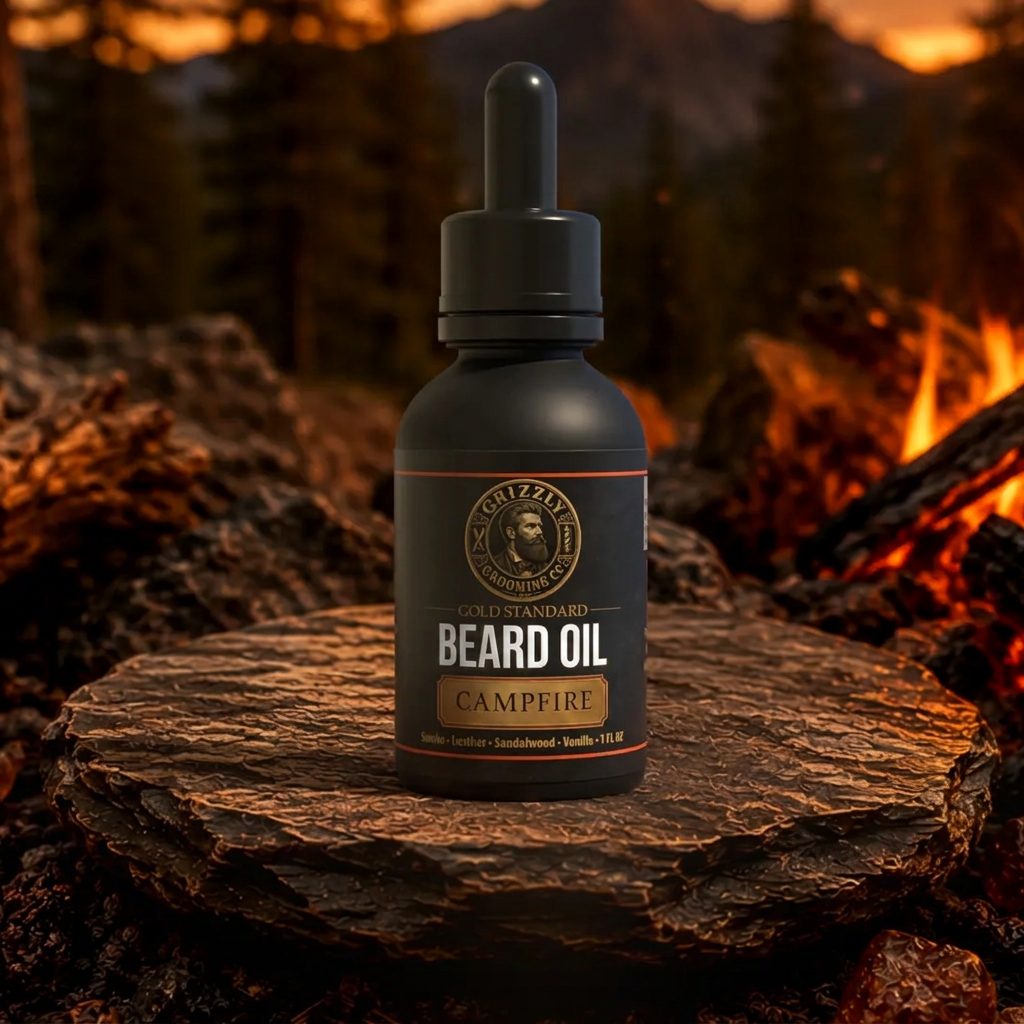
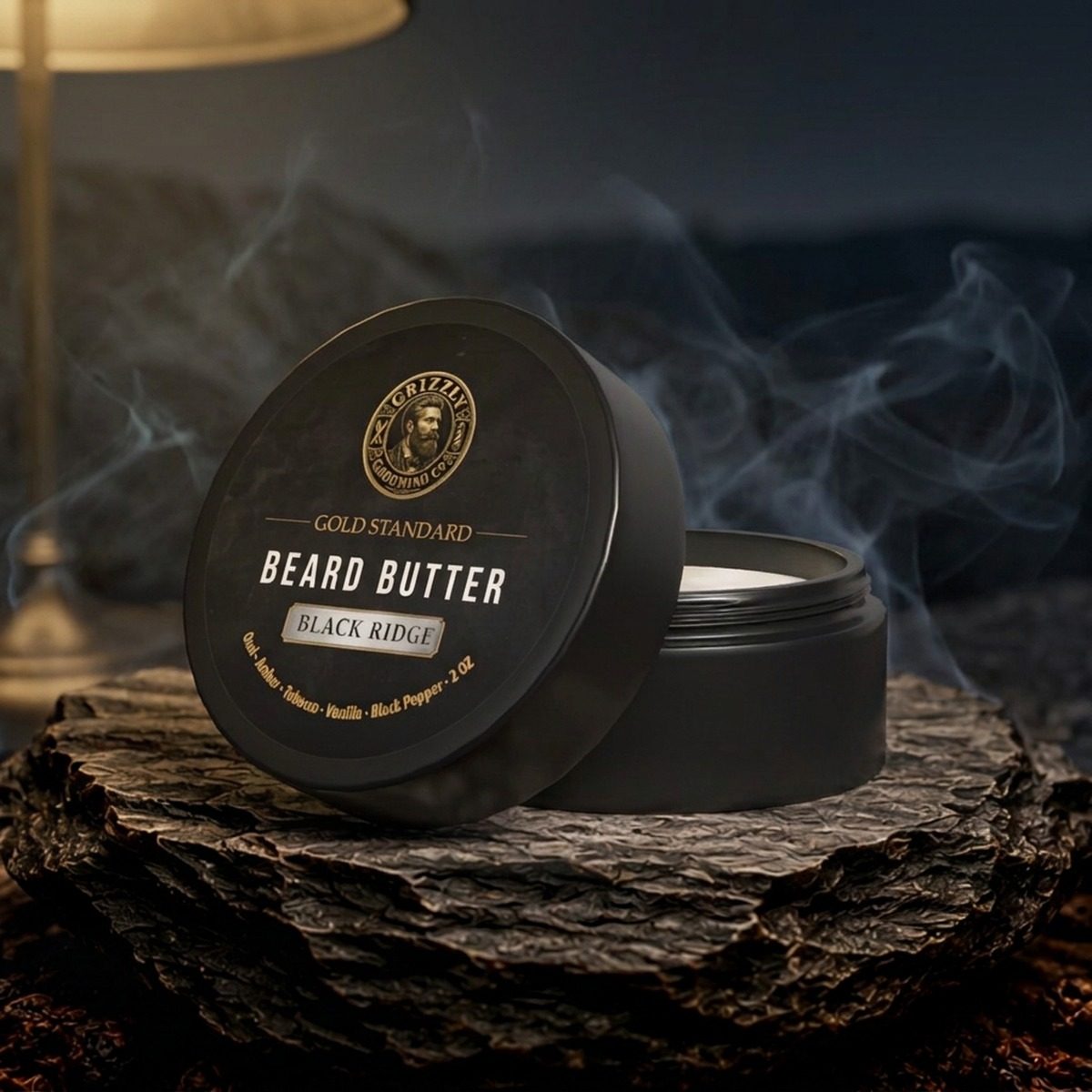
To protect the skin, a strategic moisturizing routine must be implemented around the four-hour absorption window. Once the minoxidil has dried and absorbed, applying a nutrient-dense beard oil is essential. Look for formulas containing jojoba, argan, or almond oils, as these oils closely mimic human sebum and help restore the lipid barrier. During the winter months, when the air is dryer, transitioning to a heavier beard butter at night can provide the deep occlusion needed to prevent transepidermal water loss.
If skin irritation becomes unmanageable, switching from the liquid to the foam version is the first line of defense. The foam typically lacks propylene glycol, the primary irritant for most men. Additionally, incorporating a goat soap bar into your morning routine can help maintain the skin's natural pH level better than harsh synthetic detergents. Treating the skin with the same care as the hair is the only way to sustain a long-term growth regimen.
Recognizing and Managing Systemic Side Effects
Because the skin on the face is thinner and has a higher density of capillaries than the scalp, systemic absorption is more likely when using minoxidil for a beard. This means the drug enters the bloodstream and can affect the cardiovascular system. Users should be vigilant for symptoms such as a racing or irregular heartbeat (palpitations), dizziness, lightheadedness, or sudden weight gain caused by fluid retention. These are signs that the body is reacting to the vasodilatory effects of the drug beyond the local application site.
Secondary effects may also include unwanted hair growth in areas adjacent to the application site, such as the upper cheekbones or even near the temples. This occurs through accidental transfer of the product or through systemic circulation. To prevent this, ensure the product is applied precisely and wash your hands thoroughly after every application. If you experience significant swelling in the hands or feet, or if you feel a persistent tightness in the chest, discontinue use immediately and consult a physician.
Health must always take precedence over aesthetic goals. While the majority of men use minoxidil without serious systemic issues, those with pre-existing heart conditions or blood pressure irregularities should avoid the treatment entirely. Monitoring your resting heart rate before and during the first month of treatment can provide an objective baseline to determine how your body is responding to the chemical load.
The Shedding Phase: Why Hair Falls Out Before It Grows
Many men are alarmed when they experience increased hair shedding two to four weeks into the treatment. This is a well-documented phenomenon known as minoxidil-induced shedding. It occurs because the drug forces follicles currently in the telogen (resting) phase to enter the anagen (growth) phase prematurely. To start a new growth cycle, the follicle must first eject the old, dead hair shaft to make room for the new, healthier strand.
Shedding is actually a positive clinical sign that the medication is affecting the hair cycle as intended. It indicates that the follicles are responding to the stimulus and are resetting their clocks. This phase typically lasts for a few weeks and should not be a cause for panic. Attempting to stop the treatment during this phase will only leave the user with less density than when they started, as the new hairs have not yet had time to emerge.
During this period, keeping the existing hair healthy is vital. Using a dedicated beard wash and conditioner will help keep the surrounding hair manageable and reduce the appearance of patchiness caused by the shed. It is a test of patience that requires the user to stay the course, knowing that the temporary loss is a precursor to thicker, more uniform density in the coming months.
Common Mistakes and Corrective Actions
The most frequent error is the inconsistent application of the product. Skipping days or only applying once a day significantly slows the transition of vellus hair to terminal hair, often leading to a state of perpetual shedding without ever reaching full density. To correct this, treat the application like a prescription: set alarms and integrate it into your morning and evening hygiene routines. If you travel, ensure you have a travel-sized supply to avoid breaking the cycle.
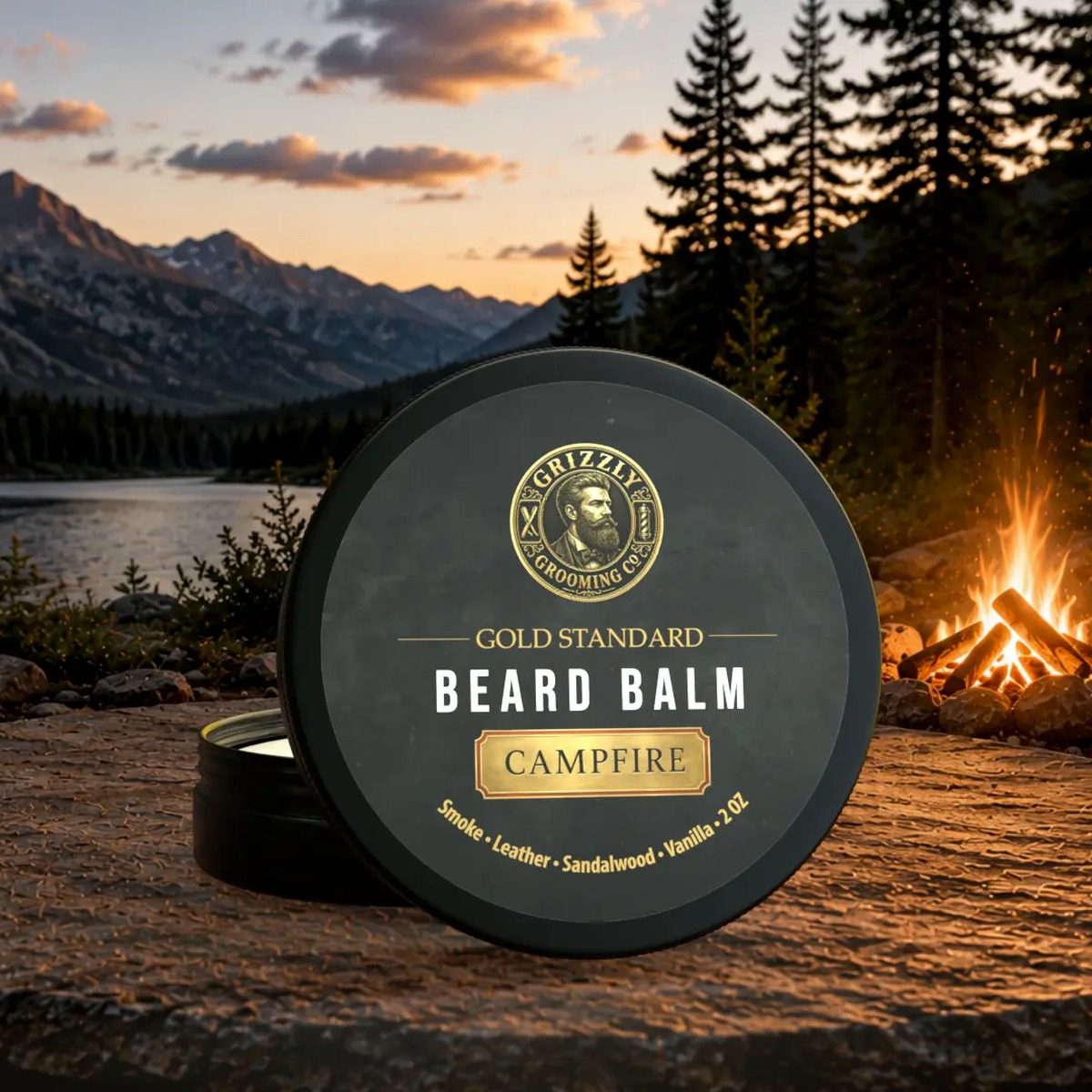
Another mistake is neglecting the skin beneath the beard. Many men focus so much on the drug that they ignore the 'minoxidil burn'—the red, scaly skin that results from alcohol exposure. Using a harsh shampoo instead of a beard wash can exacerbate this. Switch to a gentle cleanser and never skip the beard oil application after the four-hour mark. If your skin is flaking, do not try to scrub the flakes away aggressively; instead, use a soft beard brush and increase your use of beard butter.
Finally, many men stop treatment as soon as they see new hair. This is a critical failure. If the hairs have not reached the terminal stage—meaning they are still relatively fine and light-colored—they are still dependent on the minoxidil. Stopping abruptly will cause these hairs to fall out. The correction is to continue treatment for at least six months past the point where you are satisfied with the growth, then slowly taper off the dosage over a two-month period.
Integrating Grooming and Maintenance Tools
While minoxidil handles the chemical stimulation, your grooming tools handle the presentation and health of the emerging beard. As the new hair grows in, it may be wiry or unruly. A high-quality boar bristle brush is essential for training the hair to grow in a specific direction and for distributing your natural oils and beard oil evenly across the skin. This mechanical stimulation also helps to gently exfoliate the dead skin cells caused by the minoxidil solution.
Trimming is also a necessary part of the process. While it may seem counterintuitive to cut the hair you are trying to grow, keeping the ends neat prevents split ends and makes the beard look denser. Define your neckline and cheek line early to give the growth a deliberate, groomed appearance. This helps bridge the 'awkward phase' where the new growth might look uneven or unkempt. A well-defined beard line can make a developing beard look much fuller than it actually is.
For those with longer beards using minoxidil, application becomes more difficult. You must ensure the liquid or foam actually reaches the skin and doesn't just sit on the hair. Parting the hair in sections or using a comb to expose the skin during application is required. Once the product is applied, avoid using heavy styling products like mustache wax near the skin until the absorption period is over to prevent clogging the follicles.
The Long-Term Transition to Natural Maintenance
The ultimate goal of using minoxidil is to reach a point where the drug is no longer necessary. This happens when the hairs have fully transitioned to the terminal stage. You can identify terminal hairs by their thickness, deep pigmentation, and the fact that they feel coarser to the touch. Once you have achieved the desired density, you should not stop 'cold turkey.' Instead, begin a tapering process: reduce application to once a day for a month, then once every other day for another month.
During this transition, the role of beard oil and beard balm becomes even more critical. Your follicles are losing the chemical stimulant they have relied on, so providing them with a nutrient-rich environment is essential. The transition from a medicated routine to a pure grooming routine should be seamless. By the time you are off minoxidil completely, your daily habit should revolve around washing, conditioning, and moisturizing to protect the investment you've made in your facial hair.
Post-minoxidil care involves monitoring for any signs of regression. If you notice significant thinning, you may have tapered too quickly. However, for most men who reach the 12-month mark, the results are permanent. At this stage, your focus shifts to style and health—choosing the right cologne or solid cologne to complement your look, and using premium deodorant to maintain a professional standard of grooming. The journey from chemical stimulation to natural beard mastery is complete.
Frequently Asked Questions
Can I use minoxidil if I have sensitive skin?
Men with sensitive skin should opt for the foam version of minoxidil, which excludes propylene glycol, a common irritant. It is also vital to use a soothing beard oil four hours after application to restore the skin's moisture barrier and prevent contact dermatitis.
Will minoxidil work on a completely hairless face?
Minoxidil can only stimulate existing hair follicles. If you lack the genetic blueprint for facial hair in certain areas, the drug cannot create new follicles. However, it often activates dormant vellus hairs that are not visible to the naked eye.
Does heat or sunlight affect minoxidil application?
Direct sunlight can increase skin sensitivity when using alcohol-based topicals, potentially leading to faster irritation. It is best to apply the product indoors and ensure it is fully dry before prolonged sun exposure or intense physical activity that causes sweating.
Is it safe to use a derma roller with minoxidil?
Micro-needling can increase absorption, but applying minoxidil immediately after rolling can lead to the drug entering the bloodstream too quickly, increasing the risk of heart palpitations. It is safer to wait 24 hours after derma rolling before applying minoxidil.
How can I tell if my beard hairs have become terminal?
Terminal hairs are noticeably thicker, darker, and have a deeper root than vellus hairs. A good test is to stop treatment on a small patch; if the hair continues to grow at the same rate and thickness over two months, it has likely reached the terminal stage.
What should I do if I experience heart palpitations?
If you experience any cardiovascular irregularities, you should stop using minoxidil immediately. These side effects indicate that the drug is being absorbed systemically at a level your body cannot tolerate. Consult a medical professional before attempting to resume at a lower dose.
Can I apply beard balm immediately after minoxidil?
No, you should wait at least four hours. Beard balm contains waxes and oils that create a seal over the skin, which can prevent the minoxidil from absorbing properly or trap the alcohol against the skin, causing severe irritation.
Does minoxidil affect the color of my beard?
As vellus hairs mature into terminal hairs, they typically become more pigmented, which can make the beard appear darker. Minoxidil itself does not contain dye, but the change in hair structure often results in a deeper, more uniform color profile.
Build your ritual in 60 seconds.
Answer four questions and get a custom regimen built around your beard and routine.
Start The Ritual Builder