Mastering the Visual Density of Your Beard Without Extra Growth
Achieving a dense, full-looking beard is less about the total number of follicles and more about the management of the hair you already possess. Many men struggle with perceived patchiness or transparency, not because of a lack of growth, but due to poor structural management and light refraction. By understanding how to manipulate the hair shaft, utilize specific grooming tools, and apply products like Beard Butter and Beard Balm strategically, you can create a silhouette that appears thick and intentional. This guide provides the technical breakdown of how to maximize your beard's visual impact through professional-grade grooming protocols.
- ›Establish high-contrast borders at the neckline and cheek line to define the beard's core mass.
- ›Apply Beard Butter to damp hair to swell the hair shaft and increase individual fiber diameter.
- ›Utilize a blow dryer on low heat with a boar bristle brush to create structural lift at the root.
- ›Implement blunt-cut trimming techniques to eliminate transparent ends and create a solid profile.
- ›Avoid high-shine products that highlight gaps; opt for matte finishes to deepen shadows between hairs.
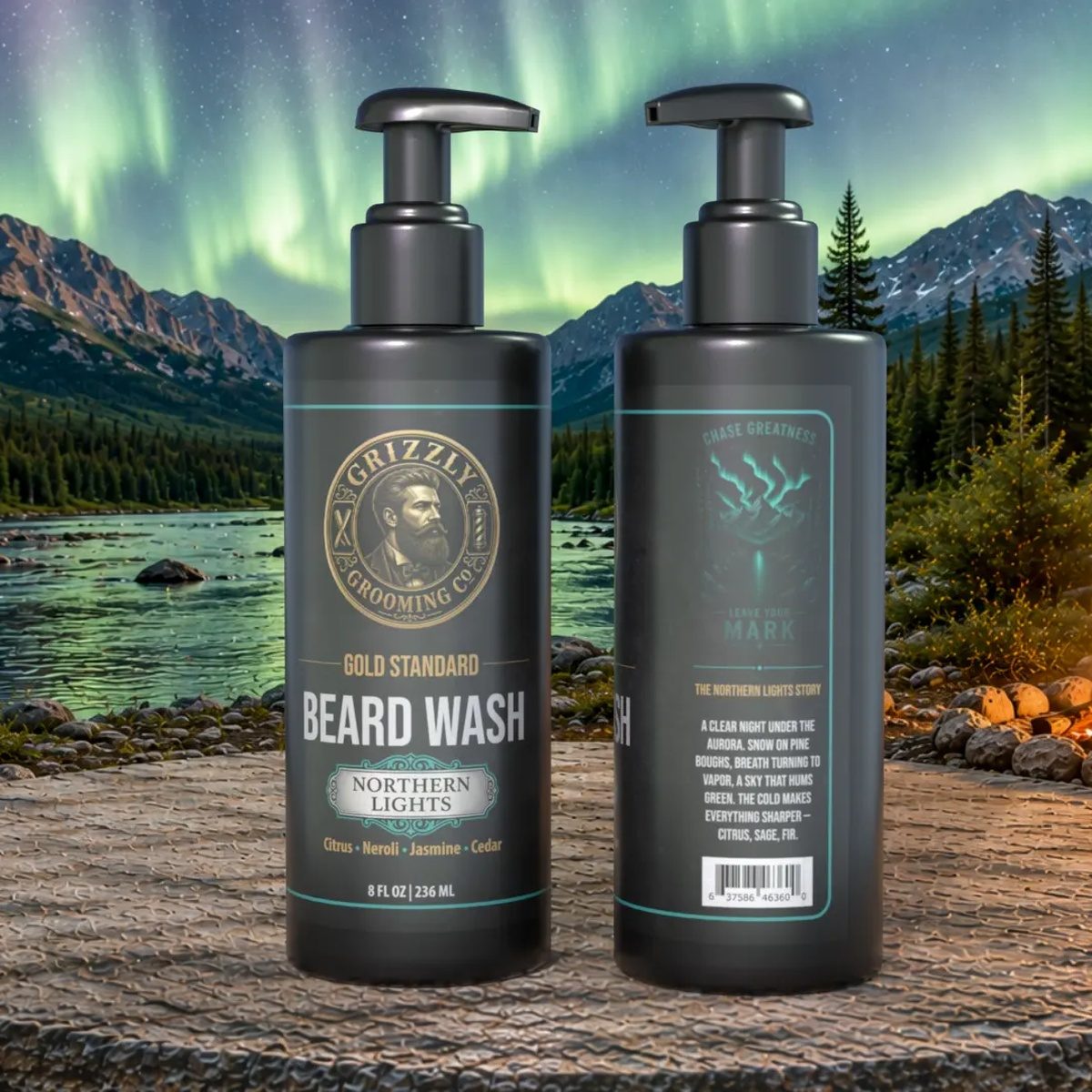
- ›Cleanse with a dedicated Beard Wash to prevent sebum-induced clumping that exposes the skin.
Defining the Anatomical Borders for Maximum Contrast
The perception of density begins at the edges. When a beard fades into the neck or climbs too high on the cheeks, the lack of a defined border creates a wispy, translucent effect that makes the entire beard appear thinner. To fix this, you must establish a clear neckline. The standard measurement is two fingers above the Adam's apple, following a slight 'U' shape from ear to ear. By removing the stray hairs below this line, you concentrate the visual weight of the beard, making the remaining hair appear significantly more opaque.
The cheek line requires a similar level of precision. While a natural cheek line is acceptable for some, a slightly lowered, straight, or gently curved line created with a straight razor provides a sharp transition between skin and hair. This high-contrast edge acts as a frame, drawing the eye to the densest part of the beard. If your growth is naturally sparse on the upper cheeks, lowering the line to where the hair grows consistently thick is a better strategy than trying to maintain a higher, transparent boundary.
Consistency is key during this process. Use a clear shaving gel rather than a thick foam so you can see the exact placement of your blade. For those with sensitive skin, applying a small amount of Gold Standard Beard Oil before your shave cream can provide a necessary buffer, preventing the redness and irritation that can distract from a clean, dense-looking edge. Perform this maintenance every three to four days to ensure the contrast remains sharp as stubble returns.
During the winter months, you may choose to drop the neckline slightly to accommodate a longer beard style, but the principle of the sharp edge remains. Even a long beard looks thicker when the hidden neckline is maintained. This prevents the 'neck beard' effect where long, thin hairs from the throat mix with the bulk of the chin, creating a messy silhouette that lacks a defined structure.
The Physics of Hair Shaft Expansion with Hydration
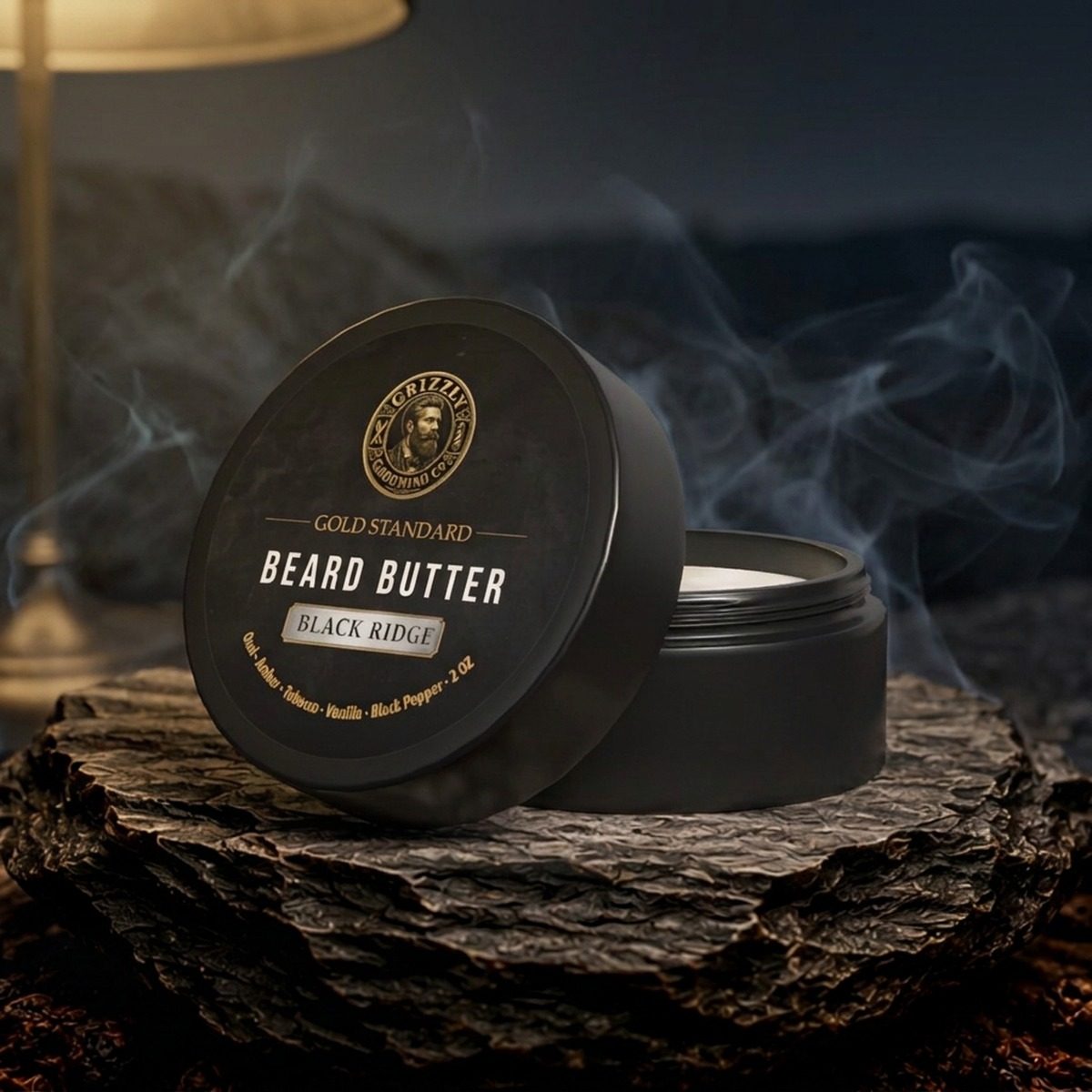
A primary reason beards look thin is the dehydration of the hair cuticle. When the hair is dry, the scales of the cuticle lay flat or become brittle, leading to a thinner diameter and a tendency for the hair to lay limp against the skin. To combat this, you must use products that physically swell the hair shaft. Beard Butter is the most effective tool for this, as it contains higher concentrations of shea butter and cocoa butter than standard oils. These fats penetrate the hair fiber, filling the gaps in the cortex and increasing the volume of each individual strand.
The timing of application is critical for maximum absorption. After washing your beard with a dedicated Beard Wash, pat it dry until it is roughly 80% dry. While the hair is still slightly damp and the cuticle is open from the warm water, apply a nickel-sized amount of Beard Butter. Work it from the roots to the tips, ensuring even distribution. As the water evaporates, the butter is pulled into the hair shaft, locking in moisture and maintaining that expanded state throughout the day.
In addition to internal hydration, the external coating provided by the butter adds a microscopic layer of thickness to the hair. While one hair might only see a fractional increase, multiplying this across 10,000 to 30,000 facial hairs results in a significant increase in total beard mass. This is particularly noticeable in the 'side profile' of the beard, where the cumulative thickness of the hair layers creates a more solid look.
For men with fine or fair-colored hair, this step is non-negotiable. Light-colored hair is naturally more translucent, making it easier for light to pass through the beard and reveal the skin. By increasing the physical diameter of the hair and providing a healthy, non-greasy coating, you reduce light penetration and improve the overall opacity of the beard.
Strategic Trimming and the Blunt-Cut Technique
Longer does not always mean thicker. In fact, excessive length is often the enemy of density. As beard hair grows, it does so at varying rates, resulting in a 'scraggly' appearance where the bottom inch of the beard is transparent. To create the illusion of a full, heavy beard, you must employ the blunt-cut technique. This involves trimming the bottom edge of the beard to a uniform length, effectively removing the 'see-through' hairs that lack the support of the surrounding mass.
Use a pair of professional-grade shears rather than electric clippers for this task. Electric clippers can sometimes pull the hair, leading to an uneven edge. By combing the beard straight down and trimming the stray, lone hairs that extend past the main body of the beard, you create a thick, solid base. This baseline prevents light from shining through the bottom of the beard, which is the most common indicator of a thin beard.
Address the 'hollow' areas under the jawline with caution. Many men have a gap between their chin growth and their neck growth. To hide this, allow the hair from the chin to grow long enough to drape over the gap, but keep the ends of that hair trimmed squarely. This 'curtain effect' creates a wall of hair that looks deep and dense from the front and side views.
Maintenance should occur every two to three weeks. You are not looking to remove length from the entire beard, but rather to 'level' the bottom. Think of it like trimming a hedge; you are removing the outliers to encourage a denser, more uniform surface. This habit also prevents split ends, which can travel up the hair shaft and cause breakage, further thinning the beard over time.
Thermal Styling for Structural Lift
Gravity is a constant detractor from beard volume. Beard hair naturally wants to lay flat against the face, which maximizes the visibility of the skin underneath. To counter this, you can use controlled heat to change the hair's structural memory. A blow dryer set to low or medium heat, used in conjunction with a round boar bristle brush, can lift the hair at the root, creating a 'loft' that adds significant depth to the beard.
Start by directing the airflow upward from the neck toward the chin while brushing the hair against the grain. This 'fluffs' the beard and separates the hairs that have clumped together. Once the beard is fully volumized and dry, switch the blow dryer to the 'cool shot' setting and brush the hair back down into its final shape. The sudden drop in temperature sets the hair in its new, more voluminous position.
It is essential to protect the hair during this process. Never use the highest heat setting, as this can strip the hair of its natural oils and lead to damage. Applying a few drops of Beard Oil before blow-drying can act as a mild heat protectant, ensuring the hair remains supple rather than becoming parched and frizzy. The result is a beard that stands off the face, creating a 3D effect of thickness.
This technique is especially effective for men with curly or wavy beards. These hair types tend to 'nest' together, creating dense spots and empty patches. The heat and brushing process straightens the hair slightly, allowing it to cover more surface area and fill in the gaps more effectively than if left to dry naturally.
Managing Light Refraction and Product Finishes
The way light interacts with your beard dictates how thick it appears to others. High-shine products, such as heavy waxes or low-quality oils, create 'specular highlights'—bright spots of reflected light. These highlights draw attention to the gaps between hairs and the skin underneath. For a denser look, a matte or satin finish is superior. Matte finishes absorb light, creating deeper shadows within the beard mass which mimic the appearance of depth and density.
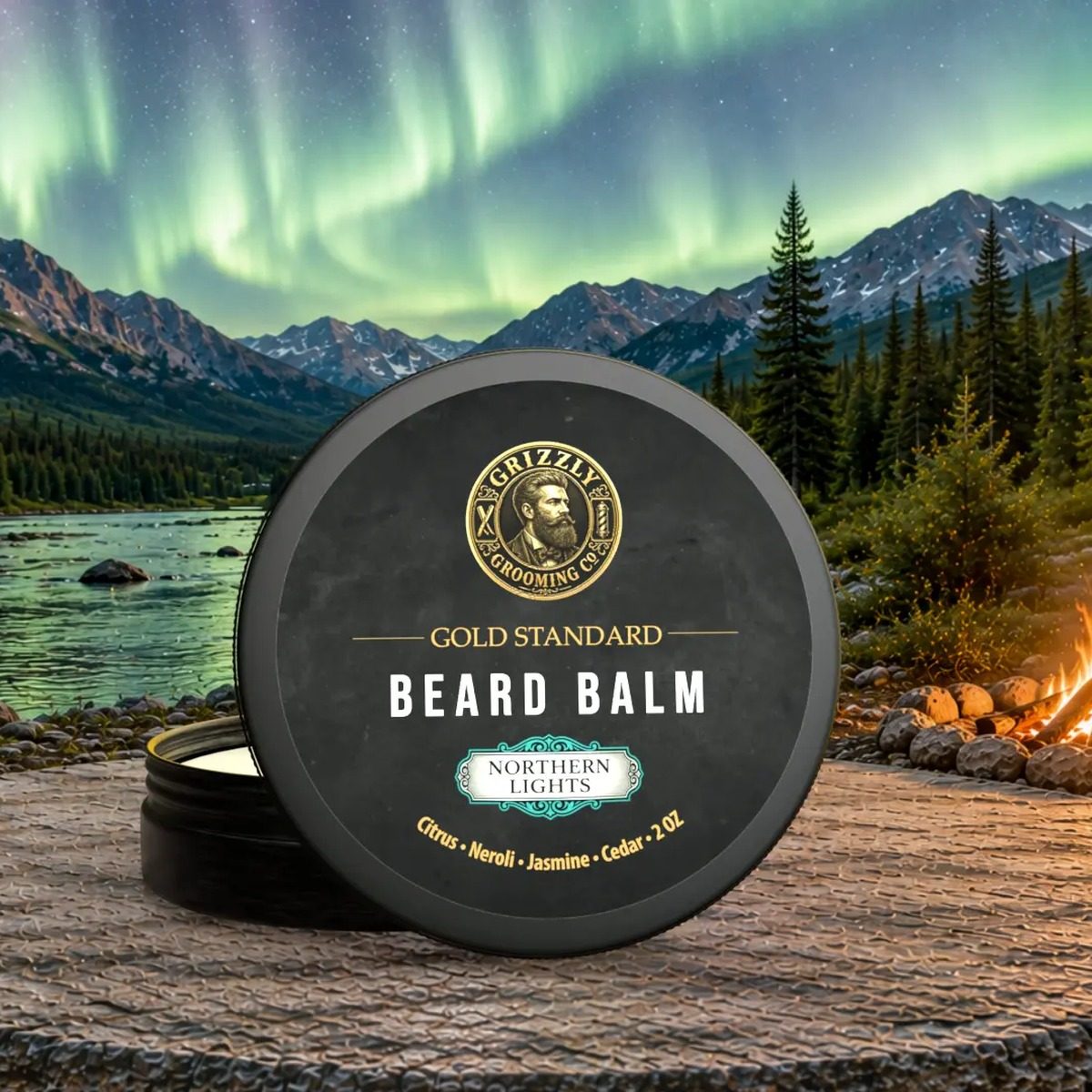
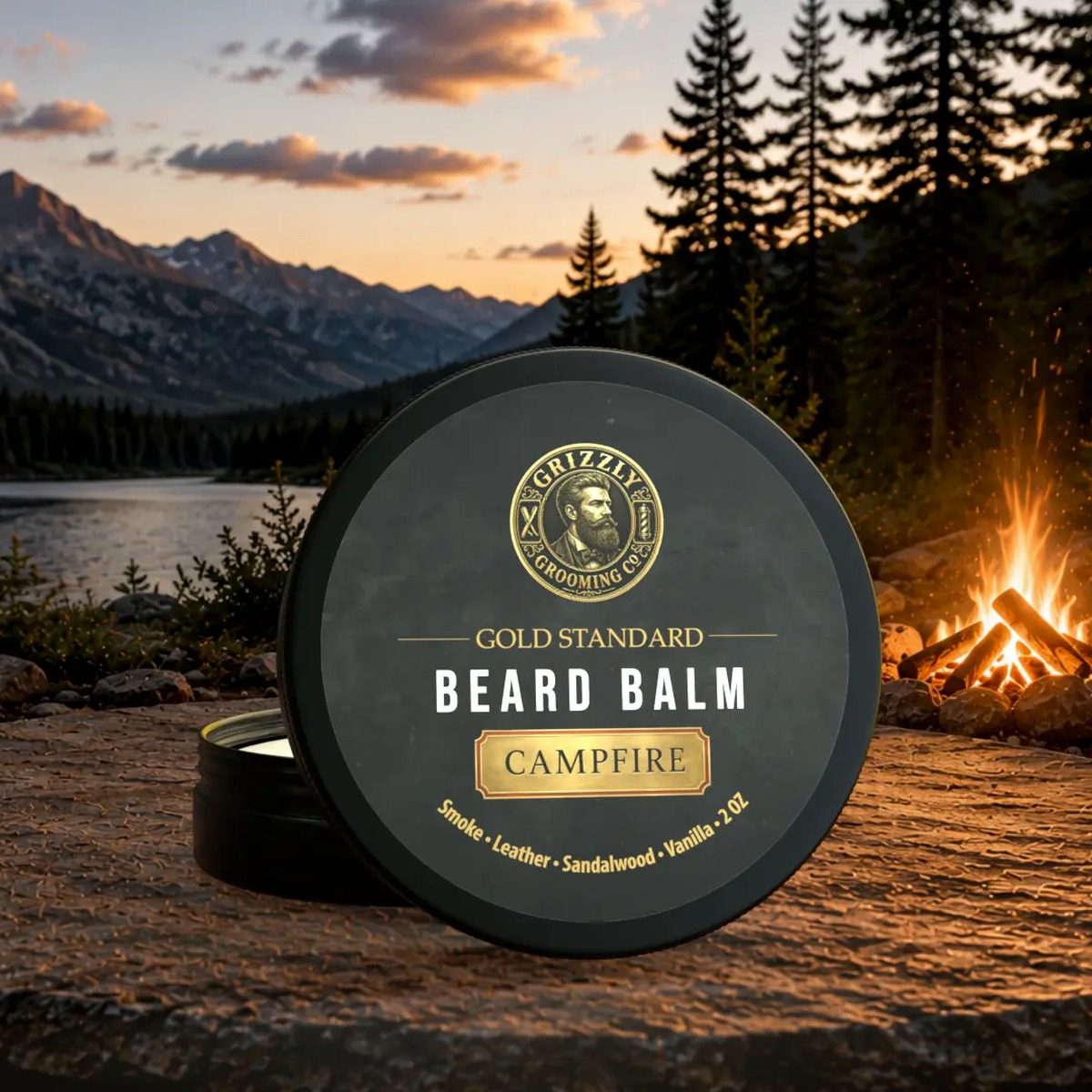
Beard Balm is the ideal tool for managing light refraction. Because it contains beeswax and lanolin, it provides a structured hold and a low-shine finish. When applied, it bundles hairs slightly but keeps the overall surface looking soft and opaque. The wax provides a physical barrier that prevents hairs from separating too much throughout the day, maintaining the solid silhouette you've worked to create.
Avoid using standard head hair products like gels or pomades. These are often water-based and contain alcohols that dry out the beard, leading to a 'crunchy' texture that looks thin and artificial. Furthermore, these products can cause the hair to clump into 'spikes,' which is the opposite of the uniform, dense look required for a high-quality beard.
If you find your beard looking too greasy by midday, you may be over-applying product or using the wrong type for your skin. Men with oily skin should lean more heavily on Beard Balm and less on oil, whereas those with dry skin can benefit from the layering of oil and butter. Always start with a small amount—roughly the size of a pea—and add more only if necessary. It is easier to add density than it is to remove excess shine.
The Role of Internal Health and Specialized Cleansing
While this guide focuses on visual density, the foundation of that density is a clean, healthy environment for the hair to reside in. Using standard bar soap or shampoo on your face is a mistake. These products are formulated to strip away heavy oils from the scalp, but they are too harsh for facial skin. When the skin becomes dry and irritated, it can lead to 'beardruff' and inflammation, both of which cause hair to lay poorly and look thin.
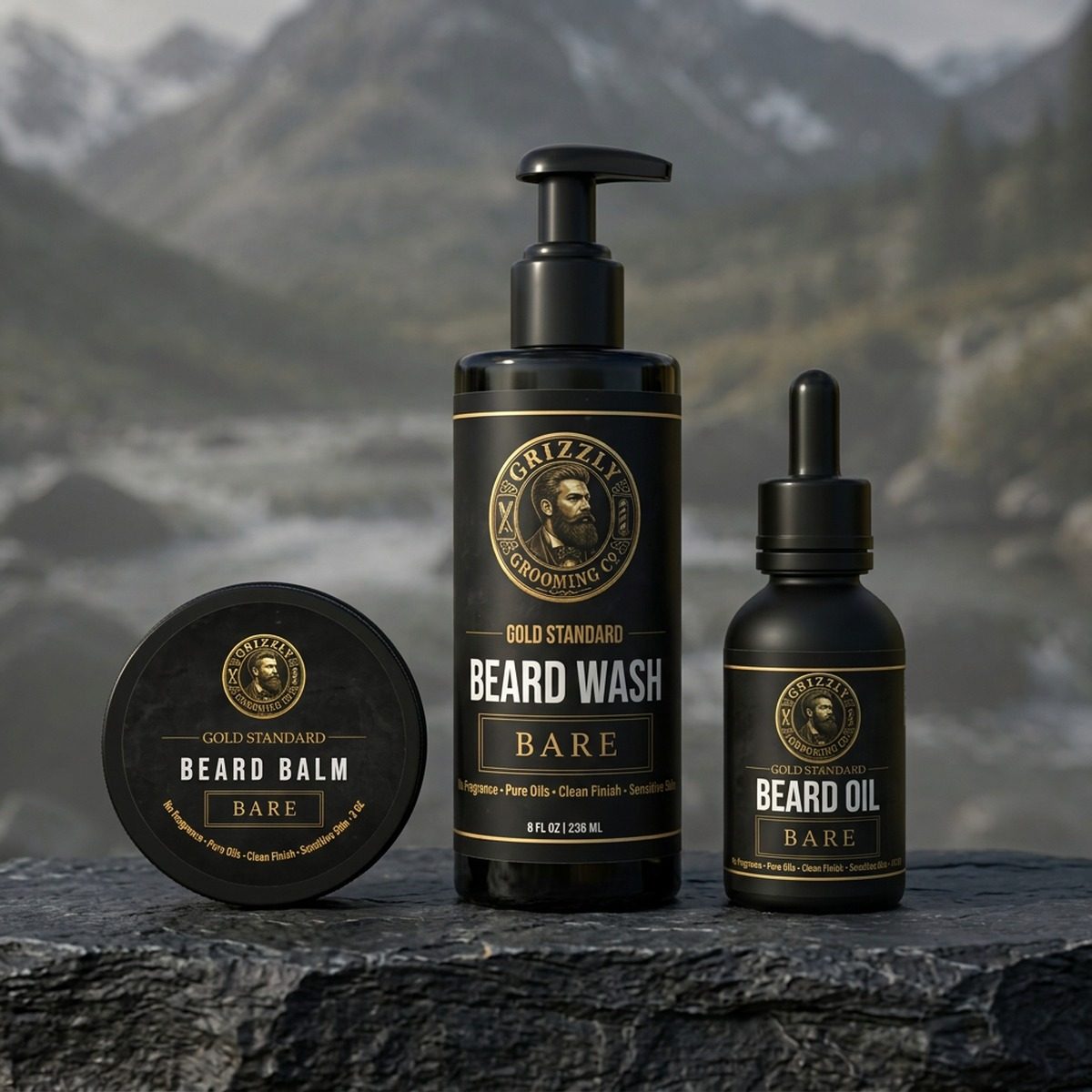
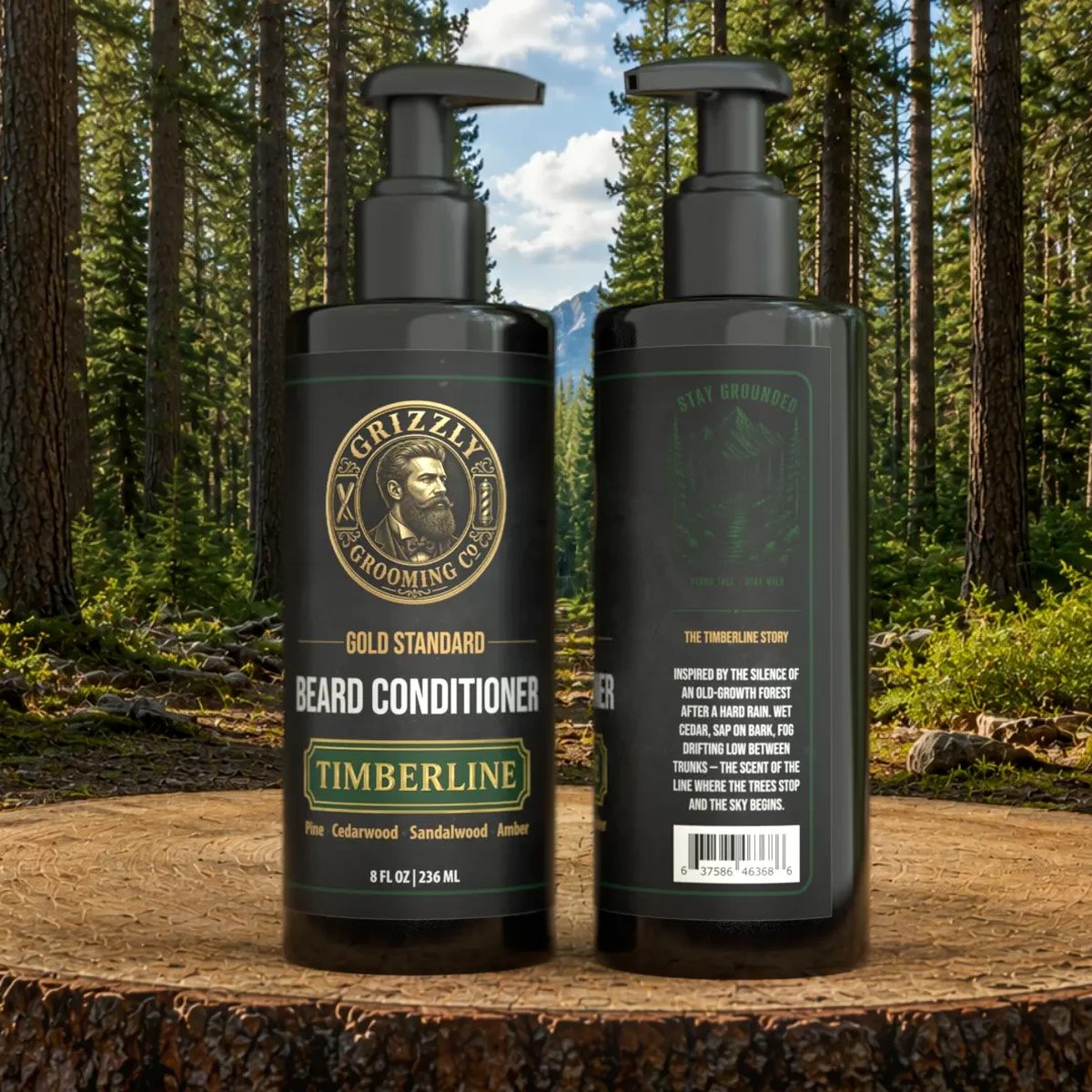
Switch to a dedicated Beard Wash and Conditioner. These products are pH-balanced for the face and contain ingredients like jojoba oil or argan oil that clean the hair without removing the essential sebum that keeps the hair shaft plump. A clean beard is a voluminous beard; excess dirt and skin cells can weigh the hair down and cause it to clump, creating visible 'holes' in your beard coverage.
Consider the impact of your grooming tools. A plastic comb has microscopic ridges from the molding process that can snag and tear the hair cuticle. A high-quality wood comb or a boar bristle brush is essential. The boar bristles, in particular, are excellent for distributing products like Beard Butter evenly while stimulating the skin to increase blood flow to the follicles, which supports the hair's natural diameter.
Incorporate a Goat Soap Bar into your body routine to ensure the skin around the beard area remains healthy without the use of harsh detergents. Healthy skin produces healthy hair, and while you cannot change your genetics, you can ensure that every hair you grow is reaching its maximum potential thickness through proper hygiene and nourishment.
Seasonal Adjustments for Consistent Volume
Beard density fluctuates with the seasons. In the summer, humidity can cause beard hair to frizz and lose its shape, leading to a messy, thin appearance. During this time, increasing your use of Beard Balm can provide the necessary weight and hold to keep the hair in place. The beeswax acts as a humectant, protecting the hair from the expanding effects of high humidity.
Winter presents the opposite challenge. Cold, dry air strips moisture from the hair, causing it to shrink and become static-prone. This leads to a 'flyaway' effect where the beard looks thin and wispy. During the colder months, transition to a heavier application of Beard Butter and consider using a Premium Deodorant with a complementary scent to maintain a consistent grooming profile without overloading the beard with too many different fragrances.
Regardless of the season, your night routine is vital for maintaining volume. Applying a small amount of Beard Butter before bed acts as a deep conditioning mask. This prevents the hair from drying out against your pillowcase, ensuring you wake up with a beard that is soft and ready for styling rather than flat and brittle.
Adjust your washing frequency based on the climate as well. In the summer, you may need to wash more frequently to remove sweat and salt, which can dry out the hair. In the winter, you might scale back to washing every other day to preserve the natural oils that contribute to the hair's visual weight and health.
Common Mistakes and How to Correct Them
The most frequent mistake is over-trimming the mustache. A thin mustache can make a thick beard look unbalanced and sparse. Allow the mustache to grow long enough to be swept to the sides with Mustache Wax. This adds to the overall 'front-facing' density of your facial hair and connects the different sections of the beard for a more cohesive, heavy look.
Another error is neglecting the area directly under the chin. Many men trim this area too short, thinking it will sharpen their jawline. However, this often exposes the neck and makes the beard look like a 'strap' rather than a full growth. Leave the hair under the chin slightly longer to provide a 'shelf' that supports the rest of the beard, adding to its vertical density.
Using too much heat without protection is a recipe for long-term thinning. If you notice your beard hair becoming 'kinked' or feeling like straw, you have likely heat-damaged the protein structure. Stop using the blow dryer for a week and double down on Beard Butter and Conditioner to repair the moisture balance before returning to thermal styling at a lower temperature.
Finally, many men fail to brush deep enough. They only style the surface hairs, leaving the underlying layers tangled and flat. When using a boar bristle brush, ensure the bristles reach the skin. This lifts the entire mass of the beard, not just the top layer, creating a uniform volume that holds up throughout the day even in wind or movement.
Frequently Asked Questions
Does Beard Oil make my beard actually thicker?
Beard oil does not increase the number of hairs, but it prevents the breakage and split ends that lead to a thin, wispy appearance. By keeping the skin healthy and the hair supple, it ensures you retain every millimeter of growth you achieve.
How long does it take for Beard Butter to show results?
You will notice a visual increase in softness and volume immediately upon application. For long-term improvements in hair shaft health and diameter, consistent daily use for two to four weeks is recommended.
Can I use a regular hair dryer on my beard?
Yes, provided it has a low-heat setting. The goal is to use the air to provide lift and shape, not to bake the hair. Always keep the dryer moving and at least six inches away from your face to avoid damage.
Is Beard Balm better than Beard Butter for thin beards?
Beard Balm is better for providing structural hold and a matte finish, which is great for styling. However, Beard Butter is superior for physically swelling the hair shaft through deep hydration. For the best results, use both: Butter for health and Balm for style.
Why does my beard look thinner in the bathroom mirror?
Bathroom lighting is often harsh and overhead, which casts shadows downward and highlights the skin through the hair. To see your beard's true density, look at it in natural, diffused light or from a side-profile view.
How often should I use a boar bristle brush?
Use it at least twice a day—once in the morning during your styling routine and once in the evening. This distributes oils, removes dead skin cells, and trains the hairs to grow in a uniform direction, which maximizes visual density.
Will trimming my beard make it grow back thicker?
No, trimming does not change the follicle's growth rate or thickness. However, it removes the thin, tapered ends of the hair, making the edge look 'blunt' and the overall beard look significantly more dense and healthy.
Should I apply products to a wet or dry beard?
Apply products to a damp beard (about 80% dry). This allows the hair cuticle to remain slightly open, facilitating better absorption of the nutrients in the Beard Butter or Oil while locking in a small amount of water for hydration.
Build your ritual in 60 seconds.
Answer four questions and get a custom regimen built around your beard and routine.
Start The Ritual Builder