Mastering the Beard: Selecting a Style for Your Unique Face Shape
A great beard is not a matter of luck; it is a matter of geometry. Understanding how facial hair interacts with your bone structure is the difference between a silhouette that looks intentional and one that looks unkempt. By manipulating the volume and length of hair at specific points—the sideburns, the cheeks, and the chin—you can correct perceived imbalances in your facial proportions. This guide provides the technical blueprint for aligning your grooming routine with your natural anatomy, ensuring that your facial hair serves as a professional enhancement rather than a distraction.
- ›Identify your face shape—oval, square, round, or rectangular—before picking up a trimmer to ensure structural balance.
- ›Use beard length to add volume where your face lacks width or height, such as adding chin length to round faces.
- ›Maintain hair health with Gold Standard Beard Oil to ensure your chosen style holds its definition and sheen.
- ›Taper the sideburns and cheeks to elongate rounder faces or broaden narrow features using precise guard settings.
- ›Apply Beard Balm for structural hold on angular styles and Beard Butter for softening fuller side growth on long faces.
- ›Schedule regular professional trims every 7 to 10 days to maintain the architectural integrity of your chosen silhouette.
Determining Your Face Shape Through Precise Measurement
Before selecting a style, you must objectively define your canvas. Stand before a mirror and measure four key areas: the width of your forehead at its widest point, the distance across your cheekbones, the span of your jawline from the ear to the chin, and the total vertical length of your face from the hairline to the tip of the chin. A square face will show nearly equal measurements across all widths with a sharp jaw angle, while a round face will have similar dimensions but with a softer, curved jawline. An oval face typically measures one and a half times the width, whereas a rectangular face is significantly longer than it is wide.
Understanding these proportions allows you to apply the principle of contrast. If your face is short and wide, your beard should be long and narrow to create the illusion of an oval. If your face is long and narrow, your beard should be short and wide to fill out the sides. This phase of the process requires honesty; do not choose the shape you want, but the shape you have. Use a flexible measuring tape or a ruler to record these metrics in millimeters for accuracy, as even small variances can shift the recommended beard silhouette.
Consider also your facial features, such as the prominence of your nose or the height of your cheekbones. A prominent nose can be balanced by a fuller mustache, while high cheekbones can be accentuated by a lower cheek line. Once you have your measurements, categorize yourself into one of the four primary shapes: Oval, Square, Round, or Rectangular. This classification serves as the foundation for every grooming decision you will make, from the choice of Gold Standard Beard Wash to the specific guard length on your trimmer.
Seasonal factors also play a role in how these shapes present. In winter, skin tends to be drier, which can cause hair to stand off the face differently than in humid summer months. During colder periods, the use of a heavier Beard Butter can help maintain the weight and shape you have carefully calculated. In summer, a lighter application of Beard Oil ensures the hair stays hydrated without feeling greasy under the sun. Always calibrate your styling products to both your face shape and your current environment for the best results.
The Oval Face: Maintaining Natural Symmetry
The oval face shape is widely considered the most versatile in the grooming world. Because the forehead and jawline are roughly equal in width and the chin is slightly rounded, the goal is simply to maintain that natural balance without distorting the symmetry. Men with oval faces have the luxury of experimentation, as they can pull off almost any length, from a heavy three-day stubble to a full, traditional beard. The primary risk for the oval face is over-elongation; growing a long, pointed beard can make the face appear unnecessarily narrow and thin.
To maintain this sharp profile, we recommend a consistent cleansing routine. A dedicated Beard Wash should be used three times a week to remove environmental debris and dead skin cells without stripping the natural sebum that keeps hair manageable. For daily maintenance, a light application of Beard Oil—roughly three to five drops for a medium beard—should be massaged into the skin and hair. This provides a healthy sheen and prevents the 'beardruff' that can detract from a well-proportioned silhouette. Use a boar hair brush to distribute the oil evenly and keep the hairs lying flat against the face.
When trimming an oval face, focus on clean lines along the cheek and a well-defined mustache that follows the natural curve of the lip. The mustache should not overgrow the top lip by more than a millimeter to maintain a professional appearance. If you choose a longer style, ensure the bottom of the beard follows the curve of your jaw rather than coming to a sharp point. This preserves the balanced geometry of the oval shape. For those with thicker growth, a small amount of Mustache Wax can be used to sweep the hair away from the mouth, further emphasizing the symmetry of the face.
Avoid adding too much volume to the chin area. Instead, aim for an even distribution of hair from the sideburns down to the jawline. If the beard becomes too bottom-heavy, it will pull the eyes downward and distort the oval proportions. Regular maintenance every 7 to 10 days with a trimmer set to a consistent guard length across the entire beard—perhaps a 4 or 5—will keep the look intentional. This shape is about refinement rather than correction, so focus your efforts on the health and texture of the hair rather than dramatic structural changes.
The Square Face: Softening the Angular Jaw
A square face is defined by a strong, angular jawline and a broad forehead. While it is tempting to grow a thick, bushy beard to match this masculinity, doing so can make the head appear boxy or overly wide. The objective here is to soften the corners of the jaw while subtly lengthening the face to move closer to an oval silhouette. This is achieved by keeping the sides of the beard trimmed closer to the skin—typically using a lower guard setting like a 2 or 3—while allowing the hair on the chin to grow slightly longer and more rounded.
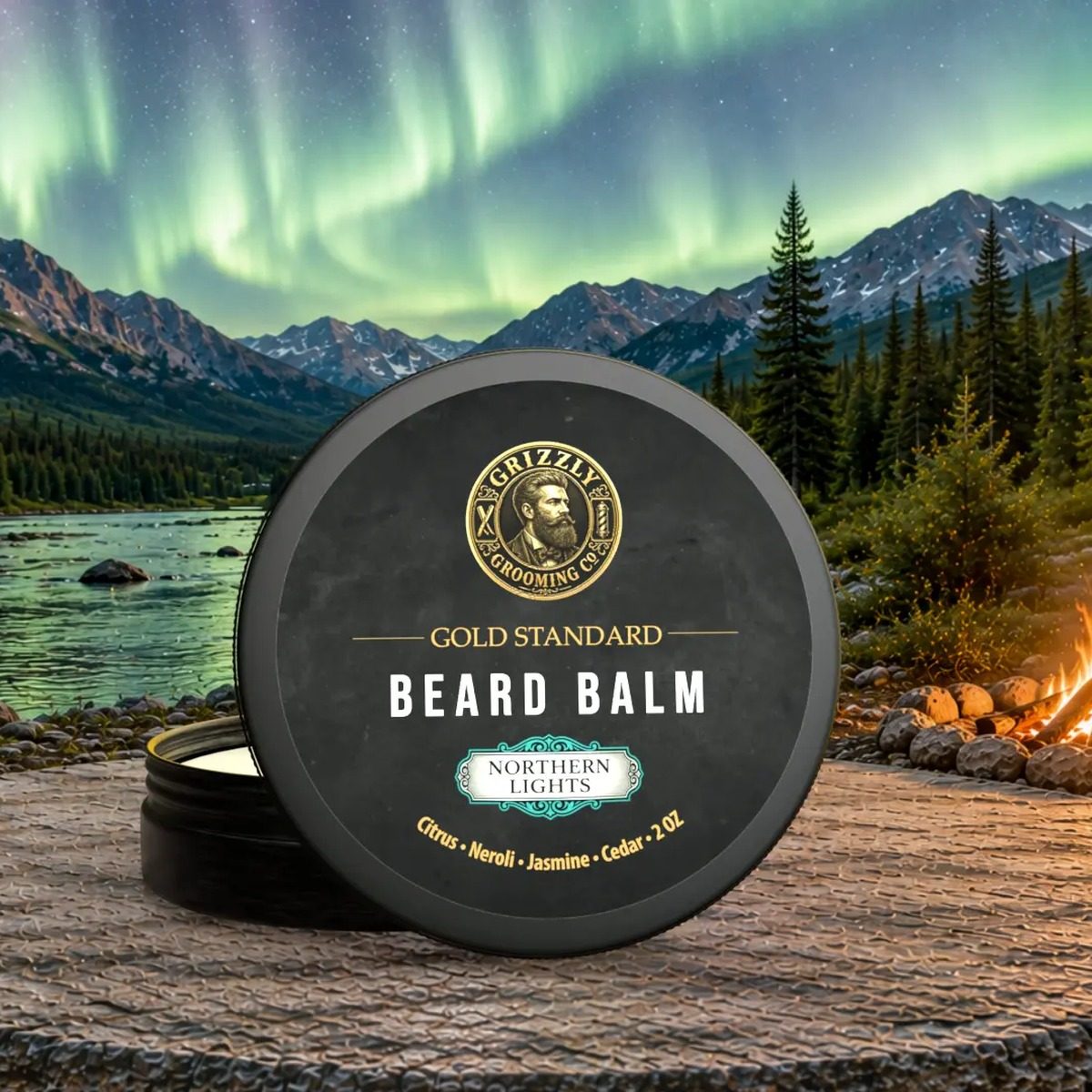
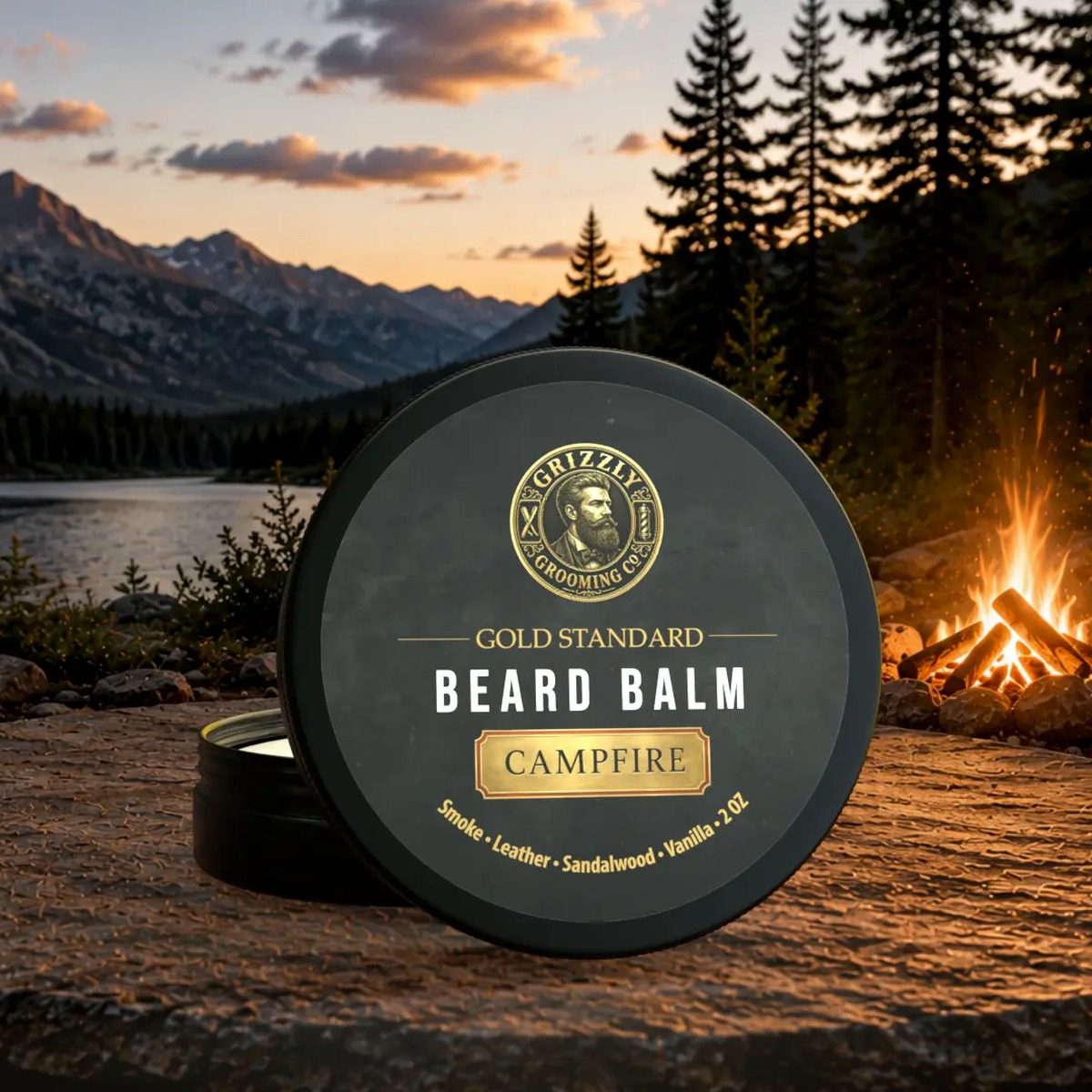
To maintain this structural shape, a quality Beard Balm is an essential tool. The natural waxes in a balm provide the light hold necessary to keep stray hairs from disrupting the clean profile of a square face. When applying balm, warm a pea-sized amount between your palms until it reaches a liquid consistency, then work it through the beard from the neck upwards. Use your fingers to sculpt the hair at the chin into a soft, rounded point. This contrast between the tight sides and the fuller bottom effectively breaks up the harsh lines of the jaw.
Precision detailing is vital for the square face. The neckline should be curved slightly rather than cut in a sharp 90-degree angle to avoid emphasizing the boxiness. A clear shave gel or a Goat Soap Bar can be used to create a smooth surface for detailing the neck and cheeks. Aim to keep the cheek lines natural but clean; a slight curve downward toward the mustache can help soften the upper half of the face. If you have patchy growth on the cheeks, a lower cheek line is preferable to a high, thin one, as it keeps the focus on the strong jawline you are trying to balance.
In terms of hair texture, square-faced men benefit from softening agents. Because the hair on the jaw is often coarser, regular use of a Conditioner after washing will make the hair more pliable. This allows you to style it more effectively with a comb, ensuring the hair follows the desired rounded path. If the beard feels stiff, a weekly deep-conditioner treatment or a larger dose of Beard Butter at night can restore elasticity. Remember, the goal is to use the beard as a tool for architectural softening, turning a harsh square into a sophisticated, balanced profile.
The Round Face: Engineering Verticality and Definition
Round faces lack the natural angles found in square or rectangular shapes, often featuring wide cheekbones and a soft chin. To compensate, a beard should be used as a contouring tool to create the illusion of a more defined bone structure and a longer face. The strategy involves keeping the sides extremely short—often faded from a zero at the top of the sideburns into a 2 or 3 at the mid-cheek—and focusing the bulk of the growth at the bottom of the chin. A triangular or squared-off beard at the chin adds the necessary height to balance the width.
For round faces, the 'box beard' or a well-groomed goatee are often the most effective styles. The key is to create straight, sharp lines where the face is naturally curved. This requires a steady hand and a high-quality trimmer. When detailing the cheek line, avoid following the natural roundness; instead, create a straight diagonal line from the sideburn to the corner of the mouth. This creates the appearance of higher, more prominent cheekbones. Applying a light Cologne or Solid Cologne after your grooming session adds a professional finishing touch that matches the sharp aesthetic.
Maintenance for this shape must be frequent. Because the goal is definition, even two days of stray growth on the cheeks can muddy the silhouette and make the face look round again. Use a Premium Deodorant to stay fresh, and keep a small grooming kit with you for mid-day touch-ups if necessary. Beard Oil is particularly important here to keep the longer hair at the chin looking intentional and groomed. Without the sheen provided by the oil, the added length at the chin can look like an accidental growth rather than a calculated stylistic choice.
Avoid wide sideburns at all costs. Wide sideburns add horizontal volume to an already wide face, defeating the purpose of the beard. Instead, taper the sideburns as thin as possible while maintaining a natural transition into the hair on your head. If you have a double chin, the beard is an excellent way to mask it, provided the neckline is set correctly. The neckline should be placed exactly where the head meets the neck, creating a shadow that defines the jaw. This structural engineering turns a soft facial profile into one of strength and intent.
The Rectangular Face: Strategic Width and Volume
A rectangular or oblong face is characterized by its length and a narrow jaw. Growing a long, narrow beard will only highlight this verticality, creating a 'long-face' effect that can appear unbalanced. Instead, your beard should aim to add width to the sides of the face while keeping the bottom relatively short. This creates a fuller, more rounded look that brings the face closer to a balanced oval. Achieving this requires patience, as you must allow the cheek and sideburn areas to grow out further than you might initially feel comfortable with.
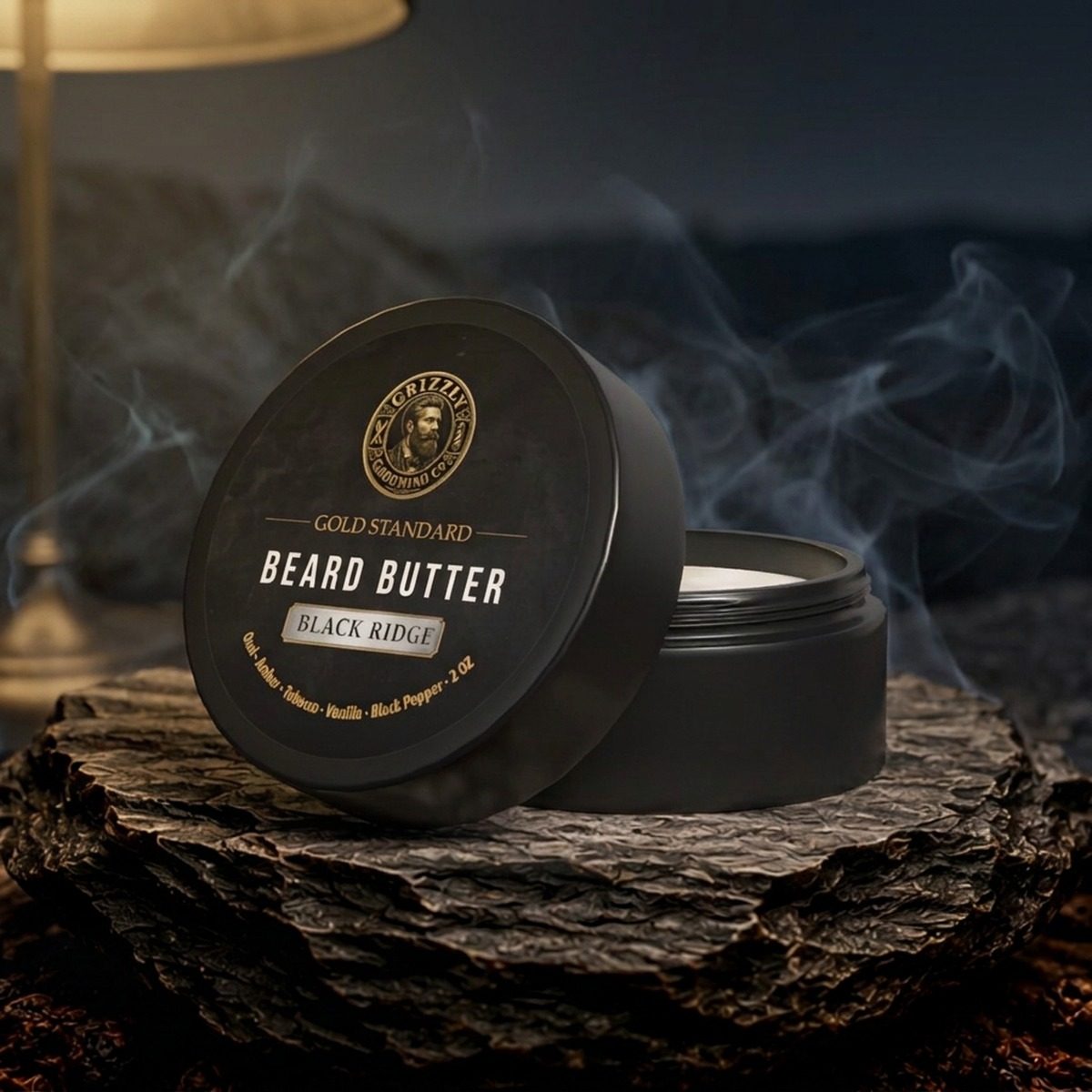
During this growth phase, Beard Butter is your most valuable asset. Its deep conditioning properties and slightly heavier weight keep the fuller side growth soft and prevents it from looking frizzy or 'poofy.' Apply it in the evening so it can soak into the follicles overnight. In the morning, use a wide-tooth comb to style the hair outward slightly, adding the necessary horizontal volume. Keep the hair on the chin trimmed to a shorter length—no more than a half-inch—to ensure you aren't adding any more vertical length to your silhouette.
Avoid sharp, vertical lines in your grooming routine. Softer, more natural transitions at the cheek will help create the illusion of a wider facial structure. The mustache should also be kept full; a thick mustache provides a horizontal break in the middle of a long face, effectively 'chopping' the length and making the proportions seem more standard. If the mustache is too thin, it will get lost in the length of the face. Use a small amount of Mustache Wax to keep the hair directed outward toward the cheeks, reinforcing the horizontal theme of the style.
When it comes to the neckline, keep it slightly higher than you would for other face shapes. A high, clean neckline prevents the beard from dragging the face downward. Regular use of a Goat Soap Bar on the neck will keep the skin clear and free of ingrown hairs, which are more visible on the longer, exposed neck of a rectangular face. By focusing on side-to-side growth rather than top-to-bottom, you transform a narrow profile into a commanding, full-bodied presence that commands respect in any professional setting.
Mastering the Neckline: The Foundation of Every Style
Regardless of your face shape, the neckline is where most men fail. A beard that climbs too high up the jaw will make you look like you have a 'chin strap,' while one that dips too low toward the chest will appear unkempt and 'neck-beardy.' The standard rule of thumb is to place the line two fingers above the Adam's apple. This creates a clean break that supports the jawline rather than hiding it. To find your ideal line, tuck your chin to your chest; the natural fold that forms is where your beard should end.
Once you have identified the line, use a trimmer without a guard to create a U-shape that travels from behind one ear, down to the point above the Adam's apple, and back up to the other ear. Everything below this line should be shaved completely smooth. For the best results, use a clear shave gel so you can see exactly where the blade is landing. Shaving this area every 3 to 4 days is required to keep the line crisp and the geometry of your face shape intact. After shaving, apply a light, alcohol-free toner or a dab of Solid Cologne to soothe the skin.
Troubleshooting the neckline involves checking the side profile. A common mistake is cutting the line straight across from ear to ear, which creates an unnatural look. The line should follow the curve of your jaw, reflecting the work you’ve done to balance your face shape. If you accidentally cut the line too high, the only solution is to let the entire beard grow for a week and start over. Maintaining the neckline is not just about aesthetics; it is about defining the boundary between your face and your body, which is essential for a professional, luxury appearance.
For those with sensitive skin on the neck, the choice of soap is critical. Our Goat Soap Bar is formulated to provide a rich lather that protects the skin from razor burn. Always shave in the direction of hair growth—usually downward on the neck—to minimize irritation. If you experience redness, a drop of Beard Oil massaged into the shaved area can provide immediate relief. A clean neckline acts as a frame for the rest of your beard, making even a shorter stubble look like a deliberate and high-end grooming choice.
Advanced Trimming Techniques and Tool Settings
To execute these face-shape strategies, you must understand your tools. A high-quality trimmer with a variety of guard lengths is non-negotiable. For the sides of a round or square face, use a #1 or #2 guard to achieve a 'fade' effect. This involves starting with a higher guard (like a #3) and gradually moving to lower guards as you move up the sideburns toward the hair on your head. This technique, known as tapering, ensures there is no harsh line between your beard and your haircut, which is the hallmark of a professional barber-style finish.
When trimming for length at the chin—vital for round and square faces—use the 'comb and clipper' method. Instead of using a guard, use a fine-tooth comb to lift the hair to the desired length and run the clipper over the comb. This allows for more granular control than standard guards provide. For the mustache, use precision scissors rather than a bulky trimmer to snip away individual hairs that cross the lip line. This level of detail is what separates a Gold Standard beard from an average one. Always trim when the hair is dry, as wet hair appears longer and will result in an uneven look once it dries.
Calibration of your equipment is also essential. Ensure your blades are oiled and free of hair buildup to prevent 'tugging,' which can lead to split ends. Split ends make the beard look frizzy and can ruin the clean lines of a rectangular or oval style. If you notice the hair is not cutting cleanly, it is time to replace the blade or the unit. After trimming, always wash the beard with a gentle Beard Wash to remove the small, itchy clippings that can cause skin irritation. This post-trim wash also allows you to see the true shape of the beard once it is clean and dried.
The angle at which you hold the trimmer matters. To create a sharp cheek line, hold the trimmer with the blade facing the skin and move in short, downward strokes. To blend the beard, flip the trimmer over and use an upward, flicking motion. This 'flicking' helps remove bulk without creating holes in the beard. Practice these motions on a lower-stakes area, like the bottom of the neck, before moving to the prominent areas of the face. Mastering the mechanics of your tools allows you to maintain your face-shape silhouette between professional barber visits.
Common Mistakes and How to Correct Them
One of the most frequent errors is the 'floating' mustache—a mustache that is disconnected from the rest of the beard. This breaks the visual flow and can make the face look disjointed, particularly on rectangular or oval shapes. To fix this, allow the hair at the corners of the mouth to grow in, then use a tiny amount of Mustache Wax to blend the mustache into the cheek hair. Another common mistake is the 'chin curtain,' where the beard is grown only along the jawline with no hair on the cheeks. This style rarely complements any face shape and usually results in an unbalanced, dated appearance.
Over-trimming is another trap. Men often see a single stray hair and end up cutting away half the beard trying to achieve perfection. If you make a mistake and cut a notch into your beard, do not try to even out the other side immediately. Instead, use a darker Beard Balm or a specialized beard filler to temporarily mask the gap while the hair grows back. Patience is a grooming virtue; most mistakes can be corrected with two weeks of growth. If the error is significant, consult a professional barber rather than attempting further 'surgery' at home.
Neglecting the skin beneath the hair is a mistake that affects the beard's shape over time. Dry, flaky skin (seborrheic dermatitis) can cause hair loss and patchiness. To prevent this, ensure your Beard Oil reaches the skin, not just the hair. Use your fingertips to massage the oil in deeply. Additionally, using a standard hair shampoo on your beard is a mistake; these products contain harsh sulfates designed for the scalp, which will dry out facial hair and make it impossible to style. Stick to a pH-balanced Beard Wash to maintain the integrity of the hair and the health of the skin.
Finally, many men fail to account for their 'growth patterns.' Hair does not grow in the same direction for every man. If your hair grows sideways on your neck, trimming vertically will cause irritation. Observe the direction of growth and adjust your trimming and combing accordingly. By identifying these mistakes early and applying the correct Grizzly Gold Standard products, you can maintain a silhouette that looks professional and intentional. A well-groomed beard is a reflection of discipline; avoiding these common pitfalls is the first step toward mastery.
Frequently Asked Questions
How do I determine my face shape at home?
Measure the width of your forehead, cheekbones, and jawline, then measure the length of your face from the hairline to the chin. Comparing these metrics will reveal if your face is equal in proportions (square/round) or significantly longer (oval/rectangular). If the measurements are within 10mm of each other, you likely have a square or round face.
Can I change my beard style if my hair is patchy?
Yes, but you must work with what you have. A short stubble or a well-groomed goatee often looks better than a full beard with visible gaps. Consistent use of Beard Oil can also improve the appearance of existing hair by providing a healthy sheen that makes thin areas appear more intentional and managed.
How often should I trim my beard to maintain its shape?
For most styles, a light maintenance trim every 7 to 10 days is ideal. This allows you to remove split ends and stray hairs that begin to distort the silhouette you have established for your face shape. Necklines and cheek lines may require touch-ups every 3 to 4 days to remain crisp.
Should I use beard balm or beard butter for styling?
Use Beard Balm when you need structural hold to define a shape, such as rounding out a square jawline. Use Beard Butter for deep conditioning and adding volume to the sides of a rectangular face. Balm contains beeswax for hold, while butter is higher in fats for softening and expanding the hair's profile.
What temperature should I use when washing my beard?
Always use lukewarm water. Hot water strips the skin of its natural oils and damages the hair cuticle, leading to frizz and breakage. Cold water is ineffective at breaking down the waxes found in styling products. Lukewarm water allows the Beard Wash to lather effectively without causing dehydration.
How do I prevent my beard from looking 'poofy' on the sides?
This is often a result of the hair being too dry or cut to a length where it stands straight out. Use a boar hair brush to train the hair to lie flat, and apply Beard Butter to add weight. If the problem persists, have a barber 'bulk-reduce' the sides with thinning shears to maintain the shape without sacrificing length.
Does my mustache have to match the length of my beard?
No, and often it shouldn't. For long faces, a thicker mustache provides a necessary horizontal break. For round faces, a shorter mustache prevents the face from appearing too heavy. The mustache should be styled as a complementary feature that supports the overall geometry of your face shape.
Build your ritual in 60 seconds.
Answer four questions and get a custom regimen built around your beard and routine.
Start The Ritual Builder