Maintaining Beard Health and Hydration During the Winter Months
The transition into the colder months necessitates a fundamental shift in grooming physics. As the mercury drops, the ambient air loses its ability to hold water vapor, creating a low-humidity environment that aggressively draws moisture from any available source—including your facial hair and the underlying dermis. For the bearded man, winter represents more than just a drop in temperature; it is a period of structural vulnerability for the hair follicle. Without a proactive strategy involving high-quality lipids and occlusive barriers, the beard becomes a liability, prone to microscopic fractures, split ends, and the inflammatory condition commonly known as beardruff. This guide outlines the precise mechanical and chemical adjustments required to preserve the integrity of your beard throughout the harshest season.
- ›Switch from single-product application to a layered approach using beard oil as a base and balm as an occlusive shield.
- ›Reduce shower temperatures to lukewarm to prevent the thermal stripping of natural sebum from the facial skin.
- ›Implement a dedicated nighttime routine using beard butter to facilitate deep cortical hydration during sleep.
- ›Replace synthetic combs with anti-static materials like sandalwood or boar bristle to mitigate friction and breakage.
- ›Increase the frequency of micro-trims to prevent cold-weather split ends from traveling up the hair shaft.
- ›Adjust your intake of water and fatty acids to support the follicular foundation from the inside out.
The Molecular Impact of Cold Air on Hair Porosity
Cold air is inherently dry, and this lack of humidity creates an osmotic pressure that pulls moisture out of the hair cortex. When the internal water content of the hair fiber drops below 10%, the cuticle scales—which usually lie flat—begin to lift and curl. This increased porosity makes the hair feel rough and creates snag points that lead to mechanical damage during regular combing.
Furthermore, the transition between the freezing outdoors and artificially heated interiors causes the hair shaft to undergo rapid expansion and contraction. This thermal shock can weaken the disulfide bonds that give the hair its strength. Over time, these microscopic stresses manifest as visible split ends and a beard that appears thin or 'see-through' at the edges despite consistent growth.
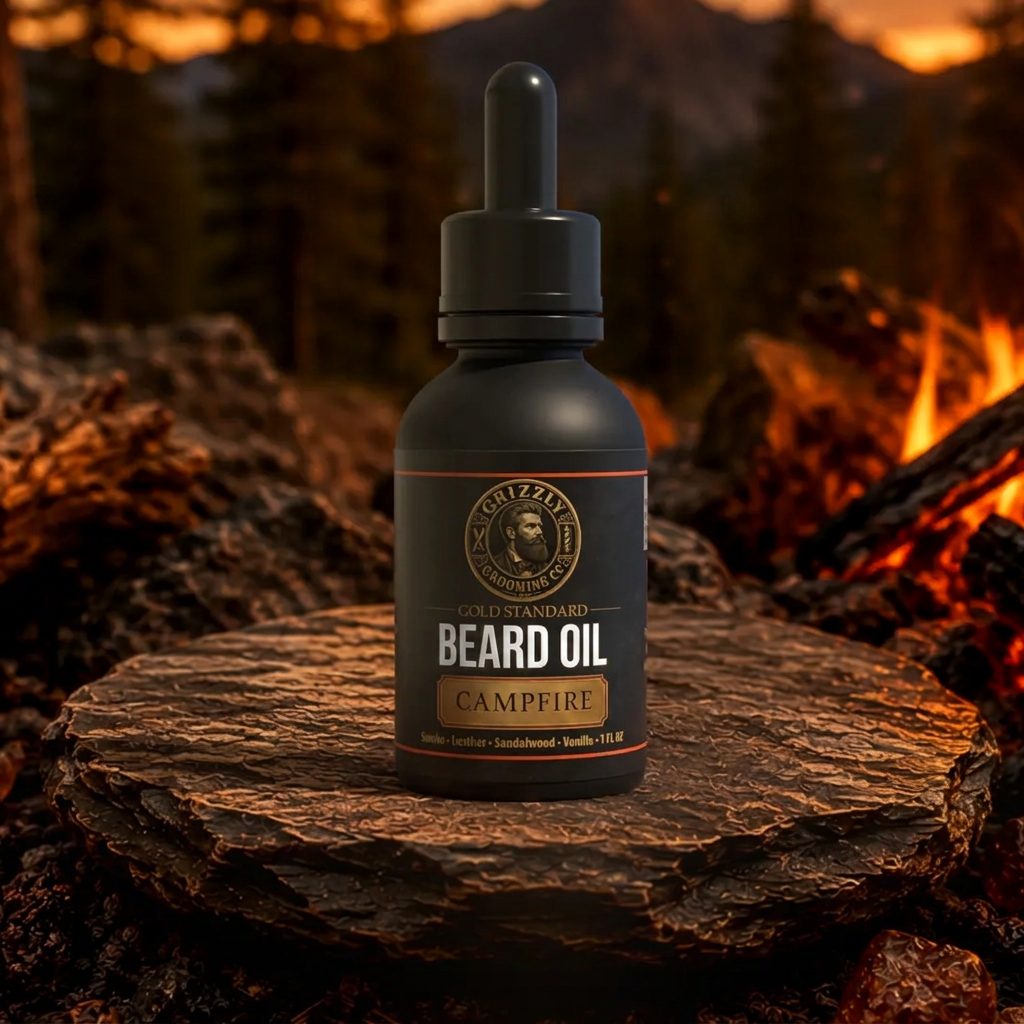
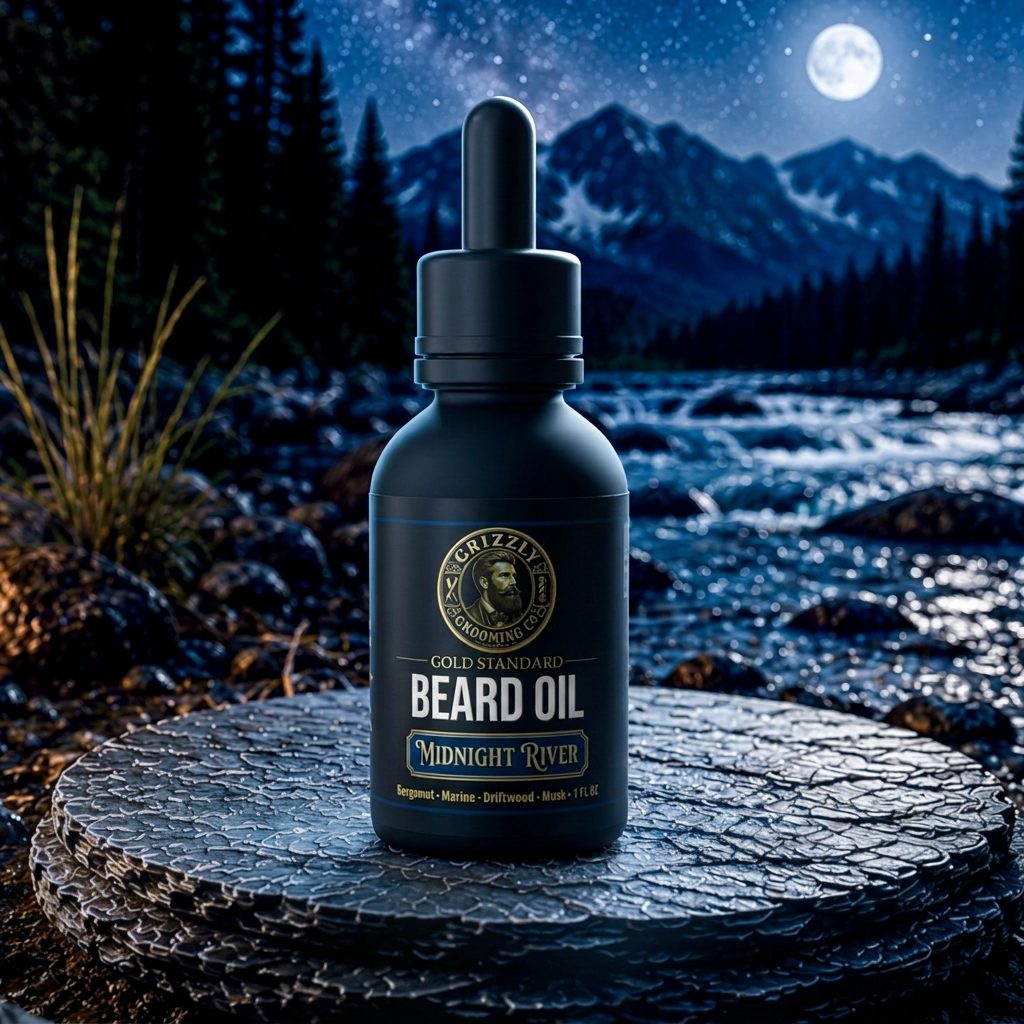
To combat this, the introduction of specialized lipids is required. Ingredients found in a premium Gold Standard Beard Oil, such as jojoba oil, act as a liquid wax that mimics human sebum. By coating the hair in these lipids, you create a barrier that slows the evaporation of internal moisture, effectively stabilizing the hair's porosity even as environmental conditions fluctuate.
Duration of exposure also plays a role. If you are outdoors for more than thirty minutes, the cold air begins to crystalize any residual water on the hair surface. This crystallization can lead to structural brittle-point failures. Therefore, ensuring your beard is completely dry before leaving the house is not just a comfort preference; it is a requirement for maintaining structural integrity.
Strategic Layering: The Oil and Balm Sequence
In the summer, a few drops of beard oil might suffice to keep the skin hydrated. In winter, you must adopt a multi-layered defense strategy. Think of beard oil as your primer or base layer. Because of its low molecular weight, the oil is designed to penetrate the skin and the hair cuticle to deliver essential nutrients and maintain flexibility at the root.
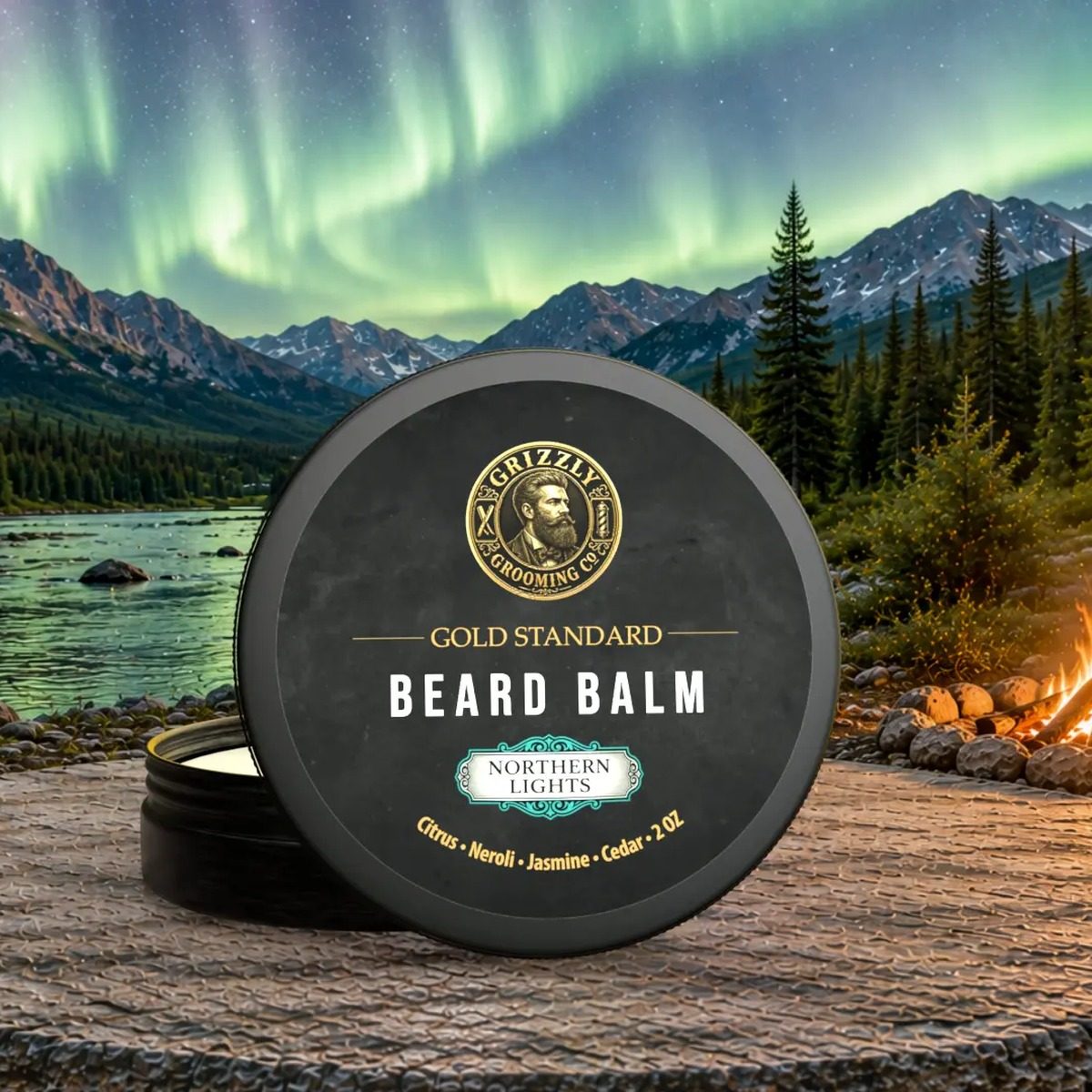
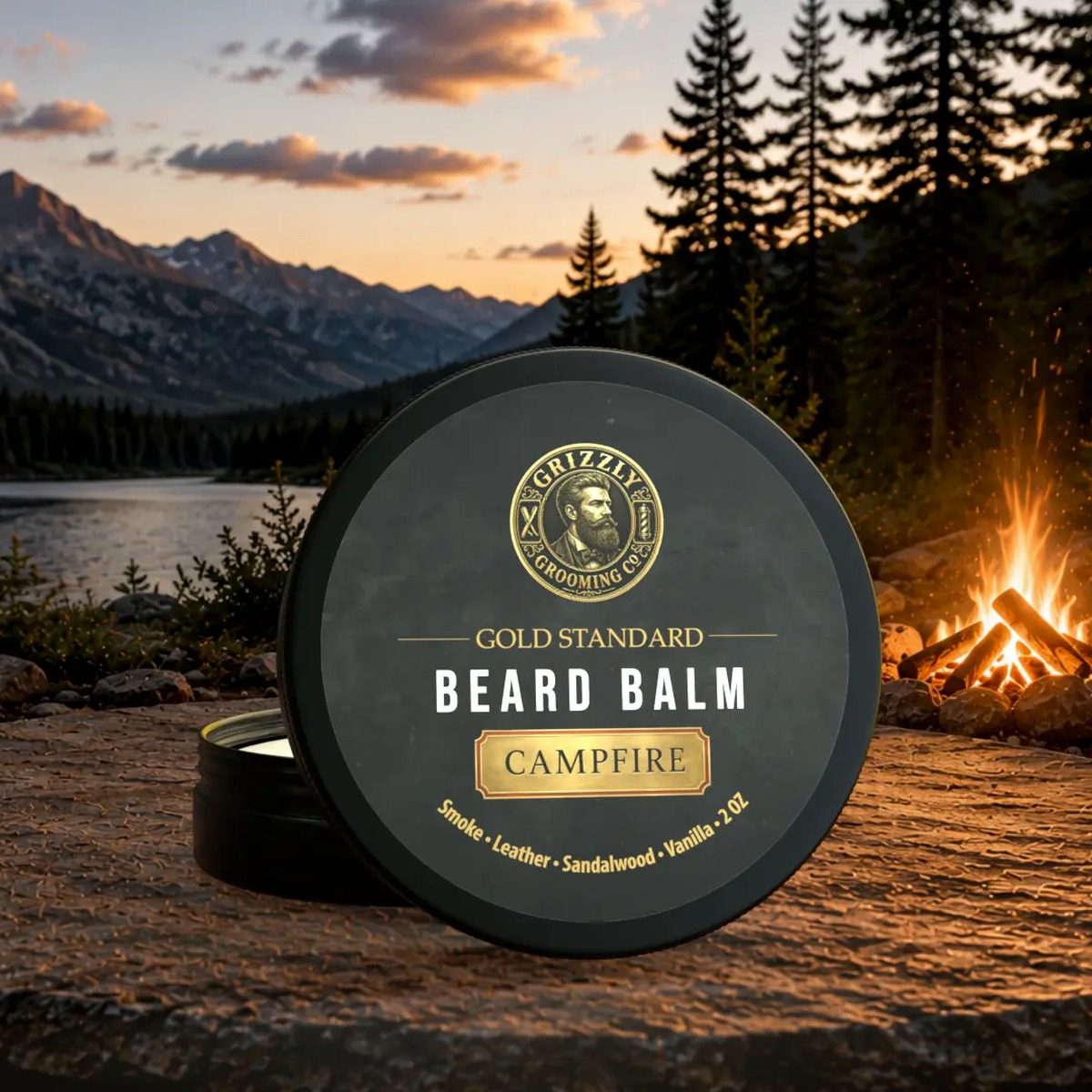
Once the oil has been massaged into the skin and worked through the damp hair, an occlusive layer must be applied. This is where beard balm becomes essential. A high-quality balm contains beeswax and shea butter, which have higher melting points and larger molecular structures. These ingredients do not fully penetrate the hair; instead, they form a breathable, protective seal on the outside of the shaft.
This sealing process is critical for preventing 'windburn' on the hair. When the wind hits a dry beard, it acts like sandpaper, stripping away the protective oils. The wax content in the balm creates a physical buffer that absorbs the impact of the elements, keeping the internal hydration locked in. For men with beards longer than three inches, focusing the balm application on the lower half of the beard is vital, as this hair is furthest from the skin's natural oil production.
The timing of this application should be within three to five minutes of exiting the shower. The hair is at its most receptive when the cuticles are slightly open from the warmth. Pat the beard dry with a microfiber towel until it is damp, not dripping, then apply your oil followed immediately by the balm to trap that residual moisture inside the hair fiber.
Nighttime Recovery with Beard Butter
While your daytime routine is focused on protection, your nighttime routine should be focused on deep recovery. The environment inside a heated bedroom can be as dry as a desert, and as you toss and turn, your beard experiences significant friction against cotton pillowcases. This friction can lead to 'bed-head' tangles that are difficult to remove without causing breakage.
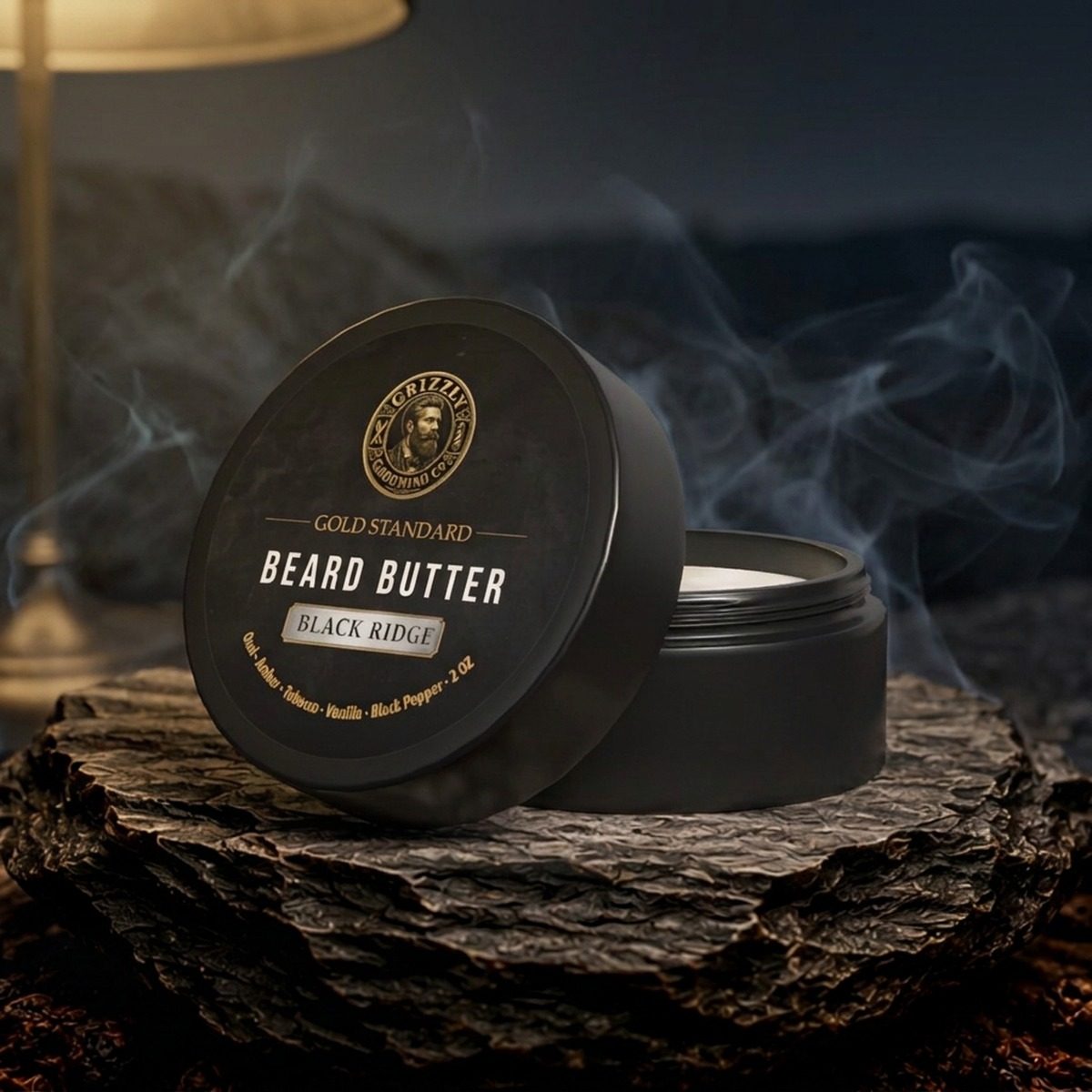
Beard butter is the ideal solution for overnight care. Unlike balm, which contains heavy waxes for styling and protection, beard butter is primarily composed of nutrient-dense butters like mango or cocoa butter. It has a creamier consistency that absorbs more thoroughly into the hair over several hours, providing an intensive conditioning treatment while you sleep.
Apply a generous amount of beard butter about 20 minutes before bed. This allows the product to set so it doesn't rub off entirely onto your linens. Use a wide-tooth wooden comb to distribute the butter evenly. By morning, you will find the beard is significantly softer and more pliable, making your morning styling routine much easier and less damaging to the hair.
For those living in extremely arid climates, consider using a humidifier in the bedroom. Maintaining a room humidity level between 40% and 50% reduces the rate at which the butter evaporates and prevents the skin from becoming itchy or flaky overnight. This combination of topical hydration and environmental control is the gold standard for winter maintenance.
Advanced Washing Protocols to Prevent Beardruff
The most common mistake in winter is increasing shower temperature to compensate for the cold. Hot water is a powerful degreaser; it strips the natural sebum from your face, leading to dehydrated skin and a condition called seborrheic dermatitis, or 'beardruff.' When the skin dries out, it produces thin, white flakes that become trapped in the beard, creating an unkempt appearance.
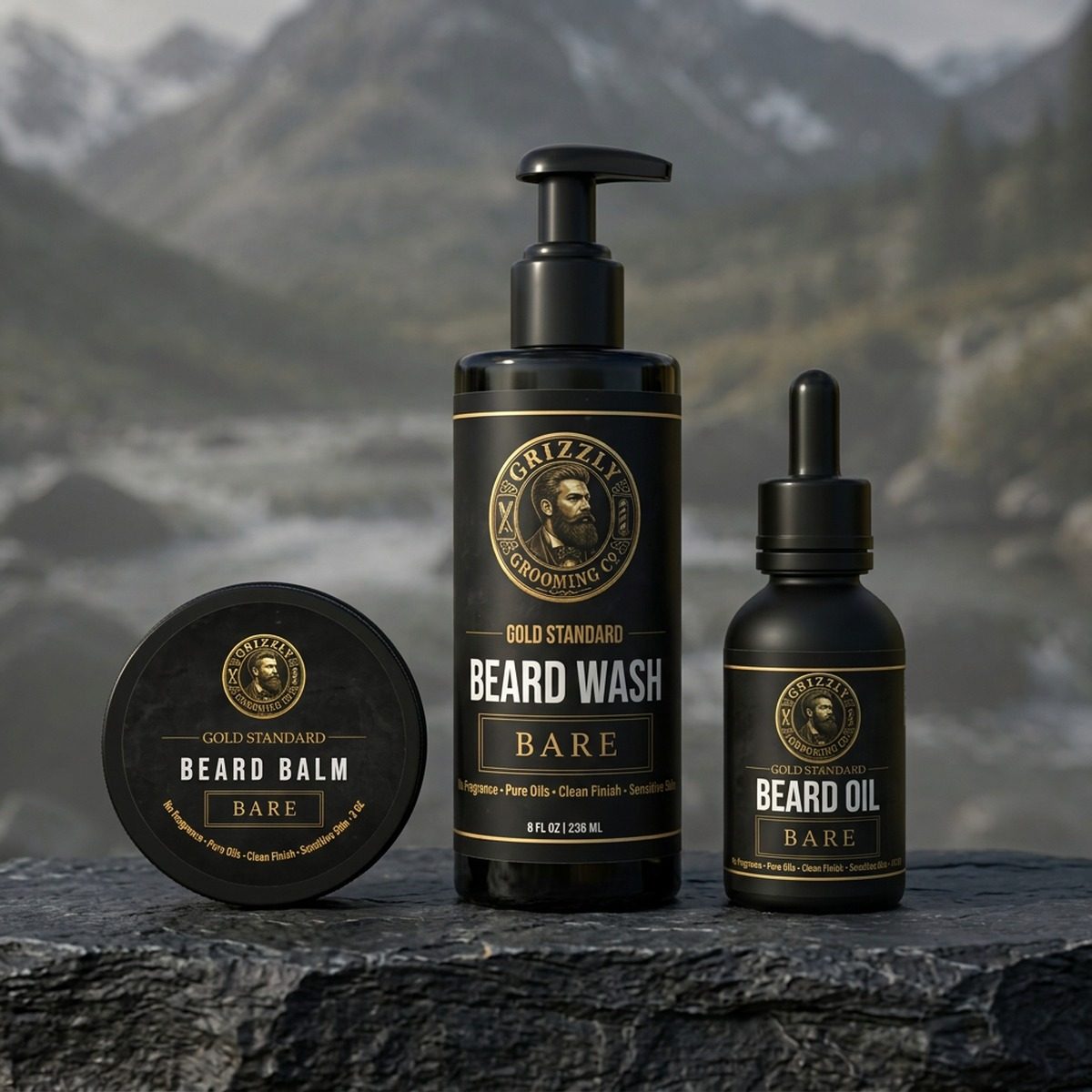
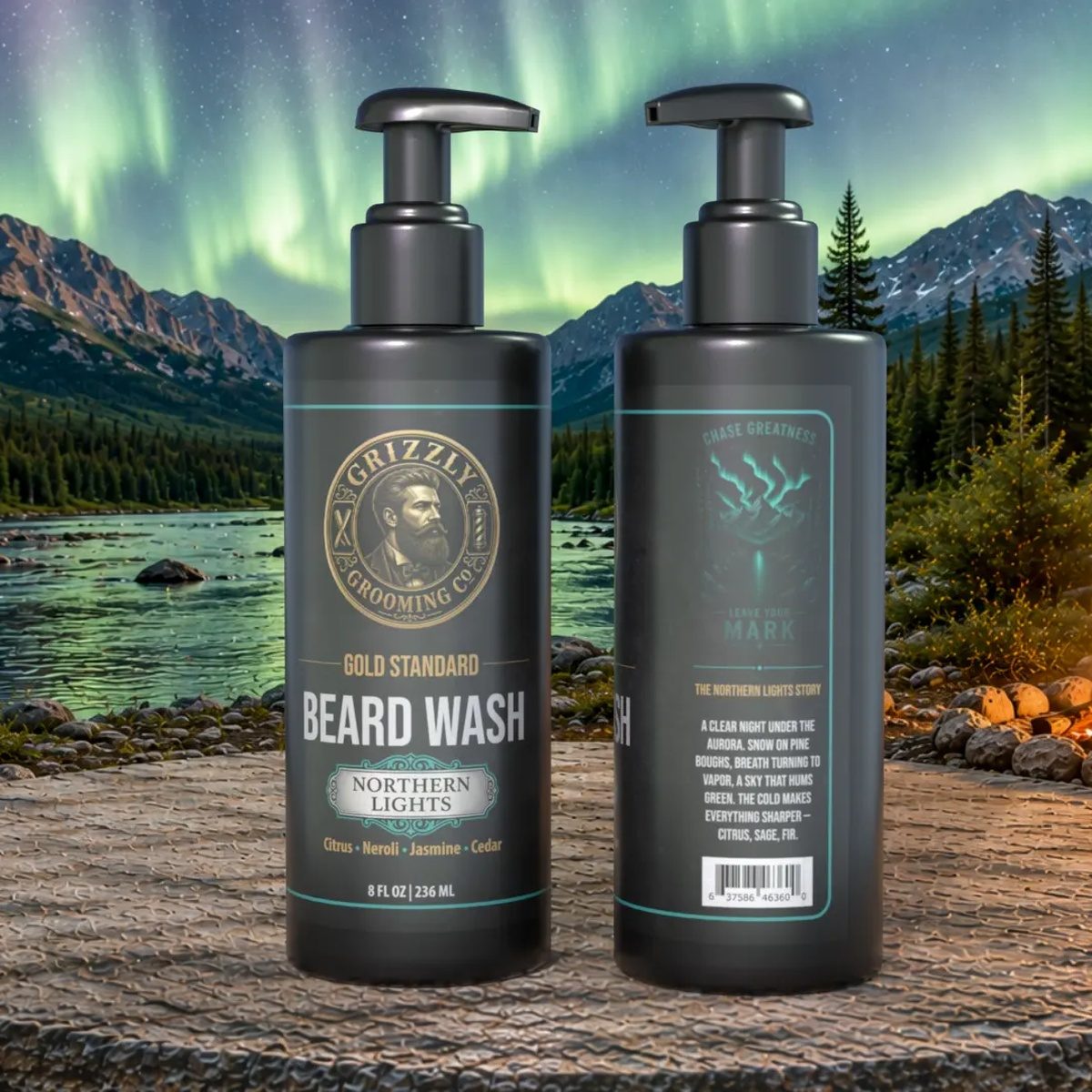
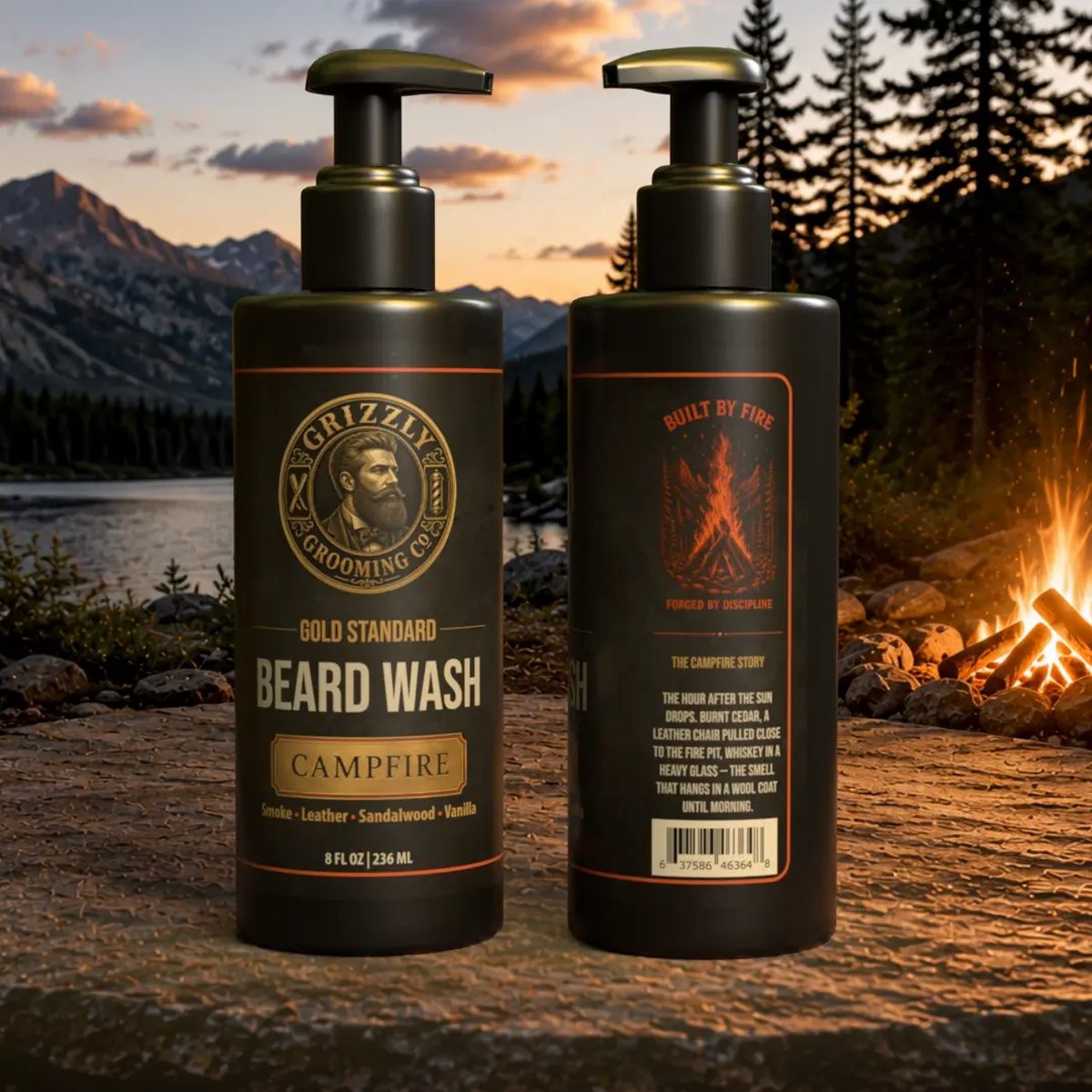
Switch to a dedicated beard wash during the winter months. Standard hair shampoos and body soaps contain harsh sulfates designed to strip heavy oils from the scalp, but the facial skin is much thinner and more sensitive. A specialized wash cleanses without destroying the lipid barrier. During the winter, you should reduce your washing frequency to twice a week, relying on warm water rinses on the other days.
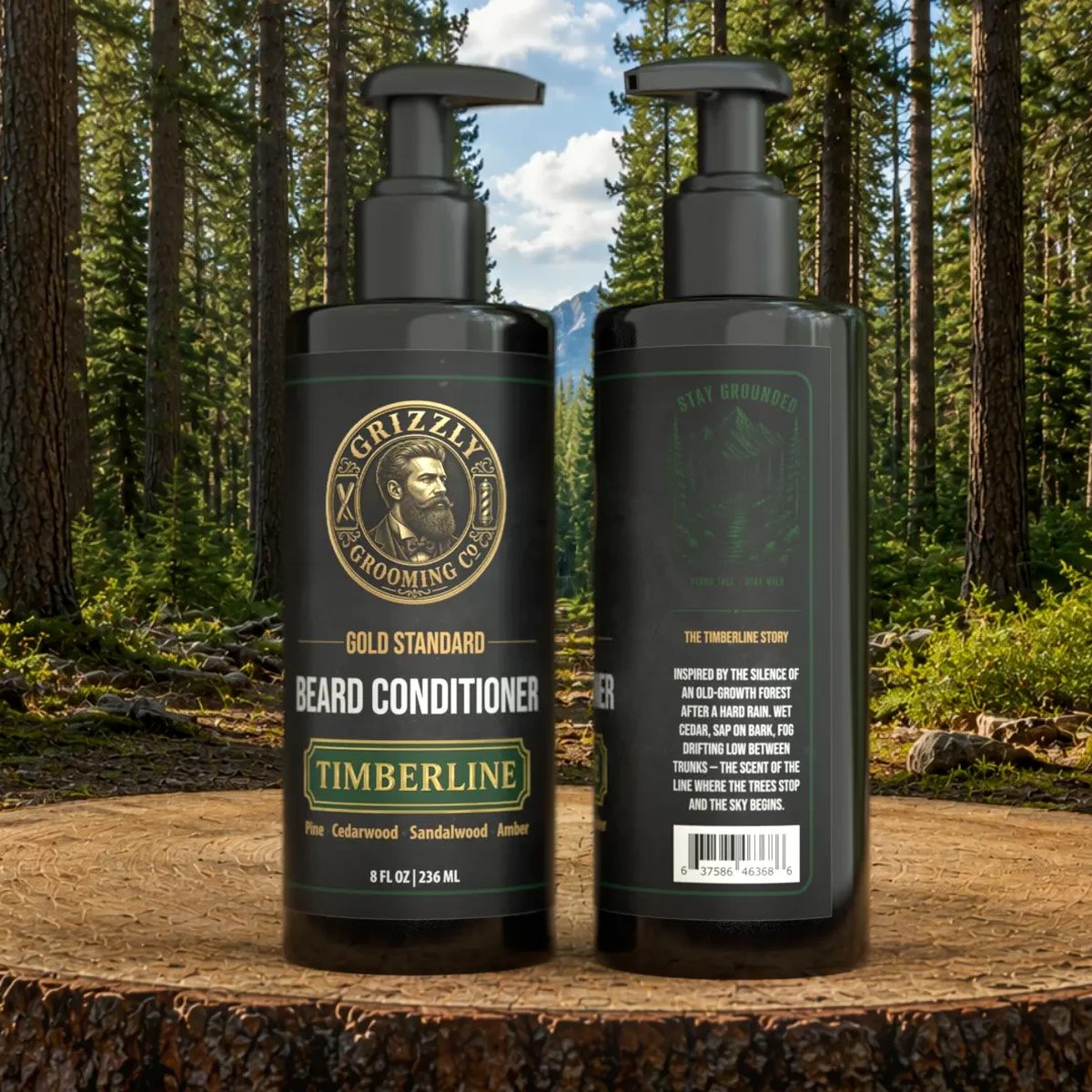
After washing, always follow up with a beard conditioner. While oil and balm provide external protection, a conditioner is designed to neutralize the charge of the hair and smooth the cuticle down after the washing process. Think of it as a reset button for your beard's pH balance, which is often disrupted by the minerals found in tap water.
If you experience persistent itching, it is likely a sign that your skin is dehydrated rather than dirty. Instead of washing more frequently, increase your application of beard oil. Make sure you are massaging the oil directly into the skin beneath the hair, using your fingertips to stimulate blood flow, which brings oxygen and nutrients to the hair follicles.
Selecting the Correct Tools for Dry Conditions
Static electricity is a major hurdle in winter grooming. In dry air, electrons build up on the surface of the hair, causing the fibers to repel each other. If you use a plastic comb, you are actively introducing more static, leading to a frizzy, uncontrollable beard. Switch to a saw-cut wooden comb or a carbon fiber tool, which naturally dissipates static.
The natural boar bristle brush is another indispensable winter tool. The bristles are structurally similar to human hair and are capable of carrying and distributing oils far better than synthetic bristles. In the winter, your skin's natural oils often get stuck at the root. Brushing with a boar bristle brush moves those oils down the length of the hair, ensuring the tips receive the hydration they need.
When using a blow dryer, always use the 'cool' or 'low heat' setting. High heat in a low-humidity environment is a recipe for disaster, as it flash-dries the hair and makes it extremely brittle. If you must use heat to style, apply a small amount of beard balm first to act as a heat protectant, and keep the dryer moving constantly to avoid localized heat damage.
For those with longer beards, consider the spacing of your comb's teeth. A wide-tooth comb should be used for the initial detangling to minimize tension on the roots, followed by a fine-tooth comb or brush for finishing. The goal is to minimize 'mechanical pull,' as the hair is less elastic and more prone to snapping when cold and dry.
Managing Beard Length and Texture Transitions
Your winter routine should scale with the length of your beard. Short beards (stubble to 1 inch) are more prone to skin irritation and 'beard itch' because the short, sharp hairs curve back and poke the dry skin. For this length, prioritize a high-quality Goat Soap Bar for washing and a light application of beard oil twice daily to keep the hair soft.
Medium to long beards (2 inches and beyond) face the challenge of 'wicking.' The long hair fibers act like straws, drawing moisture away from the skin and into the air. This results in the skin feeling tight while the ends of the beard feel crunchy. For longer lengths, the 'oil-then-balm' layering technique is non-negotiable, and the use of beard butter becomes a requirement rather than an option.
Texture also dictates your product choice. If you have coarse, curly hair, you will need heavier products with higher concentrations of shea butter to maintain control. Straighter beards might find heavy balms too weighing, in which case a mixture of beard oil and a small amount of mustache wax on the flyaways can provide the necessary protection without sacrificing volume.
Don't ignore the mustache. The hair above your lip is exposed to moisture from your breath, which can freeze in sub-zero temperatures. Use a firm Mustache Wax to create a barrier and keep the hairs directed away from the mouth, preventing the accumulation of ice and the subsequent salt damage from saliva.
Common Winter Grooming Mistakes to Avoid
The most frequent error is the 'more is better' approach to washing. Men often feel their beard is dry and assume it needs more water, leading to over-washing. In reality, the beard needs more oil, not more water. Over-washing strips the very sebum that is trying to protect the hair, creating a cycle of increasing dryness and irritation.
Another mistake is neglecting the neckline and cheek lines. Even if you are growing a 'winter beard' for warmth, failing to maintain your lines makes the beard look unkempt and can cause irritation where the hair meets the collar of heavy winter coats. Continue to use a sharp razor and a moisturizing shave gel for clean lines, followed by a soothing balm to prevent windburn on the freshly shaved skin.
Many men also forget to adjust their internal hydration. Your body prioritizes vital organs when water is scarce, and hair is the first thing to be deprived. Drinking adequate water and maintaining a diet rich in Omega-3 fatty acids (found in fish or flaxseed) ensures that the sebum your skin produces is of high quality and capable of protecting your beard.
Finally, avoid using heavy styling gels or hairsprays in the winter. These products often contain high levels of alcohol, which acts as a desiccant, further drying out the hair. If you need a strong hold, rely on the natural waxes found in a premium balm or a dedicated mustache wax, which provide hold while simultaneously nourishing the hair fiber.
Environmental Protection Beyond Topicals
Topical products are your primary defense, but physical protection is the second line. When wearing scarves or high-collared jackets, be aware of the fabric. Wool and synthetic blends can be very abrasive to beard hair. If possible, opt for silk or satin-lined collars which allow the beard to glide rather than snag.
If you are a winter sports enthusiast, your beard faces the combined threat of wind, cold, and high-altitude UV rays. UV radiation can degrade the protein structure of the hair just as effectively in winter as in summer. In these cases, a heavier application of a wax-based balm provides a physical shield against both the wind and the sun's rays.
Post-exposure care is just as important. After a long day in the cold, don't immediately jump into a hot shower. Allow your body temperature to stabilize, then perform a lukewarm rinse followed by a replenishing application of beard butter. This gradual rehydration prevents the hair from cracking due to sudden temperature shifts.
Consistency is the final piece of the puzzle. Winter beard care is not a once-a-week treatment; it is a daily commitment to lipid management. By maintaining a stable level of hydration, you ensure that when spring arrives, you aren't forced to trim away months of growth due to irreversible winter damage and split ends.
Frequently Asked Questions
How often should I apply beard oil in the winter?
In winter, you should increase application to at least twice daily. Apply the first dose in the morning to damp hair to lock in moisture, and a second, smaller dose in the evening if the hair feels dry or brittle to the touch.
Does my beard grow slower in cold weather?
There is no biological evidence that cold weather slows the rate of follicle production. However, increased breakage and split ends caused by dry air can make it appear as though your growth has stalled, making hydration critical for length retention.
Should I trim my beard shorter for the winter?
Actually, a longer beard provides better insulation for your face and neck. Rather than a major chop, focus on 'micro-trimming' every few weeks to remove split ends before they migrate up the hair shaft and cause permanent damage.
Why does my beard feel itchier when it gets cold?
Cold air and indoor heating strip the skin of its natural moisture, leading to dehydration and inflammation. This 'winter itch' is a signal that you need to increase your beard oil usage and ensure it is reaching the skin, not just the hair.
Is beard butter better than beard balm for winter?
They serve different purposes. Beard balm is better for daytime protection due to its beeswax content which seals out the wind, while beard butter is superior for nighttime deep-conditioning because it absorbs fully into the hair fibers.
Can I use regular hair conditioner on my beard in winter?
It is not recommended, as regular conditioners often contain silicones and chemicals that are too harsh for facial skin. A dedicated beard conditioner is formulated to be non-comedogenic and matches the specific pH of your face.
Build your ritual in 60 seconds.
Answer four questions and get a custom regimen built around your beard and routine.
Start The Ritual Builder