Identifying False Claims: How to Spot Fake Beard Growth Products
The grooming market is currently inundated with products promising rapid follicular transformation, yet few of these claims stand up to the rigors of dermatological science. For the discerning individual, navigating this landscape requires a firm understanding of human biology and a skeptical eye toward marketing language. A beard's potential is dictated primarily by genetics and hormonal sensitivity; while you can optimize the health of the skin and the structural integrity of the hair, you cannot bypass the biological growth cycle. This guide serves to dismantle common myths and provide a practical framework for distinguishing between high-caliber maintenance products and predatory growth scams.
- ›Genetics and androgen receptors determine your maximum follicle density; no topical product can create new follicles.
- ›True growth support focuses on maximizing blood flow and preventing the breakage that leads to perceived thinning.
- ›Reject products claiming 'permanent' results or timelines that exceed the standard half-inch per month growth rate.
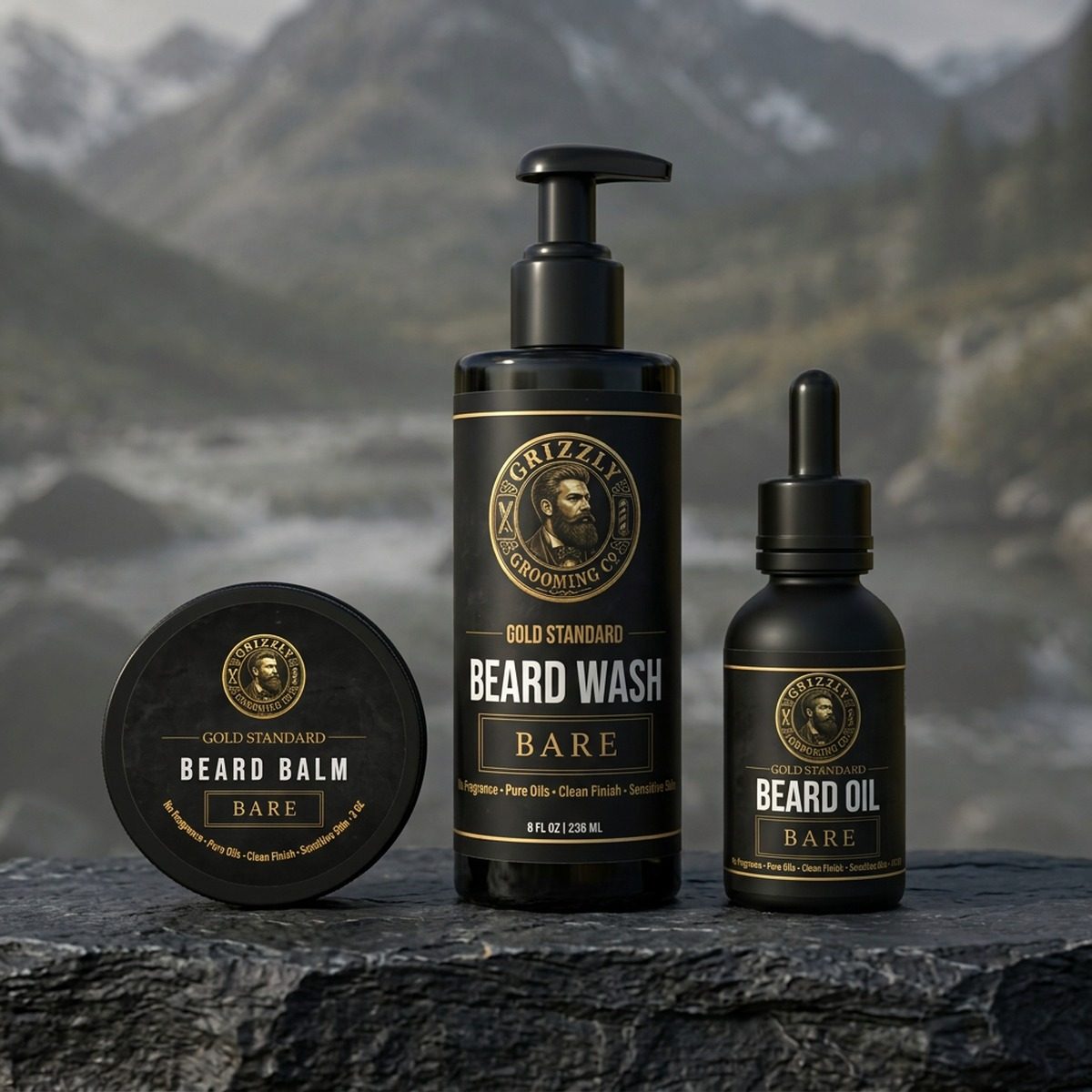
- ›High-quality maintenance involves pH-balanced Beard Wash and nutrient-dense Beard Oil rather than synthetic serums.
- ›Verify ingredient lists for known vasodilators like peppermint oil and avoid those with hidden 'proprietary' fillers.
- ›Consistency in grooming rituals is the only proven method to reach your beard's biological potential length.
The Biological Limits of Follicle Activation
Every man is born with a fixed number of follicles on his face. During puberty, increased levels of testosterone and its more potent derivative, dihydrotestosterone (DHT), signal these follicles to transition from vellus hair—the fine, light fuzz—to terminal hair, which is thick, pigmented, and coarse. If a follicle does not possess the specific receptors to respond to these androgens, it will remain vellus regardless of what is applied topically. No serum, oil, or balm can medically induce a follicle to appear where one was not genetically programmed to exist.
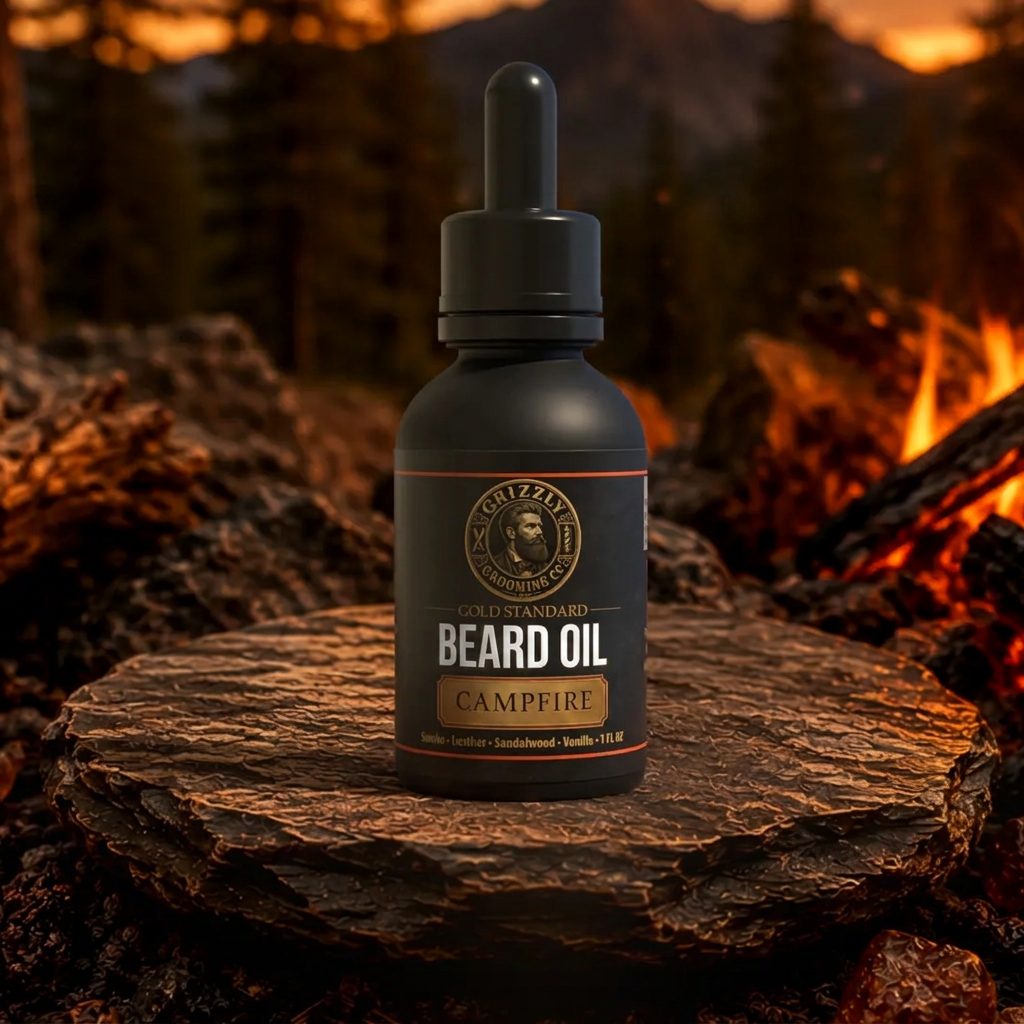
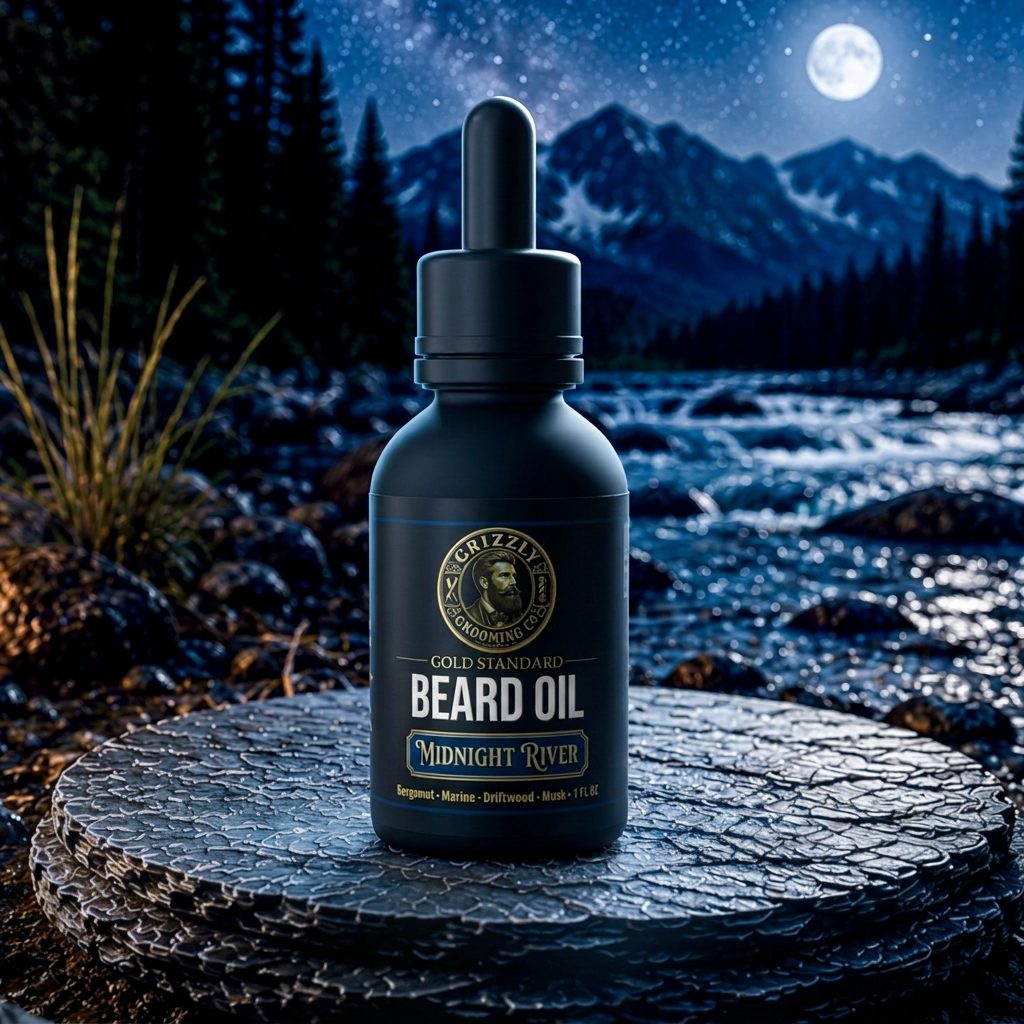
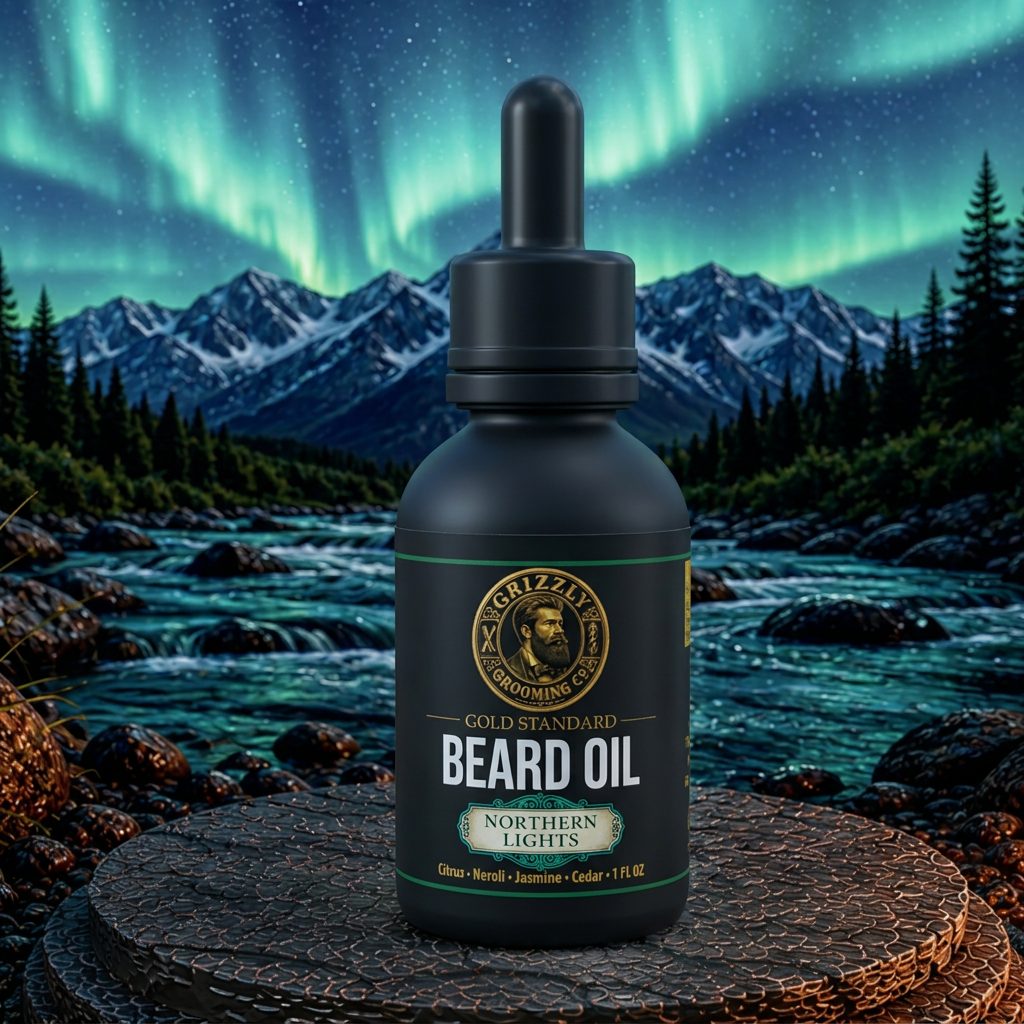
The growth cycle consists of three phases: anagen (growth), catagen (transition), and telogen (resting). A healthy beard grows at an average rate of 0.5 inches per month. Claims suggesting you can achieve three inches of growth in a single month are biologically impossible. Legitimate products, such as a high-quality Beard Oil, focus on the anagen phase by keeping the skin supple and the hair hydrated, which prevents premature shedding and breakage that can make a beard look thinner than it actually is.
Patchiness is often a result of uneven follicle distribution or differing sensitivity to DHT across the cheeks and jawline. While some areas may fill in as a man reaches his late twenties or thirties, this is a result of natural maturation, not a 'miracle' growth cream. Beware of products that show 'before' photos of a twenty-year-old and 'after' photos of the same man at twenty-five; they are marketing the passage of time as a product result. Understanding this timeline is essential to setting realistic expectations for your grooming journey.
Identifying Red Flags in Ingredient Labels
Transparency is the hallmark of a premium grooming brand. When reviewing a label, the first three to five ingredients typically constitute 80% or more of the formula. If you see 'Aqua' or 'Mineral Oil' at the top of the list for a growth serum, you are paying for cheap fillers that may actually clog pores and inhibit healthy hair emergence. Instead, look for botanical carrier oils like Jojoba, which closely mimics the skin’s natural sebum, or Argan oil, which provides necessary fatty acids for cuticle repair.
A major red flag is the 'Proprietary Growth Complex.' This terminology is frequently used to hide the fact that the active ingredients are present in negligible amounts. In the United States, ingredients must be listed in descending order of concentration. If a product touts the benefits of Biotin or Caffeine but lists them after the preservative Phenoxyethanol, those ingredients are present at less than 1% and are unlikely to provide any measurable benefit to the hair follicle.
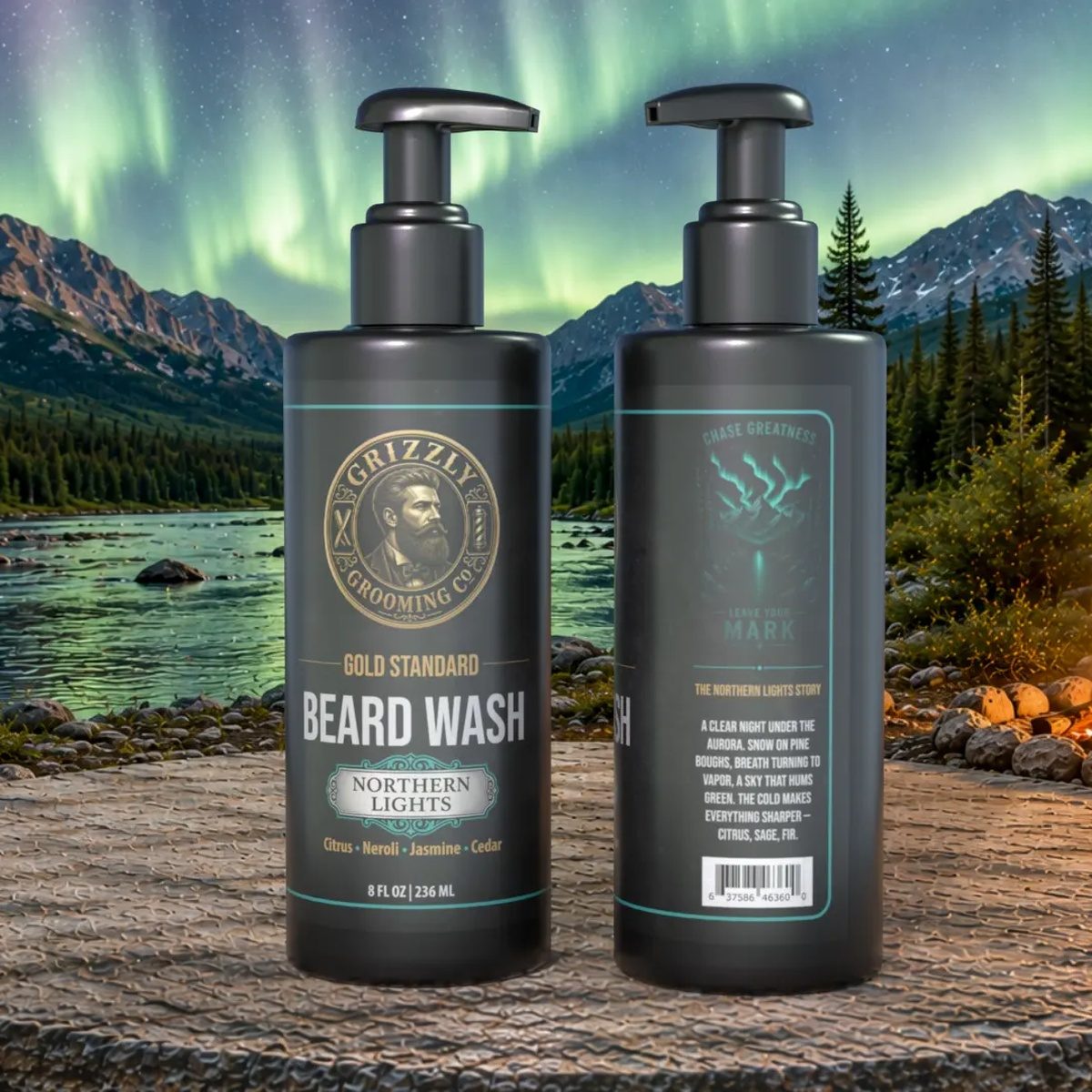
Avoid products that contain harsh sulfates or phthalates, which are often found in low-end beard soaps. These chemicals strip the natural oils from the skin, leading to 'beardruff' and inflammation. Inflammation is a known inhibitor of hair growth; a compromised skin barrier can lead to folliculitis, which may permanently damage follicles. A dedicated Beard Wash should use mild surfactants that cleanse without disrupting the skin's pH balance, providing a stable foundation for hair health.
The Role of Vasodilators and Blood Flow
The only scientifically grounded way to support the appearance of growth topically is through vasodilation—the widening of blood vessels to increase nutrient delivery to the follicle. Some studies have suggested that peppermint oil, when used in specific concentrations (typically around 3%), can increase blood flow to the skin surface. However, this is a supportive measure, not a curative one. If a product claims to 'stimulate dormant follicles' without explaining the mechanism of blood flow, it is likely relying on marketing jargon rather than science.
Mechanical stimulation is another factor often exploited by fake growth kits. Derma rollers, or microneedling devices, are frequently sold alongside growth serums. While microneedling can theoretically stimulate collagen production and blood flow, it carries significant risks of infection and scarring if performed incorrectly or with poor-quality tools. A dull needle can tear the skin, leading to localized trauma that actually prevents hair from growing in that spot. Professional-grade maintenance focuses on non-invasive methods, such as regular brushing with a boar hair brush to distribute natural oils.
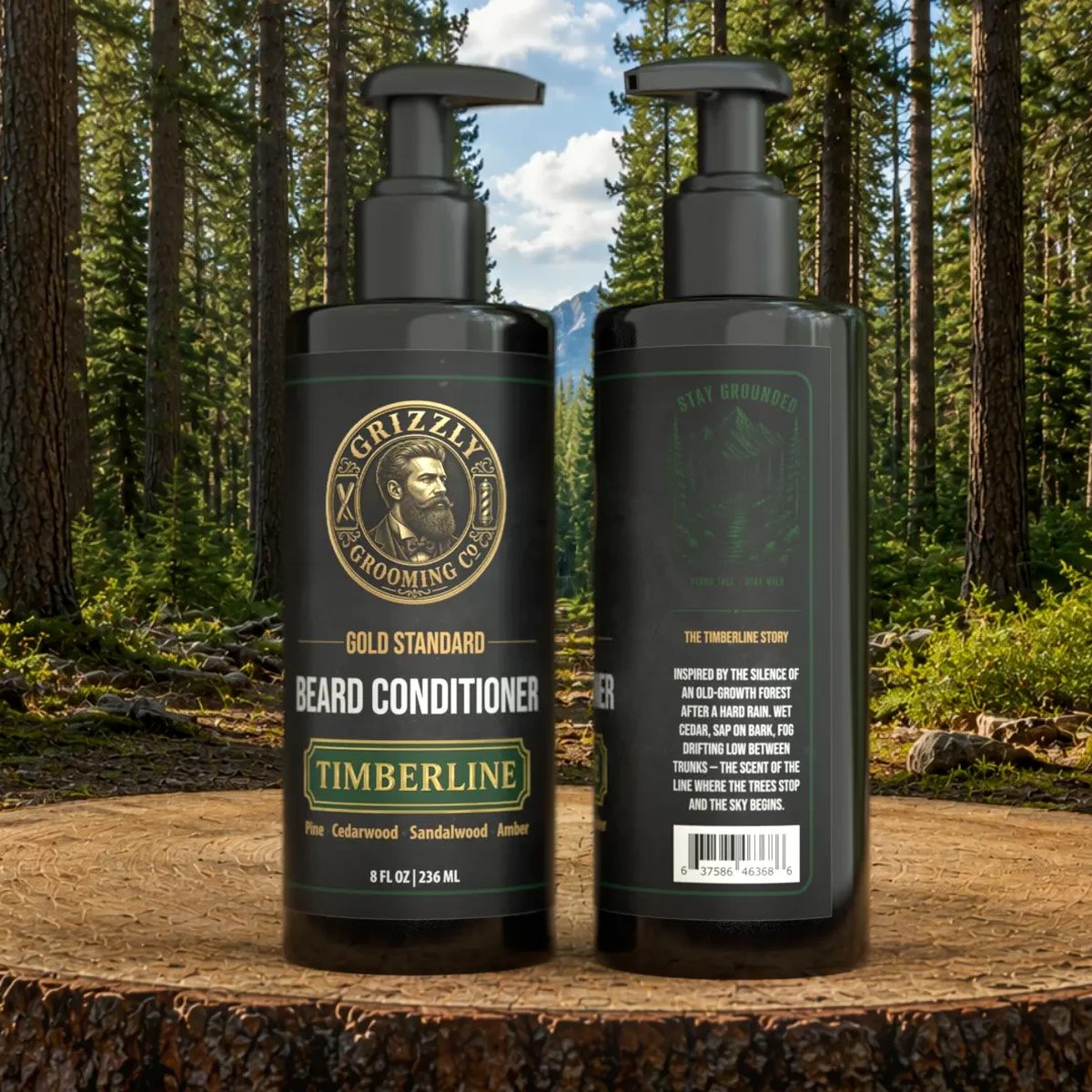
Temperature also plays a role in follicle health. Rinsing your beard with lukewarm water, rather than scalding hot water, helps maintain the integrity of the hair's cuticle. Hot water strips the sebum, making the hair brittle and prone to split ends. When the ends of the hair split and break off at the same rate the hair grows from the root, the beard appears to stop growing entirely. This is why using a Beard Conditioner is vital; it seals the cuticle and protects the length you have already worked to achieve.
Maintenance vs. Growth: Understanding the Difference
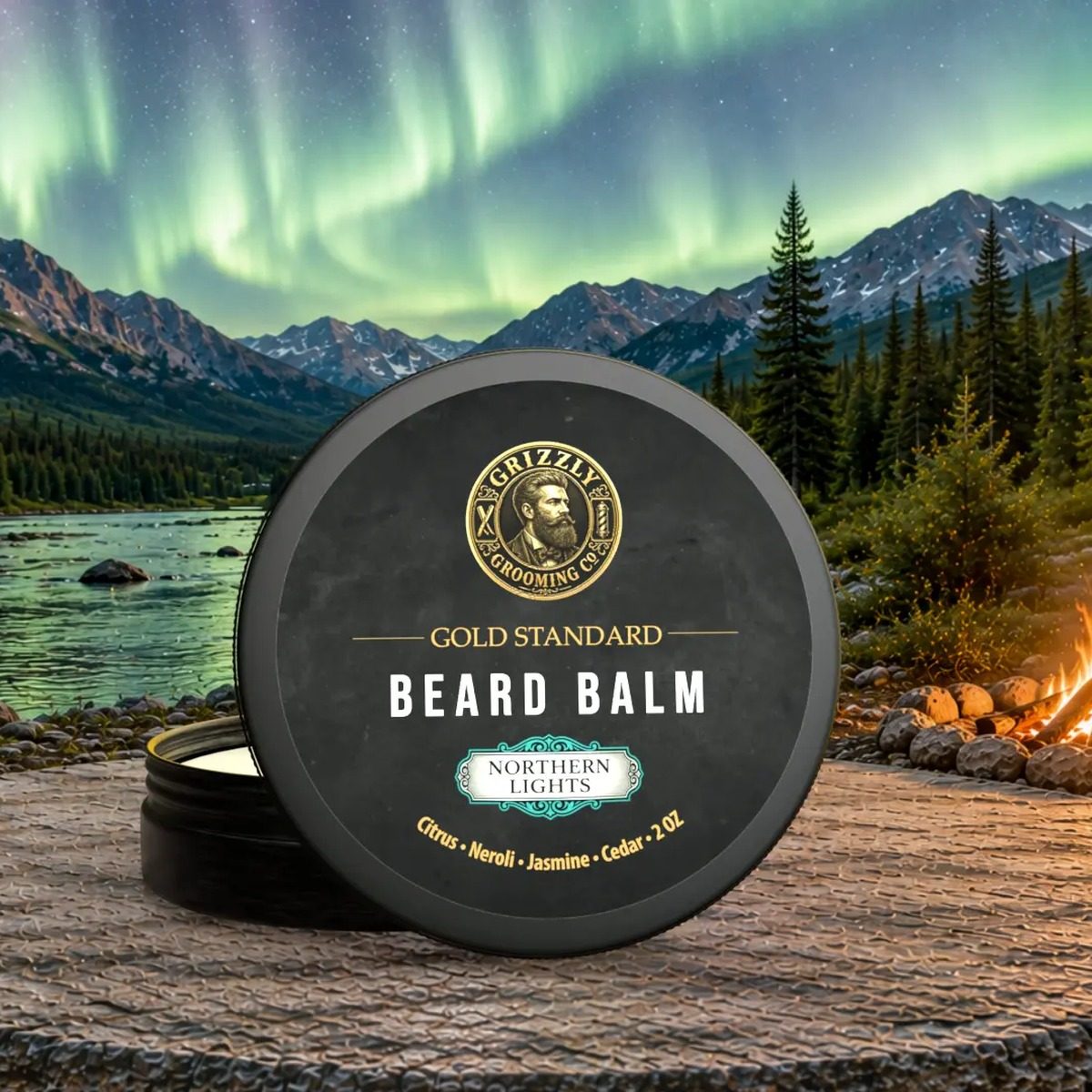
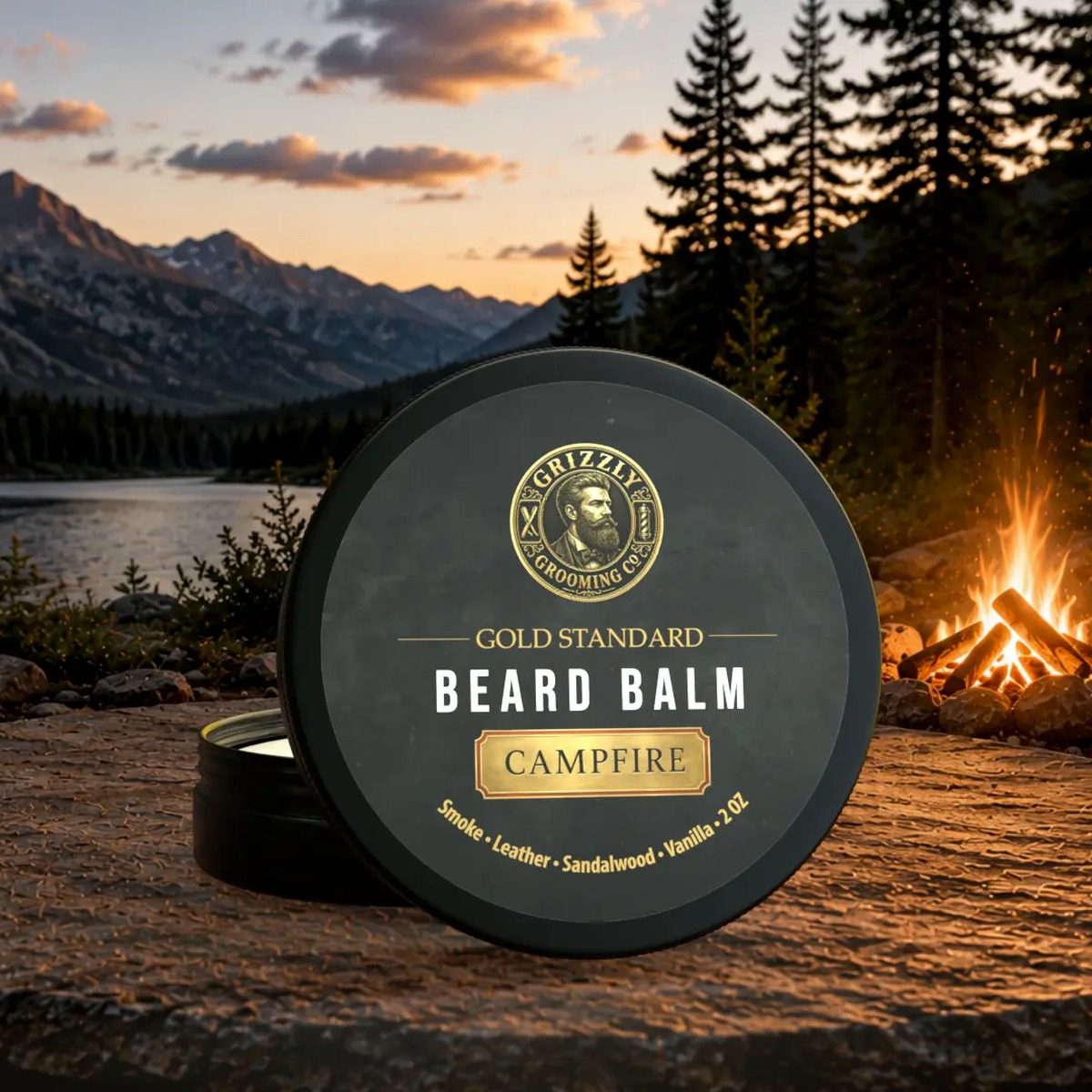
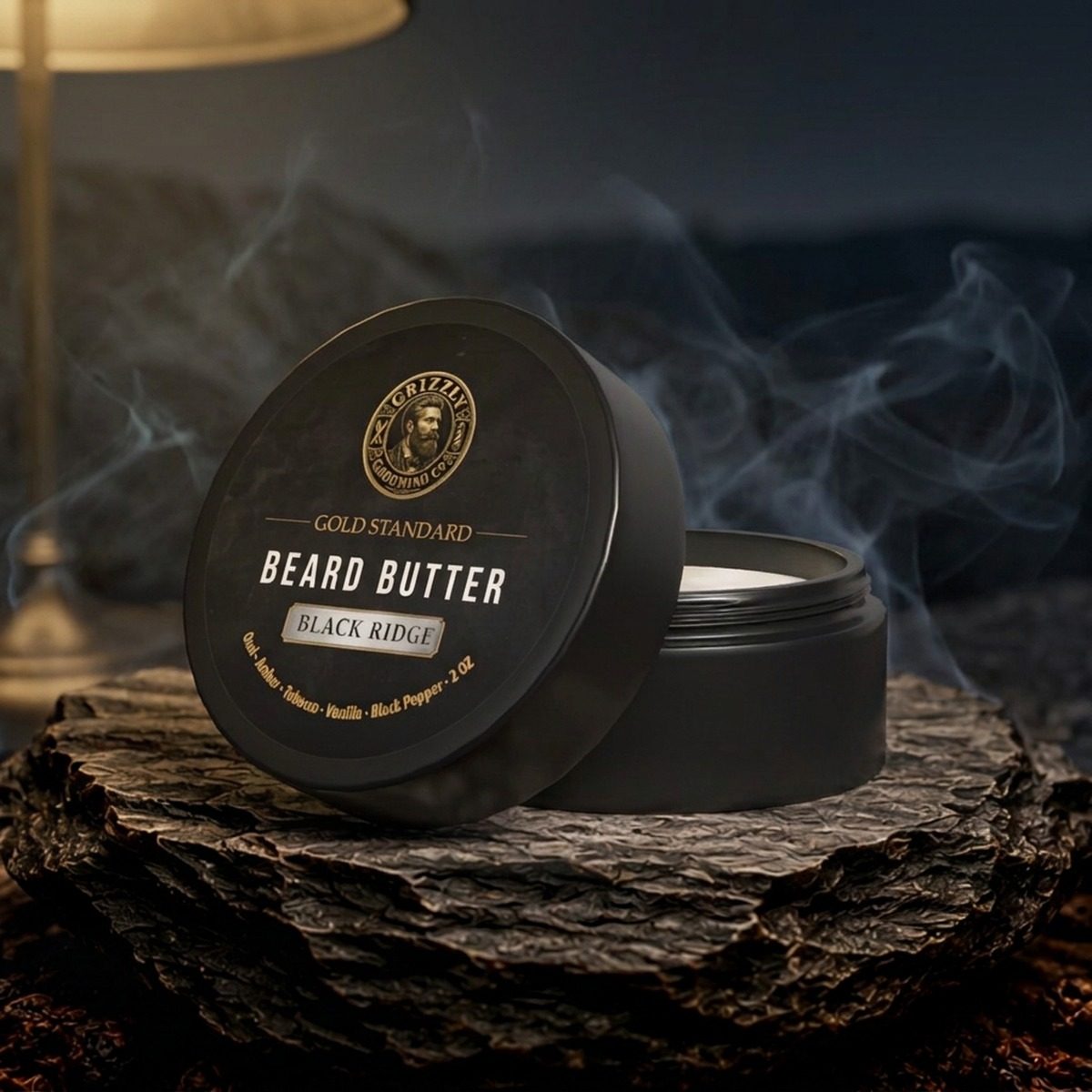
It is important to distinguish between products that claim to grow hair and those that maintain it. A Beard Balm or Beard Butter is designed for styling and deep conditioning, respectively. They do not claim to alter your DNA or increase your follicle count. By providing a protective layer of wax or butter, these products prevent environmental damage from UV rays and wind. This protection allows the hair to reach its terminal length, which many men mistake for 'new' growth.
The 'scraggly' phase of beard growth often leads men to seek out miracle cures. Between weeks four and eight, the beard often looks patchy and feels itchy. This itch is caused by the hair curling back and poking the skin, or by the skin becoming dehydrated as the growing hair wicks away moisture. Using a Gold Standard Beard Oil during this period alleviates the discomfort, preventing the 'itch-shave' cycle. Many fake products capitalize on this discomfort, claiming their serum 'stops the itch and starts the growth,' when in reality, any quality oil would solve the itch.
Seasonality affects your beard's appearance as well. In winter, low humidity can make beard hair dry and prone to static and breakage. A heavier Beard Butter is often necessary to provide the moisture retention needed to survive the cold. Men who notice their beards look thinner in winter may be tempted by growth serums, when they actually just need better winter care and hydration. Proper maintenance adjusts to the environment, ensuring the beard remains dense and healthy year-round.
Common Mistakes in the Quest for a Thicker Beard
One of the most frequent errors is the over-application of products. More is not better; saturating the skin with oil can lead to clogged pores and breakouts, which can damage the hair environment. For a short beard, two to three drops of oil are sufficient. As the beard grows, you may increase this, but the goal is to hydrate the skin and coat the hair, not to leave a greasy residue. Applying too much product can also weigh the hair down, making it look flat and thin rather than full.
Another mistake is the failure to properly clean the beard before applying treatments. Applying a growth serum or oil over a layer of dead skin cells and old product prevents the active ingredients from reaching the skin. A consistent routine of using Beard Wash two to three times a week ensures a clean slate. Furthermore, neglecting the neckline and cheek line can make a beard look unkempt and 'fake.' A well-defined line creates an optical illusion of density, whereas a wandering neckline makes a beard look sparse and accidental.
Many men also fail to account for their face shape when evaluating their beard's growth. A beard that is grown too long on the chin for a narrow face can look thin and stringy. By trimming the beard to complement your face shape, you emphasize the areas of highest density. Attempting to grow a style that your genetics don't support often leads to frustration and a susceptibility to fake growth claims. Work with what you have, and use high-quality tools to maintain the edges.
The Deception of 'Before and After' Photography
Modern marketing uses several tricks to simulate growth in photographs. Lighting is the most common; overhead, harsh lighting highlights patches, while soft, front-facing light fills them in. Many brands will use a 'before' photo with the beard untrimmed and dry, followed by an 'after' photo where the beard has been washed, oiled, and combed. The beard hasn't grown more hair; it has simply been groomed to look its best. This is the difference between biological growth and aesthetic optimization.
Angle also plays a significant role. A photo taken from a low angle can make a thin jawline beard look much fuller than a straight-on shot. Furthermore, many companies use 'beard fillers'—temporary powders or fibers—to fill in gaps for their promotional shoots. If a product shows a complete transformation from a completely bare cheek to a full lumberjack beard in 30 days, it is a fabrication. There is no topical substance known to science that can work that quickly.
Check for consistency in the model's other features. If the 'after' photo shows a man who has clearly also spent six months in the gym or has a different haircut, the time elapsed is far greater than the product claims. Legitimate brands like Grizzly Gold Standard focus on the long-term health of the hair rather than showing overnight miracles. We advocate for the 'slow and steady' approach, focusing on the integrity of the Goat Soap Bar and Premium Deodorant to round out a complete grooming regimen.
Evaluating Clinical Studies and 'Proven' Results
When a brand claims their product is 'clinically proven,' you must ask who conducted the study and what was measured. Often, these 'studies' are internal surveys where five employees said their beards felt softer. A true clinical study is peer-reviewed, double-blind, and published in a reputable medical journal. If the brand cannot provide a link to the specific study or if the study was conducted on a different ingredient than what is in the bottle, the claim is meaningless.
Be particularly cautious of percentages. A claim that a product 'increases hair density by 40%' is often based on an in-vitro study—meaning it was tested on cells in a petri dish, not on a human face. What happens in a lab setting rarely translates perfectly to the complex ecosystem of the human body. Human skin is an excellent barrier, designed to keep things out; getting 'growth' ingredients deep enough into the dermis to affect the follicle bulb is a significant pharmacological challenge that simple oils cannot overcome.
Real progress is measured in months, not days. A man should commit to a high-quality routine for at least 90 to 120 days before evaluating his beard's potential. This allows for several cycles of hair growth and gives the skin time to adjust to the new hydration levels. During this time, the focus should be on health: using a Conditioner to keep the hair soft and a Solid Cologne to maintain a professional scent profile. If a product demands a 'subscription' for a year to see any results, they are likely just waiting for your natural aging process to do the work.
The Importance of Diet and Internal Health
While topical products are important for maintenance, the building blocks of hair come from within. Hair is primarily composed of a protein called keratin. If your diet is deficient in protein, vitamins (specifically Biotin, Vitamin D, and Zinc), and healthy fats, your hair growth will be sluggish and the strands will be weak. No amount of 'growth oil' can compensate for a poor diet. This is why many 'beard growth kits' include supplements, though these are often just overpriced multivitamins.
Hydration is equally critical. The skin requires water to remain elastic and to support the vascular system that feeds the follicles. Dehydrated skin leads to constricted blood vessels and brittle hair. Drink adequate water and ensure you are getting enough sleep, as this is when the body undergoes the majority of its cellular repair and hormone regulation. High stress levels can lead to increased cortisol, which has been linked to hair thinning and shedding.
Ultimately, identifying fake beard growth products is about recognizing that grooming is an act of maintenance, not transformation. Products like our Gold Standard line are designed to help you look your best by supporting the hair you have. By focusing on skin health, proper washing, and moisture retention, you provide the optimal environment for your genetics to shine. Avoid the shortcut mentality and embrace the process of becoming a well-groomed man.
Frequently Asked Questions
Can Minoxidil be used for beard growth?
While Minoxidil is FDA-approved for scalp hair loss, its use on the face is 'off-label.' Many men use it for beards, but it can cause side effects like severe skin dryness, heart palpitations, and unwanted hair growth in other areas. You should always consult a dermatologist before applying pharmaceutical-grade treatments to your face.
Do beard growth rollers actually work?
Microneedling can stimulate blood flow and collagen, which may support follicle health. However, most 'growth rollers' sold in kits are made of low-quality materials that can dull quickly and cause skin damage. If you choose to use one, ensure it is sanitized properly and used no more than twice a week to avoid scarring.
Why is my beard patchy despite using growth serums?
Patchiness is usually determined by your genetics and the way your androgen receptors are distributed across your face. Serums cannot change your DNA. Most men find that patches fill in naturally with age or by growing the surrounding hair long enough to cover the sparse areas.
Is there any difference between beard growth oil and regular beard oil?
Marketing is the primary difference. 'Growth oils' often contain the same carrier oils—like Jojoba or Grapeseed—as regular beard oils but are sold at a higher price point with unsupported claims. A high-quality standard Beard Oil provides all the nutrients needed for a healthy beard without the deceptive labeling.
Does shaving make your beard grow back thicker?
This is a common myth. Shaving cuts the hair at the thickest part of the shaft (the base), which makes it feel coarser as it grows back, but it does not change the number of follicles or the biological thickness of the hair. Only time and hormonal maturity can change the actual density.
How long should I wait to see if a product is working?
You should give any new grooming routine at least 90 days. Hair grows slowly, and it takes time for the skin to respond to improved hydration and for the existing hair to show reduced breakage. If you don't see an improvement in the health and manageability of your hair in three months, the product is likely ineffective.
Can supplements like Biotin fix a patchy beard?
Biotin only helps if you have a pre-existing deficiency. For most men with a balanced diet, taking extra Biotin will not result in more facial hair. It is better to focus on a protein-rich diet and overall physical health than to rely on expensive 'beard vitamins.'
Build your ritual in 60 seconds.
Answer four questions and get a custom regimen built around your beard and routine.
Start The Ritual Builder