
How to Fix a Patchy Jawline Beard: Professional Grooming Strategies
A patchy jawline is rarely a sign of permanent growth failure; more often, it is a result of uneven follicle maturation cycles and improper maintenance. To achieve a defined jawline, one must move beyond the 'just let it grow' mentality and adopt a technical approach that emphasizes skin health and visual weight management. By focusing on the architecture of the beard—managing the contrast between dense and sparse zones—you can create a silhouette that looks intentional rather than accidental. This guide outlines the professional strategies required to manage uneven growth and maximize the potential of your natural jawline.
- ›Lower the cheek line to concentrate hair density directly on the jawbone for a sharper look.
- ›Maintain a uniform length between 3mm and 5mm to minimize the visual contrast of thin spots.
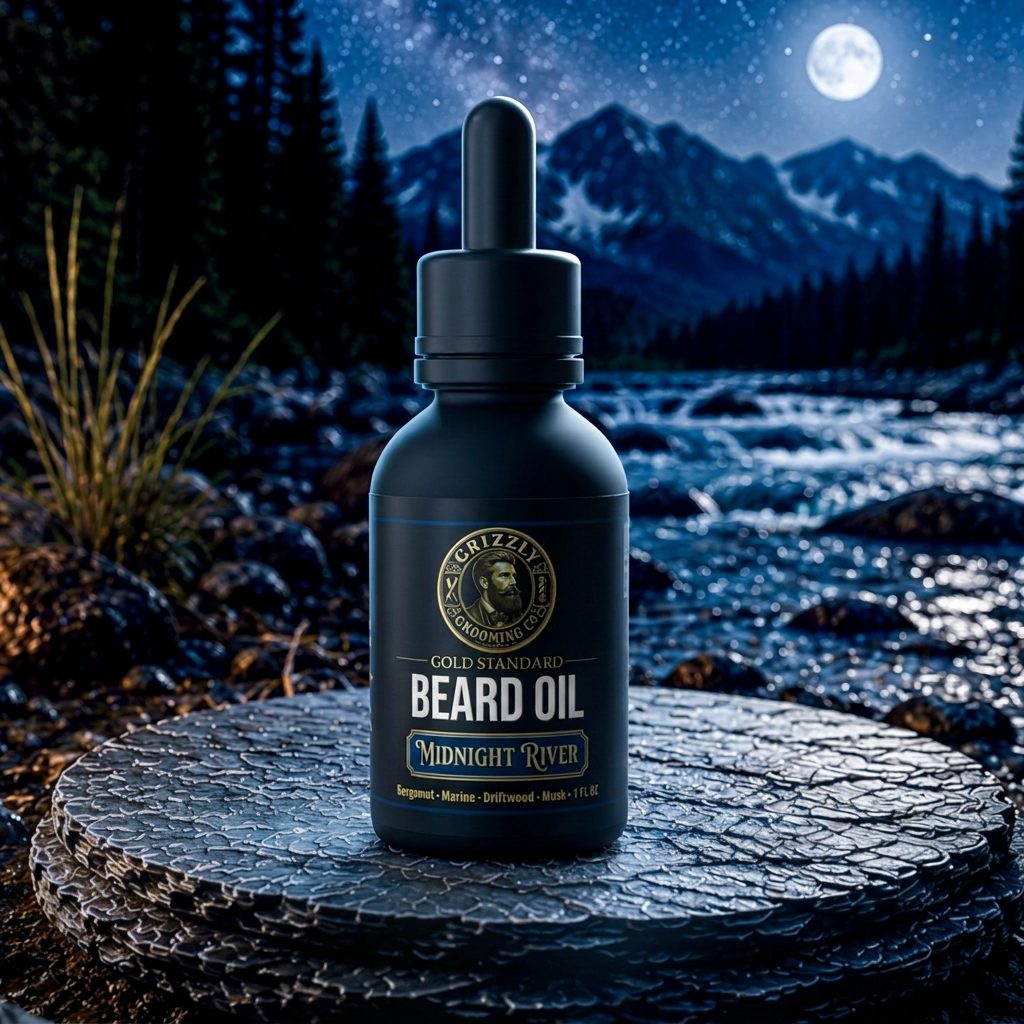
- ›Apply Gold Standard Beard Oil daily to the skin to prevent follicle dormancy caused by dryness.
- ›Use a boar bristle brush to train longer hairs to lay flat over sparse areas.
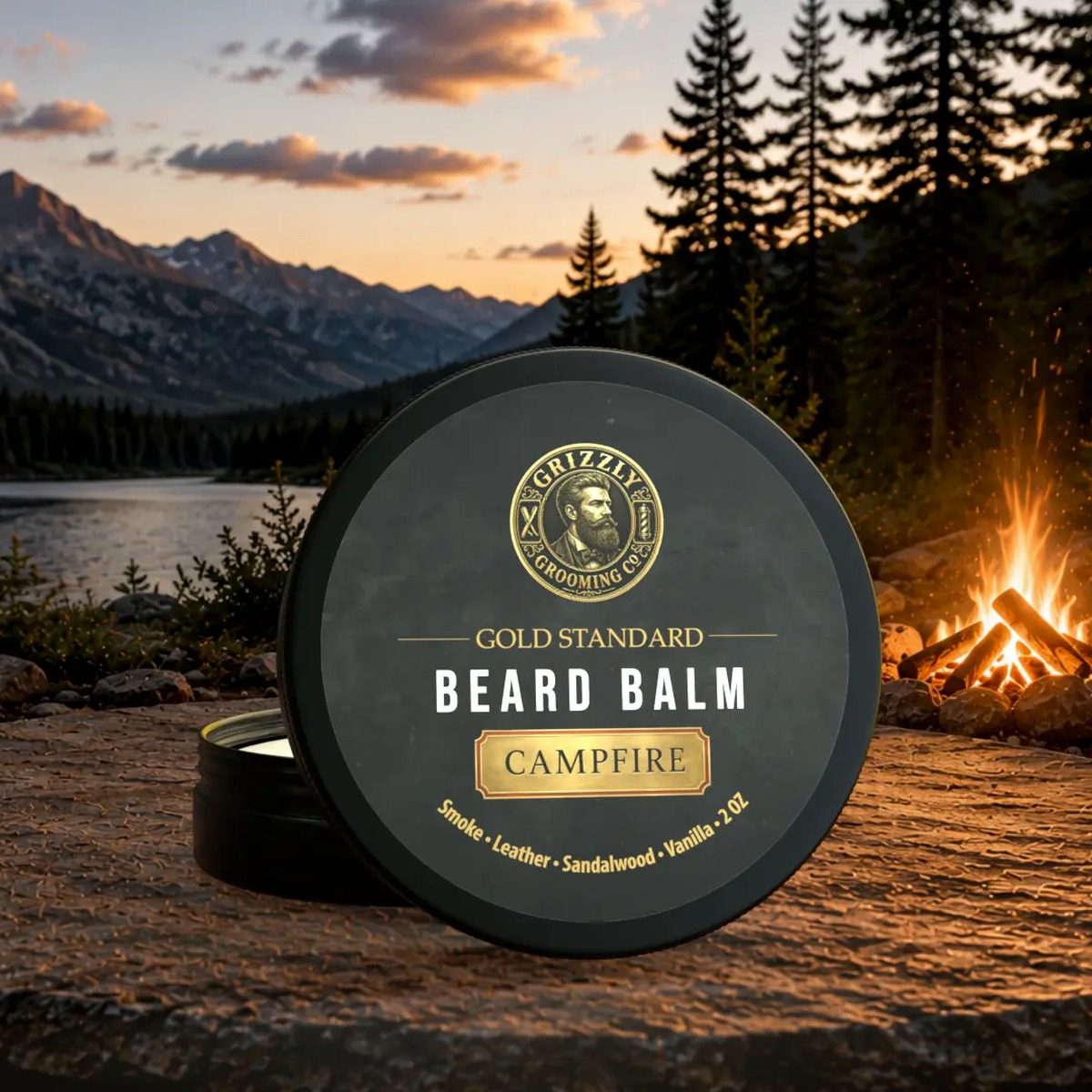
- ›Utilize the structural weight of Beard Balm to add diameter to individual hair shafts.
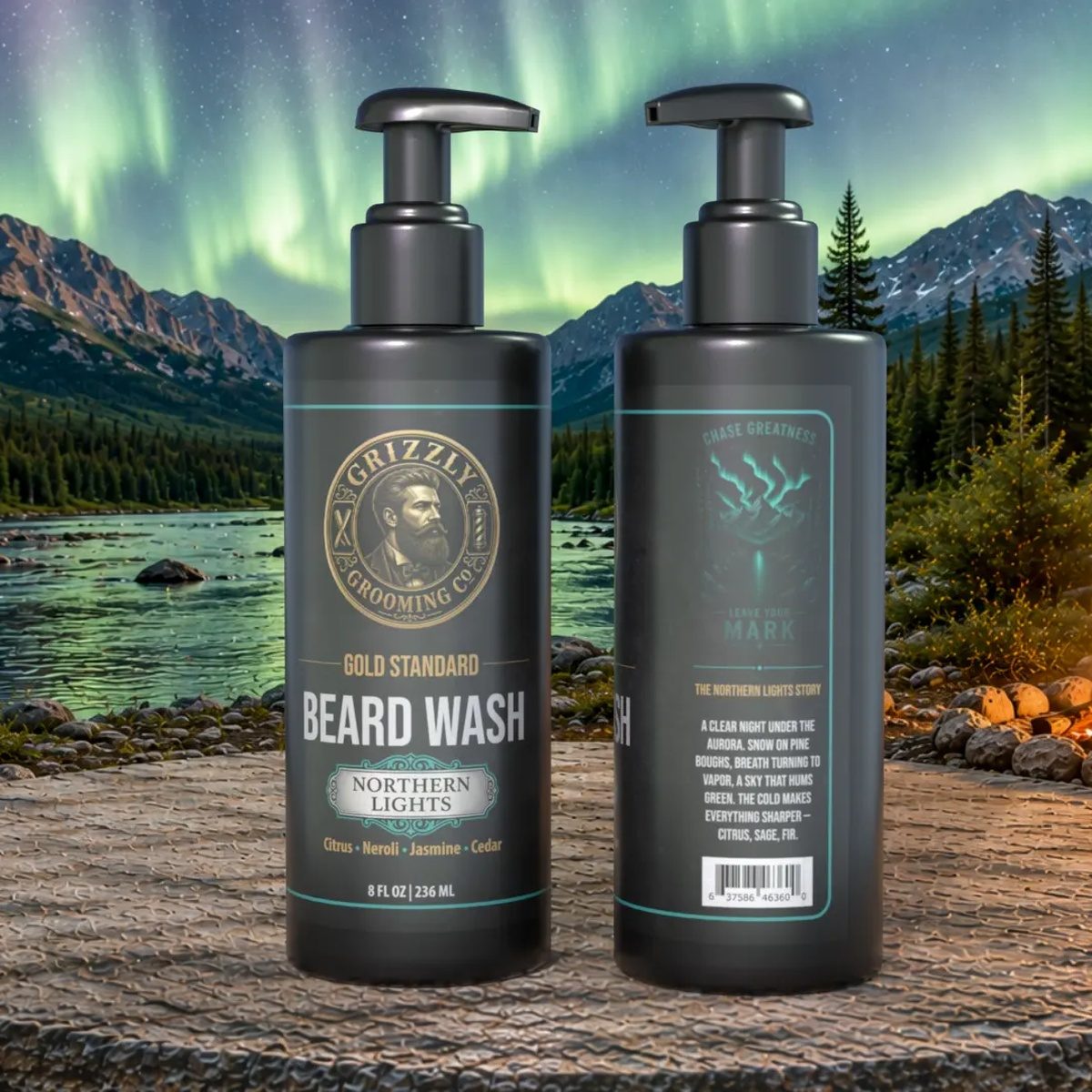
- ›Implement a weekly exfoliation routine using a dedicated Beard Wash to keep follicles clear.
The Biological Reality of Jawline Follicles
Understanding why the jawline grows slower than the chin or mustache is the first step in managing expectations. Facial hair follicles are highly sensitive to dihydrotestosterone (DHT), but the density of these receptors varies across the face. For many men, the jawline and cheeks have a lower receptor density or a slower response time, meaning these areas may not reach full maturity until the late twenties or even mid-thirties.
The growth cycle, or anagen phase, also differs by location. While scalp hair can grow for years, facial hair cycles are much shorter, often lasting only months. When a jawline appears patchy, it is frequently because the follicles are in different stages of the cycle simultaneously—some are actively growing (anagen), while others are resting (telogen). This asynchronous timing is what creates the 'holes' in your beard pattern.
External factors such as blood circulation and skin temperature also play a role. The jawline has less underlying adipose tissue than the cheeks, meaning blood flow to the follicles can be slightly more constricted. Utilizing a boar bristle brush not only styles the hair but also acts as a mechanical stimulant, increasing localized circulation to the skin surface. This does not create new follicles, but it ensures existing ones have the nutrient supply needed to function at their peak.
Environmental stressors, specifically cold and low humidity, can cause the skin along the jaw to tighten and become flaky. This buildup of dead skin cells can physically obstruct emerging hairs, leading to ingrowns or stunted growth. Regularly using a Goat Soap Bar or a specialized Beard Wash helps maintain a clear pathway for new hairs, ensuring that your natural density is fully visible rather than trapped beneath the surface.
Strategic Trimming for Visual Density
The most common mistake men make with a patchy jawline is letting it grow unchecked in hopes that length will provide coverage. In reality, as the hair grows longer, the discrepancy between dense and sparse areas becomes more pronounced. A long, thin beard often looks transparent under light, which emphasizes the very patches you are trying to hide. The solution is to keep the beard at a uniform, manageable length.
For most men, a length between 3mm and 6mm is the 'sweet spot' for a patchy jawline. At this length, the hair is long enough to show color and definition, but short enough that the skin underneath is partially visible everywhere, which creates a more uniform texture. Use a high-quality trimmer with a fixed guard rather than a variable dial to ensure every single hair is cut to the exact same millimeter. This uniformity signals to the observer that the beard is a deliberate style choice.
When trimming, always work against the grain to ensure the guard catches every hair. If you have particularly stubborn patches, you might even consider 'fading' the beard. This involves using a slightly shorter guard on the denser areas (like the chin) and a slightly longer guard on the patchy areas of the jaw. By leaving the hair a fraction longer in the sparse zones, you create a more even visual weight across the entire face.
The frequency of maintenance is also critical. A patchy beard requires a light trim every 5 to 7 days. Because different hairs grow at different rates, a week of growth can lead to 'stray' hairs that stand out from the jawline, making the thin areas look even more neglected. Regular upkeep maintains the crisp silhouette that defines a professional grooming standard.
Redefining the Cheek and Neck Lines
The boundaries of your beard dictate how people perceive its fullness. If your growth is sparse on the upper cheeks, a high cheek line will only draw attention to the lack of density. By lowering the cheek line—essentially shaving away the wispy top hairs—you create a sharp, clean border that makes the hair below it appear significantly thicker. This is a classic barber's trick that shifts the focal point to the strongest part of the growth.
To find the ideal cheek line, imagine a line connecting the corner of your mouth to the top of your ear. If the growth is very patchy, you can drop this line even further, following the natural contour of your jawbone. Use a clear shaving gel and a straight razor or safety razor to get a surgical finish. The contrast between smooth skin and a dense line of hair creates a powerful visual illusion of thickness.
The neckline is equally important. A common error is shaving the neckline too high, which 'cuts' into the jawline and makes the beard look like it is floating on the face. For a patchy jaw, you want to keep the neckline slightly lower—about one finger's width above the Adam's apple—to provide a base of support for the hair on the jawbone. This 'under-beard' adds shadows and depth, which makes the jawline appear more substantial.
Be careful not to make the lines too straight if your face is very angular. A slight curve in the cheek line can often look more natural and complement the jaw's shape. Conversely, if you have a rounder face, a sharper, more linear cheek line can provide the structural definition that the hair alone might be failing to provide. Experimentation with these lines is the most effective non-chemical way to 'fix' a patchy appearance.
The Role of Topicals: Oil vs. Balm vs. Butter
Different products serve distinct roles in managing a patchy jawline. Gold Standard Beard Oil is your primary tool for skin health. It should be applied directly to the skin to hydrate the follicles and prevent the itching that leads to scratching—a habit that can physically pull out hairs and worsen patches. Look for oils containing jojoba, which mimics human sebum, and argan oil for its vitamin E content.
While oil manages the skin, Beard Balm is for the hair itself. A quality balm contains beeswax and shea butter, which provide two benefits for patchy areas. First, the wax coats each hair, physically increasing its diameter and making the beard feel thicker to the touch. Second, the 'hold' provided by the wax allows you to style hairs over small gaps, using the surrounding growth to mask the patchiness.
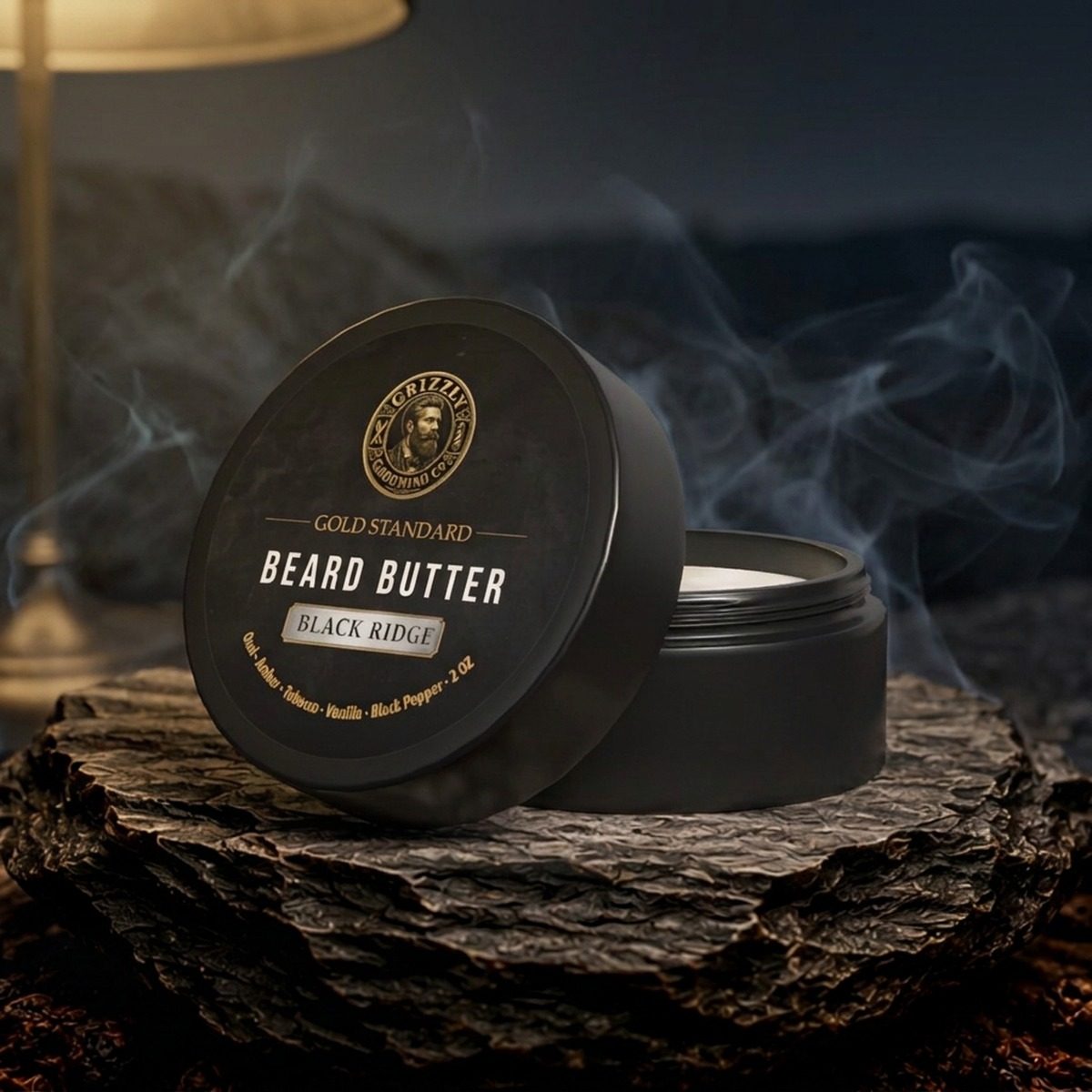
Beard Butter offers a middle ground, providing more hydration than balm but more weight than oil. It is particularly useful as an overnight treatment. Applying butter before bed keeps the hair soft and pliable, which prevents it from kinking or standing up at odd angles the next morning. When the hair lies flat and follows a uniform direction, it covers the skin more effectively than wild, wiry hair.
Application technique is vital. For a patchy jawline, don't just rub the product on the surface. Massage the oil into the skin using your fingertips in a circular motion. When applying balm, use a comb or brush to ensure the product is distributed from root to tip. Over-applying product can make the hair look greasy and clumped together, which actually reveals the skin beneath and makes patches more obvious. Start with a pea-sized amount and add more only if needed.
Correcting Common Grooming Mistakes
One of the most damaging mistakes is the 'over-correction' trim. When a man notices a patch, he often tries to trim it 'even,' but ends up cutting too much from the surrounding areas, leading to a perpetual cycle of shorter and shorter beards. If you make a mistake with the trimmers, leave it alone. The hair will grow back in a few days, and trying to fix it immediately usually leads to taking the whole beard off.
Another error is the use of harsh soaps. Using standard body wash or scalp shampoo on your face strips away the natural oils that your jawline follicles desperately need. This leads to dry, brittle hair that breaks off, creating new patches where there were none before. Always use a dedicated Beard Wash that is formulated for the specific pH of facial skin, which is different from the pH of the scalp.
Many men also fail to account for lighting. Fluorescent bathroom lighting is notoriously unforgiving and will make even a thick beard look patchy. Before you decide your beard is a failure, look at it in natural sunlight or softer indoor lighting. If you judge your growth solely based on the harsh glare of a vanity mirror, you are likely to over-groom and ruin your progress.
Finally, stop touching the patches. Constantly feeling for growth or stroking the thin areas introduces dirt and bacteria to the follicles and can cause mechanical damage to the hair. This repetitive stress can lead to 'traction alopecia' on a small scale, where the hair is essentially pulled out before it can mature. Trust the process and keep your hands off the jawline.
Advanced Tools: Brushes, Combs, and Heat
The tools you use are just as important as the products. For a patchy jawline, a firm boar bristle brush is indispensable. Unlike plastic combs, boar bristles have a natural scales-like texture that grips the hair and distributes natural oils and product evenly. Brushing your beard twice a day trains the hairs to grow in a specific downward direction, which is essential for covering gaps on the jawbone.
A wide-tooth wooden comb is better for longer beards, as it detangles without creating static or pulling out hairs. If you are trying to grow past the 1-inch mark, use the comb to gently lift the hair before styling it back down with a brush. This adds volume to the 'under-layers' of the beard, creating a three-dimensional thickness that disguises the underlying skin.
For men with curly or wavy beard hair, patches can look even more erratic. Using a beard straightener or a blow dryer on a low, cool setting can help. By straightening the hair, you maximize its length and surface area, allowing it to cover more of the jawline. Always apply a heat protectant or a light layer of beard oil before using any heat tool to prevent the hair from becoming brittle.
Do not underestimate the importance of a high-quality mirror and lighting setup. Being able to see the jawline from multiple angles—using a hand mirror in conjunction with a wall mirror—ensures that your cheek and neck lines are symmetrical. Asymmetry is one of the quickest ways to make a patchy beard look unkempt rather than stylish.
Seasonality and Its Effect on Growth
Your grooming routine must evolve with the seasons. During the winter, the air is dry, and indoor heating further dehydrates the skin. This is the time when patches can look their worst due to flaking and hair breakage. You may need to switch from a light oil to a heavier Beard Butter or increase the frequency of your Balm application to create a protective barrier against the elements.
In the summer, sweat and humidity can lead to clogged pores and breakouts under the beard. A 'clogged' follicle cannot produce hair efficiently. During warmer months, prioritize cleansing with a Beard Wash and use lighter oils that won't feel heavy or greasy. Keeping the skin cool and clean ensures that the jawline follicles stay in the anagen (growth) phase for as long as possible.
Dietary changes during different seasons also impact hair health. Vitamin D, which we get from sunlight, is linked to follicle activation. Many men find their beard grows slightly faster and thicker in the summer months. In the winter, supplementing with Vitamin D and maintaining a diet high in Omega-3 fatty acids can help offset the lack of sun and keep the jawline looking as full as possible.
Finally, be aware of how seasonal lifestyle changes—like wearing heavy scarves in winter—affect your jawline. Constant friction from clothing can rub away at the hair on the jaw, leading to localized thinning. If you wear scarves or high collars, ensure your beard is well-protected with a layer of balm to reduce friction and breakage.
Managing Expectations and the '90-Day Rule'
Patience is a technical requirement, not just a virtue. Most men give up on a patchy jawline within the first three to four weeks. However, because follicles cycle at different rates, it takes at least 90 days to see the true potential of your beard. During these three months, you should maintain the lines and the length, but avoid making any drastic changes to the structure of the beard.
Record your progress with photos taken in the same lighting every two weeks. Often, growth is happening so slowly that you won't notice it in the mirror daily. Seeing a side-by-side comparison from week 2 to week 10 can provide the motivation needed to push through the 'awkward phase' where the patches are most visible.
Accept that genetics set the ultimate ceiling for your beard's density. No product can turn a hairless area into a forest of growth. However, almost every man can achieve a respectable jawline beard by maximizing what he has through precision grooming. Focus on the 'intentionality' of the beard—if it looks well-cared for, people will notice the style, not the gaps.
If after 90 days of consistent care, oiling, and trimming, the patches are still significant, consider alternative styles. A 'Goatee and Stubble' look or a 'Van Dyke' are excellent options for men with strong chin growth but persistent jawline gaps. These styles leverage your strengths rather than fighting your genetics.
Frequently Asked Questions
Will beard oil actually make my patchy beard grow faster?
Beard oil does not change your genetics or create new follicles, but it creates the optimal environment for growth. By hydrating the skin and softening the hair, it prevents breakage and allows existing hair to reach its full potential without irritation.
How often should I trim a patchy jawline beard?
You should perform a light maintenance trim every 7 to 10 days. This ensures that the faster-growing hairs do not outpace the slower ones, which is the primary cause of a beard looking unkempt rather than just patchy.
Should I use a beard brush or a comb for thin areas?
A boar bristle brush is generally superior for patchy areas. The bristles are close together, which helps distribute oils evenly and stimulates blood flow to the surface of the skin, while simultaneously training hairs to lay flat and cover gaps.
Can I use hair growth supplements for my jawline?
Supplements like biotin or zinc can support overall hair health if you have a deficiency, but they won't target the jawline specifically. A balanced diet is generally more effective than isolated supplements for long-term follicle health.
Does shaving make the hair grow back thicker?
No, this is a common myth. Shaving gives the hair a blunt edge, which may make it feel coarser as it first emerges, but it does not change the thickness or density of the follicle itself.
Is it better to style a patchy beard when wet or dry?
Always style your beard when it is slightly damp or dry. Wet hair is heavier and clumps together, which makes patches look significantly worse. Towel dry gently, apply your oil, then style once the hair is barely damp.
What temperature should I use for a beard straightener?
If you are using heat to manage a patchy jawline, keep the temperature between 300°F and 350°F. Anything higher can damage the hair cuticle, leading to frizz and breakage that will make patches more apparent.
Build your ritual in 60 seconds.
Answer four questions and get a custom regimen built around your beard and routine.
Start The Ritual Builder