Your First Beard: A Guide for Men Growing One for the First Time
Almost every first beard fails in the same two-week window. Around day ten the itch arrives, the patches are obvious, and the whole thing looks worse than it did on day three — so it gets shaved. That decision is almost always premature, because a beard at two weeks tells you nothing about what the same beard looks like at eight. Here is what actually happens on the way there, what to buy, and how to get through the part that makes most men quit.
- ›Do not judge your beard before week eight — patches often fill in.
- ›The week-two itch is dry skin, not the hair, and oil fixes it.
- ›Three products cover everything: wash, oil, and a comb.
- ›Do not trim in the first month, except the neckline.
- ›Genetics set density; care sets whether you keep the length you grow.
Weeks one and two: stubble and the itch
The first week is easy — stubble looks intentional and requires nothing but a rinse. Week two is where the trouble starts. Freshly cut hairs have blunt, sharp ends, and as they grow they push against the skin and each other. Simultaneously, the skin underneath is adjusting: it is no longer being exfoliated by daily shaving, so dead cells accumulate and dry patches appear.
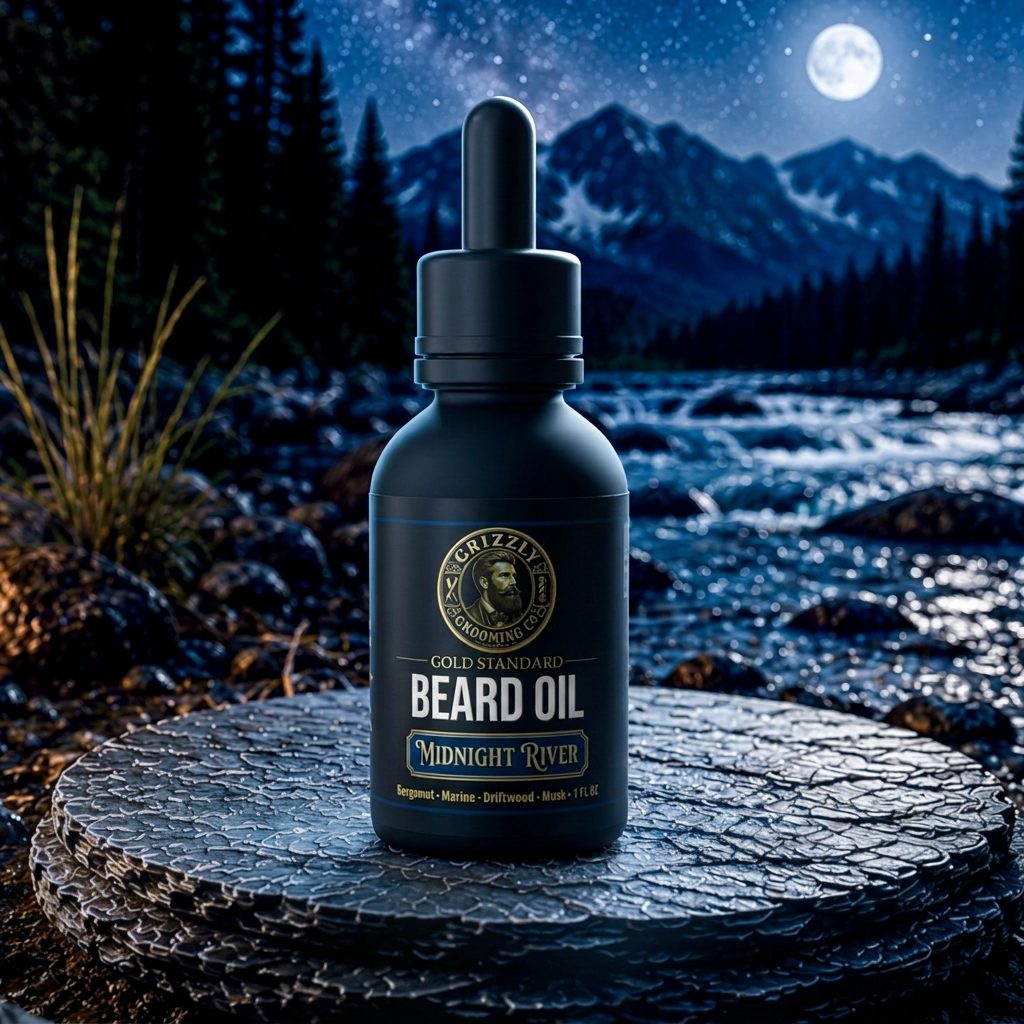
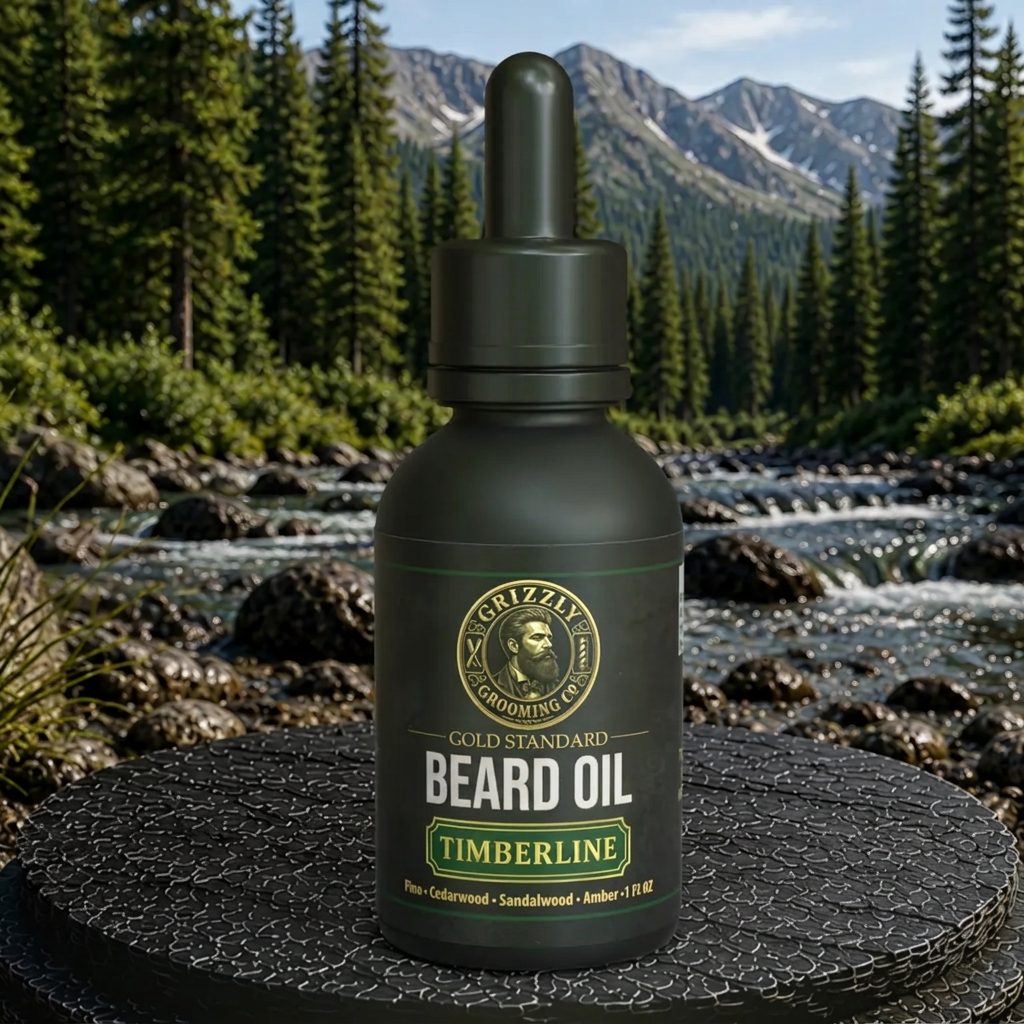
The itch is a skin problem, not a hair problem, and it responds to oil almost immediately. Two to four drops of beard oil worked into the skin, not just the hair, once or twice a day, and the itch typically resolves within a few days. This is the single piece of information that saves most first beards.
Weeks three and four: the awkward stage
This is the least flattering period. Growth is uneven because different follicles cycle at different rates, and the beard is long enough to look untidy but not long enough to have a shape. Almost every man at this point believes he cannot grow a beard.
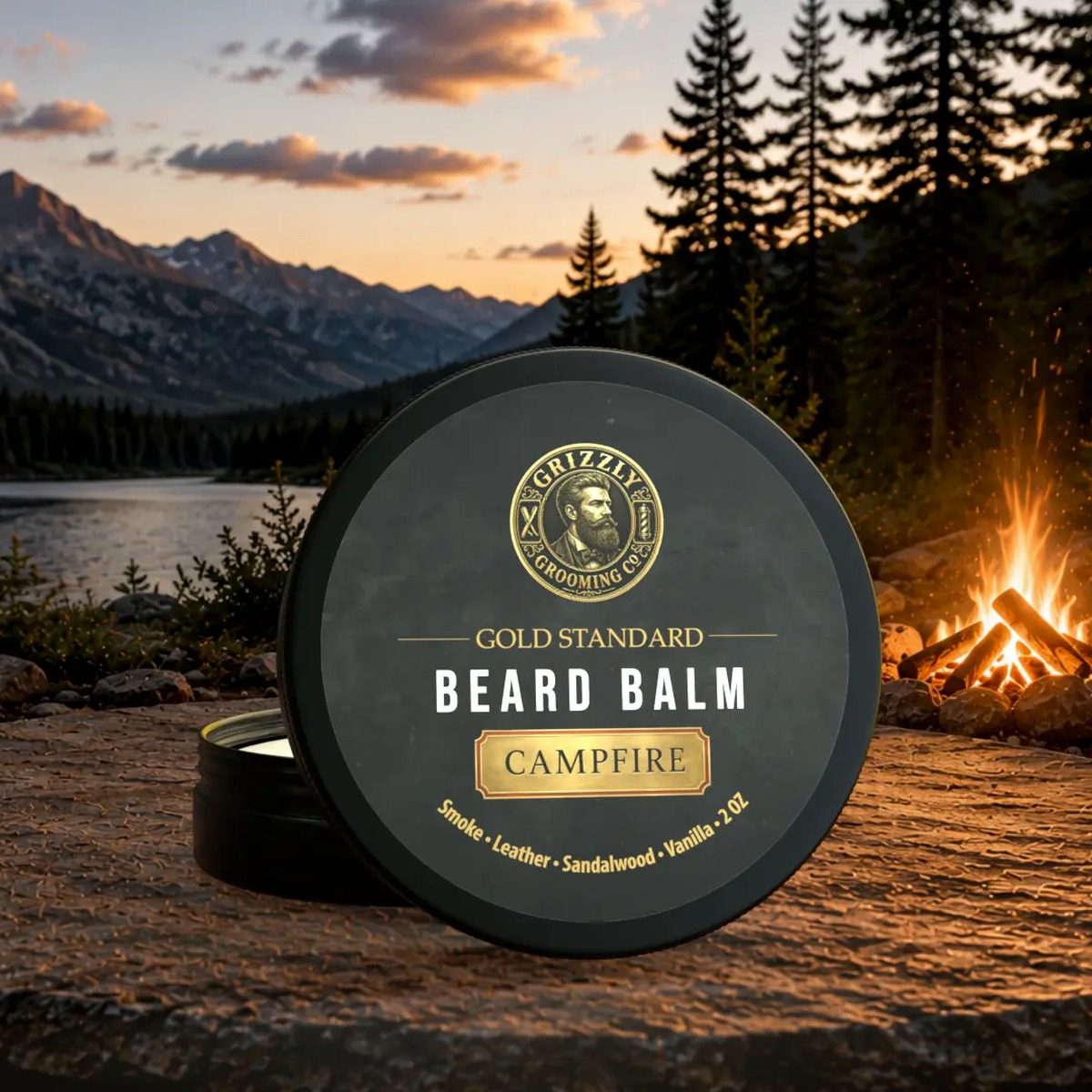
Do nothing except keep the routine and clean the neckline. Do not trim for shape, because you have no shape yet, and any cutting now removes hair that would have filled the gaps later. Brush daily to train the growth direction and to spread sebum. If you need to look tidier for work, a light balm smooths the outline without cutting anything.
Weeks five to eight: fill-in
Between weeks five and eight the beard starts to behave. Longer hairs lie over sparse areas, the outline reads intentional, and the texture softens as the ends round off. This is the earliest point at which you can judge your growth pattern honestly.
At the end of week eight, get a barber to shape it once. It costs little and it teaches you where your neckline and cheek line should sit, which is far harder to work out alone. From then on you are maintaining a shape rather than inventing one.
What to actually buy
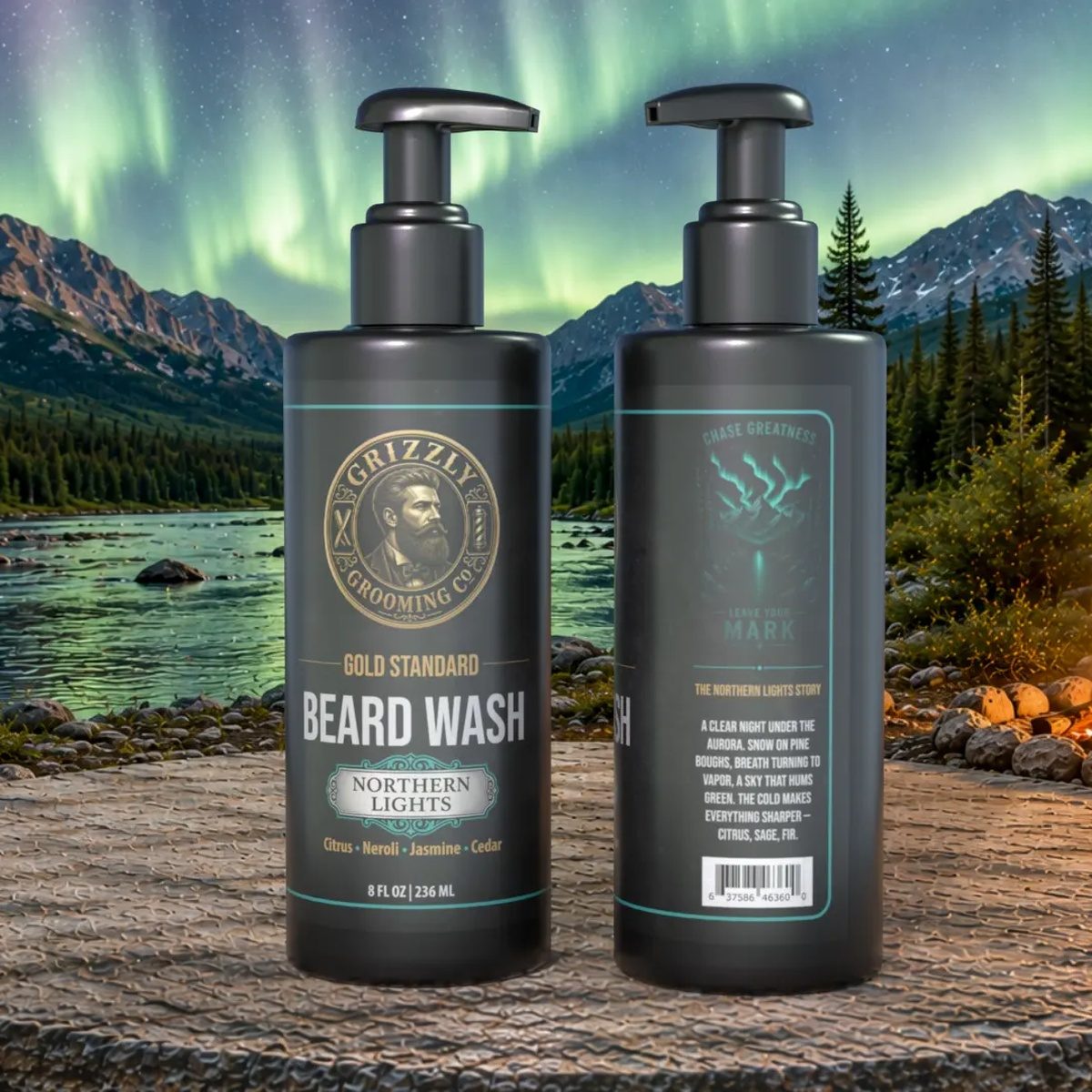
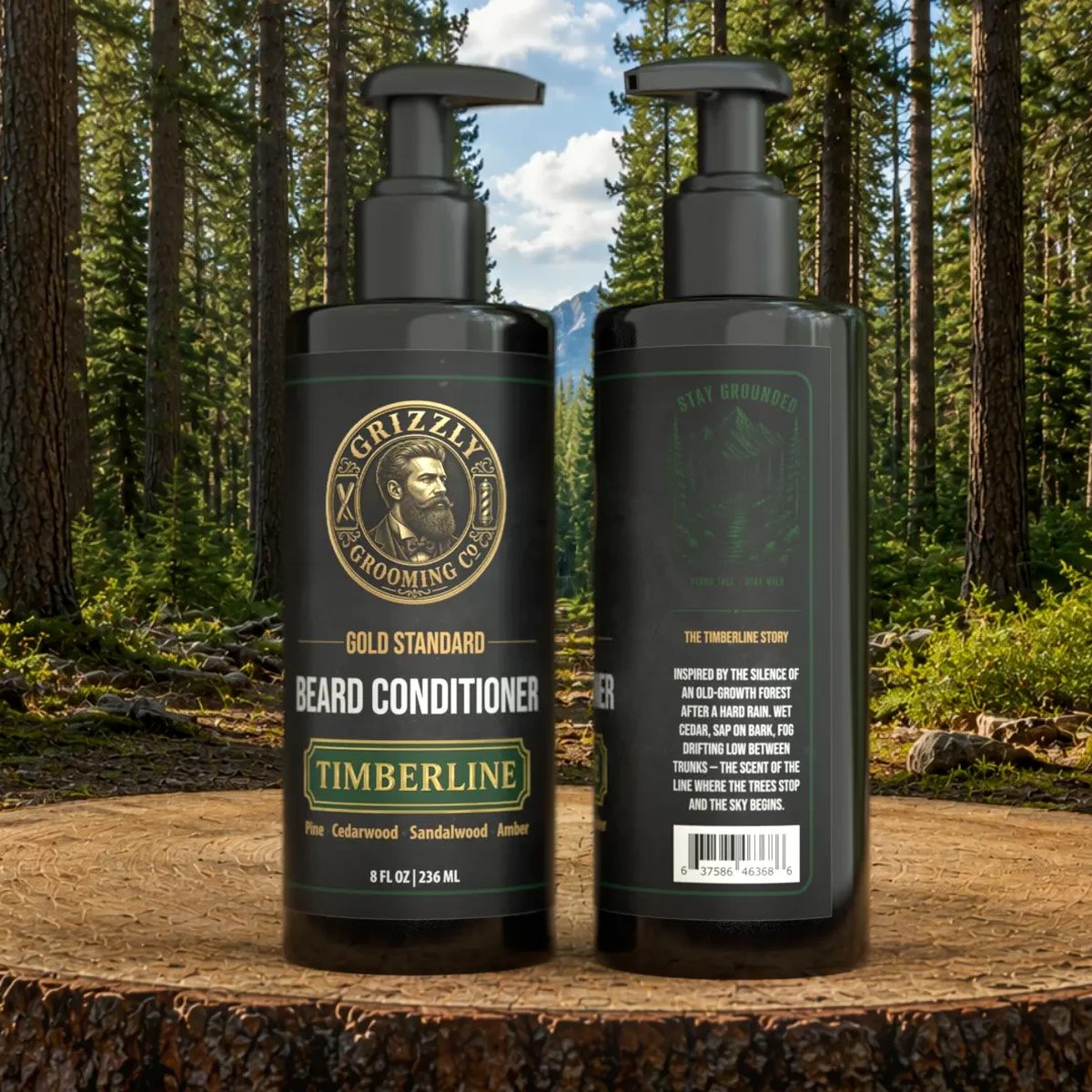
Three things. A sulfate-free beard wash, because regular shampoo and body wash strip the skin and make itch worse. A beard oil with argan and jojoba, which is the workhorse of every beard routine. And a comb — wooden or seamless, not a cheap moulded plastic one with rough seams that snag.
Add later, not now: a balm at around six weeks when you want shape control, a boar-bristle brush at the same point for training and sebum distribution, and scissors at around three months when the ends begin to need attention. You do not need growth supplements, and you do not need five products in week one.
The mistakes that end first beards
Shaving at the itch stage. Trimming for shape too early. Using body wash or hair shampoo on the beard. Applying oil only to the hair and not to the skin. Cutting the cheek line too low while trying to straighten it. And comparing your two-week beard to another man's two-year beard.
One more, subtler: touching it constantly. Repeatedly stroking and pulling a new beard damages the hair, transfers oil and dirt from your hands to your skin, and can cause breakouts along the jaw. It is a hard habit to notice and worth breaking.
What genetics decide and what they do not
Follicle count and distribution are genetic, and they are set. Some men grow dense cheeks at nineteen and some do not until twenty-six, and a few never will. Beard density also tends to increase into the late twenties and early thirties, which is why a patchy first beard at twenty is a poor predictor of a beard at twenty-eight.
What is not genetic: whether you retain the length you grow. Breakage, split ends, and tangling cost men visible length constantly, and all three are care problems. Sleep, protein intake, stress, and smoking all influence growth rate at the margins. Care determines the difference between a beard that looks healthy and one that does not, at any density.
Dealing with patches while you wait
Patches usually look worse than they are, because a gap surrounded by short hair is exposed and a gap surrounded by longer hair is covered. Growing an extra half inch is the most effective patch strategy there is.
Meanwhile, brush the patch area outward and slightly across the gap, which redirects surrounding hairs to cover it. Choose a style that plays to your density — a goatee or a Van Dyke concentrates hair where most men grow strongest. And avoid comparing sides in the mirror obsessively; asymmetry is normal in every face.
A simple first-beard routine
Daily: rinse the beard in the shower with warm water, pat dry, and apply two to four drops of oil into the skin first and then the hair. Comb through. Brush for thirty seconds if you have a brush.
Twice a week: wash with a sulfate-free beard wash before the oil. Weekly: clean up the neckline only — two fingers above the Adam's apple, sweeping up to behind the jaw. At week eight: one barber visit for shape, then a monthly maintenance rhythm. That is the whole program for the first two months.
Handling comments and the awkward middle
The social part of a first beard is rarely discussed and is often what actually ends it. Weeks three and four attract comments, and most men are more sensitive to them than they expect, especially at work or school. It helps to know in advance that this window is short and that the comments stop once the beard has a shape.
Two practical measures reduce the pressure. Start a beard at the beginning of a holiday or a quieter work stretch, so the awkward fortnight happens with fewer audiences. And keep everything else sharp — clean neckline, tidy hair, a shirt that fits. A tidy man with a four-week beard reads as intentional; an untidy one reads as neglectful, and the beard gets blamed for both.
Skin care under a first beard
Shaving is exfoliation, and stopping it changes the skin's behaviour more than most men anticipate. Dead cells that used to be scraped away accumulate, and the result is flaking, occasional small breakouts, and the classic week-two itch. Beard oil solves most of it; a little deliberate exfoliation solves the rest.
Two or three times a week, before showering, brush the beard area gently with a soft-bristle brush for thirty seconds, or use a mild exfoliating cleanser. Then wash, then oil into the skin. If you were prone to acne before growing the beard, choose a low-comedogenic oil like jojoba or hemp seed and keep heavier balms off the skin. Do not use a scrub daily; irritation looks worse than flaking does.
Realistic timelines from week eight to month six
At eight weeks you have a short beard with a shape. Between two and four months the beard gains real length, and the sparse areas that worried you in month one are usually covered by longer hair from above. Somewhere around month three the texture changes — ends round off, the beard softens, and it starts to move rather than bristle.
By month six you have enough length to choose a style rather than accept one. This is also when maintenance requirements change: a comb is no longer optional, conditioner starts to matter, and tip trims every three to four weeks become the thing that protects the length you have grown. If you make it to month six with a consistent routine, you generally have the beard your genetics allow, and the rest is care.
A short list of things not to waste money on
Growth serums promising new follicles do not create follicles you do not have. Biotin helps only men who are genuinely deficient. Derma rollers have some evidence in combination with minoxidil but carry real infection risk when used carelessly at home. Beard shampoos with sulfates and heavy fragrance often worsen the exact itch they claim to fix.
Spend the money instead on a decent oil, a seamless comb, and one barber visit at week eight. That last item is the highest-return purchase in the whole list, because it teaches you where your lines belong, and that knowledge applies for years.
Frequently Asked Questions
How long before I know if I can grow a beard?
Eight weeks minimum. Patches at two or three weeks are normal and frequently fill in as surrounding hair lengthens. Density also increases for most men into their late twenties.
Why does my new beard itch so much?
It is the skin, not the hair. Without daily shaving, dead skin accumulates and dries out. Beard oil worked into the skin once or twice a day typically resolves it within a few days.
Should I trim my beard in the first month?
Only the neckline. Trimming for shape removes hair that would have filled in your sparse areas. Wait until week eight and have a barber set the shape once.
What products do I need for a first beard?
A sulfate-free beard wash, a beard oil, and a comb. Add a balm and a brush at around six weeks and scissors at around three months.
Do beard growth supplements work?
Only if you are deficient in something. Biotin helps men who are actually low in biotin and does nothing for men who are not. Sleep, protein, and stress management have more reliable effects.
Should I exfoliate under a new beard?
Yes, two or three times a week with a soft brush or a mild exfoliating cleanser. Stopping shaving removes the exfoliation you were getting daily, which is why flakes and itch appear in week two.
When should I see a barber about my first beard?
Around week eight. That is the earliest point at which a real shape exists, and one visit teaches you where your neckline and cheek line belong.
Build your ritual in 60 seconds.
Answer four questions and get a custom regimen built around your beard and routine.
Start The Ritual Builder