Finding the Optimal Frequency for Washing Your Beard Without Damage
The cadence at which you wash your beard dictates its structural integrity, its texture, and the health of the underlying dermis. Unlike the scalp, which is densely populated with sebaceous glands, the facial skin possesses a finite capacity for oil production. When you apply generic detergents to this sensitive area, you are not merely cleaning; you are potentially compromising the lipid barrier that prevents moisture loss. Understanding the optimal wash frequency requires a technical grasp of hair porosity, skin types, and environmental factors. This guide serves as a manual for the man who views grooming as a discipline of precision rather than a chore of convenience.
- ›Most men should limit beard wash application to 2 or 3 times per week to preserve natural sebum.
- ›Daily water-only rinses at 38 degrees Celsius effectively remove salt and debris without stripping lipids.
- ›Hard water requires specialized chelating ingredients found in high-quality beard wash to prevent mineral buildup.
- ›Post-wash application of Gold Standard Beard Oil is mandatory to seal the cuticle while it is still slightly damp.
- ›Adjustment for beard length is critical; shorter stubble requires less frequent washing than a full 6-inch beard.
- ›Winter conditions necessitate a reduction in wash frequency combined with increased beard butter application.
The Biological Imperative of Sebum Retention
Facial hair is classified as terminal hair, which is thicker and more prone to desiccation than the hair on your head. The follicles are supported by sebaceous glands that secrete sebum, a complex mixture of triglycerides, wax esters, and squalene. This substance serves as a natural lubricant, coating the hair shaft to prevent the cuticle scales from lifting. When the cuticle lifts, the internal cortex is exposed to environmental stressors, leading to the brittle texture often associated with poorly maintained beards.
Traditional hair shampoos utilize aggressive surfactants like Sodium Lauryl Sulfate (SLS) or Ammonium Laureth Sulfate. These molecules are designed to emulsify the heavy oils found on the scalp, but they are too efficient for the face. Using them on a beard strips the sebum entirely, causing the skin to overcompensate by producing more oil, which often leads to clogged pores and acne, or conversely, causing the skin to become pathologically dry.
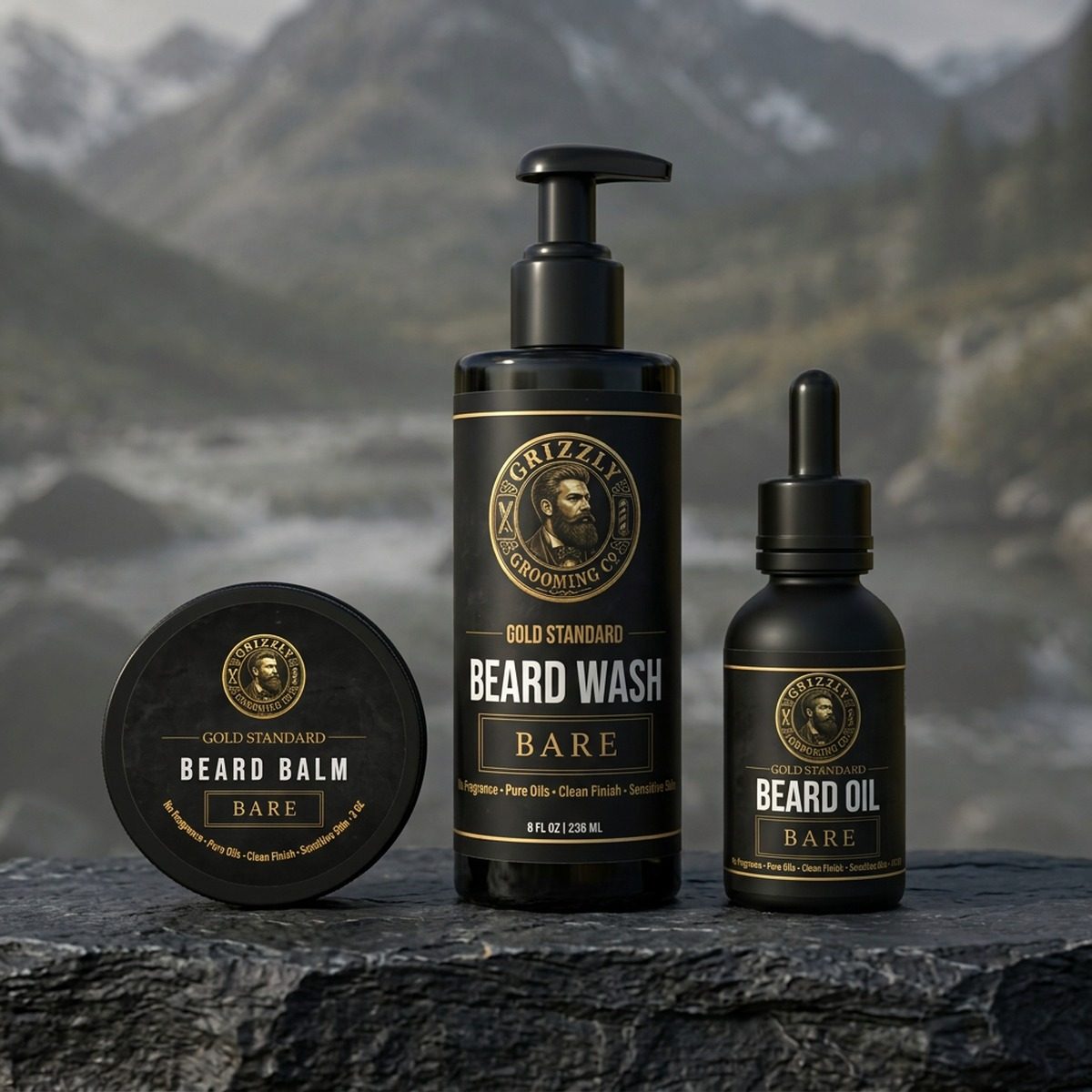
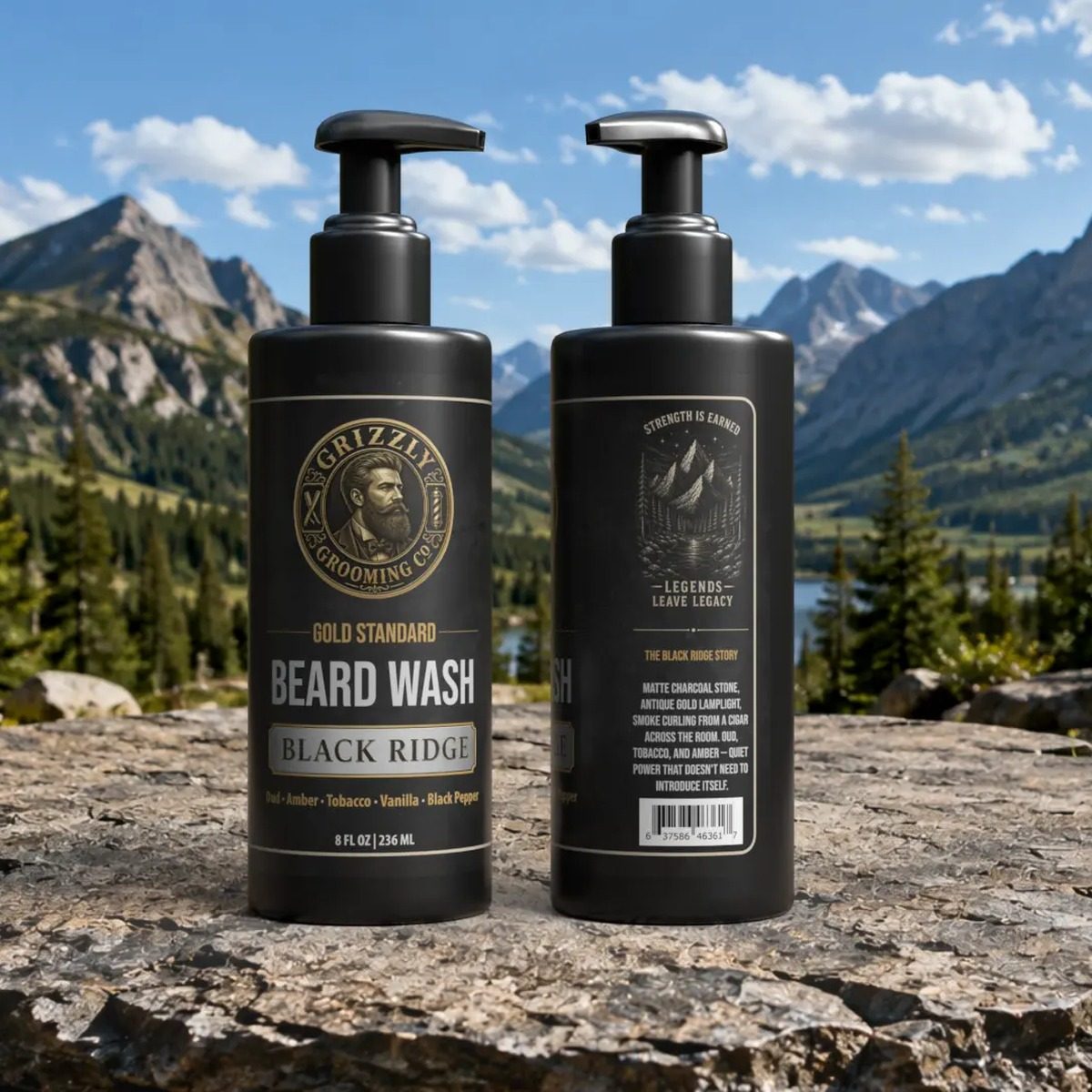
A specialized Beard Wash employs milder cleansing agents, such as Decyl Glucoside or Coco-Betaine. These surfactants remove water-soluble debris and excess salt from perspiration while leaving the essential lipid layer intact. By maintaining this balance, you ensure the hair remains pliable and the skin stays hydrated, which is the foundational requirement for long-term growth and comfort.
Calibrating Frequency by Skin and Hair Type
There is no universal schedule for beard hygiene; instead, you must audit your specific skin profile. Men with oily (seborrheic) skin may find that a wash every 48 hours prevents the buildup of malodorous bacteria and prevents the hair from looking limp. In these cases, the focus is on removing excess oil without triggering a reactive surge in sebum production. If the skin feels tight or 'squeaky' after washing, the frequency is too high or the product is too aggressive.
Conversely, men with dry or sensitive skin should limit beard wash usage to once or twice a week. Between these washes, the beard should be managed with a Goat Soap Bar or a simple lukewarm water rinse. This preserves the moisture barrier, which is often thinner in men prone to redness and flaking. For these individuals, the mechanical action of rinsing combined with a firm brush helps distribute the few natural oils available down the length of the hair.
Hair texture also dictates the need for cleansing. Coarse, curly hair (Type 4) is naturally drier because the sebum has a more difficult path to travel down the coiled shaft. These beard types require the most conservative wash schedule and the highest level of post-wash hydration using beard butter or beard balm. Straight hair allows oil to travel more easily, meaning it may appear greasy faster and require a more consistent 3-times-per-week schedule.
The Daily Rinse Protocol and Temperature Control
Even on days when you do not use a dedicated cleanser, a daily water rinse is non-negotiable. This process removes atmospheric pollutants, dust, and food particles that accumulate in the dense thicket of a beard. The water temperature should be controlled; water that is too hot (above 40 degrees Celsius) will melt the protective waxes on the hair, while water that is too cold may not effectively dissolve salts from sweat. Aim for a lukewarm temperature that feels comfortable on the sensitive skin of the cheeks.
During the rinse, use your fingertips to massage the skin beneath the hair. This mechanical exfoliation helps dislodge dead skin cells that would otherwise become trapped and form beardruff. It also stimulates blood flow to the follicles, which is beneficial for nutrient delivery. Spend at least 60 seconds ensuring the water has fully penetrated to the base of the beard, especially for those with high-density growth.
Once the rinse is complete, do not use a standard bath towel with aggressive friction. Instead, pat the beard dry with a microfiber towel or an old cotton t-shirt. Wet hair is in a weakened state; the hydrogen bonds are temporarily broken, making the hair more elastic and prone to snapping. Patting the beard until it is 80% dry provides the perfect canvas for the application of Gold Standard Beard Oil, which uses the remaining surface moisture to spread more evenly.
Adapting Your Routine for Beard Length
The requirements of a one-month beard differ significantly from those of a year-long 'yeard'. For short stubble, the skin is still the primary focus. You can often use a mild facial cleanser or a Goat Soap Bar daily because the hair is not long enough to become truly dehydrated. At this stage, the goal is to prevent ingrown hairs and soothe the itch that occurs as the hair begins to curl back toward the skin.
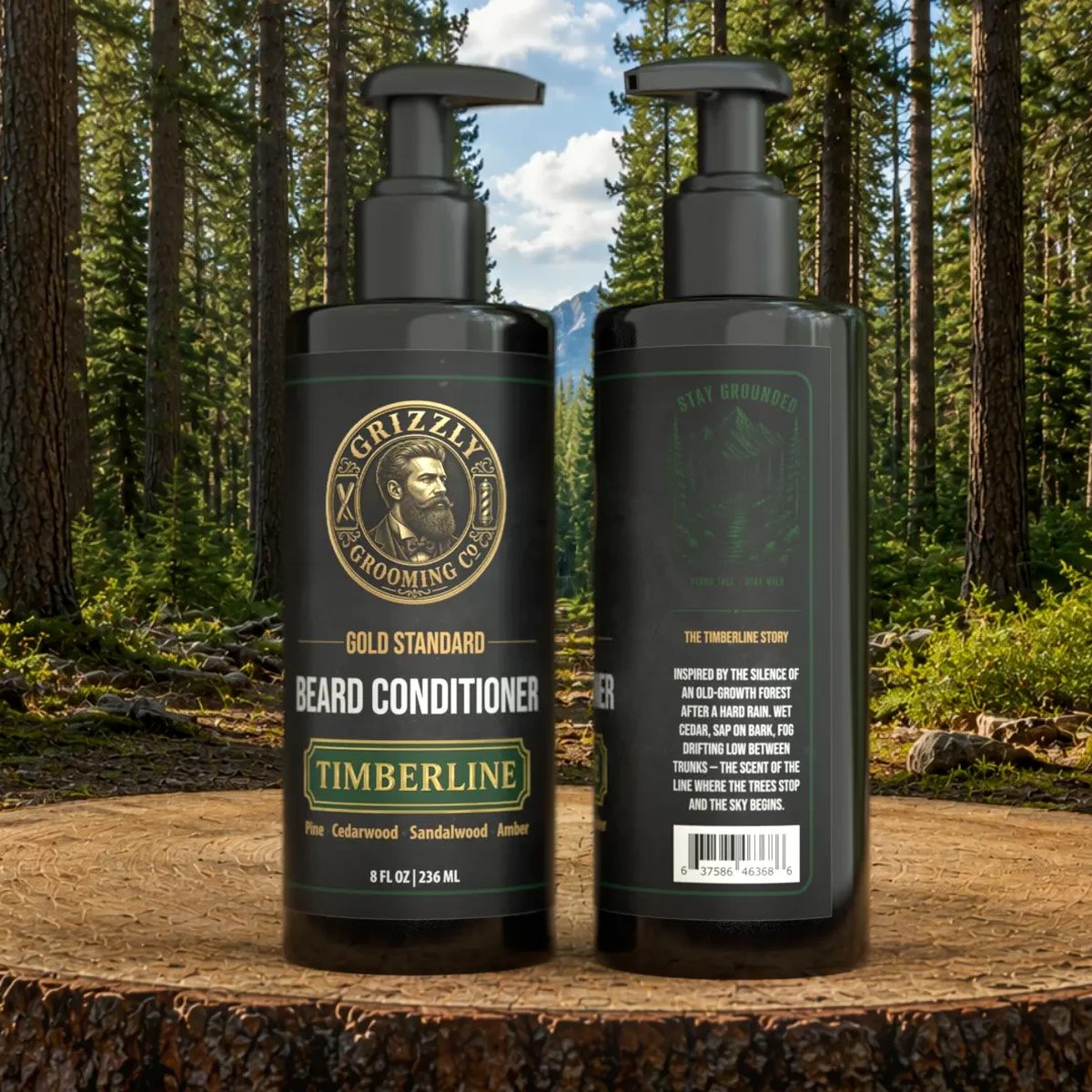
As the beard reaches the mid-length stage (2 to 4 inches), the hair tips are now far removed from the sebaceous glands. This is the critical transition point where you must reduce wash frequency. Washing a mid-length beard every day will almost certainly lead to split ends and a 'wiry' appearance. This is also when you should introduce a Conditioner into your routine once a week to help soften the hair and replenish the internal moisture that water alone cannot provide.
For long beards (5 inches and beyond), the ends of the hair are essentially dead tissue that has been exposed to the elements for months or years. These ends need extreme care. When washing, focus the beard wash primarily on the skin and the roots, allowing the suds to run through the ends rather than scrubbing them directly. This cleanses the source of oil without over-processing the oldest, most fragile parts of the beard.
Environmental Factors and Seasonal Adjustments
External conditions play a massive role in how often you should cleanse. During the summer months, increased humidity and perspiration can lead to a sticky beard that traps more dirt. You may find it necessary to increase your wash frequency to three times a week. However, be cautious: the salt in sweat is drying. If you exercise heavily, a thorough water rinse immediately after your workout is better than an extra session with a detergent-based wash.
Winter care requires a tactical shift. Cold outdoor air and dry indoor heating create a 'moisture vacuum' that pulls hydration out of your hair and skin. During this season, reduce your wash frequency to the absolute minimum—perhaps once every five or six days. You should also transition from lighter oils to a heavier Beard Butter or Beard Balm to provide a physical occlusive barrier against the biting wind and dry air.
If you live in a region with 'hard water' (high mineral content like calcium and magnesium), you may notice a chalky buildup on your hair that makes it feel stiff. In this specific environment, you may actually need to wash slightly more frequently with a beard wash containing citric acid or other natural chelators to strip the mineral deposits. Following this with a slightly acidic conditioner will help lay the cuticle flat and restore shine.
The Critical Post-Wash Hydration Sequence
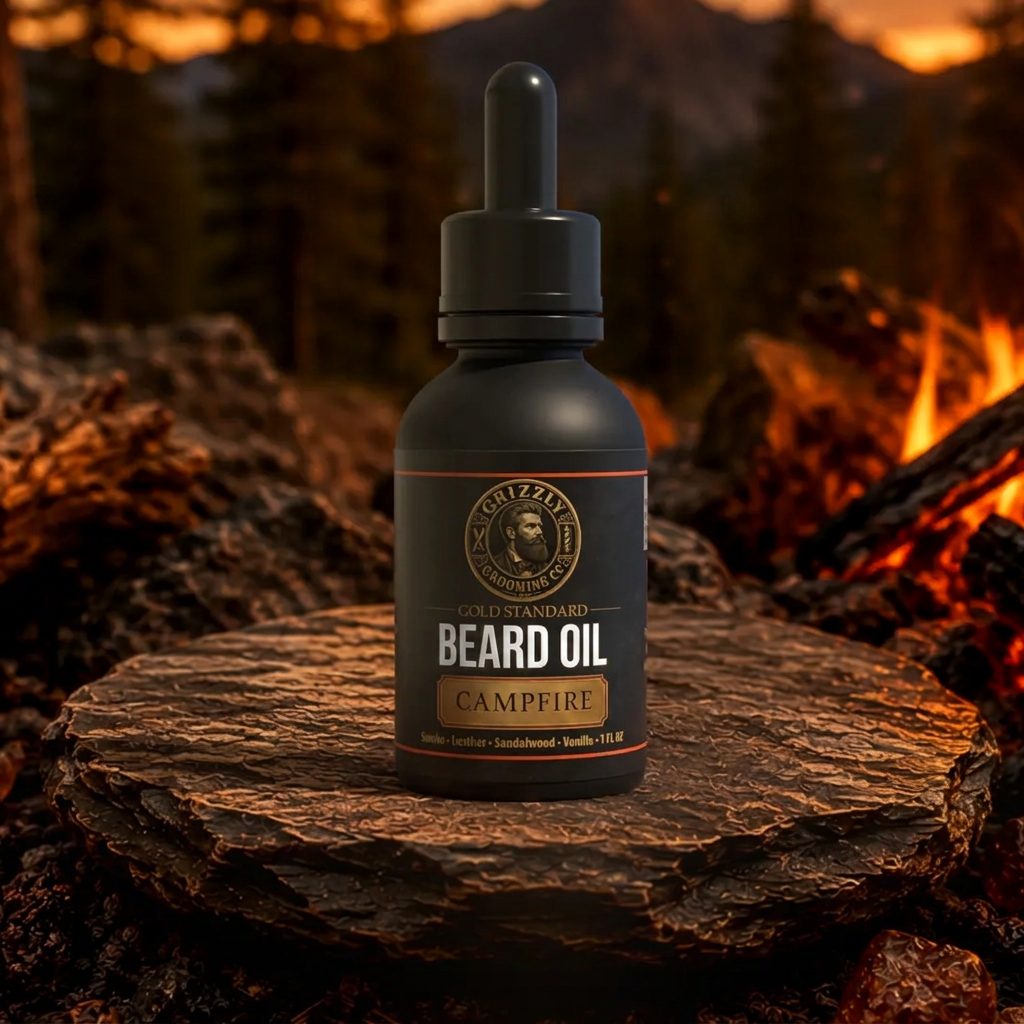
The moments following a wash are the most important in your grooming routine. When you wash, you inevitably remove some lipids and open the hair cuticle. If you allow the beard to air dry completely without intervention, the moisture inside the hair evaporates, leaving it stiff. To prevent this, apply Gold Standard Beard Oil while the hair is still slightly damp. The oil acts as a sealant, trapping the water molecules inside the hair shaft.
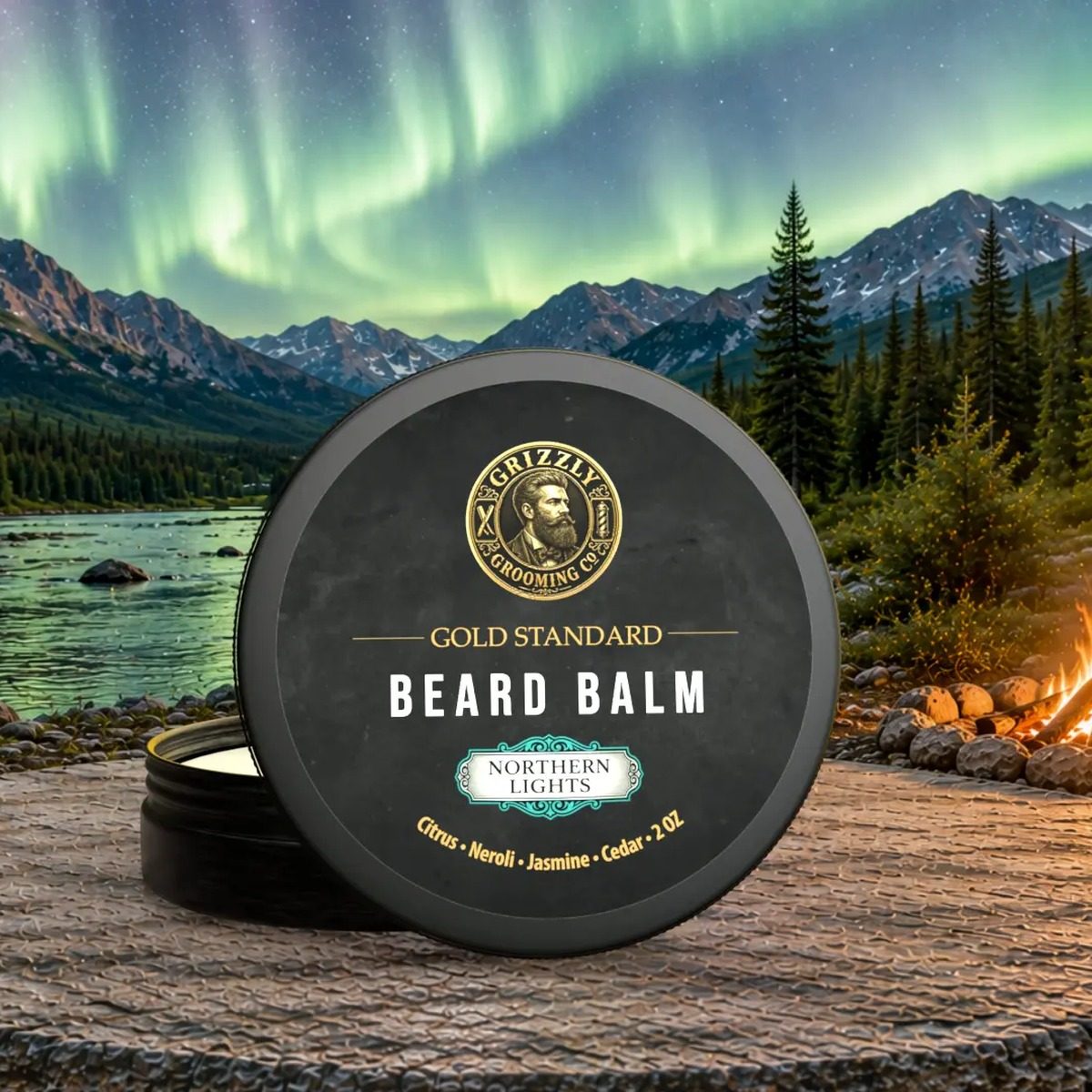
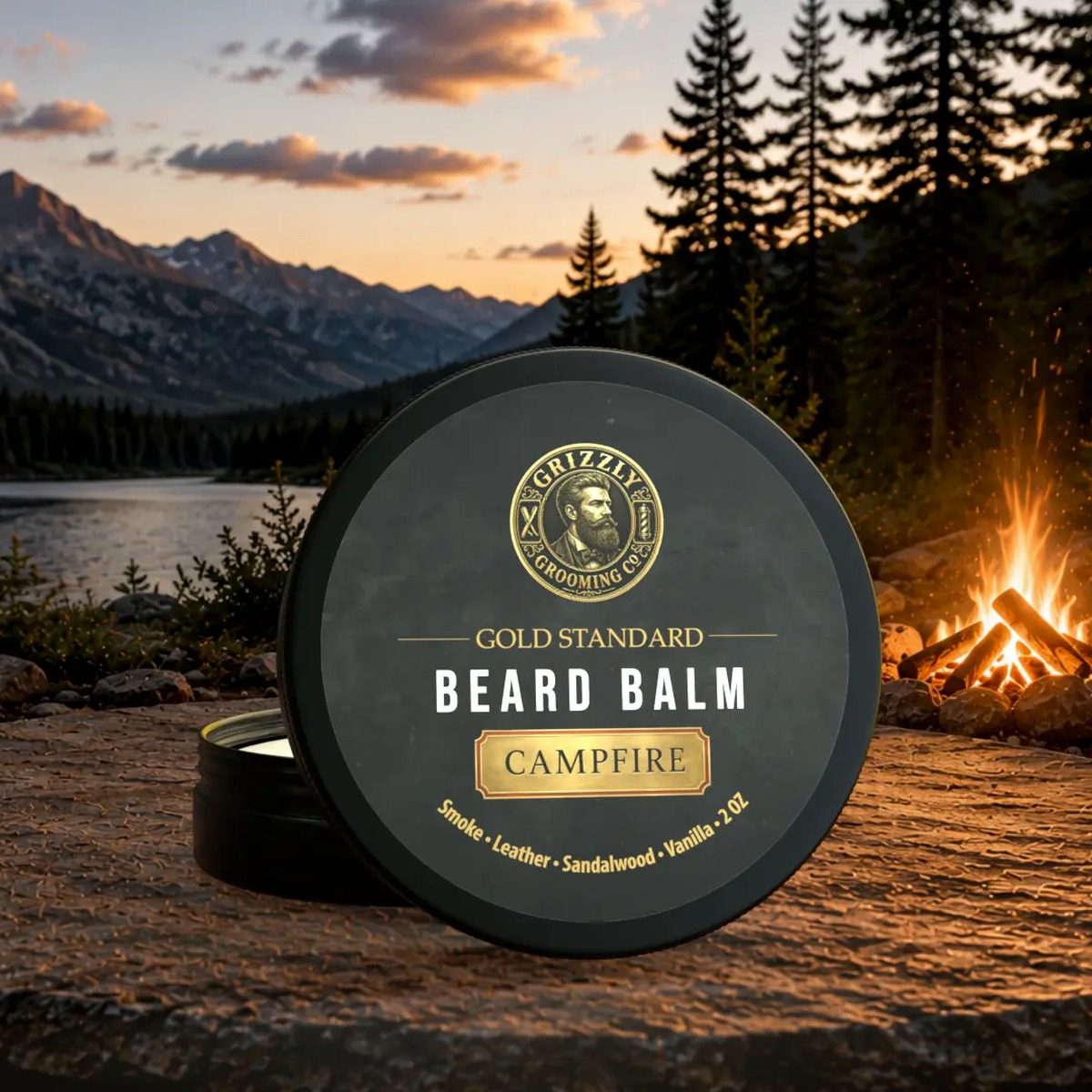
For a standard medium beard, use 3 to 5 drops of oil. Rub it between your palms to warm it, then work it into the skin first. The skin is the foundation; if the skin is dry, the beard will never be healthy. Once the skin is coated, pull your hands through the hair to distribute the remaining oil. For larger beards, follow this with a small amount of Beard Balm, which contains beeswax and shea butter to provide a protective layer and a light hold for styling.
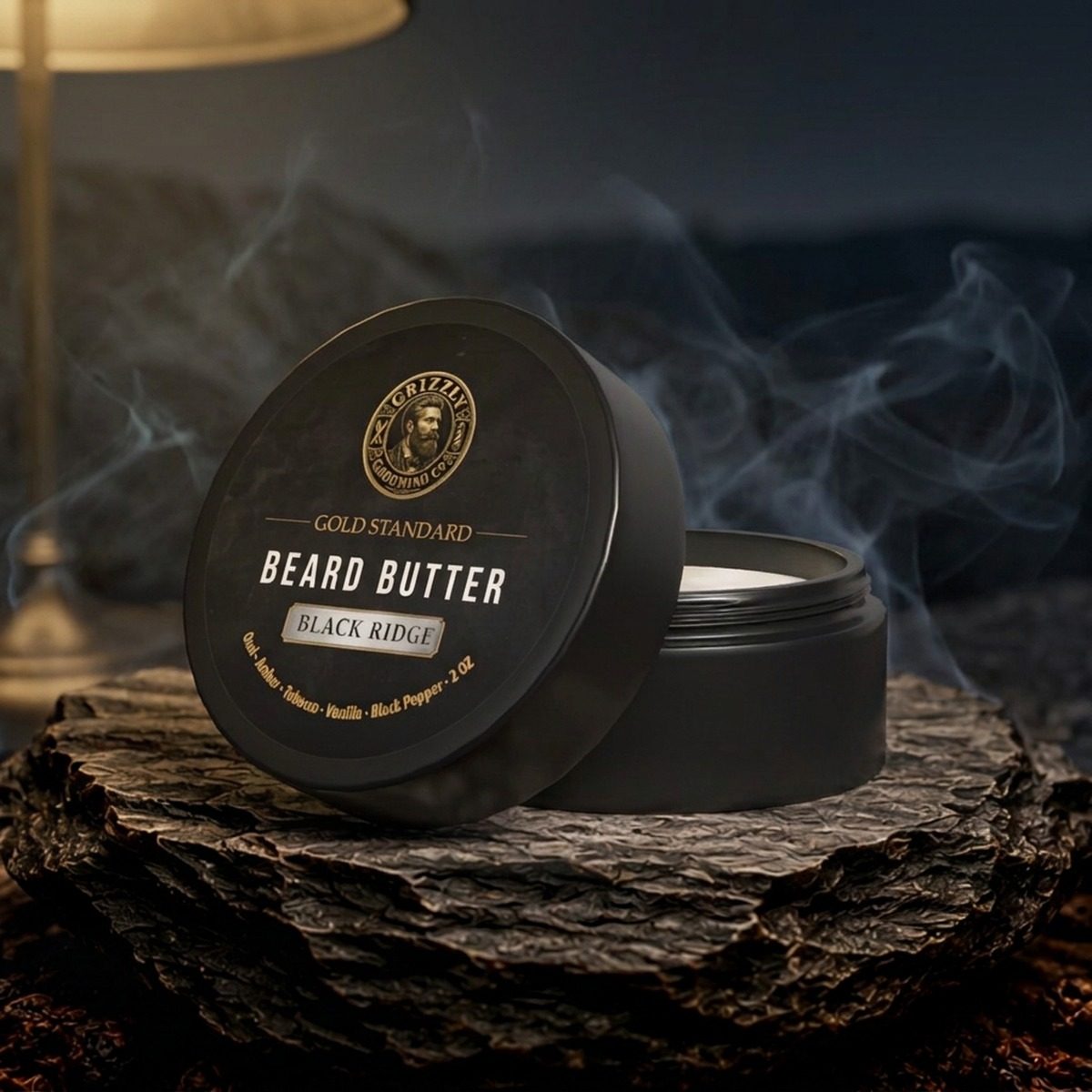
If you are dealing with an exceptionally dry beard, consider using Beard Butter as a deep-conditioning treatment after your wash. Unlike balm, which contains wax for hold, butter is primarily comprised of fats and nutrients that soak into the hair. Applying this before bed on a wash day can drastically improve the softness of the hair by the following morning. This sequence ensures that the act of washing becomes a restorative process rather than a destructive one.
Common Mistakes and How to Correct Them
The most prevalent error is the 'Scrubbing Fallacy.' Many men believe they need to vigorously scrub their beard to get it clean. This mechanical stress causes micro-tears in the hair cuticle and can lead to traction alopecia or thinning over time. Instead, use a gentle circular motion with your pads of your fingers on the skin, and gently squeeze the suds through the length of the hair. Let the chemistry of the wash do the work, not the force of your hands.
Another mistake is neglecting the rinse phase. Failing to thoroughly wash out all traces of beard wash can lead to contact dermatitis and extreme itching. If you feel a 'film' on your hair or see white flakes that aren't dry skin, you likely have product buildup. Ensure you spend twice as much time rinsing as you do washing. If buildup persists, a one-time rinse with a diluted apple cider vinegar solution can help restore the pH balance and remove residue.
Finally, many men fail to adjust their products based on their beard's needs. Using a heavy Mustache Wax across the entire beard, or using a high-hold balm daily without properly washing it out, leads to 'hygral fatigue' where the hair becomes bogged down and loses its natural elasticity. Ensure you are using the right tool for the job—oil for hydration, balm for shape, and butter for deep conditioning—and always match your wash frequency to the amount of product you use.
Tools and Techniques for Professional Maintenance
While frequency and product choice are paramount, the tools you use during and after the wash will define the final result. A high-quality boar bristle brush is essential for the days between washes. The bristles are designed to mimic the scales of human hair, allowing them to pick up sebum from the roots and distribute it to the drier ends. This is the most effective way to 'clean' your beard without using water or soap.
When it comes to drying, if you choose to use a blow dryer, always use the 'cool' or 'low' heat setting. High heat can boil the water molecules still trapped inside the hair cortex, leading to a phenomenon known as 'bubble hair,' which causes the hair shaft to become permanently weakened and prone to snapping. Hold the dryer at least 6 inches away and keep it moving constantly to avoid localized heat damage.
Lastly, consider your trimming schedule in relation to your wash routine. Never trim a wet beard; hair expands when wet and shrinks as it dries, which can lead to an uneven neckline or an accidental over-trim. Always wash, dry, and apply a small amount of oil to let the hair settle into its natural shape before picking up the shears or trimmer. This ensures you are working with the true silhouette of your beard relative to your face shape.
Frequently Asked Questions
Can I use bar soap to wash my beard?
Standard bar soaps have a very high pH level that is far too alkaline for facial skin. This disrupts the 'acid mantle' of your skin, leading to severe dryness. If you prefer a bar format, only use a specialized Goat Soap Bar designed with a pH balance suitable for the face.
What if my beard smells but it isn't wash day?
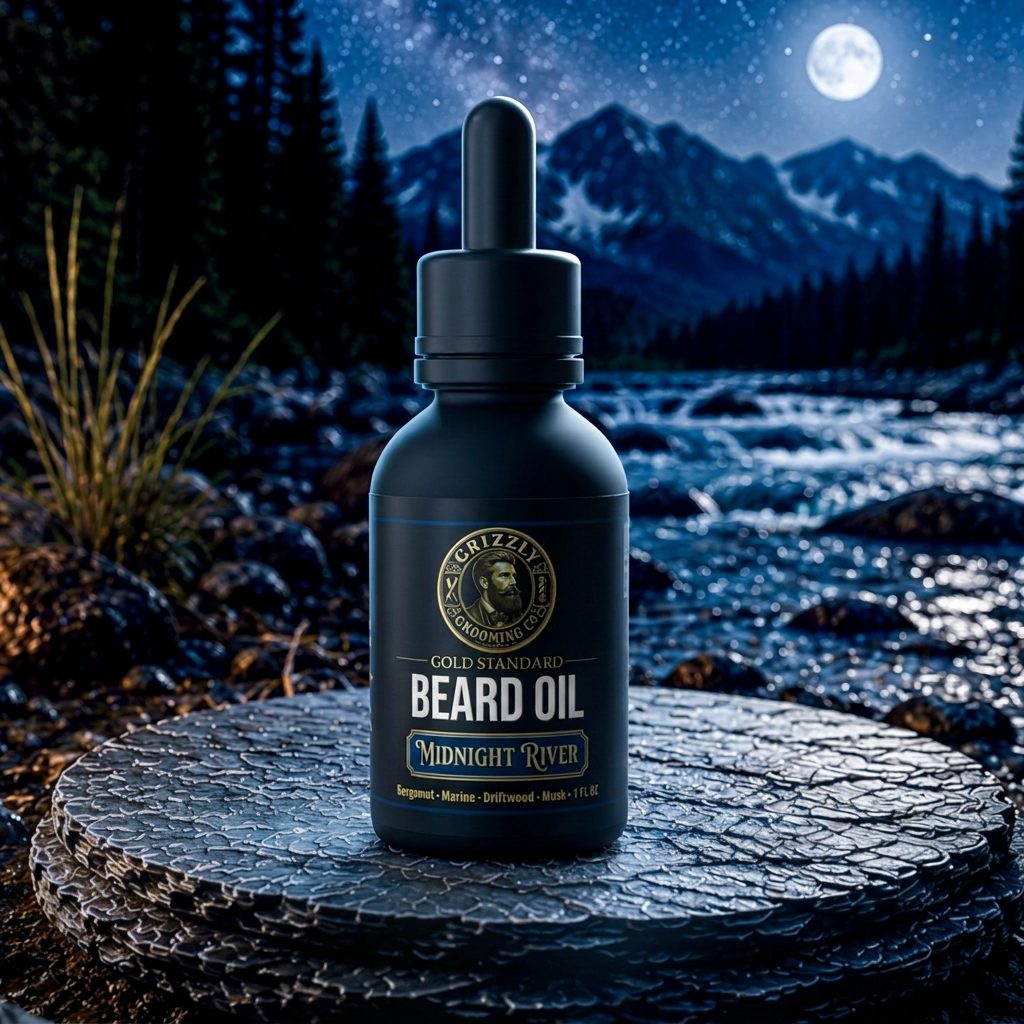
Odors are often trapped in the oils and waxes. Instead of a full wash, try a thorough lukewarm water rinse followed by a fresh application of a scented Gold Standard Beard Oil or Solid Cologne. This refreshes the scent profile without stripping the hair's natural defenses.
Does washing my beard more often help it grow faster?
No, frequency of washing does not increase the rate of follicle production. However, keeping the skin clean and free of debris prevents follicle blockages and inflammation, which provides the healthiest possible environment for your natural growth rate to flourish.
Should I wash my beard before or after a haircut?
You should wash your beard before a trim to ensure the hair is free of product and laying in its natural state. However, ensure it is completely dry before the barber begins, as wet hair stretches and will result in an inaccurate length once it dries.
Is it okay to use conditioner every day?
While you shouldn't use beard wash every day, using a dedicated beard conditioner or a small amount of beard butter daily is generally safe for very dry beards. It provides moisture without the stripping action of surfactants, acting more like a deep-reach moisturizer.
Why does my beard feel itchy only after I wash it?
Post-wash itch is a clear sign that you have stripped too much oil or that the water was too hot. It can also be caused by failing to apply beard oil immediately after drying. The itch is your skin's way of signaling that its moisture barrier has been compromised.
Build your ritual in 60 seconds.
Answer four questions and get a custom regimen built around your beard and routine.
Start The Ritual Builder