Correcting the Critical Beard Grooming Mistake Every Beginner Makes
The primary error in early-stage beard growth is not a lack of patience, but a fundamental misunderstanding of biological requirements. Most beginners view a beard as a surface-level accessory, when in reality, it is an extension of a complex dermal system. When you begin growing facial hair, your body does not immediately increase its production of sebum, the natural oil produced by sebaceous glands. As the hair grows, it draws this limited supply of moisture away from the skin surface and distributes it along the shaft. This creates a systemic deficit, leading to the dehydration, inflammation, and cellular buildup commonly referred to as beard itch. Success in grooming is found not in managing the hair itself, but in maintaining the physiological health of the skin underneath.
- ›Identify the 'wicking effect' where hair pulls essential sebum away from the skin surface.
- ›Apply beard oil directly to the dermis rather than the hair to resolve irritation.
- ›Replace generic soaps containing sulfates with a pH-balanced beard wash.
- ›Utilize mechanical exfoliation with a boar hair brush to prevent ingrown hairs.
- ›Incorporate a nighttime beard butter routine to mitigate trans-epidermal water loss.
- ›Adjust product density based on environmental humidity and individual skin type.
The Biological Mechanism of the Wicking Effect
To understand why beginner beards fail, one must look at the sebaceous glands located at the base of each follicle. These glands produce a finite amount of sebum, a lipid-rich substance designed to waterproof and protect the skin. In a clean-shaven state, this sebum easily covers the face. However, once a beard reaches the stubble phase (approximately 0.5 to 1.5 cm), the hair acts as a capillary wick. It draws the sebum away from the skin and toward the tip of the hair, leaving the skin surface parched.
This dehydration triggers a inflammatory response. As the skin dries out, the stratum corneum (the outermost layer) becomes brittle. Micro-cracks form in the skin barrier, allowing environmental irritants to penetrate deeper into the dermis. This is why the 'two-week itch' is so prevalent; it is not the hair itself that is itchy, but the skin reacting to a lack of protective lipids and the subsequent microscopic structural damage.
Furthermore, as the hair grows, it traps dead skin cells that would normally be shed through daily washing or shaving. These trapped cells combine with excess sebum and sweat to form a paste-like buildup. Without proper intervention, this buildup can lead to seborrheic dermatitis, characterized by yellow or white flakes known as beardruff. Understanding this wicking effect is the first step in moving from reactive grooming to a proactive maintenance strategy.
Establishing the Dermal Hydration Protocol
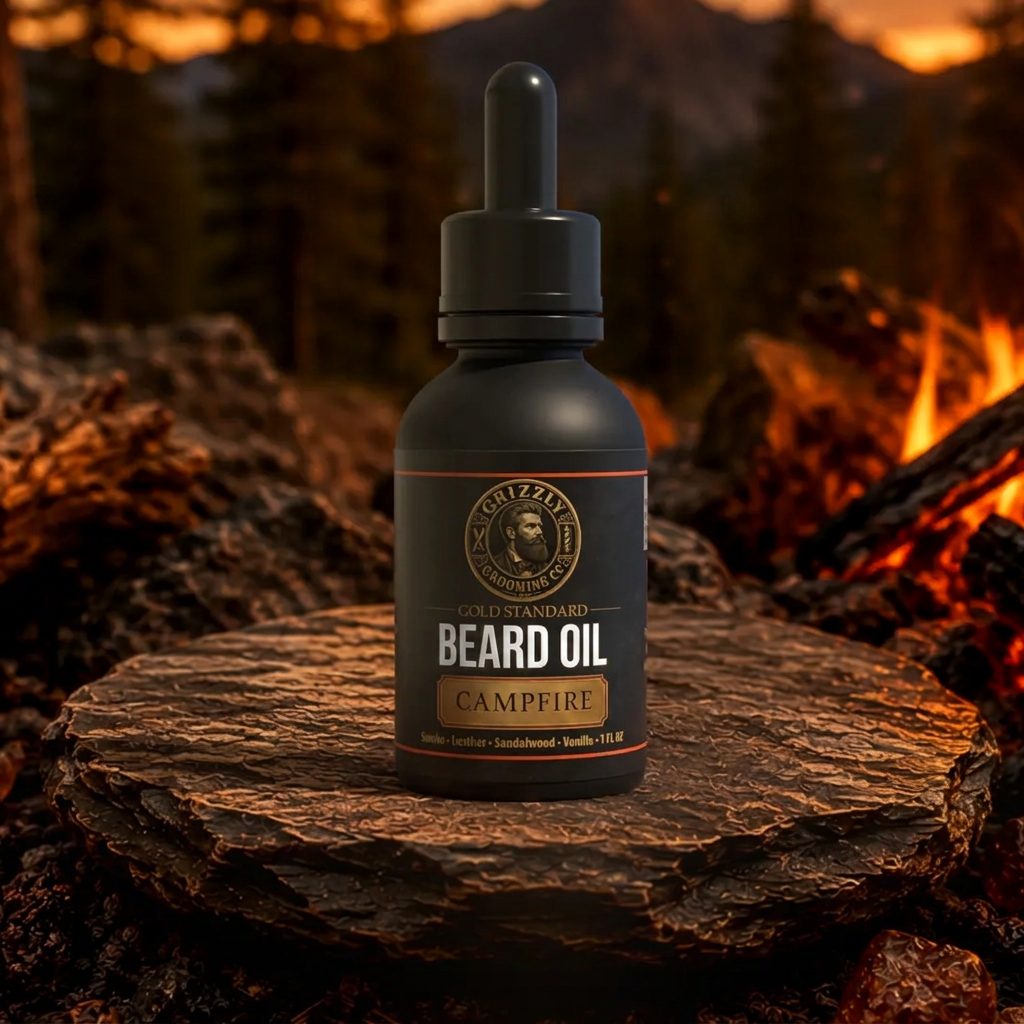
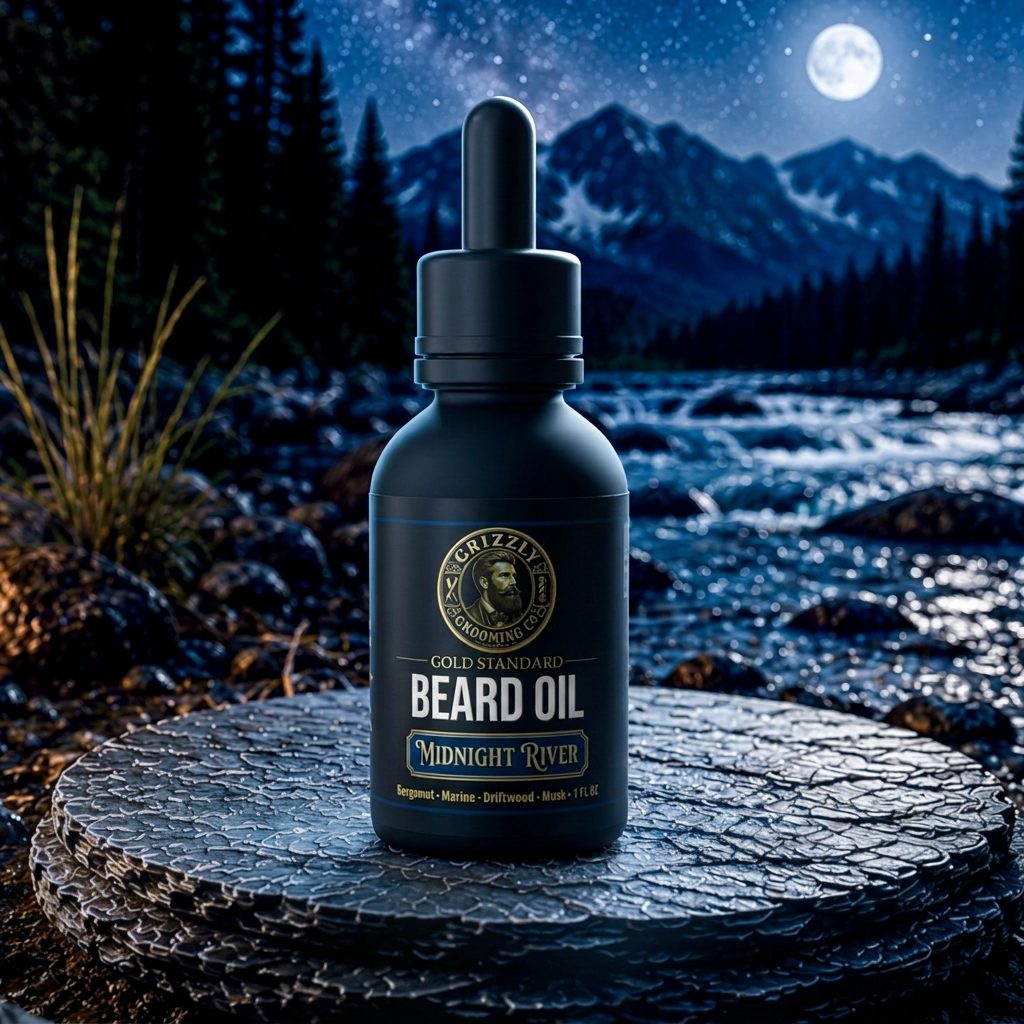
The standard mistake is applying product only to the visible surface of the beard. To correct this, you must prioritize sub-dermal hydration using a high-quality beard oil. A proper oil should contain carrier oils like Jojoba, which closely mimics human sebum, and Argan oil, which is rich in Vitamin E and fatty acids. The goal is to supplement what your body can no longer provide in sufficient quantities to both the skin and the growing hair.
The timing of application is critical for maximum absorption. The ideal window is immediately following a warm shower when the pores are slightly dilated and the skin is damp but not dripping wet. Use three to five drops for a beginner beard, warming the oil between your palms. Use your fingertips to work the oil through the hair, making firm contact with the skin. This ensures the oil reaches the foundation rather than simply coating the exterior of the hair strands.
For men with oily skin, this may seem counterintuitive, but adding clean, plant-based oils can actually help regulate your body's sebum production. If the skin is stripped of oil by harsh cleansers, it often overcompensates by producing excess grease, leading to acne. By providing a stable layer of Gold Standard Beard Oil, you signal to the sebaceous glands that the lipid barrier is intact, resulting in a more balanced complexion and a softer beard texture.
The Critical Role of pH-Balanced Cleansing
Most beginners continue using their standard bar soap or hair shampoo on their face, which is a significant tactical error. The scalp is one of the thickest areas of skin on the body and can withstand the aggressive surfactants like Sodium Lauryl Sulfate (SLS) found in mass-market shampoos. Facial skin, by contrast, is much thinner and more sensitive. Using these harsh detergents strips the skin of its entire acid mantle, the protective slightly acidic film that guards against bacteria.
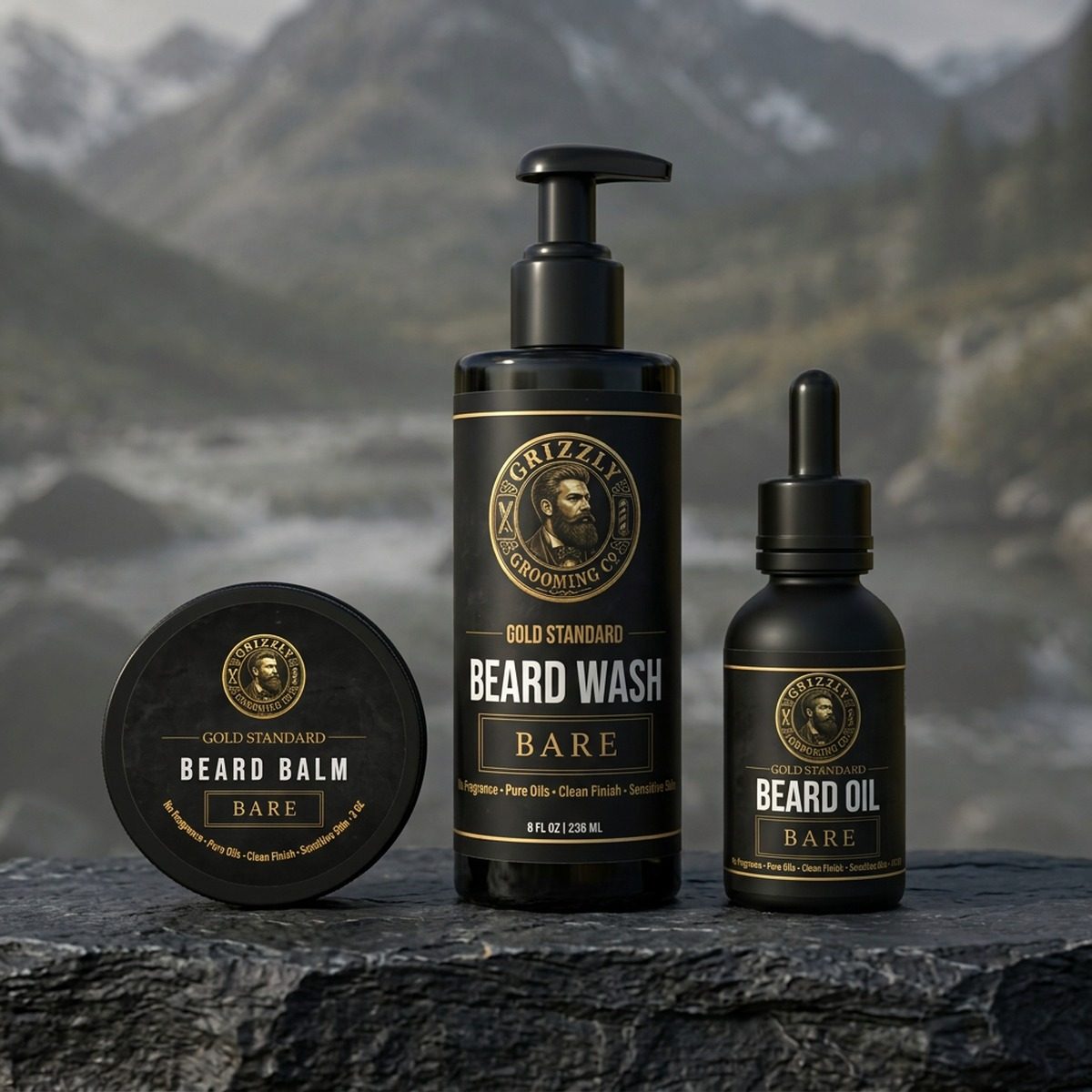
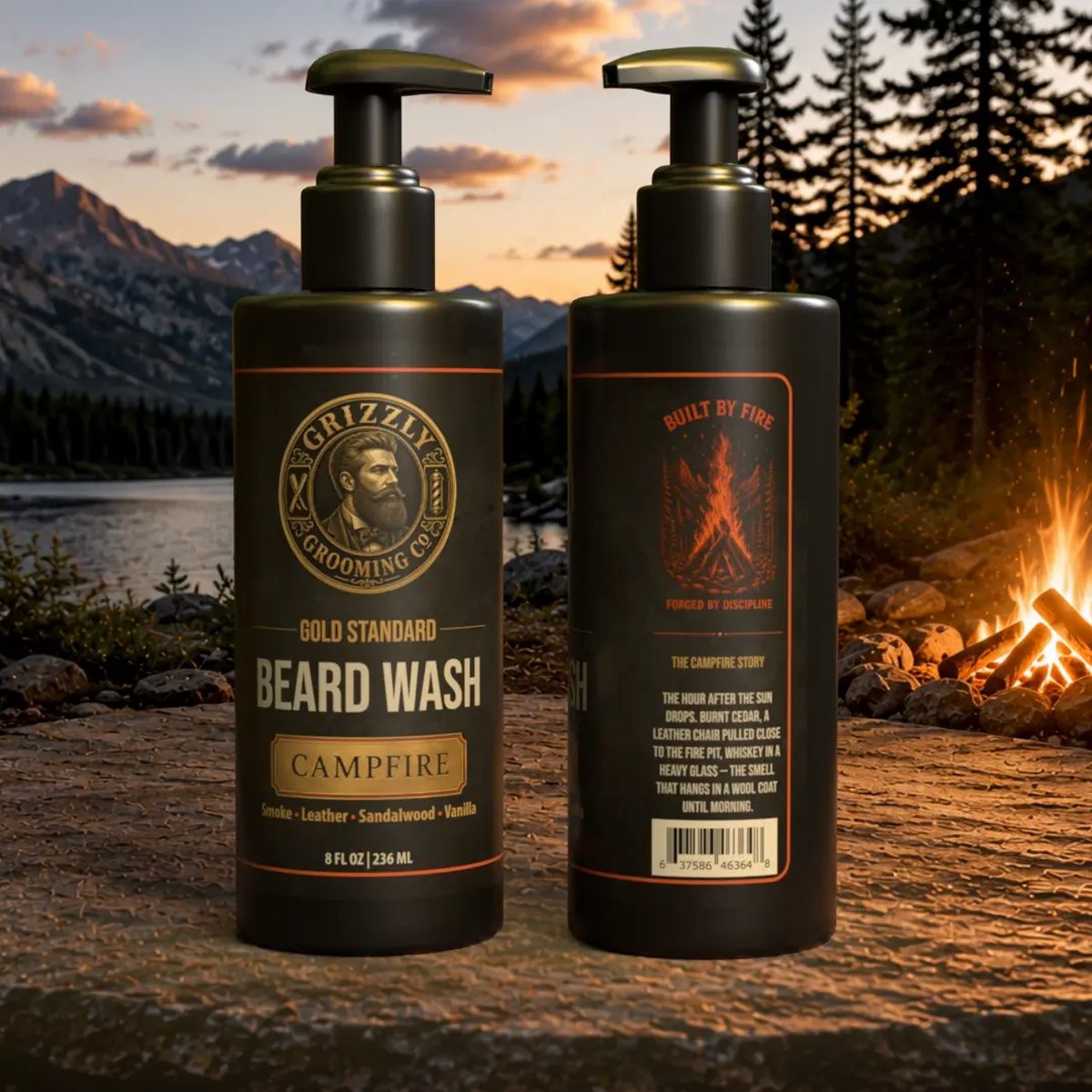
A dedicated beard wash is formulated with a lower pH and gentler surfactants that cleanse the hair without compromising the skin's integrity. When washing, use lukewarm water—roughly 98 to 105 degrees Fahrenheit. Water that is too hot will further dehydrate the skin, while cold water will fail to effectively dissolve the accumulated oils and debris trapped at the follicle base. Focus the wash on the skin, using circular motions to dislodge pollutants.
Frequency of washing should be dictated by skin type and activity level. Those with dry skin or those living in colder climates should limit washing to two or three times per week, using only water on the off-days to avoid over-stripping. Conversely, those with oily skin or high activity levels may require daily cleansing. Regardless of frequency, always follow a wash with a hydrating agent to immediately restore the moisture balance that the water and cleanser removed.
Mechanical Exfoliation and Follicle Management
The itch associated with a new beard is often exacerbated by ingrown hairs and the accumulation of dead skin. As hair grows, it can sometimes curl back into the skin, especially if the hair is coarse or curly. Regular mechanical exfoliation is the primary defense against this. A firm boar bristled brush is the industry standard for this task because the natural scales on the boar hair are effective at grabbing dust, skin cells, and loose hairs that a plastic comb would miss.
Brushing should be done once or twice daily, preferably after the beard oil has had a few minutes to absorb. The stiffness of the bristles serves to stimulate blood flow to the surface of the skin, which can theoretically improve the delivery of nutrients to the hair follicles. More importantly, it trains the hair to grow in a uniform direction, which is essential for managing a clean neckline and overall shape as the beard gains length.
Avoid over-brushing, as excessive friction can lead to cuticle damage and split ends. Use long, steady strokes from the cheek line down toward the neck. This process also serves to distribute the oils you applied more evenly along the entire hair shaft, ensuring that the tips—which are the oldest and driest part of the hair—receive the necessary nutrients to remain supple and prevent breakage.
Nocturnal Repair with Beard Butter
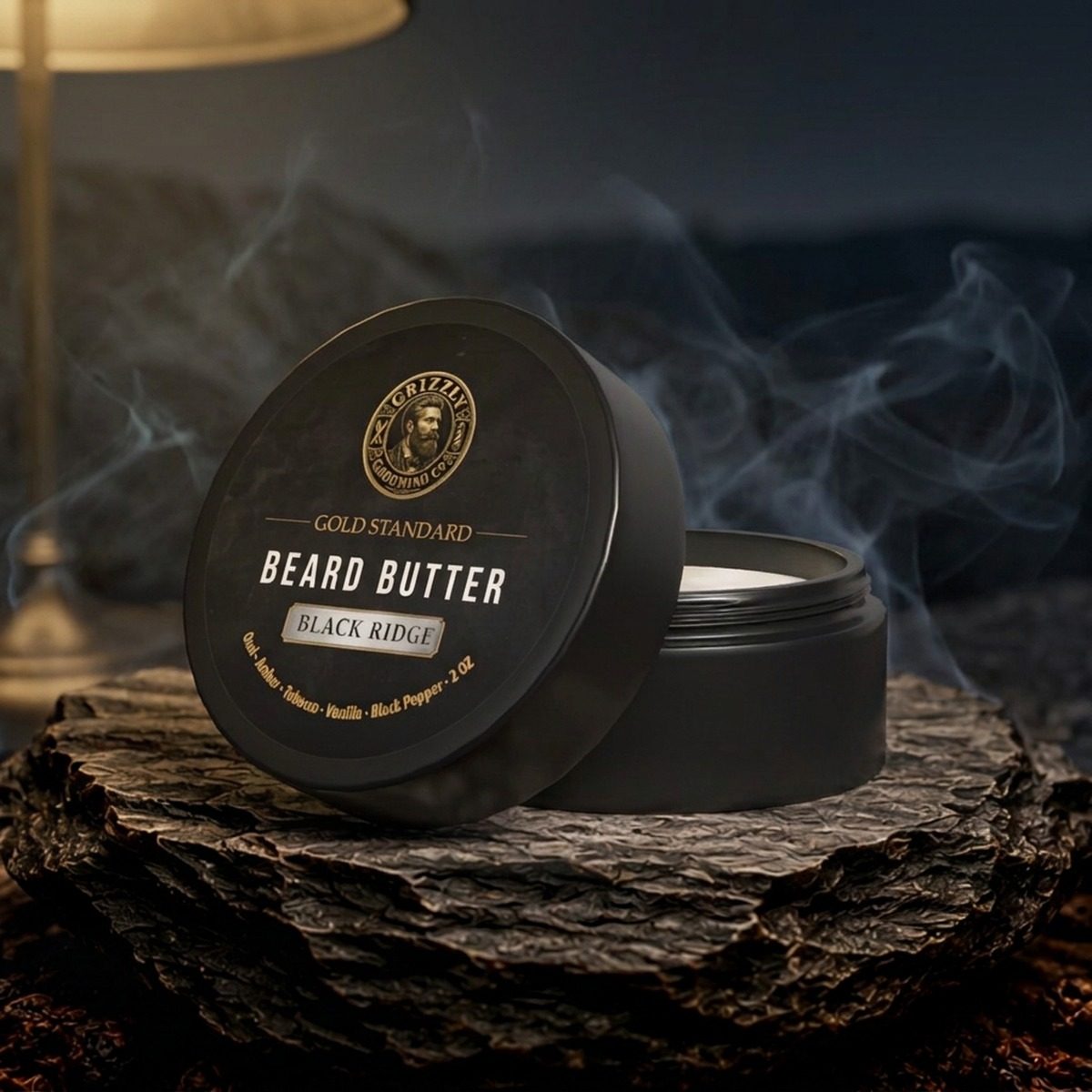
While beard oil is the primary tool for daytime skin health, beard butter serves as the heavy-duty restorative agent for the night. During sleep, your body enters a repair phase, but it also experiences trans-epidermal water loss. Standard oils may evaporate or rub off on your pillowcase within a few hours. A beard butter, characterized by its higher concentration of shea or mango butter, provides a thicker occlusive layer that locks in moisture for a longer duration.
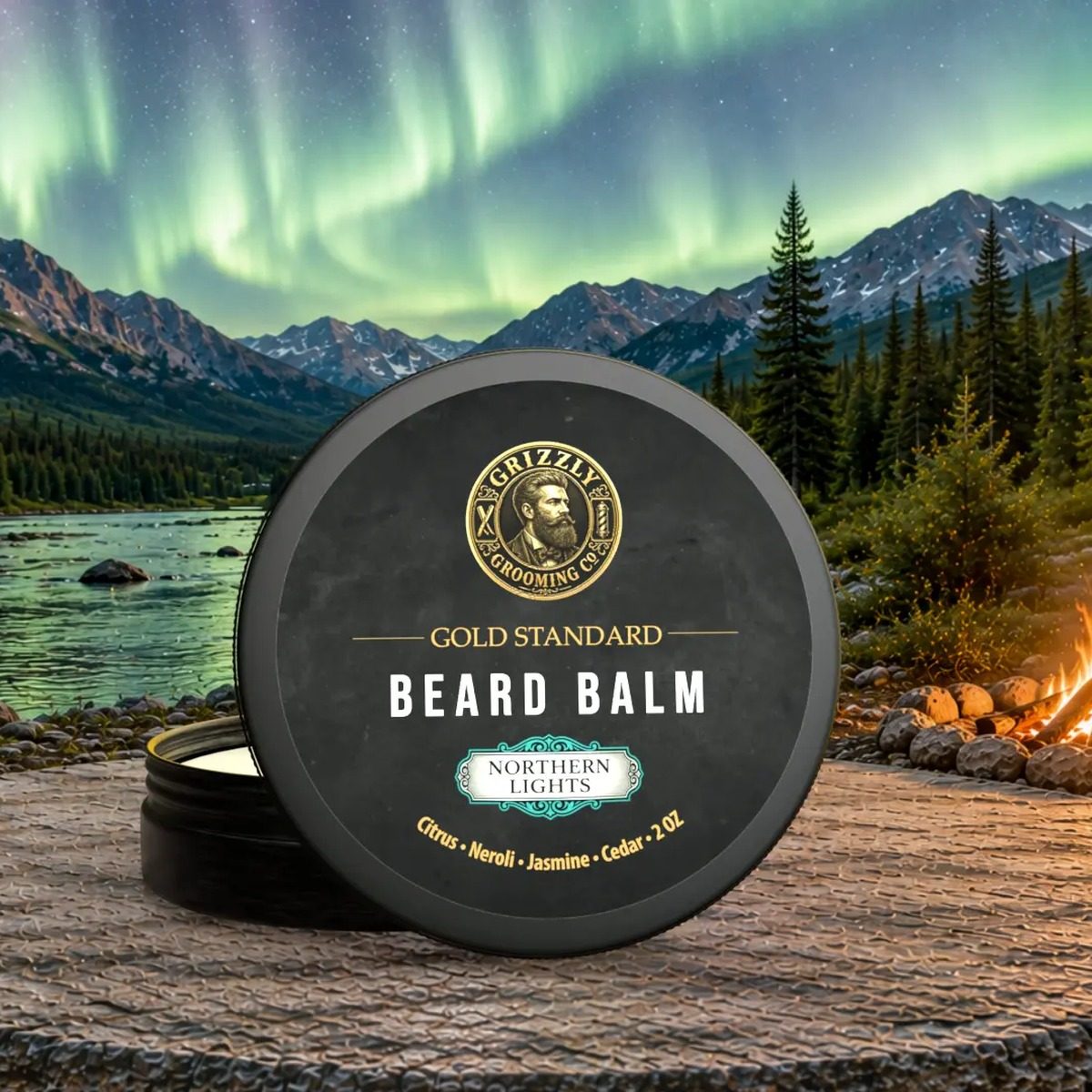
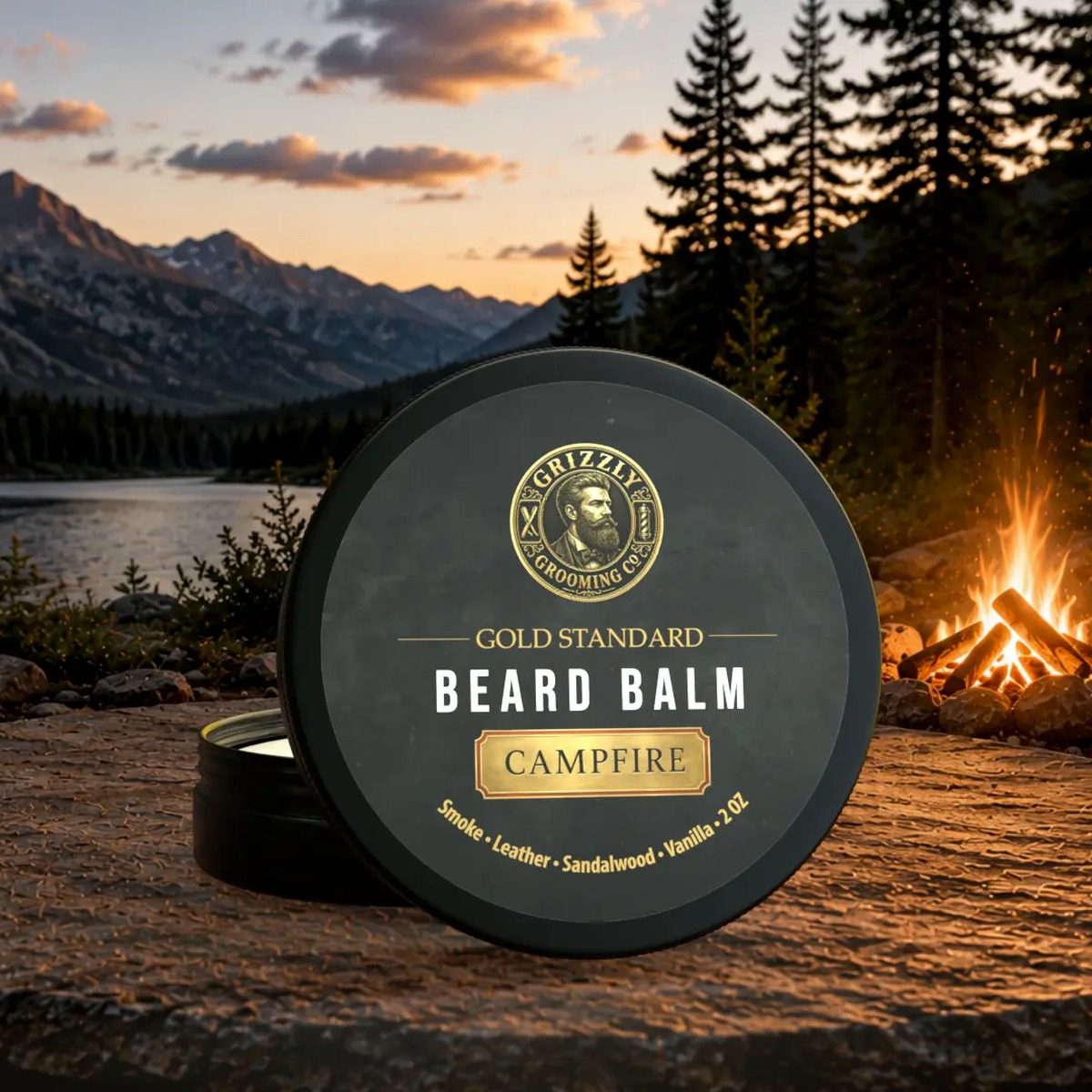
Application should occur about thirty minutes before bed to allow the product to set. Unlike balm, which contains beeswax for styling hold, beard butter is designed for deep conditioning. It penetrates the hair cortex to improve elasticity. This is especially important for beginners who find their beard feels 'crunchy' or stiff in the morning. A nightly application ensures the hair remains soft, reducing the abrasive friction against your own face and your partner's skin.
The transition from oil to butter is not an 'either-or' scenario but a functional cycle. During the day, the light absorption of oil keeps you comfortable without a greasy appearance. At night, the intensive conditioning of the butter prepares the beard for the next day's grooming. This 24-hour hydration cycle is the secret to bypassing the uncomfortable phases of growth that cause most men to shave prematurely.
Addressing Seasonal and Environmental Variables
Your grooming routine must be dynamic, adjusting to changes in the environment. In winter months, low humidity and indoor heating systems accelerate skin dehydration. During this time, you may need to increase the volume of beard oil used or switch to a heavier beard balm during the day to provide an extra layer of protection against the wind and cold. Winter care requires a more defensive approach to prevent the skin from becoming chapped.
In contrast, summer grooming focuses on breathability and UV protection. Sweat and sunscreen can clog pores more easily, necessitating more frequent use of a goat soap bar or specialized beard wash. If you spend time in chlorinated pools or salt water, it is vital to rinse the beard immediately and reapply oil, as both chlorine and salt are highly desiccating agents that can leave the hair brittle and prone to snapping.
Geographic location also plays a role. If you live in an area with 'hard' water—water with high mineral content—you may find that your products don't lather well and that your hair feels coated with a film. In these instances, a final rinse with filtered water or the use of a slightly more acidic conditioner can help neutralize the mineral buildup and restore the natural shine and softness of the facial hair.
Common Beginner Mistakes and Corrections
The most prevalent mistake is the 'over-grooming' of the neckline. Beginners often shave the neckline too high, following the jawline rather than the natural crease where the neck meets the head. This creates an awkward, floating appearance when the wearer speaks or moves. To correct this, find the point two fingers above the Adam's apple and draw a 'U' shape from that point to the back of the ears. This provides a full, masculine base for the beard.
Another frequent error is the premature use of a trimmer. Many men attempt to 'even out' their beard in the first three weeks, only to realize they have cut away the bulk needed for a specific style. A beard needs at least four to six weeks of uninterrupted growth before its true density and growth patterns are visible. During this time, focus exclusively on skin health and perimeter cleaning rather than length reduction.
Finally, many beginners neglect their tools. Using a dirty brush or a cheap plastic comb with jagged mold lines can cause micro-tears in the hair cuticle. Ensure you are cleaning your boar hair brush once a month with a small amount of beard wash and warm water. High-quality tools are an investment in the longevity of the beard; using inferior products will eventually lead to split ends and a frizzy, unkempt appearance that oil alone cannot fix.
Scaling Grooming Habits as the Beard Matures
As your beard moves past the two-inch mark, your needs will shift from purely dermal care to structural management. This is where beard balm becomes useful. Unlike oil, balm contains a small amount of wax which provides the 'hold' necessary to control flyaways and shape the beard to complement your face shape. For rounder faces, keeping the sides tight and the chin longer can help elongate the appearance of the jaw.
The volume of product will naturally increase. A long beard may require ten or more drops of oil and a dime-sized amount of balm. It is also the stage where you should introduce a professional barber into your routine. A barber can provide a proper shape-up that accounts for your hair's unique growth direction, which is often difficult to manage in a bathroom mirror. A professional trim every 4-6 weeks will actually help the beard look longer and cleaner by removing thin, damaged ends.
Integration of scent also becomes a consideration as the beard occupies more physical space. Choosing a cologne or solid cologne that complements the scent profile of your beard oil prevents an overwhelming olfactory clash. By maintaining a consistent scent profile across your goat soap, deodorant, and beard products, you create a cohesive grooming presence that is professional rather than chaotic.
Frequently Asked Questions
Why does my beard feel like sandpaper after I wash it?
This is typically caused by using hot water or harsh soaps that strip the hair of all natural lipids. To fix this, use lukewarm water and a dedicated beard wash, then immediately follow up with a beard conditioner or oil while the hair is still damp to lock in moisture.
Can I use beard oil and beard balm at the same time?
Yes, and for longer beards, it is recommended. Apply the oil first to hydrate the skin, then apply the balm to the surface of the hair to provide styling hold and a protective barrier against the elements.
How do I stop beardruff permanently?
Consistent exfoliation with a boar hair brush and daily application of beard oil to the skin are the most effective methods. If the flaking persists, it may be a sign of a fungal imbalance, which requires a medicated wash or a reduction in high-sugar diets.
Will beard oil make my face break out?
If you use a high-quality oil with non-comedogenic carrier oils like Jojoba, it should not clog your pores. In fact, it often helps clear acne by balancing your skin's natural oil production and providing anti-inflammatory benefits.
How often should I trim my beard while growing it out?
Avoid any significant trimming for the first 4-6 weeks. After that, only trim the 'flyaways' that stand out significantly from the main bulk, and clean up the neckline and cheek lines to keep the growth looking intentional.
Does beard butter replace the need for beard oil?
Not entirely. Oil is superior for daytime absorption and skin health, whereas butter is a deep conditioner best suited for nighttime use. Using both in a 24-hour cycle provides the most comprehensive care for the hair and skin.
What is the best way to clean a boar hair brush?
Use a comb to remove trapped hairs, then swirl the bristles in a bowl of warm water mixed with a small amount of beard wash. Rinse thoroughly and let it air dry with the bristles facing down to prevent water from damaging the wood handle.
Build your ritual in 60 seconds.
Answer four questions and get a custom regimen built around your beard and routine.
Start The Ritual Builder