Bridging the Gap: How to Grow a Mustache That Actually Connects
The gap between the mustache and the beard is a common anatomical challenge. While follicular density is governed by genetics, the transition from the philtrum to the cheek can be physically bridged through patience and specific mechanical grooming. Achieving a seamless connection requires an understanding of terminal hair maturation cycles and the precise application of structured products like Mustache Wax and Beard Oil to manipulate the direction and health of the hair.
- ›Commit to a minimum 12-week growth cycle to allow terminal hairs to reach sufficient length for overlap.
- ›Apply Mustache Wax daily to train hairs outward towards the cheek rather than downward over the lip.
- ›Use Beard Oil and Beard Butter to maintain skin elasticity and prevent breakage at the corners of the mouth.
- ›Avoid trimming the 'connector' hairs at the oral commissure until they reach at least one inch in length.
- ›Adjust your beard neckline and cheek line to reduce visual contrast if density is naturally lower at the connection point.
The Biology of the Connection Gap
The area at the corners of the mouth, known as the oral commissure, often has lower follicular density compared to the chin or the center of the mustache. This is largely due to the way testosterone and dihydrotestosterone (DHT) interact with follicles in different facial zones. Hair in this specific region typically matures later in life, meaning a man in his early twenties may lack the density that will naturally appear in his thirties.
Terminal hairs—the thick, pigmented hairs—have a growth rate of approximately 1.25 centimeters per month. However, the hairs required to bridge the gap must travel a greater distance across the skin than those growing directly above the lip. If you trim your mustache weekly to keep it off your lip, you are effectively resetting the bridge every seven days, preventing these hairs from ever reaching the cheek line.
Understanding the difference between vellus hair and terminal hair is critical. Vellus hair is fine, light, and soft, often appearing as 'peach fuzz' in the connection zone. While these hairs are present, they do not provide the visual weight needed for a connection. Providing a healthy environment with a Goat Soap Bar ensures these follicles aren't blocked by sebum, allowing them the best chance to eventually transition into thicker terminal hairs.
Mechanical Training with Mustache Wax
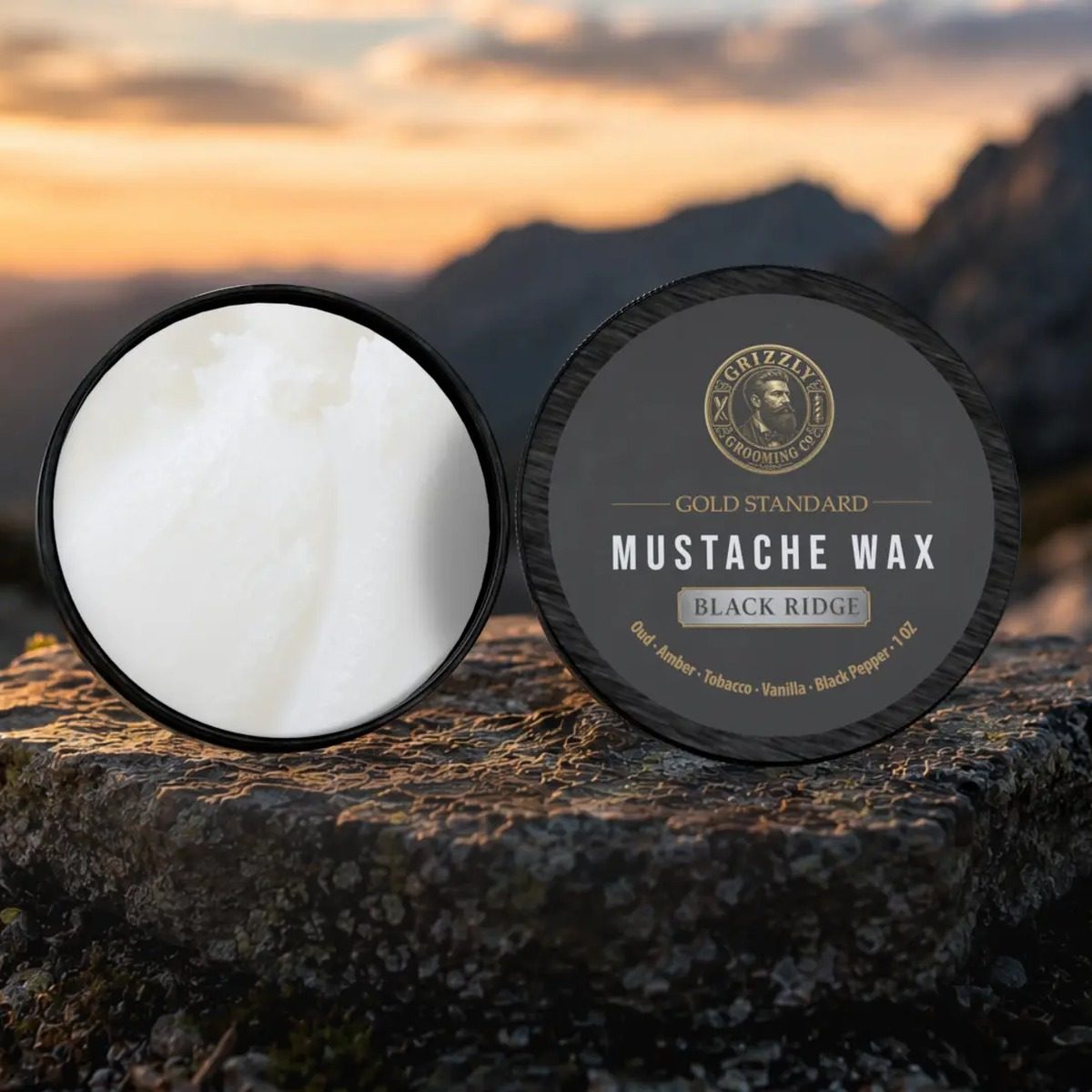
Training the hair is a matter of persistent mechanical force. When mustache hair grows, its natural tendency is to follow the downward slope of the lip. To bridge the gap, you must redirect this growth laterally. A firm Mustache Wax containing beeswax and lanolin provides the necessary hold to keep these hairs pointed toward the beard, eventually 'setting' the follicle's growth angle over several months.
The application process must be precise. Scrape a small, pea-sized amount of wax using the back of your thumbnail and warm it between your index finger and thumb until it reaches a clear, fluid consistency. Apply it starting from the center of the mustache (the philtrum) and work outward, using a fine-tooth comb to pull the hairs specifically toward the corners where the beard begins.
Temperature plays a vital role in this process. Applying wax to a cold mustache results in clumping and tugging, which can pull out the very hairs you are trying to grow. Use a blow dryer on a medium-heat setting for ten seconds after application to soften the wax further, then comb it into place. Switch to the cool setting for another ten seconds to 'lock' the hairs in their new outward-facing orientation.
Hydration Mechanics and Follicle Health
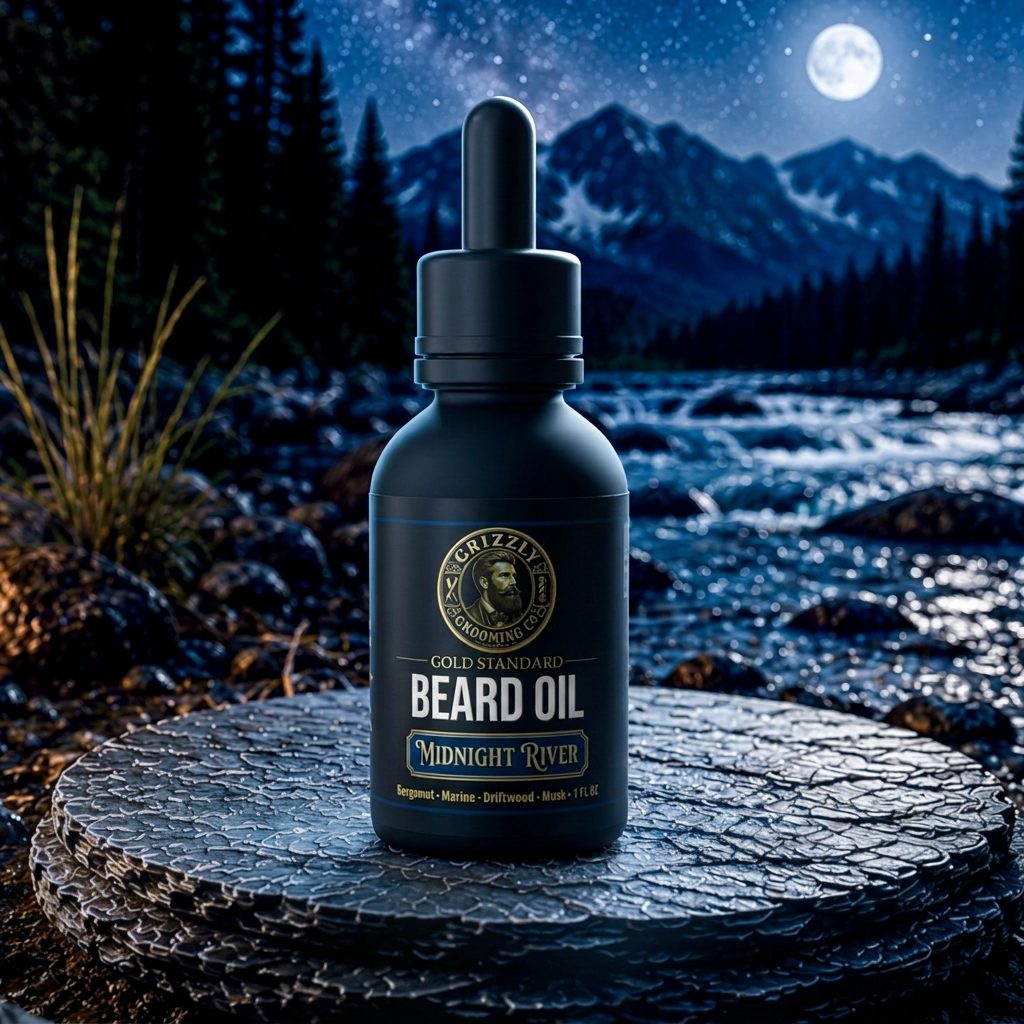
Dryness leads to brittleness, and brittle hair snaps before it can bridge a gap. The skin around the mouth is highly active due to talking and eating, which can strip away natural oils faster than on other parts of the face. Daily application of Gold Standard Beard Oil is essential to replace these lipids. Use 3 to 5 drops, focusing specifically on the corners of the mouth where the mustache meets the cheek.
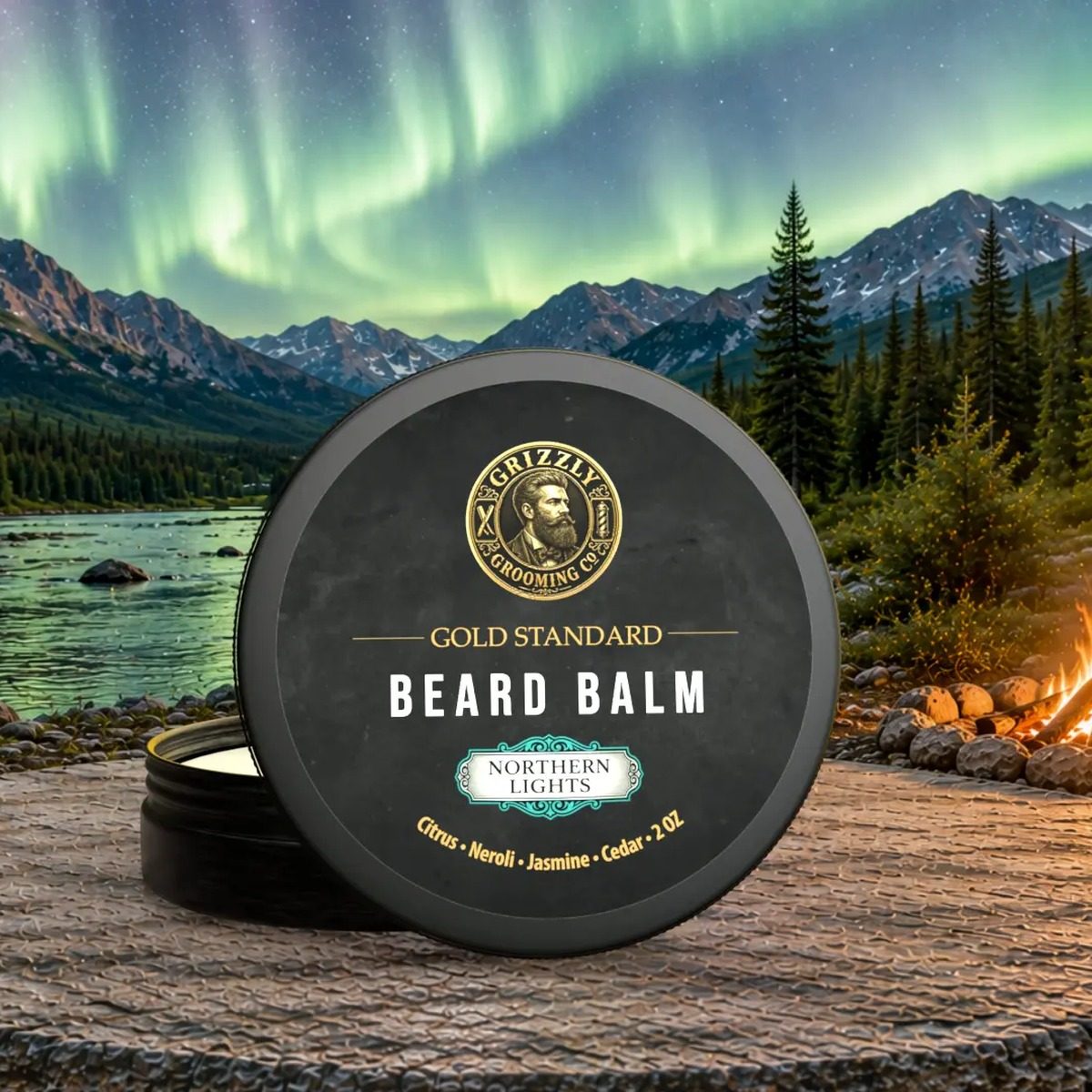
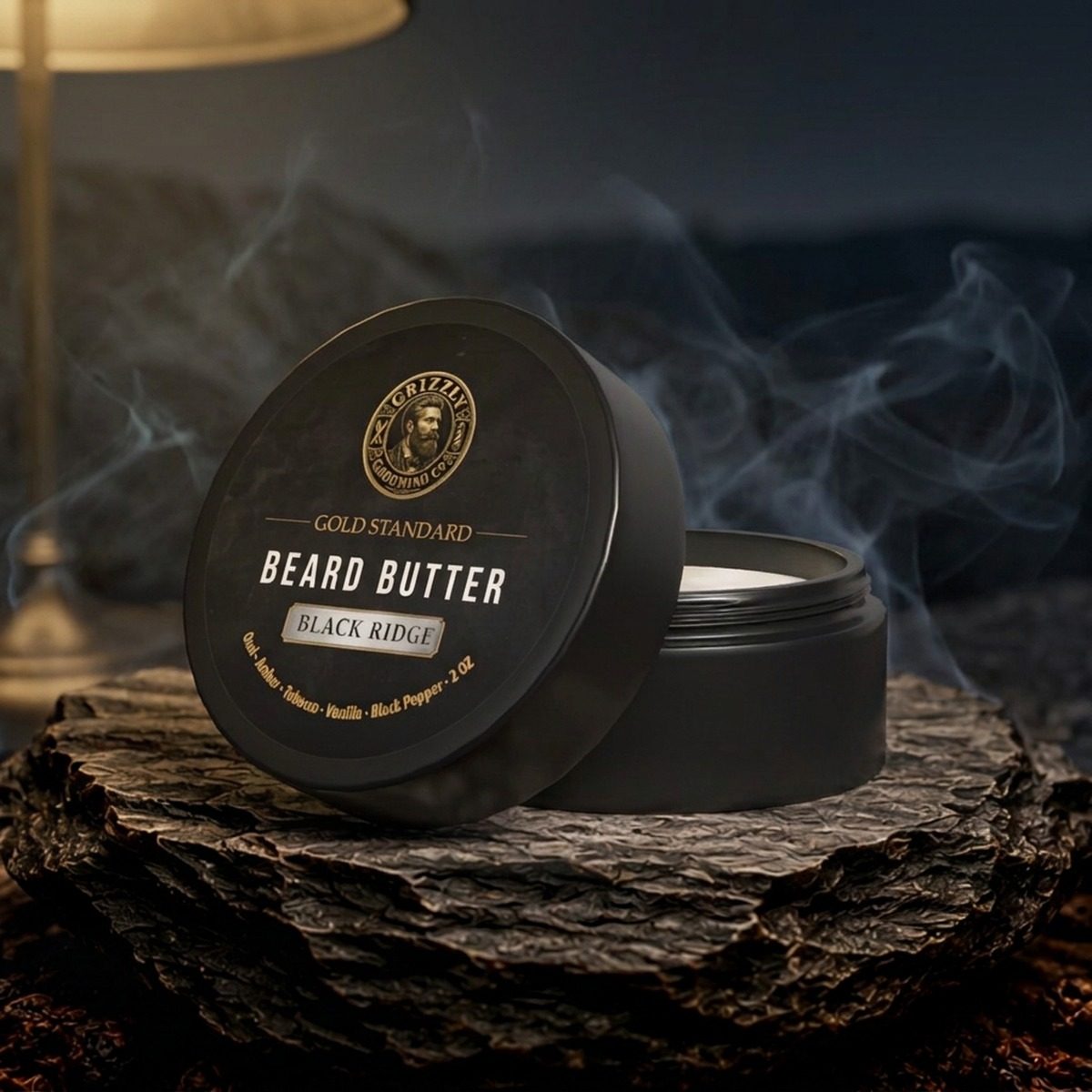
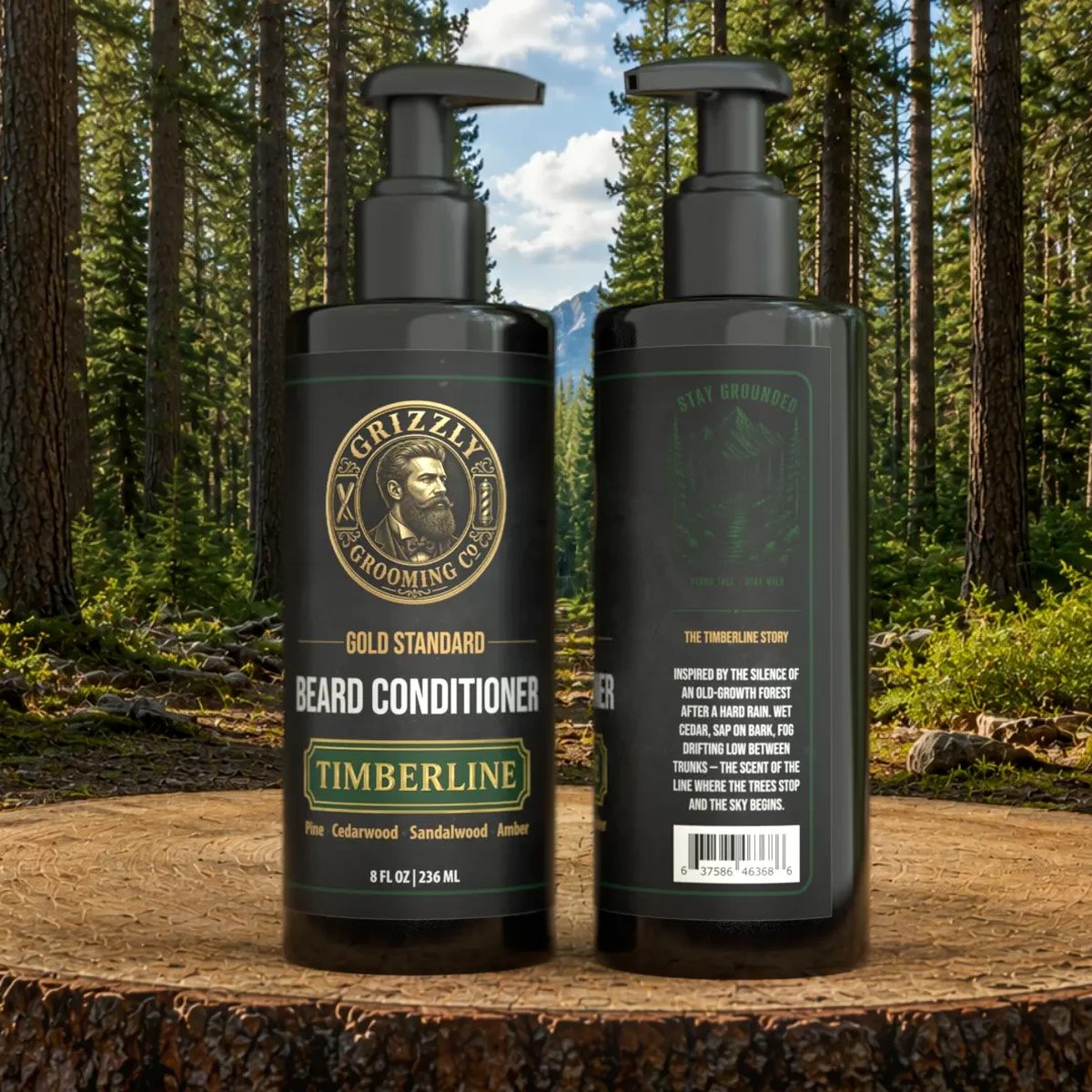
For deep conditioning, Beard Butter is superior to oil because of its high shea butter and cocoa butter content. These ingredients act as occlusives, sealing moisture into the hair shaft and the skin. Apply a generous amount of butter before sleep; this 8-hour window allows the nutrients to penetrate the cortex of the hair, increasing its diameter and making the connection look fuller.
Seasonal changes dictate your hydration strategy. During winter care, the drop in humidity can cause the skin to contract and the hair to become wiry. Increasing your use of Conditioner during your morning routine will help maintain the elasticity of the connector hairs, preventing the split ends that often make a mustache look sparse or unkempt at the edges.
Strategic Trimming and the Overlap Method
The 'Overlap Method' involves allowing the mustache hairs to grow long enough that they physically lay over the top of the beard hairs on the cheek. This creates the illusion of a solid connection even if the underlying skin has fewer follicles. To achieve this, you must stop trimming the outer third of your mustache for at least eight to twelve weeks.
When you do trim, use a pair of high-quality grooming scissors rather than electric trimmers. Scissors allow for the isolation of individual stray hairs without the risk of taking off too much bulk. Only trim the hairs that are hanging directly into your mouth, leaving the length at the corners untouched. This length is your raw material for building the bridge.
Maintaining a clean neckline and cheek line is also essential during this growth phase. By keeping the perimeter of the beard sharp, the eye is drawn to the intentionality of the style rather than the temporary patchiness of the connection. Use a single-blade razor for these lines to ensure the skin remains smooth and free of the irritation that can distract from your growth progress.
Addressing Common Growth Mistakes
The most frequent error is premature trimming. Many men see a gap at week four and assume it will never fill in, so they trim the mustache short. Because different hairs are in different phases of the anagen (growth) cycle, you must wait through at least two full cycles—roughly 90 days—to see the true density of your connection zone.
Another mistake is over-washing. Using harsh body soaps on the face strips the delicate oils needed for the mustache to stay supple. Switch to a dedicated Beard Wash, which is formulated with a lower pH to match facial skin. Over-washing leads to 'beardruff' in the connection area, where dead skin flakes can clog follicles and stunt the growth of new hairs.
Lastly, ignore the myth that shaving makes hair grow back thicker. Shaving simply cuts the hair at its thickest point (the base), making it feel coarse as it emerges. It does nothing to increase the number of follicles or the actual diameter of the hair. The only way to achieve a connection is to allow the hair to exist and mature undisturbed.
Dietary Support for Keratin Production
Hair is primarily composed of a protein called keratin. If your diet lacks the amino acids and micronutrients required for keratin synthesis, the fine hairs at the mustache connection will remain weak and translucent. Focus on consuming high-quality proteins and fats, which provide the building blocks for healthy hair structure.
Specific nutrients like Biotin (Vitamin B7), Zinc, and Vitamin D are crucial. Zinc, in particular, plays a role in hair tissue growth and repair; it also helps keep the oil glands around the follicles working correctly. While you should aim to get these from whole foods like eggs, nuts, and leafy greens, ensuring you aren't deficient is a baseline requirement for facial hair success.
Hydration is not just topical. Drinking adequate water ensures that the blood flow to the face is sufficient to deliver nutrients to the dermal papilla—the part of the follicle responsible for hair growth. Dehydration causes the hair to become dull and flat, which emphasizes gaps rather than concealing them.
Styling for Different Face Shapes
The way a mustache connects can significantly alter the perception of your face shape. For men with a square jaw, a thick, heavy connection can add to a rugged silhouette. However, if you have a narrower chin, a very thick mustache-to-beard bridge might overwhelm your features. In this case, keeping the mustache slightly more refined with Mustache Wax is preferred.
If you have a round face, creating a strong vertical connection can help elongate the appearance of the face. Use your comb to pull the connector hairs downward and then outward, creating a sharper angle at the jawline. This structural grooming helps define the transition from the lip to the beard, providing a more masculine frame.
For those with an oblong face, a horizontal connection is best. Training the mustache to grow wide toward the ears rather than down toward the chin helps add perceived width to the face. This is achieved by focusing your wax application on the 'wings' of the mustache, pulling them straight across the top of the beard line.
Pivoting When Genetics Prevail
Despite all efforts, some men will have a permanent genetic gap due to a lack of follicles in the 'bridge' zone. If after four to five months of uninterrupted growth and training there is no connection, it is time to pivot to a style that celebrates the separation. The 'Van Dyke' or a detached 'Handlebar' are classic, sophisticated options.
A detached mustache can look cleaner and more intentional than a thin, struggling connection. Use a high-hold Mustache Wax to style the mustache into a sharp Chevron or a curled Handlebar, and keep the beard on the chin and cheeks neatly trimmed. This creates a high-contrast look that suggests the gap is a deliberate stylistic choice.
If you choose to keep the beard, ensure the edges of the gap are symmetrical. Use a detail trimmer to clean the space between the mustache and the beard so the lines are crisp. A clean gap is a sign of a master groomer, whereas a messy, uneven gap looks like a growth error. Finish the look with a spray of Cologne to solidify your presence.
Frequently Asked Questions
How long should I wait before giving up on a mustache connection?
You should wait a minimum of 90 to 120 days. Many connector hairs are slow-growers or stay in the vellus stage longer, and they require several months of length to physically overlap the beard.
Does using beard balm help the connection more than oil?
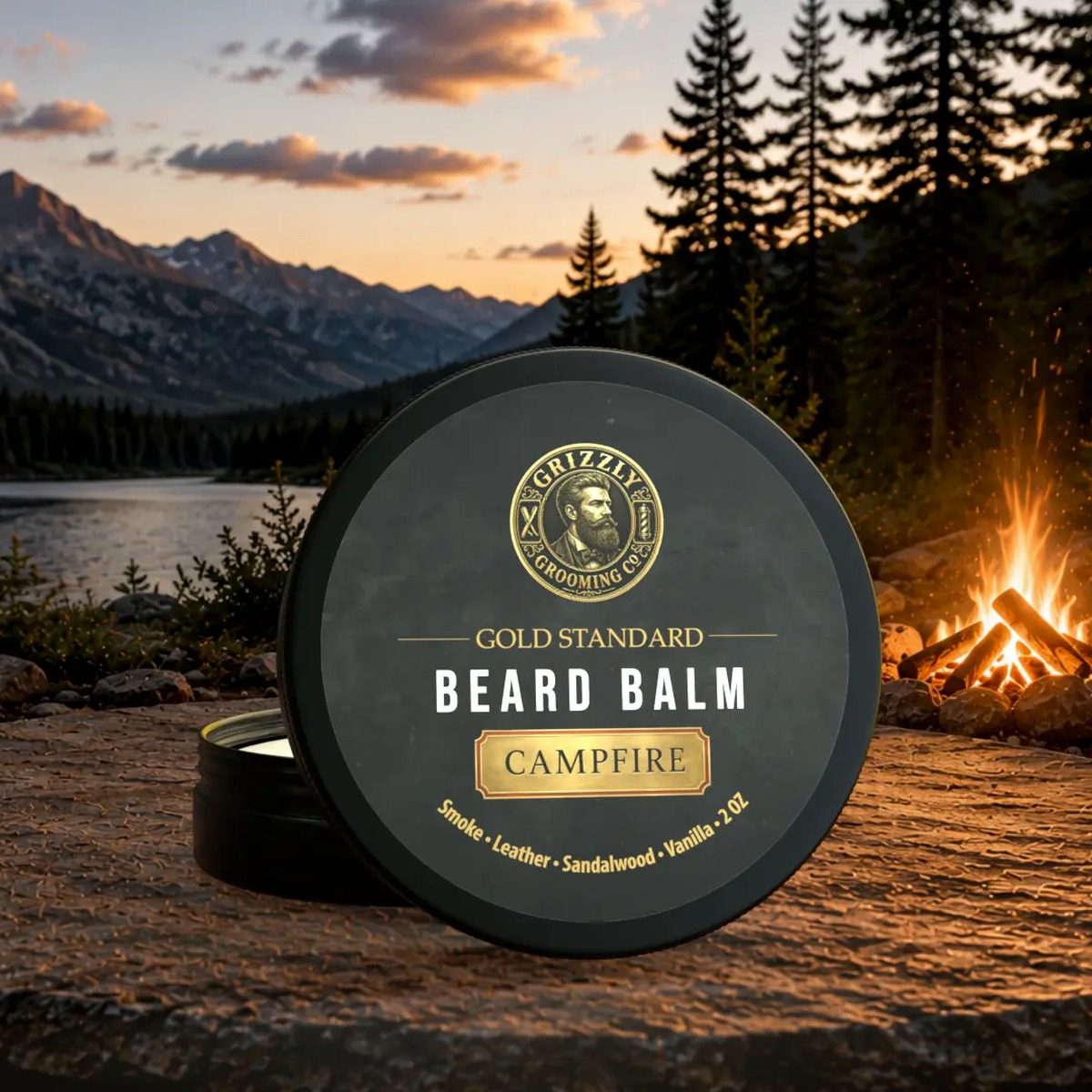
Beard Balm provides a light hold that helps keep wayward hairs in place, making it better for styling the connection than oil alone. However, for the strongest directional training, Mustache Wax is the superior choice.
Why is my mustache connecting on one side but not the other?
Facial hair is rarely perfectly symmetrical due to varying blood flow and sleeping habits. Ensure you are applying products evenly and try to avoid sleeping on one side of your face, which can crush follicles and impede growth.
Can I use hair gel to connect my mustache to my beard?
It is not recommended, as hair gel contains alcohols that dry out facial hair and can cause skin irritation. Stick to waxes and butters specifically formulated for the coarser texture of facial hair.
How often should I wash the connection area?
Wash the area 2-3 times a week with a dedicated Beard Wash. Daily rinsing with water is fine, but over-cleansing will strip the oils needed to keep the connector hairs from becoming brittle.
Will a derma roller help bridge the gap?
Microneedling can improve blood flow to the area, which may support follicle health. However, it cannot create follicles where none exist genetically; it only helps existing follicles perform at their peak.
Does smoking affect my mustache growth?
Smoking constricts blood vessels and reduces the delivery of oxygen and nutrients to the hair follicles. This can lead to slower growth and thinner hair, making it harder for the mustache to connect.
Build your ritual in 60 seconds.
Answer four questions and get a custom regimen built around your beard and routine.
Start The Ritual Builder