Beard Care After 40: Texture, Gray, and the Ritual That Keeps Up
Somewhere in your forties the beard you have had for a decade starts behaving like a stranger. Hairs that used to lie flat now stand up. Gray comes in with a wiry, glassy texture that takes product differently. The skin underneath gets drier and slower to recover. None of this means the beard is in decline — a mature beard is often the best one a man ever has, with more density from years of growth and a face that finally suits it. It just needs a different routine than the one that worked at twenty-eight.
- ›Gray hair has less pigment and a different cuticle structure — it is coarser, more porous, and needs heavier conditioning.
- ›Sebum output declines with age, so the beard gets less natural lubrication and needs oil daily rather than occasionally.
- ›Skin under the beard becomes thinner and drier after 40 — wash less, moisturize more, and drop sulfates entirely.
- ›Stray coarse hairs and 'wire' hairs are normal; snip individually rather than trimming the whole beard shorter.
- ›Yellowing on a gray beard is oxidation and product buildup, not the hair itself — see [keep gray beard from yellowing](/base-camp/keep-gray-beard-from-yellowing).
What Actually Changes in a Beard After 40
The first change is pigment. Melanocytes in the follicle gradually stop producing melanin, and the hair grows in without pigment. But pigment is not the only thing that changes — gray hair also tends to have a slightly different cuticle structure and a wider medulla, which makes it coarser, more porous, and springier than the pigmented hair beside it. That is why gray hairs stick out at odd angles.
The second is sebum. Sebaceous gland output peaks in the twenties and declines from there. Less sebum means less natural conditioning reaching the shaft and drier skin underneath, and it is the main reason a beard that never needed oil suddenly does.
The third is growth rate and cycle length. The active growth phase shortens with age, so hairs cycle out sooner and the maximum achievable length drops slightly. Density often holds or even improves, because new follicles continue to terminalize into the forties for some men.
The Adjusted Wash Routine
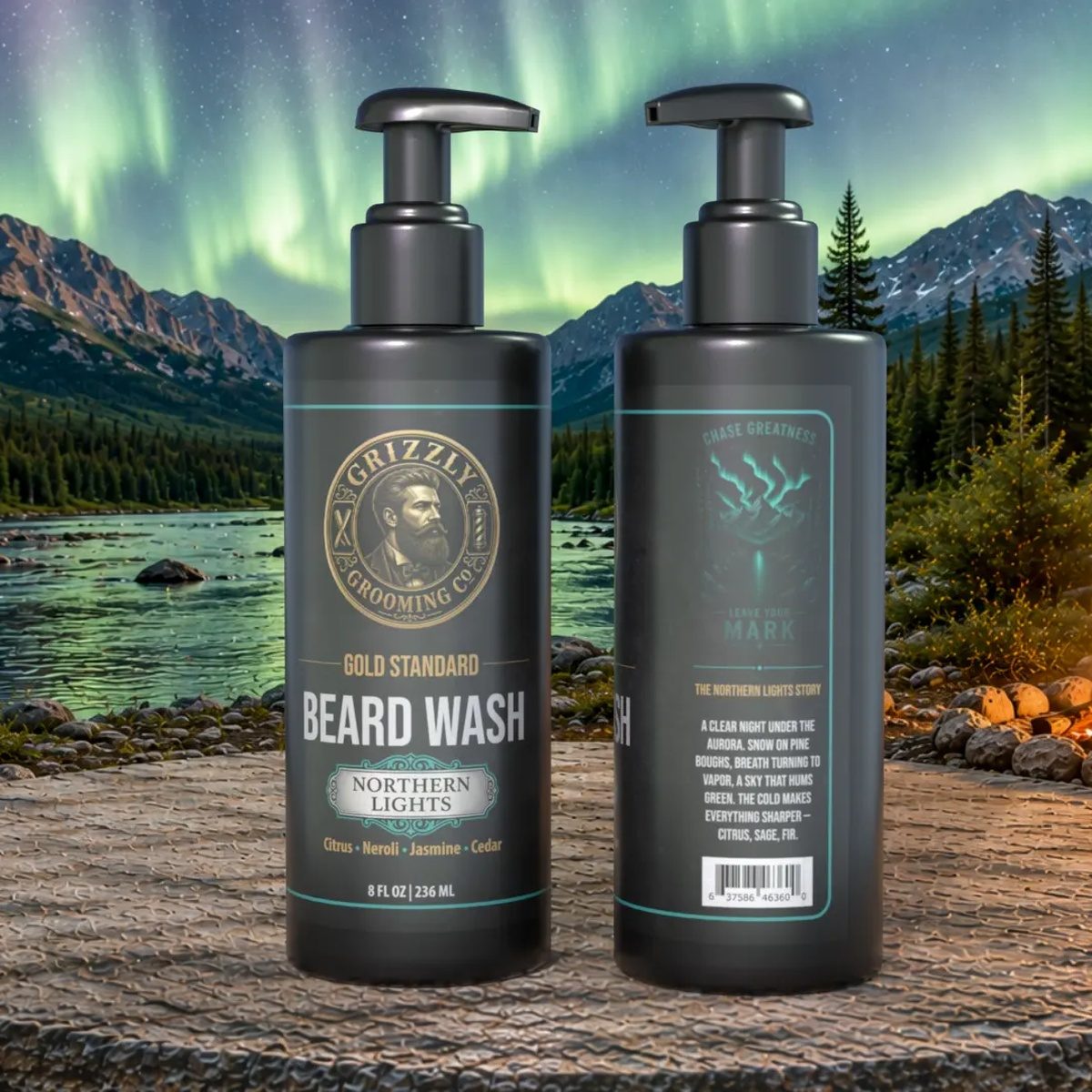
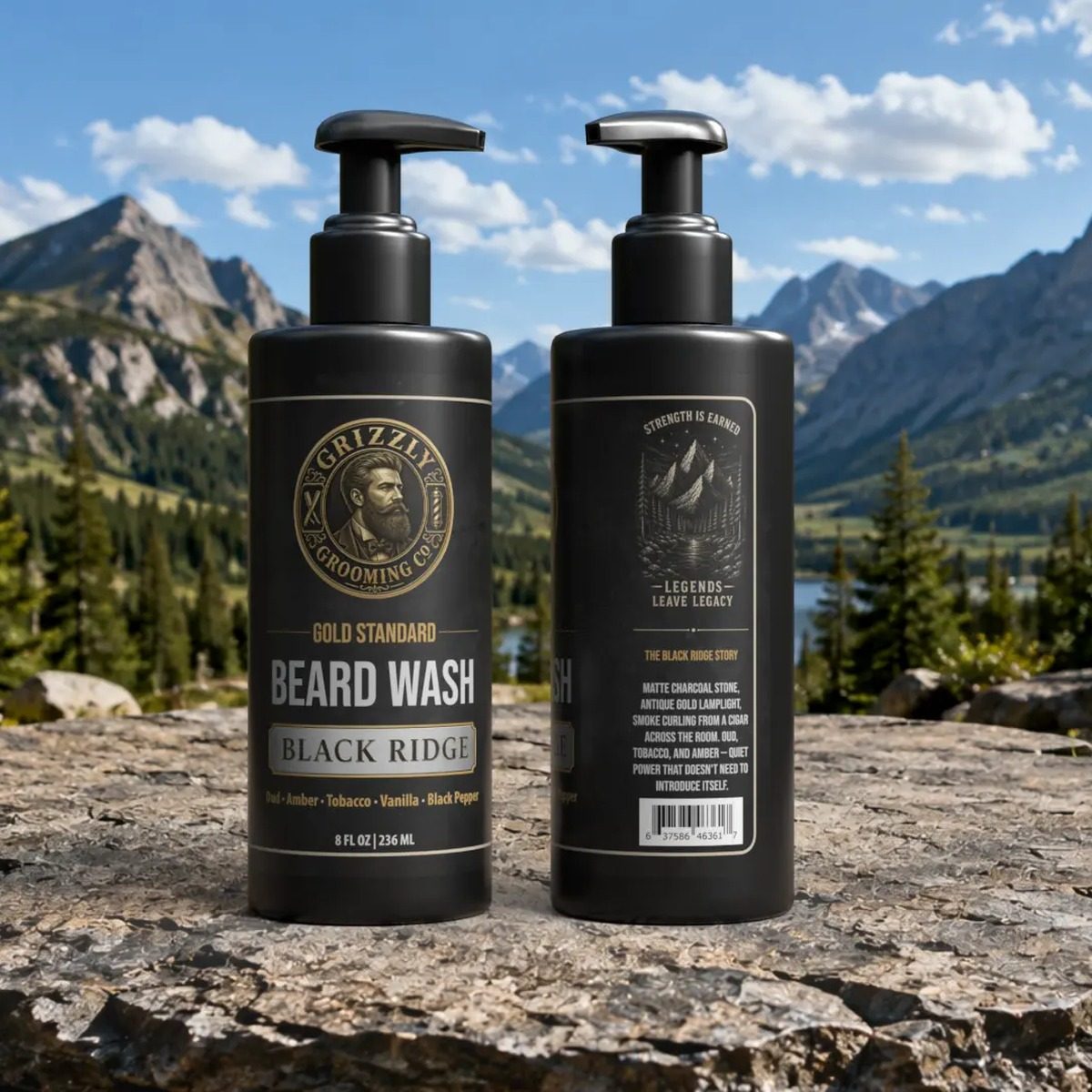
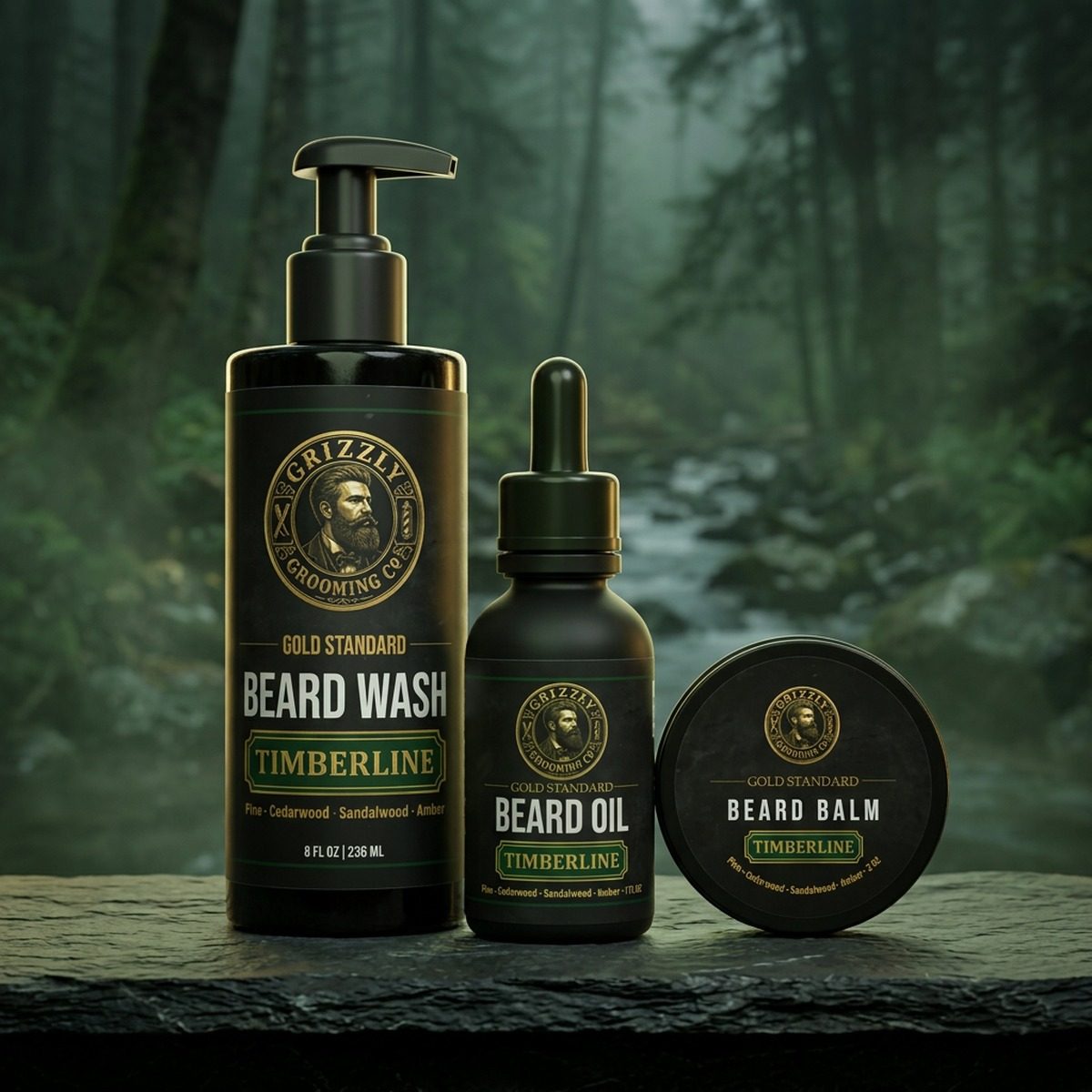
Drop to two washes a week, and make both of them sulfate-free. Older facial skin has a thinner lipid barrier and recovers more slowly from stripping, so the aggressive cleansing that a thirty-year-old tolerates leaves a fifty-year-old tight, flaky, and itchy. Our beard wash is built on a mild coconut-derived surfactant system for this reason.
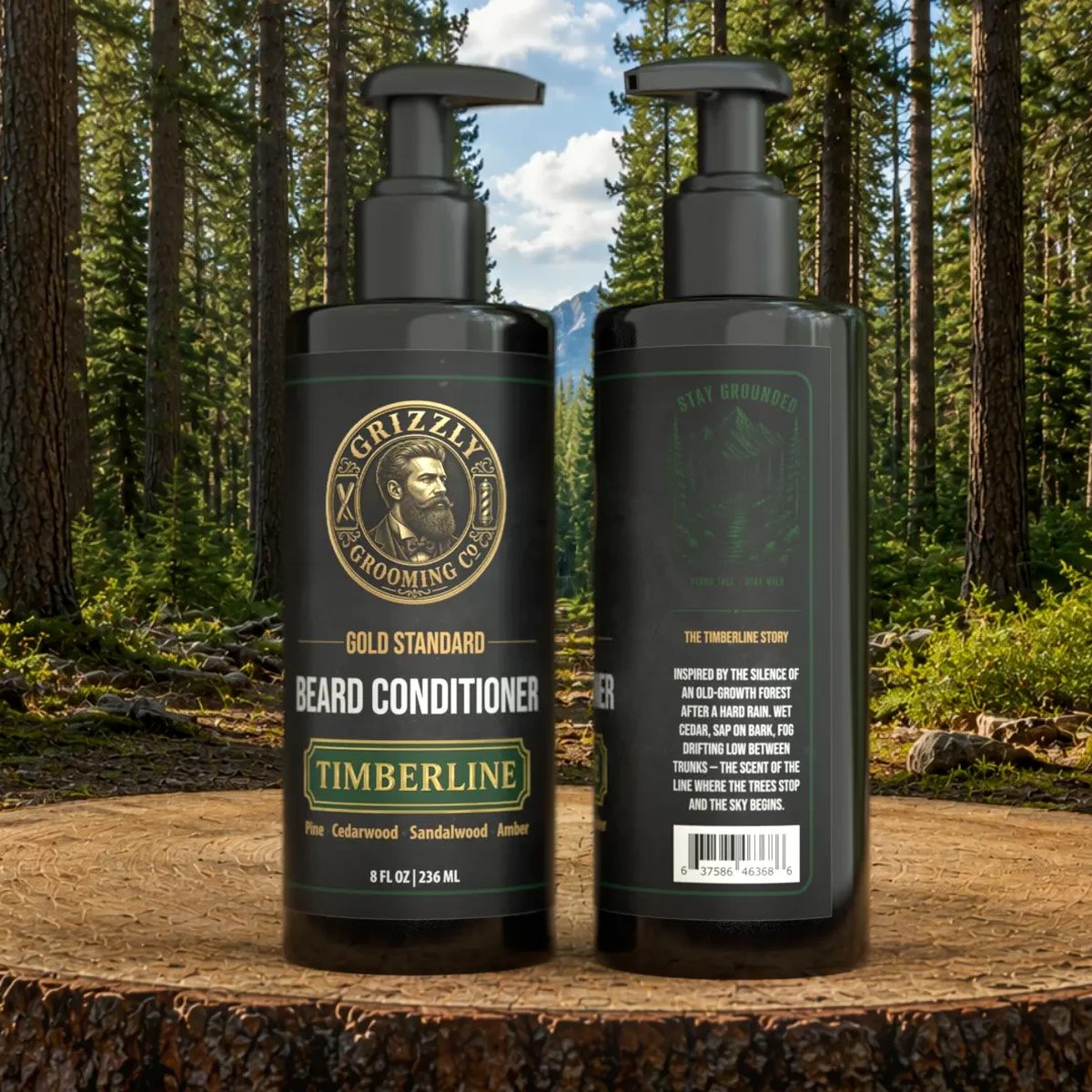
Condition at every wash without exception. Gray hair is more porous, meaning it takes water in fast and loses it fast, and beard conditioner is what closes the cuticle and slows that loss. Give it sixty seconds of contact time.
Finish with a cool rinse. It is the cheapest cuticle-sealing step available and it makes a visible difference on gray hair specifically, which reflects light differently depending on how flat the cuticle lies — a flat cuticle looks like silver, a lifted one looks dull and yellowish.
Oil, Butter, and the Weight Question
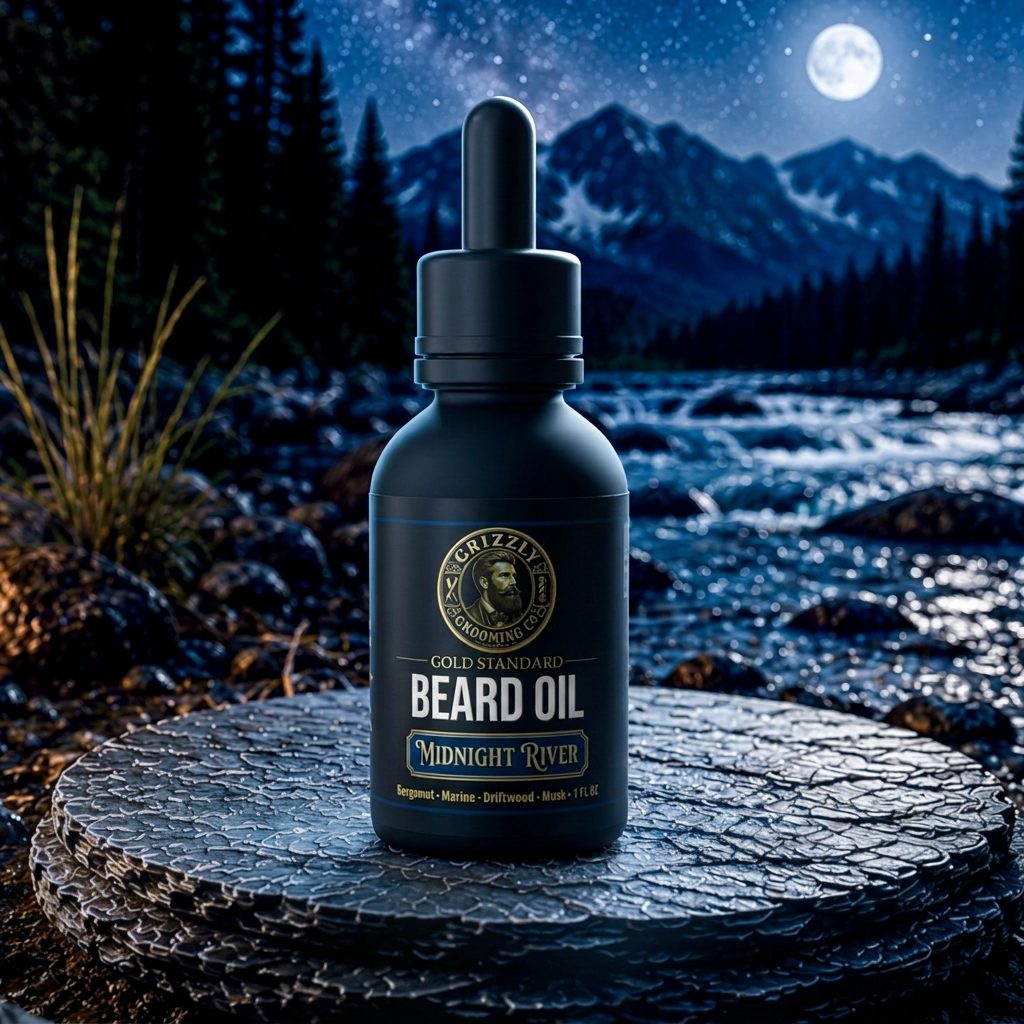
Daily oil becomes non-negotiable after 40, and the dose usually goes up rather than down. Apply to a damp beard — the water is the moisturizer and the oil is the seal. Six to eight drops for a medium beard, worked into the skin first and then out through the length.
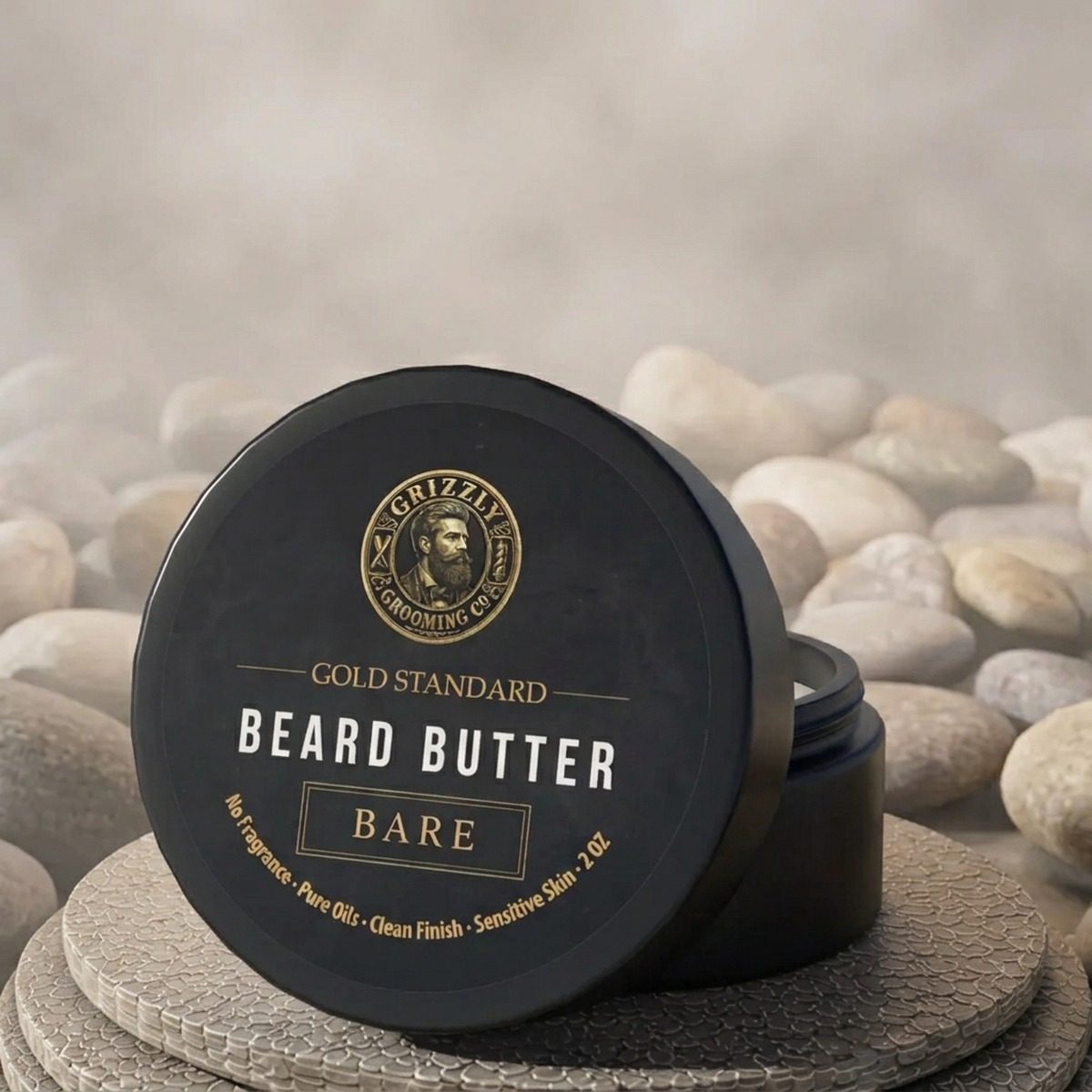
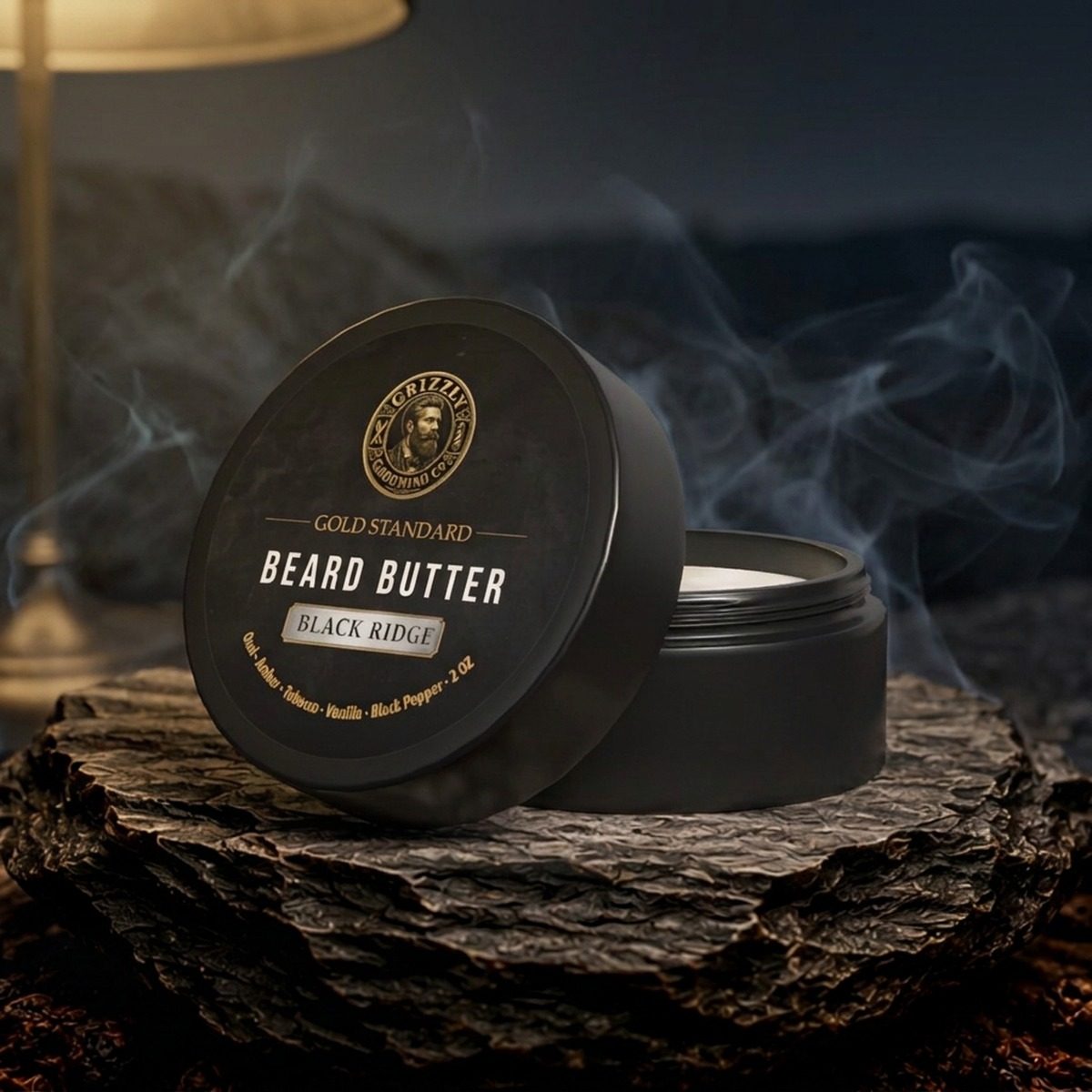
Add beard butter for the wiry texture. Shea and cocoa butter are heavier than oil and stay on the shaft longer, which is what a coarse gray hair needs to lie down. Many men find butter three mornings a week alongside daily oil is the right balance.
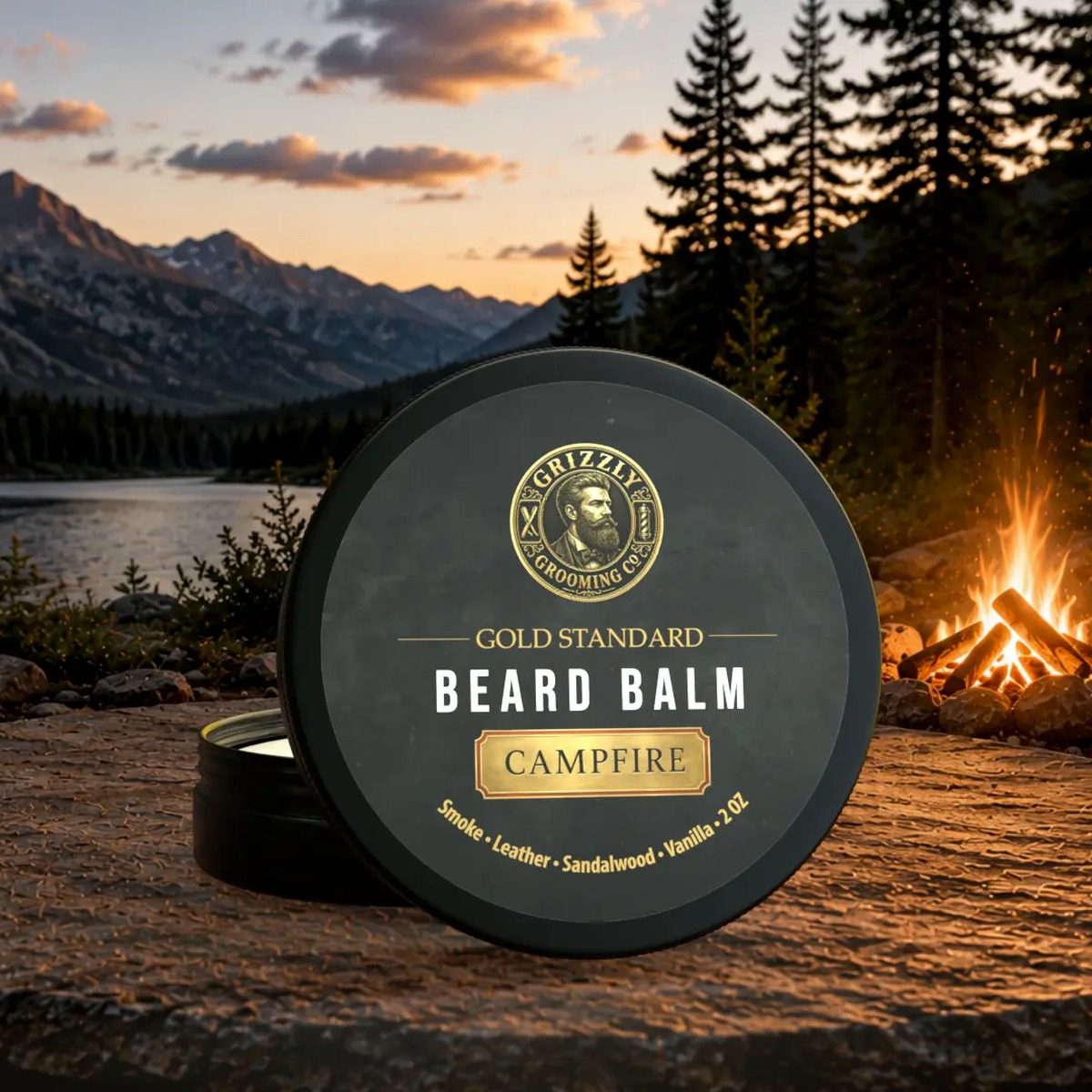
If gray hairs are standing up despite that, a small amount of beard balm worked over the surface after butter gives the hold to keep them in line. Warm it fully in the palms first.
Trimming a Mature Beard
Resist the instinct to trim the whole beard shorter because a few hairs are misbehaving. Wire hairs — thick, curly outliers, often on the cheeks or under the jaw — are individual, and the correct tool is a pair of beard scissors taken to them one at a time. Cutting the beard down to their level costs you the whole beard's length for the sake of six hairs.
Keep the neckline crisper than you did at thirty. As skin loses elasticity under the jaw, a soft or low neckline stops reading as rugged and starts reading as unkempt. A clean neckline two finger-widths above the Adam's apple sharpens the whole jaw visually.
Trim the mustache above the lip line religiously. Mustache hair coarsens and lengthens with age faster than the rest of the beard, and an overgrown lip line ages a face more than gray ever does.
Skin Under the Beard, and the Long Game
Facial skin after 40 is thinner, produces less sebum, and repairs slower. Under a beard it is also shielded from the air, which helps with moisture but makes it prone to flaking that gets read as beardruff. A light hand and body lotion on the cheeks and neck above the beard line, plus daily oil massaged into the skin under it, handles most of this.
Sun protection matters more than it used to. A beard blocks a meaningful amount of UV on the skin it covers, but the cheeks above the line, the ears, and the neck are exposed and are common sites for sun damage in older men. Daily SPF above the beard line is a five-second habit with decades of payoff.
Finally, own the gray. Dyeing a beard is a maintenance treadmill — roots show within ten days on facial hair and the color oxidizes to an unnatural orange in sunlight. A well-conditioned, well-shaped silver beard reads as deliberate in a way a dyed one rarely does. If you do want to explore it, read beard coloring guide for men first.
Frequently Asked Questions
Why does my beard feel coarser as I get older?
Two reasons: gray hairs have a different cuticle structure and wider medulla, making them stiffer, and declining sebum output means less natural lubrication reaches the shaft. Daily oil on a damp beard plus regular conditioning addresses both.
Does gray beard hair need different products?
It needs heavier ones. Gray hair is more porous, so it absorbs and loses moisture faster. Use conditioner at every wash and add beard butter for weight; a purple-toned or clarifying wash occasionally counteracts yellowing.
Should I dye my gray beard?
You can, but be aware it is high maintenance — facial hair roots show within about ten days, and many dyes oxidize toward orange in sunlight on gray hair. A well-conditioned silver beard is usually the better-looking option.
Can you still grow a beard after 50?
Yes. Some follicles continue terminalizing into the forties and fifties, and many men report their densest beard in that decade. What shortens is the maximum length, because the active growth phase gets shorter with age.
Why do I get single wiry hairs sticking out?
They are individual hairs with a different growth angle and coarser structure, often gray. Snip them individually with beard scissors rather than trimming the whole beard down to their level.
How often should a man over 40 wash his beard?
Twice a week with a sulfate-free wash, with warm rinses in between. Older facial skin has a thinner lipid barrier and recovers slowly from stripping, so less frequent washing with better conditioning is the right trade.
Build your ritual in 60 seconds.
Answer four questions and get a custom regimen built around your beard and routine.
Start The Ritual Builder