Beard Butter vs Beard Balm: Understanding Texture and Hold for Growth
Distinguishing between beard butter and beard balm is a requirement for any man serious about maintaining facial hair beyond the two-month mark. While both products appear similar in the jar, their chemical structures and intended outcomes are diametrically opposed. A beard balm is a structural tool, utilizing beeswax to provide a medium hold and environmental protection. Beard butter, by contrast, is a restorative treatment designed for deep absorption and softening the hair cuticle. Understanding the specific utility of each—and how they interact with the skin's natural sebum production—is the difference between a beard that grows with purpose and one that becomes a brittle liability.
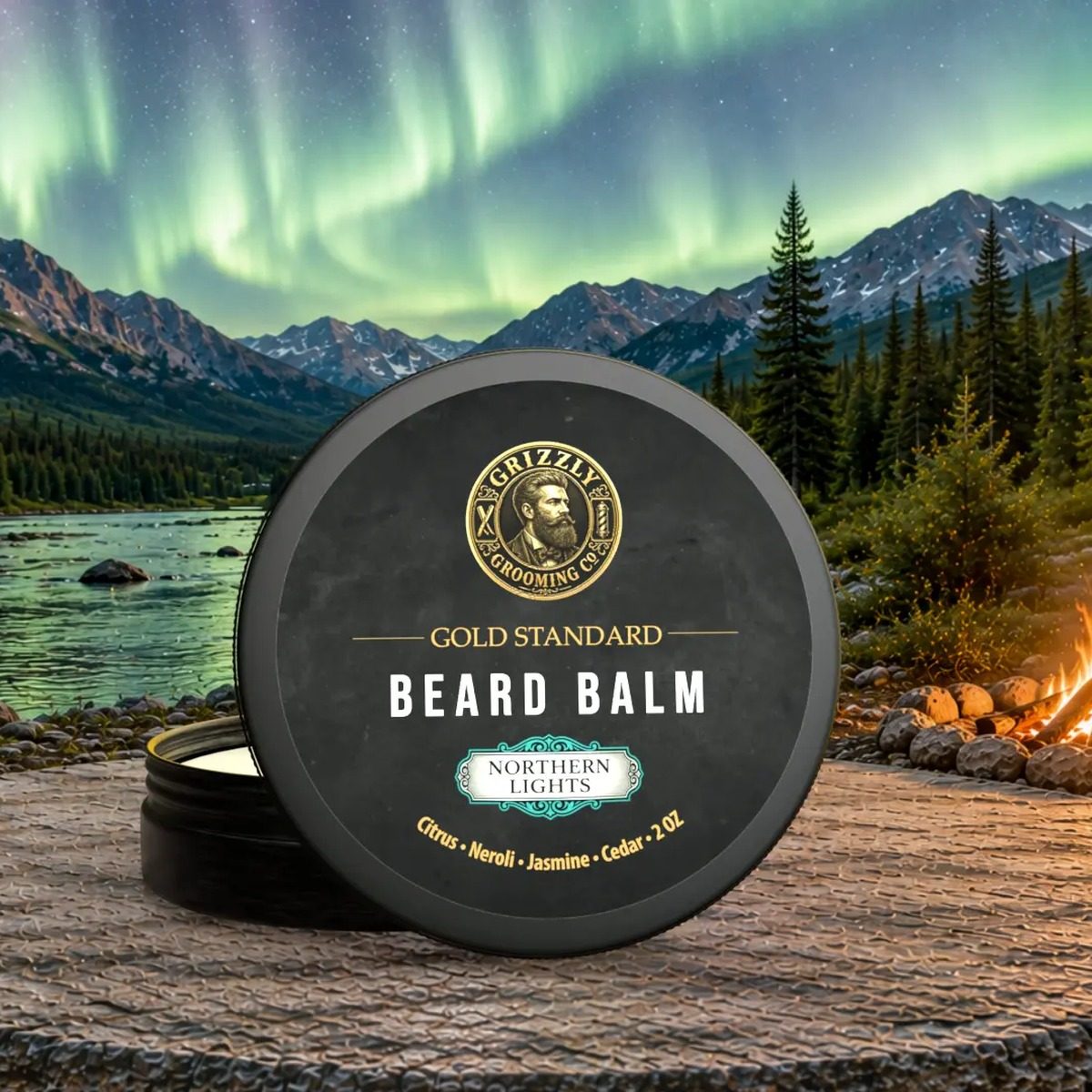
- ›Beard balm contains beeswax to provide structural hold and a protective barrier against environmental damage.
- ›Beard butter is wax-free and focuses on internal hydration, making it ideal for overnight recovery.
- ›Use balm in the morning to tame flyaways and maintain a defined silhouette throughout the day.
- ›Apply butter in the evening to eliminate beard itch and prevent split ends through intense softening.
- ›Both products perform best when applied to slightly damp hair immediately following a dedicated beard wash.
- ›A boar hair brush is essential for distributing both products evenly through the beard's density.
The Molecular Composition: Wax Ratios and Absorption Rates
The fundamental difference between these two products is the presence of cera alba, or beeswax. In a premium beard balm, beeswax acts as a structural lattice. It remains on the surface of the hair shaft, creating a thin, flexible film that provides tension. This tension is what allows a man to direct the hair, covering patches or slimming the profile of the face. The inclusion of carrier oils like jojoba and sweet almond provides some slip, but the wax is the primary functional ingredient for daytime wear.
Beard butter eliminates the wax in favor of higher concentrations of vegetable fats, specifically butyrospermum parkii (shea butter) and mangifera indica (mango seed butter). Because these fats have a lower melting point—roughly 90 to 95 degrees Fahrenheit—they transition from a solid to a liquid almost instantly upon contact with human skin. This allows the nutrients to penetrate the hair cuticle rather than sitting on top of it, reaching the cortex of the hair to improve elasticity.
When you analyze the absorption rates, beard butter is significantly faster. It leaves a matte or low-sheen finish because the oils are absorbed by the hair and the underlying dermis. Beard balm, due to its wax content, has a slower absorption rate and a higher refractive index, which results in the characteristic healthy sheen often associated with professional grooming. Choosing between them requires an assessment of whether your hair needs internal moisture or external management.
Temperature also plays a role in how these products behave. In colder climates, the wax in a balm can become stiffer, providing even more hold but requiring more effort to emulsify in the palms. Conversely, in high heat, beard butter may feel lighter and less greasy than a wax-based product, as it does not trap heat against the skin. Understanding these thermal properties allows for better product selection based on the current season or your local environment.
Styling and Structural Control with Beard Balm
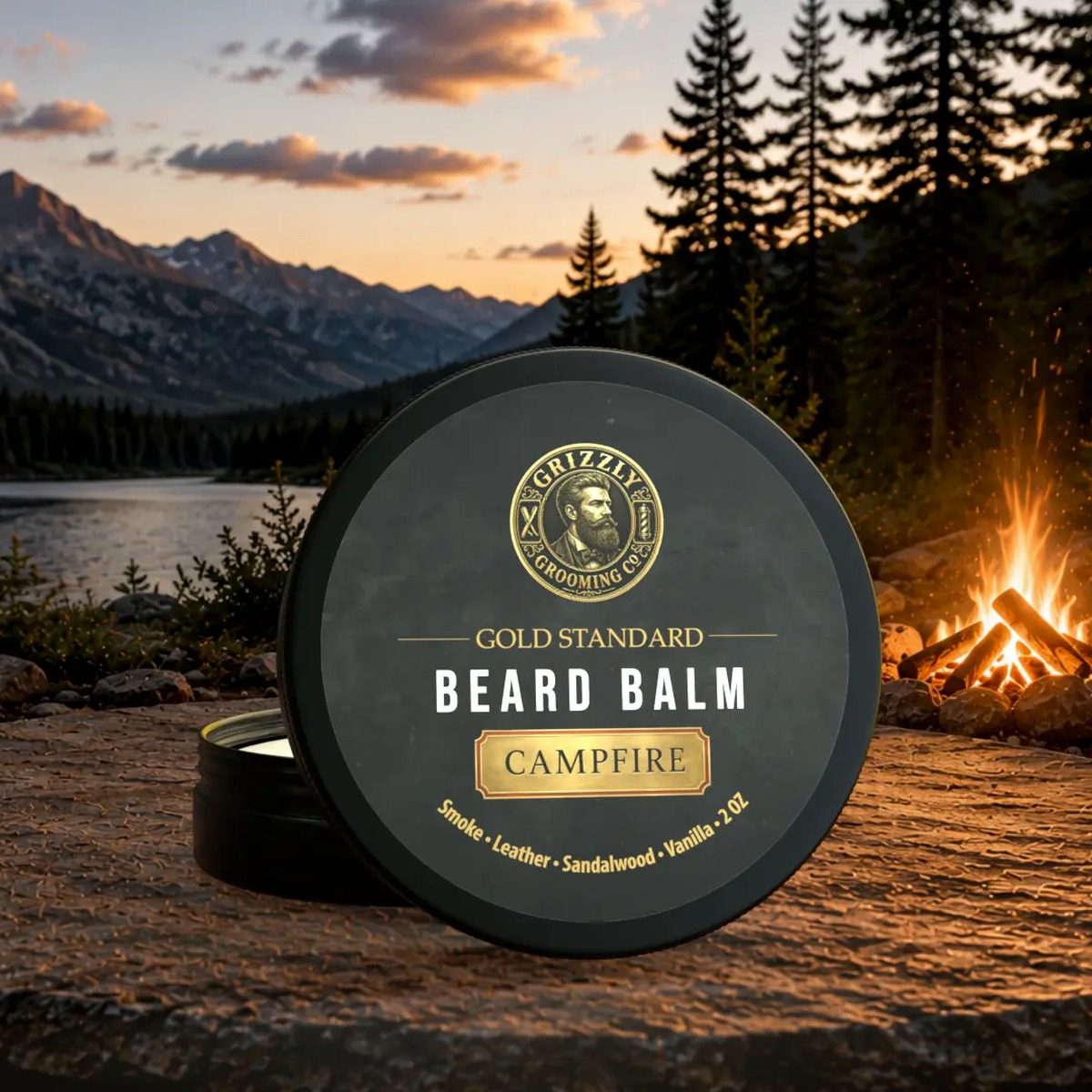
Beard balm is the essential tool for managing the silhouette of the beard. As facial hair grows, individual follicles often develop different curl patterns, leading to flyaways and a frizzy appearance that can look unkempt despite regular trims. The beeswax in Grizzly Gold Standard balm provides the necessary weight to pull these stray hairs into the main body of the beard, creating a uniform look that complements your natural face shape.
The application of balm should be strategic. After a morning shower and the application of beard oil to the skin, a small amount of balm—roughly the size of a fingernail for a two-inch beard—should be melted between the hands. It is then applied using a downward stroking motion. This technique flattens the cuticle and encourages the hair to lay flat against the cheeks and jawline, which is particularly useful for men trying to achieve a professional or 'tapered' beard aesthetic.
Protection is the secondary function of a quality balm. The wax layer acts as a sealant against environmental stressors such as wind, UV rays, and pollutants. For men who work outdoors or in air-conditioned offices where the air is stripped of humidity, this barrier prevents the internal moisture of the hair from evaporating. It essentially acts as a 'leave-in' shield that maintains the integrity of the hair until the evening grooming routine begins.
If you find that your beard loses its shape by midday, the issue is likely a lack of wax density. Balm provides a medium-firm hold that can be reactivated throughout the day simply by running a comb through the hair. The friction generates enough heat to slightly soften the wax, allowing you to re-style without adding more product. This makes balm the superior choice for long days where a consistent appearance is a professional requirement.
Deep Conditioning and Recovery with Beard Butter
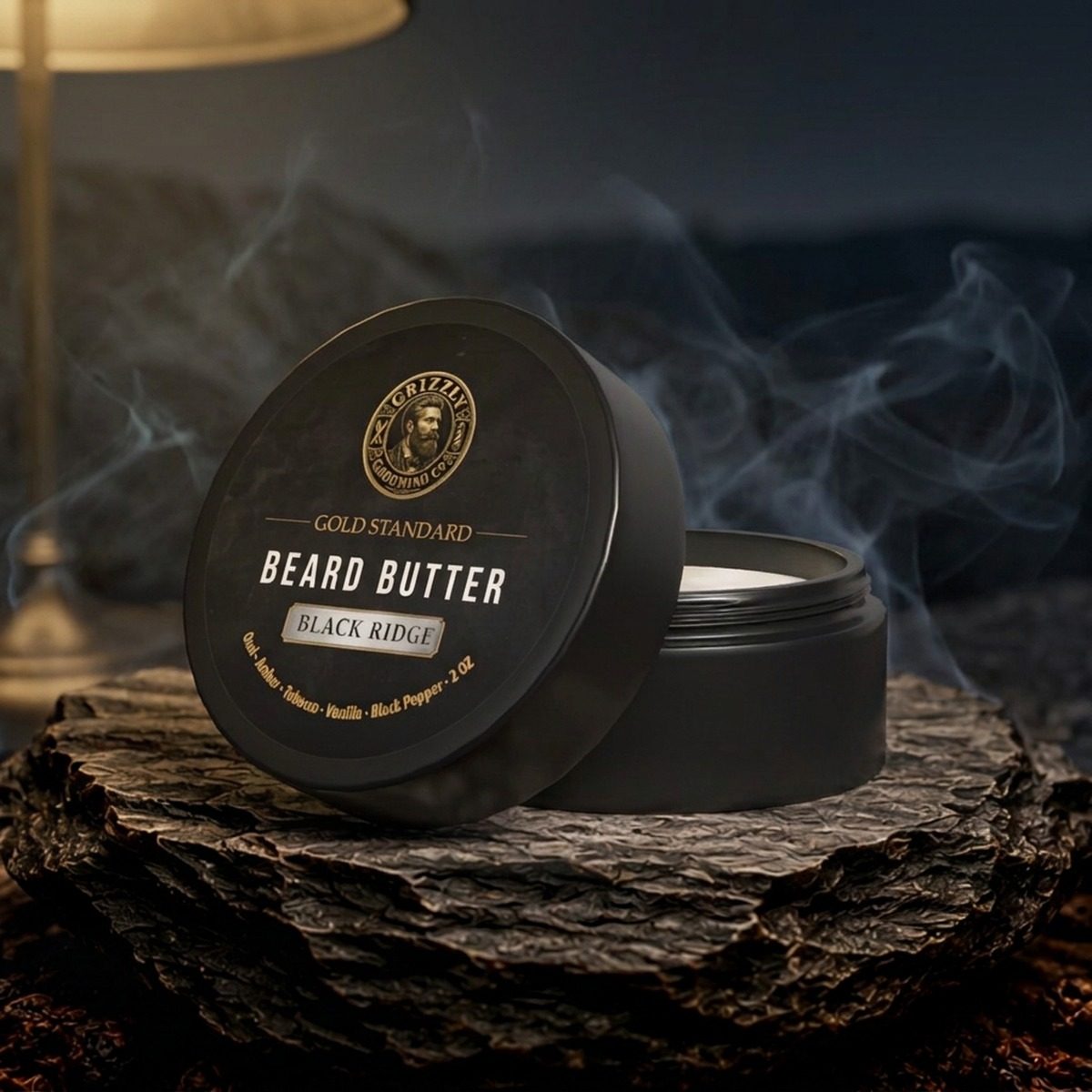
Beard butter serves as the primary recovery agent in a grooming regimen. While oils hydrate the skin and balms style the hair, butter is designed to nourish the hair fiber itself. It contains high levels of Vitamin E and fatty acids that repair the damage caused by daily combing, heat styling, and environmental exposure. By softening the hair to its core, butter reduces the 'stiffness' that often leads to breakage when the beard is touched or manipulated.
The best time to apply beard butter is in the evening, approximately thirty minutes before sleep. This 'overnight treatment' allows the butters to fully saturate the hair without the interference of styling tools or outdoor elements. Because it lacks the heavy seal of beeswax, the skin can breathe freely, and the sebaceous glands are supported by the nutrient-dense fats. This process is vital for preventing beard itch, which is usually caused by the skin becoming overly dry as it tries to sustain longer hair growth.
For men with curly or coarse hair types, beard butter is often a more effective daily conditioner than balm. Coarse hair is naturally more porous and loses moisture quickly. The creamy consistency of butter fills these porous gaps in the hair shaft, resulting in a significantly softer texture within just a few days of consistent use. It also provides a more natural, 'no-product' look, which is ideal for weekends or casual environments where a high-shine finish isn't desired.
Using butter also simplifies the morning routine. When applied the night before, the beard remains soft and manageable the following morning, reducing the time needed for detangling. This minimizes mechanical damage—the snapping of hairs during brushing—which is one of the leading causes of a patchy or uneven beard. Think of butter as the preventative maintenance that makes all other styling efforts more effective.
The Growth Equation: How Butter Prevents Breakage
A common misconception in the grooming community is that certain products can chemically accelerate the rate at which hair grows from the follicle. Growth rate is largely determined by genetics and blood flow. However, beard butter is a critical component of 'retained growth.' Many men feel their beard has stopped growing when, in reality, the ends are simply breaking off at the same rate the hair is emerging from the skin. Butter prevents this by maintaining the hair's elasticity.
When hair becomes brittle, it develops split ends. These splits can travel up the hair shaft, weakening the entire strand until it falls out or requires a significant trim. By saturating the ends of the beard with shea and mango butters, you create a flexible fiber that can bend without snapping. This is particularly important for the 'terminal length' phase, where every millimeter of retained hair counts toward the overall volume and length of the beard.
Furthermore, a healthy follicle requires a healthy scalp environment. The skin on the face is thinner and more sensitive than the skin on the top of the head. Beard butter acts as a deep moisturizer for the skin, preventing the buildup of dead skin cells (beardruff) that can clog follicles and inhibit healthy hair emergence. By keeping the skin supple and the hair soft, you create the optimal environment for your beard to reach its full genetic potential.
To maximize these growth benefits, the butter should be massaged all the way down to the root. While balm is mostly applied to the surface for styling, butter should be worked in with the fingertips, ensuring the skin receives the same level of nourishment as the hair. This dual-action approach—protecting the skin and fortifying the hair—is the most practical way to support long-term beard development.
Seasonal Adjustments: Winter Care vs. Summer Hydration
Your choice between butter and balm should shift with the seasons. During the winter months, the air is significantly drier, and indoor heating further saps moisture from your facial hair. This is the time to increase the use of beard butter. You may find that applying a light layer of butter in the morning, followed by a small amount of balm, provides the heavy-duty protection needed to combat 'winter beard,' where the hair becomes static-prone and frizzy.
In the summer, humidity levels rise, and the primary concern shifts to sweat and oil buildup. During these months, you might lean more heavily on beard balm. The beeswax helps repel excess moisture from the air, preventing the beard from becoming overly puffy or losing its shape in the heat. A lighter application of butter at night remains necessary, but you may reduce the frequency to every other day to avoid feeling weighed down by product in the sun.
Special attention should be given to the transition periods of spring and autumn. As temperatures fluctuate, your skin’s sebum production will change. If you notice increased irritation or redness, it is a sign to increase your use of goat soap bar and follow up with a generous amount of beard butter to soothe the dermis. If the beard feels 'waxy' or heavy, it is a sign to scale back on the balm and focus on a thorough beard wash to clear the pores.
Regardless of the season, consistency is the deciding factor in beard health. A sudden change in weather can cause the hair to become brittle in as little as 48 hours. By maintaining a baseline of hydration with butter and a baseline of protection with balm, you ensure that your beard remains resilient against the specific challenges of each climate cycle.
The Correct Application Sequence and Tool Usage
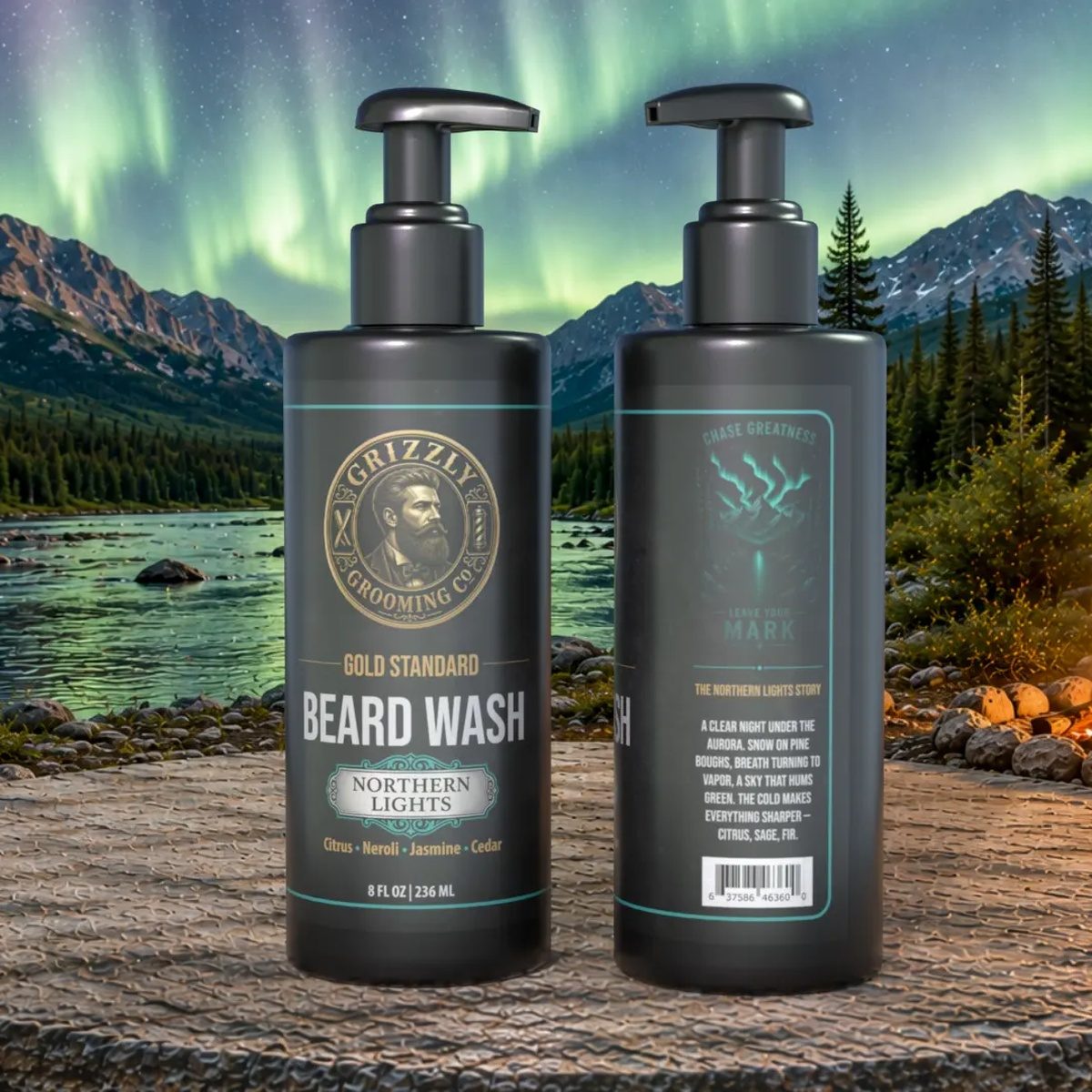
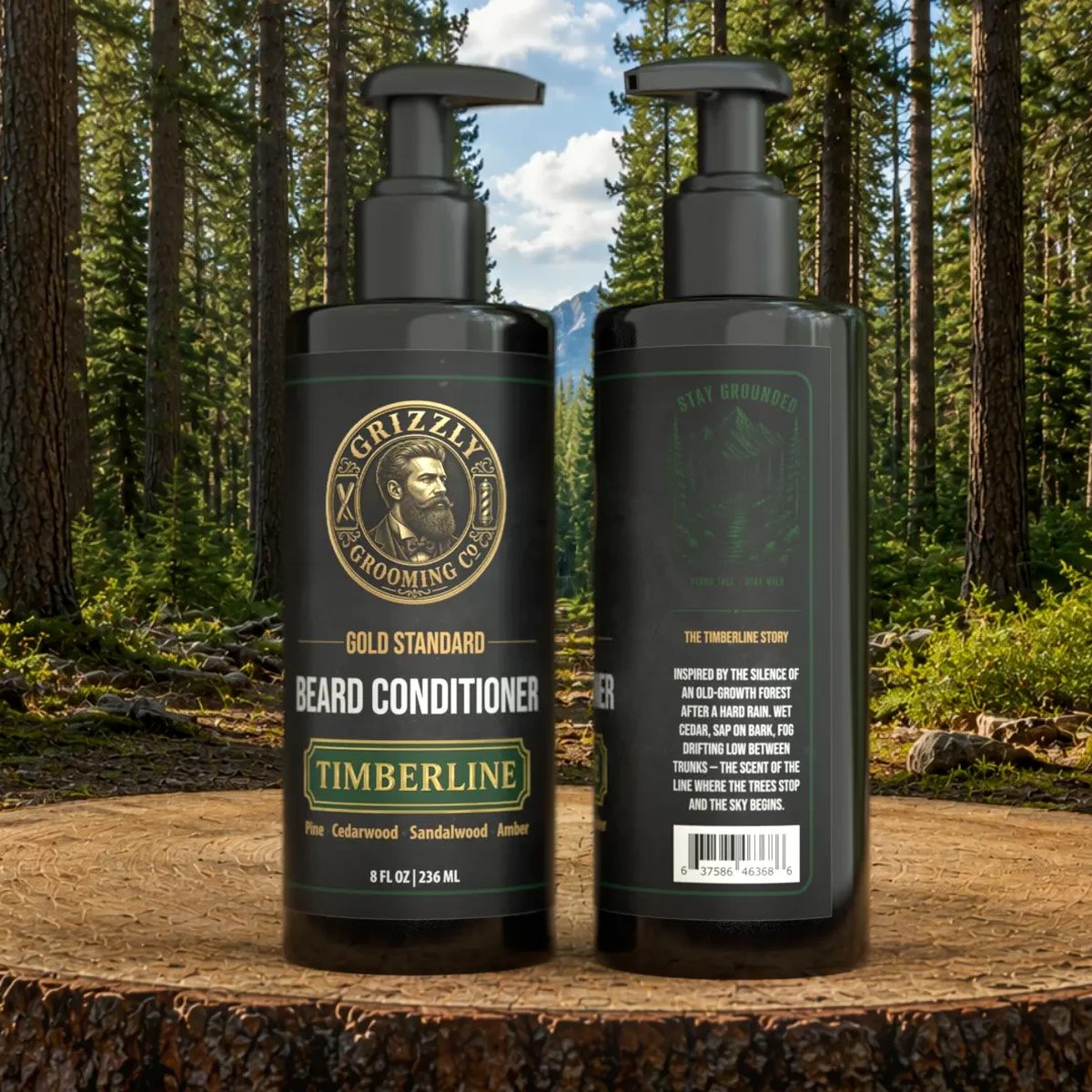
To achieve professional results, the order of operations matters. The process always begins with a clean beard. Use a dedicated beard wash or a pH-balanced shampoo and conditioner specifically formulated for facial hair. Once out of the shower, pat the beard with a towel until it is damp, not dripping. Applying product to bone-dry hair is a mistake, as the hair is less absorbent and the product will not spread as evenly.
The first step is always beard oil. Oil is for the skin, not the hair. Apply 3-5 drops to your palms and work it into the skin beneath the beard. Once the oil is set, choose your secondary product. If it is morning, follow with beard balm. Scrape a small amount, melt it, and apply it to the surface of the beard for styling. If it is evening, skip the balm and apply a generous amount of beard butter, focusing on the mid-lengths and ends of the hair.
The final and most important step is the use of a boar hair brush. Unlike plastic combs, boar bristles have a natural texture that grabs the product and distributes it through every layer of the beard. Brushing also exfoliates the skin and trains the hair to grow in a specific direction. For longer beards, a wooden comb may be used first to detangle, but the brush is what finishes the application by ensuring the balm or butter is not just sitting on the top layer.
Be careful not to over-apply. A common error is using too much product in hopes of faster results, which only leads to a greasy texture and clogged pores. Start with a pea-sized amount; you can always add more, but removing excess product requires another wash. If your beard feels tacky or leaves a residue on your phone screen, you have used too much balm. If it feels oily to the touch after an hour, you have used too much butter.
Common Mistakes: Over-waxing and Product Buildup
One of the most frequent errors in beard care is the 'doubling up' of wax-based products. Using a heavy mustache wax in conjunction with a heavy beard balm can lead to a stiff, unnatural texture that is difficult to wash out. If you are using mustache wax for a handlebar style, keep the balm limited to the jawline and cheeks to avoid an accumulation of wax that can suffocate the hair follicles and lead to 'wax acne.'
Another mistake is neglecting the 'wash-out' phase. Because beard balm contains beeswax, it does not simply rinse away with water. If you apply balm daily without using a proper beard wash every 2-3 days, the wax will build up, creating a waterproof barrier that prevents beard oil and butter from reaching the hair. This leads to a paradoxical situation where the beard looks styled but is actually dying of dehydration underneath the wax layer.
Many men also fail to adjust their product amount as their beard grows. A six-month beard requires significantly more hydration than a one-month beard. If you are still using the same 'pea-sized' amount you used during the stubble phase, your beard will become dry and brittle. Conversely, men with shorter beards often use too much butter, which can lead to skin irritation and breakouts. Adjust your portions monthly to match the increasing surface area of your hair.
Finally, avoid the temptation to use standard hair styling products like pomade or gel on your beard. These products are designed for the scalp, which is much hardier than facial skin. The alcohols and synthetic fixatives in hair gel will strip the natural oils from your beard, leading to severe itchiness and potential chemical burns on the sensitive skin of the neck and face. Stick to products like Grizzly Gold Standard that are balanced for facial application.
Beard Length and Product Selection
For the stubble phase (0-1 inch), beard balm is generally unnecessary. There isn't enough hair length for the wax to provide meaningful hold, and the primary goal at this stage is to manage the 'itch' as the sharp ends of the hair curl back toward the skin. During this phase, beard butter is the superior choice. It keeps the skin hydrated and softens the emerging hair, making the transition from stubble to a full beard much more comfortable.
In the mid-length phase (1-3 inches), both products become useful. This is when the beard starts to develop its own shape and flyaways become a daily nuisance. You should begin using balm in the morning to keep the sides tucked in and the neckline looking sharp. Butter should be introduced as an every-other-night treatment to ensure that as the hair gets further from the skin, the ends don't become starved of nutrients.
For long beards (4+ inches), the strategy changes again. The natural sebum produced by your skin can only travel about two inches down the hair shaft. This means the bottom half of a long beard is perpetually dry. In this case, beard butter becomes a daily necessity, applied to the lower half of the beard every morning before the balm is applied to the top for styling. This 'layering' ensures the entire length of the hair is protected.
Regardless of length, always pay attention to the thickness of your hair. Men with fine hair should use balm sparingly, as the wax can make thin hair look stringy or flat. Men with very dense, thick beards can afford to be more liberal with both butter and balm, as the volume of the hair will absorb and support the weight of the products without looking weighed down.
Frequently Asked Questions
Can I use beard butter and beard balm together?
It is generally unnecessary to use both simultaneously as the wax in the balm will prevent the butter from absorbing properly. Instead, use beard oil and balm in the morning for styling, and save the butter for a standalone treatment in the evening for maximum absorption.
Which is better for a short beard?
For a short or stubble-length beard, beard butter is the better option. Short hairs do not require the hold of wax, but the skin underneath requires the deep hydration that butter provides to prevent irritation and the dreaded 'beard itch' phase.
Does beard butter help with growth?
While no topical product can change your genetics, beard butter supports growth by preventing hair breakage and split ends. By keeping the hair hydrated and elastic, you retain more length over time and avoid the need for frequent corrective trims.
How often should I wash my beard if I use balm daily?
If you are using a wax-based balm every day, you should use a dedicated beard wash every 2 to 3 days. This prevents wax buildup, which can block moisture from entering the hair and lead to skin issues like clogged pores or beardruff.
Is beard butter better than beard oil?
They serve different purposes. Beard oil is a lightweight liquid designed primarily for the skin to replace lost sebum. Beard butter is a thicker cream designed to condition the actual hair fibers. For a complete routine, you should use both: oil for the skin and butter for the hair.
Will beard balm protect my beard in the sun?
Yes, the beeswax in a quality balm creates a physical barrier that helps protect the hair from the drying effects of UV rays and wind. While it is not a sunscreen, it does help maintain the hair's internal moisture during prolonged outdoor exposure.
Can I use beard butter as a mustache wax?
No, beard butter lacks the necessary tack and hold to style a mustache. If you need to shape your mustache or keep it out of your mouth, you should use a dedicated mustache wax or a firm beard balm with high beeswax content.
Build your ritual in 60 seconds.
Answer four questions and get a custom regimen built around your beard and routine.
Start The Ritual Builder