7 Barber-Approved Tips for a Sharper Beard Line
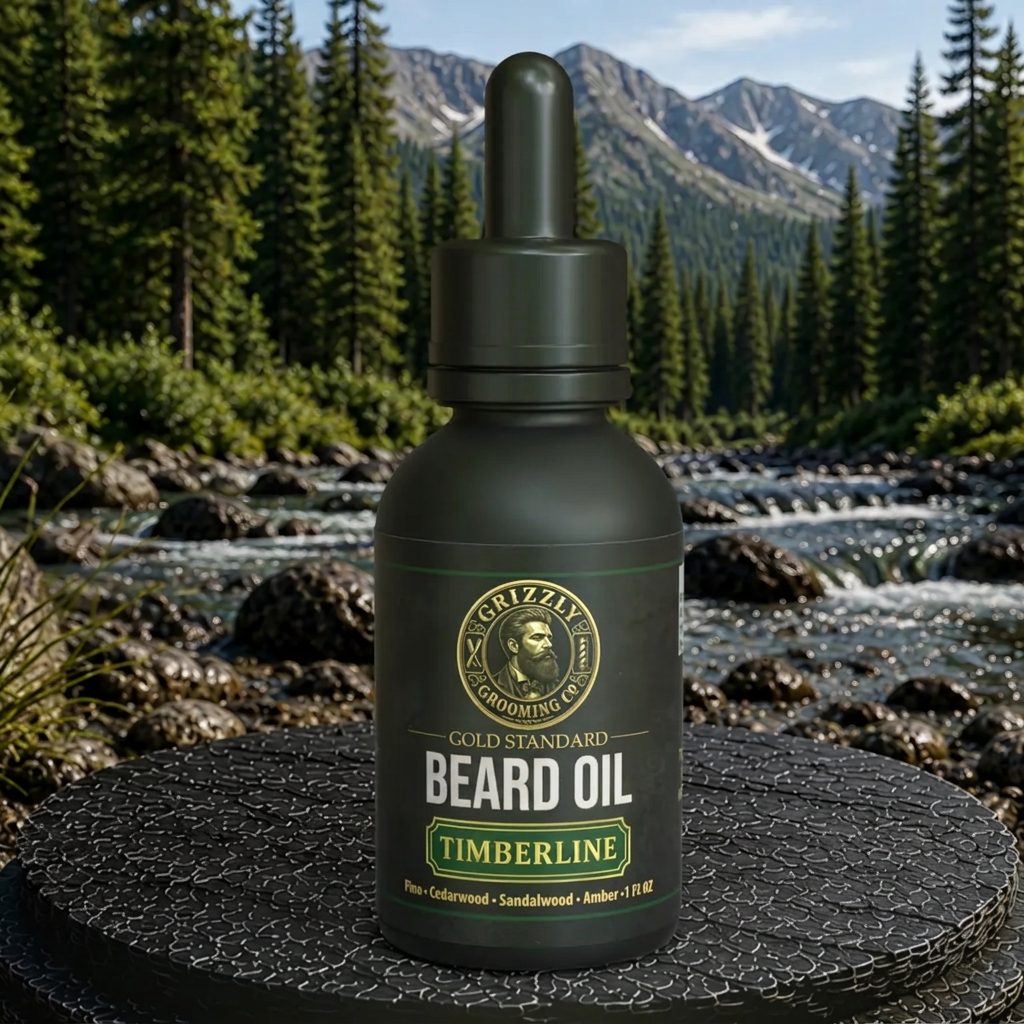
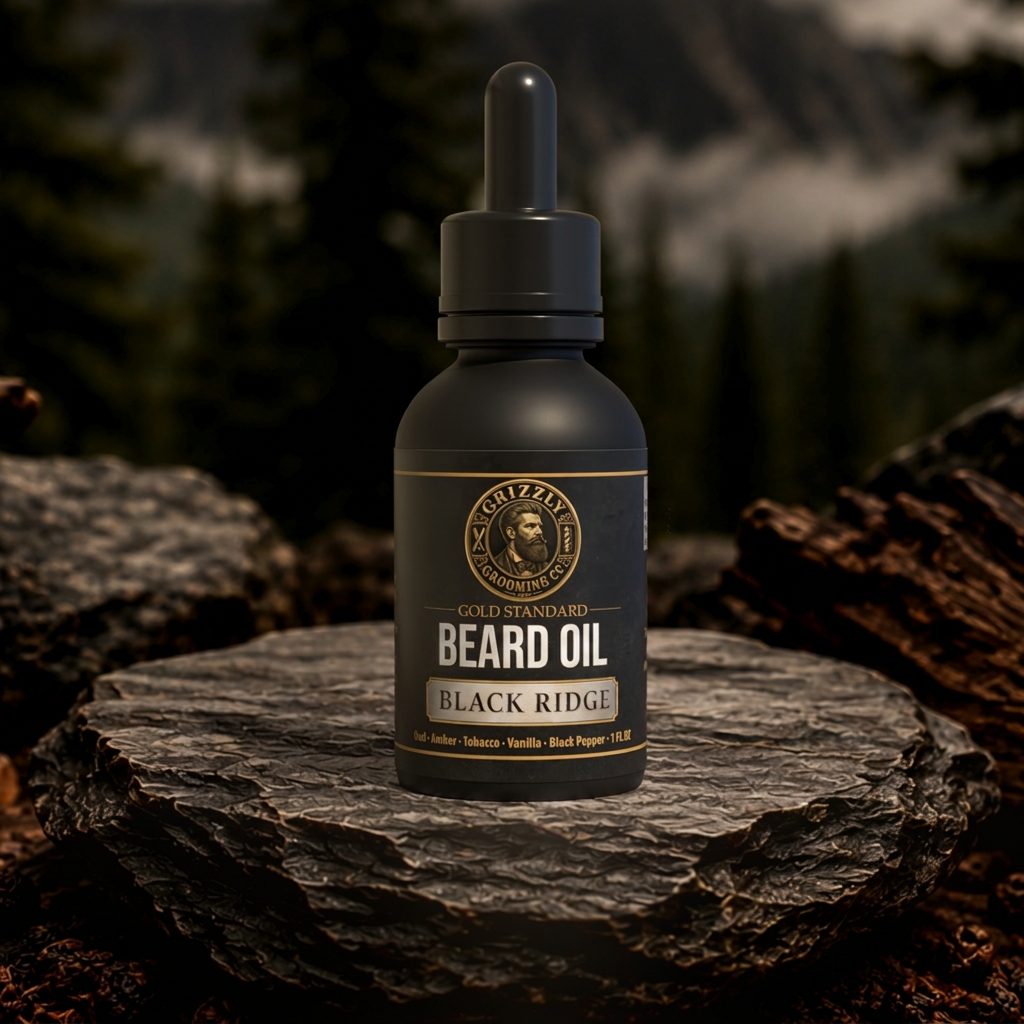
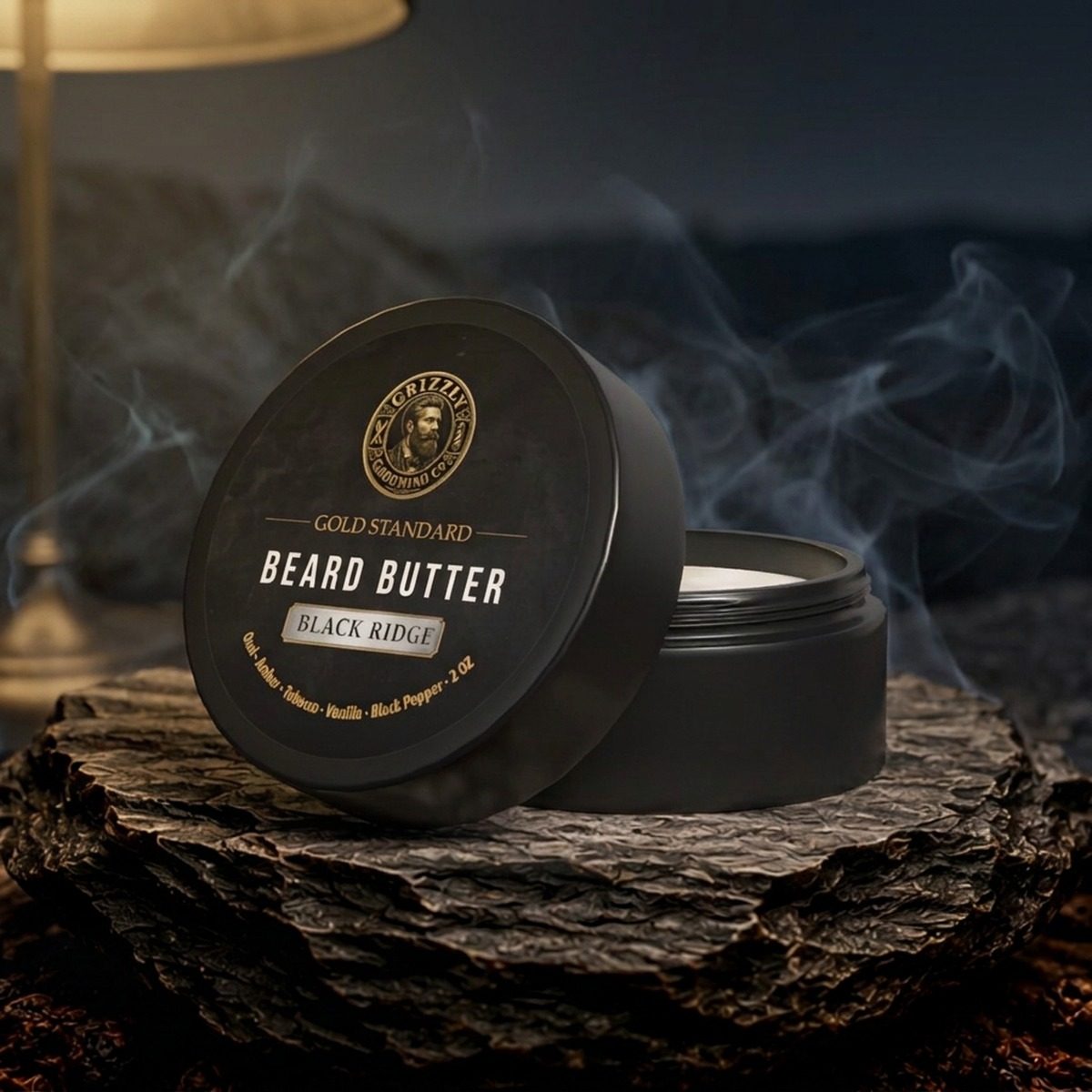
The single detail that separates a great beard from a scruffy beard is the outline. Length matters less than most men think. Density matters less than the outline. A perfectly shaped beard at two inches will always look sharper than an unshaped beard at four. This guide is seven specific tips from working barbers on how to define and maintain the beard line. Our reference product is Gold Standard Shave Oil in Black Ridge, chosen because a proper shave oil is what makes the daily neckline touch-up possible without irritation.
- ›Neckline: two fingers above the Adam's apple, in a curve, never a straight line.
- ›Cheek line: follow the natural growth. Do not create a fake sharp line above it.
- ›Moustache transition: the moustache should flow into the beard, not sit on top of it.
- ›Never use clippers on the outline yourself. Use a straight razor or safety razor.
- ›Book a barber every four to six weeks for the shape. Do not skip this.
- ›Fix the line in daylight or neutral white light — warm bathroom bulbs hide asymmetry.
- ›Every outline mistake grows out. Cut conservatively and re-check in two days.
Tip 1: Get the Neckline Right (This Is the Big One)
The correct neckline sits two fingers above the Adam's apple, curved gently from ear to ear rather than drawn as a straight line. A straight-line neckline looks amateur; a curved one looks intentional.
The reason for the two-finger rule: any higher and you shorten the visual jawline and make the beard look small; any lower and the beard reads as unshaped. This one measurement is the difference between a great beard and a mediocre one.
Tip 2: The Cheek Line — Less Is More
The cheek line — the top edge of the beard on the cheek — should almost always follow the natural top of your growth. Trying to create a razor-sharp cheek line where nature did not put one looks unnatural and grows out in patches within a week.
Barbers do clean up the cheek line by removing stray hairs above the natural growth, but never by carving a new line significantly below the natural line. If your natural cheek line is soft, keep it soft.
Tip 3: The Moustache Transition
The moustache should flow into the beard at the corners of the mouth, not sit on top of it as a separate object. When the moustache is significantly longer or thicker than the top of the beard at the corners, the two look disconnected.
The fix: brush the moustache toward the corners of the mouth each morning and, if needed, ask your barber to taper the moustache into the beard rather than trimming both to independent lengths.
Tip 4: Prep the Skin Before Any Outline Work
Never take a blade to a dry face for outline work. Prep the skin: warm rinse, then a few drops of Gold Standard Shave Oil worked into the areas you will shave. The oil softens the hair, creates a slip layer for the blade, and prevents the razor burn that turns a fresh neckline into three days of red skin.
Shave oil beats shave cream for outline work because you can still see the line clearly through the oil — with cream you are shaving blind.
Tip 5: Use the Right Tool for the Outline
Do not use beard clippers on the outline. Clippers are for length. The outline is a razor tool.
For most men, a safety razor with a fresh blade every second use is the right home tool. A straight razor gives the sharpest line but requires practice — do not learn on your own face. Electric shavers work for a rough clean-up between real outline sessions.
Tip 6: Trim Strays Weekly, Never the Outline
Between barber visits, the only trimming a home ritual should do is snipping single strays — hairs standing significantly longer than the surrounding hairs. Beard scissors, small and sharp, curved-tip.
The outline itself — the neckline, the cheek line, the moustache transition — is barber territory. Every self-inflicted beard disaster started with an unnecessary outline touch-up at week three.
Tip 7: Book the Barber, Then Actually Go
Every four to six weeks, sit in a barber chair with someone who specialises in beards. Bring a photo of the shape you want. Let them adjust the outline. This one appointment is worth every product you own combined.
Most men either never book, or book and cancel because "the beard looks fine." It looks fine to you because you see it every day. The barber sees the drift you cannot.
Lighting and Mirror Setup
Most botched beard lines are lighting failures, not technique failures. Warm bathroom bulbs cast a single-direction shadow that hides one side of the jaw, which is exactly how a neckline ends up half an inch higher on the left than the right.
Work in daylight if you can, or in neutral white light with a source on both sides of your face. A second handheld mirror is not optional for the neckline — you cannot judge the curve under the jaw from a straight-on view.
Stand square to the mirror with your chin level. Tilting your head up to see under the jaw stretches the skin and moves the line you're about to cut.
Fixing a Line You Already Cut Too High
There is no fast fix. Hair on the neck grows roughly half an inch a month, so a neckline cut an inch too high takes about two months to recover. The only thing you control is how you bridge the gap.
Stop touching the neck entirely while it grows back — no razor, no trimmer, no tidying. Trim the rest of the beard slightly shorter so the overall shape stays balanced while the bottom fills in, and let the moustache and cheek line carry the outline in the meantime.
If the two sides are uneven, do not level down to the higher side. Leave both alone and let the lower side catch up; cutting to match is how one bad session becomes three.
The Weekly Maintenance Cycle
Split the work: strays get handled weekly, the outline gets handled every two to three weeks, and the actual length gets handled by a barber every four to six.
Weekly, that means one pass with scissors on the obvious outliers — the hair on the cheek that grows twice as fast as its neighbours, the moustache hairs crossing the lip line. Two minutes, no trimmer.
Every second or third week, clean the neckline and the cheek line back to the line that already exists. You are following an established edge, not deciding a new one. Deciding a new one is the barber's job, or a job for a day when you have daylight and time.
Aftercare That Keeps the Line Clean
Fresh outline work leaves the skin exposed and slightly abraded. Rinse cool, pat dry, and apply a small amount of oil to the shaved margin as well as the beard — the ingrowns and razor bumps that blur a sharp line start in the first 24 hours after cutting.
Skip alcohol-heavy aftershave on the neckline. It stings, dries the skin, and the resulting flaking makes a crisp edge look ragged within two days.
Comb the beard back into shape while it's still damp so it dries along the line you just cut. A sharp edge with the hair drying in the wrong direction still reads as messy.
Tool Care: Why a Dull Blade Ruins a Good Outline
A straight razor or safety razor edge dulls faster than most men expect, especially on coarse beard hair. A dull blade drags instead of cutting, which means you press harder to compensate, and pressing harder is exactly how you nick skin along the jaw or catch a chunk of hair you meant to leave. Strop a straight razor before every use and change safety razor blades every five to seven shaves if you are using them on facial hair regularly.
The tell that your blade has gone dull is not pain, it is tug. If you feel the razor pulling hair instead of slicing through it, stop and swap the blade before you touch the neckline. A fresh edge on a dull-blade day is the single cheapest fix in this entire routine, and it costs less than one bad haircut.
Seasonal Adjustments to the Line
Cold, dry winter air makes skin along the neckline and cheek edge more prone to razor bumps and ingrown hairs, so shave the outline with a warm towel prep and finish with an unscented balm on the freshly cut skin, not just the beard itself. Summer sweat and sunscreen residue can clog the same skin and cause small breakouts right along the line you just cut, so rinse the outline area specifically after a day of heavy sweat rather than waiting for the next full wash.
Humidity also changes how hair lies. In humid months the neckline can look higher than it is because damp hair clings closer to the skin; check your line in a mirror after the beard has fully air-dried, not right out of the shower, or you will end up cutting it shorter than intended.
Common Mistakes That Undo a Good Shape
The most frequent mistake is chasing symmetry with a mirror instead of a mirror and a level reference point. Faces are not perfectly symmetrical, and men who try to force identical curves on both sides end up over-correcting one side, then the other, in a slow spiral that ends with a line noticeably higher than where it started. Pick one reference point, like the two-finger rule above the Adam's apple, and hold it as your anchor rather than chasing a mirrored match.
The second mistake is touching up the line every single day. Daily touch-ups invite daily small errors, and small errors compound over a week into a line that has crept upward without you noticing. Touch up every three to four days instead, and let the barber handle the full reset every four to six weeks.
Frequently Asked Questions
How high should the neckline be?
Two fingers above the Adam's apple, curved rather than straight, following the natural jaw.
Can I outline the beard myself?
For touch-ups between barber visits, yes — with a proper razor and shave oil. For establishing the shape, book a barber.
What razor should I use for the outline?
A safety razor with a fresh blade is the best home tool. Straight razor if you have practice.
How often should I re-outline?
Neck touch-ups every three to five days between barber visits. Full outline reset every four to six weeks at the barber.
What if my cheek line is uneven?
Live with the natural growth line unless a barber recommends otherwise. Trying to fix cheek asymmetry at home always makes it worse.
Do I need shave cream for outline work?
Shave oil is better for the outline because it stays clear so you can see the line. Cream is for full shaves.
Why does my beard line look uneven only in the bathroom?
Warm single-source bathroom light shadows one side of the jaw. Judge and cut the line in daylight or neutral white light with a source on each side.
I cut my neckline too high — how do I fix it?
You wait. Neck hair grows about half an inch a month; stop touching the neck, trim the rest slightly shorter to keep the shape balanced, and never level the low side down to match.
How often should I clean up the outline versus trim strays?
Strays weekly with scissors, outline every two to three weeks following the existing edge, and full length with a barber every four to six weeks.
What should I put on the skin right after outlining?
Cool rinse, pat dry, then a little oil on the shaved margin. Avoid alcohol-heavy aftershave — the flaking it causes makes a crisp line look ragged.
How do I know if my neckline has crept too high over time?
Take a photo straight-on every couple of weeks and compare against the two-finger rule from the Adam's apple. If the line has moved up relative to that landmark, stop touching it up yourself for two weeks and let it grow back down before your barber resets it. Gradual creep is the most common outline mistake and the hardest one to notice in the mirror day to day.
Can I fix an uneven cheek line myself between barber visits?
Only remove hair clearly above your natural growth line, using a trimmer with no guard or careful razor strokes, and stop there. Do not attempt to carve a new line lower than what nature gave you between visits — that is a job for a barber with proper lighting and steady hands, and a self-inflicted mistake here takes weeks to grow out.
Does beard length change how strict the outline rules are?
Shorter beards under an inch show every outline flaw instantly because there is no length to soften a mistake, so precision matters more. Longer beards have more forgiveness since the hair itself obscures small irregularities, but the neckline and cheek line still need the same four-to-six-week barber cadence regardless of overall length.
Build your ritual in 60 seconds.
Answer four questions and get a custom regimen built around your beard and routine.
Start The Ritual Builder