A Master Class on Transitioning from Clean Shaven to a Full Beard
The transition from a bare face to a full beard is a test of patience and skin discipline. Most men fail in the first three weeks not due to a lack of growth, but a lack of structural management. This guide outlines the professional approach to navigating those early stages without compromising your appearance, moving beyond the simple act of not shaving to a comprehensive regimen of follicular health and architectural grooming.
- ›Commit to a minimum of four weeks without touching your trimmer to establish your natural growth patterns.
- ›Introduce a high-quality beard oil by day three to prevent the inevitable itch caused by sharp hair follicles.
- ›Define your neckline by week two to distinguish between a deliberate beard and a lack of grooming.
- ›Exfoliate the skin beneath the hair daily to prevent ingrown hairs and follicular congestion.
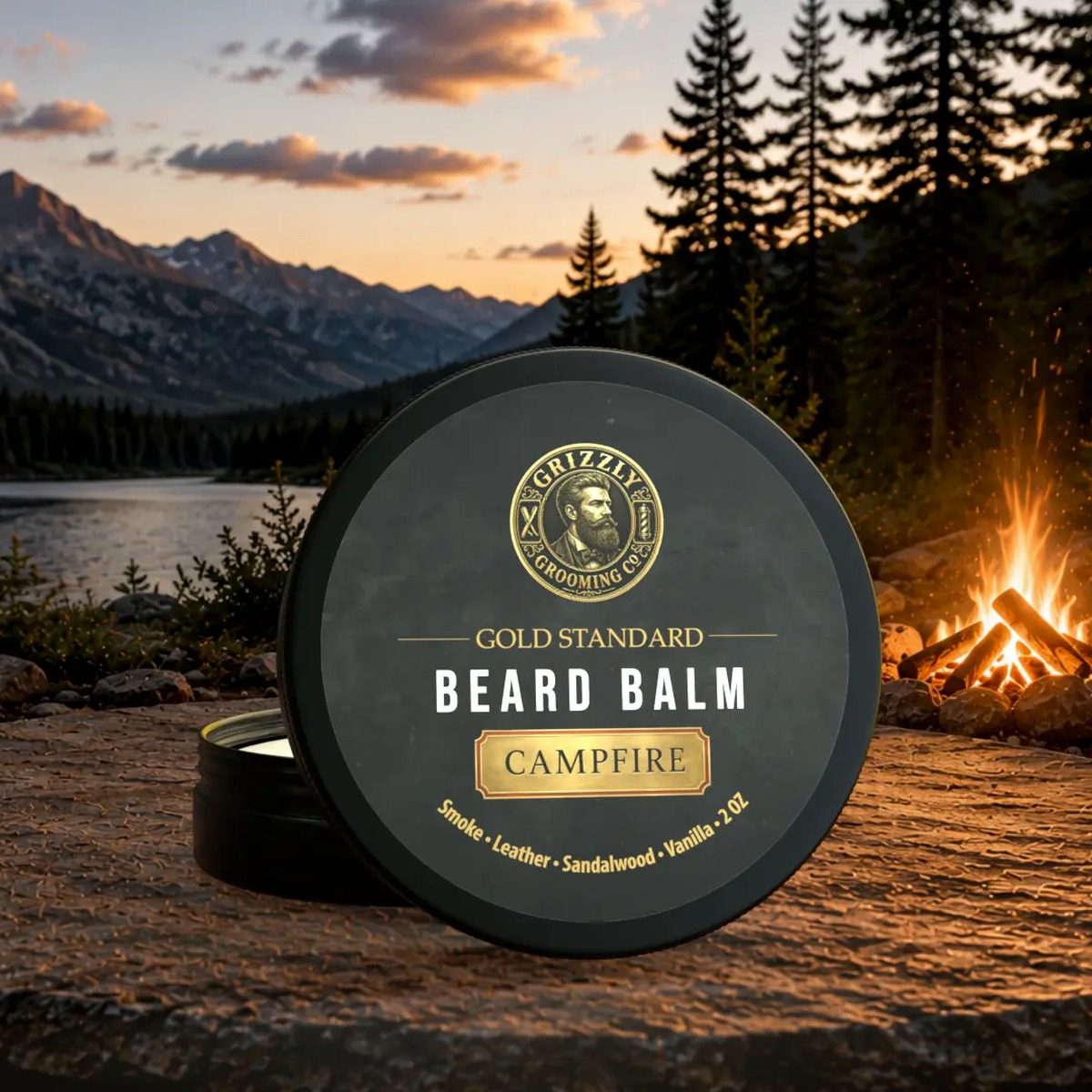
- ›Transition from oil to beard balm at the six-week mark to manage volume and flyaways.
- ›Identify and correct growth asymmetries early through strategic length management and directional brushing.
Phase One: The Pre-Growth Follicular Reset
Before the first millimeter of hair breaks the surface, your focus must remain on the health of the dermis. A clean-shaven face is accustomed to regular mechanical exfoliation via a razor blade; once you stop shaving, dead skin cells begin to accumulate around the follicles. This accumulation can lead to folliculitis or painful ingrown hairs as the new, coarse whiskers struggle to penetrate the surface layers of the skin.
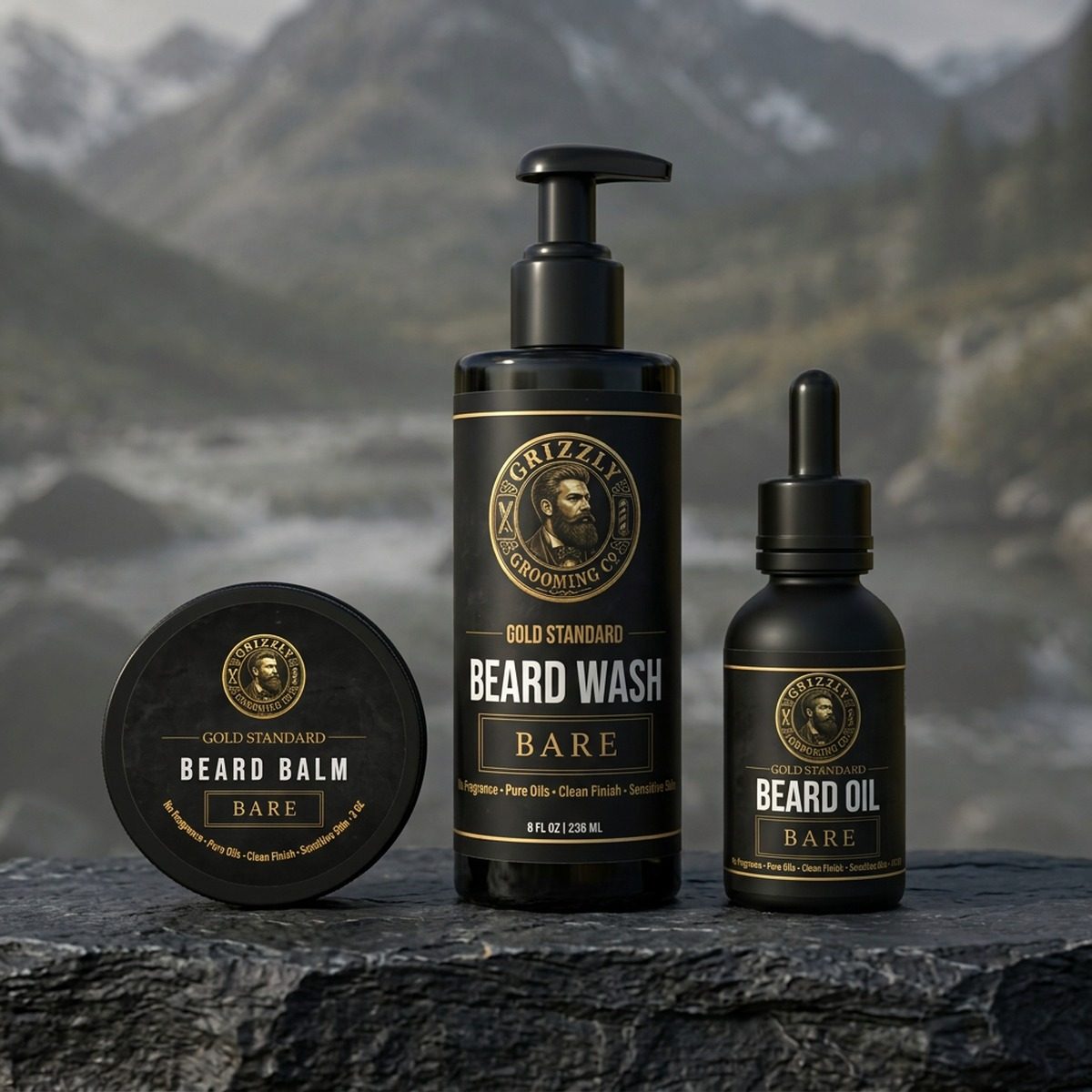
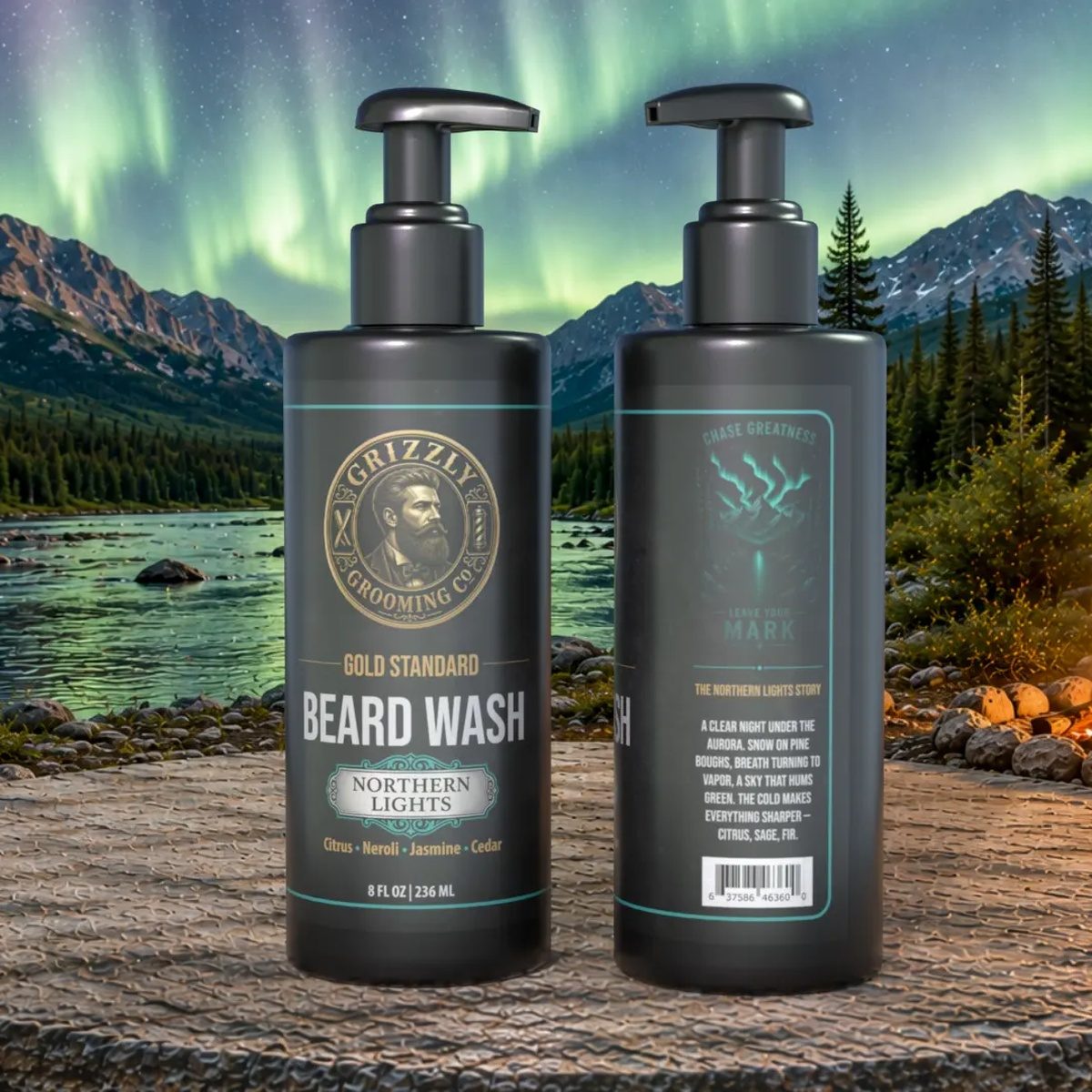
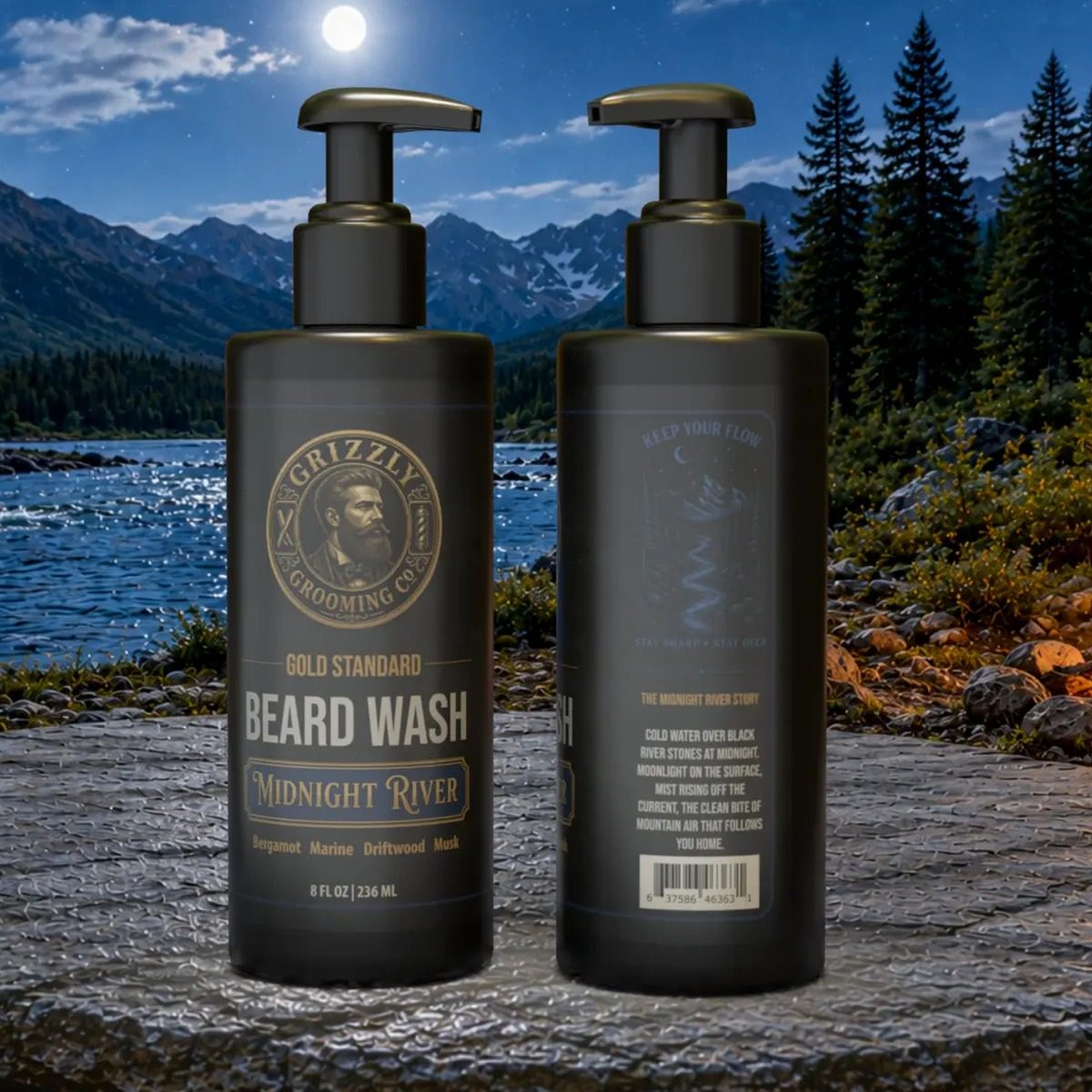
To prevent congestion and early-stage irritation, use a dedicated beard wash rather than standard bar soap or facial cleansers containing salicylic acid. Specialized washes utilize milder surfactants like decyl glucoside which clean the skin without stripping the natural sebum oils that your skin will soon need to support the emerging hair shafts. During this first week, wash your face twice daily with lukewarm water, as hot water can damage the lipid barrier of the skin.
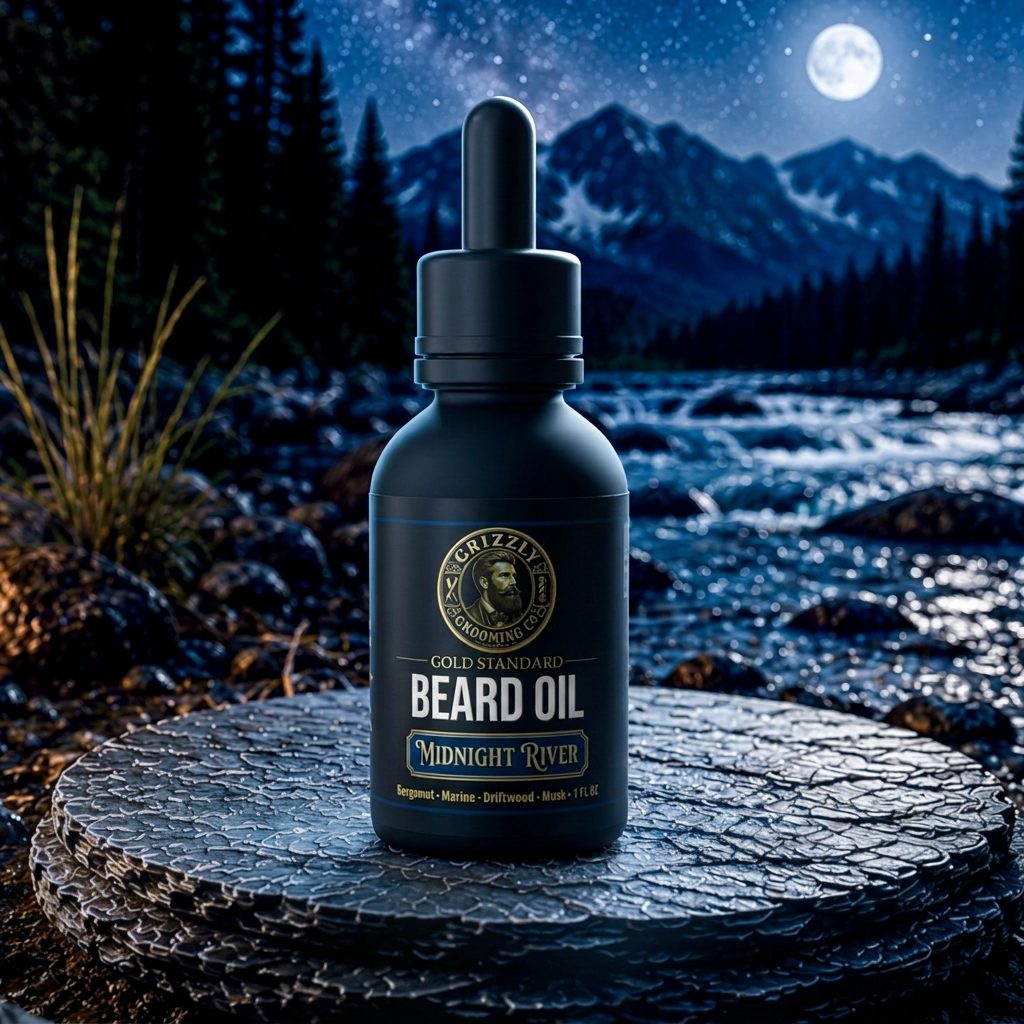
Maintain a consistent hydration routine from day one. Applying a light moisturizer or a few drops of Gold Standard Beard Oil to the skin even before the hair is visible creates a fertile environment for growth. The jojoba oil and sweet almond oil in these formulations mimic the skin's natural oils, effectively signaling to your body to maintain a balanced moisture level, which prevents the dryness that often leads to early-stage dandruff.
Managing the Three-Week Itch and Surface Irritation
Around the ten-day mark, most men experience significant irritation known as the 'new growth itch.' This occurs because the hairs, previously cut at a sharp angle by a razor, begin to curl back and prick the skin as they gain length. This is a physiological response to the sharp tips of the hair shafts, and it is the primary reason men abandon their growth goals before the beard has a chance to mature.
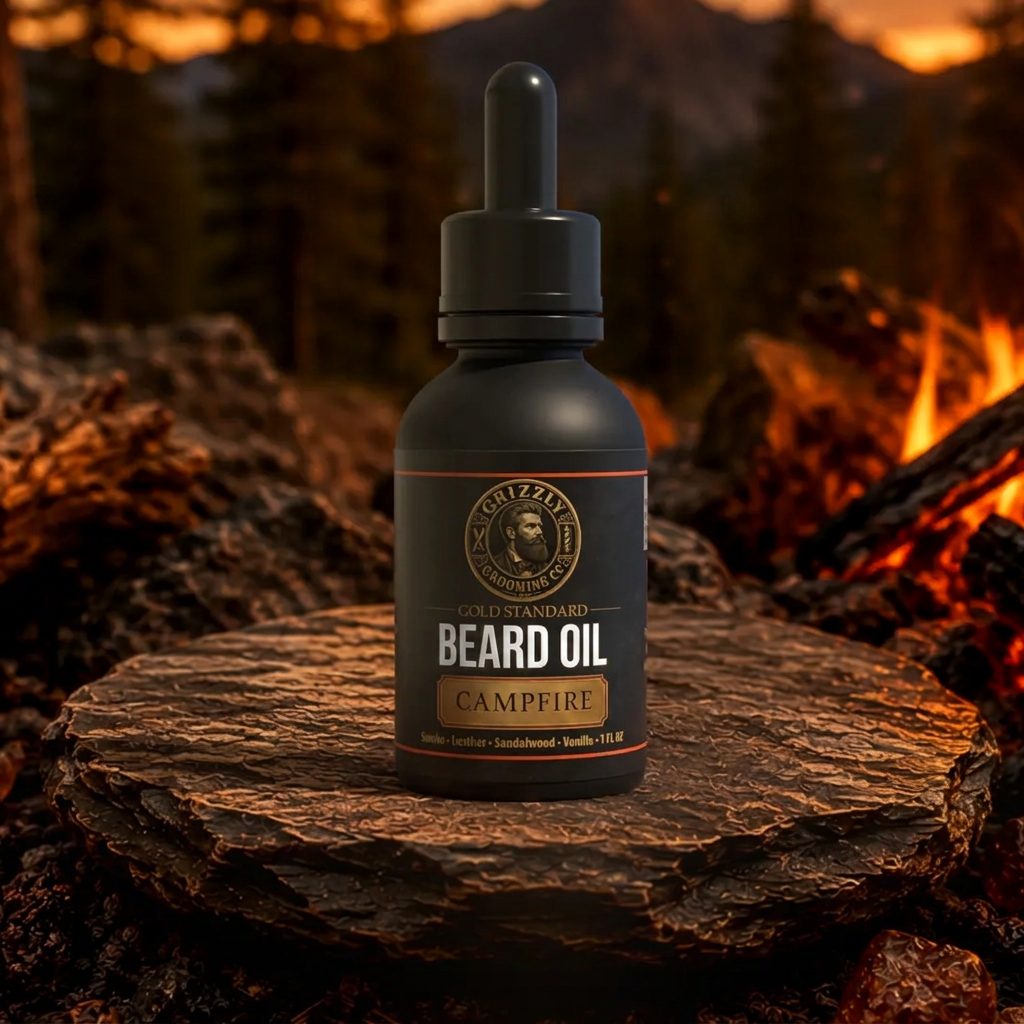
The remedy is not to shave, but to soften. A daily application of beard oil is non-negotiable during this phase. Apply 3-5 drops immediately after a shower when the pores are open and the hair is at its most receptive state. The oil coats the sharp tips of the new growth, reducing the friction against the skin and providing immediate relief to inflamed follicles. Look for ingredients like argan oil for its deep penetrative properties and grapeseed oil for its anti-inflammatory benefits.
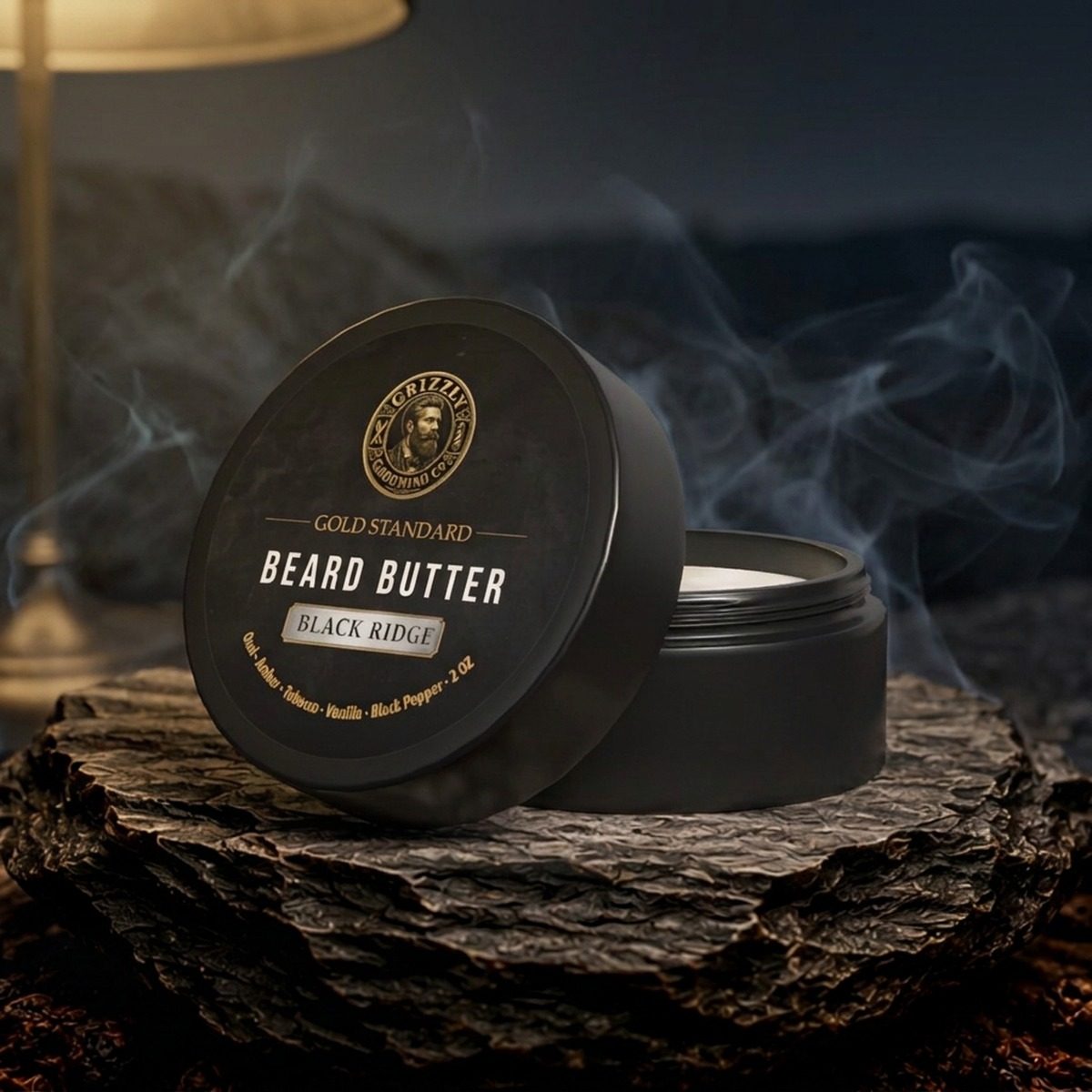
Avoid the temptation to scratch, which can cause micro-tears in the skin and lead to bacterial infections. If the itch is persistent, a cool rinse followed by a thorough application of beard butter can provide a protective barrier that lasts throughout the day. Beard butter contains shea and cocoa butters, which sit on the surface longer than oil, providing a sustained soothing effect that is particularly beneficial during the transition from stubble to short beard.
Architectural Boundaries: Defining the Neckline and Cheek Lines
A beard looks unkempt when it lacks boundaries. To transition gracefully, you must define the neckline and cheek lines by the end of the second week. For the neckline, find the point two fingers above your Adam's apple and carve a U-shape from the back of one ear, down to this point, and up to the other ear. Anything below this line should be kept clean-shaven using a traditional razor or a zero-gapped trimmer.
Defining this line immediately gives the jawline more definition and prevents the 'neckbeard' silhouette that suggests a lack of hygiene. When trimming the neckline, always look straight ahead into the mirror; looking down while trimming will result in a line that is too high once you return to a neutral posture. This structural foundation is what separates a professional beard from accidental growth.
For the cheek lines, aim for a natural, high line. Only remove the stray hairs that sit high on the cheekbones, creating a clean edge that follows the natural curve of your bone structure. Carving the cheek lines too low is a common mistake that can make the beard look artificial and disproportionate to your facial structure. Use a transparent shaving gel during this process to ensure you can see exactly where the blade is landing.
The Four-Week Milestone: Introducing Directional Grooming
As you reach the four-week mark, your hair will have enough length to catch dust, skin cells, and food debris. Switching to a firm boar hair brush is essential for training the hairs to grow in a uniform downward direction. Unlike synthetic bristles, boar hair has a microscopic scale-like structure that grabs the hair and pulls oils from the root to the tip, ensuring the entire shaft is nourished.
Brushing also stimulates blood flow to the surface of the skin, which can theoretically support more consistent growth by delivering nutrients to the hair follicles. At this stage, you should brush for two minutes every morning after applying your beard oil. This routine helps to flatten the hair against the face, making the growth look more deliberate and reducing the overall volume that can lead to a 'puffy' appearance.
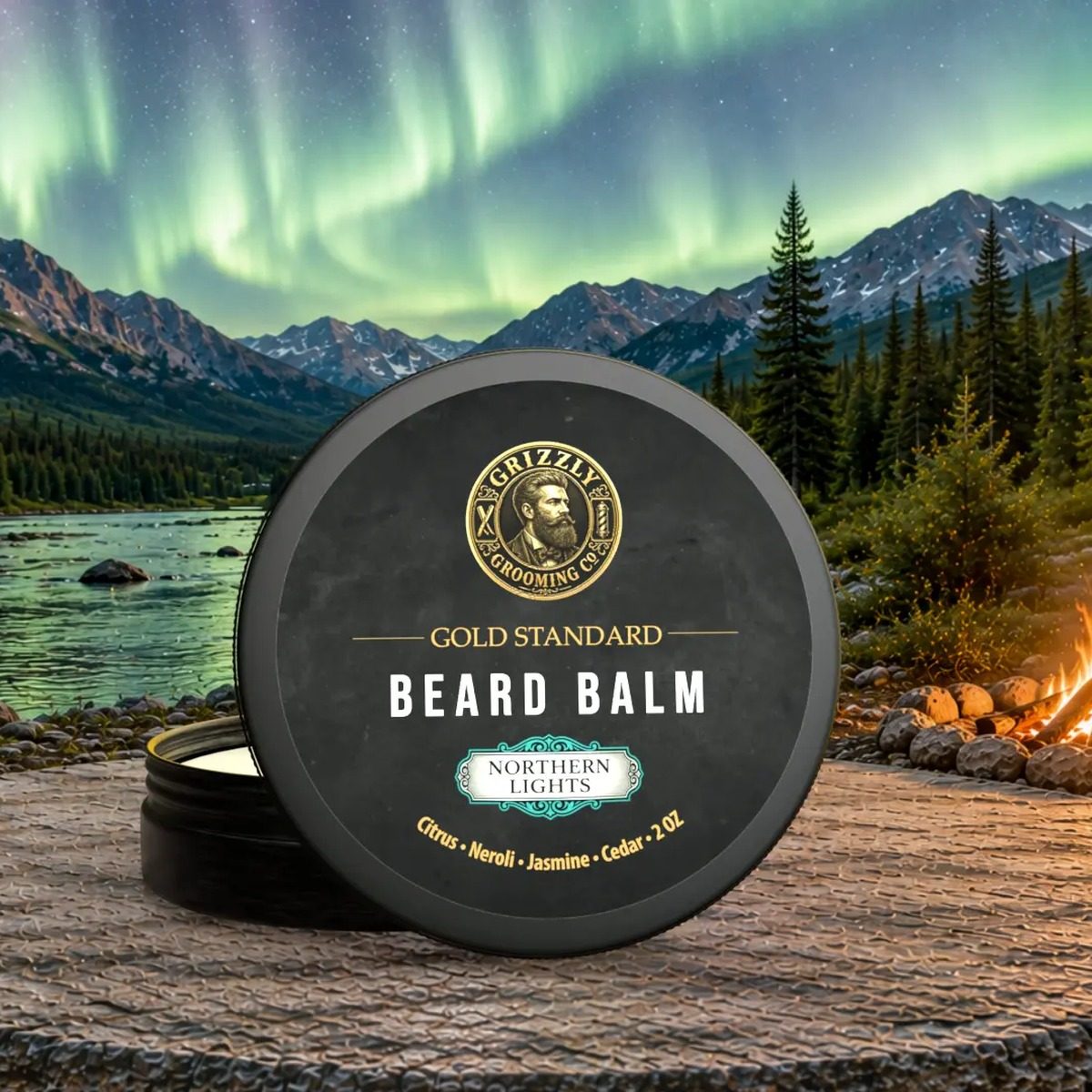
If you notice patches or uneven density at this stage, do not panic. Most beards require 90 to 120 days to fully fill in. The use of a quality beard balm can provide enough weight to lay down flyaways and cover thinner areas, giving the illusion of a denser beard. The beeswax in the balm provides a light hold that keeps the shorter, more stubborn hairs in place while you wait for slower-growing follicles to catch up.
Advanced Skin Care for the Full Beard Transition
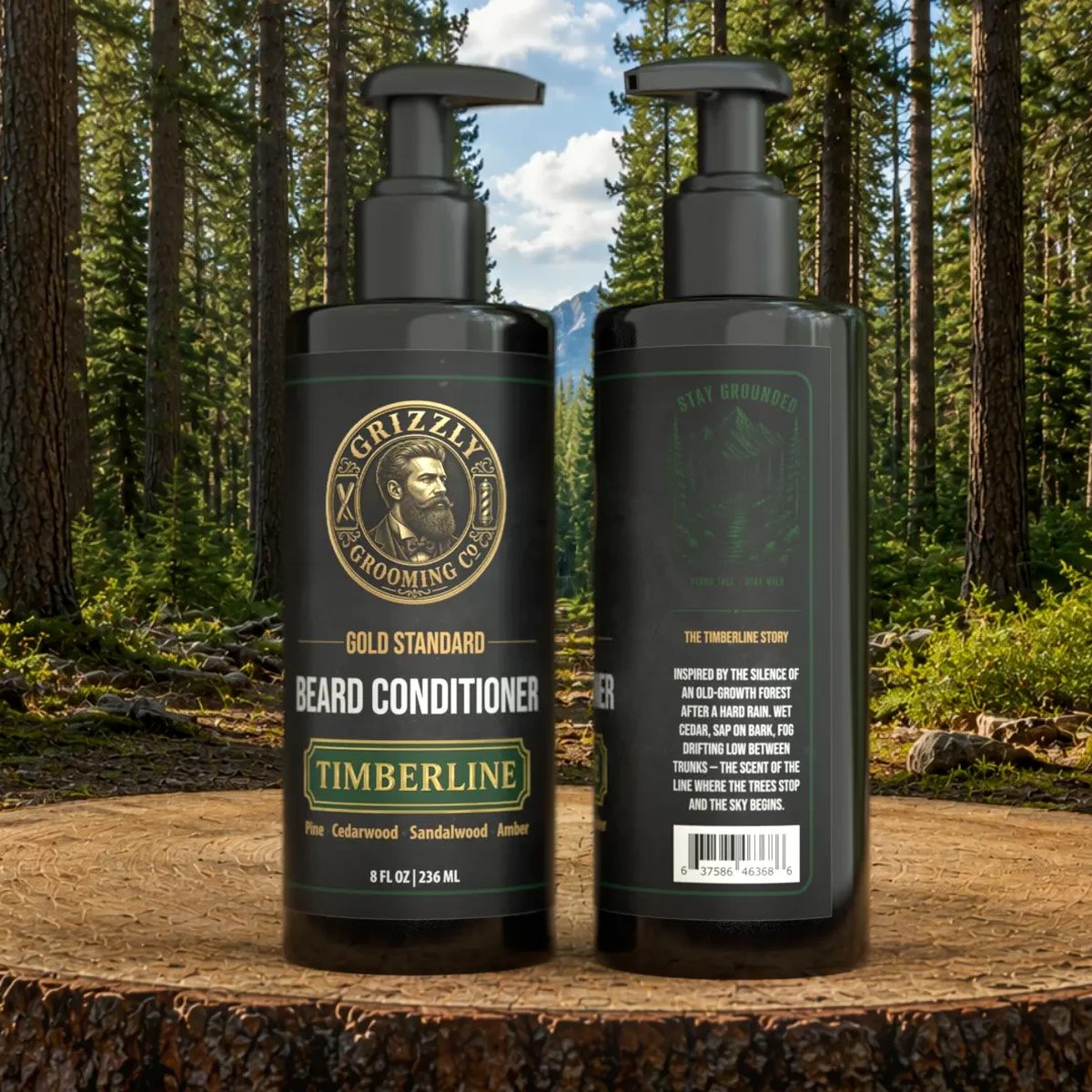
As the hair thickens, the skin underneath becomes harder to reach, leading to a build-up of dead skin cells and dried sebum known as 'beardruff.' To combat this, you must transition from surface washing to deep follicular cleansing. Once a week, use a specialized Beard Wash and follow it with a dedicated Conditioner. The conditioner helps to rehydrate the hair and the skin, which can become dehydrated as the hair wicks moisture away from the dermis.
During the winter months, the transition becomes more difficult as cold air and indoor heating strip moisture from the hair. Increase your application of Gold Standard Beard Butter during this time to provide an occlusive layer that prevents trans-epidermal water loss. If you experience redness or flaking, it is often a sign that your skin's pH is unbalanced, requiring a move toward more nutrient-dense oils.
For those with sensitive skin, avoid products with heavy synthetic fragrances. Instead, rely on natural scents or unscented options that focus on carrier oils like hemp seed or jojoba. If you use a cologne, apply it to the pulse points of your neck and wrists rather than directly onto the beard, as the alcohol content in traditional perfumes can dry out the hair and lead to split ends.
Addressing Patchiness and Growth Asymmetry
Few men grow a perfectly symmetrical beard from day one. Often, one side grows faster or thicker than the other, or patches appear under the lip or on the cheeks. The key to managing this is to trim for the weakest areas. If your left side is thinner, trim the right side slightly shorter to match the density. This creates a visual balance that makes the beard appear more complete than it actually is.
Length can also be used to hide patches. As the surrounding hairs grow longer, they can be brushed over thinner areas. Using a Mustache Wax can also help manage the transition by keeping the lip area clear and defined, which draws the eye away from any irregularities on the cheeks. The goal is to maintain a sharp outer perimeter, which creates the illusion of fullness throughout the interior of the beard.
Nutrition and hydration play a supporting role in growth quality. While no product can change your genetics, staying hydrated and maintaining a diet rich in biotin, zinc, and Vitamin E ensures that the hair your body does produce is of the highest quality. A healthy body produces resilient, lustrous hair that is less prone to breakage, which is vital during the vulnerable transition months.
Common Mistakes and How to Correct Them
The most frequent error is 'The High Neckline.' Many men trim their neckline too high, often following the jawbone itself. This creates a beard that looks like it is floating on the face and can accentuate a double chin. To fix this, stop trimming the neckline for two weeks to let the hair grow back, then redefine the line lower, at the level of the Adam's apple, to create a stronger, more masculine profile.
Another common mistake is over-trimming the mustache. It is tempting to trim the mustache right at the lip line as soon as it touches the mouth, but this often results in a 'toothbrush' look. Instead, use a small amount of mustache wax to comb the hairs to the side. This allows the mustache to gain the necessary bulk to blend seamlessly into the rest of the beard rather than looking like a separate entity.
Lastly, many men stop using skin care products once the hair covers the face. This is a mistake, as the skin is the foundation of the beard. Neglecting the dermis leads to itchiness and poor hair quality. If you have neglected your skin and it has become flaky, use a Goat Soap Bar to gently cleanse and rebalance the skin's moisture without the harsh chemicals found in standard body soaps.
Refining the Look: Tool Selection and Maintenance
As the beard transitions from a short growth to a medium-length beard, your tools must evolve. A plastic comb will create static and can snag the hair, leading to split ends. Upgrade to a hand-sawn wooden or cellulose acetate comb, which glides through the hair without generating a static charge. This is particularly important for men with curly or coarse hair types who are prone to tangling.
Investing in a high-quality pair of stainless steel shears is also recommended. While electric trimmers are efficient for bulk removal, shears allow for precision trimming of 'flyaway' hairs that stick out from the main body of the beard. Trimming these individual hairs once a week keeps the beard looking sharp and prevents it from looking frizzy or unmanaged in professional environments.
Finally, consider your fragrance profile. A full beard retains scents longer than clean-shaven skin. Using a Solid Cologne allows for a more subtle, controlled application than a spray. You can rub a small amount into the beard or onto the neck, providing a long-lasting scent that complements the natural, earthy tones of your beard oil and balm without being overpowering.
Frequently Asked Questions
How long does it take for a beard to look professional?
Generally, it takes four to six weeks of growth coupled with proper neckline maintenance for a beard to look like a deliberate style choice. During this window, consistent use of beard oil is required to keep the hair looking groomed rather than dry and frizzy.
Can I use regular head shampoo on my new beard?
We advise against it. Regular shampoos contain harsh surfactants designed to strip heavy oils from the scalp, which will leave your facial skin excessively dry and prone to flaking. Use a specialized beard wash that preserves the delicate moisture balance of the face.
What if my beard grows in patchy during the first month?
Patchiness is common and often temporary. Most men have varying growth rates across their face; give the slower areas at least 90 days to fill in before deciding on a permanent style. In the meantime, keeping your edges sharp will make any patchiness look like a work in progress.
How often should I apply beard oil during the transition?
During the first month, apply beard oil once daily, preferably after showering. If you live in a dry climate or have naturally dry skin, a second application in the evening can help prevent nighttime itching and maintain follicular health.
When should I start using beard balm instead of just oil?
You should introduce beard balm once your hair is long enough to start curling or sticking out, typically around the 4-6 week mark. The balm provides the necessary weight and hold to style the hair, whereas oil is primarily for skin and hair conditioning.
Is it normal for my beard to feel coarse in the beginning?
Yes, new growth is naturally coarse because the hair has been cut at a sharp angle by a razor. Regular application of beard oil and conditioner will soften the hair cuticle over time, making the beard feel significantly smoother as it gains length.
How do I prevent 'beardruff' during the growth phase?
Beardruff is prevented by consistent exfoliation and hydration. Use a boar hair brush to lift dead skin cells and apply beard oil daily to keep the skin hydrated. If flaking persists, ensure you are using a beard-specific wash that does not dry out the dermis.
Build your ritual in 60 seconds.
Answer four questions and get a custom regimen built around your beard and routine.
Start The Ritual Builder