A Guide to Eliminating Beard Dandruff and Flaky Under-Beard Skin
Beard dandruff, colloquially known as beardruff, is rarely the result of poor hygiene. In professional grooming, we recognize it as a breakdown of the skin's moisture barrier caused by the physiological demands of facial hair. As beard follicles grow, they draw sebum—the skin's natural lubricant—away from the surface to coat the hair shaft. For most men, the sebaceous glands cannot keep pace with this demand, leading to a state of chronic dehydration. This manifests as desquamation, where skin cells shed prematurely in visible white flakes. Left untreated, this cycle causes inflammation, itching, and potential damage to the hair follicles themselves. Resolving this issue requires a systemic shift in how you cleanse, hydrate, and maintain the environment beneath your beard.
- ›Discard standard scalp shampoos and bar soaps which strip essential sebum and disrupt the acid mantle.
- ›Perform mechanical exfoliation twice weekly using a firm boar hair brush to clear dead skin cells and debris.
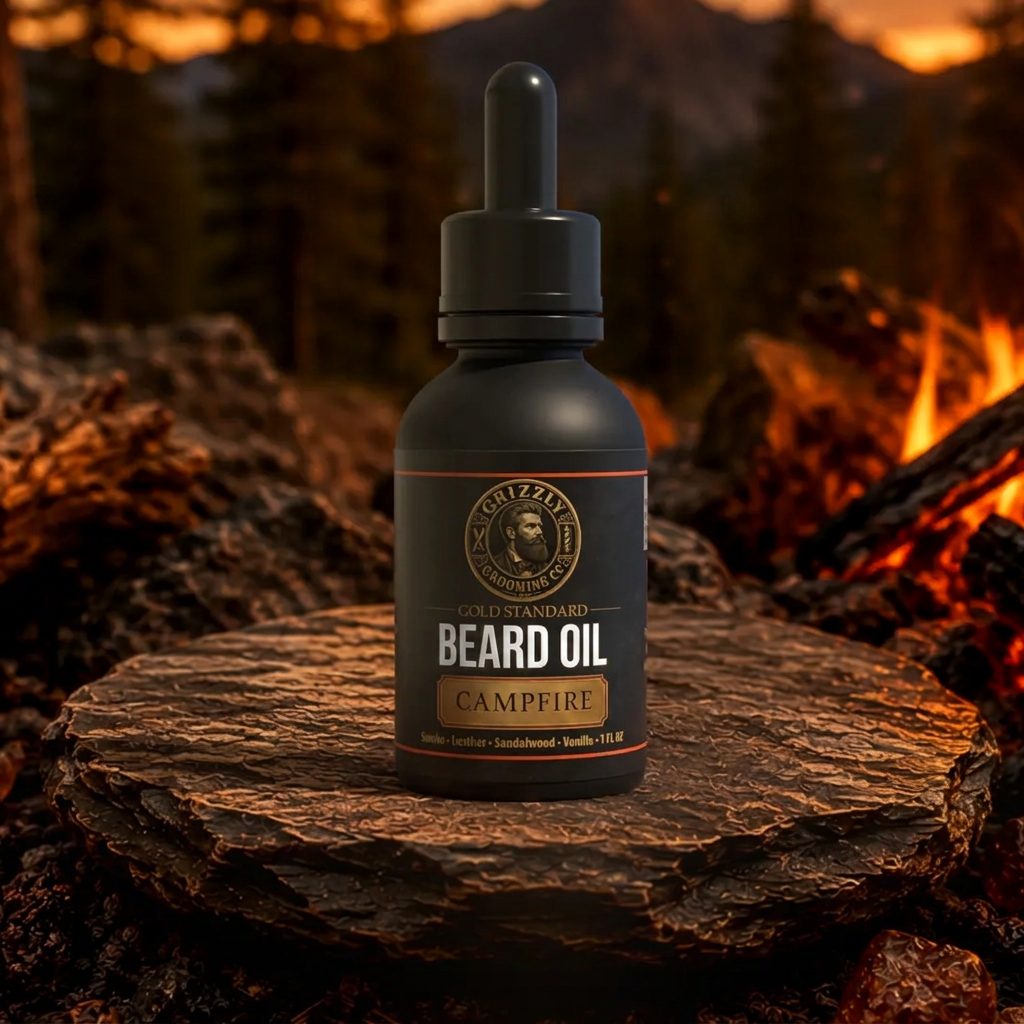
- ›Apply Gold Standard Beard Oil to damp skin immediately after showering to lock in moisture via occlusion.
- ›Regulate shower temperatures to lukewarm, as water above 105 degrees Fahrenheit liquefies protective skin lipids.
- ›Use a low-heat blow dryer to prevent prolonged moisture retention against the skin, which can invite fungal growth.
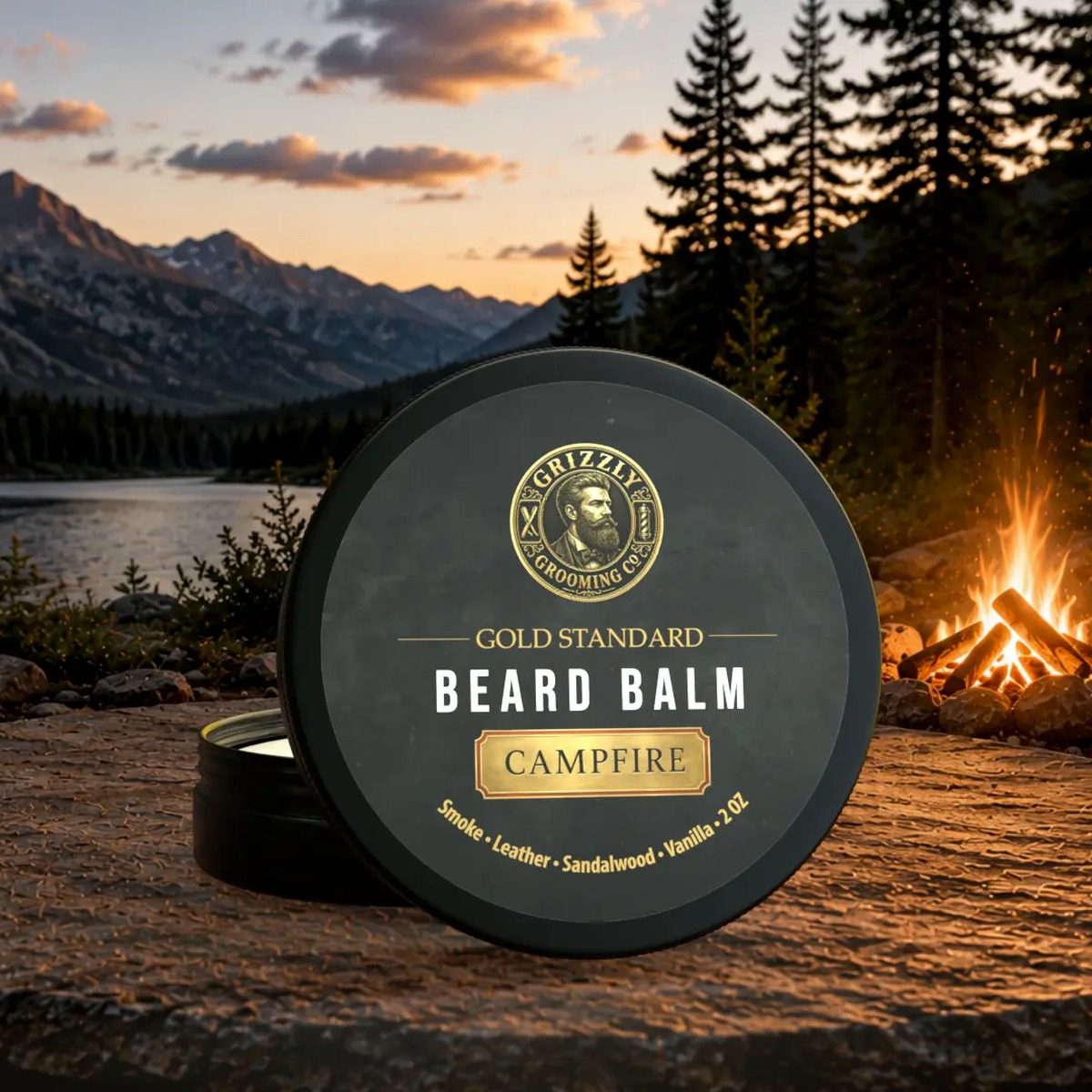
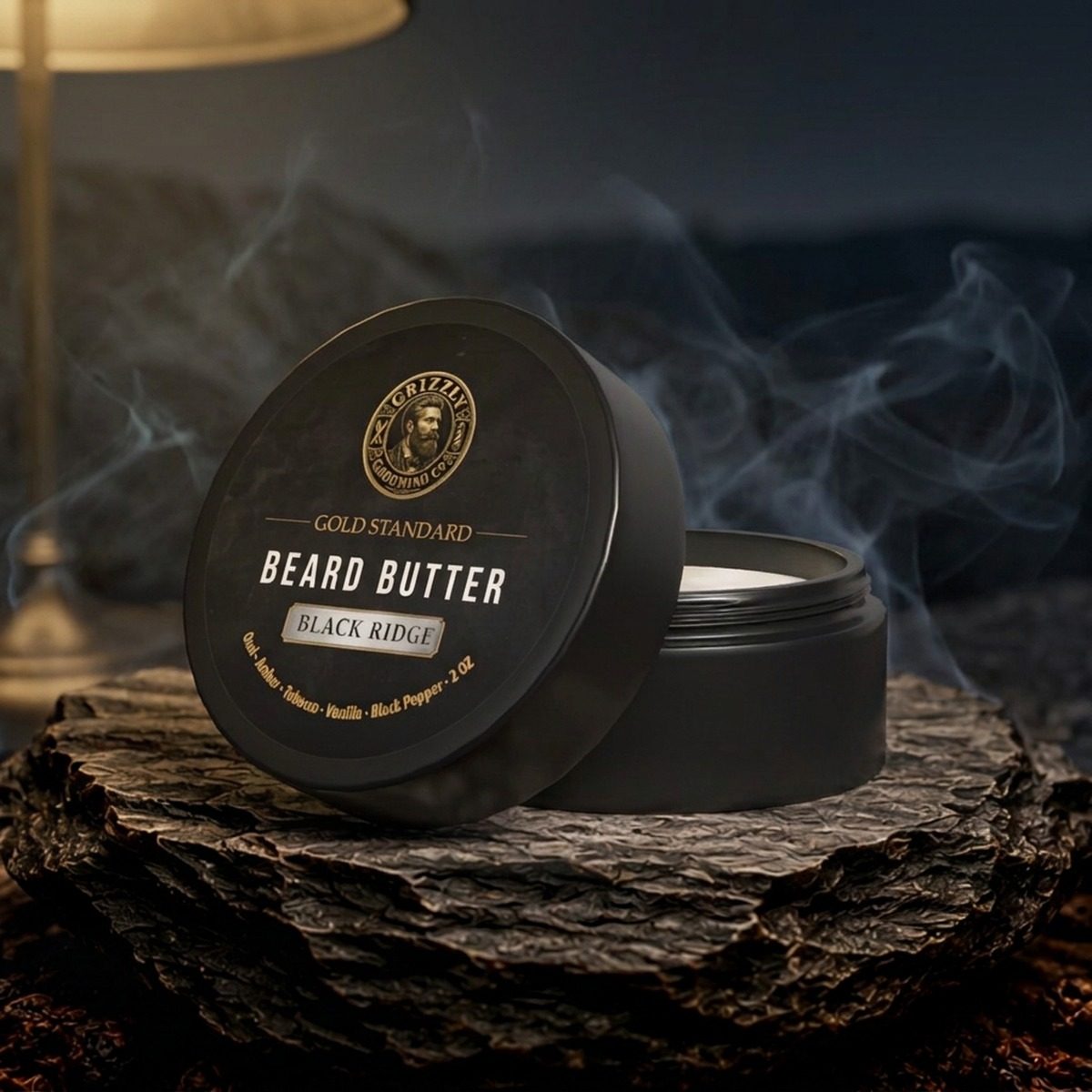
- ›Layer Beard Butter over oil in winter months to provide a secondary lipid barrier against environmental stressors.
The Biological Mechanism of Flaky Facial Skin
The primary driver of beard flakes is the exhaustion of the sebaceous glands. These glands, located at the base of each hair follicle, produce a complex mixture of lipids including triglycerides, wax esters, and squalene. When a beard reaches a certain length—typically around the one-inch mark—the surface area of the hair exceeds the skin's ability to provide adequate lubrication. This results in xerosis, or extreme dryness, which triggers the skin to shed its stratum corneum layer at an accelerated rate.
Compounding this issue is the presence of Malassezia globosa, a naturally occurring yeast-like fungus that feeds on sebum. As the fungus breaks down these oils, it leaves behind oleic acid as a byproduct. Approximately half the global population is sensitive to oleic acid, which causes an inflammatory response in the skin. This inflammation speeds up the skin cell renewal process, meaning cells that should take 28 days to mature and shed are instead pushed to the surface in as little as 7 days, resulting in clumps of visible flakes.
Understanding this biological reality shifts the focus from 'cleaning' the beard to 'managing the microbiome.' The goal of a professional grooming routine is to supplement the missing lipids with products like Gold Standard Beard Oil while simultaneously controlling the yeast population without resorting to harsh chemical antimicrobials that might further damage the skin’s integrity. This balance is the foundation of long-term beard health.
Mechanical vs. Chemical Exfoliation Techniques
Exfoliation is the process of removing the accumulated layer of dead skin cells that block moisture from reaching the dermis. For beard wearers, mechanical exfoliation is the preferred method because it physically dislodges flakes trapped deep within the hair density. A firm boar hair brush is the industry standard tool for this; the natural scales of the boar hair are microscopic, allowing them to grab and lift debris that synthetic nylon bristles would simply glide over.
The timing of exfoliation is critical. It should be performed on a dry beard before you step into the shower. Using short, circular strokes, work the brush against the grain of the hair to reach the skin. This not only clears the path for your Beard Wash but also stimulates localized blood circulation. Increased blood flow to the face brings oxygen and nutrients to the follicles, which can support healthier hair growth and more resilient skin over time.
Chemical exfoliants, such as those containing Salicylic acid or Lactic acid, should be used with extreme caution. While these can be effective for oily skin types, they often lower the pH of the skin too drastically for those already suffering from dryness. If you choose to use a chemical exfoliant, limit application to once weekly and ensure it is a wash-off product rather than a leave-in treatment to prevent chemical burns on the sensitive skin of the neck and jawline.
The Necessity of pH-Balanced Cleansing
The single most common mistake leading to beard dandruff is the use of standard bar soaps or scalp shampoos. Human skin has a natural pH of approximately 5.5, which is slightly acidic. Most bar soaps are highly alkaline, often reaching a pH of 9 or 10. When you apply an alkaline cleanser to the face, you neutralize the acid mantle, the protective layer that keeps bacteria out and moisture in. It can take the skin up to 14 hours to recover its natural pH after one wash with a harsh soap.
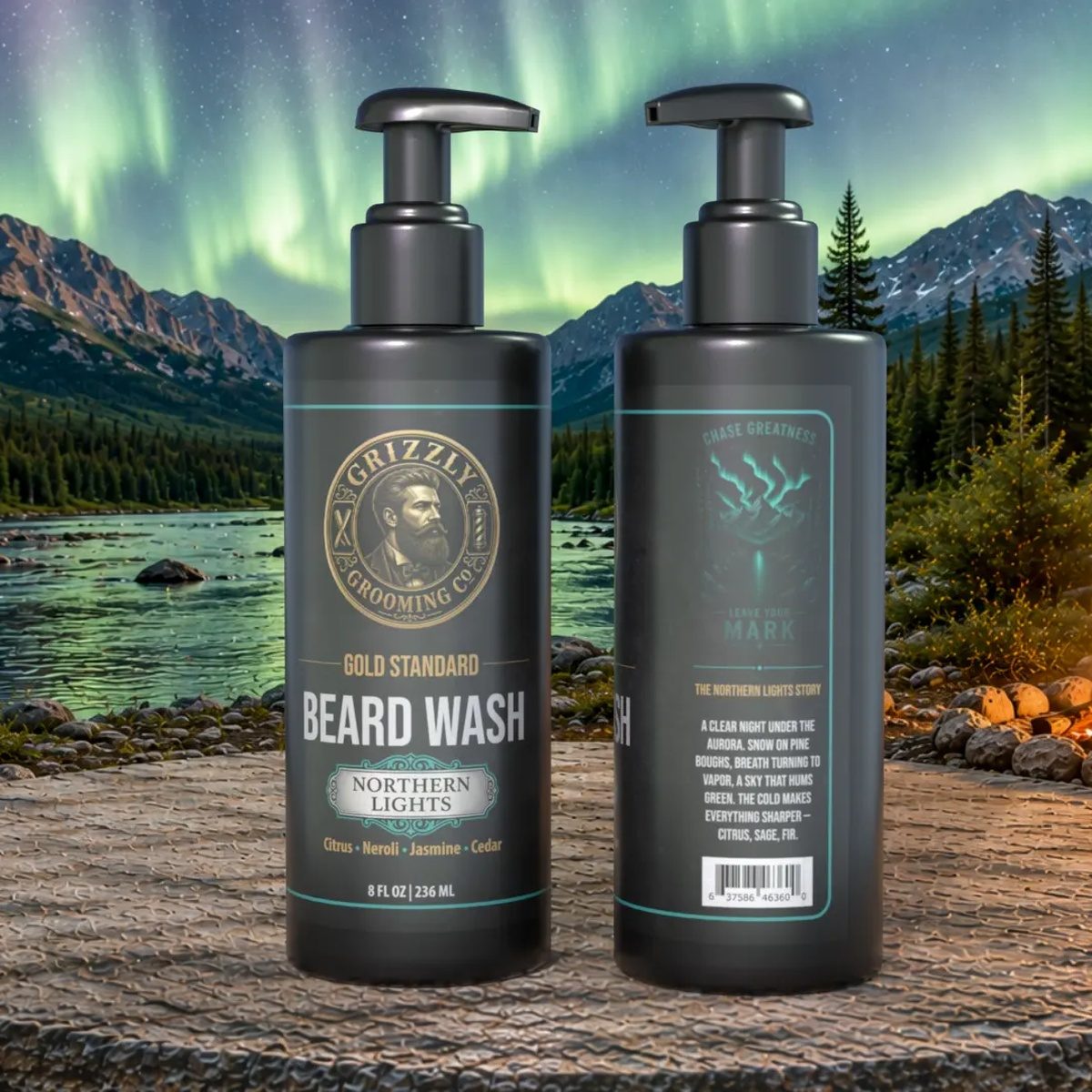
A dedicated Beard Wash is formulated specifically to respect this acidic balance. Rather than using Sodium Lauryl Sulfate (SLS), which is a powerful degreaser used in dish soap and car washes, professional-grade beard cleansers utilize milder surfactants like Decyl Glucoside. These ingredients effectively remove excess yeast and environmental pollutants without dissolving the essential lipids that keep the skin supple. This distinction is vital for preventing the 'tight' feeling often experienced after a shower.
For men with shorter beards, washing every other day is sufficient. However, as the beard grows longer and thicker, it can trap more environmental particulates and sweat. In these cases, daily rinsing with lukewarm water is recommended, but the use of Beard Wash should still be limited to three times per week. Over-cleansing, even with the correct products, can lead to a rebound effect where the skin produces excess oil to compensate for what was lost, potentially worsening the fungal aspect of dandruff.
Applying Beard Oil for Maximum Dermal Absorption
Beard oil is often marketed for the hair, but its primary function is to serve as a surrogate for sebum on the skin. To be effective against dandruff, the oil must be applied correctly. The optimal time is immediately after towel-drying your beard post-shower. At this stage, the skin is hydrated and the pores are slightly dilated from the warmth, allowing for better penetration. The oil acts as an occlusive layer, sealing in the water molecules currently residing in the skin cells.
Quantity matters. For a one-month beard, 3-4 drops of Gold Standard Beard Oil are usually sufficient. For a full-year beard (a 'yeard'), you may require 10 or more drops. Rub the oil between your palms and fingers, then drive your fingers through the beard until you feel them making contact with the skin. Massage the oil into the jawline, chin, and neck. Only after the skin is thoroughly treated should you use your remaining palm oil to smooth the outer surface of the beard hairs.
Look for specific carrier oils that have a low comedogenic rating, meaning they won't clog pores. Jojoba oil is particularly effective because its molecular structure is almost identical to human sebum. Argan oil provides high concentrations of Vitamin E, which aids in repairing the skin's barrier. By applying these oils daily, you create a consistent environment that prevents the drying and cracking that leads to flaking and the dreaded 'beard itch' associated with early growth.
Seasonal Adjustments and Environmental Shielding
External environmental factors play a massive role in the prevalence of beard dandruff. During winter, the combination of cold outdoor air and dry indoor heating creates a 'moisture vacuum' that pulls hydration out of the skin. This is why many men notice their dandruff flares up in November or December. During these months, a standard oil may not be enough. This is when transitioning to a Beard Butter or Beard Balm becomes necessary for added protection.
Beard Butter contains higher concentrations of shea and cocoa butters, which provide a thicker physical barrier against the elements. While the oil penetrates the skin, the butter sits slightly higher in the hair and on the surface of the dermis, preventing windburn and moisture evaporation. In contrast, during the humid summer months, you may find that you can revert to a lighter oil-only routine to avoid a greasy feel as the air is already saturated with moisture.
If you spend significant time in chlorinated pools or saltwater, your beard dandruff risk increases exponentially. Salt and chlorine are highly desiccating. Always rinse your beard with fresh water immediately after exiting the pool or ocean, and apply a small amount of oil to re-establish the lipid layer. Consistency in these environmental adaptations ensures that your skin remains stable regardless of the weather or your activity levels.
The Dangers of High-Heat Grooming
While heat can be a tool for styling, it is often a silent contributor to flaky skin. Many men use hair dryers on high settings or heated straightening brushes to manage their beard shape. Excessive heat causes the water within the hair shaft and the skin cells to evaporate too rapidly, leading to brittle hair and parched skin. If you must use heat, always apply a protective layer of Beard Balm first and keep the dryer on a 'cool' or 'warm' setting, at least six inches away from the face.
Conversely, leaving a beard soaking wet for long periods is also problematic. A damp beard creates a dark, warm, and humid microclimate—the ideal breeding ground for Malassezia fungus. This 'wet-beard syndrome' can lead to increased itching and a distinct sour smell. The professional approach is to pat the beard dry with a clean microfiber towel to remove the bulk of the water, then use a hair dryer on the coolest setting to ensure the skin underneath is not left damp.
Proper drying technique also helps in the application of your post-wash products. If the hair is too wet, the oil will simply sit on the surface of the water and eventually slide off rather than absorbing into the skin. Aim for a state of 'dampness'—where the hair is soft and flexible but not dripping. This state allows the oil to emulsify slightly with the remaining water, facilitating a more even distribution across the entire bearded area.
Dietary and Metabolic Influences on Skin Health
The health of the skin under your beard is a reflection of your overall metabolic state. Dehydration is the most direct internal cause of dry skin; if you are not consuming enough water, your body will prioritize hydrating internal organs over the dermis. Aim for at least three liters of water daily to maintain skin turgor. Furthermore, diets high in refined sugars can spike insulin levels, which has been linked to increased sebum production and, paradoxically, more aggressive fungal growth.
Integrating specific nutrients can improve the resilience of your skin barrier. Omega-3 fatty acids, found in fish oil and flaxseeds, are essential for maintaining the lipid composition of your skin. Biotin and Vitamin E also support the structural integrity of both the hair and the underlying skin. While supplements can help, they are not a replacement for a balanced diet rich in whole foods and healthy fats like avocados and nuts.
Stress is another often-overlooked factor. High levels of cortisol can disrupt the skin's ability to repair itself and can trigger flare-ups of seborrheic dermatitis, a common clinical form of beard dandruff. Maintaining a regular sleep cycle and managing stress levels through exercise or other means can have a noticeable impact on the clarity and health of the skin beneath your facial hair.
Common Mistakes and How to Correct Them
The most frequent error is the 'spot-treatment' fallacy—only applying oil to the areas where flakes are visible. Beard dandruff is a systemic issue across the entire bearded area. You must treat the chin, jawline, and neck with equal attention, even if flakes are only appearing on the chin. Consistent, full-coverage application is the only way to prevent the migration of dry patches to other areas of the face.
Another mistake is using the wrong tools. Plastic combs with molded seams can create micro-abrasions on the skin and snag the hair, leading to inflammation that mimics dandruff. Switch to a saw-cut acetate comb or a natural wood comb, which are hand-polished to be smooth. These tools glide over the skin without causing the irritation that leads to flaking. Similarly, ensure your Goat Soap Bar is used for the body, while using a dedicated liquid wash for the facial hair to maintain the correct pH.
Finally, many men give up on a new routine too early. Skin cells take nearly a month to fully turn over. If you start a new hydration regimen, you must stick with it for at least 28 days before judging its effectiveness. Frequently switching products or skipping days prevents the skin from reaching a state of equilibrium. Establish a morning ritual: wash (if it's a wash day), towel dry, apply oil, and comb. Adherence to this sequence is what separates those with flakes from those with a clean, healthy beard.
Frequently Asked Questions
Can I use head dandruff shampoo on my beard?
It is generally discouraged. While active ingredients like zinc pyrithione can kill yeast, the harsh detergents and sulfates in scalp shampoos are designed for the much thicker, less sensitive skin of the scalp. Using them on the face often strips too much oil, resulting in even worse flaking once the initial treatment is finished.
How long does it take to see results from a new beard care routine?
While itching usually subsides within 48 hours of consistent oil application, visible flakes may take longer to disappear. Because the skin's natural regeneration cycle is approximately 28 days, you should expect to see the full results of your new regimen after one full month of daily care.
Does a shorter beard mean I don't need beard oil?
No, even stubble can cause skin dryness. In fact, shorter, pricklier hairs can irritate the skin more easily as they curve back toward the face. Applying a small amount of oil—even just 1 or 2 drops—is essential from the very first week of growth to prevent the initial onset of beardruff.
Is beard dandruff contagious?
No. Beard dandruff is typically caused by a combination of dry skin and a sensitivity to a naturally occurring fungus that everyone already has on their skin. It is not a result of poor hygiene and cannot be passed to another person through contact.
Should I scrape the flakes off with a comb?
Never aggressively scrape the skin. This causes micro-trauma and inflammation, which will only increase the rate of skin cell shedding. Instead, use a soft-bristled boar brush to gently lift loose flakes and follow up with an immediate application of oil to soothe the area.
Can my diet cause my beard to flake?
Yes, indirectly. A diet high in sugar and processed fats can promote inflammation and feed the yeast responsible for dandruff. Increasing your intake of water and Omega-3 fatty acids can help improve your skin's natural lipid barrier from the inside out.
Build your ritual in 60 seconds.
Answer four questions and get a custom regimen built around your beard and routine.
Start The Ritual Builder