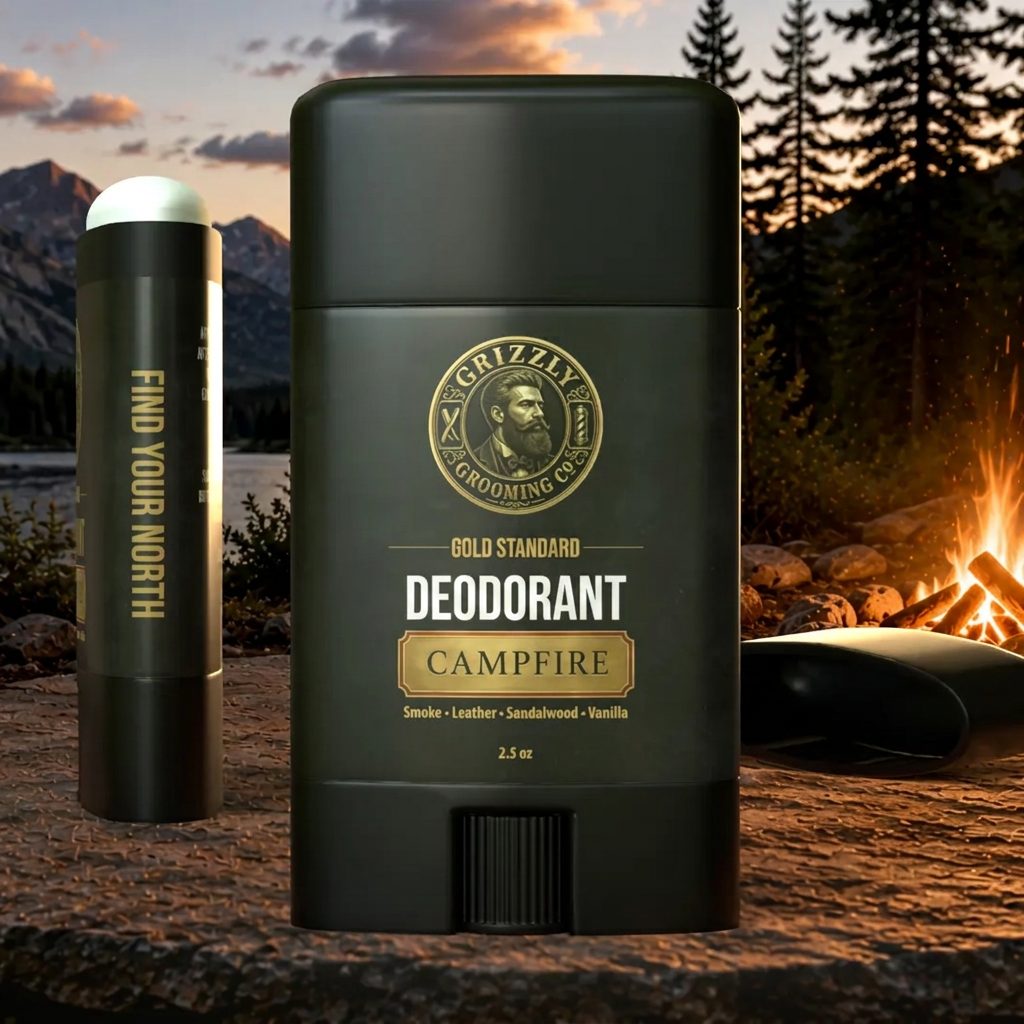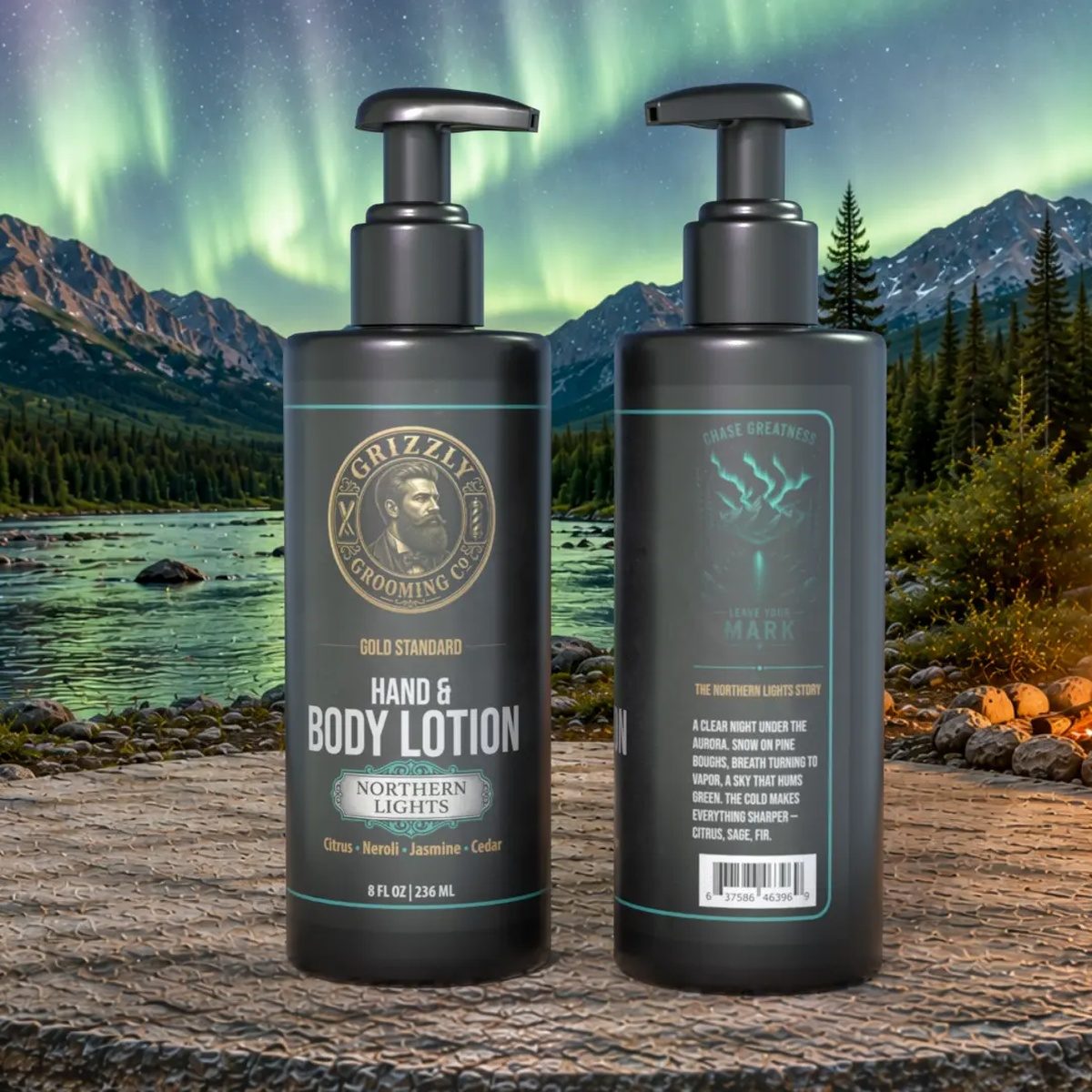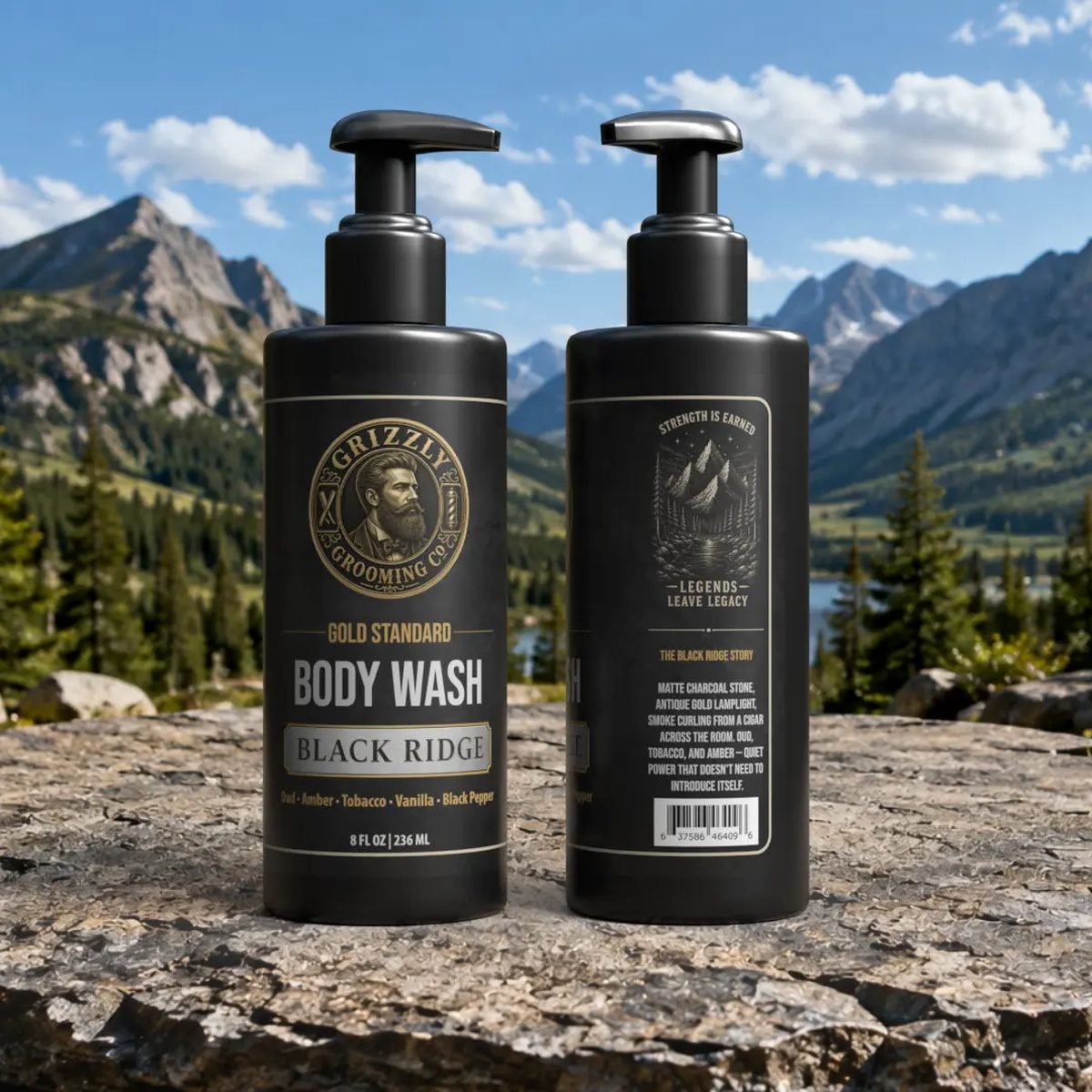
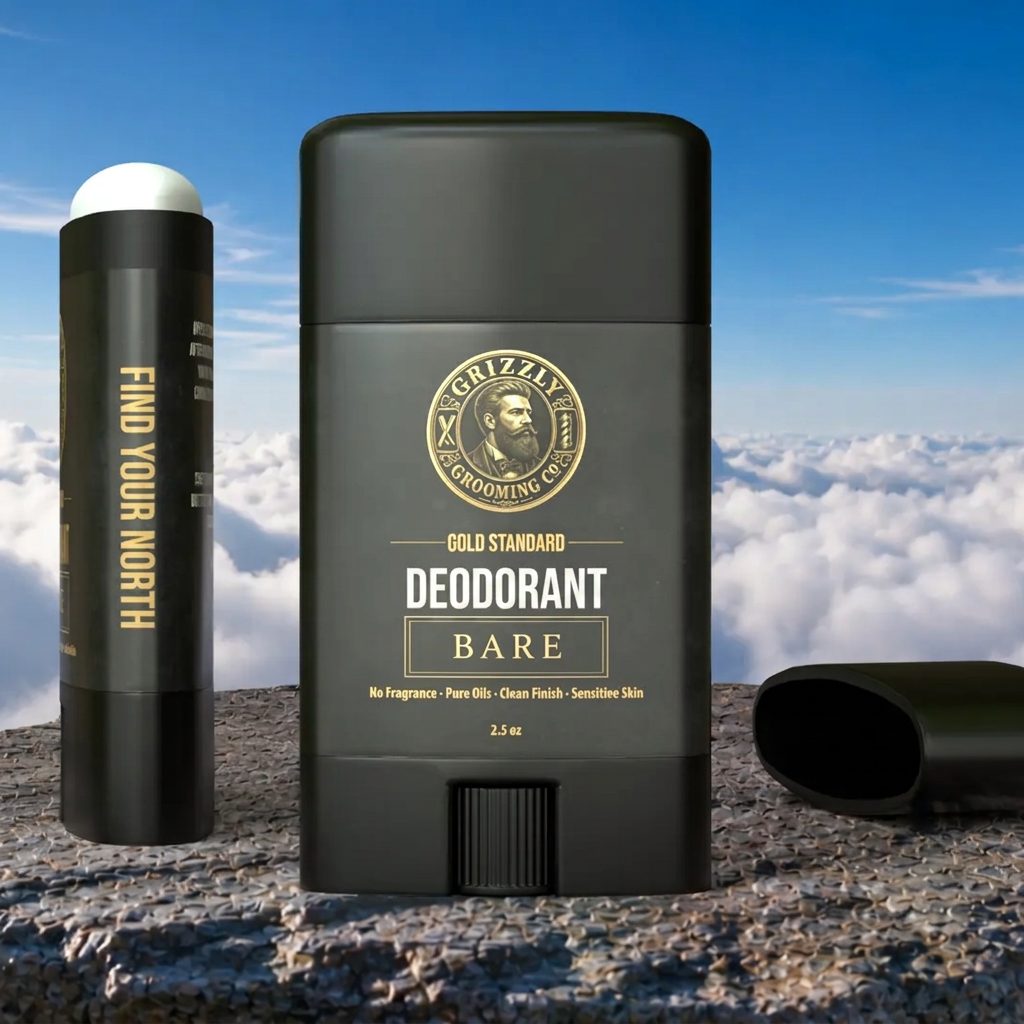
Why Natural Deodorant Prioritizes Skin Health Over Sweat Suppression
The modern grooming industry has long framed perspiration as a defect to be suppressed through chemical intervention. Conventional antiperspirants rely on metallic salts to physically block the skin's exit points, a process that contradicts basic human physiology. As editors at Grizzly Grooming Co., we advocate for a transition toward skin-first care. Choosing a natural formula is not about lowering your standards for hygiene; it is about adopting a more sophisticated understanding of how the body regulates temperature and maintains its largest organ. By removing synthetic blockers and focusing on microbial balance, you prioritize long-term skin health over temporary, artificial dryness.
- ›Antiperspirants utilize aluminum salts to form temporary plugs in sweat ducts, altering a biological function.
- ›True deodorants neutralize odor-causing bacteria without impeding the body's thermoregulation process.
- ›Transitioning requires a 14-day 'purge' where the underarm microbiome rebalances and pores clear.
- ›Natural formulas prevent the chemical reaction between sweat and aluminum that causes yellow shirt stains.
- ›Quality ingredients like arrowroot powder and shea butter absorb moisture while conditioning the dermis.
- ›Consistent cleansing with pH-balanced soaps prevents the accumulation of bacteria during the transition.
The Mechanism of Sweat Suppression versus Odor Neutralization
To understand why skin health suffers under conventional products, one must examine the mechanism of action. Antiperspirants are classified as over-the-counter drugs because they are designed to change the body's function. The active ingredient, usually an aluminum-based salt like aluminum zirconium or aluminum chlorohydrate, reacts with the electrolytes in your sweat to form a physical gel plug within the sweat duct. This prevents moisture from reaching the skin surface, but it also traps metabolic waste and creates a localized inflammatory response in the follicle.
Natural deodorant functions as a cosmetic rather than a drug. Instead of plugging the pore, it targets the bacteria that live on the skin's surface. Sweat itself—produced by the eccrine and apocrine glands—is virtually odorless. The distinct 'body odor' associated with men's grooming occurs only when the proteins and fats in apocrine sweat are consumed by bacteria like Staphylococcus hominis. By using botanicals and minerals, a premium deodorant creates an environment where these bacteria cannot thrive, effectively managing scent without disrupting the endocrine system.
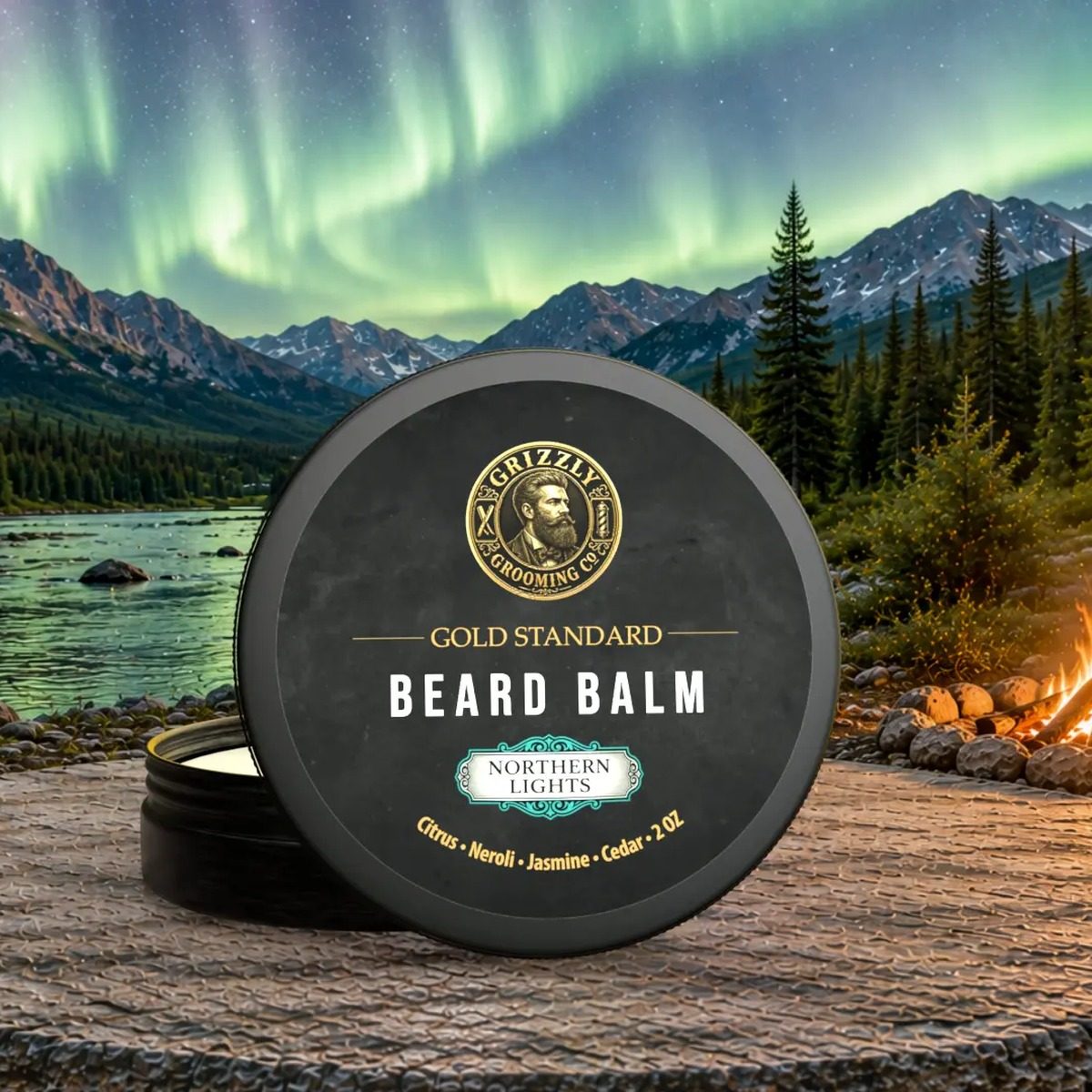
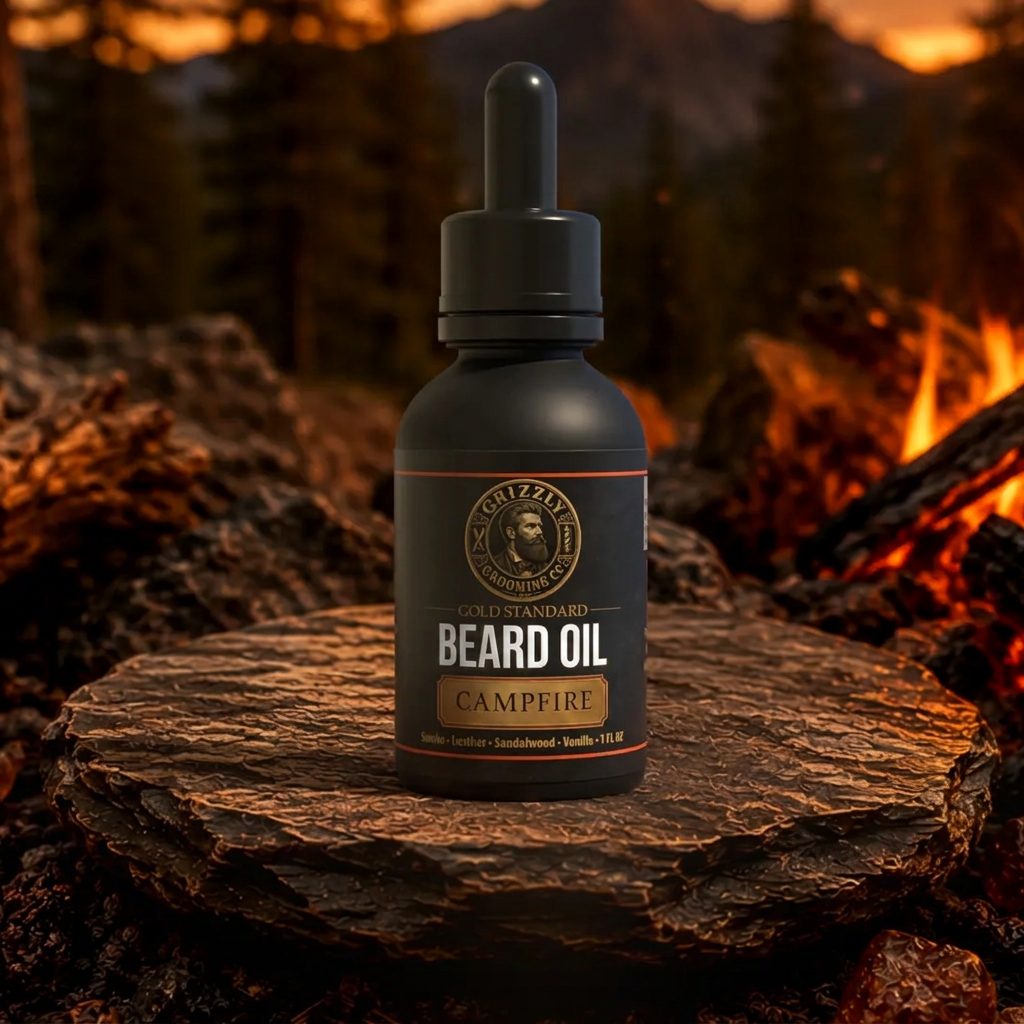
When you use a product like our Premium Deodorant, you are allowing the body to perform its natural cooling process. This is particularly vital for men who use Beard Oil or Beard Balm, as maintaining a consistent body temperature prevents the overproduction of facial sebum that can lead to beard dandruff or 'beardruff.' By keeping the underarm pores clear, you ensure that the body’s primary heat-release valves remain functional, reducing the overall stress on the skin's moisture barrier across your entire frame.
The Health Implications of Aluminum and Synthetic Waxes
The skin in the axillary region is among the thinnest and most absorbent on the human body. When you apply heavy, synthetic waxes and metallic salts daily, these substances are not merely sitting on the surface; they interact with the dermal layers. Chronic use of aluminum-based products has been linked to contact dermatitis, characterized by redness, itching, and dry, flaky skin. This irritation is often exacerbated in the winter, similar to how a beard requires extra Beard Butter to combat dryness. If your underarms feel tight or reactive, it is likely a sign of chemical sensitivity to these active blockers.
Synthetic fragrances and parabens found in mass-market sticks further complicate skin health. These ingredients can disrupt the skin's delicate pH balance, which should ideally sit around 5.5. When the pH is pushed too high or too low by harsh chemicals, the skin's acid mantle is compromised. This makes the area more susceptible to fungal infections and bacterial overgrowth. A healthy deodorant uses essential oils and natural fats to maintain this balance, ensuring the skin remains resilient against friction and environmental stressors.
Furthermore, the buildup of non-biodegradable waxes like petrolatum or paraffin—often used to give cheap sticks their structure—can lead to clogged pores and hidradenitis suppurativa. These waxy deposits are difficult to remove with standard soaps and often require an aggressive scrub. Switching to a clean formula allows you to cleanse the area effectively with a gentle Goat Soap Bar, which removes daily grime without stripping away the beneficial lipids that keep underarm skin supple and comfortable during movement.
Navigating the Two-Week Detoxification Phase
The most common reason men revert to antiperspirants is a misunderstanding of the 'detox' period. When you stop using aluminum salts, your sweat glands, which have been physically blocked for years, begin to clear out. During the first 3 to 7 days, you may experience an increase in moisture and a change in the intensity of your natural scent. This is not the deodorant failing; it is the body recalibrating its microbial flora and purging the accumulated aluminum and cellular debris from the ducts. It is a necessary physiological reset.
By day 10, the moisture levels typically begin to stabilize. The body eventually realizes it no longer needs to produce sweat at a high pressure to overcome a physical plug. During this window, we recommend a mid-day refresh. If you are at the gym or in a high-stress environment, simply wipe the area with a clean damp cloth and reapply your natural deodorant. This helps manage the shifting bacteria levels as your skin's microbiome moves toward a new, healthier equilibrium.
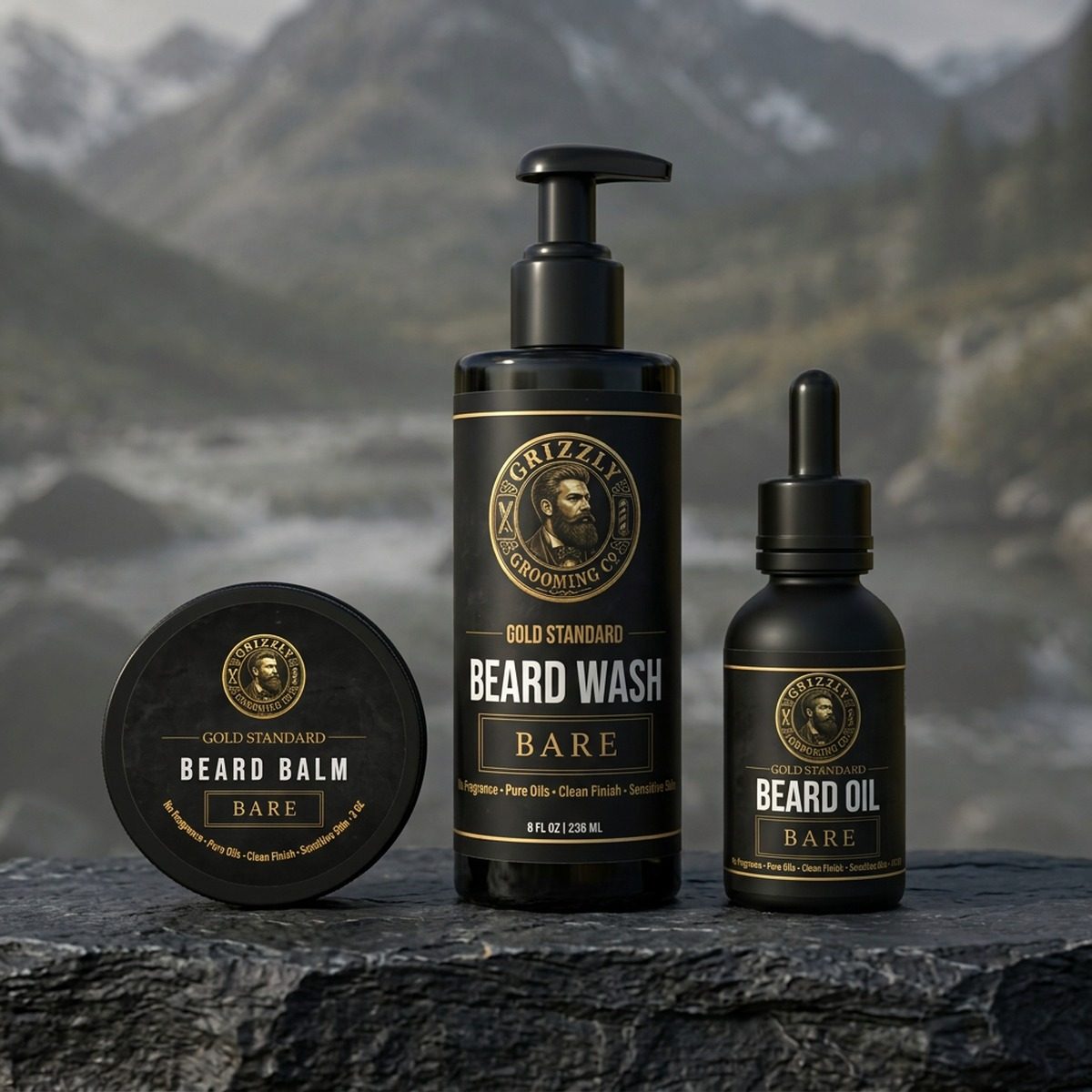
To expedite this process, pay attention to your overall hygiene routine. Just as a clean Neckline is essential for a sharp beard, clean underarms are the foundation of scent management. Use a dedicated wash, such as our Beard Wash or a high-quality body soap, to ensure all residual synthetic wax is removed every evening. By the end of the second week, most users report that their natural sweat level is lower than it was during the height of the transition, as the glands are no longer in a state of overcompensation.
Ingredient Science: Clays, Powders, and Plant Butters
Effective natural deodorants rely on mineral and plant-based alternatives to manage moisture. Arrowroot powder is a staple in premium formulas due to its incredible capacity to absorb moisture without clogging pores. Unlike cornstarch, which can sometimes ferment on the skin and cause odor, arrowroot remains inert and provides a silky texture that reduces chafing. When combined with kaolin clay, these minerals draw out impurities and provide a dry-touch feel that lasts throughout the work day or a rigorous workout.
The base of the deodorant stick is equally important. We utilize ingredients like shea butter and coconut oil not just for their scent, but for their antimicrobial properties and fatty acid content. These fats provide a protective barrier that prevents the skin from drying out, which is a common side effect of baking-soda-heavy natural brands. By balancing these conditioners, the product glides onto the skin smoothly, preventing the hair-tugging and irritation often associated with dry, chalky natural alternatives.
For scent, the shift from synthetic 'Blue Sport' fragrances to essential oils offers a more sophisticated profile that mirrors a fine Cologne. Essential oils like cedarwood, sandalwood, and bergamot do double duty; they provide a masculine, earthy aroma while offering secondary antibacterial benefits. This creates a layered scent experience that works in harmony with your Solid Cologne or beard grooming products rather than clashing with them. It is a more holistic approach to personal fragrance that treats scent as a byproduct of health.
Protecting Your Wardrobe from Chemical Staining
A little-known benefit of prioritizing skin health via natural deodorant is the longevity of your clothing. Those stubborn, stiff yellow stains in the pits of white t-shirts and dress shirts are not caused by sweat alone. They are the result of a chemical reaction between the urea in your perspiration and the aluminum salts in your antiperspirant. Once this bond is formed in the fabric fibers, it becomes nearly impossible to remove, eventually turning the fabric brittle and discolored.
Because natural deodorants exclude metallic salts, this reaction never occurs. The plant oils and powders used in high-quality sticks are water-soluble and wash out easily in a standard laundry cycle. This means your premium cotton shirts and wool blends will last significantly longer. Investing in a Gold Standard product is as much a commitment to your wardrobe as it is to your body, reflecting a craft-focused mindset where every element of the grooming routine is optimized for quality.
To ensure no residue is left on clothing, proper application is key. A natural deodorant should be applied to clean, dry skin and allowed a few seconds to 'set' before you pull on a shirt. Because these formulas are rich in butters, a little goes a long way. Two to three light strokes are sufficient to provide full-day protection. Over-applying can lead to excess oils transferring to the fabric, though even this is easily remedied by a standard wash, unlike the permanent damage caused by aluminum.
Advanced Application Techniques for Maximum Efficacy
To get the most out of a natural formula, timing is everything. While many men apply deodorant in the morning, applying it at night can be highly effective. During sleep, your body temperature drops and your sweat rate decreases, allowing the skin-conditioning ingredients and antimicrobial essential oils to settle deeply into the skin. This creates a solid foundation of protection that carries through to the next day, even after a morning rinse.
Temperature also plays a role in the application. Natural sticks are sensitive to the environment because they lack synthetic stabilizers. If your bathroom is cold in the winter, hold the deodorant stick against your underarm for three seconds before swiping. Your body heat will slightly soften the plant butters, ensuring a smooth, even application that doesn't pull at the hair. This is the same principle used when warming Beard Balm between your palms before applying it to a coarse beard.
For those with significant underarm hair, ensuring the product reaches the skin is vital. If the deodorant only sits on the hair, it cannot effectively neutralize the bacteria on the dermis. Use firm but gentle strokes to work the product through the hair to the skin surface. If you maintain a trimmed underarm, you will find you need even less product for total coverage. Regardless of hair length, the goal is a thin, even layer that covers the entire apocrine gland area.
Addressing Baking Soda Sensitivity and pH Balance
Some men find that certain natural deodorants cause a rash or 'burn.' This is usually due to a high concentration of baking soda (sodium bicarbonate). While baking soda is an excellent odor neutralizer, it is highly alkaline. If a formula uses too much of it, it can disrupt the skin’s acidic environment, leading to irritation. This is why a balanced formula is critical; we use just enough to manage odor while buffering it with soothing ingredients like vitamin E and candelilla wax.
If you experience redness, it is often a sign of a compromised skin barrier. Take a break for 24 hours and apply a small amount of unscented Beard Oil or a gentle moisturizer to the area to restore hydration. When you resume, ensure your skin is completely dry before application. Applying any product to damp skin can trap moisture and lead to friction-based rashes. Once your skin adjusts to the pH of a natural formula, the occurrence of these rashes typically disappears entirely.
For those with extremely sensitive skin, look for formulas that prioritize magnesium hydroxide or zinc oxide over baking soda. These minerals offer similar odor-neutralizing capabilities but are much gentler on the dermis. The shift toward these ingredients represents the latest evolution in men's grooming, focusing on efficacy without the collateral damage of irritation. It is the difference between a harsh chemical strip and a measured, botanical-led cleaning process.
Common Mistakes: Over-application and Poor Cleansing
The most frequent error men make when switching to natural deodorant is over-application. Because natural products feel different—often creamier or more tactile than a dry aerosol—users tend to apply five or six swipes. This is unnecessary and can lead to a 'tacky' feeling under the arm. A high-quality stick is densely packed with active ingredients; two light passes provide a sufficient barrier against bacteria. If you feel like the product is clumping, you are using too much.
Another mistake is failing to thoroughly cleanse the area daily. In the same way that you wouldn't apply Conditioner to a beard full of old product, you shouldn't apply fresh deodorant over yesterday's layer. The bacteria that cause odor can get trapped under new layers of product, leading to decreased efficacy. Use a washcloth or a loofah with your Goat Soap Bar to gently exfoliate the underarm once a week. This removes dead skin cells and ensures the deodorant can sit directly on the skin.
Finally, many men fail to account for their diet and hydration levels. Body odor is influenced by what you consume; highly processed foods and dehydration can lead to more pungent sweat. Drinking ample water helps dilute the salts and proteins in your sweat, making it easier for your natural deodorant to do its job. Grooming is a holistic endeavor; your internal health directly impacts how well your external products perform.
Frequently Asked Questions
Will I sweat more if I switch to natural deodorant?
Initially, you may notice more moisture because your pores are no longer blocked by aluminum. However, most men find that their body's perspiration levels stabilize and even decrease once the sweat glands are functioning naturally and are no longer overcompensating for being plugged.
How long does the transition period take?
The 'detox' or adjustment phase typically lasts between 7 and 14 days. During this time, your skin is purging built-up chemicals and rebalancing its bacteria. Consistency is key during this window to allow your body to fully recalibrate.
Can I use natural deodorant if I have sensitive skin?
Yes, but you should look for formulas that include skin-conditioning agents like shea butter and vitamin E. Avoid products with excessive baking soda if you are prone to rashes, and always apply to clean, dry skin to minimize irritation.
Why do my white shirts have yellow stains if I don't use aluminum?
If you have switched to natural deodorant and still see stains, it is likely residual aluminum from previous products or over-application of the natural oils. Natural deodorant itself will not cause the chemical reaction that creates permanent yellowing; a standard wash will remove any plant-oil residue.
How many swipes of the stick should I use?
For a premium, concentrated formula, two to three light strokes are sufficient. Applying too much can lead to a sticky feeling and waste product. The high concentration of active botanicals means a thin layer is all that is required for full-day protection.
Does diet affect how well my deodorant works?
Absolutely. A diet high in processed foods, alcohol, or specific spices can change the composition of your sweat, making it more difficult for any deodorant to mask the scent. Proper hydration is the best way to ensure your sweat remains easy to manage naturally.
Should I apply deodorant right after a shower?
Wait until your skin is completely dry. Applying deodorant to damp skin can dilute the formula and increase the risk of irritation, as moisture can be trapped against the skin by the waxes and butters in the stick.
Build your ritual in 60 seconds.
Answer four questions and get a custom regimen built around your beard and routine.
Start The Ritual Builder