The Science of Scent: Why Olfactory Cues Define Lasting Impressions
The olfactory bulb is uniquely positioned within the human cranium, maintaining a direct neural pathway to the amygdala and hippocampus. While visual and auditory stimuli are processed through the thalamus, scent bypasses this sensory relay station, triggering visceral emotional responses and memory retrieval. For the discerning man, fragrance is not a cosmetic mask but a tactical tool. By understanding the molecular structure of essential oils and the physics of evaporation, one can cultivate a signature presence that operates on a biological level, anchoring one's identity in the minds of others through a meticulously curated olfactory profile.
- ›Scent bypasses the thalamus, sending signals directly to the brain's emotional and memory centers for immediate impact.
- ›Fragrance longevity is dictated by molecular weight; heavy base notes like sandalwood and oakmoss provide the longest duration.
- ›Pulse points act as thermal reactors, using body heat to steadily evaporate oils and maintain a consistent sillage.
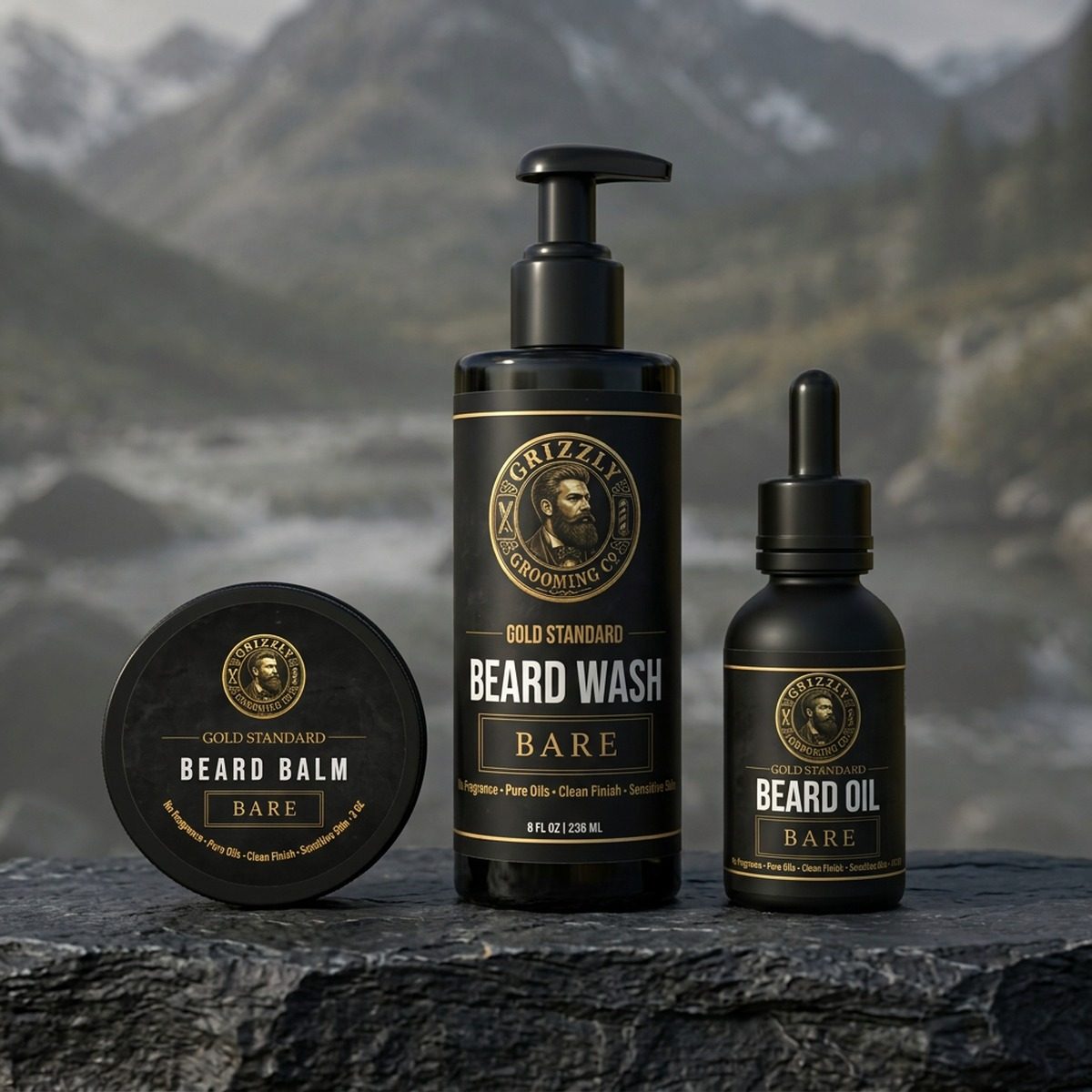
- ›Scent clashing is avoided by using a unified product line—integrating beard wash, beard oil, and cologne with complementary notes.
- ›Avoid the common error of rubbing wrists, which creates friction that destroys delicate top-note molecules like bergamot.
- ›Skin hydration is critical for scent retention; dry skin absorbs oils, whereas moisturized skin allows the fragrance to project.
The Neurobiology of Olfactory Memory
Human olfaction is governed by approximately 10 million receptors located in the upper nasal cavity. When volatile aroma compounds—the molecules that constitute a scent—are inhaled, they bind to these receptors, sending electrical impulses to the limbic system. This area of the brain manages emotions, behavior, and long-term memory. Unlike a visual image which may fade, an olfactory cue can trigger a 'Proustian moment,' resurrecting a specific memory with high-definition clarity even decades later.
For a man, this biological reality means that his choice of fragrance is a foundational element of his reputation. When you wear a distinct profile consistently, you are essentially hard-wiring your presence into the subconscious of those around you. The amygdala processes the emotional weight of the encounter, while the hippocampus catalogs the scent. A well-chosen fragrance can communicate stability, authority, or approachability before a single word is spoken.
The effectiveness of this association depends on the complexity of the fragrance. Linear scents—those that smell the same from application to dry-down—are less memorable than tiered fragrances. A complex profile that transitions from bright citrus top notes to spicy heart notes and eventually to deep, resinous base notes creates an evolving narrative. This progression keeps the observer's olfactory receptors engaged, preventing sensory adaptation where the nose stops registering the smell.
To leverage this science, consider the environment. In high-stakes professional settings, base notes like cedarwood or vetiver are processed as grounding and reliable. Conversely, in social or intimate settings, musk and amber notes can signal warmth. By selecting a signature scent that aligns with your professional persona, you ensure that every interaction leaves a consistent, repeatable biological trace.
Molecular Structure and the Volatility of Scent
Every fragrance is a composition of molecules with varying weights and evaporation rates. Top notes, or head notes, are the smallest molecules. Ingredients like lemon, bergamot, and lavender evaporate within 15 to 30 minutes. They provide the initial impact but lack staying power. Understanding this volatility is crucial; a cologne that smells excellent in the first minute may lose its character entirely if it lacks a robust molecular foundation.
Middle notes, often referred to as the heart notes, emerge as the top notes dissipate. These are typically floral or spicy, such as geranium, nutmeg, or black pepper. They form the core of the fragrance and usually last for two to four hours. The heart notes act as a buffer, smoothing the transition between the sharp opening and the heavy, slow-moving base notes that define the fragrance's ultimate character.
Base notes are the heavy hitters of the olfactory world. Molecules from ingredients like sandalwood, patchouli, and vanilla are large and move slowly, often persisting on the skin for eight hours or more. In high-quality formulations, these base notes are what provide the sillage—the trail left behind the wearer. A fragrance with a high concentration of these heavy molecules, like an Eau de Parfum, will naturally outperform a lighter Eau de Cologne.
The interaction between these layers is what we call the 'dry down.' As the alcohol carrier evaporates, the oils begin to interact with the skin's chemistry. This is why a scent may smell slightly different on two different men. Factors such as skin pH, diet, and even sweat production influence how these molecules break down. Testing a fragrance on your own skin for at least four hours is the only way to truly understand its final profile.
Strategic Application and Thermal Activation
Applying cologne is an exercise in thermodynamics. The goal is to place the fragrance on pulse points where blood vessels are closest to the skin's surface. These areas—the sides of the neck, the wrists, and the inner elbows—are slightly warmer than the rest of the body. This heat acts as a catalyst, slowly releasing the fragrance molecules into the air throughout the day. A single spray on the chest can also be effective, as it allows the scent to rise toward the face, providing the wearer with a consistent sensory experience.
Timing is as important as location. The ideal time to apply scent is immediately after a warm shower. The heat from the water opens the pores, and the moisture on the skin provides a better surface for the oils to bond with. If you apply cologne to dry, flaky skin, the oils will be absorbed too quickly, leading to a significant reduction in longevity. For best results, ensure you have used a high-quality goat soap bar or body wash to remove excess debris without stripping the skin of its natural moisture.
Distance also matters during application. Holding the bottle three to six inches away from the skin ensures an even distribution of the mist. If the skin looks wet after spraying, you are holding the bottle too close. The objective is a fine, even layer of droplets that can evaporate uniformly. For men with longer beards, a light application of a scented beard oil or beard balm can serve as a secondary scent reservoir, as hair is porous and holds onto fragrance molecules longer than skin.
Avoid the common mistake of 'spraying and walking.' Walking through a cloud of cologne results in most of the product landing on the floor or your clothing. Cologne is designed to interact with skin heat. While it may linger on fabric, it will not develop its full complexity, and the alcohol content can potentially damage delicate fibers like silk or high-end wool. Stick to direct skin application for a professional result.
The Art of Scent Layering and Product Cohesion
Scent clashing is one of the most frequent grooming errors. If your shampoo smells like synthetic fruit, your deodorant is 'oceanic,' and your beard butter is sandalwood, the resulting olfactory profile is chaotic and unrefined. Professional grooming requires a unified approach. Layering does not mean wearing more fragrance; it means ensuring that every product in your routine shares a common or complementary scent DNA.
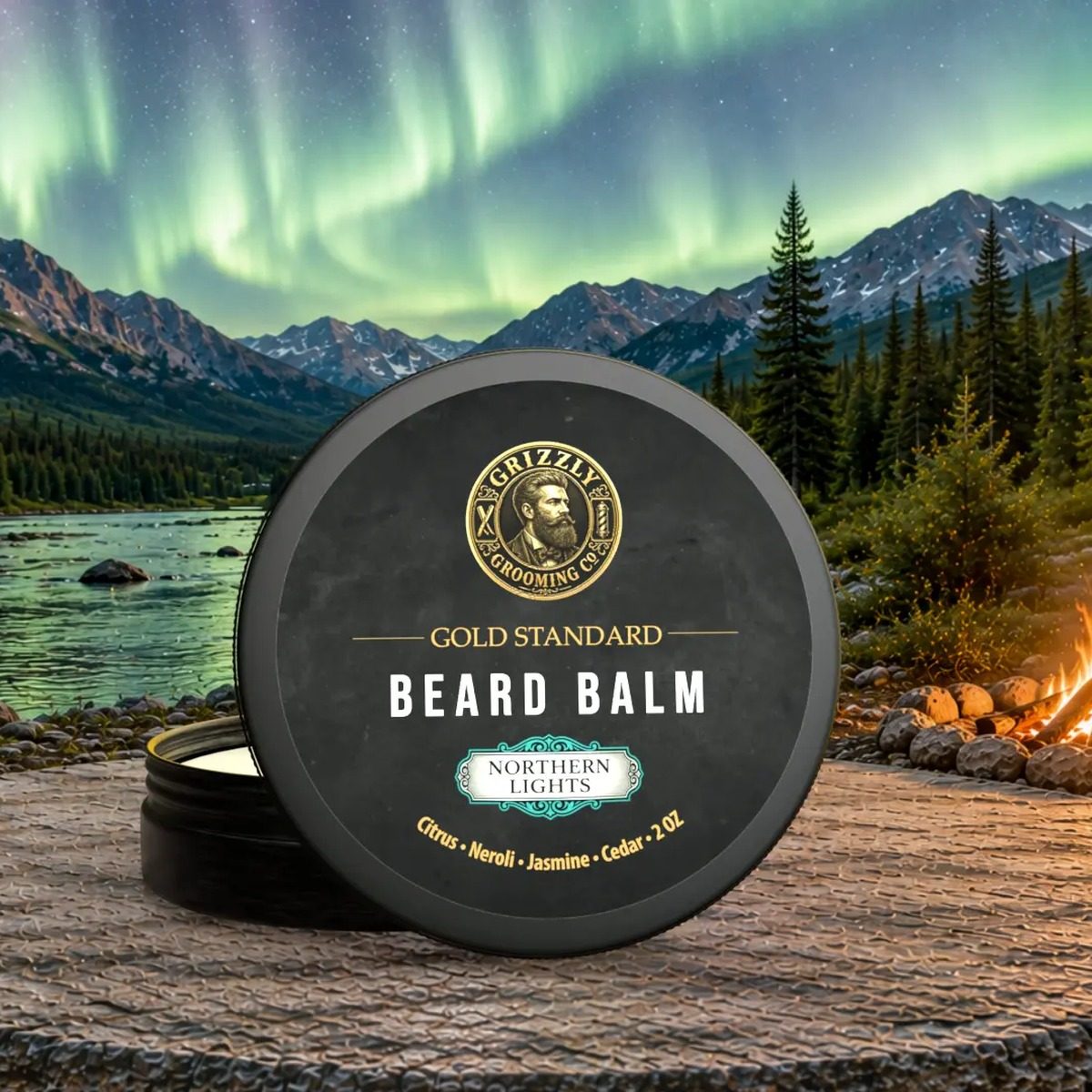
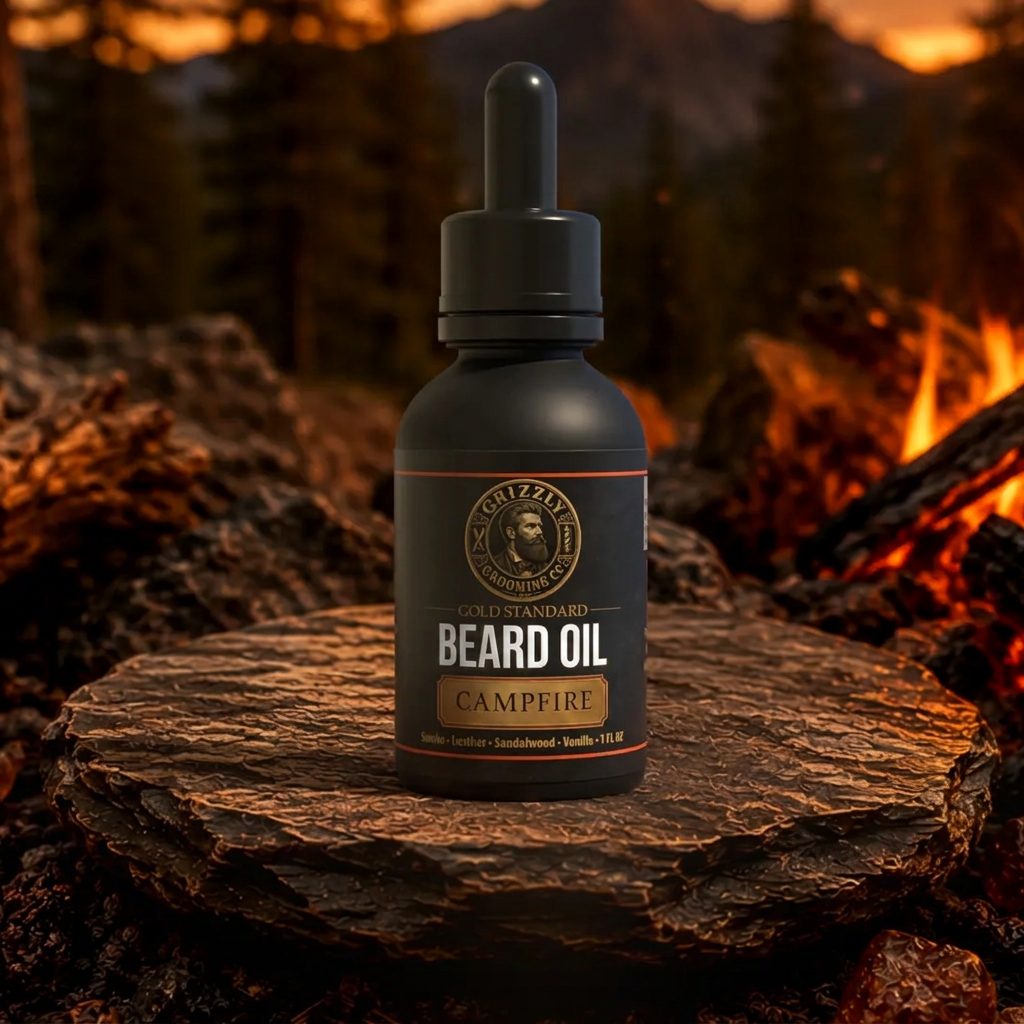
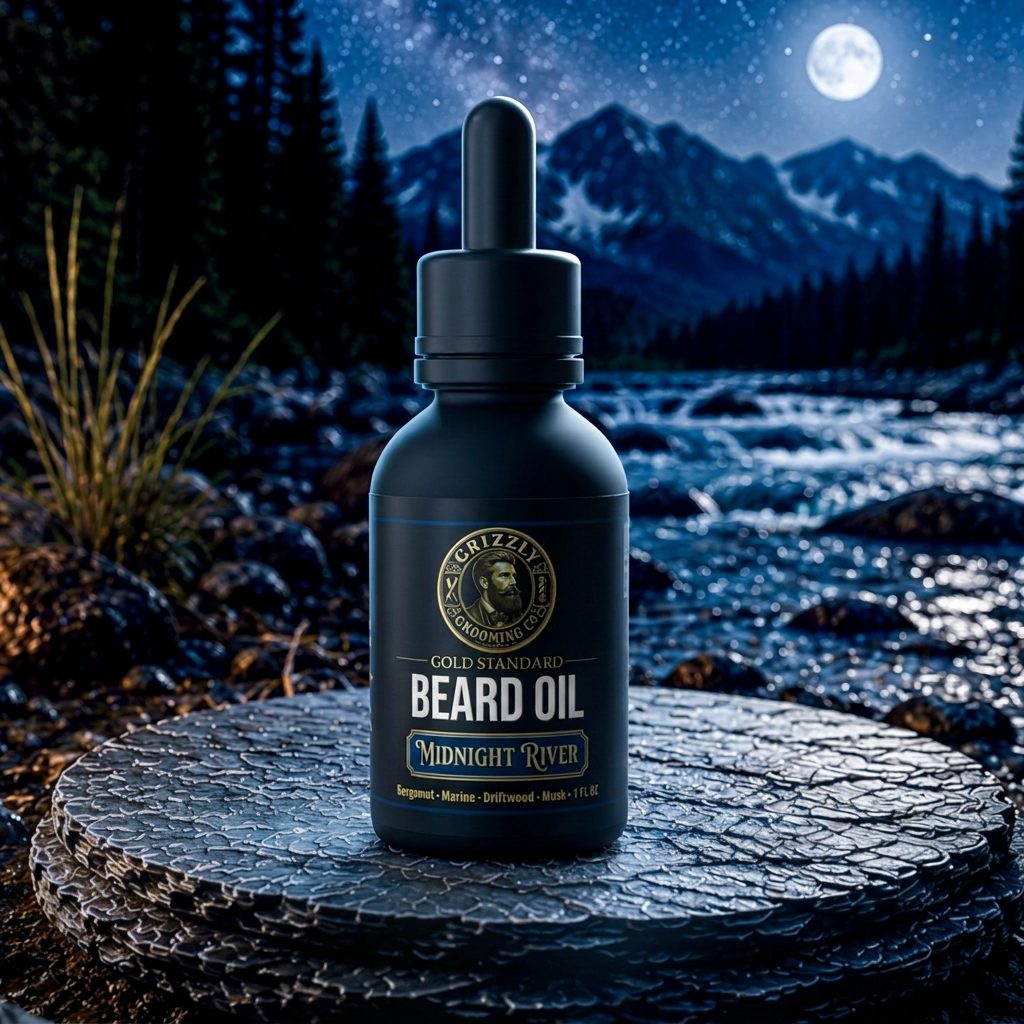
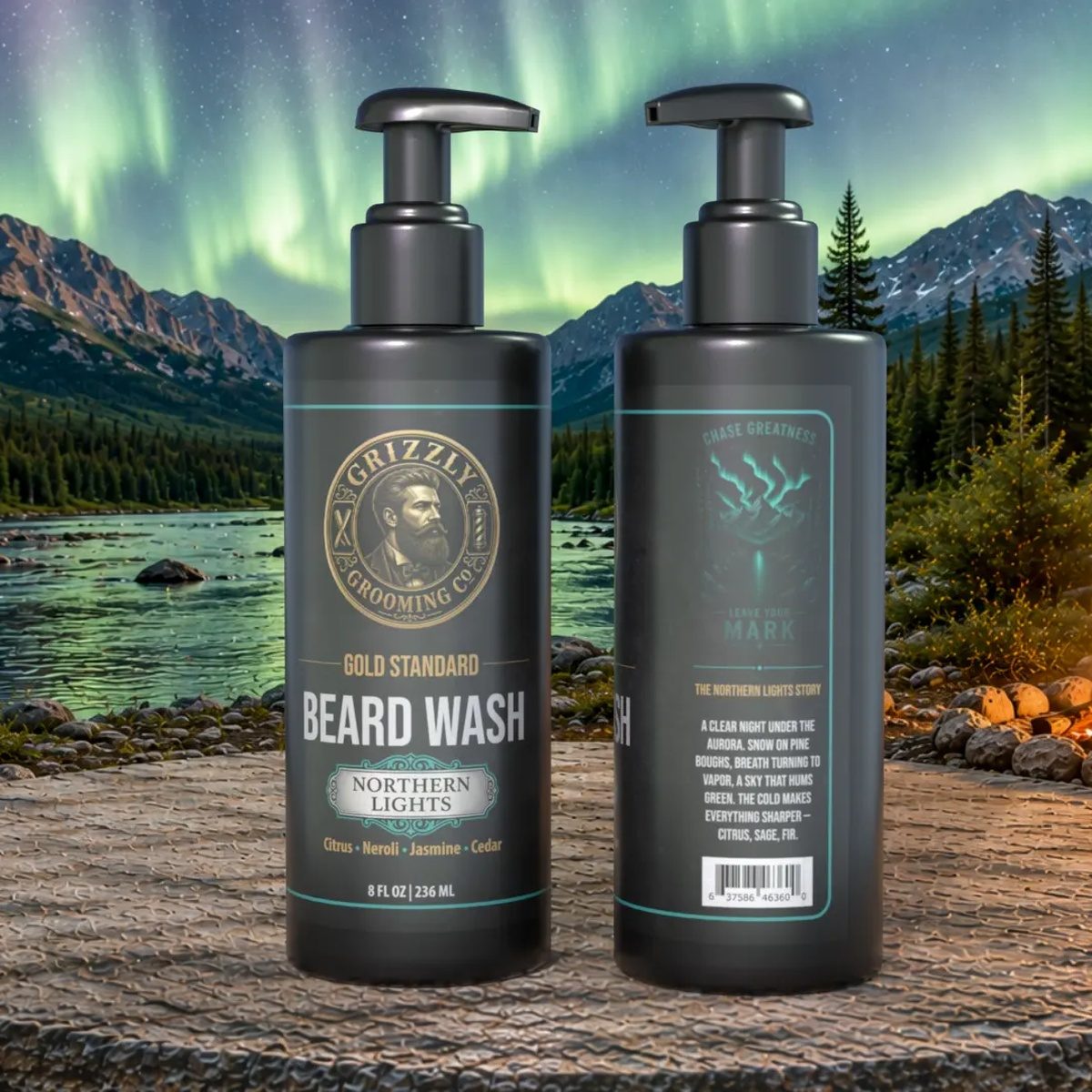
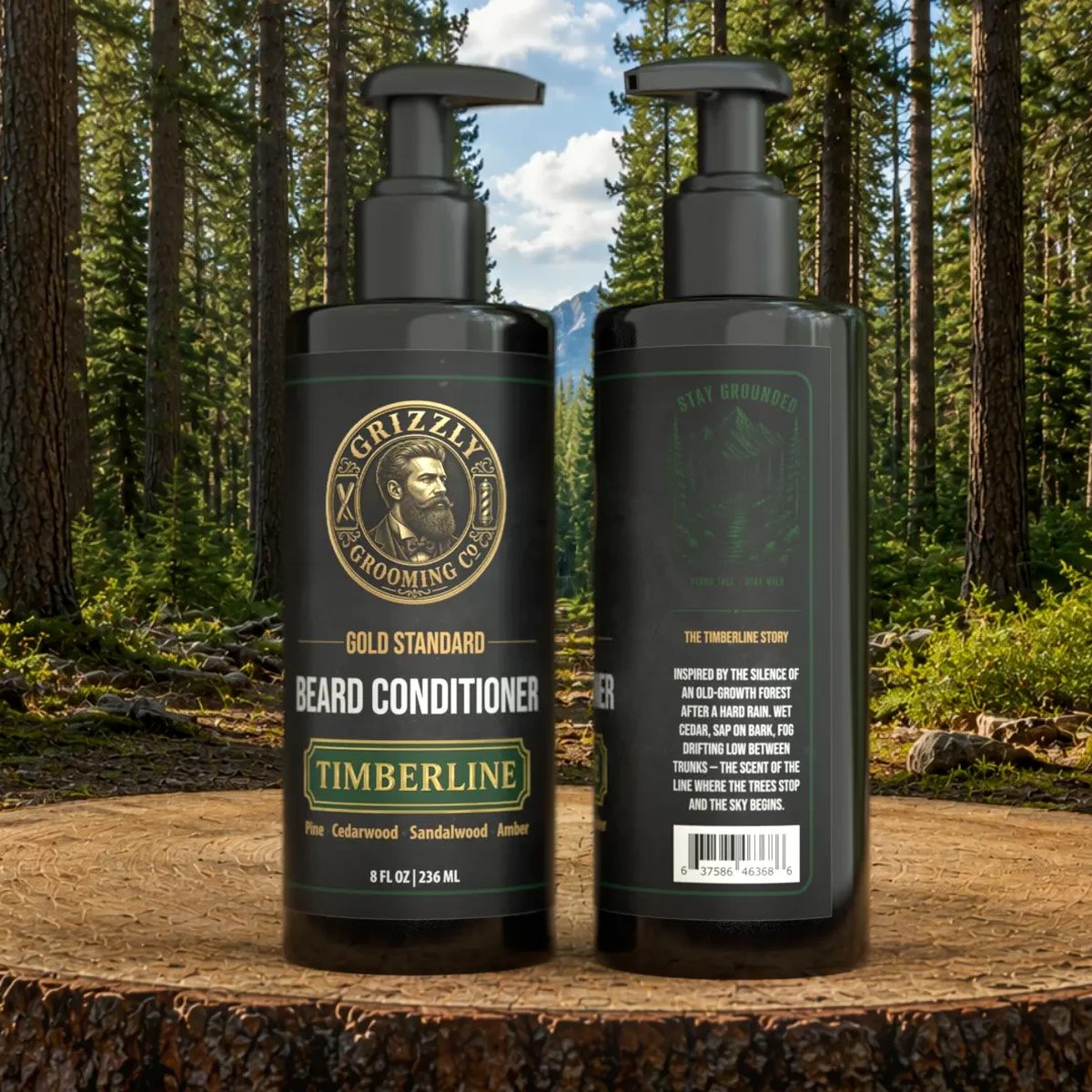
Start with your foundational products. A high-quality beard wash and conditioner should provide a clean base. If these products are lightly scented with woodsy or earthy notes, they will provide a subtle background for your cologne. When you add a Gold Standard Beard Oil, you are reinforcing that base. Because oil-based products like beard butter and beard oil evaporate more slowly than alcohol-based colognes, they act as a 'fixative,' helping the overall scent profile last through a full workday.
Consider the weight of your products. A solid cologne is an excellent tool for mid-day touch-ups because it is wax-based and sits closer to the skin. It provides a more intimate scent profile that doesn't project as aggressively as a spray. By combining a spray cologne in the morning with a solid cologne or a scented premium deodorant later in the day, you can maintain a consistent level of fragrance without ever becoming overpowering.
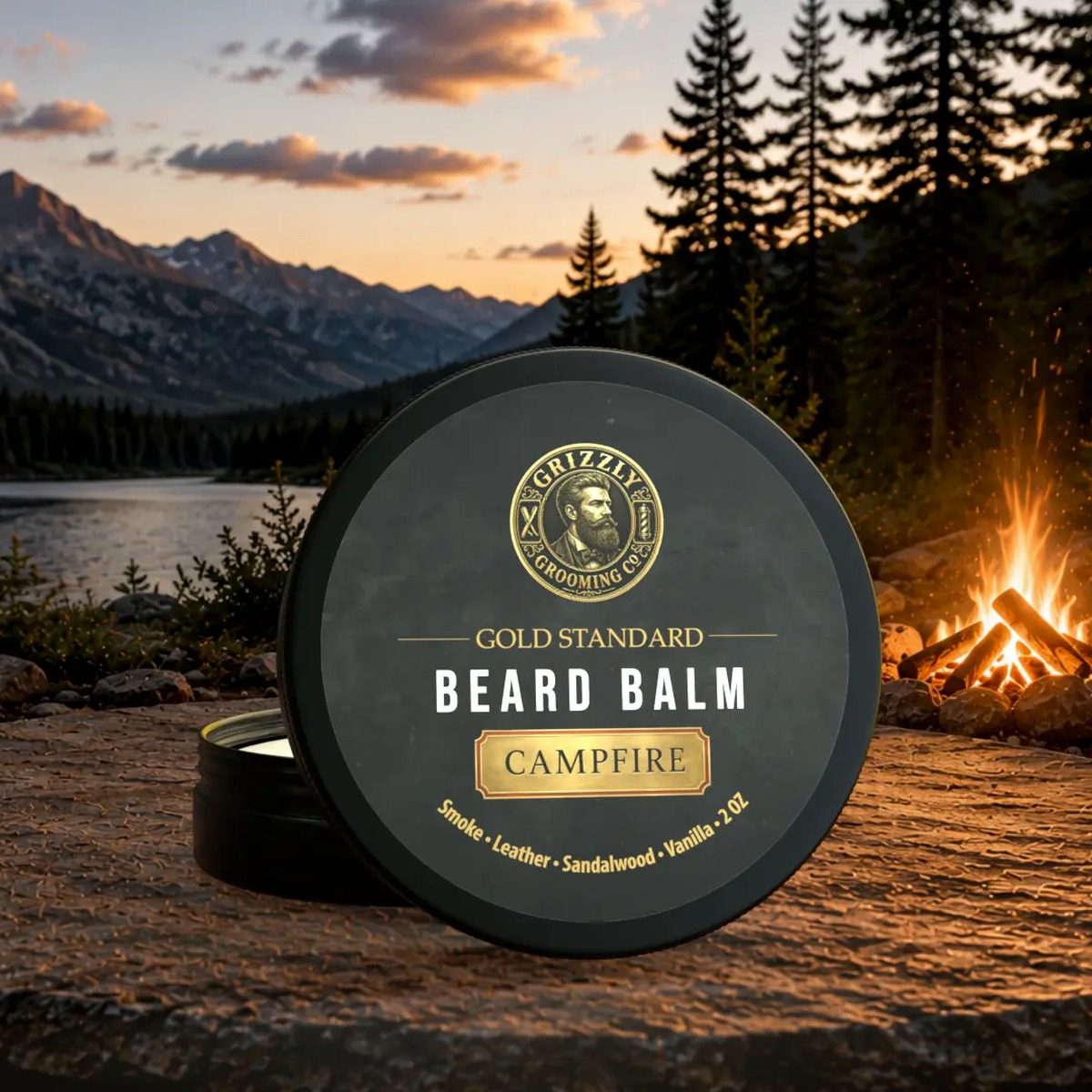
Seasonality also dictates layering strategy. In the winter, dry air and cold temperatures suppress scent projection. You may need a more robust beard balm or a heavier application of a spicy, oud-based cologne. In the summer, heat amplifies scent. A lighter, citrus-based cologne paired with a neutral goat soap bar will prevent the fragrance from becoming cloying in high humidity. Always adjust your 'volume' based on the ambient temperature.
Correcting Common Fragrance Mistakes
The most damaging mistake a man can make is rubbing his wrists together after application. This friction creates localized heat that 'crushes' the molecules, specifically the delicate top notes. This results in a distorted scent that skips the refreshing opening and goes straight to the heart notes, often shortening the fragrance's lifespan by hours. Simply spray and let it air dry.
Over-application is the second most common error. The 'nose blind' phenomenon, or olfactory fatigue, occurs when your brain begins to ignore a scent you are constantly exposed to. Just because you can no longer smell your cologne three hours later doesn't mean others can't. Stick to a standard routine: two sprays for a daily office setting, perhaps three for an outdoor event. If you feel the need for more, use a solid cologne for a controlled, localized boost.
Storage also plays a vital role in fragrance integrity. Many men keep their cologne in the bathroom, but the constant fluctuations in temperature and humidity from the shower will break down the chemical bonds in the oils, causing the scent to turn sour or lose its potency within months. Store your bottles in a cool, dark place—away from direct sunlight and moisture—to ensure they last for years.
Finally, ensure you are matching the scent to your skin type. Men with oily skin will find that fragrance lasts longer, as the oils provide a base for the scent to cling to. Men with dry skin will need to be more diligent about moisturizing first. Applying a fragrance-free lotion or a light beard oil before your cologne can create a barrier that prevents the skin from 'drinking' the fragrance, thereby extending its projection time.
Defining Your Signature Presence by Face Shape and Style
While it may seem disconnected, your physical presentation—including your beard style and face shape—influences how your scent is perceived. A man with a sharp, angular jawline and a meticulously groomed short beard often suits 'crisp' scents—think black pepper, vetiver, or sharp citrus. These notes mirror the precision of his grooming. Conversely, a man with a full, thick beard and a more rugged aesthetic can carry heavier, more resinous scents like tobacco, leather, and dark musk.
The density of your beard acts as a physical diffuser. A long, full beard has a massive surface area that can trap fragrance molecules. If you are using a heavily scented beard wash followed by beard oil and balm, you have already created a significant scent cloud. In this case, your cologne should be applied sparingly to the neck and ears to avoid overwhelming your personal space. The beard becomes the primary vehicle for your signature scent.
For those who prefer a clean-shaven look or a short stubble, the skin is the primary canvas. Without the hair to hold onto the oils, the scent will dissipate faster. These men should focus on applying cologne to the pulse points and perhaps a small amount on the collarbones. Maintaining a clean neckline is also essential; a well-groomed neck allows for better skin-to-scent contact and prevents the fragrance from getting trapped in stray hairs where it can become stagnant.
Your scent should also match your attire. A tailored suit demands a sophisticated, multi-layered cologne that suggests depth and complexity. Casual wear, such as a denim jacket or a flannel, pairs better with 'honest' scents like cedar, pine, or sandalwood. Matching the 'weight' of your fragrance to the 'weight' of your clothing creates a harmonious visual and olfactory impression that feels intentional and grounded.
The Physics of Sillage and Projection
Sillage is a French term referring to the trail left behind by a boat or an airplane. In perfumery, it describes how long a fragrance remains in the air after the wearer has moved on. Projection, meanwhile, refers to how far the scent travels from the skin. A high-quality fragrance will have a moderate sillage—enough to be noticed as you pass, but not so much that it lingers in an elevator for twenty minutes. Achieving this balance is the mark of a master groomer.
The concentration of the oil is the primary driver of sillage. An Eau de Parfum (EDP) typically contains 15-20% oil concentration, providing a dense, long-lasting trail. An Eau de Toilette (EDT) sits at 5-15%, offering a more fleeting presence. For daily wear, an EDP is often preferred because it requires fewer applications and provides a more stable projection throughout the day. Our Grizzly Gold Standard line focuses on these higher concentrations to ensure the scent persists through a demanding schedule.
Airflow and body movement also influence projection. As you move your arms or turn your head, you are physically pushing the fragrance molecules into the surrounding air. This is why applying to the wrists and neck is so effective—these are the most mobile parts of your upper body. If you are in a stationary environment, such as a desk job, you may find that your scent stays closer to your body. In active environments, the scent will project much further due to increased body heat and movement.
Understanding 'olfactory distance' is key for social etiquette. A man's scent should be 'discovered,' meaning it is only noticeable within a three-foot radius—the standard distance for a handshake or a conversation. If your scent is projecting beyond six feet, you have crossed the line into intrusion. By controlling your application points and choosing high-quality, balanced ingredients, you ensure your fragrance remains an invitation rather than an announcement.
Advanced Grooming: Integrating Cologne with Beard Care
For the bearded man, the relationship between beard products and cologne is the most critical aspect of his grooming routine. Beard oil is designed to hydrate the skin underneath the hair, but it also serves as a base layer for scent. If you use a Gold Standard Beard Oil with a sandalwood base, you should choose a cologne that also features woodsy or earthy base notes. This synergy creates a deep, resonant profile that feels 'built' rather than 'applied.'
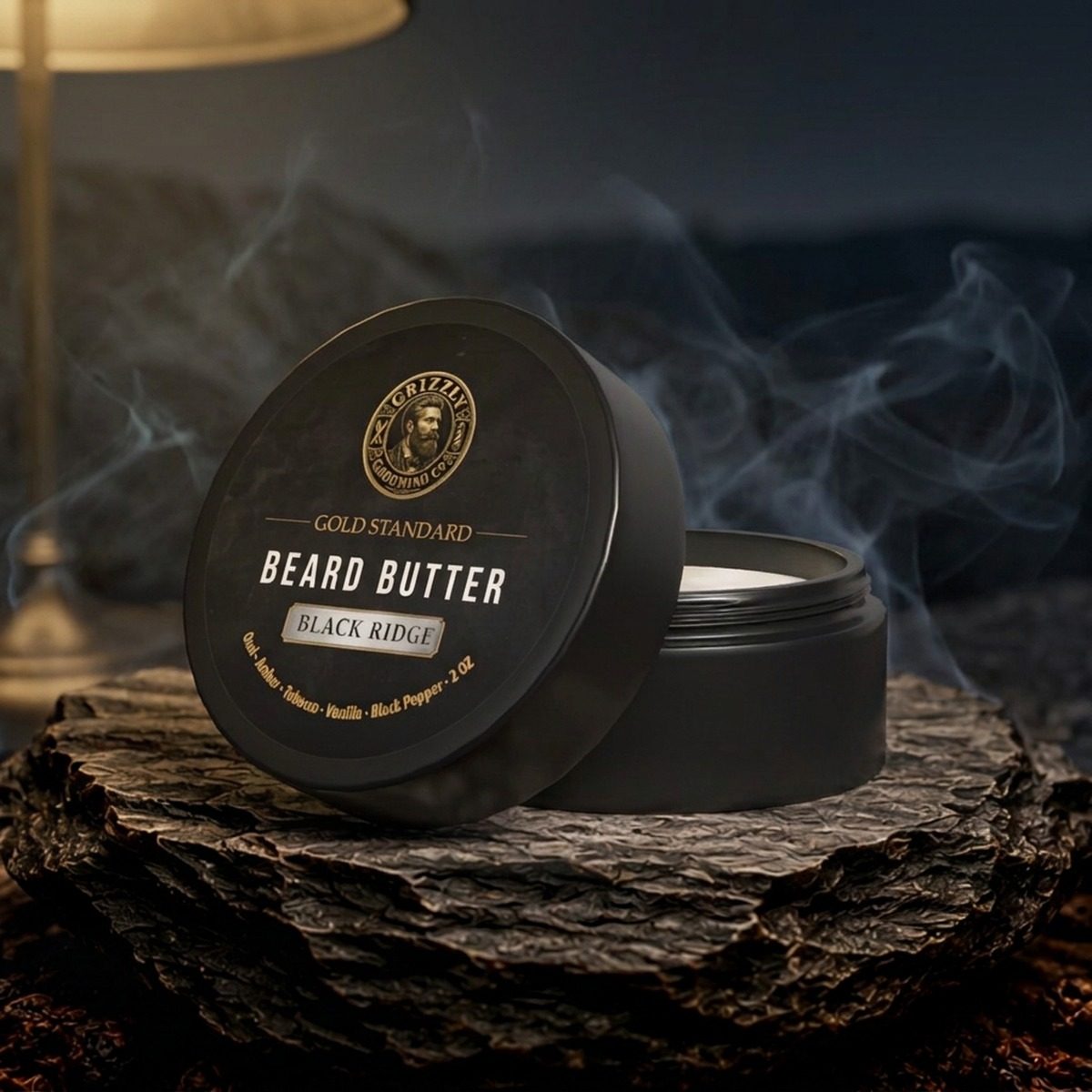
Beard balm and beard butter offer another layer of complexity. Because these products contain waxes and butters (like shea or cocoa), they have a different evaporation rate than liquid oils. They hold the scent closer to the beard hair, releasing it slowly over several hours. This is especially useful in winter care routines when the air is dry and strips moisture from the hair. The wax in the balm acts as a sealant, keeping both moisture and fragrance locked in.
When applying cologne alongside a full beard routine, avoid spraying the cologne directly into the beard. The alcohol in the cologne can have a drying effect on the hair, leading to split ends or 'beardruff.' Instead, apply your beard oil and balm first, then spray the cologne on your neck pulse points and wrists. The scent from the beard products will rise and mingle with the cologne, creating a custom blend that is unique to your routine.
Consistency across your toolset also matters. Even the soap you use, such as a goat soap bar, should be chosen for its ability to leave the skin clean without a heavy synthetic residue. A clean canvas allows the natural oils in your beard products and the sophisticated notes of your cologne to shine. By treating your beard care and fragrance selection as a single, integrated system, you achieve a level of grooming sophistication that most men overlook.
Frequently Asked Questions
How can I tell if a cologne has gone bad?
A spoiled cologne will often develop a sour, vinegary, or metallic smell, and the liquid may appear darker or more cloudy than when first purchased. If the scent disappears within minutes of application or smells sharply of alcohol with no depth, the essential oils have likely oxidized due to heat or light exposure.
What is the difference between Eau de Parfum and Eau de Toilette?
The primary difference is the concentration of fragrance oils. Eau de Parfum (EDP) typically contains 15% to 20% oil and lasts 6 to 8 hours, making it ideal for a full day of wear. Eau de Toilette (EDT) contains 5% to 15% oil and is lighter, usually lasting 3 to 5 hours, which is better for a quick gym session or a short event.
Can I wear cologne if I have sensitive skin?
Yes, but you should avoid spraying it directly on areas prone to irritation. Instead, try applying it to the back of your neck or even your hair (sparingly), or switch to a solid cologne. Solid colognes are wax-based and often contain skin-soothing ingredients like jojoba oil, making them much gentler than alcohol-based sprays.
Why does the same cologne smell different on different people?
Fragrance interacts with your skin's unique microbiome, pH balance, and natural oil production. Diet, medication, and even stress levels can alter your skin chemistry, which in turn changes how the fragrance molecules break down and evaporate, resulting in a slightly unique scent for every individual.
Does beard length affect how much cologne I should use?
Yes. A longer beard holds more scent because the hair fibers act as a trap for fragrance molecules. If you are already using scented beard oil and balm, reduce your cologne application to avoid an overwhelming profile. For short stubble or a clean shave, you may need a slightly more direct application to the skin to achieve the same longevity.
How many sprays of cologne are considered 'standard'?
For a high-quality, concentrated cologne, two to three sprays are standard: one on the base of the throat/neck and one on each wrist. If the scent is particularly heavy or spicy, two sprays are often sufficient. The goal is for the scent to be noticed only within your 'personal space' bubble, not the entire room.
Build your ritual in 60 seconds.
Answer four questions and get a custom regimen built around your beard and routine.
Start The Ritual Builder