The Professional Guide to Shaving Sensitive Skin Without Nicks
Sensitive skin is not a biological disadvantage; it is a demand for higher standards in your grooming ritual. Achieving a clean finish without bloodshed or inflammatory response requires a fundamental shift from aggressive speed to intentional, mechanical technique. For the man with reactive skin, the margin for error is slim, making the choice of tools and the sequence of application paramount. This guide outlines the professional protocols used to manage hyper-sensitive dermis, ensuring the blade serves its purpose without compromising the integrity of the skin barrier.
- ›Hydrate facial hair with warm water for at least three minutes to reduce hair tensile strength by up to thirty percent.
- ›Map the grain of your beard growth across different zones to ensure every pass is either with or across the direction of growth.
- ›Employ a single-blade safety razor to minimize the friction cycles per stroke compared to multi-blade cartridges.
- ›Apply zero manual pressure, allowing the gravitational weight of the razor handle to dictate the cutting force.
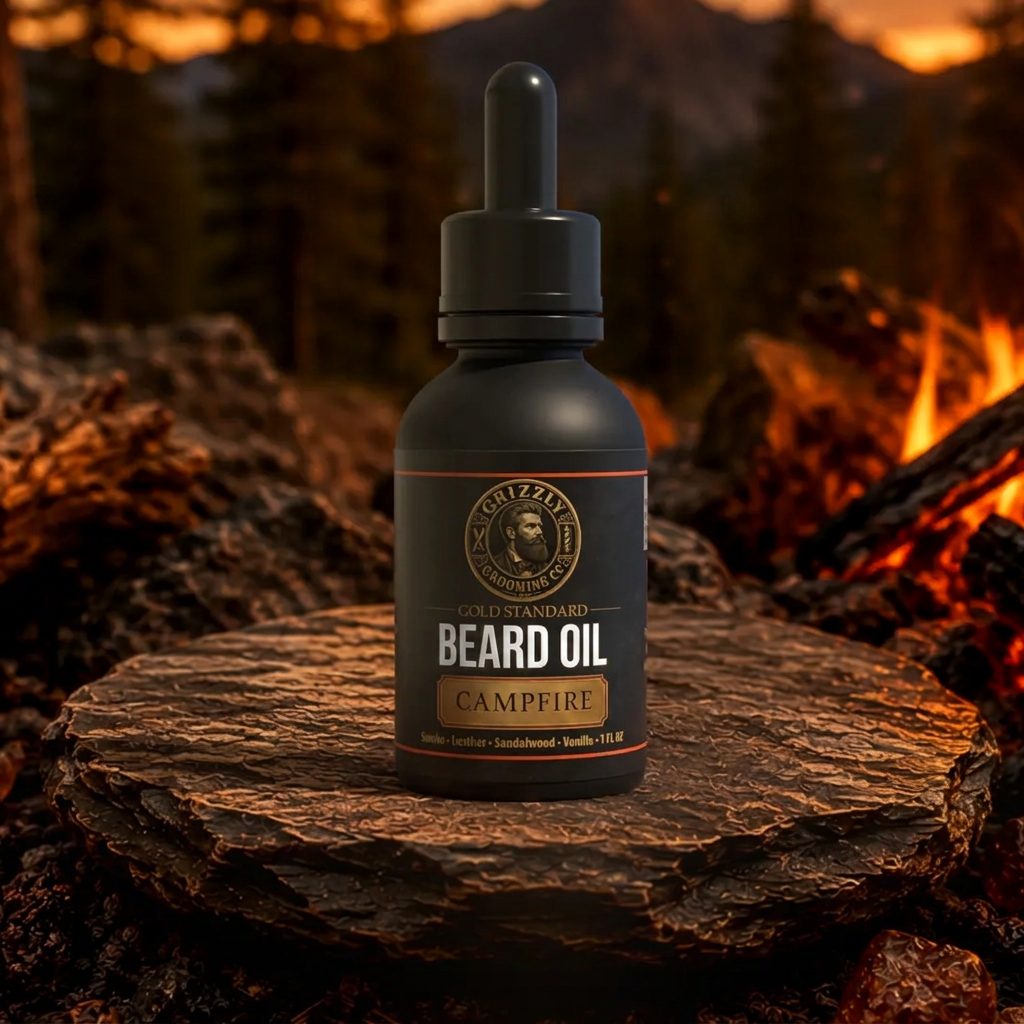
- ›Utilize a pre-shave primer like Gold Standard Beard Oil to create a microscopic lipid buffer between steel and skin.
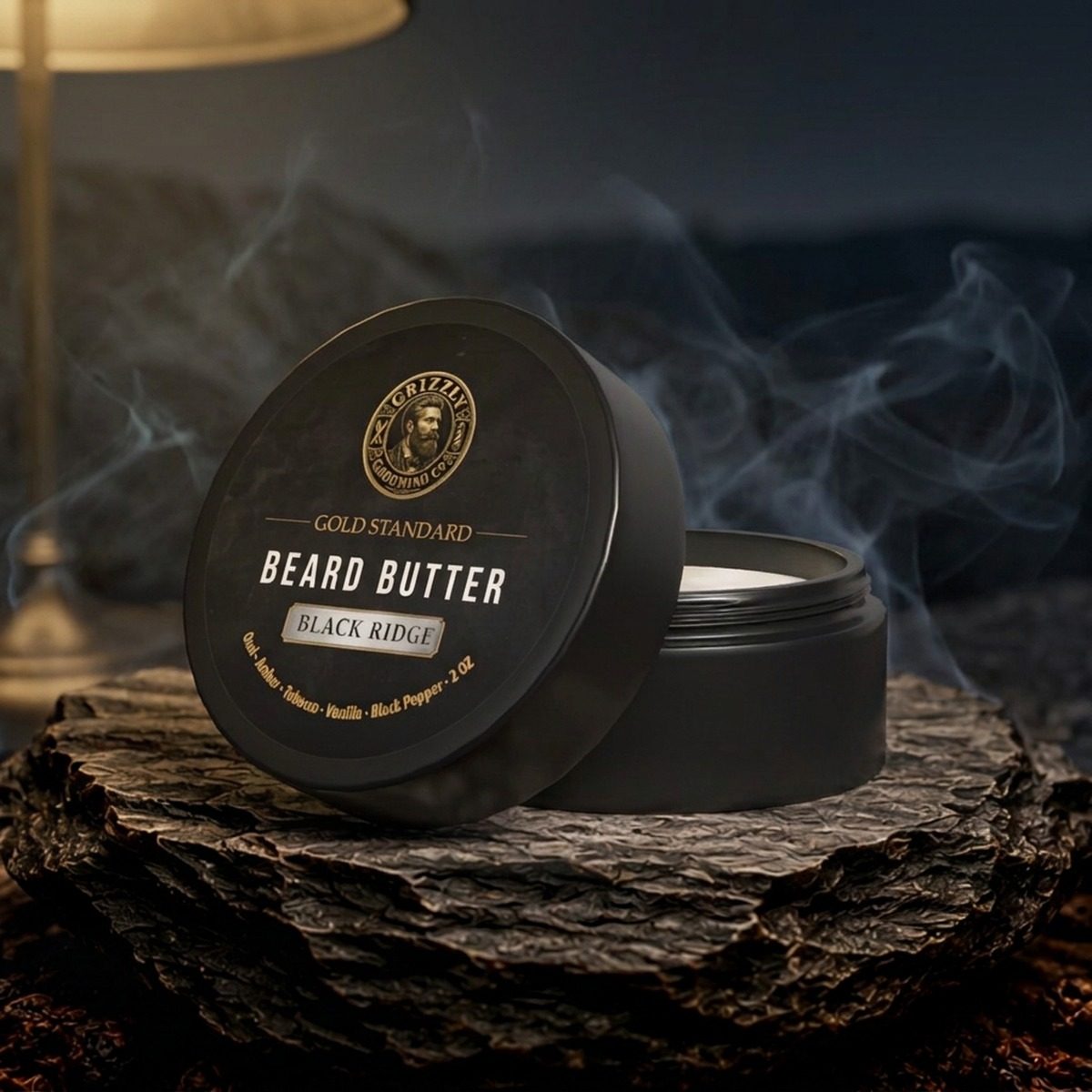
- ›Seal the skin with cold water and a nutrient-dense beard butter or balm to restore the protective acid mantle post-shave.
Thermal Preparation and the Science of Keratin Softening
The primary cause of nicks and irritation is the mechanical resistance of dry hair. Facial hair has the tensile strength of copper wire of the same diameter; however, it is porous. When saturated with warm water for approximately three to five minutes, the hair shaft absorbs moisture, swelling and softening the keratin. This process significantly reduces the force required for a blade to slice through the hair, preventing the razor from 'jumping' or tugging, which leads to nicks.
Temperature control is a critical variable. While hot water is effective for softening hair, excessive heat can strip the skin of its natural sebum, leading to immediate dryness and increased sensitivity. Aim for lukewarm to comfortably warm water, ideally during or immediately following a shower. This timing ensures the pores are not 'open' (as pores do not have muscles to open or close) but rather that the skin is supple and the debris within the follicles has been loosened.
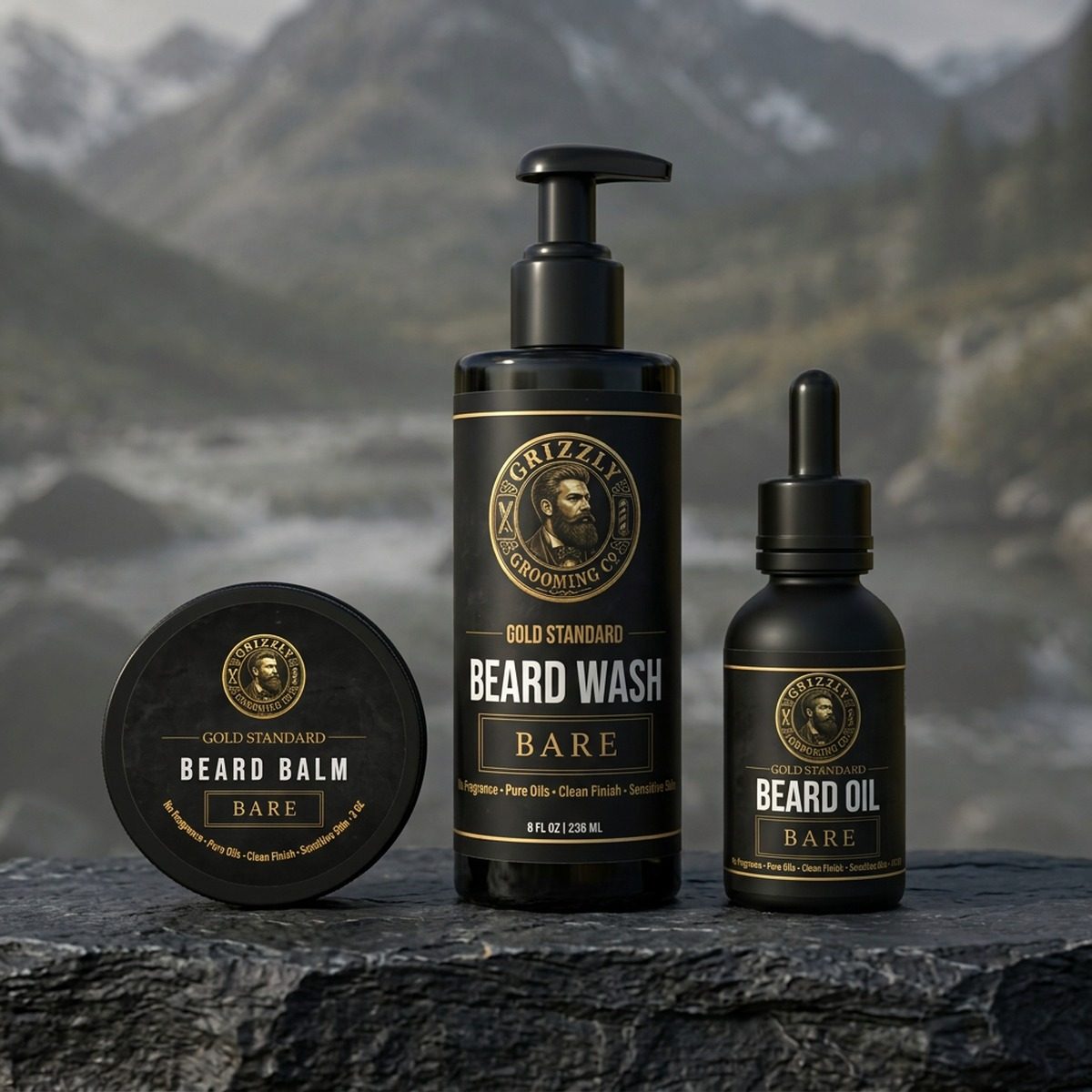
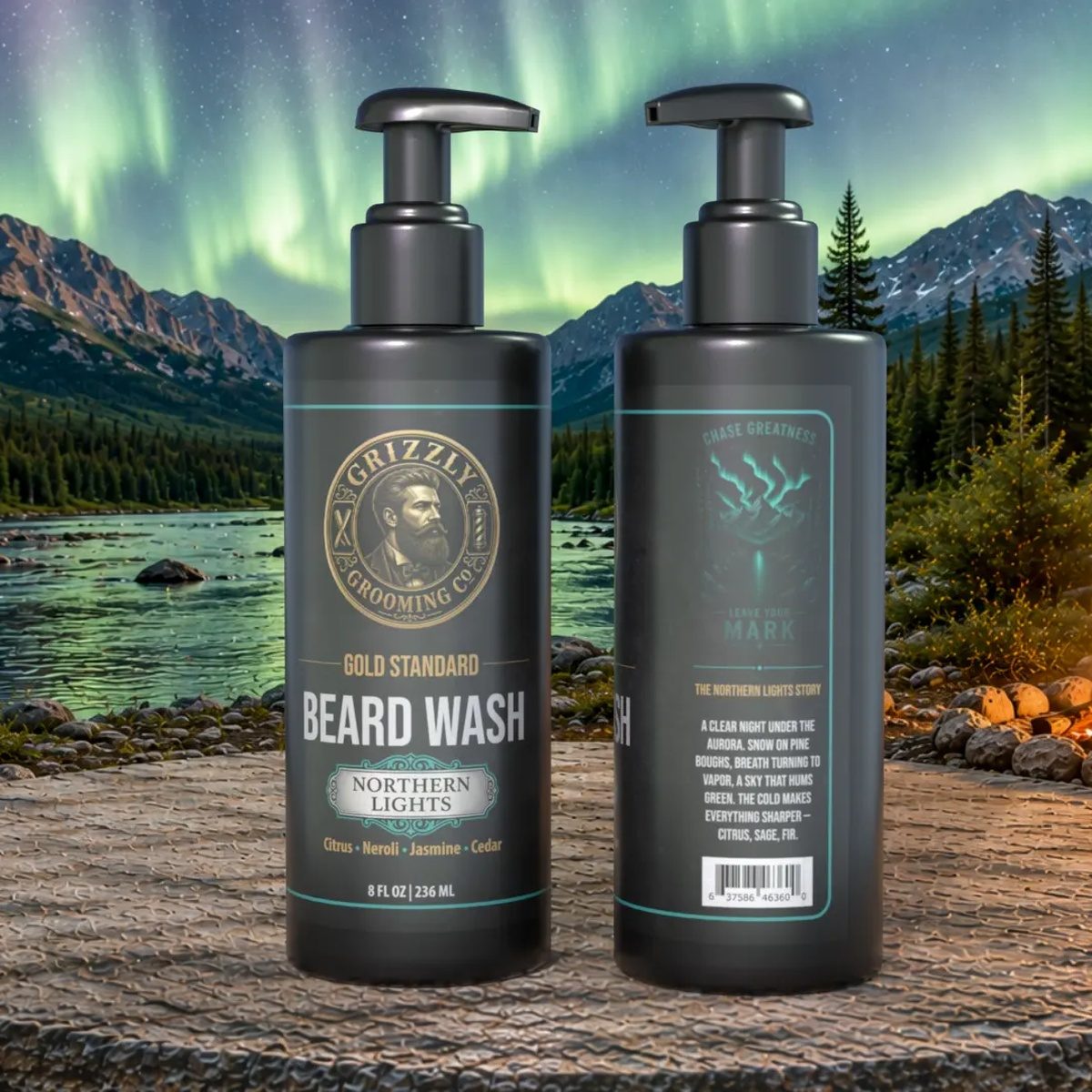
To elevate the preparation, use a dedicated Beard Wash instead of standard bar soap. Standard soaps often contain harsh surfactants that degrease the skin too aggressively. A specialized wash cleanses the hair while maintaining the hydration levels of the underlying skin. This prepares a clean canvas, ensuring that the razor encounters only hair and shaving cream, rather than a mixture of dead skin cells and environmental pollutants that can clog the blade and cause uneven strokes.
If you are shaving a longer beard down to skin level, do not attempt to shave through bulk. Use trimmers to reduce the length to a short stubble first. Shaving long hair with a manual razor increases the number of passes required and the likelihood of the blade pulling the hair out of the follicle before cutting it, a common catalyst for follicular inflammation and localized bleeding.
Lubrication Layering: The Pre-Shave Primer Protocol
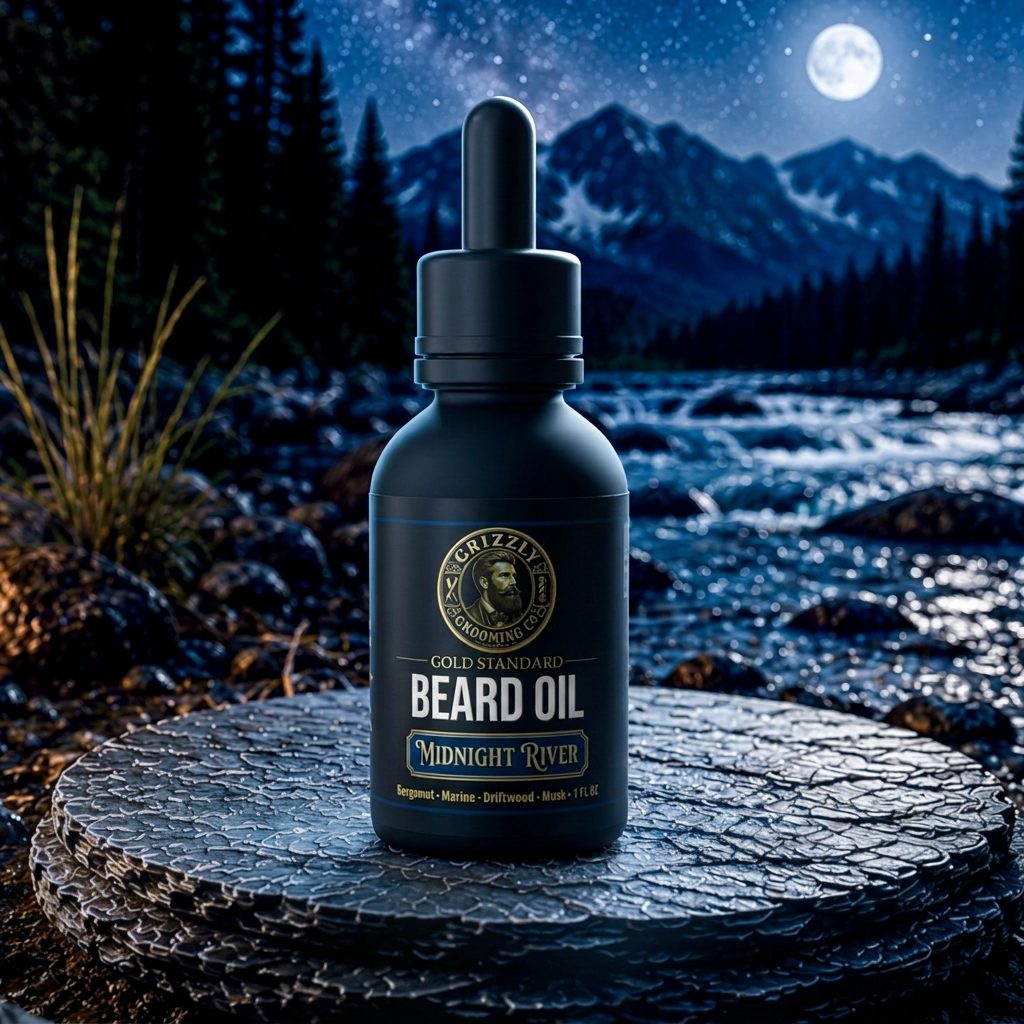
For sensitive skin, a single layer of shaving cream is rarely sufficient. The professional approach involves 'layering' lubrication to create a multi-tiered defense. Start with a light application of Gold Standard Beard Oil. The carrier oils, such as jojoba or argan, penetrate the top layer of the dermis to provide elasticity while leaving a thin, slick film on the surface. This film acts as a secondary safety net if the shaving cream is displaced during a stroke.
When selecting a shaving cream or soap, avoid products containing synthetic fragrances or high concentrations of alcohol, as these are primary irritants for sensitive skin. Look for formulations rich in glycerin and stearic acid. Glycerin is a humectant that draws moisture into the skin, while stearic acid provides the 'structure' of the lather, ensuring it stays thick and cushiony throughout the shave rather than dissipating into a thin, watery film.
The application of the lather should be done with a badger or synthetic brush using circular motions. This serves two purposes: it further exfoliates dead skin cells that might obstruct the blade and it lifts the hairs up and away from the skin. When hair lies flat against the face, the razor is forced to scrape against the skin to reach the base of the hair, significantly increasing the risk of nicks. A brush-applied lather ensures every follicle is encased in lubrication.
Allow the lather to sit on the face for sixty seconds before the first stroke. This 'dwell time' allows the alkaline nature of the shaving soap to further break down the hair's cuticle. If you find your skin drying out mid-shave, do not simply add more water; re-apply a thin layer of cream to maintain the integrity of the lubrication barrier. Consistency in the lather's thickness is key to a predictable blade glide.
Grain Mapping: Navigating Complex Growth Patterns
Most men experience nicks because they assume their facial hair grows in a uniform downward direction. In reality, hair growth patterns are often chaotic, particularly on the neck and along the jawline. To map your grain, allow your hair to grow for 24 to 48 hours. Rub your fingers across the stubble in four directions: up, down, left, and right. The direction that feels roughest is 'against the grain,' while the smoothest direction is 'with the grain.'
Document these patterns mentally or on paper. For sensitive skin, the first pass must always be strictly with the grain (WTG). This removes the bulk of the hair with the least amount of tension on the follicle. For many, a single WTG pass is sufficient for a professional appearance. If a closer shave is required, a second pass can be made across the grain (XTG)—perpendicular to the growth—but never against it (ATG) if nicks are a recurring issue.
The neck requires special attention, as hair often grows in circular or sideways patterns here. This is also where the skin is thinnest and most prone to 'tenting,' where the skin bunches up in front of the blade. To counteract this, use your non-dominant hand to gently pull the skin taut (but not tight) in the direction opposite of your stroke. This flattens the surface, allowing the blade to pass over the skin rather than into it.
Identify your 'danger zones,' such as the Adam's apple or the curves of the chin. In these areas, shorten your strokes to roughly one inch. Long, sweeping strokes are difficult to control and often lead to nicks when the blade transitions over a contour. By using short, controlled movements, you can adjust the angle of the blade in real-time to match the changing geometry of your face.
The Physics of the Blade: Angle and Pressure
The modern multi-blade cartridge razor is often the enemy of sensitive skin. The 'hysteresis' effect—where the first blade pulls the hair up and subsequent blades cut it below the skin line—is a leading cause of ingrown hairs and irritation. A single-blade safety razor is the professional recommendation. It provides a cleaner cut at the skin's surface without the aggressive tugging associated with five-blade systems.
Blade angle is the most critical technical skill to master. Unlike cartridge razors that have a pivoting head, a safety razor requires you to maintain a consistent 30-degree angle manually. If the angle is too steep, the blade scrapes the skin (causing razor burn); if it is too shallow, it won't cut the hair. Start with the head of the razor flat against your cheek and slowly tilt the handle down until the blade makes contact with the hair. This is your 'cutting arc.'
Pressure should be non-existent. You are not 'shaving' the skin; you are 'cleaving' the hair. The weight of a high-quality stainless steel or brass razor provides all the downward force necessary. If you feel the need to press down to get a closer shave, your blade is likely dull and needs replacement. Increased pressure is the fastest route to a nick, as it causes the blade to sink into the soft tissue of the skin.
Rinse the blade after every single stroke in warm water. A blade clogged with hair, skin cells, and spent cream cannot cut efficiently. This buildup creates drag, forcing the user to subconsciously increase pressure. For those with particularly sensitive skin, consider changing your blade every two to three shaves. The cost of a single safety blade is negligible compared to the discomfort of a dull edge tearing at your face.
Post-Shave Coagulation and Inflammation Control
The immediate moments following the final pass are when you dictate how your skin will recover. Begin by rinsing with lukewarm water to remove any residual shaving soap, which can be drying if left on the skin. Follow this immediately with a prolonged splash of cold water. This sudden temperature shift helps to constrict the local blood vessels (vasoconstriction), reducing redness and helping to close micro-nicks that may not be fully visible.
If you have incurred a nick, do not use tissue paper. Professional barbers utilize a styptic pencil or an alum block. An alum block is a potassium alum crystal that acts as an astringent and antiseptic. Run the block under cold water and glide it over the shaved area. It will provide a slight sting where the skin is irritated, providing immediate feedback on your technique, while simultaneously coagulating minor bleeds and killing surface bacteria.
Avoid alcohol-based aftershaves. While the 'burn' is often associated with cleanliness, alcohol is a desiccant that strips the skin of moisture and damages the lipid barrier, leading to the very itching and flaking you are trying to avoid. Instead, look for post-shave balms that contain witch hazel for gentle toning and aloe vera or allantoin for soothing inflammation.
Pat the skin dry with a clean, soft towel. Never rub the face, as the skin is currently compromised and highly susceptible to mechanical irritation. Friction at this stage can reopen small nicks and trigger a histamine response, leading to hives or red bumps. Treat the freshly shaved skin as an open wound that requires a sterile and gentle environment to heal.
Restoring the Barrier: Moisturizing for Sensitive Skin
The act of shaving is an intensive exfoliation that removes the stratum corneum, the skin's outermost protective layer. To prevent long-term sensitivity, you must artificially replace this barrier. Applying a Beard Butter or a high-quality moisturizer immediately after drying the face provides the necessary lipids to seal in moisture. This is especially important in winter care routines when the air is dry and draws moisture out of the skin more rapidly.
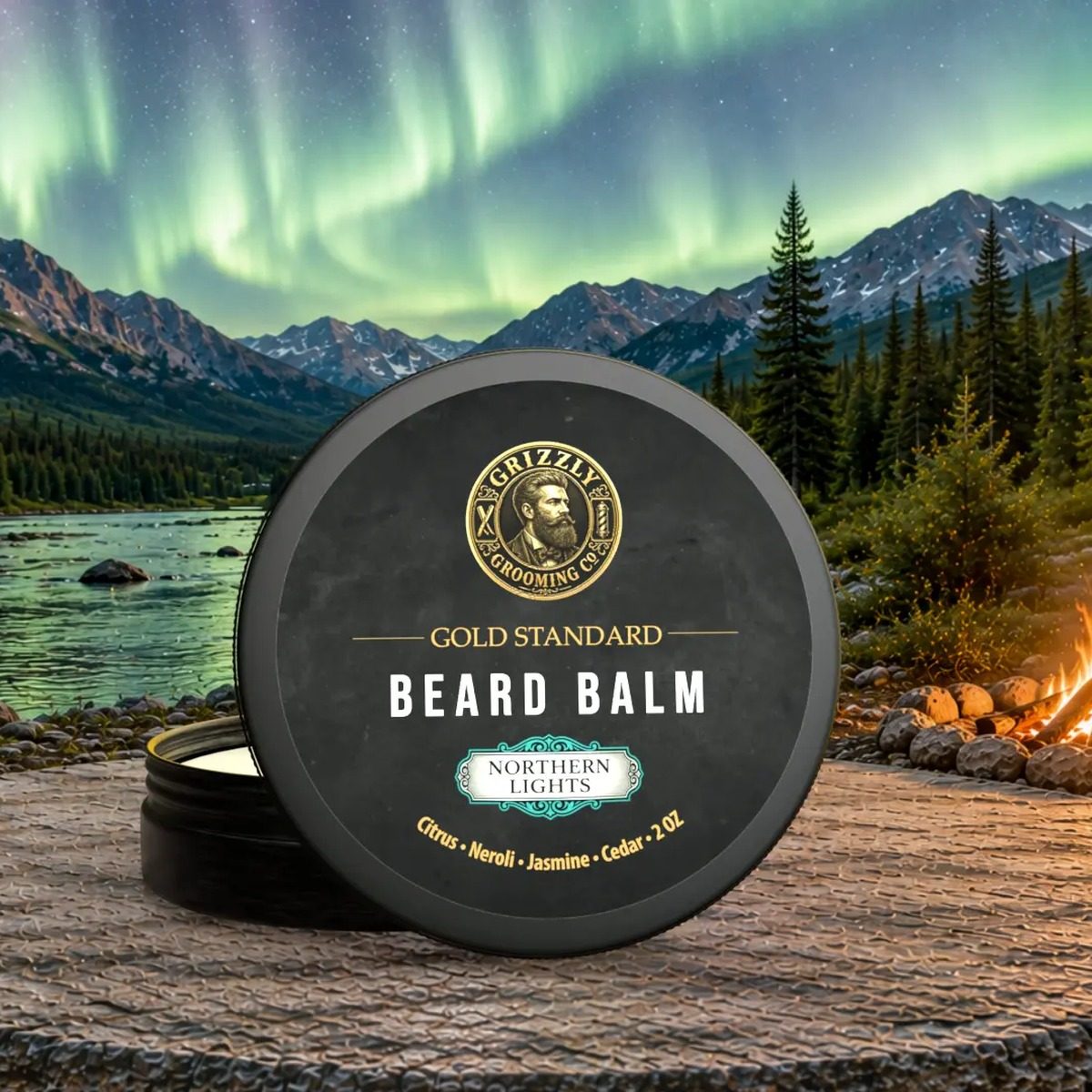
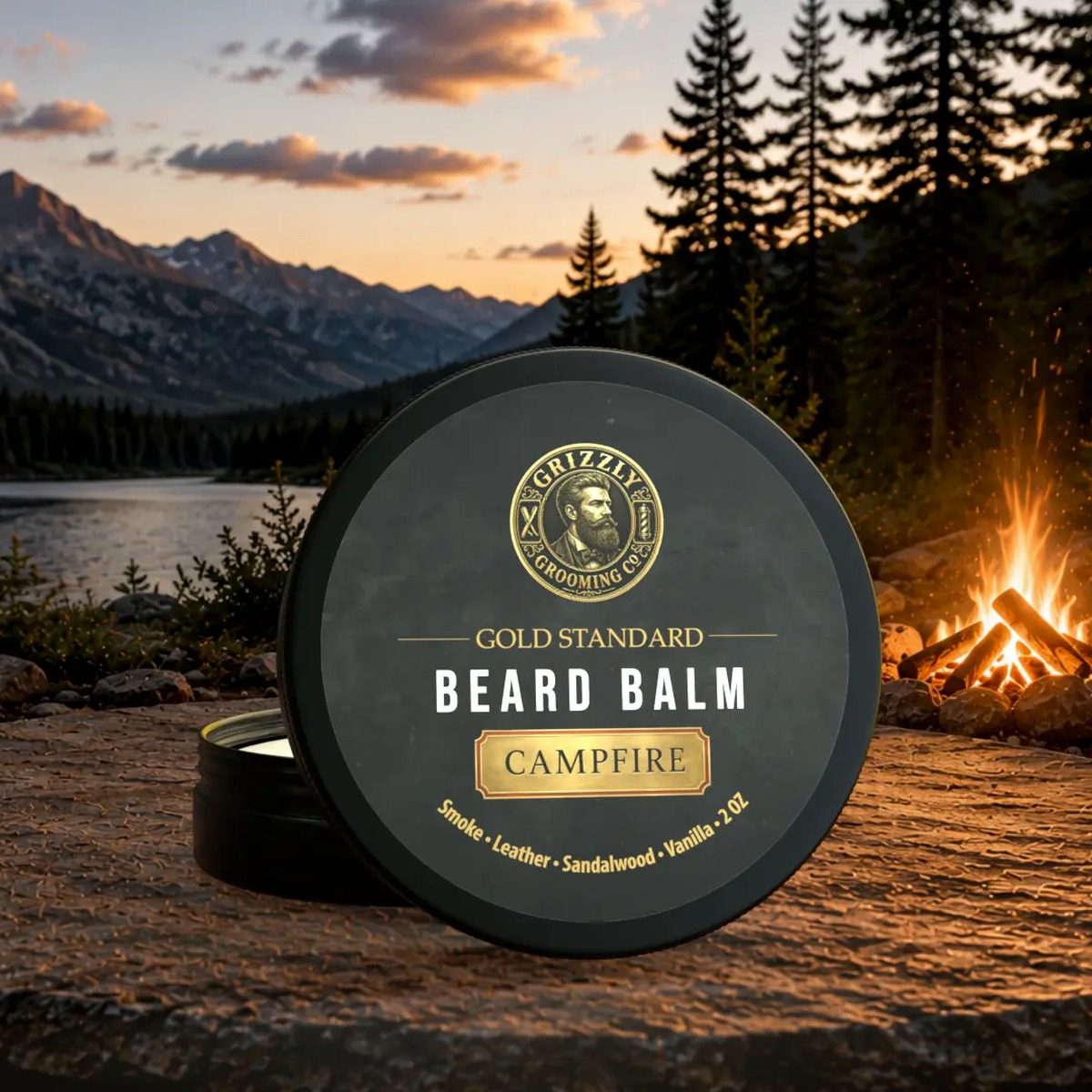
For men with combination skin, a light application of Beard Balm can provide a protective wax-based seal that guards against environmental pollutants. The beeswax in the balm provides a breathable layer that prevents 'trans-epidermal water loss' (TEWL). This is particularly effective for those who work outdoors or in harsh climates where windburn can exacerbate shaving-related sensitivity.
Ingredient transparency is vital. Ensure your post-shave products are free from parabens and sulfates. Instead, prioritize ingredients like shea butter and vitamin E. These components assist in cellular repair and provide the skin with the raw materials needed to rebuild its defenses before the next shave. A well-moisturized face is more elastic, making it significantly more resistant to nicks during future grooming sessions.
If you use a Cologne, never apply it directly to freshly shaved skin. The high alcohol content will cause immediate irritation and potentially long-term hyperpigmentation. Instead, apply scent to the 'pulse points' on the wrists or the back of the neck, well away from the sensitive areas of the jaw and throat that have just been subjected to the blade.
Common Mistakes and Mechanical Corrections
The most frequent mistake is 'over-shaving'—going over the same area multiple times without re-applying lubrication. Once the shaving cream is wiped away by the first stroke, the skin is dry. Any subsequent strokes on that spot are 'dry shaving,' which is a guaranteed recipe for nicks and razor burn. If you missed a spot, you must re-lather before touching the blade to that area again.
Another error is the 'stretching' technique. While pulling the skin taut is helpful, over-stretching the skin can cause the hair to retract below the surface once released. When that hair grows back, it often gets trapped under the skin, leading to painful ingrown hairs (pseudofolliculitis barbae). The goal is a flat surface, not a drum-tight one. Use just enough tension to eliminate wrinkles or folds.
Neglecting tool hygiene is a silent cause of irritation. Razors should be stored in a dry environment, not in the humid shower. A damp razor is a breeding ground for bacteria, which can be introduced into the micro-cuts caused by shaving, leading to folliculitis. Periodically dip your razor in isopropyl alcohol to disinfect the head and ensure the blade remains free of bacterial biofilm.
Finally, many men fail to account for their neckline. Shaving too high into the jawline or using an improper angle on the soft tissue of the neck often leads to the most severe nicks. Establish a clear neckline—roughly two fingers above the Adam's apple—and treat this boundary with even more caution than the cheeks. Use a Solid Cologne in this area post-shave to provide a moisture-rich scent profile without the irritation of a spray.
Environmental and Seasonal Adjustments
Your skin's needs change with the seasons, and your shaving technique should follow suit. During the summer, increased sweat and sebum can lead to more clogged blades. You may find that a lighter pre-shave routine is sufficient. However, in the winter, the skin becomes more brittle and prone to cracking. Increasing the amount of Gold Standard Beard Oil used as a primer is essential during colder months to maintain skin suppleness.
For those with extremely reactive skin, consider 'shaving holidays.' You do not need to be clean-shaven every day. Giving your skin 48 to 72 hours to recover between shaves allows the acid mantle to fully stabilize. During these off-days, continue to use a Goat Soap Bar for gentle cleansing and a light moisturizer to keep the hair soft and the skin hydrated.
If you live in an area with 'hard water' (high mineral content), you may find it difficult to build a stable lather. Minerals like calcium and magnesium react with shaving soap to create 'soap scum' rather than foam. In these instances, using a distilled water source for your shave or choosing a synthetic shaving cream rather than a traditional soap can improve the glide and reduce the risk of nicks.
Diet and hydration also play a role in skin resilience. Skin that is internally dehydrated is less plump and more likely to catch on a blade. While topical treatments are the priority, maintaining consistent water intake ensures the dermis is resilient. A healthy skin barrier starts with internal hydration, which provides a more 'cushioned' surface for the razor to navigate.
Frequently Asked Questions
How often should I change my razor blade?
For sensitive skin, change the blade every 2 to 3 shaves. A blade may still feel sharp to the touch but can develop microscopic 'teeth' or burrs that cause irritation and nicks well before the blade feels truly dull.
Why do I get red bumps even if I don't nick myself?
These are often razor burn or ingrown hairs caused by shaving against the grain or using too much pressure. It indicates that the blade is removing too many skin cells or cutting the hair too far below the surface.
Can I use regular soap if I run out of shaving cream?
It is not recommended. Regular hand or body soap lacks the high glycerin and fat content required to provide a 'glide' for the razor, significantly increasing the friction and the likelihood of nicks.
Is a cold shave better than a warm shave for sensitivity?
While warm water is better for softening the hair, some men with extreme vascular sensitivity find that a 'cold shave' reduces blood flow to the surface and prevents swelling. However, it requires a much sharper blade as the hair remains stiff.
Should I use an alum block every time I shave?
Yes, an alum block is an excellent preventative tool. It acts as a mild antiseptic to kill bacteria on the skin's surface and provides an immediate astringent effect that tones the skin and closes minor pores.
Does the weight of the razor really matter?
Absolutely. A heavier razor allows gravity to do the work, meaning you don't have to 'push' the blade into your skin. This lack of manual pressure is the single most important factor in preventing deep nicks.
Can beard oil really be used as a pre-shave?
Yes, Gold Standard Beard Oil is an exceptional pre-shave primer. Its blend of oils provides a microscopic buffer that increases the 'slip' of the razor, allowing it to glide over skin irregularities without catching.
Build your ritual in 60 seconds.
Answer four questions and get a custom regimen built around your beard and routine.
Start The Ritual Builder