Solving Sensitive Scalp: The Essential Men's Shampoo Playbook
Scalp sensitivity is not a permanent condition, but a physiological response to improper grooming practices. When the scalp becomes tender, itchy, or red, the skin's moisture barrier—the acid mantle—has likely been compromised by aggressive surfactants or environmental stressors. Achieving a healthy scalp requires more than just switching bottles; it demands a technical understanding of ingredient interactions, water temperature, and the cadence of your cleaning cycle. This playbook outlines the professional standard for diagnosing irritation and implementing a corrective regimen that prioritizes long-term skin integrity over the temporary sensation of a 'squeaky clean' finish.
- ›Transition to sulfate-free cleansers to preserve the scalp's natural lipid barrier.
- ›Adopt a lukewarm water protocol to prevent thermal inflammation and oil stripping.
- ›Limit shampoo application to two or three times per week, utilizing co-washing on off-days.
- ›Identify and eliminate synthetic fragrances and silicones like dimethicone from your routine.
- ›Restore the acid mantle post-wash using a pH-balanced conditioner with botanical oils.
- ›Monitor seasonal changes and adjust hydration levels with specialized topical treatments.
Diagnosing the Cause of Scalp Sensitivity
The first step in resolving scalp discomfort is differentiating between contact dermatitis and seborrheic dermatitis. Contact dermatitis is a localized reaction to an external irritant, such as a harsh synthetic fragrance or a specific preservative like methylisothiazolinone. It typically presents as redness or tenderness immediately following a shower. If the irritation is consistent and accompanied by oily, yellow flakes, it may be a fungal issue requiring a different clinical approach. However, for most men, the issue is a simple breach of the stratum corneum caused by products that are too alkaline.
Skin type plays a significant role in how sensitivity manifests. Those with naturally dry skin are more susceptible to seasonal shifts, particularly during winter when indoor heating lowers humidity and leeches moisture from the dermis. Conversely, men with oily skin often over-wash to compensate for sebum production, which paradoxically triggers the scalp to produce even more oil while the skin underneath becomes dehydrated and tight. Understanding this feedback loop is essential for breaking the cycle of irritation.
Environmental factors and mechanical stress also contribute to scalp fatigue. Frequent use of high-heat blow dryers, wearing tight-fitting hats for extended periods, and even aggressive towel drying can micro-tear the skin. When the scalp is already sensitized, these minor physical stressors are magnified. A technical audit of your environment—including the hardness of your water—can reveal hidden triggers that shampoo alone cannot fix. Hard water, rich in calcium and magnesium, can leave a mineral film that prevents moisture absorption and irritates the pores.
Lastly, consider the interplay between your hair and facial grooming habits. Irritation doesn't stop at the hairline; many men find that the same sensitivities affecting their scalp also plague their beard. If you are experiencing chin itch or flaking, your scalp routine and your beard care routine likely share a common flaw. Using a dedicated Beard Wash instead of standard hair shampoo on facial hair is a foundational step, but the scalp requires an equally specialized, low-impact approach to maintain a consistent baseline of health across the entire head.
The Technical Ingredient Blacklist
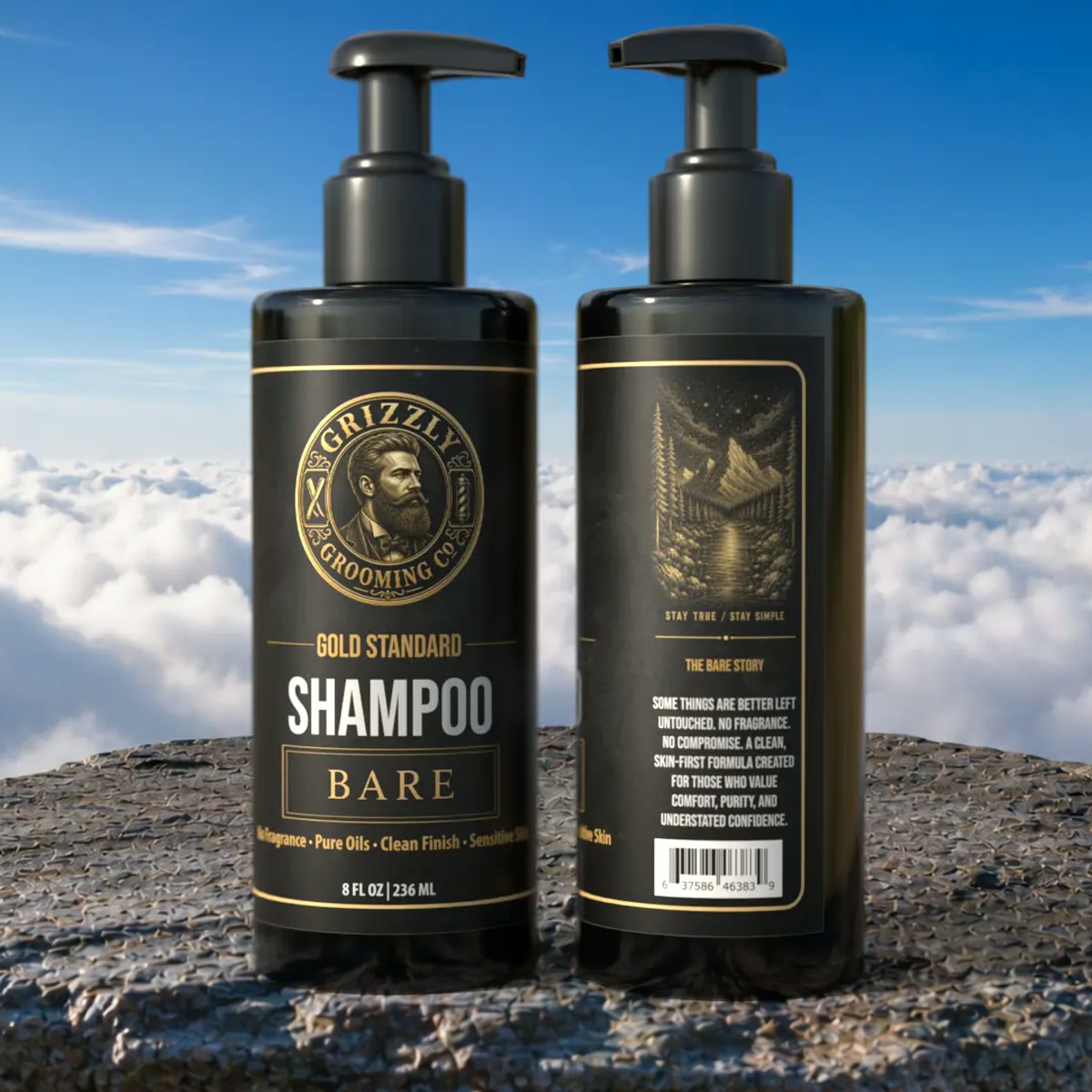
To restore a sensitive scalp, you must first identify the chemical culprits in your current inventory. Sulfates, specifically Sodium Lauryl Sulfate (SLS) and Sodium Laureth Sulfate (SLES), are the primary offenders. These are industrial-grade surfactants designed to emulsify oils, but they are non-discriminatory; they strip away the essential lipids that keep the scalp's skin cells bonded together. Without these lipids, moisture escapes, and irritants enter. Professional-grade shampoos replace these with milder cleansing agents like decyl glucoside or coco-glucoside, which clean without disrupting the barrier.
Silicones represent another layer of the problem. Listed as dimethicone, cetearyl methicone, or cyclomethicone, these synthetic polymers coat the hair to provide artificial shine and slip. While they make hair feel smooth, they are not water-soluble and build up on the scalp over time. This buildup clogs follicles and traps sweat and bacteria against the skin, leading to follicular inflammation and itching. Transitioning to products that utilize natural emollients, such as jojoba oil or argan oil, provides the necessary lubrication without the risk of occlusive buildup.
Synthetic fragrances and artificial dyes are purely aesthetic additions that offer high reactive potential. 'Parfum' is a catch-all term for hundreds of undisclosed chemicals that are among the most common allergens in grooming products. For a sensitive scalp, these serve as constant micro-irritants. A professional regimen prioritizes products scented with essential oils or those that are entirely fragrance-free. Similarly, dyes like Yellow 5 or Blue 1 are unnecessary additives that can trigger localized hives or redness in men with reactive skin types.
Preservatives like parabens and formaldehyde-releasers should also be scrutinized. While preservatives are necessary to prevent bacterial growth in water-based products, modern green chemistry offers safer alternatives like potassium sorbate or sodium benzoate. When reading a label, look for the concentration of ingredients; if alcohol (specifically denatured or isopropyl alcohol) is in the top five ingredients, the formula will be inherently drying. A technical understanding of these labels allows you to curate a kit that supports rather than subverts your biology.
The Lukewarm Water Protocol
Water temperature is a frequently overlooked variable in scalp health. High heat acts as a catalyst for chemical reactions and physical stripping. Hot water dilates the blood vessels, which can increase the perception of itchiness and inflammation. More importantly, it melts the sebum—the scalp's natural protective wax—at a rate that even the mildest shampoo can't counter. To protect a sensitive scalp, the water temperature should never exceed lukewarm, roughly 98 to 105 degrees Fahrenheit.
The physical process of washing should be deliberate and methodical. Instead of using your fingernails to scrub the scalp—which creates micro-abrasions that invite infection—use the pads of your fingertips. Apply a nickel-sized amount of shampoo to your palms, emulsify it with a small amount of water, and then work it into the scalp in circular motions. Focus the cleansing effort on the skin rather than the hair fibers themselves; the runoff will be sufficient to clean the length of the hair without over-processing it.
Timing is equally critical. Most men rinse their shampoo away too quickly or leave it on too long. For a sulfate-free formula, a contact time of 60 to 90 seconds is optimal. This provides enough time for the surfactants to bind to dirt and excess oil without deeply penetrating the dermal layers. If you are using a medicated shampoo for specific scalp conditions, follow the manufacturer's timing precisely, but always finish with a cool water rinse. The drop in temperature helps to constrict the pores and soothe the nervous system's response to the wash.
Post-wash, the hair should be handled with care. The standard practice of vigorous towel drying is a primary cause of mechanical irritation. Instead, use a microfiber towel or a clean cotton t-shirt to blot the hair dry. This minimizes friction on the scalp and prevents the hair cuticle from being raised, which leads to frizz and breakage. If you have a longer hairstyle or a full beard, ensuring the skin underneath is dried properly is vital, as trapped moisture can lead to maceration—a softening and breaking down of the skin that invites fungal growth.
Optimizing Wash Frequency for Skin Recovery
The most common mistake in men's grooming is daily shampooing. The scalp is a self-regulating ecosystem that requires time to replenish its natural oils. For those with sensitivity, washing every 48 to 72 hours is the professional recommendation. This interval allows the acid mantle to stabilize and provides a natural defense against environmental pollutants. On non-wash days, a thorough rinse with lukewarm water is sufficient to remove surface dust and sweat without stripping the deeper moisture layers.
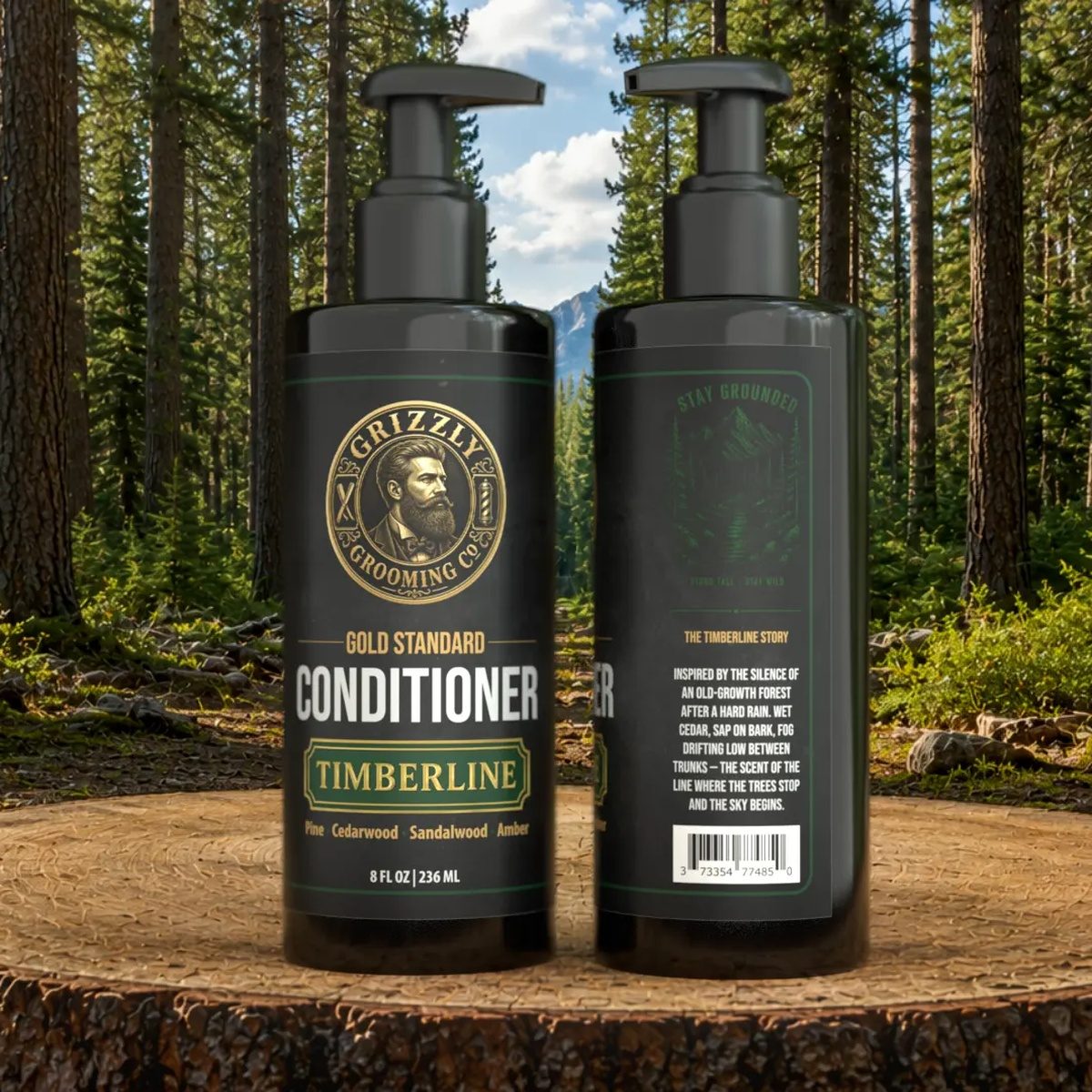
If you lead an active lifestyle or work in a dusty environment, you may feel the need for a daily cleanse. In these cases, adopt a 'co-washing' strategy. Co-washing involves using a high-quality Conditioner instead of shampoo. The surfactants in a conditioner are much milder but still capable of removing light debris. This maintains the hair’s manageability and the scalp’s hydration while skipping the aggressive detergent phase. It is an essential technique for men with curly or coarse hair, which is naturally more prone to dryness.
Transitioning from a daily wash to a staggered schedule involves an adjustment period. Initially, the scalp may continue to produce oil at an accelerated rate—a phenomenon known as reactive seborrhea. This usually stabilizes within two weeks as the skin realizes it no longer needs to overcompensate for daily stripping. During this transition, using a light application of a natural Goat Soap Bar for the body while keeping the scalp on a strict schedule can help regulate your overall skin health without cross-contamination of products.
Seasonality should also dictate your frequency. In the height of summer, increased sweat and UV exposure may necessitate a wash every two days to prevent follicular blockage. In the winter, you should lean toward the three-day mark, as the dry air already puts the scalp at a hydration deficit. Monitoring how your skin feels—tightness versus oiliness—is a better metric than a static calendar. If the scalp feels 'tight' after a wash, you have either used too much product or the water was too hot.
pH Balance and the Role of Conditioning
The scalp's natural pH is slightly acidic, typically between 4.5 and 5.5. Most soaps and low-end shampoos are alkaline, which disrupts this balance and causes the hair cuticle to swell and the skin to become vulnerable. A professional-grade conditioner is not an optional luxury; it is a chemical necessity for restoring the scalp's pH after cleansing. By bringing the pH back to its acidic baseline, the conditioner helps to flatten the hair cuticle and seal in moisture.
When selecting a conditioner for a sensitive scalp, look for ingredients like aloe vera, which provides immediate cooling, and panthenol (Vitamin B5), which penetrates the hair shaft to increase elasticity. Natural oils like jojoba are excellent because their molecular structure closely mimics human sebum, allowing them to integrate into the skin's barrier without feeling greasy. A proper conditioner should be applied primarily to the ends of the hair, but a small amount can be massaged into the scalp if it feels particularly dry or inflamed.
Leave-in treatments can provide a secondary layer of protection for men with chronic sensitivity. If you find your scalp becomes itchy midway through the day, a light, water-based scalp serum can provide relief. Interestingly, many of the ingredients found in a high-quality Beard Oil—such as almond or grapeseed oil—can be used sparingly on the scalp to alleviate acute dryness. The goal is to provide a thin, breathable lipid layer that prevents trans-epidermal water loss without causing the hair to appear lank.
Consistency is key to results. Switching between different brands and formulas every week prevents the scalp from reaching a state of equilibrium. Once you find a sulfate-free shampoo and a pH-balanced conditioner that work for your skin type, stick with them. The scalp needs roughly 28 days—the length of a full skin cell turnover cycle—to show the true results of a new grooming regimen. Rapidly changing products only introduces new variables and makes it impossible to identify specific irritants.
Advanced Scalp Restoration and Winter Care
Winter presents a unique set of challenges for the sensitive scalp. Cold air holds less moisture, and the transition from freezing outdoor temperatures to dry indoor heat causes the skin to rapidly lose hydration. During these months, the scalp often requires a more intensive moisture strategy. This is when products like Beard Butter can offer an unexpected benefit; while designed for facial hair, the high concentration of shea butter and carrier oils can be used as a deep-conditioning mask for a dry scalp before a wash.
Exfoliation is also necessary, but it must be chemical rather than mechanical for sensitive types. Avoid scrubs with large particles like apricot kernels, which can cause micro-tears. Instead, look for shampoos containing very low concentrations of salicylic acid. This beta-hydroxy acid gently dissolves the glue holding dead skin cells together, preventing the buildup of dry flakes without the need for aggressive scrubbing. This is particularly useful for men who use styling products like pomades or waxes that can be difficult to remove.
Nighttime is the best time for restoration. If your scalp is feeling particularly tender, applying a few drops of a botanical-based oil—similar to what you would find in a Gold Standard Beard Oil—and leaving it on overnight can significantly improve skin elasticity by morning. This allows the oils to penetrate the deeper layers of the epidermis without the interference of environmental pollutants or styling products. Just be sure to use a dedicated pillowcase to avoid oil transfer.
Diet and hydration also play a secondary but important role in scalp health. Chronic dehydration will manifest in the skin's furthest extremities, including the scalp. Ensuring you drink adequate water and consume healthy fats, such as Omega-3s, provides the internal building blocks for a strong moisture barrier. While topical products handle the external defense, internal health provides the foundation for skin that is less reactive to the elements.
Common Mistakes and Corrective Actions
The most pervasive mistake men make is misidentifying dry scalp as dandruff. If you see small, white, dry flakes, you have a dry scalp. If you use a harsh anti-dandruff shampoo containing zinc pyrithione or ketoconazole on a dry scalp, you will exacerbate the problem, as these ingredients are designed to reduce oil. The correction is to stop all medicated shampoos and switch to a hydrating, sulfate-free formula with jojoba or aloe. If the flakes don't resolve after two weeks of hydration, then consult a professional.
Another error is the 'more is better' approach to product application. Using a large amount of shampoo doesn't make the hair cleaner; it only makes the product harder to rinse out. Residual shampoo left on the scalp is a major source of itching and irritation. The correction is to use a measured amount—no larger than a quarter—and spend twice as long rinsing as you did lathering. Ensure the water runs clear and the skin feels clean but not 'sticky' or 'tacky' before exiting the shower.
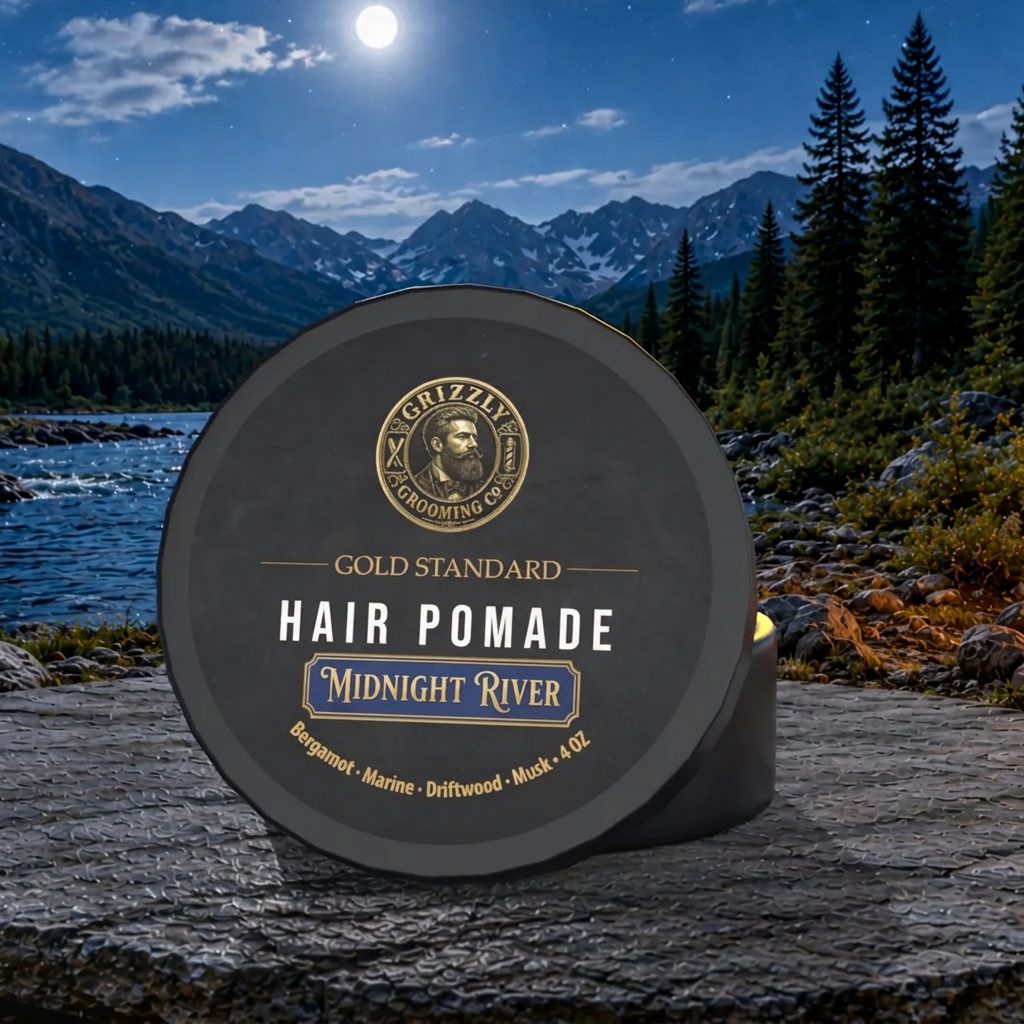
Many men ignore the impact of their styling products on scalp health. Heavy clays and petroleum-based pomades are difficult to wash out with mild shampoos, leading to a cycle of product buildup and aggressive washing. The correction is to switch to water-based styling products or to use a 'pre-wash' oil treatment to break down the wax before you enter the shower. This allows the shampoo to work more efficiently without requiring multiple lathers.
Neglecting the tools of the trade is a final common pitfall. Using a dirty hairbrush or a comb with sharp, plastic mold lines can irritate the scalp daily. The correction is to invest in a high-quality saw-cut comb or a boar bristle brush, and to wash these tools every two weeks with a drop of shampoo. This prevents the reintroduction of old oils, bacteria, and dead skin cells to your freshly cleaned scalp.
Integrating Hair and Beard Care
A holistic approach to grooming recognizes that the skin on your face and the skin on your head are part of the same system. Many of the principles applied to maintaining a soft, healthy beard apply directly to the scalp. For instance, the use of a Premium Deodorant that avoids harsh aluminum salts reflects a general philosophy of skin-first grooming. The same care should be extended to your shampoo selection, ensuring that no part of your routine introduces unnecessary toxins.
If you have a beard, you likely already understand the importance of neckline maintenance and shaping for your face shape. The same attention to detail should be applied to your hairline. A sensitive scalp is often most irritated at the boundaries—the nape of the neck and the temples. When applying products, ensure you are reaching these areas but not over-applying. The skin at the nape is particularly thin and prone to heat rashes and irritation from shirt collars.
For men who use a Solid Cologne or traditional spray, be mindful of where the fragrance lands. High alcohol content in colognes can be devastating to a sensitive scalp if sprayed too close to the hairline. Apply fragrance to the pulse points of the wrists and lower neck to avoid drying out the skin around your hair. This mindful application preserves the integrity of your moisture barrier while still allowing for a signature scent.
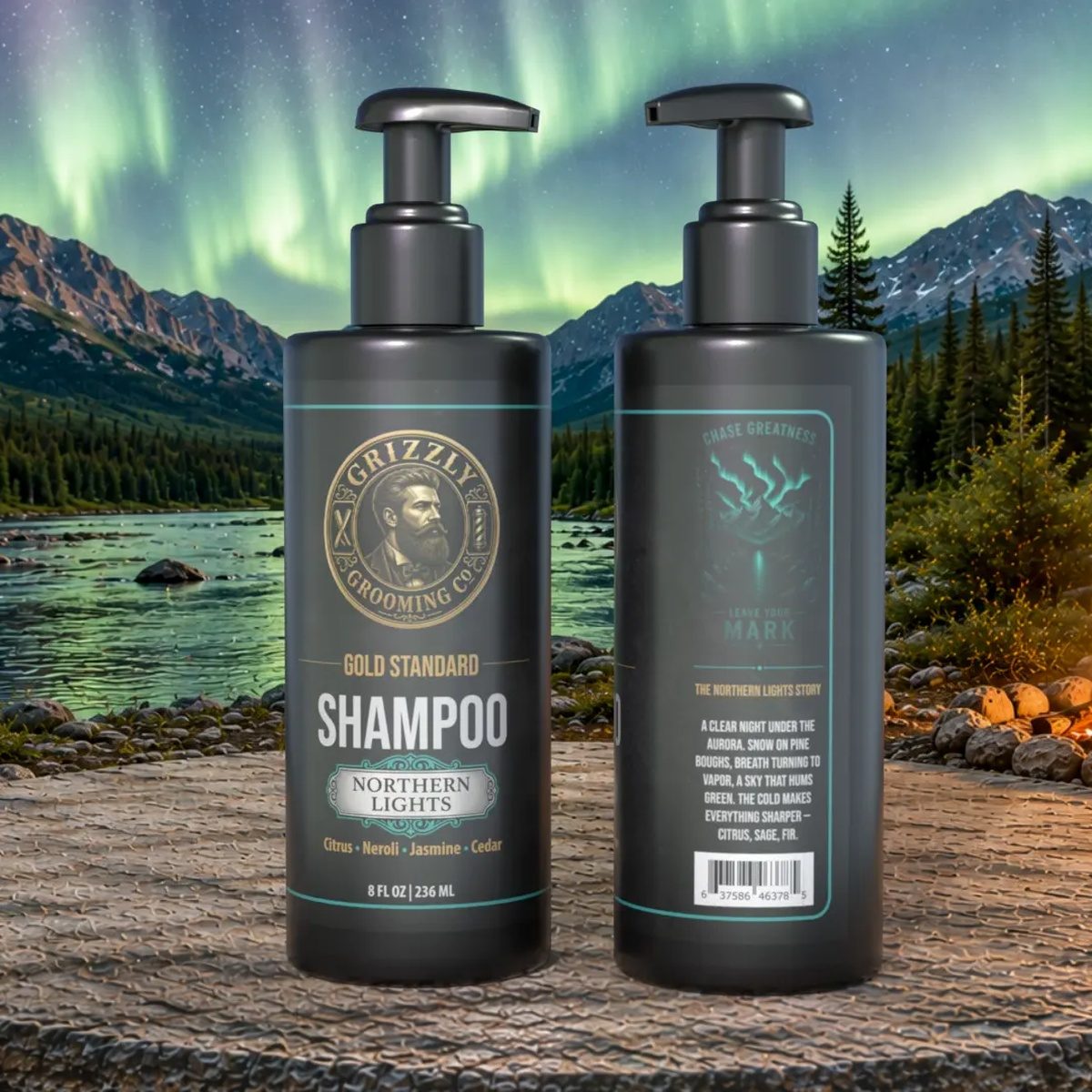
Finally, the transition between products should be managed carefully. If you are moving from a drugstore brand to a professional-grade system like the Gold Standard, do not mix and match during the first week. Use the dedicated Shampoo and Conditioner together to ensure the pH levels are complementary. This 'clean slate' approach is the fastest way to identify what your skin actually needs, leading to a scalp that is comfortable, flake-free, and healthy.
Frequently Asked Questions
Can I use my beard wash on my head if I have a sensitive scalp?
Yes, in many cases a high-quality Beard Wash is even gentler than standard shampoo and can be used on the scalp. However, because it is formulated for thicker facial hair, you may find you need to follow up with a dedicated hair conditioner to ensure the scalp's pH is properly balanced.
How can I tell the difference between dandruff and a dry scalp?
Dandruff flakes are typically larger, oily, and yellowish, often caused by a fungal overgrowth. Dry scalp flakes are small, white, and powdery, usually resulting from dehydration or harsh chemicals. Using an anti-dandruff shampoo on a dry scalp will usually make the irritation worse.
Is it okay to skip conditioner if my hair is short?
No, short hair does not exempt the scalp from the need for pH restoration. Even if the hair fibers themselves don't need much detangling, the skin of the scalp requires the acidic properties of a conditioner to seal the moisture barrier after the alkaline process of washing.
Does cold water really help with scalp sensitivity?
A cold rinse at the end of your shower can be very beneficial. It helps to constrict the blood vessels and close the hair cuticles, which reduces inflammation and leaves the hair looking shinier without the use of synthetic silicones.
Can stress cause my scalp to become more sensitive?
Yes, stress triggers the release of cortisol, which can increase oil production and systemic inflammation. This often makes the scalp more reactive to products that you might otherwise tolerate, making a gentle, sulfate-free routine even more critical during high-stress periods.
Should I avoid all fragrances if my scalp is itchy?
Not necessarily all fragrances, but you should avoid 'synthetic parfum.' Look for products scented with low concentrations of natural essential oils like peppermint or cedarwood, which often provide therapeutic benefits like increased circulation or antimicrobial properties without the irritation of synthetic chemicals.
How long does it take for a sensitive scalp to heal?
It typically takes about 28 days for the skin on the scalp to undergo a full cell turnover. While you may feel immediate relief from switching to a sulfate-free shampoo, you should commit to the new routine for at least a month to see the full restorative effects on your skin barrier.
Can my choice of styling product affect my scalp sensitivity?
Absolutely. High-hold waxes and clays can trap oils and bacteria against the scalp, leading to breakouts and irritation. If you have a sensitive scalp, opt for water-based styling products and ensure you are thoroughly cleaning the scalp every two to three days to prevent buildup.
Build your ritual in 60 seconds.
Answer four questions and get a custom regimen built around your beard and routine.
Start The Ritual Builder