Should Men Use Hair Conditioner Every Day? A Master Barber's Guide
The modern grooming landscape is rife with misconceptions regarding the necessity of daily conditioning. While the industry often treats shampoo and conditioner as an inseparable duo, their physiological functions are distinct. Shampoo acts as a surfactant-based cleanser, designed to emulsify sebum and debris for removal. In contrast, conditioner is a restorative agent designed to realign the hair cuticle, replace lost lipids, and provide a protective barrier against environmental stressors. Determining the appropriate frequency for conditioning requires an understanding of your hair’s porosity, the chemical composition of your water, and the specific requirements of your follicle health. This guide serves to demystify the science of hydration, ensuring your hair maintains structural integrity without the burden of unnecessary product buildup.
- ›Conditioner is essential for sealing the hair cuticle and preventing protein loss and moisture evaporation.
- ›Daily conditioning is recommended for men with long, curly, or chemically treated hair to prevent breakage.
- ›Men with fine or oily hair should limit application to three times weekly to maintain natural volume.
- ›Application must focus on the mid-shaft and ends, avoiding direct contact with the scalp to prevent clogged pores.
- ›Co-washing, or using conditioner in place of shampoo, is an effective way to refresh hair between deep cleanses.
- ›Rinsing with cool water helps to contract the hair cuticle, locking in the active conditioning agents.
The Molecular Science of Conditioning Agents
To understand frequency, one must understand the chemistry. Hair conditioners primarily utilize cationic surfactants, which carry a positive charge. Since damaged hair strands typically carry a negative charge, these molecules are electrostatically attracted to the compromised areas of the hair shaft. Once attached, they lay the cuticle flat, reducing the friction that leads to tangling and breakage. This is not a permanent repair but a temporary structural reinforcement that requires consistent replenishment.
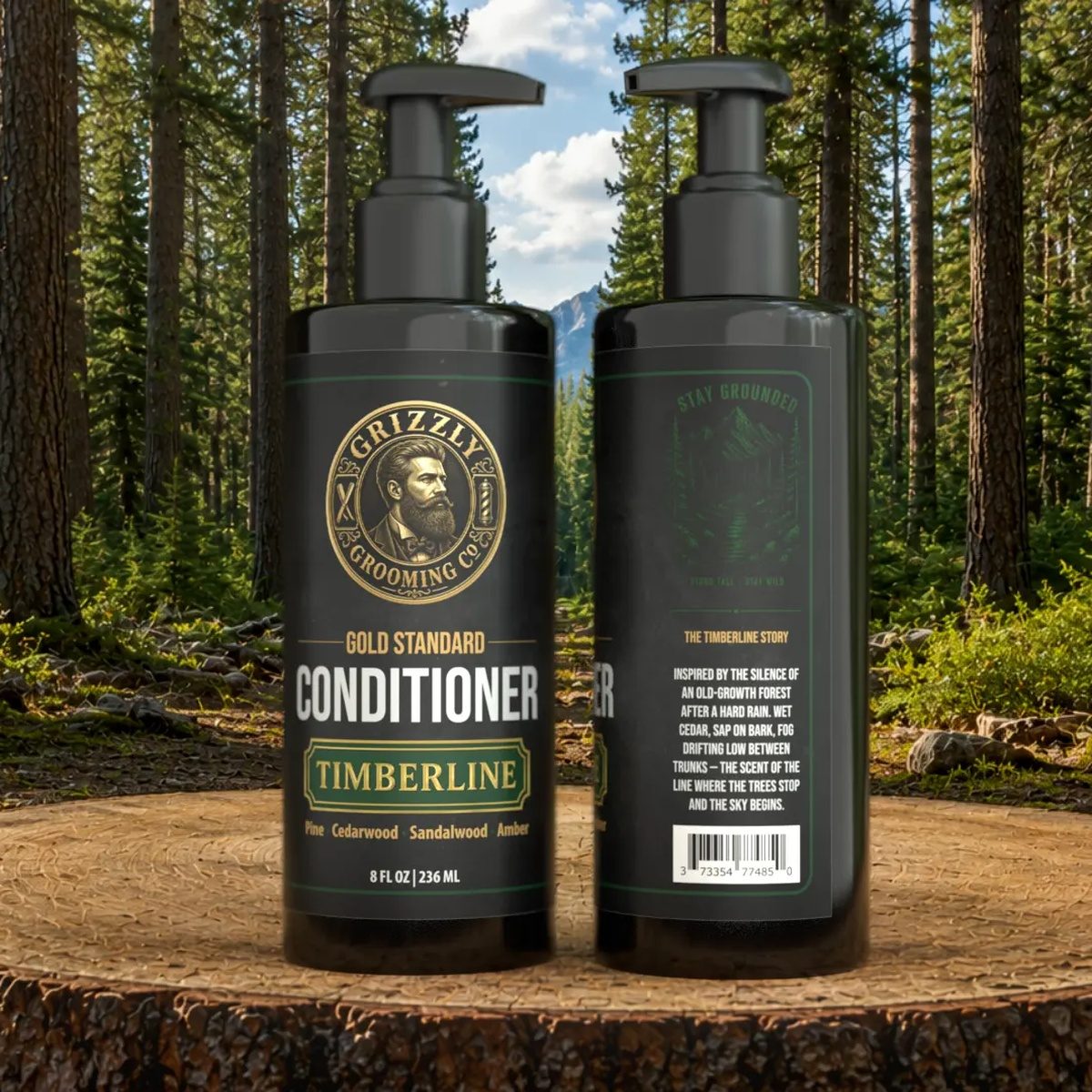
A high-quality conditioner, such as the Grizzly Gold Standard Conditioner, contains fatty alcohols like cetyl and stearyl alcohol. Unlike drying alcohols found in low-grade products, these serve as emollients that provide the 'slip' necessary to detangle hair without mechanical damage. They work in tandem with proteins and lipids to fill in the gaps of the hair’s porous surface, ensuring that moisture remains trapped within the cortex rather than evaporating in the heat of the day.
Silicones and their modern alternatives also play a role in daily grooming. These ingredients provide a micro-thin, breathable film that shields the hair from oxidative stress and humidity. For the man living in a city with high pollution or one who frequently swims in chlorinated water, this daily protective barrier is the difference between hair that looks vibrant and hair that looks dull and weathered. Without this layer, the hair's internal structure is exposed to UV radiation and airborne particulates.
Determining Frequency Based on Porosity and Texture
Your hair's porosity—the ability of the strand to absorb and retain moisture—is the primary driver for how often you should condition. High-porosity hair has gaps and holes in the cuticle, often due to heat styling or genetic factors. This hair type loses moisture almost as quickly as it absorbs it, making daily conditioning a non-negotiable step to prevent the hair from becoming brittle and prone to split ends.
Low-porosity hair has a tightly closed cuticle that resists moisture. If you have low-porosity hair, daily conditioning can lead to product sitting on the surface, creating a waxy feel. For these men, conditioning two to three times a week with warm water to help open the cuticle is more effective. This ensures the product actually penetrates the shaft rather than just coating the exterior and weighing down your style.
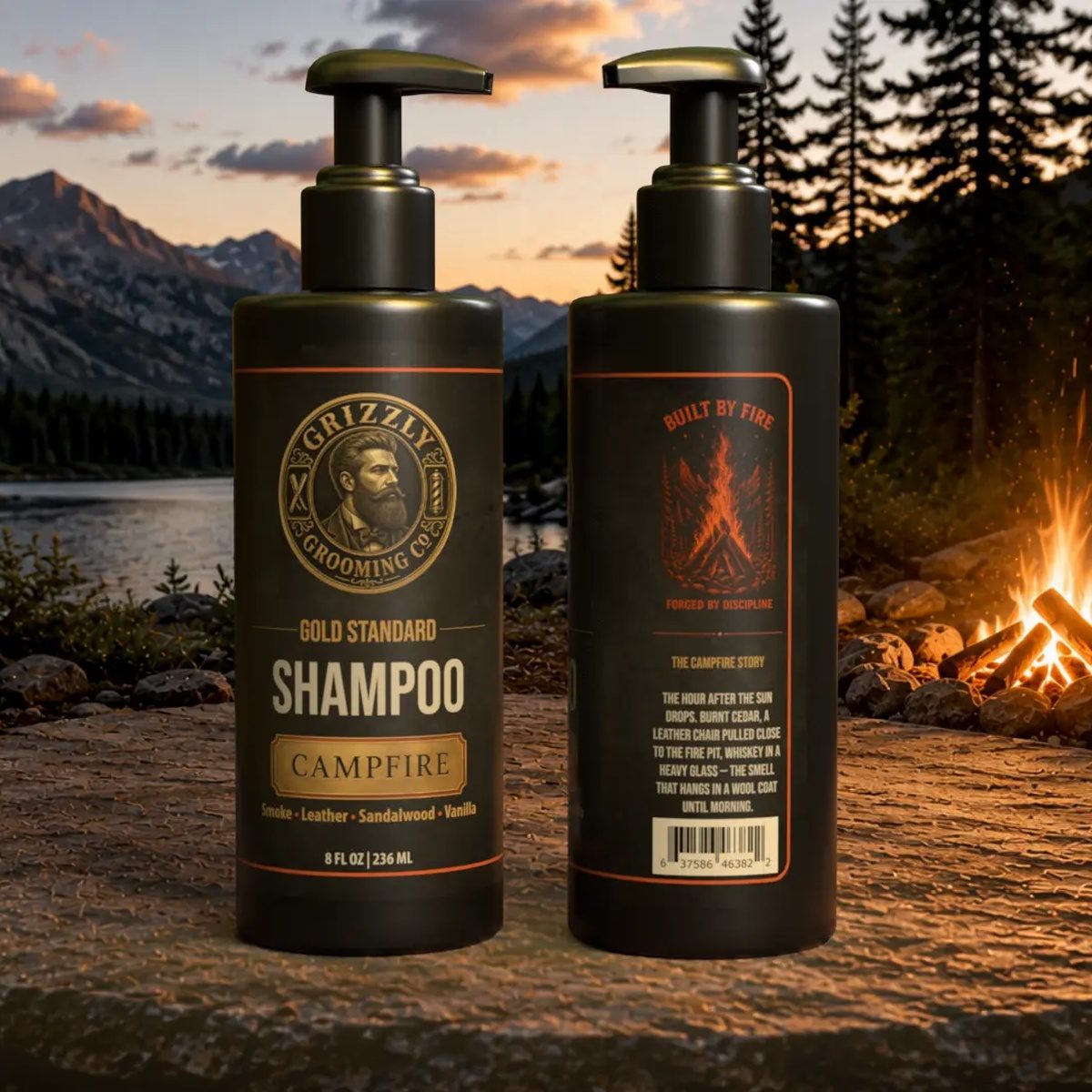
Texture also dictates the volume of product needed. Coarse, curly hair requires more frequent and heavy conditioning because the scalp’s natural sebum cannot easily travel down the spiral shape of the strand. Men with tighter curls or coils should consider conditioning daily, even on days they skip the Grizzly Gold Standard Shampoo, a process often referred to as co-washing, to maintain elasticity and define the natural curl pattern.
The Art of Precise Application Technique
Most men apply conditioner incorrectly by treating it like a second shampoo. The scalp produces its own oil, and unless you have extremely dry skin, it rarely needs the supplemental lipids found in conditioner. To apply correctly, dispense a nickel-sized amount into your palms for short hair, increasing the volume for longer lengths. Focus the application solely on the ends and the mid-shaft where the hair is oldest and most damaged.
Once applied, the timing is critical. Conditioning is not an instantaneous chemical reaction; it requires a minimum of two to three minutes for the ingredients to bond with the hair fiber. During this interval, you can use a wide-tooth comb to ensure even distribution. This is also the ideal time to tend to other grooming tasks, such as washing with a Goat Soap Bar or refining your neckline with a trimmer to maintain a sharp profile.
The rinse is just as important as the application. While you should wash your hair with warm water to remove debris, you should rinse conditioner with the coolest water you can tolerate. Cold water causes the cuticle to contract and lie flat, which seals in the nutrients and gives the hair a natural, healthy shine. If you leave too much residue behind, you risk a greasy finish; rinse until the hair no longer feels 'slimy' but still feels smooth.
Daily Conditioning for Short vs. Long Hair
The length of your hair changes the calculus of your routine. For men with short, buzzed, or cropped styles, the hair is relatively young and healthy. Because the hair is close to the scalp, it receives a steady supply of natural oils. In these cases, daily conditioning is often unnecessary and can lead to scalp congestion. Conditioning twice a week is usually sufficient to keep the texture soft without compromising volume.
As hair grows longer—reaching the ears or shoulders—the tips are further away from the scalp’s oil glands. These ends may be months or even years old, having endured countless showers, sun exposure, and friction from pillows. These ends are effectively 'thirsty' and require daily intervention. If you are growing out your hair, daily conditioning is the best way to prevent the need for frequent trims due to breakage.
For men transitioning from a short cut to a longer style, the 'awkward stage' can be managed with consistent conditioning. Using a small amount of Beard Butter or Beard Balm on the very tips of long head hair can also provide a heavier seal for those with exceptionally dry strands, though this should be done sparingly to avoid a matted appearance.
Environmental Factors and Seasonal Adjustments
The climate you live in dictates the rate of moisture loss. During winter care months, indoor heating systems strip moisture from the air, which in turn draws moisture out of your hair and skin. You may find that even if you have oily hair, a daily conditioning routine becomes necessary during the colder months to combat static and 'flyaway' hairs that result from dehydration.
In contrast, high humidity during the summer can cause the hair cuticle to swell, leading to frizz. Daily conditioning with a product designed to smooth the cuticle can help lock out excess atmospheric moisture, keeping your hairstyle intact. If you spend time in the ocean or pools, you must condition daily to neutralize the drying effects of salt and chlorine, which can strip the hair of its protective lipid layer.
Men in urban environments face a different challenge: particulate matter. Dust, smoke, and pollution can cling to the hair. Daily conditioning provides a sacrificial layer; the pollutants stick to the conditioning film rather than the hair protein itself. This makes it easier to rinse away debris without needing to use a harsh Beard Wash or shampoo every single day.
Common Mistakes and Troubleshooting Buildup
The most prevalent error is 'over-conditioning' the roots. This leads to the hair looking flat at the crown, which can make a man's face shape appear wider or less defined. If you notice your hair feels heavy or looks greasy just a few hours after washing, you are likely applying product too high up the hair shaft or using too much for your hair density.
Another mistake is failing to rinse thoroughly. While leave-in conditioners exist, standard conditioners are formulated to be washed away. Residual product can trap dirt and skin cells, leading to scalp irritation or 'beardruff' if the product migrates to your facial hair. If you experience a tingly or itchy scalp, try reducing your frequency or ensuring a more vigorous rinse routine.
If you suspect product buildup, do not reach for a harsher detergent immediately. Instead, use a clarifying wash once a week and ensure you are not using styling products with heavy waxes that require intense surfactants to remove. Balancing your use of Solid Cologne or Premium Deodorant is easy, but balancing hair lipids requires a more nuanced touch; if the hair feels 'crunchy' despite conditioning, you may be experiencing protein overload.
Co-Washing: The Barber’s Secret for Texture
Co-washing, or 'conditioner-only washing,' is a technique where you skip shampoo entirely and use conditioner to refresh the hair. This is particularly effective for men with dry or curly hair who workout daily. It allows you to sweat and rinse without the risk of over-stripping the hair’s natural defenses. The mild surfactants in the conditioner are enough to move light surface dirt without disturbing the internal moisture.
To co-wash effectively, you must spend more time massaging the scalp with your fingertips than you would with shampoo. The mechanical action of your fingers helps break up oils. This technique preserves the natural oils that give hair its 'lived-in' texture, making it easier to style without needing heavy pomades or clays. It is the preferred method for men who want a natural, effortless look.
However, co-washing is not a total replacement for shampoo. At least once or twice a week, you should use a proper Shampoo to deeply cleanse the scalp and prevent follicular clogging. Think of co-washing as maintenance and shampooing as a deep reset for your grooming foundation. This balance ensures your hair remains pliable and your scalp remains healthy.
Integrating Hair and Beard Hydration
A man's grooming routine should be holistic. The hair on your head and the hair on your face have different needs, but they share the requirement for lipid replacement. While you use a standard conditioner for your scalp hair, your beard requires specific formulas like Beard Oil or Beard Butter. These are designed to penetrate the coarser hair of the face and the sensitive skin underneath.
When conditioning your hair daily, be mindful of how the water runs down your face. Standard hair conditioners often contain ingredients that are too heavy for facial pores and can cause breakouts. Always wash your face and beard with a dedicated Beard Wash after rinsing your hair conditioner to ensure no residual scalp product is trapped in your facial hair.
Consistency is key across both areas. Just as daily conditioning keeps your head hair soft, daily application of Beard Oil keeps your beard from becoming itchy and brittle. By treating your grooming as a unified system—from the Goat Soap Bar in the shower to the final spray of Cologne—you ensure that your scent profile and hydration levels are professional and balanced.
Frequently Asked Questions
Can daily conditioning cause my hair to thin or fall out?
No, conditioner does not cause hair loss. Hair loss is typically genetic or hormonal. However, improper application to the scalp can cause buildup that may irritate follicles; always focus the product on the hair strands themselves.
Should I use conditioner even if I have oily hair?
Yes, but less frequently. Oily hair still needs the cuticle-sealing benefits of conditioner to prevent damage to the ends. Limit use to two or three times a week and only apply to the very tips of the hair.
Is there a difference between leave-in and rinse-out conditioners?
Rinse-out conditioners are heavier and designed to be washed away after a few minutes, while leave-in formulas are lighter and provide ongoing protection throughout the day. Using both is usually unnecessary for most men unless they have very long or damaged hair.
What happens if I skip conditioner entirely?
Over time, the hair cuticle will remain raised, leading to increased friction, tangling, and moisture loss. This results in dull-looking hair that is prone to breakage, split ends, and environmental damage.
Can I use beard conditioner on my head hair?
You can, but it is not ideal. Beard conditioners are often richer and contain different oils specifically for coarse facial hair. On head hair, this may result in a greasy appearance and a lack of volume.
How much conditioner should I use for a standard men's cut?
A dime-sized amount is usually sufficient for short hair. For medium-length hair that reaches the eyes, use a nickel-sized amount. Using too much product is a common cause of flat, lifeless hair.
Does water temperature really matter when conditioning?
Yes. Warm water opens the hair cuticle, allowing the conditioner to penetrate the shaft. Rinsing with cold water seals the cuticle, trapping the moisture inside and creating a smoother, shinier surface.
Can daily conditioning help with dandruff?
Conditioner can help if your 'dandruff' is actually just a dry scalp, as it provides needed moisture. However, if you have true seborrheic dermatitis, you need a medicated treatment, as standard conditioner may exacerbate the oiliness that the fungus thrives on.
Build your ritual in 60 seconds.
Answer four questions and get a custom regimen built around your beard and routine.
Start The Ritual Builder