Seasonal Scent Profiles: A Guide to Choosing the Right Men's Cologne
A man's choice of fragrance serves as his invisible signature, yet the physics of scent dictated by temperature and humidity often determines whether that signature is professional or overbearing. The fundamental chemistry of cologne—composed of essential oils, fixatives, and alcohol—reacts dynamically to environmental conditions. High heat accelerates the volatility of scent molecules, while cold air suppresses projection. True mastery of the grooming ritual requires a technical understanding of how to pivot your fragrance wardrobe to match the calendar. By aligning your cologne with the specific demands of the season, you ensure your presence is refined, consistent, and adapted to the atmospheric variables of the day.
- ›Select high-molecular-weight base notes like leather and oud for cold months to combat low evaporation rates.
- ›Prioritize citrus and marine notes in temperatures above 75°F to prevent scent projection fatigue.
- ›Apply fragrance to hydrated skin, using a beard balm or butter as a lipid barrier to increase longevity.
- ›Transition through vetiver and cedarwood during spring and autumn to bridge the seasonal temperature gap.
- ›Maintain a two-to-three spray limit on pulse points to avoid olfactory fatigue for those around you.
- ›Store all fragrance bottles in cool, dark environments to prevent the degradation of chemical bonds.
The Molecular Physics of Temperature and Scent Volatility
Every fragrance is a complex structure of top, heart, and base notes, each with varying molecular weights. Top notes, like lemon or bergamot, are small molecules that evaporate quickly, providing the initial impression. Base notes, such as sandalwood or musk, are larger molecules that linger on the skin for hours. Temperature acts as the engine for this evaporation process. When skin temperature rises in the summer, the kinetic energy of these molecules increases, forcing them into the air at a faster rate. This is why a heavy scent that feels balanced in January becomes suffocatingly loud in July.
Humidity also plays a critical role in how a fragrance is perceived. Moist air holds scent molecules closer to the body, whereas dry winter air allows them to dissipate rapidly. In low-humidity environments, your skin’s natural moisture barrier is often compromised, leading to the skin absorbing the fragrance oils rather than allowing them to project. This necessitates a change in both the concentration of the cologne you choose and the preparation of the skin before application.
Understanding the 'scent trail' or sillage requires recognizing that the colder the air, the more 'quiet' the perfume becomes. To achieve the same presence in the winter that a light citrus gives in the summer, you must select ingredients with lower volatility. This isn't about applying more product—which can lead to a harsh, alcohol-heavy opening—but about selecting a composition designed to withstand the dampening effects of the cold. Transitioning your grooming routine to account for these shifts is as functional as changing from a linen shirt to a wool coat.
Winter Requirements: Density, Resins, and Fixing Scent to Dry Skin
In the depths of winter, the goal is longevity and warmth. Fragrances featuring resins, balsams, and heavy woods provide the necessary depth to cut through the cold. Ingredients like tobacco, leather, and frankincense act as natural fixatives, meaning they slow the evaporation of lighter notes. These scents are often categorized as 'oriental' or 'woody' and possess the structural integrity to last through a ten-hour day. Because the air is dry, these heavier molecules provide a consistent olfactory profile that doesn't disappear the moment you step outside.
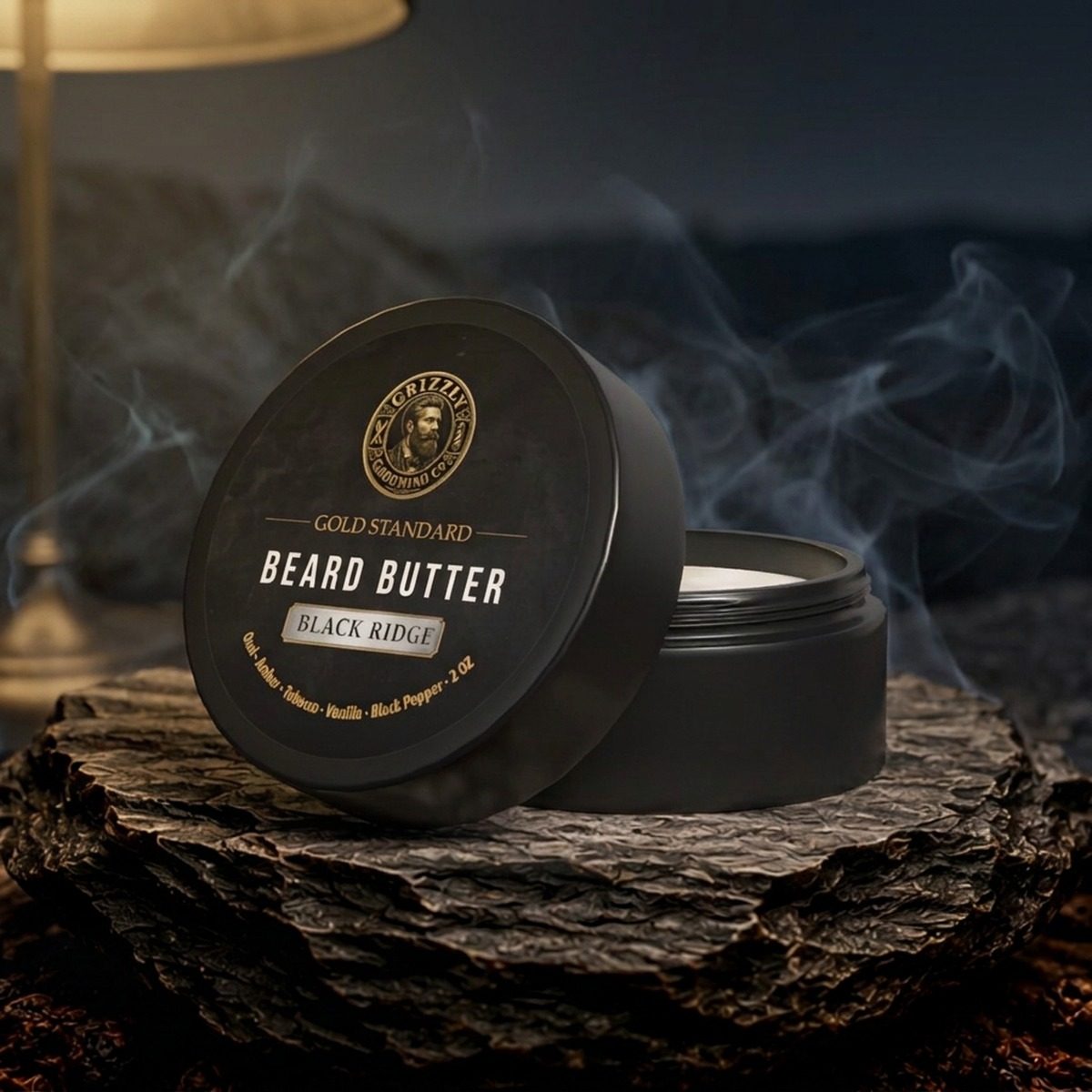
Preparation is paramount in the winter. Dry skin is the enemy of cologne longevity. Before applying your fragrance, ensure your skin is hydrated. Using a high-quality goat soap bar in the shower followed by a specialized beard oil or beard butter provides the necessary lipid layer. This prevents the skin from absorbing the cologne's oils, allowing the scent to sit on the surface where it can be slowly activated by your body heat. Applying scent to the pulse points—the neck and wrists—is most effective when the skin is primed with a moisturizer.
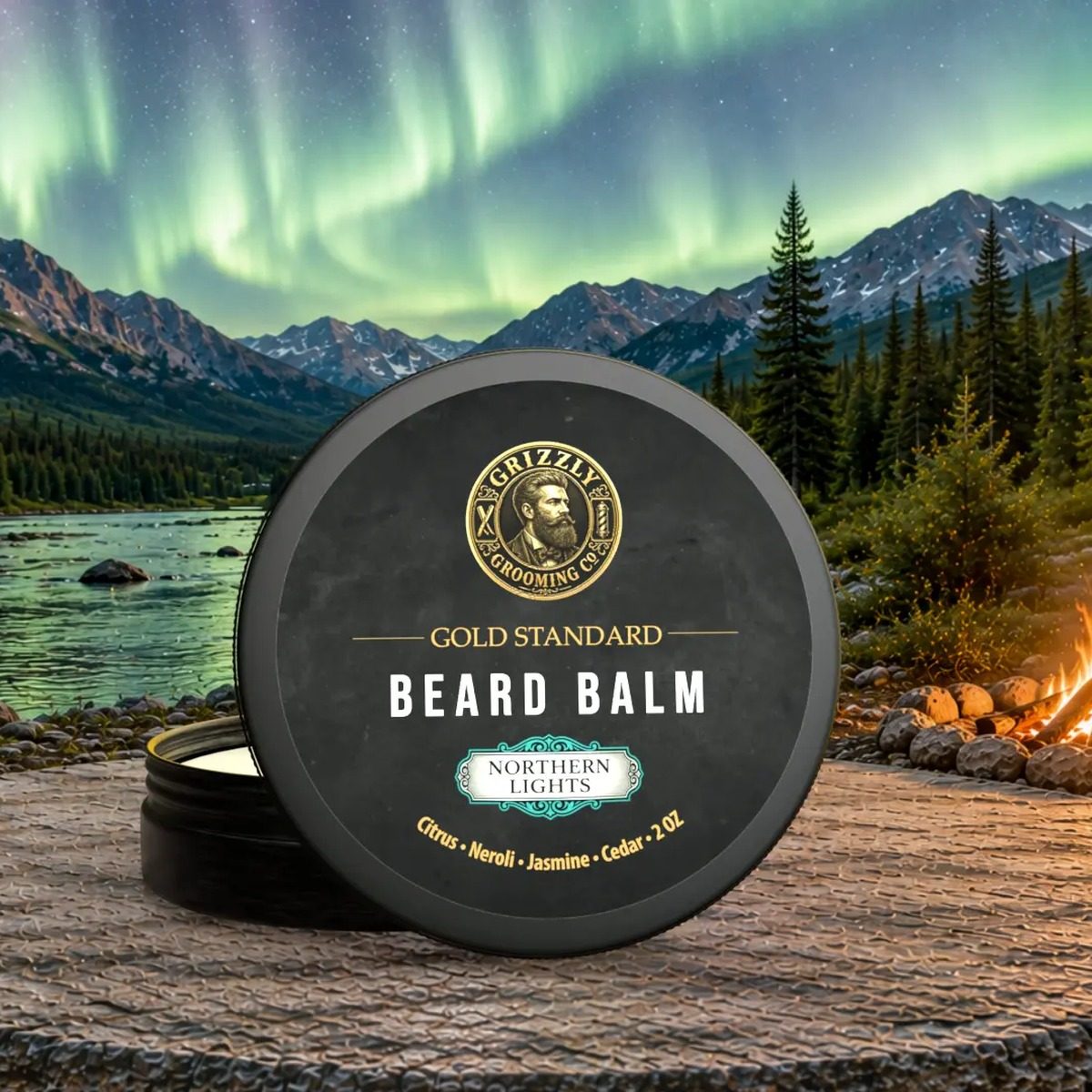
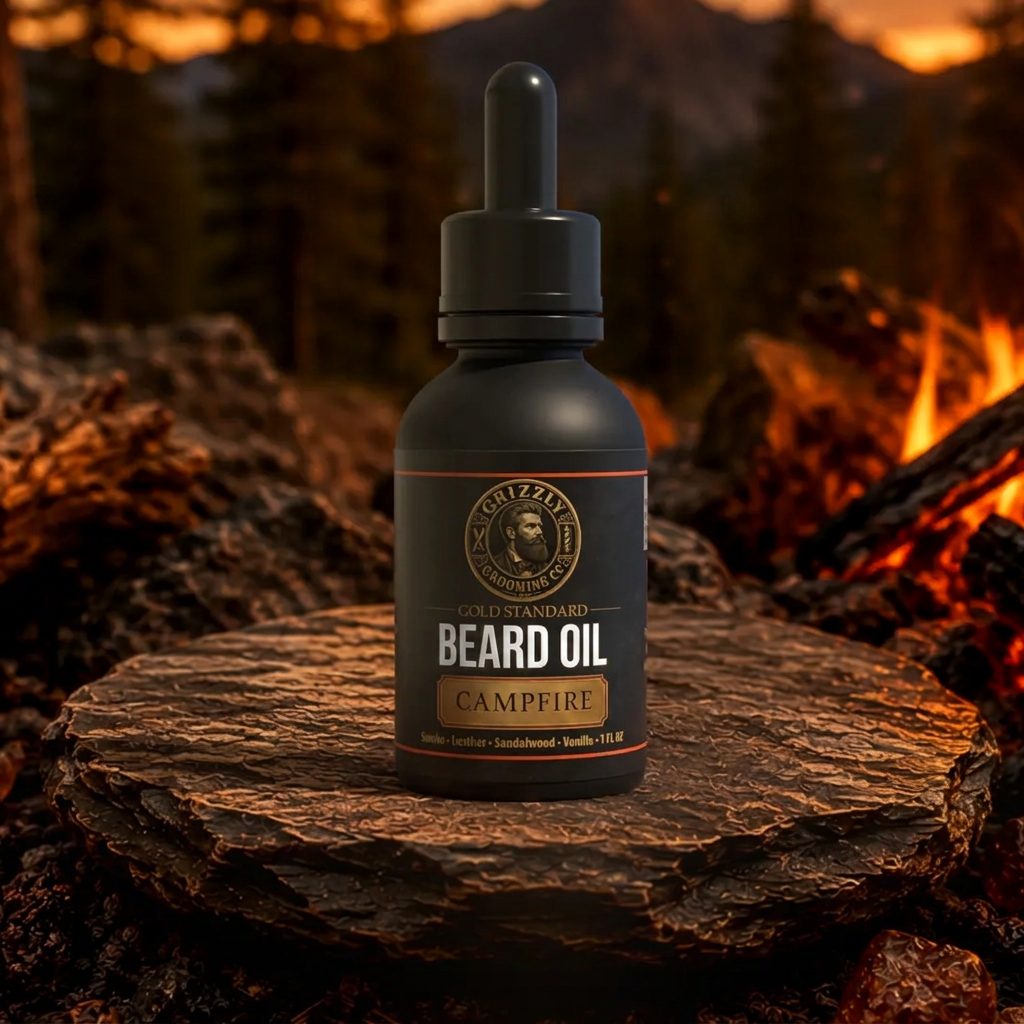
For men with longer beards, winter scents can be layered effectively. Applying a small amount of Gold Standard Beard Oil with cedar or sandalwood notes creates a base that complements a woody cologne. This creates a cohesive scent profile that radiates subtly from the face. Avoid light, floral, or watery scents during this period; they lack the molecular weight to be noticed and will often smell metallic or thin when exposed to sub-freezing temperatures.
Spring Transitions: Balancing Earthy Roots with Floral Brightness
As temperatures climb between 50°F and 65°F, the heavy resins of winter begin to feel oppressive. Spring demands a transition toward 'green' and earthy profiles. This is the season for vetiver, a root-based note that offers a clean, grassy aroma with a hint of damp earth. It provides the grounding of a winter scent but with a crispness that suits the increasing daylight. Neroli, galbanum, and crushed leaf notes are also ideal, reflecting the natural environmental shift occurring outside.
During spring, humidity levels begin to rise, which increases the projection of your fragrance. You should reduce the intensity of your application compared to winter. If you were using four sprays in December, drop to two or three in April. This is also the time to inspect your beard care routine. If you have been using a heavy beard balm to protect against winter wind, you might transition to a lighter beard wash and oil combination to ensure your facial hair doesn't become too greasy, which can trap and distort the scent of your cologne.
The transitional period is also the best time to experiment with 'fougere' fragrances—scents based on lavender, oakmoss, and coumarin. These are the quintessential barber-shop scents that provide a professional, clean-cut aura. They work exceptionally well in office environments where the temperature is controlled but the outdoor air is freshening. The key is to find a balance where the scent feels invigorated rather than heavy, mirroring the sap rising in the trees and the softening of the earth.
Summer Strategies: Managing Heat and Preventing Scent Distortion
Summer grooming is an exercise in restraint and freshness. When the thermometer exceeds 80°F, citrus notes like bergamot, lime, and grapefruit are the primary tools for the modern man. These notes are highly volatile, meaning they provide a cooling sensation as they evaporate. Marine and ozonic notes, which mimic the smell of sea air or the atmosphere after a thunderstorm, are also highly effective. These profiles are light enough to be refreshed throughout the day without creating a heavy, cloying cloud around the wearer.
A common mistake in summer is over-application to compensate for rapid evaporation. This often results in a 'chemical punch' that is unpleasant for those in close proximity. Instead, consider using a solid cologne for touch-ups. Solid colognes are wax-based and react slower to heat than alcohol-based sprays, providing a more intimate scent profile that lasts longer in high humidity. Additionally, ensure your hygiene routine is rigorous; using a premium deodorant and a refreshing beard wash prevents the buildup of bacteria that can turn a high-end fragrance sour.
For men with shorter beards or those who are clean-shaven in summer, scent application should focus on the 'cool' pulse points, such as the back of the neck or the forearms, to prevent the fragrance from being overwhelmed by sweat. If you use a beard oil, choose one with a very light, citrus-forward profile to avoid clashing with your cologne. The goal is to smell clean and crisp, like a freshly laundered shirt, rather than like a heavy spice market.
Autumn Profiles: Dry Woods and the Return of Spice
As the leaves turn and the air becomes crisp and dry, your fragrance should move back toward the woods. However, autumn woods are distinct from winter resins. Look for 'dry' woods like cedarwood and sandalwood, which lack the heavy sweetness of oud or amber. These notes complement the scent of decaying leaves and wood smoke. Autumn is also the time to introduce warm spices like cardamom, nutmeg, and ginger—notes that provide a sense of transition without the full weight of winter cloves.
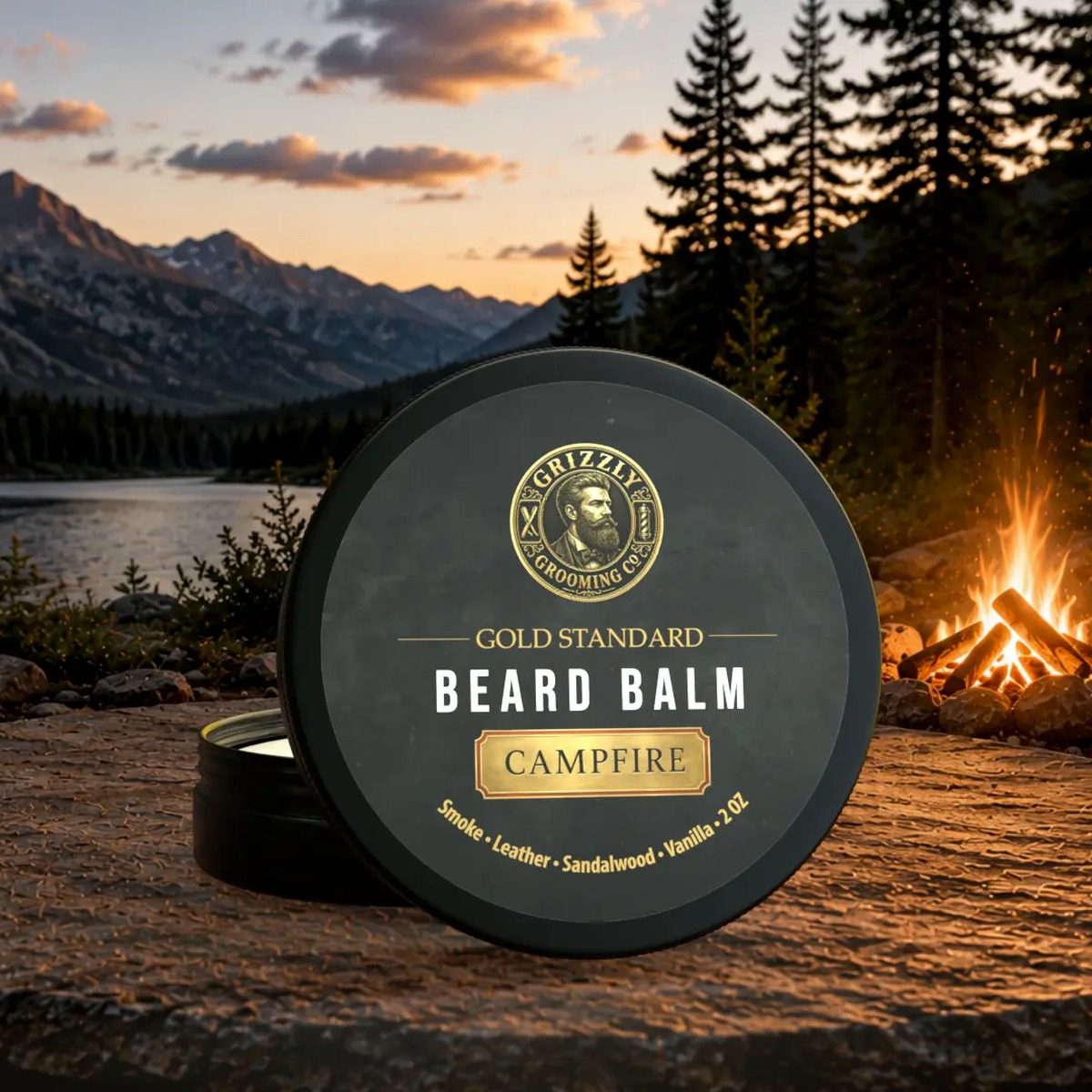
Humidity drops significantly in the autumn, meaning skin hydration again becomes a priority. This is the season to reintroduce a beard balm into your routine. The beeswax in the balm provides a protective layer against the cooling wind and acts as an excellent carrier for scent. When your beard balm and cologne both feature woody or spicy undertones, the two products work in tandem to create a sophisticated, multi-layered profile that evolves beautifully as you move from the outdoors into heated rooms.
The application strategy for autumn should focus on the chest and neck. As you begin to wear more layers—sweaters, scarves, and jackets—the scent needs to be applied to areas where it can breathe through the fabric. A scent applied only to the wrists will be trapped under sleeves and gloves. A well-timed spray to the collarbone ensures that as your body heat builds under your layers, the scent is released gradually through the day.
The Art of Layering: Complementing Beard Care with Cologne
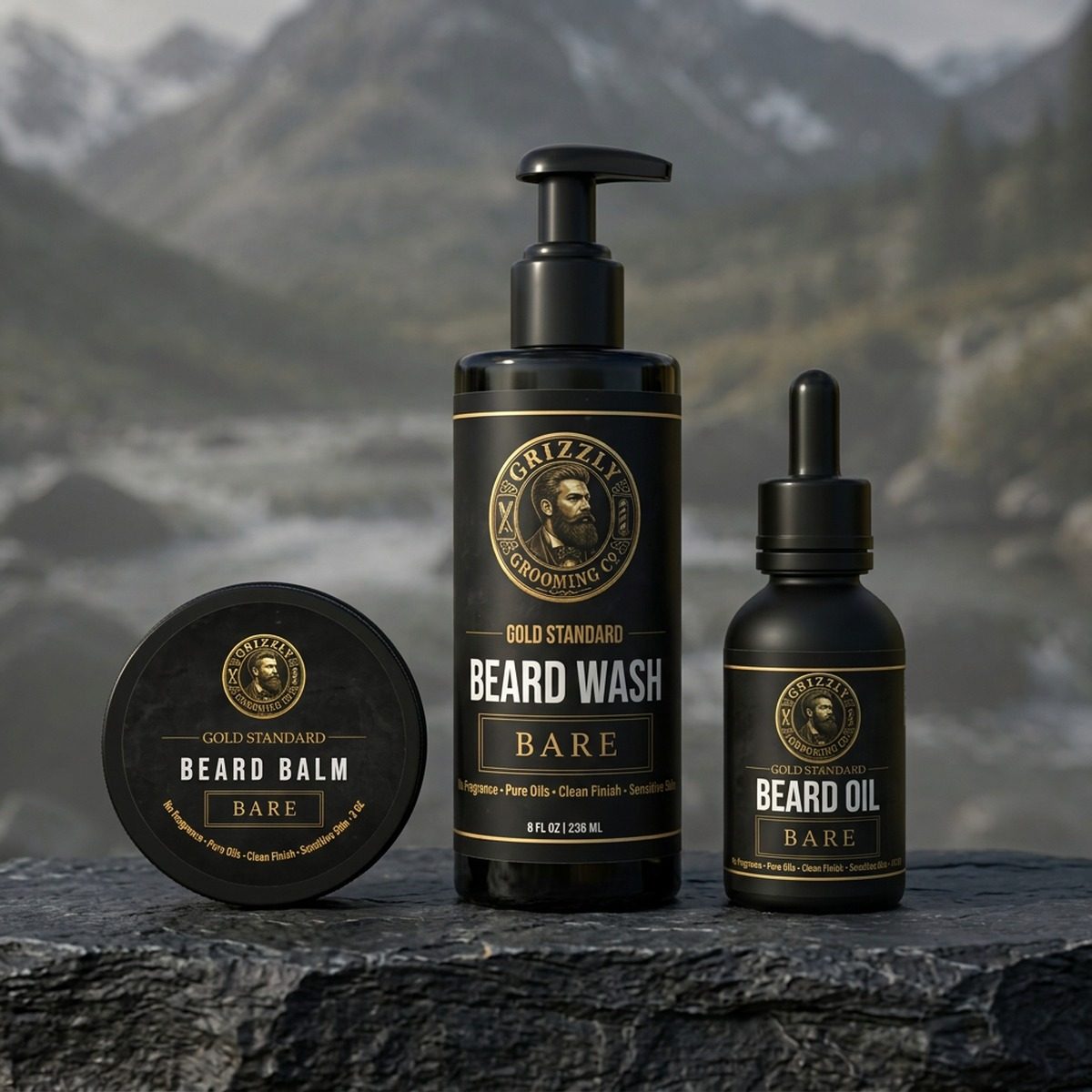
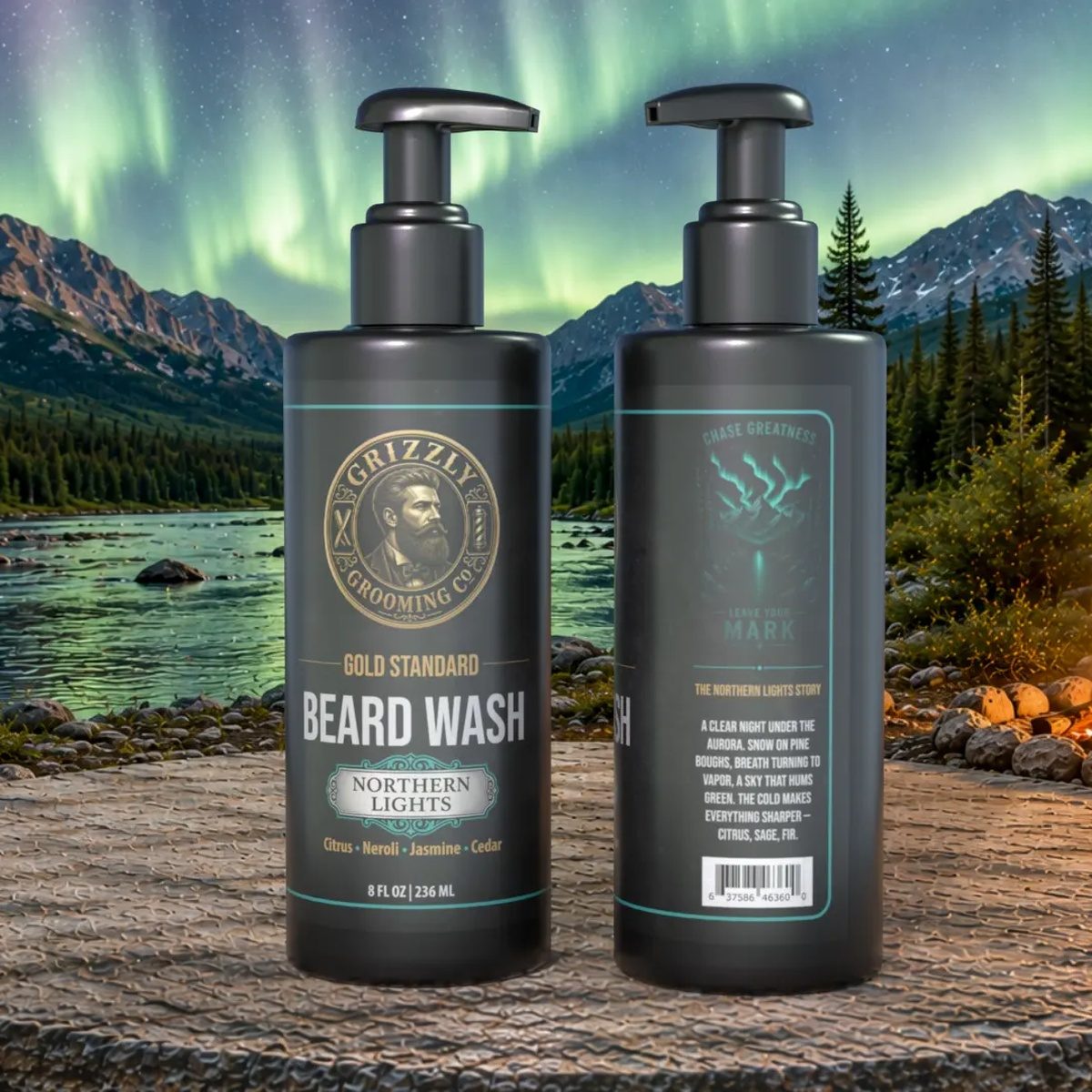
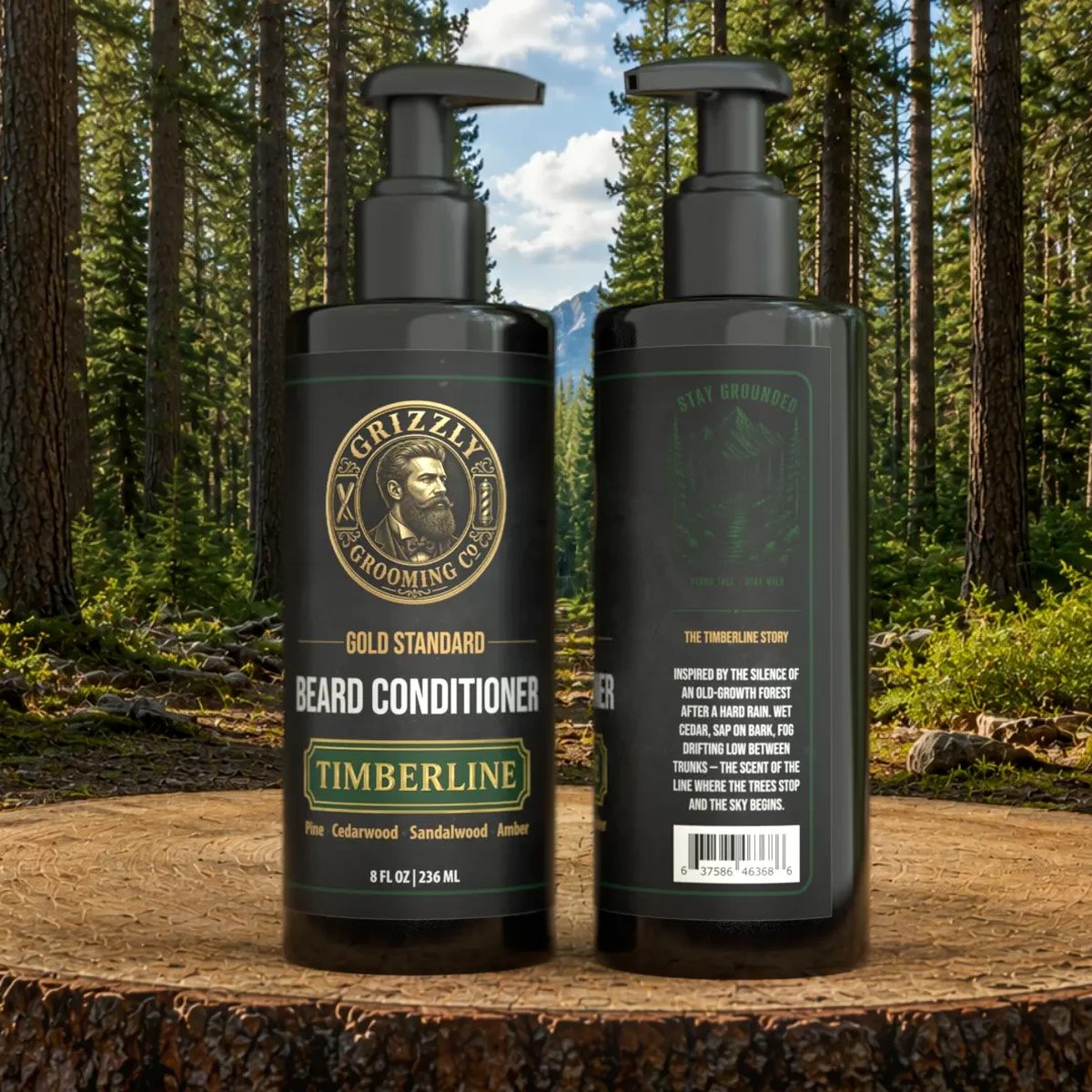
Layering is not about wearing multiple colognes; it is about building a foundation of scent through your grooming products. The process begins in the shower with a beard wash and conditioner. Choosing products with neutral or complementary herbal notes ensures you aren't starting with a scent conflict. If your cologne is a citrus-heavy summer blend, a peppermint or eucalyptus beard wash will provide a refreshing base that doesn't compete for dominance.
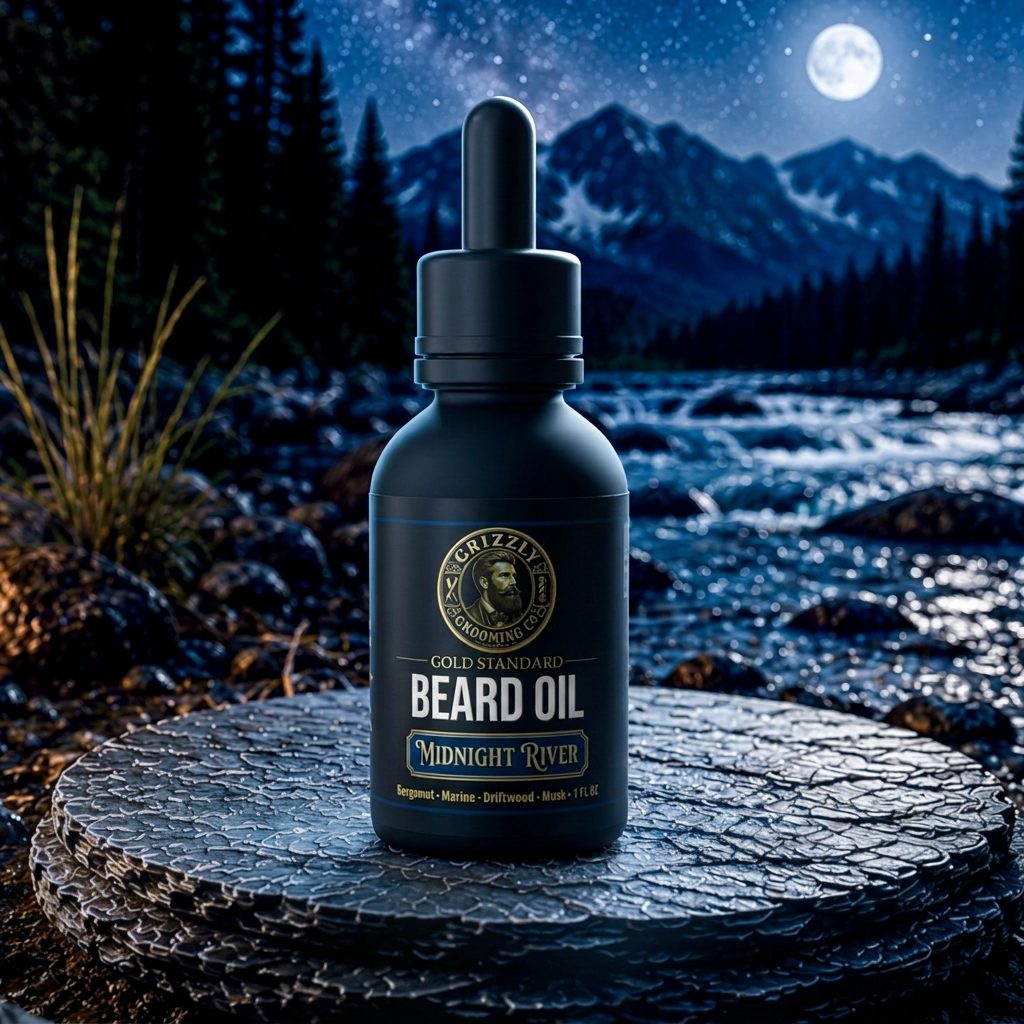
The secondary layer is your moisture barrier. For a man with a full beard, the Gold Standard Beard Oil is the primary carrier of scent. If your cologne has a leather base, an oil with sandalwood or black pepper notes will enhance the depth. For those using a beard butter at night, the scent will often linger into the morning. It is important to ensure this residual scent doesn't clash with your morning cologne application. A neutral or lightly scented butter is the safest bet for those who change colognes daily.
Finally, consider the role of your deodorant and cologne. A heavy, commercial deodorant can easily overpower a subtle, high-end cologne. Using a premium deodorant with a clean, understated profile allows the nuances of your fragrance to shine. The goal of layering is a cohesive aura where no single product stands out as an outlier, but rather all components contribute to a unified, professional presence.
Common Mistakes: Over-Application and Poor Storage
The most frequent error in men's fragrance is over-application, often referred to as 'cologne bombing.' This usually happens when a man becomes 'nose blind' to his own scent—a biological process called olfactory fatigue where the brain stops noticing a constant stimulus. Just because you can no longer smell your cologne two hours after application doesn't mean others can't. Stick to a measured routine: two sprays for summer, three for winter. If you feel the need to refresh, use a single spray in the late afternoon or switch to a solid cologne.
Storage is another area where many men fail. Leaving a bottle of expensive cologne on a bathroom counter subjects it to rapid temperature fluctuations and high humidity, both of which break down the chemical bonds of the perfume oils. Similarly, direct sunlight will oxidize the ingredients, turning a vibrant scent into something flat and vinegary. To preserve the integrity of your Grizzly Gold Standard cologne, store it in a cool, dark drawer or a dedicated cabinet away from the shower.
Rubbing your wrists together after application is a habit that must be broken. This creates friction-induced heat that breaks down the delicate top notes prematurely, essentially 'bruising' the fragrance. Instead, spray the scent onto the pulse points and let it dry naturally. This allows the fragrance to move through its intended lifecycle—from the bright opening to the mellow heart and finally the deep dry-down—providing the full experience the perfumer intended.
Choosing by Skin Type and Beard Length
Your skin type significantly influences how a fragrance performs. Oily skin holds scent molecules much longer than dry skin because the oils provide a natural binding site for the fragrance. If you have oily skin, you may find that you need fewer sprays, and lighter scents may last longer on you than on others. Conversely, men with dry skin should prioritize moisturizing with a beard oil or lotion before application to prevent the scent from disappearing within an hour.
Beard length also dictates application technique. For those with a short stubble or a medium-length beard, the skin of the neck is the primary application zone. However, for men with long, thick beards, the hair itself can act as a scent diffuser. Hair is porous and holds fragrance longer than skin. A single spray to the underside of a long beard can provide a long-lasting scent trail, but be careful: the alcohol in traditional colognes can dry out beard hair. In this case, applying the scent to the skin beneath or using a scented beard balm is a safer way to maintain hair health.
For men with sensitive skin, direct application of cologne can sometimes cause irritation or redness due to the alcohol content. If this occurs, try spraying the fragrance onto your clothing—specifically the lining of a jacket or the undershirt—rather than directly onto the skin. While this changes the way the scent evolves (as it won't be warmed by your body heat), it prevents skin issues while still allowing you to carry your signature scent.
Frequently Asked Questions
Can I wear a heavy winter cologne in the summer?
It is not recommended. Heavy notes like oud and leather expand in the heat and can become cloying and offensive to others. Switching to lighter citrus or marine notes ensures your scent remains professional and refreshed during warmer months.
How many sprays of cologne are appropriate for the office?
For a professional setting, two to three sprays are the standard limit. Apply to the pulse points of the neck or wrists; this allows the scent to project within your personal space without dominating the entire room.
Why does my cologne smell different in the bottle than on my skin?
Fragrance reacts with your unique skin chemistry, including your pH balance and natural oils. Additionally, the scent you smell in the air is mostly top notes, whereas the scent on your skin evolves into the heart and base notes over several hours.
Does beard oil interfere with the scent of my cologne?
It can if the scents are vastly different. To avoid clashing, choose a beard oil with complementary notes—such as a woody oil with a spicy cologne—or use an unscented oil that won't compete with your fragrance.
How long should a bottle of high-quality cologne last?
If stored correctly in a cool, dark place, a bottle of cologne can maintain its integrity for 3 to 5 years. Once the scent begins to smell sour or metallic, the oils have oxidized and the bottle should be replaced.
Is it better to spray cologne on skin or clothes?
Scent is designed to be worn on the skin, where body heat helps it evolve through its notes. However, spraying on clothes can increase longevity, provided the fabric is not delicate and won't be stained by the fragrance oils.
What is the difference between Eau de Parfum and Eau de Toilette?
The difference lies in the concentration of fragrance oils. Eau de Parfum (EDP) typically contains 15-20% oil and lasts 6-8 hours, while Eau de Toilette (EDT) has 5-15% and is lighter, lasting about 3-5 hours.
Build your ritual in 60 seconds.
Answer four questions and get a custom regimen built around your beard and routine.
Start The Ritual Builder