Mastering Cologne Layering: How to Create a Personal Signature Scent
The hallmark of a sophisticated grooming routine is not the volume of a fragrance, but its complexity and technical execution. Cologne layering is the architectural process of stacking molecular weights to create a profile that evolves throughout the day. Rather than relying on a single, mass-produced scent, the modern man utilizes a combination of beard oils, balms, and colognes to build a unique olfactory signature. This practice requires an understanding of volatility, skin chemistry, and environmental factors to ensure the result is a subtle, enduring presence rather than an overwhelming cloud. When done correctly, layering provides a depth that communicates intentionality and refinement.
- ›Apply the heaviest, most resinous base notes first to act as a molecular anchor for lighter layers.
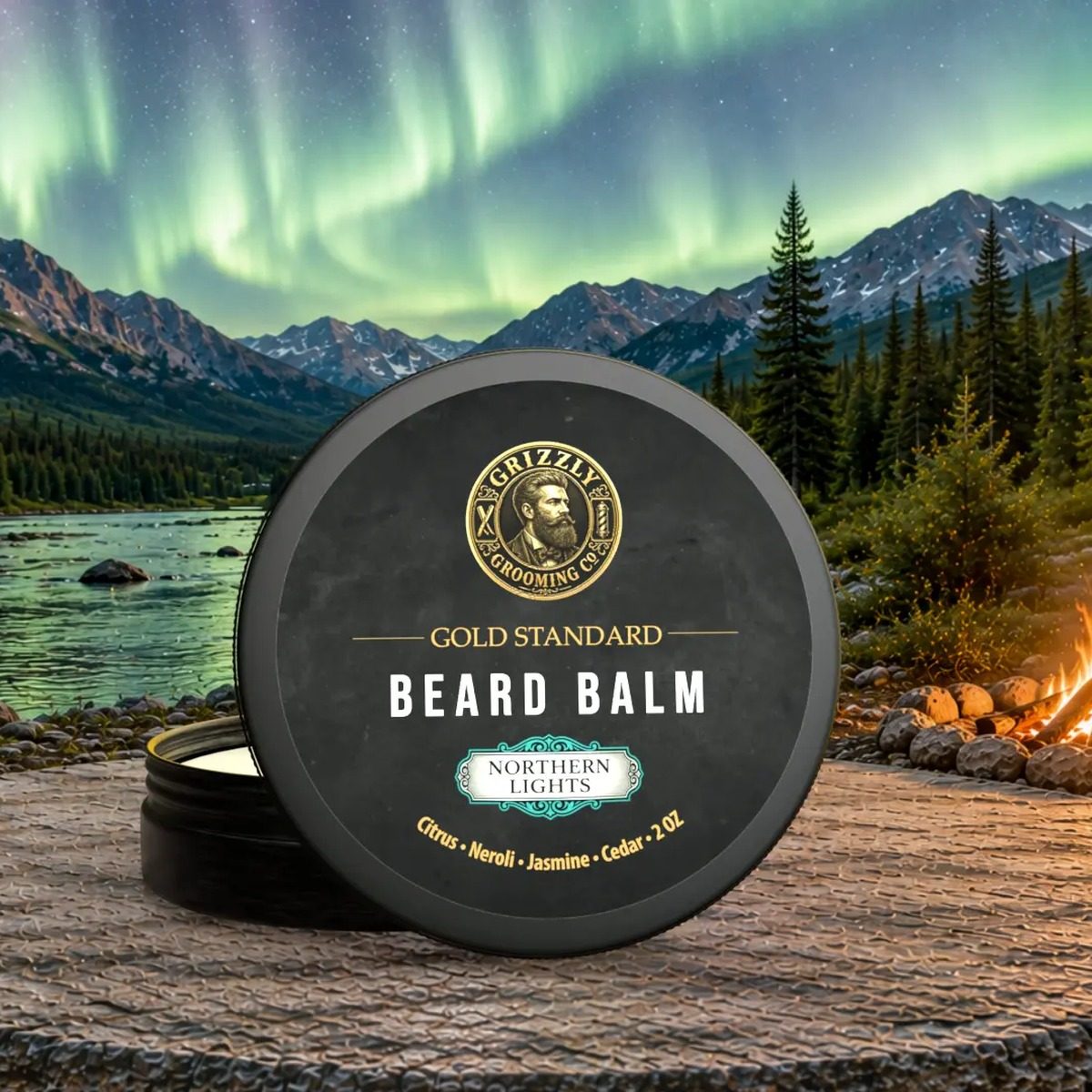
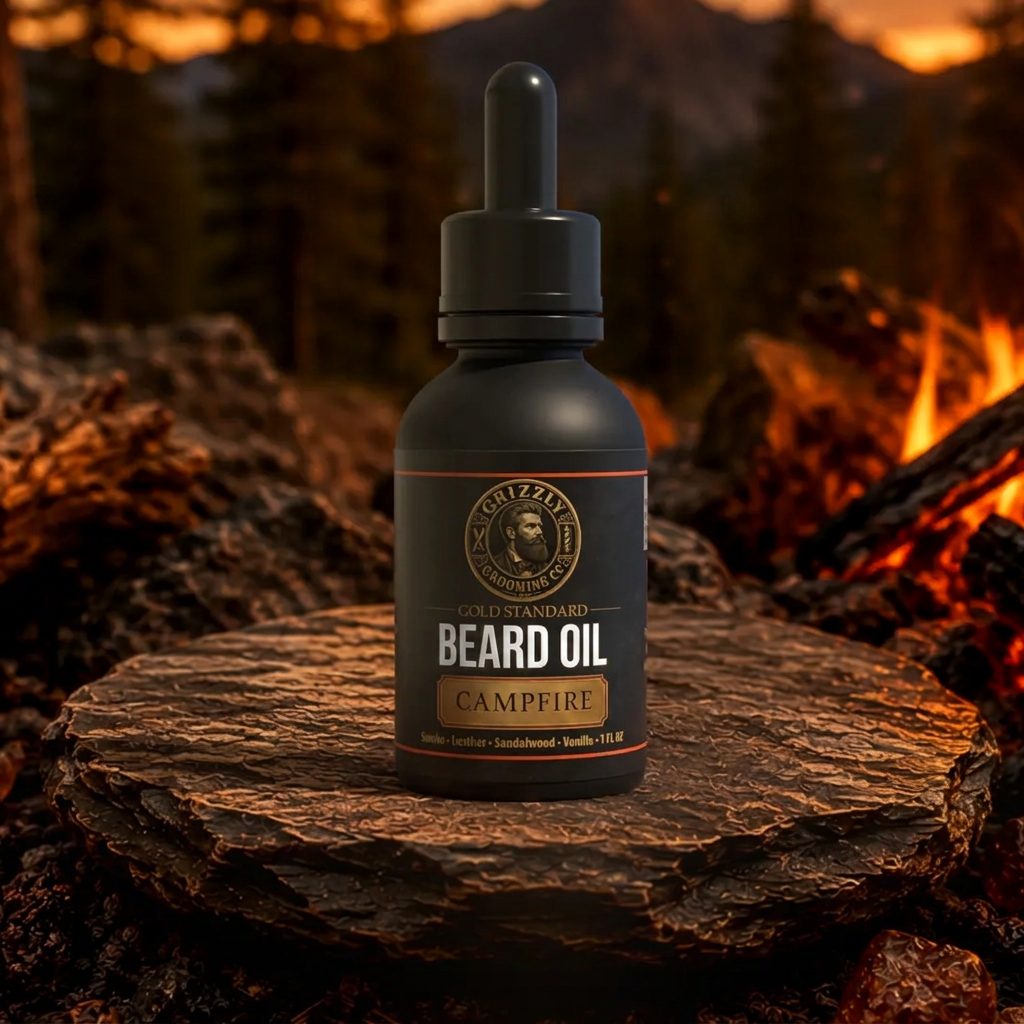
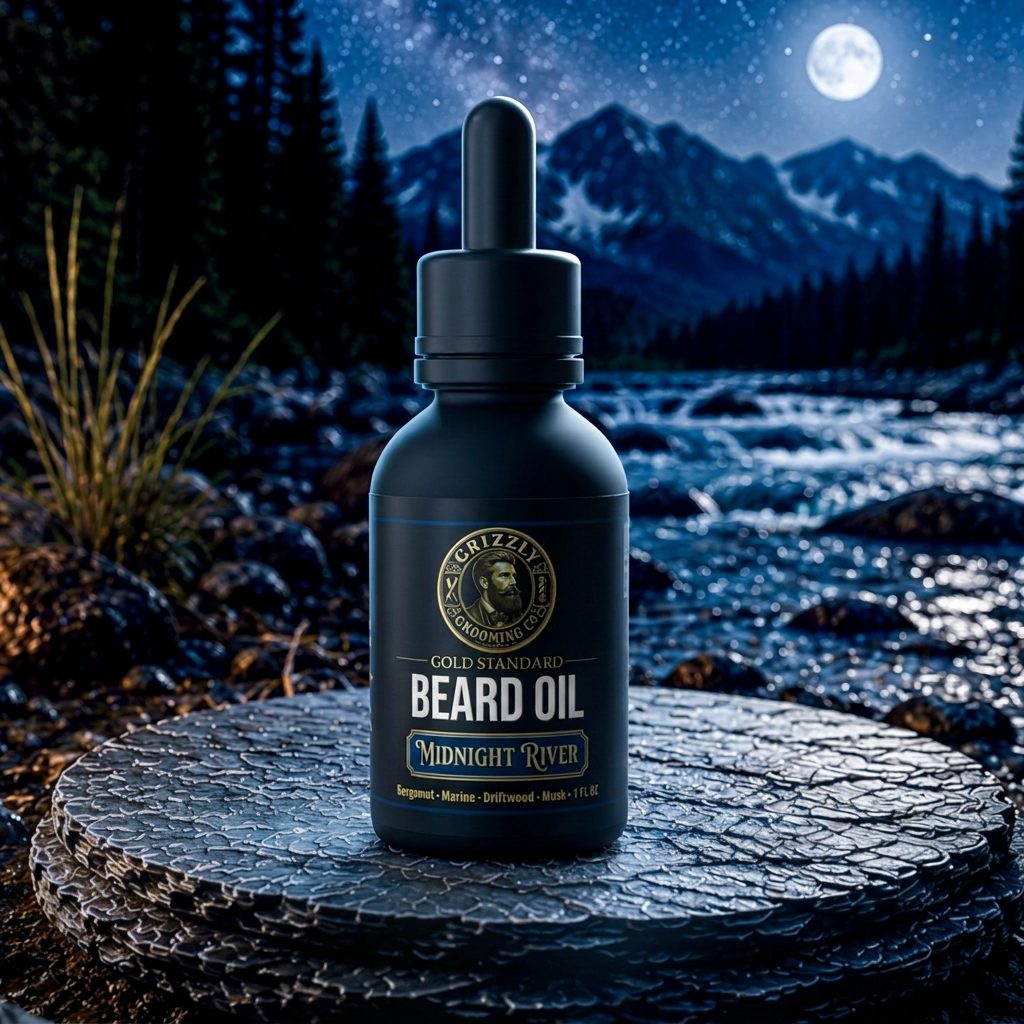
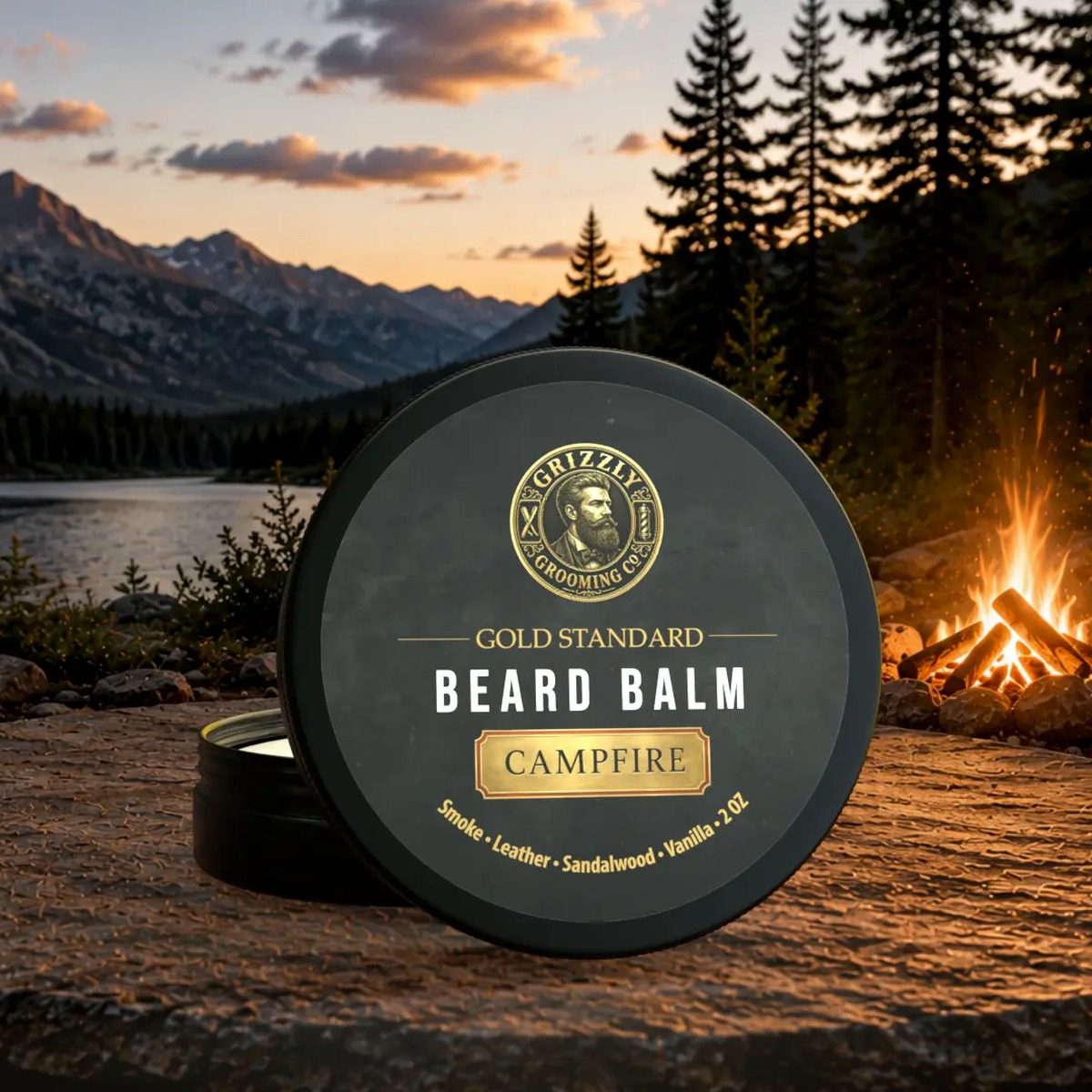
- ›Utilize grooming products like Gold Standard Beard Oil or Beard Balm to establish a low-volatility scent foundation.
- ›Maintain a two-to-five minute interval between applications to allow alcohol to evaporate and oils to set.
- ›Limit total applications to three or four sprays to ensure the scent remains an intimate discovery.
- ›Select complementary scent families, such as pairing woodsy bases with citrus or spice top notes.
- ›Focus application on high-heat pulse points like the neck, inner wrists, and the beard itself.
The Physics of Scent Volatility and Molecular Weight
Understanding fragrance layering requires a basic grasp of molecular physics. Every scent is composed of molecules with varying weights; top notes like bergamot and lemon are light and evaporate quickly, while base notes like sandalwood and vetiver are heavy and linger for hours. When you layer, you are effectively creating a custom evaporation timeline. By placing a heavy base beneath a lighter top note, you slow down the dissipation of the lighter molecules through a process of chemical adhesion.
Temperature plays a critical role in how these molecules interact with your skin. The human body maintains different temperatures at various pulse points. Applying a dense, resinous base to the warm skin of the neck provides a consistent heat source that helps radiate the scent. Conversely, applying a lighter mist to the hair or beard, where the temperature is slightly lower, allows those volatile top notes to survive longer than they would on the skin.
Skin type also dictates the success of your layer. Dry skin lacks the natural lipids necessary to hold onto fragrance molecules, causing scents to 'flash off' rapidly. This is why incorporating a hydrating element, such as Grizzly Gold Standard beard oil, is essential. The carrier oils in the blend provide the necessary fatty acids to trap scent molecules, acting as a primer for the higher-alcohol cologne you apply afterward.
Structural Foundation: Integrating Grooming Products
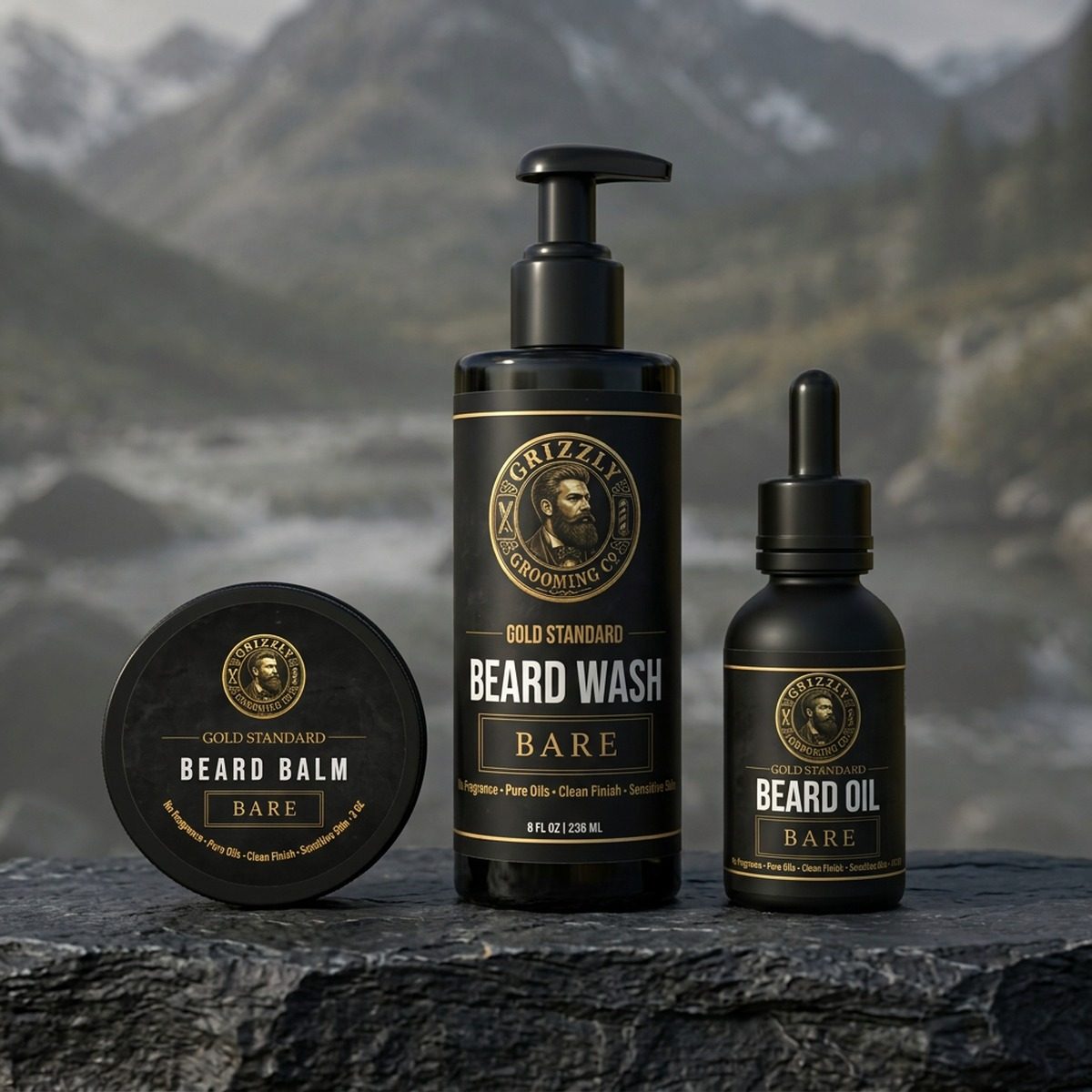
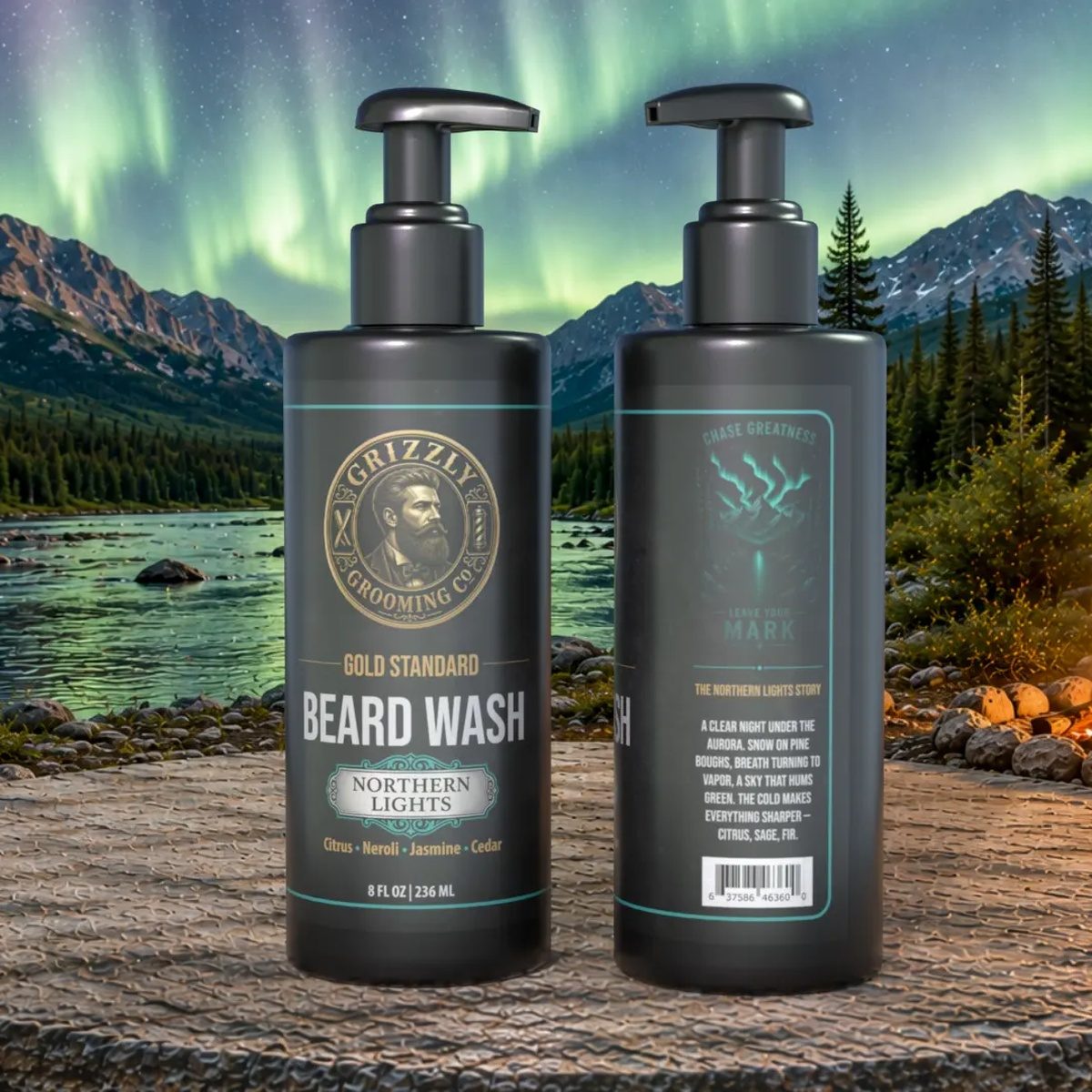
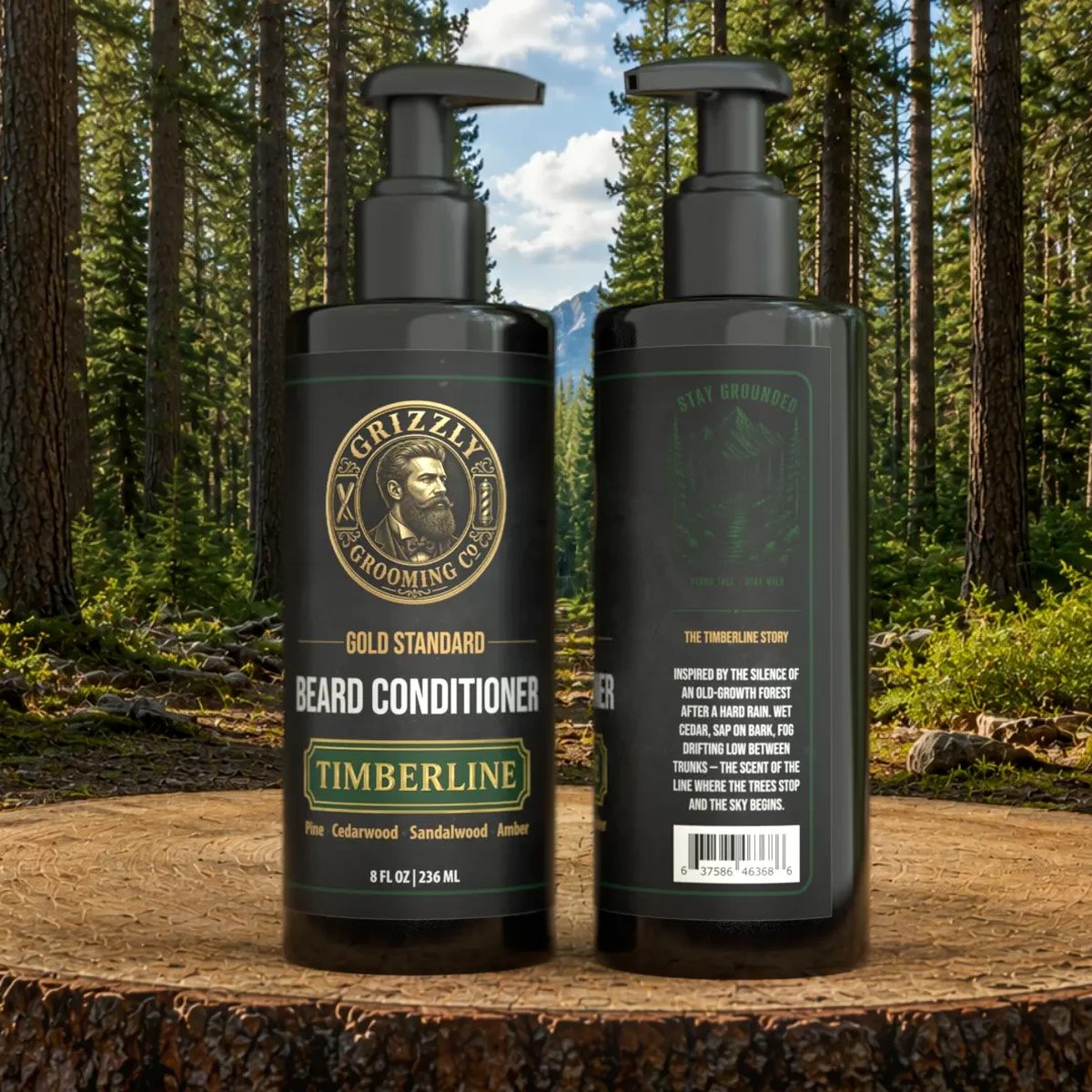
Effective layering begins long before you reach for a cologne bottle. The base layer is established in the shower with a focused cleansing routine. Using a dedicated beard wash and conditioner ensures that the hair is free of environmental odors and sweat, which can sour a fragrance. This creates a neutral canvas. If your beard wash contains cedar or pine notes, you have already begun the process of building a wood-based profile that will support a spicy or citrus cologne.
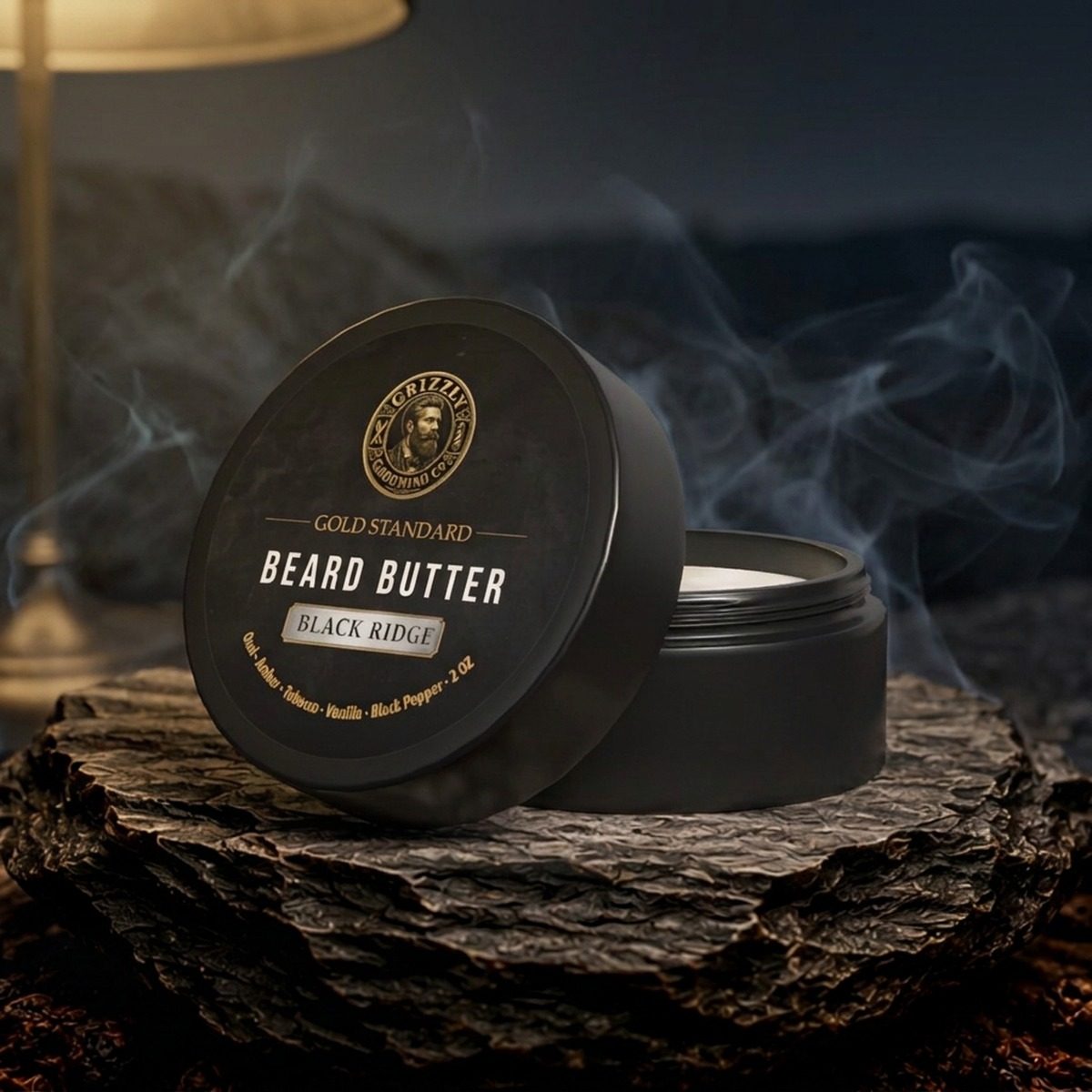
Post-shower application of beard balm or beard butter serves as the true foundation of your signature scent. These products are formulated with shea butter and beeswax, which have a high melting point and low volatility. When you work these into the beard, you are embedding scent molecules into the hair fibers and the skin beneath. This creates a 'low-frequency' scent that persists even after the 'high-frequency' top notes of your cologne have faded by midday.
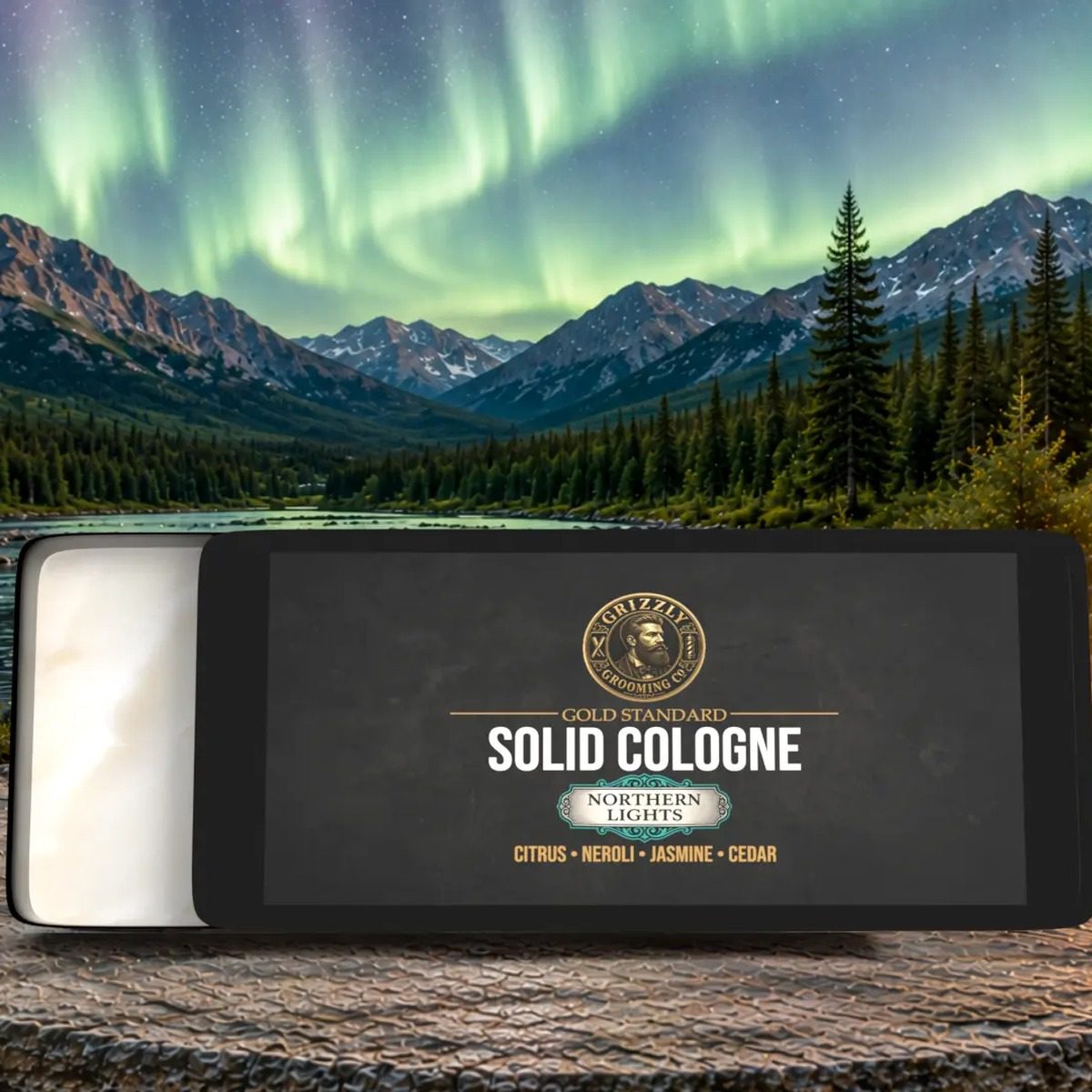
Consider the interaction between your solid and liquid products. If you use a Gold Standard Solid Cologne, apply it to the pulse points first. The waxy consistency of solid cologne acts as a fixative. When a spray cologne is applied over it, the alcohol in the spray partially dissolves the wax, merging the two scents into a singular, more durable compound that resists evaporation from wind and movement.
The Technical Sequence of Application
Precision in timing is the difference between a muddy scent and a layered one. After applying your base grooming products, such as beard oil, wait at least three minutes for the oils to absorb. Applying cologne immediately after oil can cause the fragrance to sit on top of the oil, leading to a greasy residue and preventing the scent from bonding with the skin's natural chemistry.
When applying multiple liquid colognes, always follow the 'heavy-to-light' rule. Start with the most concentrated fragrance—typically an Eau de Parfum or a heavy woody scent. Spray this on the primary pulse points: the base of the throat and the inner wrists. Allow this layer to air dry completely. Do not rub the skin together; friction creates localized heat that breaks down the delicate molecular chains of the scent, leading to a distorted profile.
The final layer should be your lightest, most volatile scent, such as a citrus or aquatic Eau de Toilette. Mist this from a distance of six to eight inches, allowing the particles to settle naturally over the base layer. This 'top coat' provides the initial impression when you enter a room, while the heavier base remains hidden, only revealing itself as the day progresses and the top layer evaporates.
Seasonal Adjustments and Environmental Factors
Your layering strategy must evolve with the external temperature. In winter, the air is dry and cold, which suppresses scent projection. During these months, you can afford to layer heavier, more robust scents like tobacco, leather, and oud. A combination of a rich beard butter and a concentrated cologne is appropriate here, as the cold will prevent the scent from becoming cloying. Focus on the chest and neck to keep the scent trapped near your body heat.
Summer requires a significant reduction in scent density. Heat accelerates evaporation, which can turn a complex layer into an aggressive and unpleasant odor. Switch to a lighter beard oil and pair it with a single, crisp cologne. If you are layering in high humidity, avoid heavy musks and instead pair citrus with light woods. The moisture in the air will carry the scent further, so two sprays are often sufficient for a full day's presence.
Transition seasons like spring and autumn allow for the most creativity. During these times, you can bridge the gap by pairing a fresh, green top note with a warm, spicy base. This reflects the changing environment—cool mornings and warm afternoons. Adjust your application based on your daily schedule; if you will be outdoors, favor the heavier base to combat the wind.
Scent Families and Pairing Logic
To avoid olfactory confusion, you must understand the relationship between scent families. The safest and most professional approach is to layer within the same family. Combining two different woody scents—such as a cedar-based beard oil and a sandalwood cologne—creates a deep, 'linear' scent that feels cohesive and powerful. This builds vertical depth without introducing conflicting notes.
Complementary pairing involves mixing different families that share a common characteristic. For example, 'Spicy' and 'Woody' families pair exceptionally well because they both share warm, earthy undertones. A beard balm with notes of clove or black pepper provides an excellent substrate for a cedarwood cologne. The spice adds a sharp, immediate interest, while the wood provides a smooth, lingering finish.
Contrasting pairing is the most advanced technique and should be used sparingly. This involves pairing a 'Fresh' or 'Aquatic' scent with a 'Dark' or 'Smoky' base. The goal is to brighten a heavy scent for daytime wear. A bright grapefruit top note can make a heavy leather base feel energized and modern. However, avoid pairing two strong, contrasting scents, such as a heavy floral with a heavy smoke, as they will compete for dominance.
Troubleshooting Common Layering Mistakes
The most frequent error in layering is 'scent fatigue' or 'olfactory blindness.' This occurs when you apply too much of a single note, causing your nose to stop detecting it. You may think the scent has disappeared and apply more, resulting in an overpowering aura for everyone else. To avoid this, limit your total spray count and trust the chemistry of your base layers, like your Goat Soap Bar and beard products, to provide a subtle foundation.
Another common mistake is clashing with other personal care products. If you use a medicinal shampoo or a heavily scented commercial deodorant, these will interfere with your cologne layers. Ensure your premium deodorant is either unscented or matches the woodsy or clean profile of your primary scent. A minty deodorant combined with a sophisticated tobacco cologne creates a chemical dissonance that is immediately noticeable.
If you find that your layers are smelling 'sour' by the afternoon, it is likely a result of poor skin hydration or a reaction with sweat. To correct this, ensure you are using a beard wash that doesn't strip your skin of its natural pH balance. If a layer goes wrong, do not try to fix it by adding more cologne. The only solution is to wash the area with a mild soap and start over with a lighter hand.
The Role of Beard Length and Skin Type
Beard length significantly changes how scent is retained and projected. A short beard or stubble provides less surface area for scent molecules to cling to, meaning the skin's chemistry will dominate the profile. For men with shorter beards, focus layering on the neck and wrists. Use a light beard oil to prime the skin without making it look greasy.
For those with medium to long beards, the beard itself becomes a primary diffuser. The hair acts like a sponge for scent, especially when using beard butter or balm. Because the beard is away from the direct heat of the skin, it will hold onto top and middle notes for much longer than your neck will. In this case, apply your heavier base to the skin of the neck and your lighter, more aromatic notes to the beard hair.
Skin type also dictates the 'throw' of your scent. Oily skin naturally holds fragrance longer, as the sebum acts as a built-in fixative. Men with oily skin should be cautious not to over-layer, as the scent will naturally be more potent. Men with dry skin should prioritize the use of a high-quality moisturizer or beard oil before any scent application to prevent the fragrance from disappearing within the hour.
Creating a Signature Transition: Day to Night
A signature scent should be able to evolve from a professional daytime environment to a social evening setting. This is achieved through 'additive layering.' Start your morning with a clean, understated base, such as a wood-toned beard oil and a light, citrusy cologne. This is appropriate for the office and close-quarters work.
As the day progresses and the top notes fade, you can 're-up' the scent for the evening by adding a darker, more complex layer. Instead of reapplying the citrus cologne, apply a single spray of a heavier, spicy or amber-based cologne. The remaining woody base from your morning beard oil will provide a familiar foundation, while the new spice layer adds the necessary depth for an evening environment.
This transition works because you are building on top of an established base rather than starting from scratch. It prevents the 'cleaning product' smell that can sometimes occur when reapplying fresh scents over stale ones. By late evening, the layers will have merged into a warm, skin-close scent that is entirely unique to your chemistry and your specific combination of products.
Frequently Asked Questions
Can I layer colognes from different brands?
Yes, you can layer across brands as long as the scent profiles are complementary. Focus on matching the base notes, such as ensuring both products have a woody or musky foundation, to prevent the scents from clashing chemically.
How many different scents can I safely layer at once?
It is best to limit yourself to three distinct scent sources. For example, a beard oil, a base cologne, and a top-note cologne mist. Beyond three, the individual notes become muddled and lose their architectural clarity.
Should I apply cologne to my clothes when layering?
It is generally advised to apply scent to the skin and beard rather than clothing. Scent molecules require body heat to evolve and project; on fabric, they remain stagnant and can sometimes stain delicate materials or develop a stale odor over time.
Is it better to layer with beard oil or beard balm?
Beard balm is often better for scent longevity because the beeswax acts as a fixative, trapping the scent molecules. However, beard oil is better for 'priming' the skin if you prefer a scent that radiates more from your body heat.
How do I know if I have layered too much?
A good rule of thumb is the 'arm's length' rule. If you can smell your own fragrance clearly while your arms are at your sides, you have likely over-applied. The scent should be a discovery for those within your personal space, not a broadcast to the room.
Does the order of application really matter?
Order is vital due to molecular weight. Applying a light, citrus scent under a heavy oud will result in the oud completely suppressing the lighter notes. Always apply the heaviest, most oil-rich products first to provide a stable foundation.
Can I layer a solid cologne with a spray cologne?
Absolutely. This is a highly effective technique. Apply the solid cologne to your pulse points as a base, then lightly mist a complementary spray cologne over it. The wax in the solid cologne will help the spray's notes last significantly longer.
Build your ritual in 60 seconds.
Answer four questions and get a custom regimen built around your beard and routine.
Start The Ritual Builder