How to Store Cologne Correctly to Preserve Scent Integrity
A fine fragrance is a sophisticated chemical composition that begins a slow process of degradation the moment the bottle is filled. For the discerning man, a collection of cologne represents both a significant financial investment and a core component of a personal grooming ritual alongside his use of Grizzly Gold Standard products. To maintain the structural integrity of these scents, one must understand the molecular impact of light, thermal fluctuations, and humidity. When top notes like bergamot or lemon are compromised, the entire olfactory pyramid collapses, leaving you with a scent that is unrecognizable from its original profile. Proper storage is not merely about organization; it is about chemical preservation through environmental control.
- ›Maintain a constant temperature between 60°F and 70°F to prevent the evaporation of volatile top notes.
- ›Store bottles in their original cardboard boxes or a dark drawer to block all ultraviolet light exposure.
- ›Relocate your fragrance collection away from bathrooms to avoid the damaging effects of high humidity and steam.
- ›Ensure all caps are hermetically sealed after each use to minimize oxygen intake and liquid evaporation.
- ›Prioritize storing fragrances with high citrus content in the darkest, coolest areas as they oxidize most rapidly.
- ›Keep bottles stationary; excessive movement and vibration can introduce air bubbles that accelerate spoilage.
The Physics of Fragrance Oxidation and Chemical Decay
At its core, cologne is a solution of essential oils, aroma chemicals, and a solvent—usually high-grade denatured ethanol. Oxidation occurs when oxygen molecules from the air react with these aromatic compounds, fundamentally changing their molecular structure. This process is irreversible. When you spray your cologne, a small amount of air enters the bottle to replace the displaced liquid, making every bottle a ticking clock of chemical change.
Specific ingredients are more susceptible to this decay than others. Citrus oils, such as those found in brighter summer scents or refreshing beard wash, contain high levels of monoterpenes like limonene. These are highly volatile and prone to rapid oxidation, which results in a 'turned' smell that often resembles furniture polish or vinegar. Conversely, heavier base notes like sandalwood, patchouli, and the resins found in a premium solid cologne are more stable but will still lose their depth if exposed to consistent airflow.
The presence of antioxidants like BHT (Butylated Hydroxytoluene) in many formulations helps slow this process, but they can only do so much against poor storage habits. By limiting the headspace—the amount of air inside the bottle—and ensuring the atomizer is clean, you maintain the concentration of the scent. When the ratio of air to liquid increases as you reach the bottom of the bottle, the rate of oxidation increases exponentially, often requiring faster use of the remaining volume to enjoy it at its peak.
Temperature also dictates the rate of these chemical reactions. According to Arrhenius' Law, the rate of a chemical reaction generally doubles for every 10-degree Celsius increase in temperature. This means storing your cologne in a warm bedroom during a summer heatwave can effectively age your fragrance by months in a matter of weeks. Keeping a stable, cool environment is the only way to ensure the chemistry remains as the perfumer intended.
Why Humidity is the Silent Killer of Fragrance
The bathroom vanity is the most traditional yet most detrimental location for fragrance storage. The primary issue is not just heat, but the rapid cycling of humidity levels. When you take a hot shower, the air becomes saturated with moisture. This water vapor can permeate the microscopic gaps in the atomizer mechanism or the seal of the bottle, eventually mixing with the alcohol and oils inside.
Contamination by moisture leads to a process called hydrolysis, where water molecules break down the chemical bonds of the fragrance oils. Visually, this often manifests as cloudiness or 'floaters' within the liquid. Once the clear solution becomes turbid, the scent profile is usually compromised beyond repair. This is especially problematic for water-based or lower-alcohol formulations that lack the preservative qualities of high-proof ethanol.
Furthermore, humidity can damage the external components of your collection. Labels may peel, and metal caps or collars can undergo corrosion, which might then flake into the liquid during application. Even the cardboard boxes, which are vital for light protection, will warp and grow mold in a damp environment. To preserve the total aesthetic and functional value, move your collection to a dry environment like a bedroom closet or a dedicated dresser drawer.
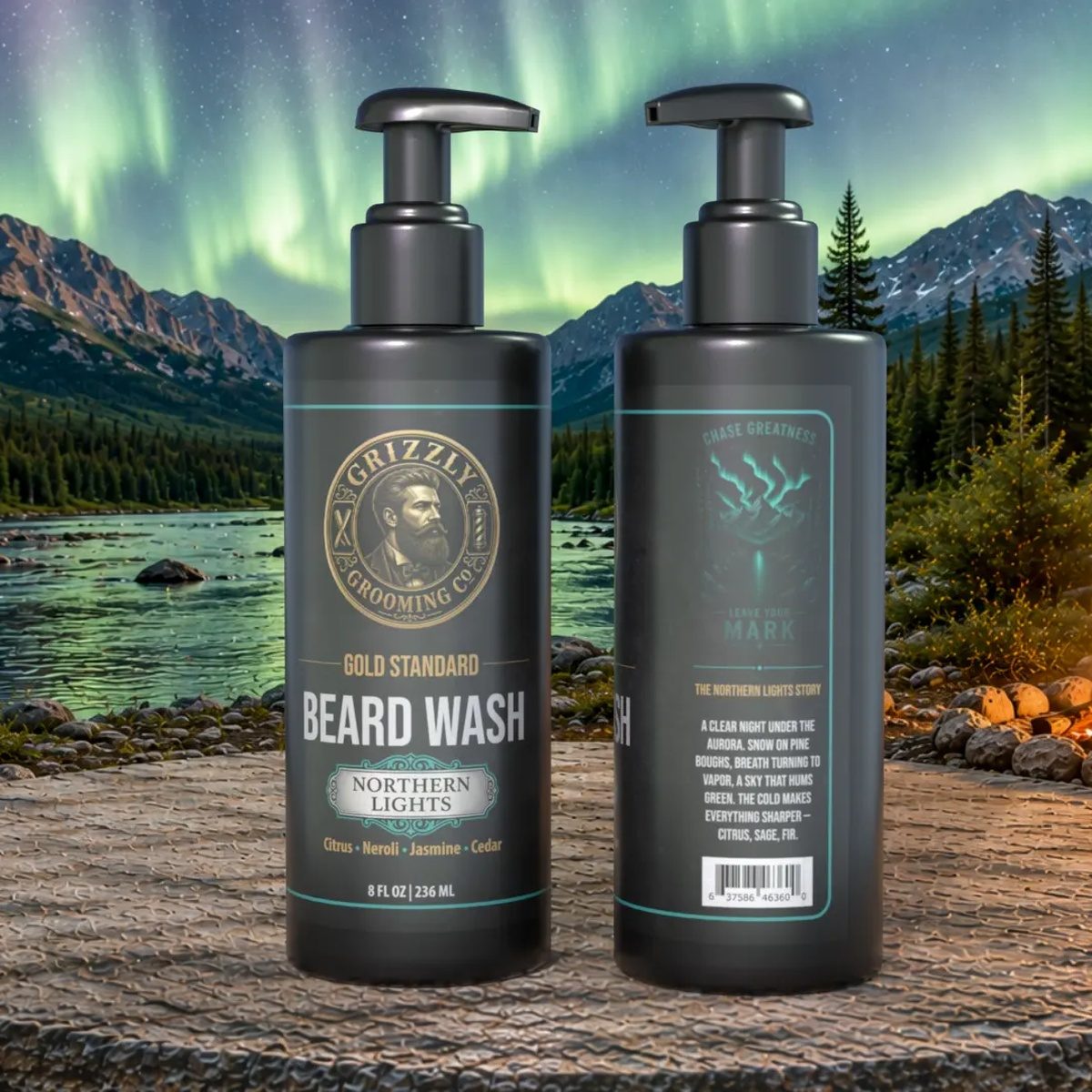
If your grooming routine requires products in the bathroom, limit them to items designed for that environment, such as a goat soap bar or a beard wash that is used and rinsed quickly. Colognes, which are designed for long-term stability, require a climate-controlled zone. If you live in a tropical or high-humidity climate, using a dehumidifier in the room where you store your collection can add an extra layer of protection for your high-value bottles.
Managing UV Exposure and Light Sensitivity
Ultraviolet (UV) radiation is a high-energy form of light that breaks the chemical bonds of the molecules that give cologne its scent. Even a few hours of direct sunlight can begin to discolor the liquid. You may notice your vibrant blue or clear fragrance turning a murky yellow or dark brown. This color change is a definitive sign that the aromatic compounds have been chemically altered by light energy.
While many collectors enjoy displaying their bottles on a dresser, the glass provides little to no protection against UV rays. Even amber glass, used in products like our Gold Standard Beard Oil to protect the natural oils within, is not entirely immune to prolonged direct exposure. The safest practice is to keep the bottle in its original box. The box acts as a physical barrier that absorbs the light energy before it can reach the glass and the liquid inside.
Artificial light is less damaging than sunlight but is not completely harmless. Fluorescent bulbs, in particular, emit small amounts of UV radiation. If you use a lighted display cabinet, ensure you are using LED bulbs, which emit very little heat and no UV light. However, complete darkness remains the gold standard for long-term preservation of rare or expensive extraits and parfums.
The impact of light varies by scent family. Fragrances that rely heavily on natural ingredients and florals are more sensitive than those composed primarily of synthetic musks. If you have a rotating seasonal collection, ensure the scents not currently in use are tucked away in a cool, dark drawer. This ensures that when winter returns and you reach for that heavy, spicy scent, it still possesses the same warmth and complexity it had the year prior.
The Impact of Temperature Fluctuations
Consistency is more important than absolute cold. Many men make the mistake of moving their cologne from a warm room to a refrigerator, thinking the cold will save it. However, the constant shifting between the 40°F of a fridge and the 75°F of a bedroom every time the scent is applied creates thermal stress. This expansion and contraction can actually weaken the glass and the seals over time.
Ideal storage temperature resides between 60°F and 70°F (15°C to 21°C). This range is cool enough to slow down chemical degradation without causing the oils to separate or crystallize. In very cold temperatures, some natural waxes or resins used in perfumery may solidify and fall out of the solution. While they usually reintegrate when warmed, repeated cycles can affect the scent's texture and atomization.
Be mindful of heat sources that are not immediately obvious. The top of a dresser might seem safe, but if it is positioned over a floor vent or radiator, the rising heat will steadily cook the fragrance. Similarly, electronics like gaming consoles or amplifiers generate significant ambient heat; never store your fragrance on or near these devices. A shelf at waist height in a closet is typically the most thermally stable point in a standard residential room.
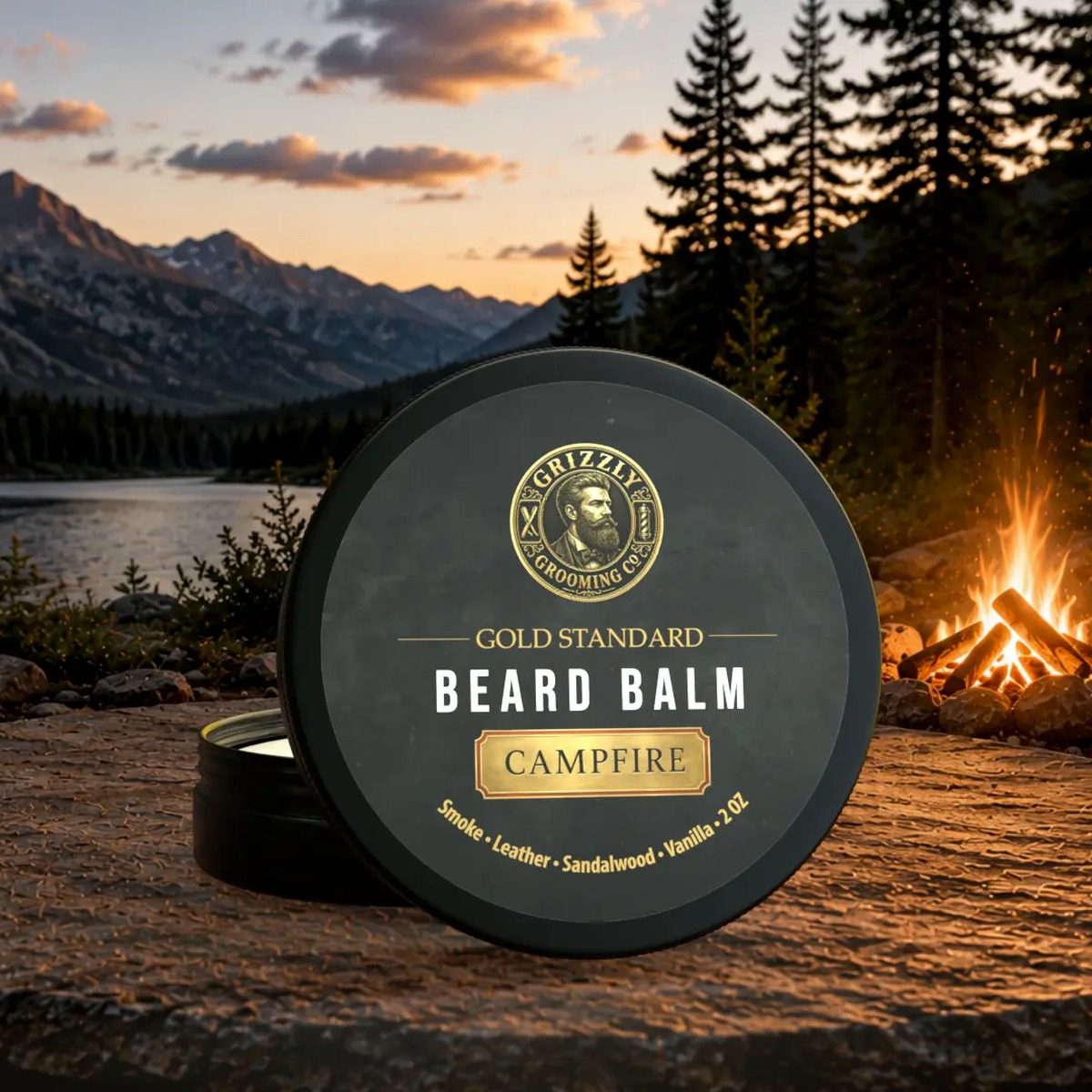
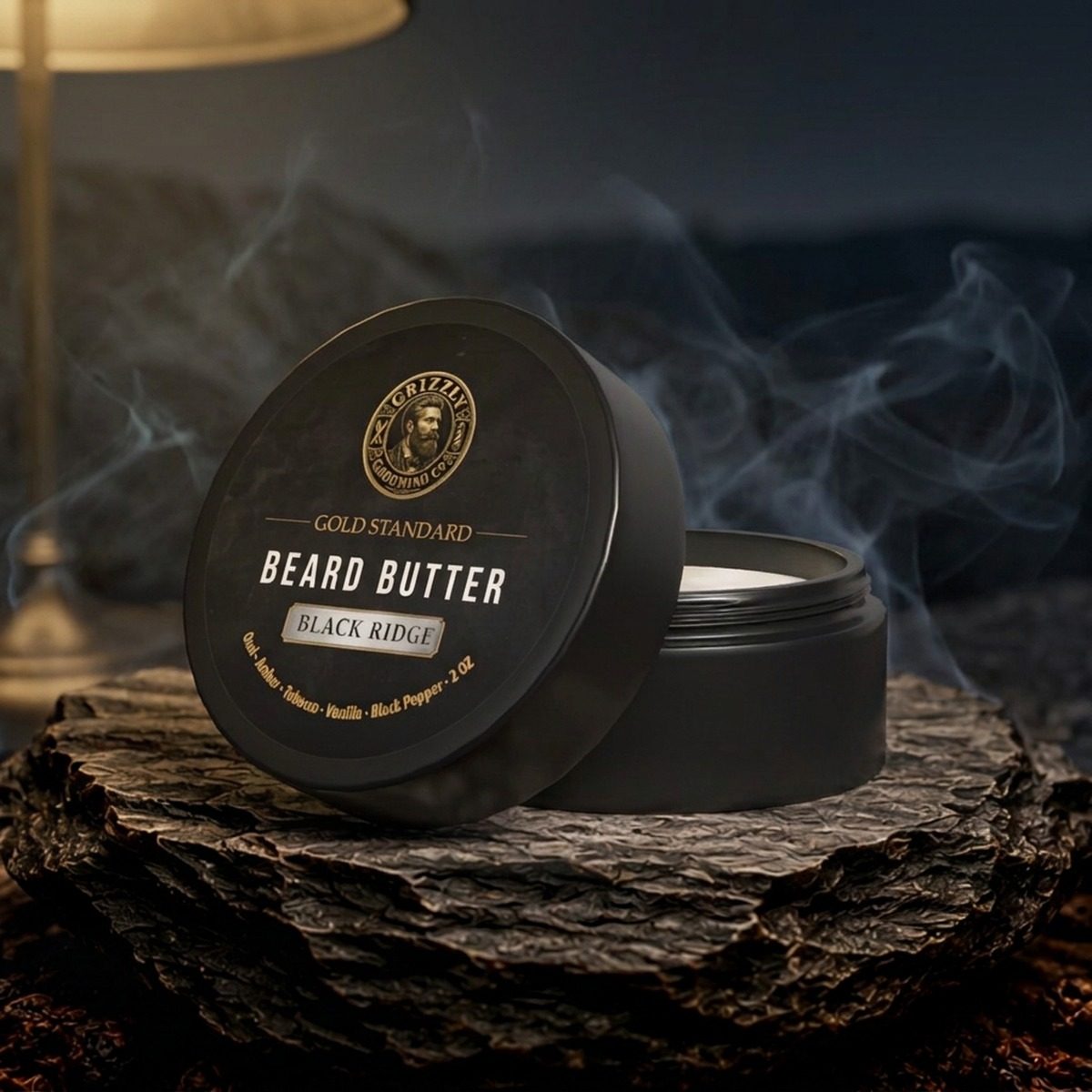
During seasonal transitions, check the temperature of your storage area. A closet on an exterior wall might become too cold in the winter or too hot in the summer. Moving your collection to an interior wall can provide a more consistent buffer against the elements. This level of care ensures that your cologne, much like a well-maintained beard treated with beard balm and butter, remains in peak condition regardless of the weather outside.
Proper Handling and Application Mechanics
How you handle the bottle is just as important as where you put it. Excessive shaking is a common mistake; unlike some paints or chemicals, cologne does not need to be mixed. Shaking introduces air into the liquid, creating bubbles that increase the surface area for oxidation. Always handle the bottle gently, holding it by the glass body rather than the cap, which may not be designed to support the full weight of the vessel.
The integrity of the atomizer is vital for maintaining a fine mist. Over time, residue can build up around the nozzle, which may lead to 'spitting' rather than spraying. Wipe the nozzle with a dry, lint-free cloth after use. Do not use water to clean the nozzle, as this can introduce moisture into the system. If the nozzle is clogged, a tiny amount of high-proof alcohol on a swab can be used to dissolve the buildup of dried oils.
When applying fragrance, the goal is a clean transfer from bottle to skin. Avoid removing the atomizer head unless absolutely necessary, as this exposes the entire volume of the bottle to the open air. If you are decanting into a smaller travel size, use a sterile syringe or a direct-pour funnel to minimize the time the liquid is exposed to the atmosphere. This preserves the main bottle for home use while giving you a portable option for travel.
Consider the interaction between your cologne and other grooming products. If you are using a heavily scented beard oil or premium deodorant, ensure the scents are complementary. Storing these products together in a cool, dark place ensures their respective scent profiles remain distinct. A properly stored cologne will have the potency to cut through other scents without needing excessive sprays, which also helps the bottle last longer.
Common Storage Mistakes and Corrective Actions
One of the most frequent errors is storing cologne in a car glove box. The temperature inside a parked car can exceed 120°F in the summer and drop below freezing in the winter. This will destroy a fragrance in a matter of days. If you need a scent on the go, use a solid cologne. These are formulated with waxes and stable oils that are far more resistant to temperature swings and won't leak or shatter.
Another mistake is keeping bottles on a windowsill for the sake of the light catching the glass. This is the fastest way to ruin the top notes. If you have already done this and notice the scent smells 'off' for the first few minutes, you may be able to save it. Often, the liquid trapped in the plastic tube of the atomizer oxidizes first. Try spraying the cologne 5-10 times into the air to clear the straw. If the liquid inside the main bottle hasn't turned yet, the scent may return to normal.
Leaving the cap off is a simple but costly error. The cap is not just decorative; it provides a secondary seal against air and dust. If you have lost a cap, you can often find universal replacements, or you can wrap the top of the bottle in a small piece of parafilm or aluminum foil to create a makeshift seal. This prevents the alcohol from evaporating and leaving you with a thick, over-concentrated oil that stains clothes.
Finally, many men store their cologne near their gym bag or in a locker. The combination of sweat-dampened gear and variable locker room temperatures is a recipe for spoilage. Instead, keep a small 5ml travel atomizer in your kit and leave the full-sized bottle in your controlled environment at home. This protects your investment while ensuring you still smell professional after a workout.
The Lifespan of Different Scent Concentrations
Not all colognes age at the same rate. The concentration of aromatic oils—whether it is an Eau de Cologne (2-4%), Eau de Toilette (5-15%), or Eau de Parfum (15-20%)—affects its stability. Generally, higher concentrations of oils have a longer shelf life because they contain less alcohol and more stable base notes. However, they are also more expensive, making proper storage even more critical.
Fresh, aquatic, and citrus-heavy scents are the most fragile. Even with perfect storage, they may only last 2 to 3 years before the top notes begin to fade. If your signature scent is a light citrus, it is better to buy smaller bottles more frequently than one large bottle that may spoil before you finish it. This ensures you are always using the freshest version of the fragrance.
Oriental, woody, and leathery scents are the marathon runners of the fragrance world. Notes like agarwood (oud), vetiver, and musk actually tend to mellow and deepen with age, much like a fine wine, provided they are kept away from light and heat. These can easily last 5 to 10 years if stored in their original boxes in a cool closet. Understanding the 'volatility' of your specific scent helps you prioritize which bottles need the prime storage real estate.
When assessing your collection, look for the 'Period After Opening' (PAO) symbol on the box—a small open jar icon with a number followed by an 'M'. This indicates the manufacturer's suggested lifespan in months once the bottle has been sprayed. While this is a guideline, following the storage steps outlined here can often extend the life of the fragrance well beyond the official PAO date.
Travel and Transportation Protocol
Traveling presents a unique set of challenges for fragrance preservation. The pressure changes in an airplane cabin can cause bottles to leak, while the vibration of a car or train can agitate the liquid. If you must travel with a full bottle, ensure it is kept in a padded, dark toiletry bag placed in the center of your suitcase to insulate it from temperature spikes and physical shocks.
A better alternative is the use of a dedicated travel atomizer. These small vessels allow you to bring enough scent for a week without exposing your main 100ml bottle to the risks of travel. When filling an atomizer, do so in a cool, clean environment. Avoid transferring the liquid in a humid bathroom, as you will trap that moisture inside the small travel container.
If you are traveling to a hot climate, be extra vigilant. Do not leave your toiletry bag in a sun-drenched hotel room while you are out. Place it inside a dark drawer or the hotel safe, which is usually located in a cool, interior part of the room. This ensures your scent remains fresh for your evening events or business meetings.
For those who travel frequently for rugged outdoor activities, consider skipping liquid colognes entirely. A solid cologne is virtually indestructible, unaffected by cabin pressure, and fits easily into a pocket. It complements a travel grooming kit that includes essentials like a goat soap bar and a small tin of mustache wax, providing a consistent scent profile without the logistical headaches of glass bottles.
Frequently Asked Questions
How can I tell if my cologne has actually expired?
The three main indicators of expired cologne are a visible darkening or clouding of the liquid, a sour or 'metallic' odor upon the first spray, and a significant loss in longevity on the skin. If the scent disappears within 30 minutes or smells like vinegar, the chemical bonds have broken down, and the bottle should be discarded.
Is it okay to store cologne in a bedroom drawer?
Yes, a bedroom drawer is one of the best places for storage. It provides a dark, dry, and relatively cool environment that is shielded from both sunlight and the humidity of a bathroom. Just ensure the drawer is not located directly next to a radiator or heating vent.
Does the color of the glass bottle matter?
Yes, darker glass like amber, cobalt blue, or opaque black provides a natural filter for UV light. Clear glass offers no protection, meaning the fragrance inside is entirely dependent on you keeping it in a dark place or its original box to prevent oxidation.
Should I keep the original box for my fragrance?
Absolutely. The original cardboard box is designed to protect the bottle from light and provide a small amount of thermal insulation. It is the single most effective way to prevent UV damage if you do not have a dark cupboard or drawer available.
Can I store my cologne in a wine cooler?
A wine cooler set to approximately 55-60°F is actually an excellent storage solution for a large or expensive collection. It provides a stable, cool, and dark environment. However, avoid standard food refrigerators, which are typically too cold and humid for fragrance oils.
What happens if I leave the cap off my cologne?
Leaving the cap off exposes the atomizer to dust and allows the alcohol base to evaporate more quickly. This can lead to the concentration of the oils changing, potentially making the scent too strong, staining your clothes, or causing the atomizer to clog with dried residue.
Why does my cologne smell different in the winter versus the summer?
This is often due to how the scent reacts with your skin temperature and ambient humidity rather than the bottle spoiling. However, if the scent itself has changed in the bottle, it may be due to improper storage during the off-season. Consistent storage ensures the scent remains the same year-round.
Build your ritual in 60 seconds.
Answer four questions and get a custom regimen built around your beard and routine.
Start The Ritual Builder