How to Fix Flaky Beard Skin: Professional Solutions for Beardruff
Flaky skin under a beard, commonly known as beardruff, is rarely a hygiene failure; it is usually a sign of a compromised moisture barrier. When the skin beneath your facial hair becomes neglected, it dries out and sheds prematurely, resulting in visible white flakes. Correcting this requires a disciplined approach to hydration and the intentional use of ingredients that mirror your skin's natural sebum.
- ›Switch to a pH-balanced beard wash to avoid stripping natural oils.
- ›Apply beard oil daily to the skin, not just the hair fibers.
- ›Use a boar bristle brush to exfoliate dead skin cells mechanically.
- ›Incorporate beard butter at night for deep, long-duration hydration.
- ›Avoid hot water, which accelerates skin dehydration and flaking.
Identify the Source of the Flakes
Before reaching for a solution, hardware or software, you must understand that the skin under your beard is distinct from the skin on your scalp. It is more prone to dehydration because the hair follicles act as wicks, pulling moisture away from the dermis to sustain the beard hair. Without manual replenishment, the skin becomes parched and begins to flake.
In some cases, flakes are caused by Malassezia, a yeast-like fungus that thrives on excess oil. However, most men suffer from simple xerosis, or dry skin, caused by harsh soaps or environmental factors. Determining if your skin is too oily or too dry is the first step in selecting the right Grizzly Gold Standard treatment.
Reset with a Botanical Beard Wash
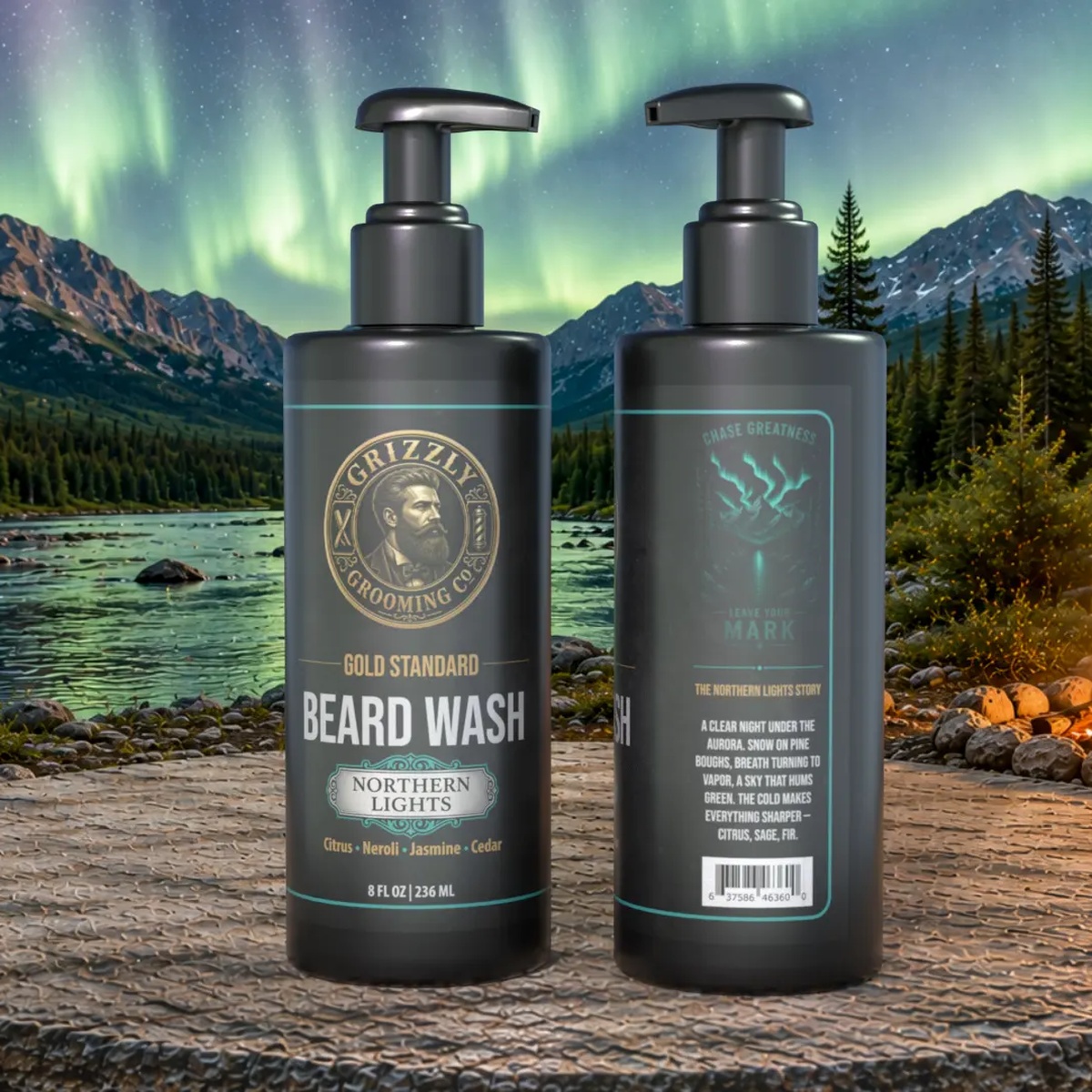
The most common mistake men make is using standard bar soap or scalp shampoo on their face. These products often contain sodium lauryl sulfate, which is far too aggressive for facial skin. A dedicated beard wash is formulated at a lower pH to clean the hair without compromising the integrity of the skin's lipid barrier.
When washing, focus your efforts on the skin itself rather than the length of the beard. Use lukewarm water, as high temperatures can cause micro-cracks in the skin surface. After rinsing, pat your beard dry with a microfiber towel; vigorous rubbing can further irritate flaky skin and cause hair breakage.
Hydrate the Foundation with Beard Oil
Beard oil is first and foremost a skin product. To fix flakiness, you must ensure the oil reaches the dermis. Drop the oil directly onto your fingertips or a comb and work it through the beard until you feel it against your skin. Ingredients like jojoba and argan oil are critical because they closely resemble human sebum, allowing for better absorption.
For a medium-length beard, 4 to 6 drops daily is usually sufficient. This creates a protective seal that prevents transepidermal water loss. Regular application of a high-quality beard oil ensures the skin remains supple, preventing the tight, itchy sensation that precedes heavy flaking.
Mechanical Exfoliation and Deep Conditioning
A boar bristle brush is an essential tool for managing flakes. The stiff bristles reach through the hair to gently lift dead skin cells and distribute your skin's natural oils. Brushing once a day before you wash can help clear away buildup and stimulate blood flow to the follicles, which aids in skin recovery.
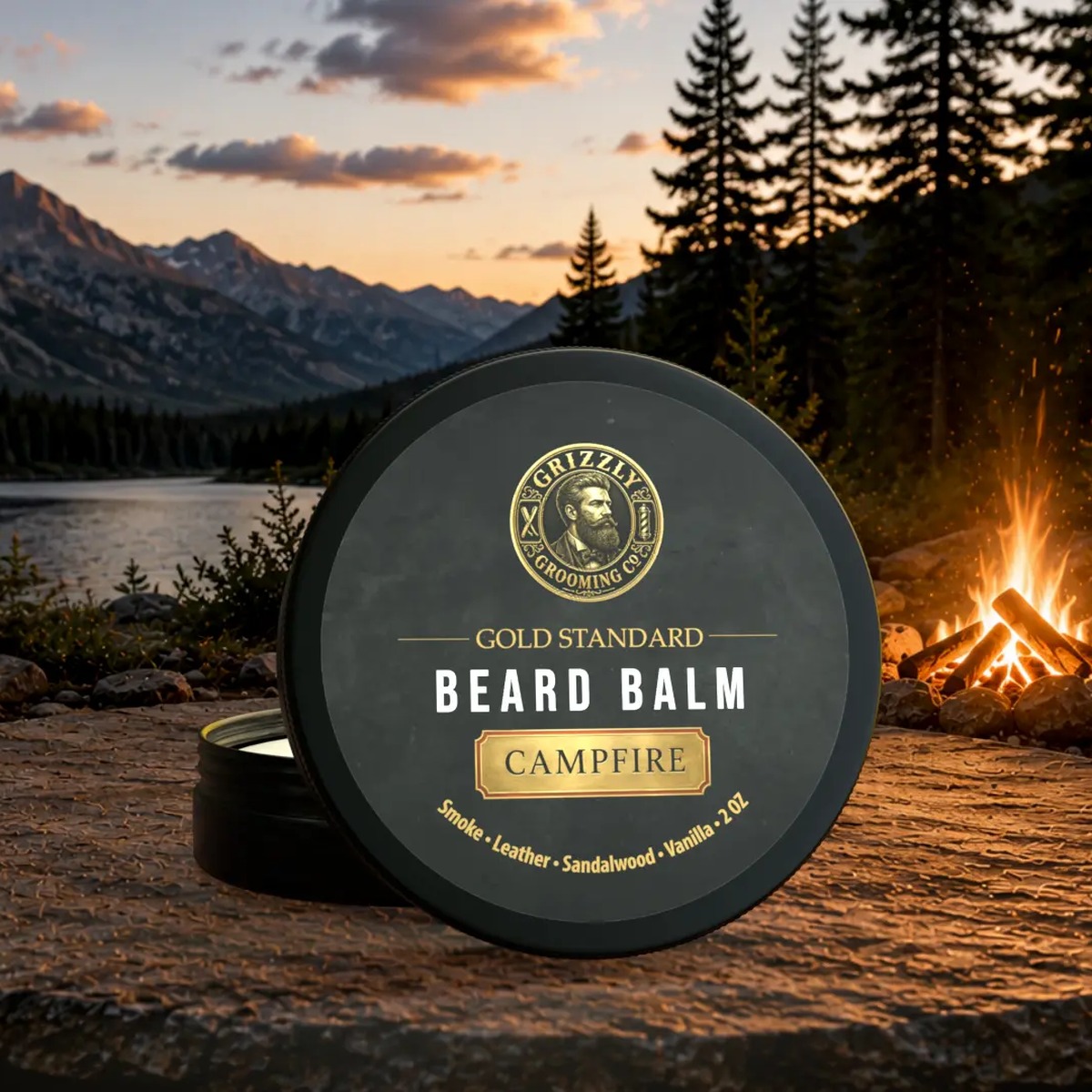
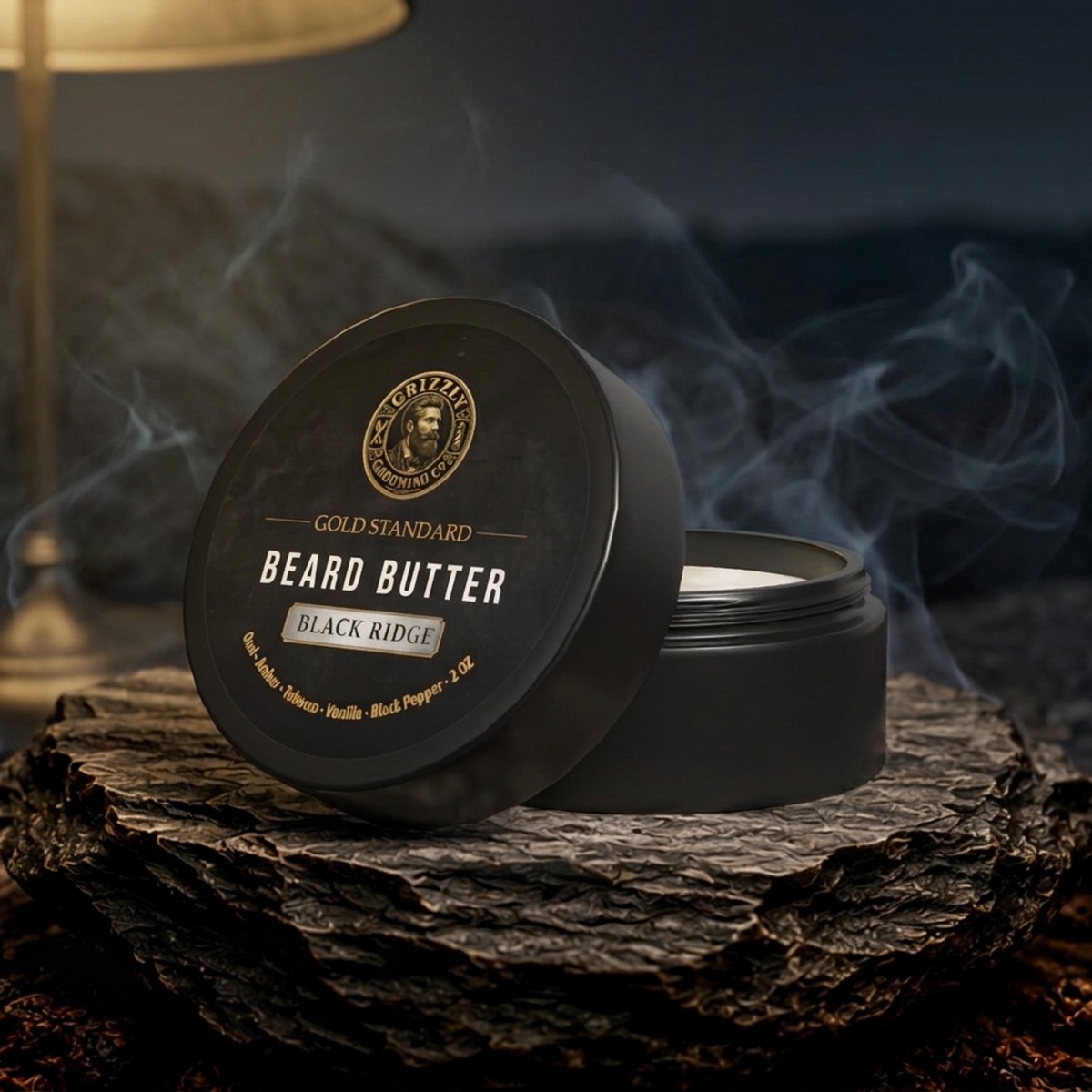
If your flaking is severe, supplement your routine with beard butter in the evening. Unlike oil, which absorbs quickly, beard butter contains shea or cocoa butter that provides a slower release of moisture. This deep-conditioning effect works overnight to repair the skin barrier, ensuring you wake up with a softer beard and a flake-free complexion.
Frequently Asked Questions
How long does it take to get rid of beardruff?
Typically, you will see a significant reduction in flakes within 7 to 10 days of consistent hydration. It takes roughly a month for the skin to complete a full regeneration cycle and fully stabilize.
Can I use regular dandruff shampoo on my beard?
It is generally discouraged. Scalp-focused shampoos are often too harsh for the sensitive skin on the face and can exacerbate dryness, though occasional use of a medicated wash may help if a fungal issue is present.
Why does my beard flake more in the winter?
Lower humidity levels and indoor heating systems strip moisture from the air and your skin. During colder months, you should increase the frequency of your beard oil application and consider using a heavier beard butter.
Build your ritual in 60 seconds.
Answer four questions and get a custom regimen — plus a 15% bundle discount.
Start The Ritual Builder