Beard Grooming for Weddings and Formal Events: A 7-Day Countdown
Formal photography is unforgiving. Flash exposes flyaways, dry skin, and shine that a mirror hides, and a beard trimmed the morning of an event looks freshly cut in exactly the way you do not want. The professional approach is a countdown: heavier work early in the week, refinement mid-week, and almost nothing on the day itself. Below is that schedule, plus how to handle photography, heat, long days, and the specific case of being the groom.
- ›Trim seven days out, not the day before — cut lines need time to soften.
- ›Barber visit at day five or six if you are using one.
- ›Deep condition at day three; hydrated hair photographs better.
- ›On the day: rinse, light oil, minimal balm, no new products.
- ›Never try a new product inside the final week.
Day 7: the real trim
Do the substantive cutting a full week out. A freshly trimmed line looks hard and slightly artificial for two to three days, then settles into something that reads natural. Cutting a week ahead also leaves room to fix mistakes, which is the single best reason to do it early.
Trim dry, on a fully combed beard, in good light. Bulk first with a guard, then tips with scissors, then the neckline, then the cheek line last. If anything goes wrong, you have six days for it to grow back — a luxury you do not have on the morning of the event.
Day 6 to 5: the barber
If a barber is involved, book for five or six days out rather than the day before. Bring a photograph of how you want the beard to look, and be specific about the cheek line and neckline. A good barber will also thin bulk in the right places, which is difficult to do well yourself.
Do not experiment. The week of a formal event is the wrong time to try a new shape, a new barber, or a dramatic change. Refine the version of your beard that already suits you.
Day 4 to 3: hydrate and deep condition
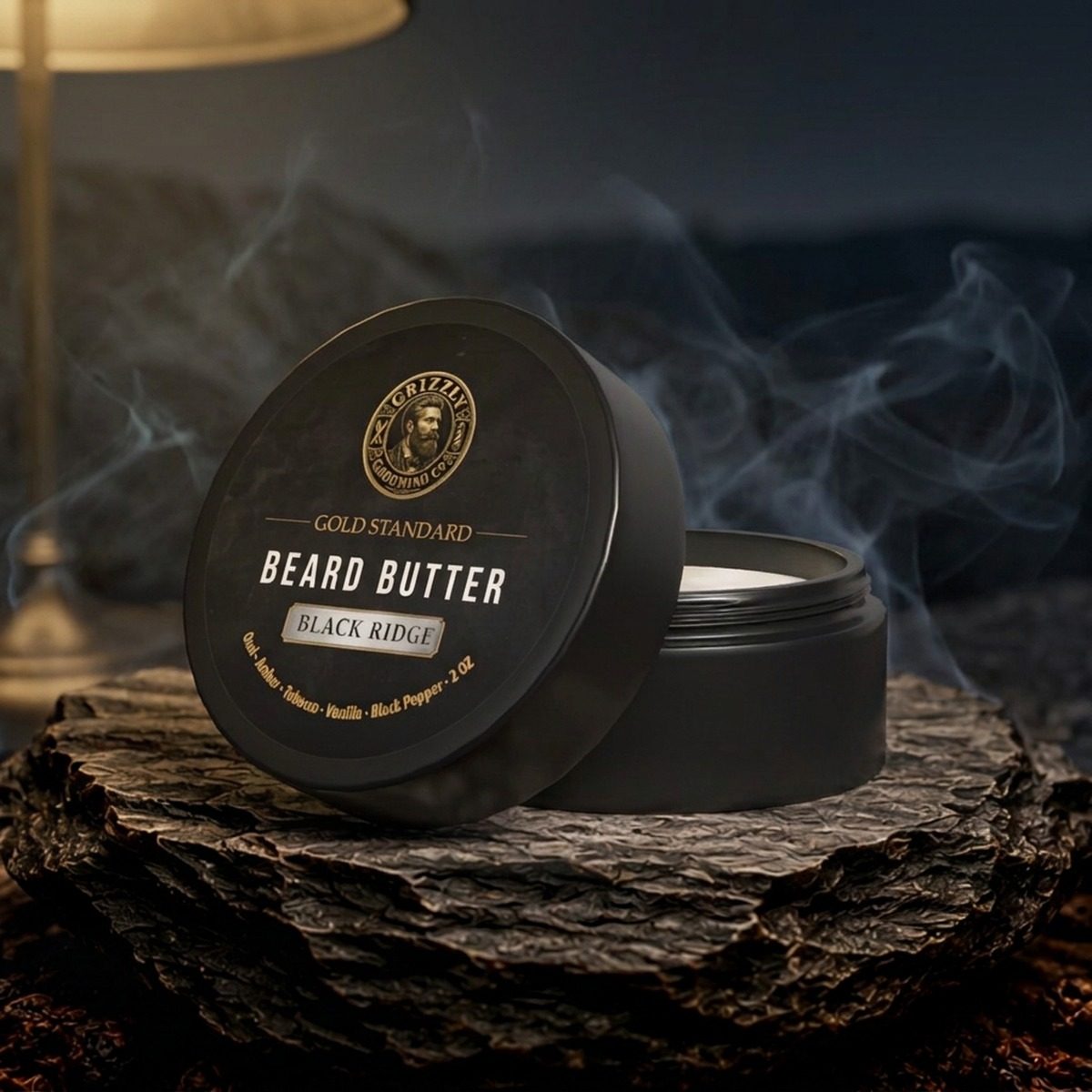
Hair that holds moisture reflects light evenly, and even reflection is what photographs as healthy. Three or four days out, do a full treatment: wash, conditioner left three minutes, a generous layer of butter or a conditioning mask for ten minutes, comb through, then a cool rinse.
Do the same for the skin under and around the beard. Flaking along the cheek line is highly visible under flash. A gentle exfoliation four days out followed by consistent moisturising clears it, and four days is enough for any redness from exfoliation to fade.
Day 2: the check pass and the neckline
Two days out, do a light stray-hair pass only. Remove hairs above the cheek line and any obvious flyaways, and tidy the neckline if it needs it. Nothing structural.
This is also the moment to confirm your kit for the day: oil, a small amount of balm, a comb, and a pocket-sized option to carry. If you are travelling to the event, pack decanted products rather than full bottles, and put them in hand luggage.
Day 1: rest and restraint
The day before, do your normal routine and nothing more. No trimming, no new products, no aggressive exfoliation. Get a full night's sleep — under-eye fatigue is more visible in photographs than any grooming detail.
Avoid alcohol and heavy salt the night before if you can. Both show up as facial puffiness, which reads clearly under front-facing camera flash.
Event day: the morning routine
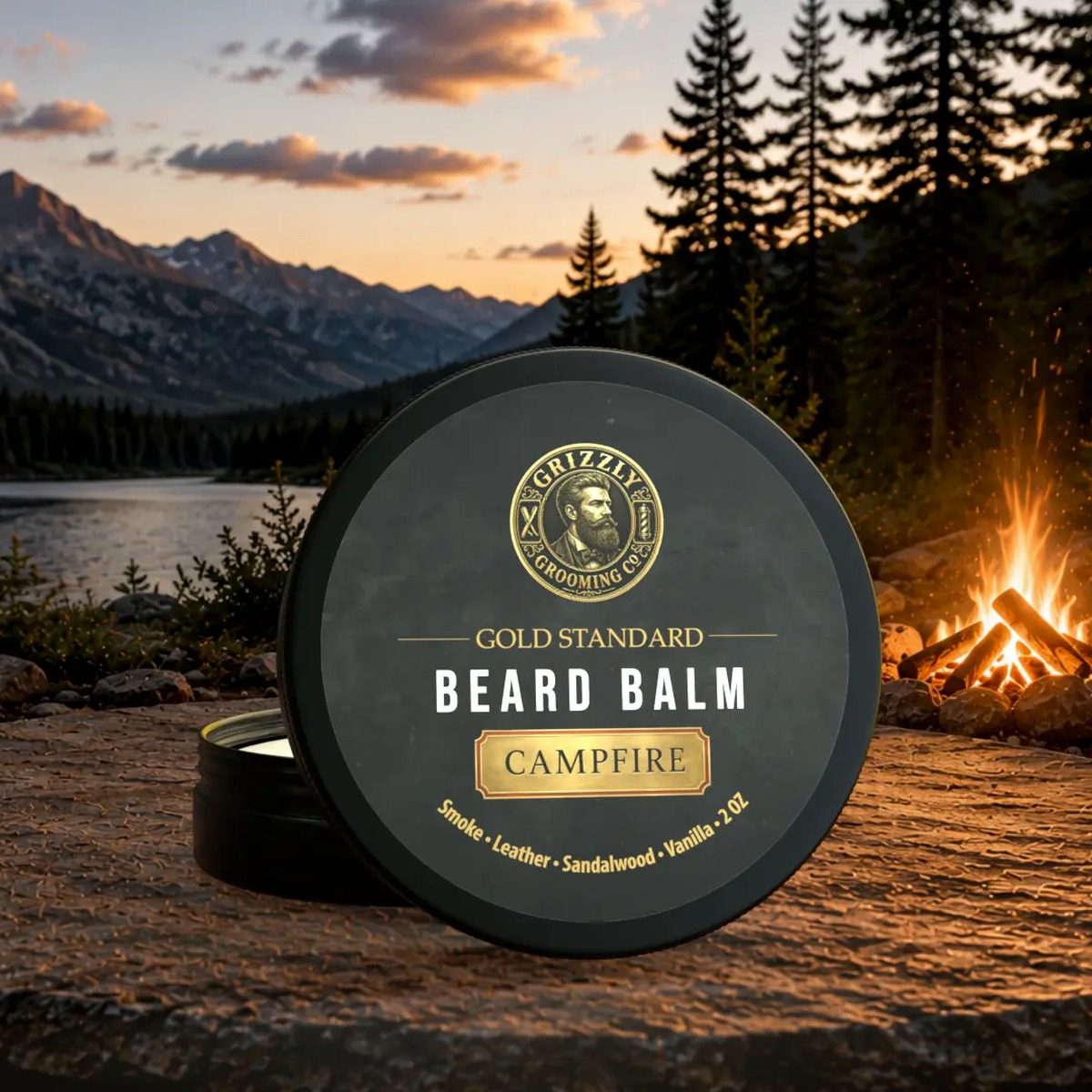
Warm rinse in the shower, pat dry with a microfibre towel, then oil into the skin and hair while damp. Comb to distribute, then a very small amount of balm — pea-sized — warmed between the palms and applied from the outside to smooth the surface and hold the outline. The goal is control, not shine.
Blot any excess with a tissue before you dress. A beard that looks glossy in the mirror will look wet under flash. Finish with cologne on the neck and chest rather than sprayed into the beard, two to three sprays maximum, applied at least twenty minutes before you are in close quarters with anyone.
Photography and long-day management
Flash flattens texture and exaggerates shine and stray hairs. So the two things that matter most for photographs are a smooth outline and a matte-to-satin finish. Brush the beard in its growth direction and check the silhouette in a mirror from three angles, since the camera will find the profile you do not check.
For a long day, carry a comb and a small tin of balm. Reapply a trace of balm after any meal or outdoor stretch, and comb before any scheduled photography. If it is hot, blot rather than reapply — adding product to a sweaty beard makes it heavier and shinier, not neater.
If you are the groom
Extend the countdown to three months. Book a barber consultation twelve weeks out and settle on the shape you want. Grow to the length you want by four weeks out so the beard has time to look settled rather than new, and keep a consistent care routine throughout — the difference between a well-conditioned beard and a neglected one is dramatic in professional photographs.
Two more details. Do your final trim seven days before, not the day before, exactly as above. And if you plan a trial with any product, tint, or treatment, do it at least three weeks out so there is time to reverse it.
Two to three months out: the long lead
If the event is significant and the date is known, the useful work starts long before the final week. Decide the target length and style twelve weeks out, because a beard needs about eight weeks to look settled at a new length and another few to be shaped confidently. Book a barber consultation early rather than a first appointment days before.
Use this window for anything with risk attached: trying a new balm, testing a tint, changing your wash. A product that irritates your skin will do so within a week, and you want that discovery in month one rather than the night before. It is also the right time to start the conditioning routine, since the visible health of the beard on the day is the product of weeks of care, not of the morning's application.
Coordinating the beard with the outfit
Formalwear has its own geometry, and the beard sits inside it. A high, stiff collar and bow tie compress the neckline area and make a long beard look crowded, so a slightly shorter, tighter shape usually photographs better with black tie. An open collar tolerates more length and volume.
Proportion matters too. A very full beard with a heavily structured suit can read as top-heavy in photographs; trimming the sides slightly while keeping length at the chin usually resolves it. And if you are wearing a boutonniere or a strongly scented flower arrangement, go lighter on cologne — competing fragrances at close range are the most common grooming misstep at weddings.
Weather, heat, and outdoor events
Outdoor summer events undo careful grooming faster than anything else. Heat and humidity swell the hair shaft and reintroduce frizz, and sweat under the beard turns a light balm greasy. Plan for it: use a slightly firmer balm than usual, apply less of it, and carry a comb rather than more product.
In humidity, a cool final rinse and a properly sealed beard resist frizz better than any amount of styling on the day. In cold weather the challenge is the opposite — dry indoor heating and wind — so a richer butter the night before pays off. For either, blotting with a tissue between photographs beats reapplying product, which only adds weight and shine.
A printable event-day kit
Keep it to five items and it fits a jacket pocket. A folding or pocket comb. A small tin of balm. A decanted five-millilitre oil for a long day. A few blotting tissues. And a pair of tweezers or small scissors for the single stray hair you will inevitably notice in a photograph an hour in.
Check the beard at three points during the day: before the ceremony, before formal photographs, and before the evening. Each check takes twenty seconds — comb through, look at the silhouette in profile, blot if shiny. That is the entire on-the-day discipline, and it is more effective than anything you can add in the morning.
Frequently Asked Questions
How many days before a wedding should I trim my beard?
Seven. A fresh cut line looks hard for two or three days and then settles. Trimming a week out also leaves time to correct anything that goes wrong.
Should I use balm or oil for a formal event?
Both, in small amounts: oil for hydration on a damp beard, then a pea-sized amount of balm for outline control. Blot excess — glossy beards photograph as wet.
How do I stop my beard looking frizzy in photos?
Deep condition three days before, apply oil to a damp beard on the day, comb in the growth direction, and use a trace of balm to hold the surface. Frizz is mostly dryness plus lifted cuticle.
Can I get my beard dyed before a wedding?
If you want to, do it at least three weeks out so there is time to correct the tone and let any processing damage be conditioned back. Never in the final week.
What should I carry with me on the day?
A comb and a small tin of balm. Comb before photographs; blot rather than reapply if you get warm.
How far in advance should I plan my beard for a wedding?
Two to three months if you are the groom, since a new length needs about eight weeks to look settled. Everyone else can work with the seven-day countdown.
What should I do if my beard frizzes at an outdoor summer event?
Comb and blot rather than reapply product. Prevention is a cool final rinse and a properly sealed beard on the morning, plus a slightly firmer balm applied sparingly.
Build your ritual in 60 seconds.
Answer four questions and get a custom regimen built around your beard and routine.
Start The Ritual Builder