Beard Care for Oily Skin: How to Cleanse Without Overdrying
Men with oily skin often assume beard oil is the last thing they need. The logic seems sound — the face is already producing plenty of oil, so why add more? In practice, the opposite is true. Oily skin under a beard is usually a barrier problem, not an excess problem: aggressive washing strips the lipid layer, the skin overcompensates, and you end up shinier than when you started while the beard itself stays dry. The fix is not less care. It is lighter, better-chosen care applied on a tighter cleansing schedule.
- ›Overwashing causes rebound oil production — cleanse well, not constantly.
- ›Choose low-comedogenic oils: jojoba, grapeseed, hemp seed, argan.
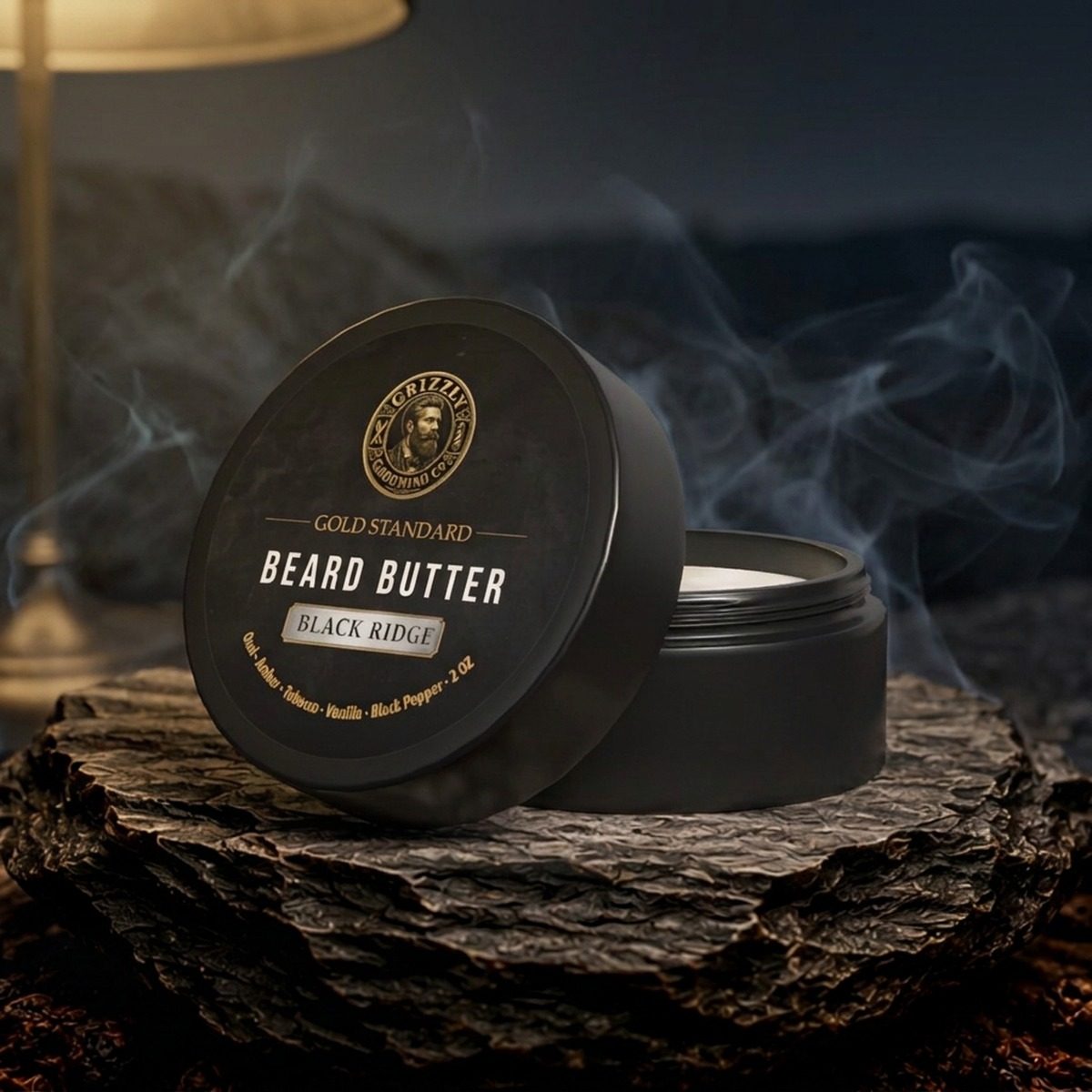
- ›Skip heavy butters and beeswax directly against the jawline.
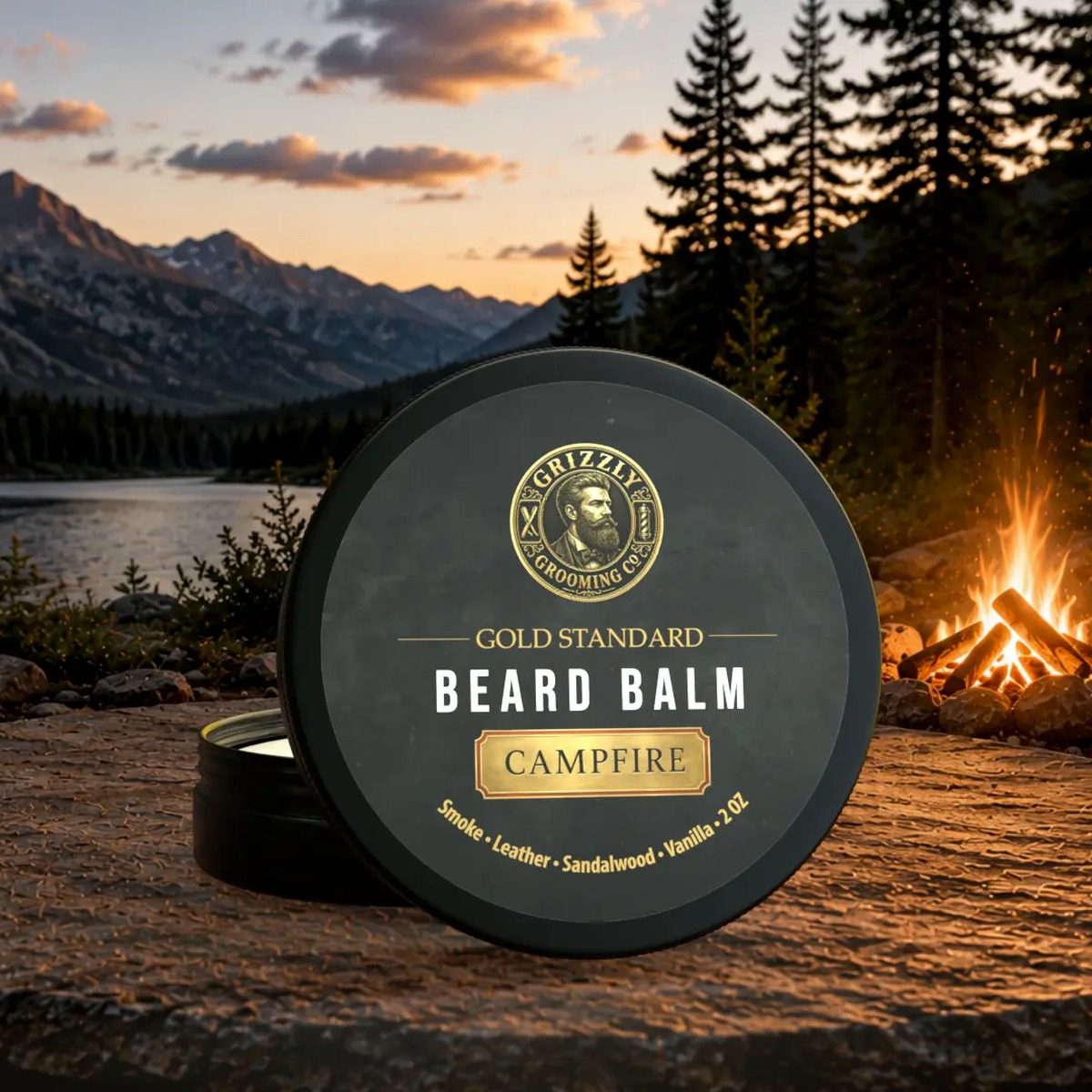
- ›Use a clay or charcoal wash once or twice a week to manage buildup.
- ›Oil the hair generously; keep the skin layer light.
Why oily skin still needs beard oil
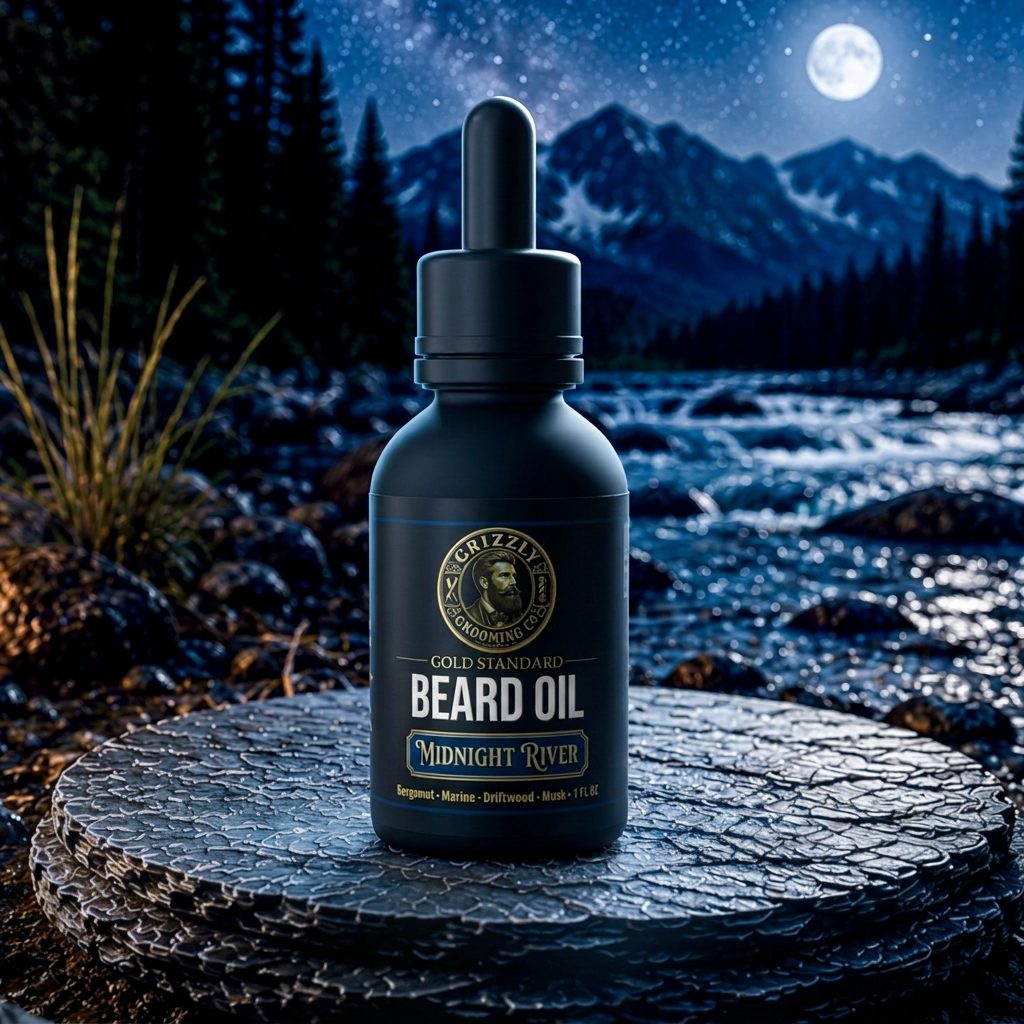
Sebum and beard oil are not the same substance doing the same job. Sebum is your own lipid mixture, and in a bearded face most of it never travels far down the hair shaft — it pools at the root and on the skin. That leaves the middle and ends of the beard dry while the skin looks greasy. A lightweight beard oil solves the distribution problem: you deliver conditioning to the hair where sebum is not reaching.
There is a second, less obvious reason. Skin that has been stripped by harsh cleansers signals for more sebum. Restoring the barrier with a well-chosen oil often reduces total shine within two or three weeks. Men are frequently surprised by this, because it contradicts the intuition that oil makes oil.
Choose oils by comedogenic rating, not by marketing
Comedogenic rating estimates how likely an oil is to clog pores, on a scale of zero to five. For oily and acne-prone skin, stay at two or below. Jojoba (rating 2) is structurally similar to human sebum and is the single best choice — it absorbs quickly and can help regulate output. Grapeseed (1) and hemp seed (0) are light and dry down fast. Argan (0) conditions well without heaviness. Safflower and sunflower are also low.
Avoid the heavy end for skin contact: coconut oil (4) is famously comedogenic on the face, and wheat germ and cocoa butter sit high as well. That does not mean they are bad ingredients — they perform well on the hair itself — but they belong in products you keep off the jawline.
Cleansing: frequency and formula
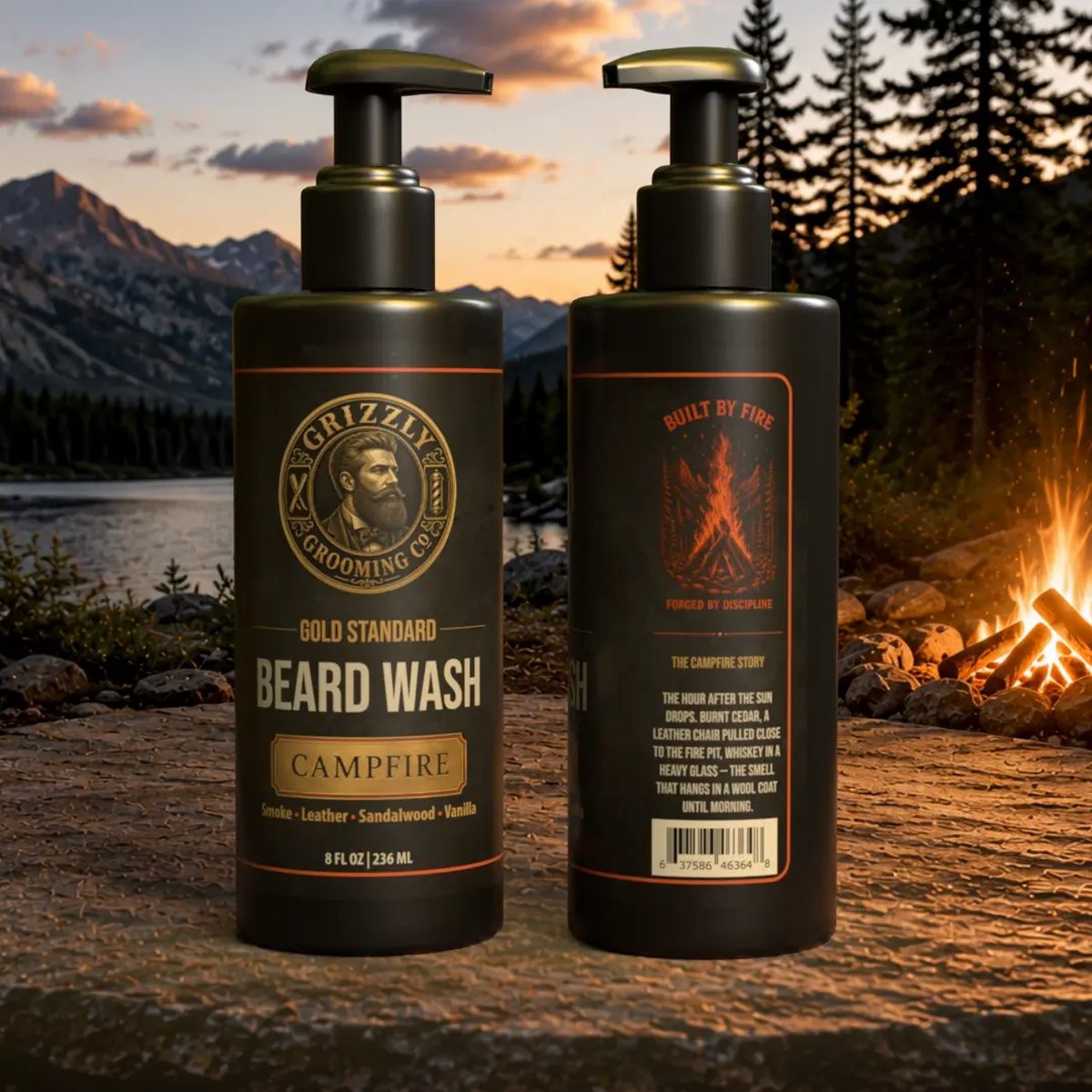
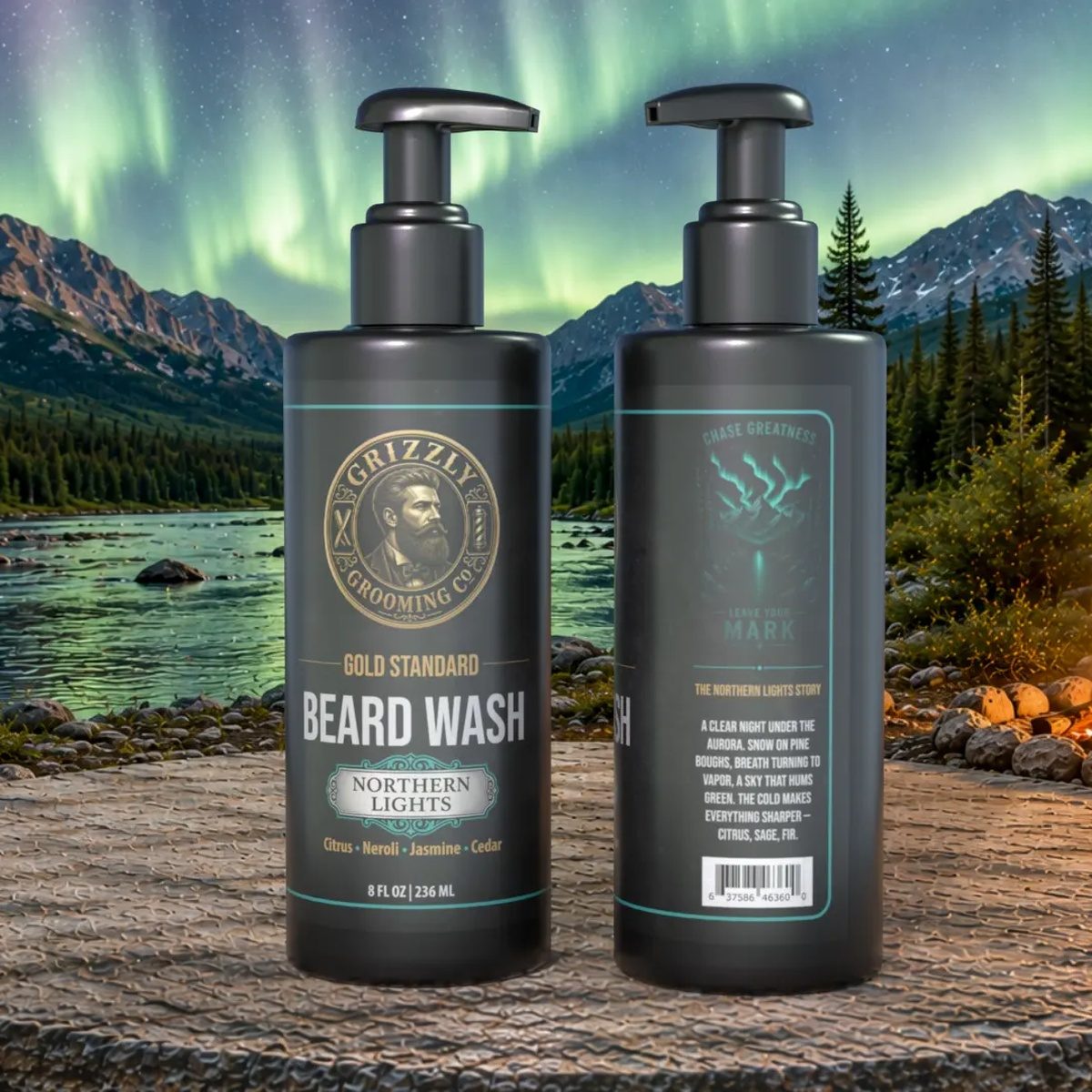
Oily skin can handle more frequent cleansing than dry skin, but the formula matters more than the count. Use a sulfate-free beard wash three to four times a week. Sulfates strip too aggressively and trigger the rebound cycle. On non-wash days, rinse with warm water and follow with oil.
Once or twice a week, use a clay or activated-charcoal wash or bar. Kaolin clay adsorbs excess sebum and lifts buildup out of pores without the harshness of a detergent. Keep contact time short — sixty to ninety seconds — and always follow with oil, because clay does its job by removing oil and the skin needs the barrier back.
Where you put product matters as much as what you use
The single most common mistake in oily-skin beard care is applying a heavy shea-and-beeswax balm the way you would apply oil: fingertips into the skin. Balms are designed to sit on the surface and seal, which is exactly what you do not want against a pore that is already producing plenty of sebum.
Split the application. Light oil into the skin and roots, worked in with fingertips. Balm or butter warmed between the palms and applied to the mid-length and ends only, from the outside in. You get the control and hold without the occlusion where it causes congestion.
Breakouts under the beard: what is actually happening
Most beard-line breakouts fall into three categories. Folliculitis is inflammation of the follicle, often from friction or bacteria, and it looks like small uniform pustules. Ingrown hairs occur where hair curls back into the skin, typically along the neckline after shaving. Comedonal acne is clogged pores, more common along the jaw and cheeks where heavy product sits.
The treatment differs. Folliculitis responds to gentler handling, cleaner tools, and a wash with tea tree oil. Ingrowns respond to exfoliation and a lower shaving angle. Comedonal acne responds to lighter products and clay cleansing. Pinning the category first saves weeks of guessing.
Exfoliation, done carefully
Exfoliating under a beard sounds awkward but is very effective for oily skin. A soft-bristle brush used dry for thirty seconds before showering lifts dead skin and loosens the plugs that turn into flakes and ingrowns. Do it two or three times a week, not daily.
Chemical exfoliation is an option too. A salicylic acid cleanser used once or twice a week penetrates oil and clears the pore lining. Salicylic is oil-soluble, which is precisely why it works better than a scrub on oily skin. Introduce it slowly, and stop if the skin tightens or stings.
Scent, alcohol, and irritation
Heavily fragranced products and alcohol-based sprays are worth watching on oily, reactive skin. Denatured alcohol dries the surface quickly, which feels satisfying and then triggers more oil production. Strong synthetic fragrance is a common contact irritant along the neckline where skin is thinner.
This is not a reason to give up scent. Natural essential-oil blends at sensible concentrations sit well on most skin, and applying cologne to the neck and chest rather than directly into the beard keeps the fragrance without the exposure.
A working week for oily skin
Daily: warm-water rinse, four to six drops of a light oil into skin and hair, comb, brush. Three to four times a week: sulfate-free beard wash before the oil step. Once or twice a week: clay or charcoal wash, or a salicylic cleanser, followed by oil. Two or three times a week: dry brush before the shower for exfoliation.
Weekly: apply butter to the mid-length and ends only as a conditioning treatment, and inspect the skin along the neckline for early ingrowns. Monthly: light tip trim, and reassess whether shine has improved — most men see a noticeable change within a month of stopping the strip-and-rebound cycle.
Why oily skin and beards interact badly
A beard changes the microclimate of the skin it covers. Hair traps heat and moisture, restricts airflow, and holds sebum against the surface instead of letting it spread and oxidise away. On dry skin that is often beneficial. On oily skin it concentrates the very thing already in surplus, which is why men with oily faces frequently notice congestion appearing along the jaw within weeks of growing a beard.
Understanding this reframes the goal. You are not trying to remove oil from your face; you are trying to keep sebum moving and prevent it from pooling with dead skin in follicles. That is why brushing, exfoliation, and lighter products matter more here than any single cleanser. Distribution beats removal.
Reading the difference between oily and dehydrated skin
A large share of men who describe their skin as oily are actually dehydrated and oily at once, which is a barrier problem masquerading as excess. The tell is combination behaviour: shine across the nose and forehead alongside tightness, flaking, or stinging after washing.
If that describes you, aggressive cleansing is making it worse in both directions. Move to a gentle sulfate-free wash three times a week, add a humectant layer — a niacinamide or hyaluronic serum on the exposed skin above the beard line — and keep the light oil for skin and roots. Shine usually drops within two to three weeks, because the rebound signal stops. Genuinely oily skin without dehydration tolerates the clay-and-salicylic approach far better.
Product build-up is the hidden cause
Oily skin plus leave-in product plus infrequent clarifying equals a film that no ordinary wash fully removes. Beeswax in balms, silicones in conditioners, and heavier butters bind with sebum and settle around the follicle, and the result looks exactly like acne while being partly residue.
Add a reset every one to two weeks: a clarifying or clay-based wash, worked into the skin as well as the hair, sixty to ninety seconds, then oil immediately afterwards. Men who do this often find their skin calms without changing anything else in the routine. It is also worth auditing your balm — if it is the heaviest product you own and you use it daily against the skin, it belongs on the mid-length only.
Shaving, sweat, and gym habits
Oily skin combined with exercise is where most neckline problems begin. Sweat mixes with sebum and product, sits under the beard while it dries, and creates the conditions for folliculitis. The fix is timing rather than intensity: rinse the beard with warm water within an hour of training, pat dry, and reapply a light oil. A full wash after every session is too much detergent exposure.
For the shaved portion of the neckline, keep the blade sharp, shave with the grain rather than against it, and finish with a witch hazel or low-alcohol toner rather than an alcohol splash. Shaving over congested oily skin with a dull blade is the most reliable way to convert small breakouts into ingrowns.
Frequently Asked Questions
Does beard oil cause acne on oily skin?
The wrong oil can. Coconut oil and heavy butters against the skin are the usual culprits. Low-comedogenic choices — jojoba, hemp seed, grapeseed, argan — are well tolerated by most oily and acne-prone skin, and many men see less congestion after switching.
How often should I wash my beard if my skin is oily?
Three to four times a week with a sulfate-free beard wash, plus a warm-water rinse on the other days. Add one clay or charcoal wash weekly for buildup. Daily detergent washing usually makes shine worse.
Can I skip beard oil and just use balm?
Not ideally. Balm seals but does not hydrate much, so on oily skin you would be trapping sebum without conditioning the hair. Use a light oil for the skin and roots and keep the balm on the mid-length and ends.
Is jojoba really better for oily skin?
Its structure closely resembles human sebum, so it absorbs quickly and can help signal that the skin has enough surface lipid. It is the most reliable single choice for oily skin in beard formulations.
Should I use a toner under my beard?
A gentle alcohol-free witch hazel or niacinamide toner can help with shine and pore appearance. Avoid high-alcohol astringents, which dry the surface and provoke more oil.
Is my skin oily or dehydrated?
If it shines but also feels tight, flaky, or stings after washing, it is dehydrated as well as oily. Gentler cleansing plus a humectant layer usually reduces shine within two to three weeks.
Should I use a clay mask under my beard?
Once or twice a week is useful for oily skin. Keep contact time short, work it into the skin as well as the hair, and always follow with a light oil to restore the barrier.
Build your ritual in 60 seconds.
Answer four questions and get a custom regimen built around your beard and routine.
Start The Ritual Builder