Aluminum-Free Deodorant for Men: What Actually Works All Day
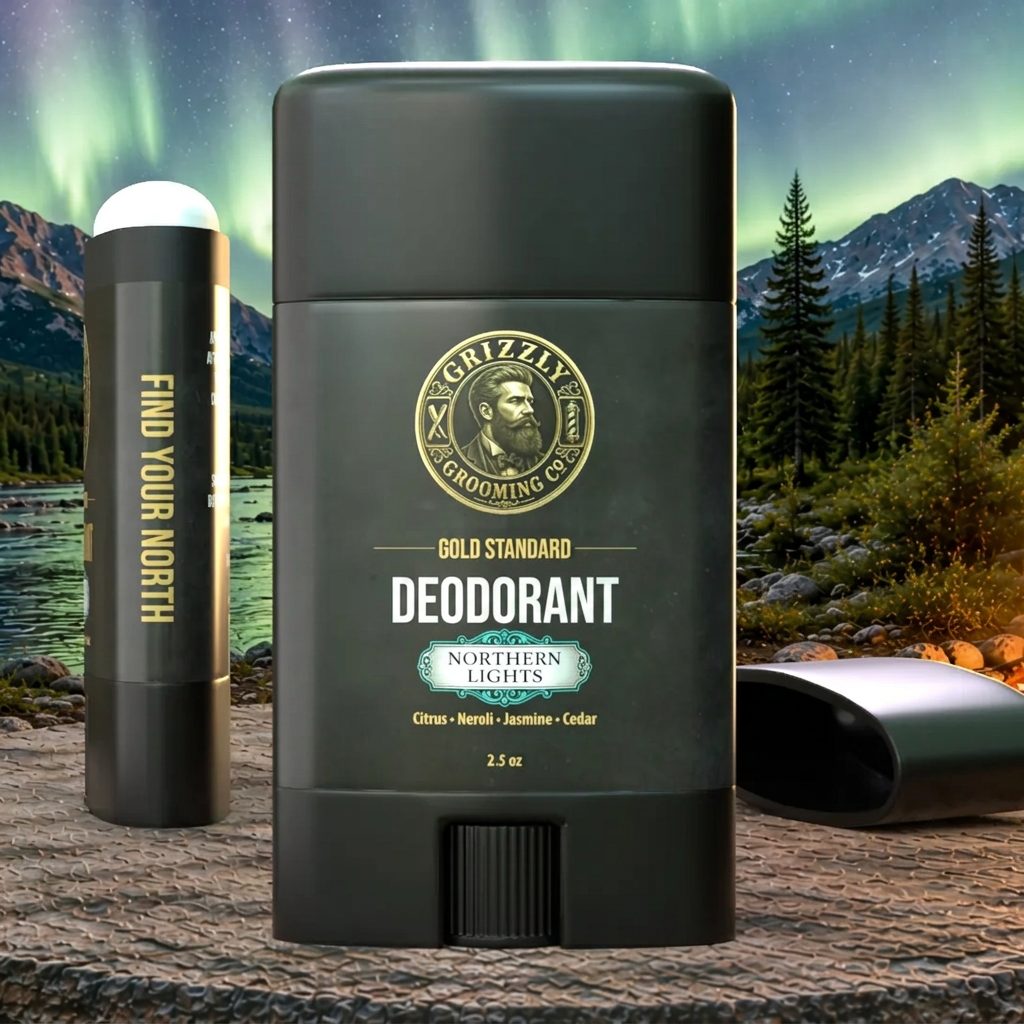
Most aluminum-free deodorants fail one of two tests: they either quit by lunch or they burn the skin under your arms after a week of daily use. Neither is necessary. Aluminum-free chemistry works — it just has to be formulated correctly and applied correctly. This guide covers both. Our reference product is Gold Standard Gold Standard Deodorant in Black Ridge, a 24-hour aluminum-free stick built to hold through a full workday, a workout, and a night out without a reapply.
- ›Aluminum-free deodorant neutralizes odor. Antiperspirant blocks sweat. They are not the same product.
- ›The transition week is real for most men switching from antiperspirant — but it can be skipped.
- ›Apply to clean, dry skin. Two swipes per side. Let it set 30 seconds before dressing.
- ›Baking-soda-free formulas are the answer for sensitive underarms.
- ›Layer with a matching body spray or cologne — never with a different scent family.
Why Aluminum-Free Matters
Aluminum compounds — most commonly aluminum chlorohydrate and aluminum zirconium — are the active ingredient in every antiperspirant on the market. They dissolve in sweat and form a temporary plug inside the sweat duct, physically stopping perspiration. That's effective, but it's also why antiperspirants leave yellow stains on white shirts, why they can feel tacky, and why a growing share of men prefer to avoid them.
Aluminum-free deodorant takes a different approach. It doesn't try to stop you from sweating. Sweat itself is nearly odorless — the smell comes from skin bacteria breaking down proteins in that sweat. Aluminum-free formulas target the bacteria and the resulting odor compounds directly, letting the body cool itself normally while eliminating the smell.
The tradeoff: your shirt may still show sweat on a hot day. The upside: no aluminum residue, no yellow pit stains, and no interference with the body's natural thermoregulation.
How Aluminum-Free Deodorant Actually Works
A well-built aluminum-free stick works on three fronts. First, it raises the skin's surface pH slightly, which suppresses the anaerobic bacteria responsible for the sharpest body odor. Second, it uses natural antimicrobial agents — coconut-derived caprylic acid, magnesium hydroxide, activated charcoal — to reduce the bacterial population itself. Third, it uses starches like arrowroot or tapioca to absorb moisture and keep the underarm environment dry enough that odor-causing bacteria cannot thrive.
This three-part mechanism is why a properly formulated aluminum-free deodorant holds all day. A cheap one skips one or two of these steps and relies almost entirely on fragrance to mask odor — which is why it fails by lunch. Read the ingredient panel. If magnesium hydroxide, an antimicrobial, and a starch are all present, the product will work. If it's essentially fragrance in a carrier wax, it will not.
The Transition Week (and How to Skip It)
Switching from antiperspirant to aluminum-free deodorant usually triggers a 5-to-14-day transition period. During this window your underarms produce more sweat than usual, and the odor can be stronger than you remember. This is normal. Your body is flushing out accumulated aluminum residue and rebalancing its microbial population. It ends on its own.
You can shorten the transition dramatically. Exfoliate the underarms with a warm washcloth every night for the first week. Wash with a proper body wash — not just water — every morning. Apply the aluminum-free deodorant to fully clean, fully dry skin. Some men use a diluted apple-cider-vinegar rinse in the shower during the transition; it is not necessary but it accelerates the bacterial rebalance.
Once past the transition, you will not need to think about it again. The skin adapts, the bacterial population normalizes, and daily use becomes seamless.
How to Apply for 24-Hour Hold
Application is where most men lose the day. The rules are simple. Apply after your shower, to clean skin. Dry the underarm completely — even a small amount of residual water dilutes the active ingredients and cuts hold time by hours. Two firm swipes per side is the correct dose. More product does not extend hold; it just transfers to your shirt.
Let the stick set for at least 30 seconds before pulling a shirt over your head. This gives the natural waxes time to bond to the skin instead of the fabric. If you shower at night, apply then — aluminum-free formulas actually perform slightly better with 6 to 8 hours of contact time before your active day begins.
If you work out mid-day, you do not need to reapply. If you shower after the workout, dry fully and reapply once. A well-built formula does not need a mid-day touch-up under normal conditions.
Deodorant vs Antiperspirant: The Short Answer
Antiperspirant blocks sweat. Deodorant neutralizes odor. The right pick depends on what you actually need. If you sweat heavily enough that visible sweat on your shirt is a professional concern — client-facing sales, on-camera work, formal events — antiperspirant is the honest answer, and clinical-strength versions are worth the tradeoff.
For everyone else, aluminum-free deodorant is the better long-term choice. Normal daily sweating is not a problem to solve; it's how your body regulates temperature. Odor is the actual problem, and aluminum-free deodorant solves it without shutting down a functional system.
Layering With Cologne and Body Spray
Never mix scent families across your grooming products. A citrus deodorant under a tobacco cologne reads as chaos to anyone within three feet of you. Keep the deodorant, body spray, and cologne within the same scent family — or use unscented deodorant as a neutral base under a signature scent.
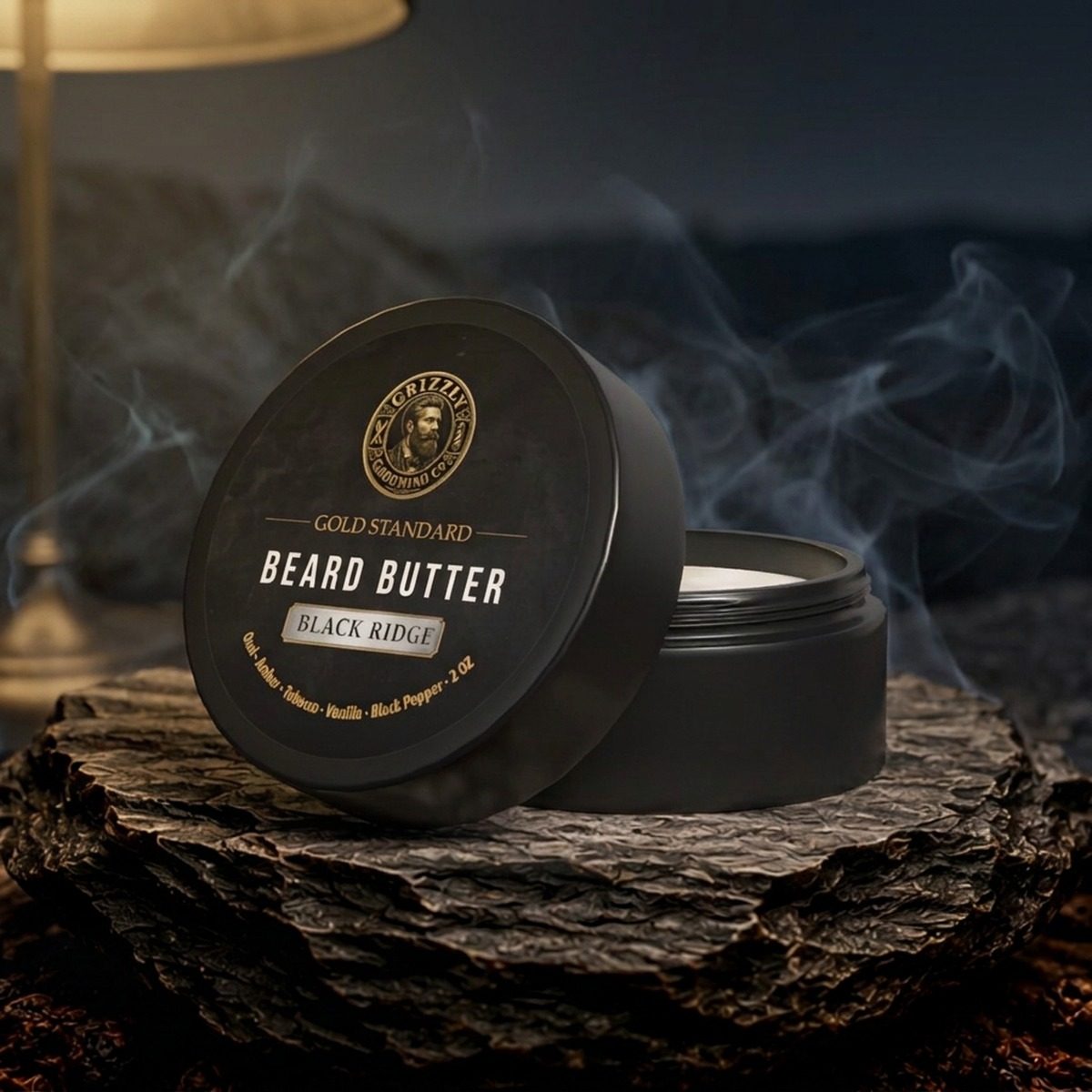
The cleanest approach: pick one scent and layer it. Deodorant, body spray, and cologne in the same family create a coherent, long-lasting scent presence without any single product being overwhelming. Our Black Ridge line — oud, black pepper, amber, leather — was built specifically for this kind of layered ritual.
Frequently Asked Questions
Does aluminum-free deodorant stain shirts?
No. The yellow pit stains associated with antiperspirant come from aluminum reacting with sweat proteins. Aluminum-free deodorant does not contain the reactive ingredient, so it does not stain.
Is baking soda in deodorant safe for sensitive skin?
For some men, yes. For sensitive underarms, baking soda can cause a red, itchy reaction after a week or two of daily use. Our formula uses magnesium hydroxide instead — same odor-neutralizing effect, no reactivity.
How long does the transition from antiperspirant take?
Five to fourteen days for most men. Exfoliating nightly and applying to fully dry skin cuts it to under a week.
Do I need to reapply mid-day?
Not under normal conditions. A properly formulated aluminum-free stick holds for a full 24 hours from a single morning application.
Is aluminum-free deodorant safe for daily use?
Yes. The active ingredients — magnesium hydroxide, plant starches, natural antimicrobials — have no known long-term safety concerns and are approved for daily topical use.
Build your ritual in 60 seconds.
Answer four questions and get a custom regimen built around your beard and routine.
Start The Ritual Builder