A Guide to Managing Early Hairline Recession and Strengthening Growth
Hairline recession is not a singular event but a physiological transition requiring a shift from passive observation to proactive management. While genetics dictate the baseline of follicular sensitivity, environmental factors and grooming habits influence the rate and visibility of these changes. By stabilizing the scalp environment and addressing the mechanical stresses placed on the follicles, a man can maintain a denser, healthier appearance for longer. This guide details the biological mechanisms of recession and provides a disciplined framework for intervention using professional-grade tools and techniques.
- ›Monitor the temples for miniaturization where terminal hairs transition to fine vellus hairs.
- ›Wash the scalp every two to three days to remove DHT-laden sebum without causing dehydration.
- ›Perform daily four-minute scalp massages to stimulate localized blood flow and tissue oxygenation.
- ›Switch to sulfate-free cleansers to avoid stripping the natural lipid barrier of the scalp.
- ›Eliminate mechanical tension from tight hats and aggressive towel drying to prevent traction alopecia.
- ›Incorporate nutrient-dense proteins and healthy fats to support the production of structural keratin.
Distinguishing Between Maturation and Active Recession
Understanding the difference between a maturing hairline and active androgenetic alopecia is the first step in effective management. A mature hairline typically recedes about one to one and a half inches above the highest forehead crease and stabilizes in a man's twenties. This is a natural development and does not necessarily indicate future baldness. Active recession, however, is characterized by a persistent migration toward the vertex, often following the Norwood Scale's M-shaped progression.
To accurately assess your status, observe the hair at the temples under direct, high-lumen lighting. Look for miniaturization—a process where thick, pigmented terminal hairs are replaced by shorter, thinner, and lighter vellus hairs. If the hair at the edges appears significantly finer than the hair at the back of the head, the follicle growth cycle is shortening. Tracking this monthly via consistent photography under identical lighting conditions is more reliable than daily mirror checks.
Follicular density also varies by region. The frontal hairline is naturally more sensitive to dihydrotestosterone (DHT) in men predisposed to thinning. Identifying thinning early allows for the use of scalp-fortifying products before the follicle ceases production entirely. Once a follicle has completely scarred over and skin takes on a smooth, shiny appearance, topical interventions are significantly less effective at restoring density.
The Bio-Mechanics of Scalp Hygiene and Sebum Control
The scalp is an extension of the facial skin but features a higher density of sebaceous glands. These glands produce sebum, a natural oil that protects the hair shaft. However, sebum can also trap DHT and environmental pollutants. If allowed to accumulate, this mixture forms a waxy buildup that causes perifollicular inflammation, which can accelerate the miniaturization process. Effective hygiene is about finding the balance between clearing this buildup and preserving the scalp's moisture barrier.
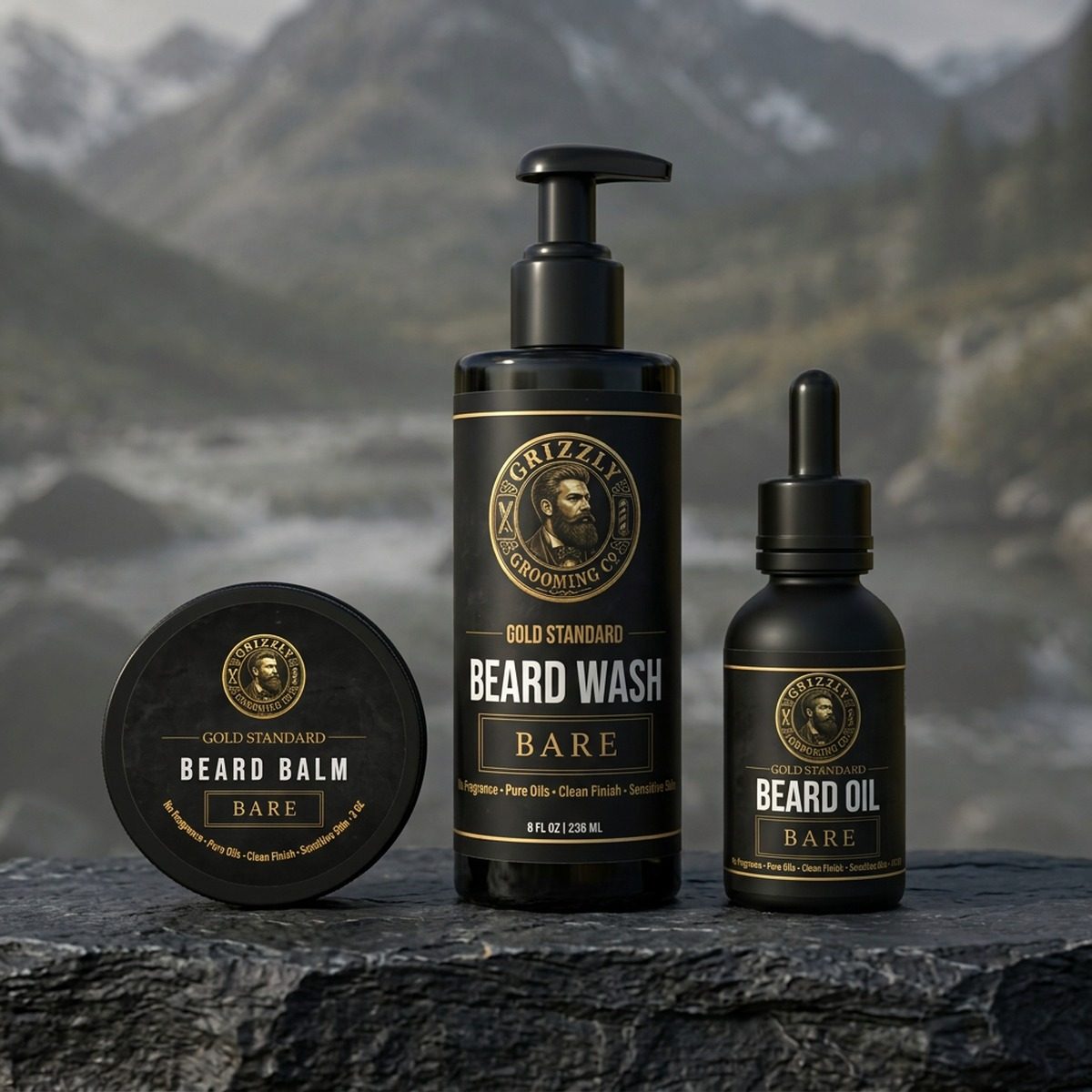
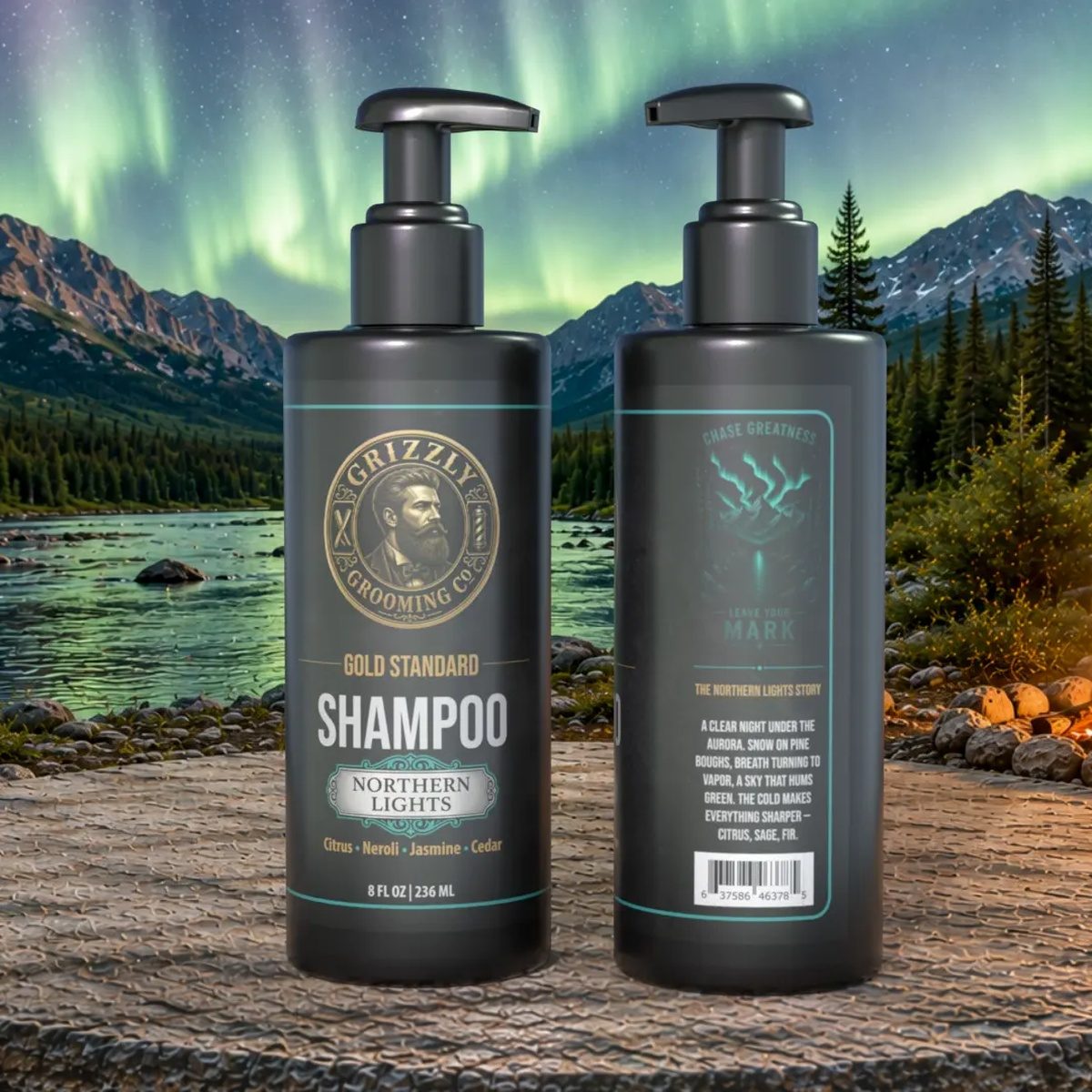
Standard supermarket shampoos often rely on Sodium Lauryl Sulfate (SLS), a harsh surfactant that effectively strips oil but also damages the scalp's acidic mantle. When this barrier is compromised, the scalp may overcompensate by producing even more oil, or it may become dry and inflamed. We recommend utilizing a specialized Beard Wash or a gentle, sulfate-free hair cleanser twice or thrice weekly. This frequency is sufficient to clear DHT-rich oils without inducing the compensatory oil production seen with daily aggressive washing.
Temperature during the wash cycle is equally important. Hot water can weaken the hair's protein structure and dehydrate the scalp, leading to irritation. Use lukewarm water (approximately 98 to 100 degrees Fahrenheit) to open the cuticle slightly for cleansing, and follow with a cool rinse. The cool water helps to seal the cuticle and soothe the scalp, which is particularly beneficial during the winter months when indoor heating systems already strip moisture from the skin and hair.
Optimizing Follicular Blood Flow Through Manual Stimulation
Hair follicles are among the most metabolically active tissues in the body, requiring a constant supply of oxygen and micronutrients delivered via the capillaries. As we age, or due to scalp tension, blood flow to the vertex and temples can diminish. Incorporating a four-minute scalp massage into your daily routine is a non-invasive way to stimulate vasodilation. Studies in trichology suggest that mechanical stimulation can increase hair thickness by stretching the cells of the hair follicles, signaling them to produce thicker strands.
To perform the massage correctly, use the pads of your fingers—not your fingernails—to apply firm, circular pressure. Start at the base of the neck and work upward toward the crown, then move to the temples and frontal hairline. You are not rubbing the hair itself; rather, you are moving the scalp tissue over the skull. This technique helps to loosen tight scalp fascia, which has been linked to restricted blood flow in the areas most prone to male pattern baldness.
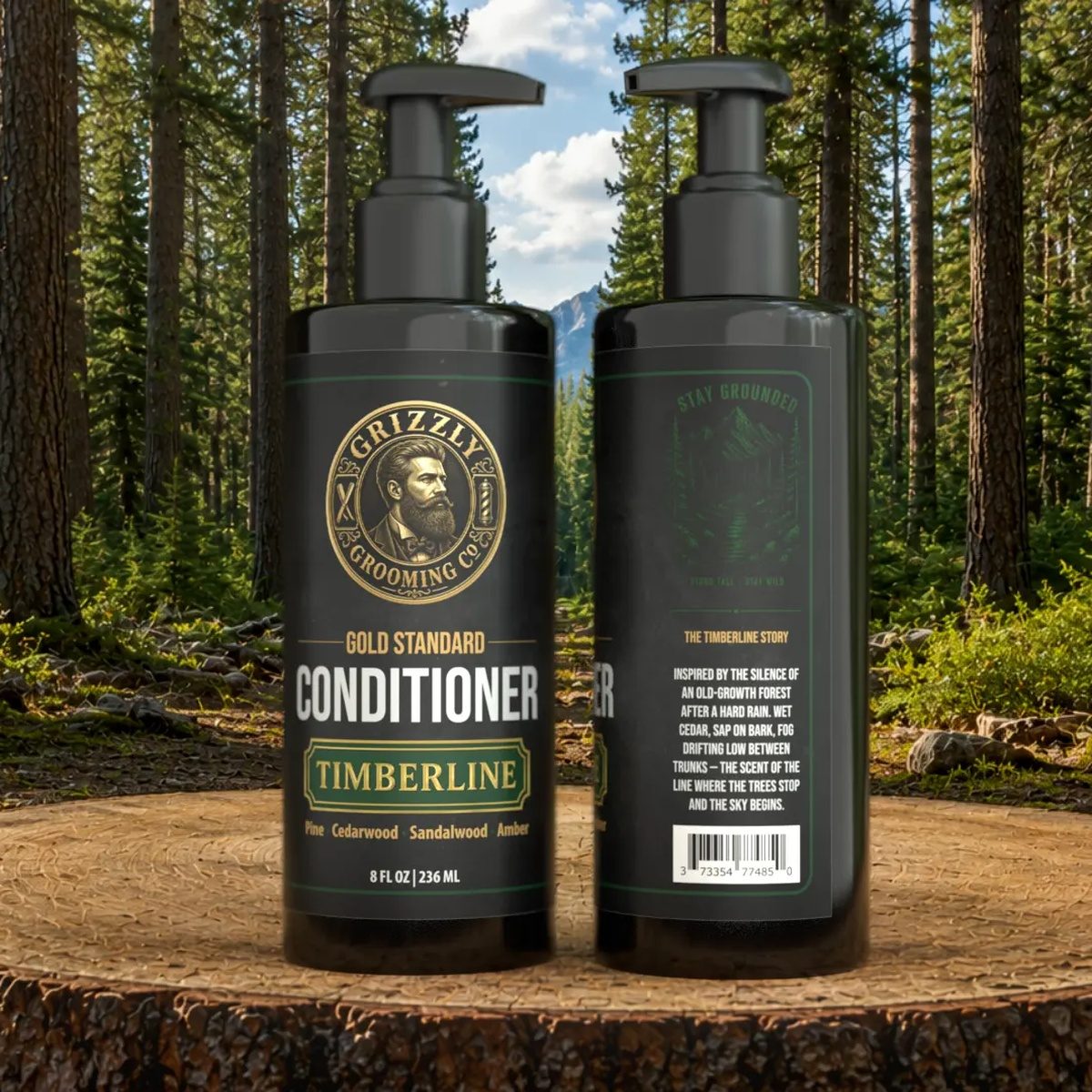
For maximum efficacy, perform this ritual while applying a high-quality conditioner in the shower. The conditioner provides the necessary lubrication to prevent mechanical breakage while the cuticles are open. A conditioner enriched with peppermint or tea tree oil can provide an additional sensory stimulus, though the primary benefit remains the physical manipulation of the tissue. Consistency is key; the physiological benefits of increased circulation require daily application over several months to manifest in improved hair quality.
Nutritional Foundations for Keratin Production
The hair shaft is primarily composed of keratin, a fibrous structural protein. If your diet is deficient in the necessary amino acids, the body will deprioritize hair growth in favor of vital organ functions. To support hair density, prioritize lean proteins such as poultry, fish, and legumes. Zinc and iron are also critical; iron helps red blood cells carry oxygen to your cells, including the follicles, while zinc plays a functional role in hair tissue growth and repair.
Biotin, also known as Vitamin B7, is frequently cited for hair health, but it works best in conjunction with a full spectrum of B-vitamins and Omega-3 fatty acids. Omega-3s, found in walnuts and flaxseeds, help maintain the scalp's lipid barrier, preventing the dryness that leads to brittle hair. Avoid excessive intake of processed sugars, which can trigger inflammatory responses in the body that may negatively impact the hair growth cycle.
Hydration should not be overlooked. A dehydrated body leads to a dehydrated scalp. When the skin on the scalp is tight and dry, it can become itchy and prone to scratching, which causes physical trauma to the follicles. Aim for a baseline water intake of three liters per day. In the summer, increase this to account for perspiration, which can leave salt deposits on the scalp that further dehydrate the hair if not rinsed away promptly.
Correcting Mechanical Stress and Styling Errors
Traction alopecia is a form of hair loss caused by repetitive tension on the hair roots. This is most common in men who wear tight buns, ponytails, or hats for extended periods. The constant pull weakens the follicle's anchor in the scalp, eventually leading to permanent loss. If you notice thinning specifically where your hat rim sits or where you pull your hair back, you must alter your styling habits immediately to allow the follicles to recover.
Towel drying is another area where many men cause self-inflicted damage. Vigorously rubbing wet hair with a standard cotton towel creates friction that can snap weakened hairs at the root. Wet hair is in its most vulnerable state as the hydrogen bonds are temporarily broken, making it more elastic and prone to breakage. Instead, pat the hair dry with a microfiber towel or a soft cotton t-shirt to absorb moisture without the mechanical stress.
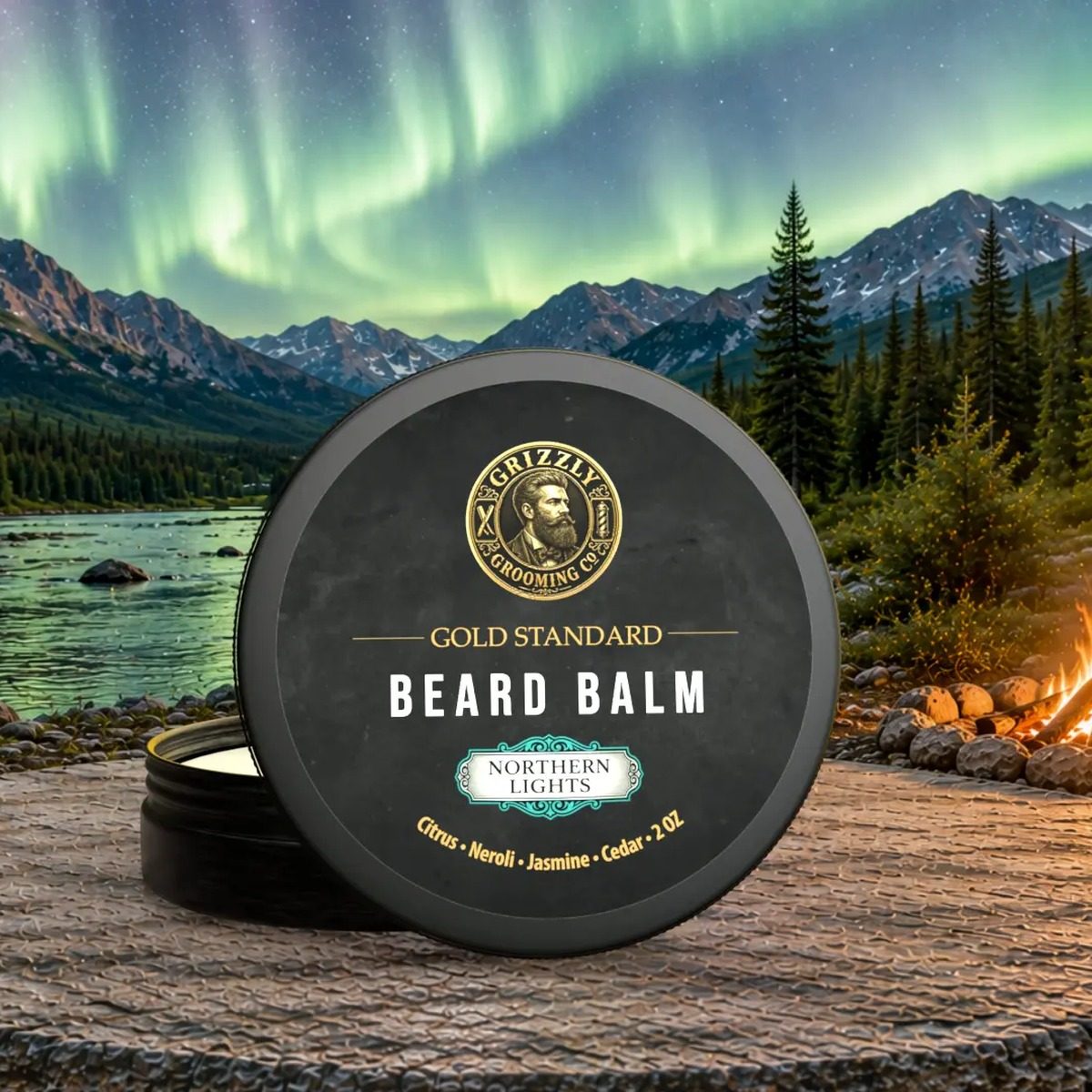
The choice of styling products also impacts the health of the hairline. Heavy, alcohol-based clays and gels can dry out the hair and make it appear thinner by clumping strands together, revealing more of the scalp. Consider using a small amount of Beard Balm or Beard Butter for light control; these products contain fats like shea butter and jojoba oil that nourish the hair shaft rather than stripping it. When applying, start from the back and work forward to avoid overloading the fragile hairline with product.
Managing Scalp Health Across the Seasons
The scalp's needs fluctuate with the seasons, and your grooming routine should adapt accordingly. During winter, the lack of humidity in the air causes the scalp to dry out, leading to dandruff and itchiness. This is the time to increase the use of conditioning treatments and perhaps reduce washing frequency. Using a Goat Soap Bar on the body and ensuring no harsh soap residue reaches the hairline can prevent the localized dermatitis that often mimics or exacerbates recession.
In the summer, the primary threats are UV radiation and sweat accumulation. The scalp is susceptible to sunburn, especially in areas where thinning has already begun. Sun damage can harm the DNA of the hair follicle, further slowing growth. Wear a loose-fitting, breathable hat when outdoors for long periods, and ensure you wash your hair after heavy sweating to prevent the salt and oils from clogging the pores. Using a Premium Deodorant to manage overall body temperature can also help reduce excessive cranial perspiration.
Spring and autumn often bring seasonal shedding, a natural process where the body synchronized its growth cycles. Do not panic if you see a slight increase in hair fall during these transitional months. Focus on maintaining a clean scalp and providing the nutrients needed for the next growth phase. If the shedding persists for more than two months or occurs in patches, it may be time to consult a dermatologist to rule out other underlying health conditions.
Integrating Hair and Beard Care for a Cohesive Look
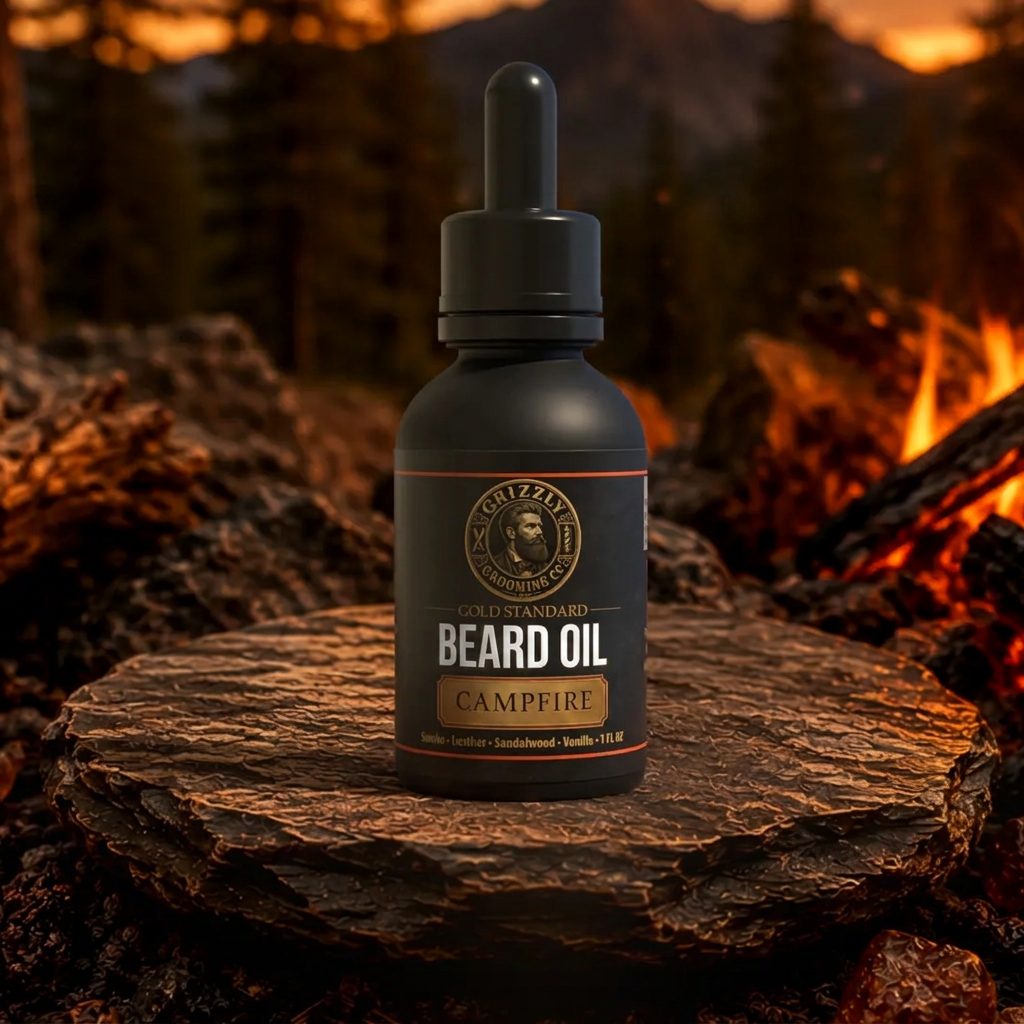
A receding hairline can be visually balanced by well-maintained facial hair. The key is to manage the proportions between the hair on your head and the hair on your face. As the hairline moves back, increasing the volume of the beard can shift the focal point downward, creating a more structured appearance. This is where products like Gold Standard Beard Oil become essential, as they keep the facial hair healthy and prevent the 'unkempt' look that can make thinning hair appear more prominent.
When shaping the beard, pay close attention to the neckline and cheek lines. A crisp, defined border on the beard provides a sense of intentionality to your grooming that offsets a softer hairline. If you are using a Solid Cologne, apply it to the pulse points on your neck rather than near the hairline to avoid any potential irritation from the fragrance oils on sensitive scalp skin. The goal is a unified grooming aesthetic where every element looks deliberate.
For men with longer beards, the tension from the weight of the beard can occasionally affect the skin on the lower face. Using Beard Butter at night can keep the hair soft and manageable, reducing the need for aggressive combing that can pull on the skin. Just as with the hair on your head, the goal for the beard is to minimize mechanical tension while maximizing the health of the skin underneath. A healthy beard environment complements a proactive scalp care routine.
Common Mistakes and How to Correct Them
One of the most frequent errors is the 'over-correction' phase, where a man uses too many aggressive treatments simultaneously. Mixing various chemical regrowth treatments without professional guidance can lead to scalp burns, contact dermatitis, and increased shedding. If you choose to use topical minoxidil or similar agents, start with a lower concentration and monitor for irritation. Always ensure your scalp is clean and dry before application to maximize absorption.
Another mistake is ignoring the impact of stress and sleep on hair health. High levels of cortisol, the stress hormone, can push hair follicles into a resting phase (telogen), leading to a condition called telogen effluvium. This results in diffuse thinning across the entire scalp, which makes a receding hairline look significantly worse. Prioritizing seven to nine hours of quality sleep and managing stress through exercise or meditation is as important as any topical product.
Lastly, many men wait too long to seek professional advice. While lifestyle changes and proper grooming are foundational, they cannot overcome all genetic factors. If you notice rapid, patchy, or painful hair loss, consult a healthcare provider. Early intervention with prescription treatments, when combined with a high-quality grooming routine using Gold Standard products, offers the best chance of stabilizing the hairline and maintaining a professional appearance.
Frequently Asked Questions
Can a receding hairline grow back naturally?
While you cannot typically regrow hair once a follicle has completely scarred over, you can thicken existing miniaturized hairs. By improving scalp health, nutrition, and blood flow, follicles that are currently dormant or producing thin hair can be revitalized to produce thicker terminal strands.
How often should I wash my hair to prevent thinning?
For most men, washing every two to three days is ideal. Over-washing can strip the scalp of essential oils, leading to irritation, while under-washing allows DHT-laden sebum and pollutants to sit on the scalp and potentially damage the follicles.
Does wearing a hat cause a receding hairline?
Wearing a hat does not directly cause male pattern baldness, but a hat that is too tight can cause traction alopecia by putting constant pressure on the follicles. Additionally, a dirty hat can trap bacteria and sweat against the scalp, leading to inflammation that hinders healthy growth.
Is scalp massage really effective for hair growth?
Yes, manual scalp massage increases localized blood circulation and has been shown to stretch the dermal papilla cells in the hair follicles. This stimulation can lead to increased hair thickness over time, provided it is done consistently for at least four minutes daily.
What ingredients should I avoid in hair products?
Avoid harsh sulfates like Sodium Lauryl Sulfate (SLS) and Sodium Laureth Sulfate (SLES), as they strip the scalp's natural oils. You should also be cautious with high concentrations of denatured alcohol in styling products, which can dehydrate the hair shaft and lead to breakage.
Does beard growth affect the hair on my head?
There is no biological evidence that growing a beard 'steals' nutrients from the hair on your head. However, both are influenced by androgens like DHT; while DHT can shrink scalp follicles, it actually promotes the growth of facial hair, which is why many balding men can still grow thick beards.
How does diet specifically impact the hairline?
Hair is made of keratin, so a lack of protein can lead to thinning. Specific deficiencies in iron, zinc, and Vitamin D are also linked to hair loss, as these nutrients are essential for the cellular processes that occur during the anagen (growth) phase of the hair cycle.
Build your ritual in 60 seconds.
Answer four questions and get a custom regimen built around your beard and routine.
Start The Ritual Builder