Winter Skin Protection: How to Resolve Dryness, Flakes, and Redness
- ›Switch to a richer, oil-based moisturizer to lock in hydration.
- ›Lower the water temperature in the shower to protect natural oils.
- ›Introduce a weekly exfoliation routine to clear away dead skin cells.
- ›Apply products immediately after washing while skin is still damp.
- ›Maintain hydration through both topical care and consistent water intake.
The Cold Weather Anatomy of Skin Stress
When the mercury drops, the humidity usually follows. The combination of freezing external winds and the dry, artificial heat of indoor environments creates a vacuum effect that pulls moisture directly from your skin. This leads to the characteristic tightness many men experience by mid-morning.
This environmental shift compromises the lipid barrier—your skin's primary defense system. When this barrier is weakened, irritants can penetrate more easily, which is why redness and sensitivity become more prevalent during the colder months. Understanding that your skin is under constant environmental stress is the first step toward a proper winter defense.
Ignoring these signals can lead to micro-cracks and chronic inflammation. A proactive approach is not just about comfort; it is about maintaining the structural integrity of your face against the elements.
Refining the Cleanse to Preserve Vital Oils
The standard instinct to combat winter flakes is often to scrub harder, but this is a tactical error. Harsh surfactants found in low-grade soaps will strip away the sebum your skin needs to remain flexible. During winter, look for cream-based or hydrating cleansers that remove dirt without leaving your face feeling like parchment.
Temperature control is equally critical. While a steaming hot shower feels restorative in January, it effectively flushes the essential lipids out of your pores. Opt for lukewarm water instead to ensure your cleansing ritual doesn't become a source of irritation.
Consistency is the final piece of the cleansing puzzle. Washing twice daily with a gentle touch ensures that pollutants are removed without triggering the inflammatory response that leads to persistent redness.
Advanced Hydration and Moisture Barriers
Your lightweight summer lotion is likely insufficient for the winter months. You need a thicker occlusive layer that mimics the skin's natural barrier. Ingredients like jojoba oil and shea butter provide an excellent medium, offering both deep nourishment and a protective film that prevents transepidermal water loss.
For those dealing with chronic flaking, the application method matters as much as the product. Apply your moisturizer while your skin is still slightly damp from the sink. This traps the excess water on the surface, pushing it deeper into the dermis for lasting pliability.
The Grizzly Gold Standard for winter care involves layering. If your skin is exceptionally dry, consider a light facial oil beneath your standard moisturizer for an added layer of defense against the biting wind.
The Critical Role of Occasional Exfoliation
Flaking skin is dead skin that has failed to shed properly. While you want to avoid over-scrubbing, a gentle chemical or physical exfoliant used once or twice a week is necessary to clear the deck. This allows your hydrating products to actually reach the living tissue instead of sitting on top of a layer of debris.
Avoid harsh, jagged exfoliants that cause micro-tears. Instead, look for finely milled particles or fruit enzymes that lift away dead cells with precision. This process promotes cell turnover, giving you a clearer complexion and a smoother surface for your morning shave.
Immediately follow any exfoliation with a rich balm. Since you have just exposed fresh skin, it is at its most vulnerable and requires an immediate infusion of moisture to stay calm and resilient.
Lifestyle Adjustments for a Healthy Complexion
External products are only half the battle. Winter hydration starts from within. It is common to drink less water when it isn't hot, but your skin requires consistent internal hydration to stay plump and functional. Aim for the standard two liters even when the sun is nowhere to be found.
Consider the air quality in your home and office. A humidifier can be a transformative investment for your skin, as it adds moisture back into the air that central heating removes. This prevents the 'desert effect' that often leads to waking up with dry, irritated eyes and tight skin.
Finally, do not neglect SPF. Snow reflects up to 80% of UV radiation, meaning you can sustain significant sun damage even on a cloudy winter day. Protecting your skin from the sun is the most effective way to prevent premature aging and chronic redness.
Equip yourself with the grooming essentials necessary to maintain a composed and hydrated presence all season long.
Frequently Asked Questions
Why does my beard area get so much flakier in the winter?+
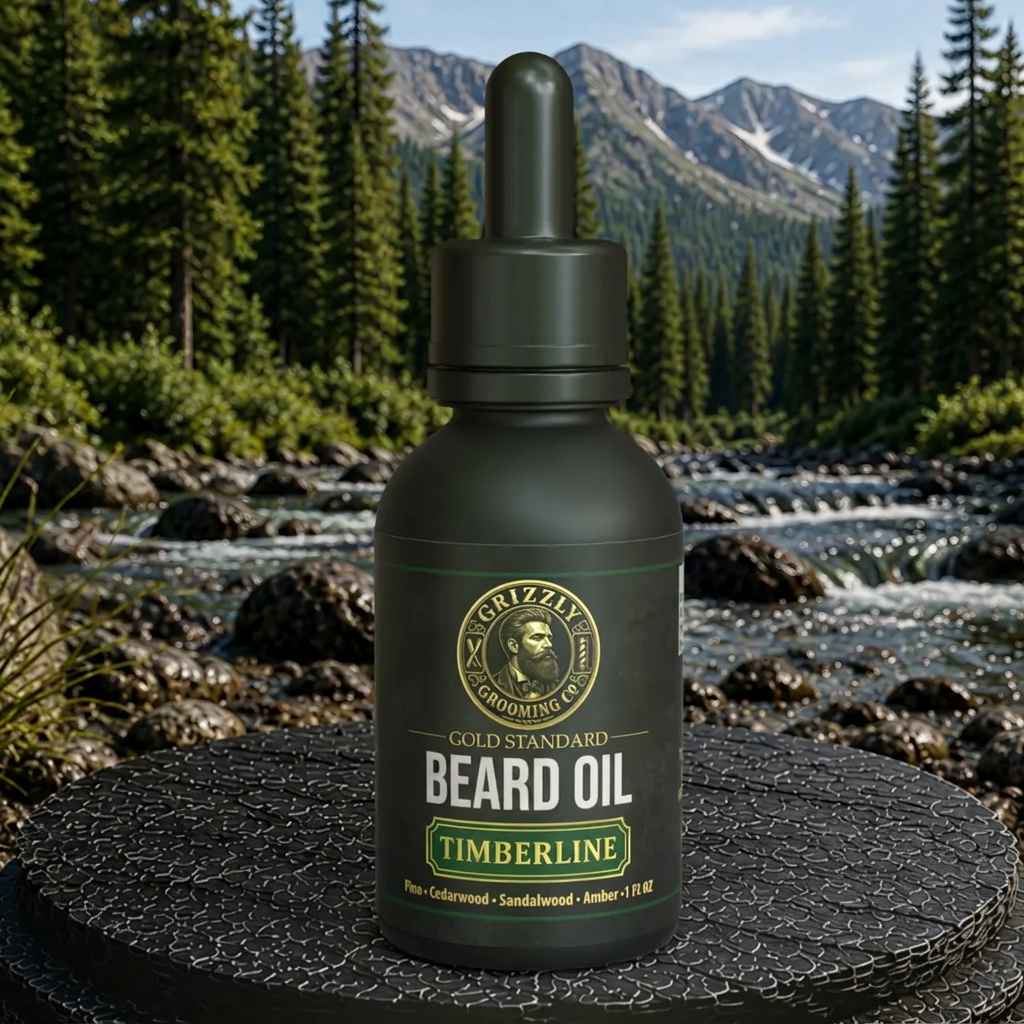
Beard hair wicks moisture away from the skin surface, and in cold weather, this process accelerates. Using a high-quality beard oil ensures the skin beneath the follicles remains hydrated and prevents the dreaded 'beardruff' caused by dry conditions.
How can I tell the difference between dry skin and dehydrated skin?+
Dry skin is a type that lacks oil, while dehydrated skin is a condition where the skin lacks water. If your skin feels tight but still looks oily or breaks out, you are likely dehydrated; if it feels rough and looks dull all over, it is likely dry.
Is it normal for my face to be red after coming in from the cold?+
Yes, this is called vasodilation. Your blood vessels expand rapidly when you transition from cold to warm air. However, if the redness persists, it is a sign that your skin's protective barrier is compromised and needs a richer, more soothing moisturizer.
"Followed the ritual in this article for 6 weeks — beard is thicker, softer, and the itch is gone. My wife keeps stealing my Timberline oil for the smell."

Join The Grizzly Brotherhood
Scent guides, grooming tips, and early access to new drops. No discount bait — just the good stuff.
Unsubscribe anytime · No spam