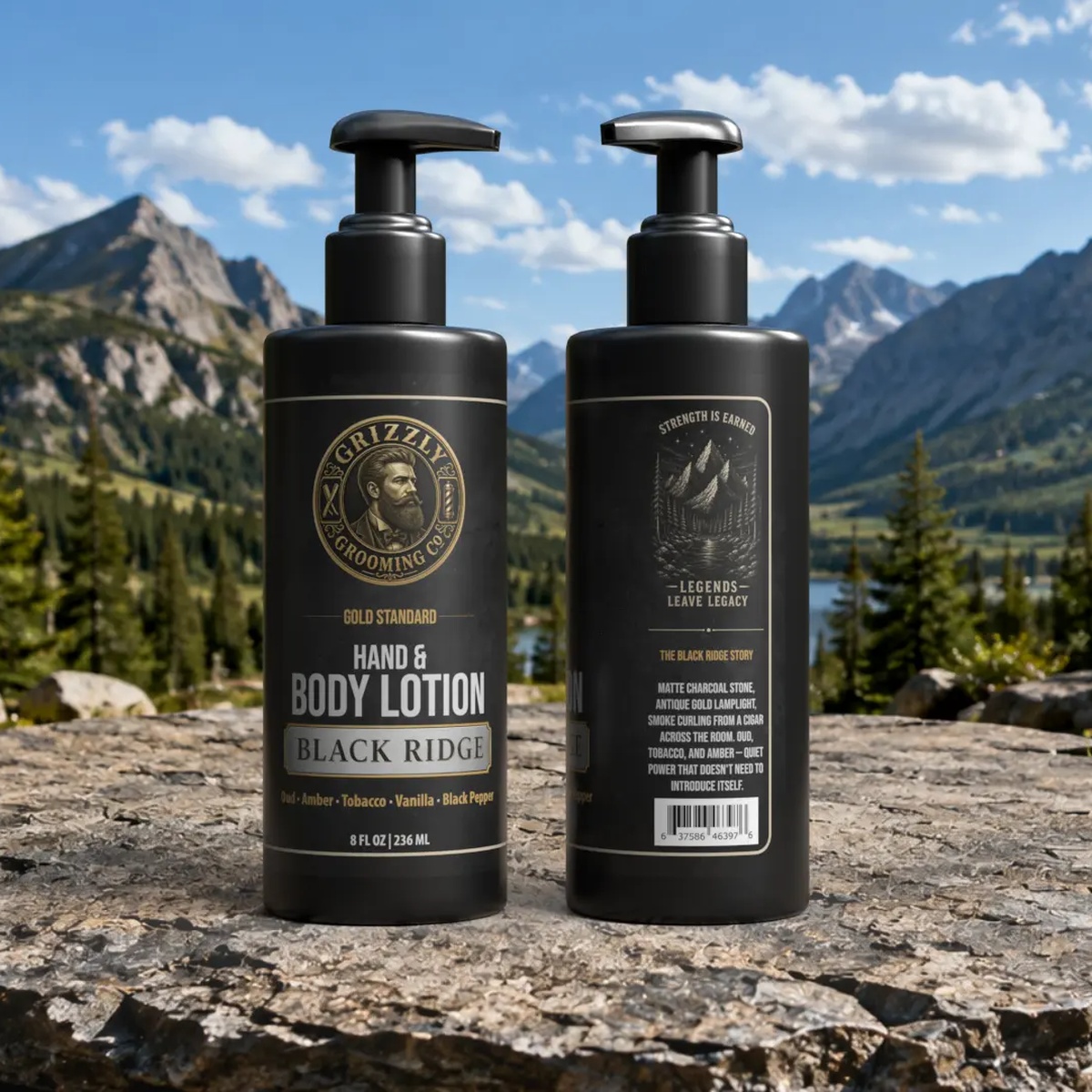
Winter Proofing: How to Manage Dryness, Redness, and Skin Tightness
- ›Lower your water temperature to preserve natural oils.
- ›Layer moisture on damp skin for maximum absorption.
- ›Switch to richer, lipid-heavy creams during the frost.
- ›Protect the skin barrier with daily SPF even in winter.
The Mechanics of Seasonal Dehydration
When the temperature drops, the humidity plummeted alongside it. This environmental shift causes transepidermal water loss, where moisture is literally drawn out of your skin and into the dry air around you.
Compounding the issue is the constant transition between freezing outdoor temperatures and the dry, forced-air heat of indoor spaces. This thermal shock causes the capillaries to expand and contract rapidly, leading to the persistent redness many men experience during January and February.
Temperature Control in the Shower
While a scalding shower feels like the right response to a cold morning, it is often the primary culprit behind flaky skin. Excessive heat dissolves the sebum that acts as your skin's natural waterproof seal.
Shift to lukewarm water for both your face and body. This simple adjustment preserves your lipid barrier, reducing that uncomfortable tight sensation you feel immediately after towel-drying. If your skin feels like it's a size too small for your face, the water was too hot.
The Art of Strategic Layering
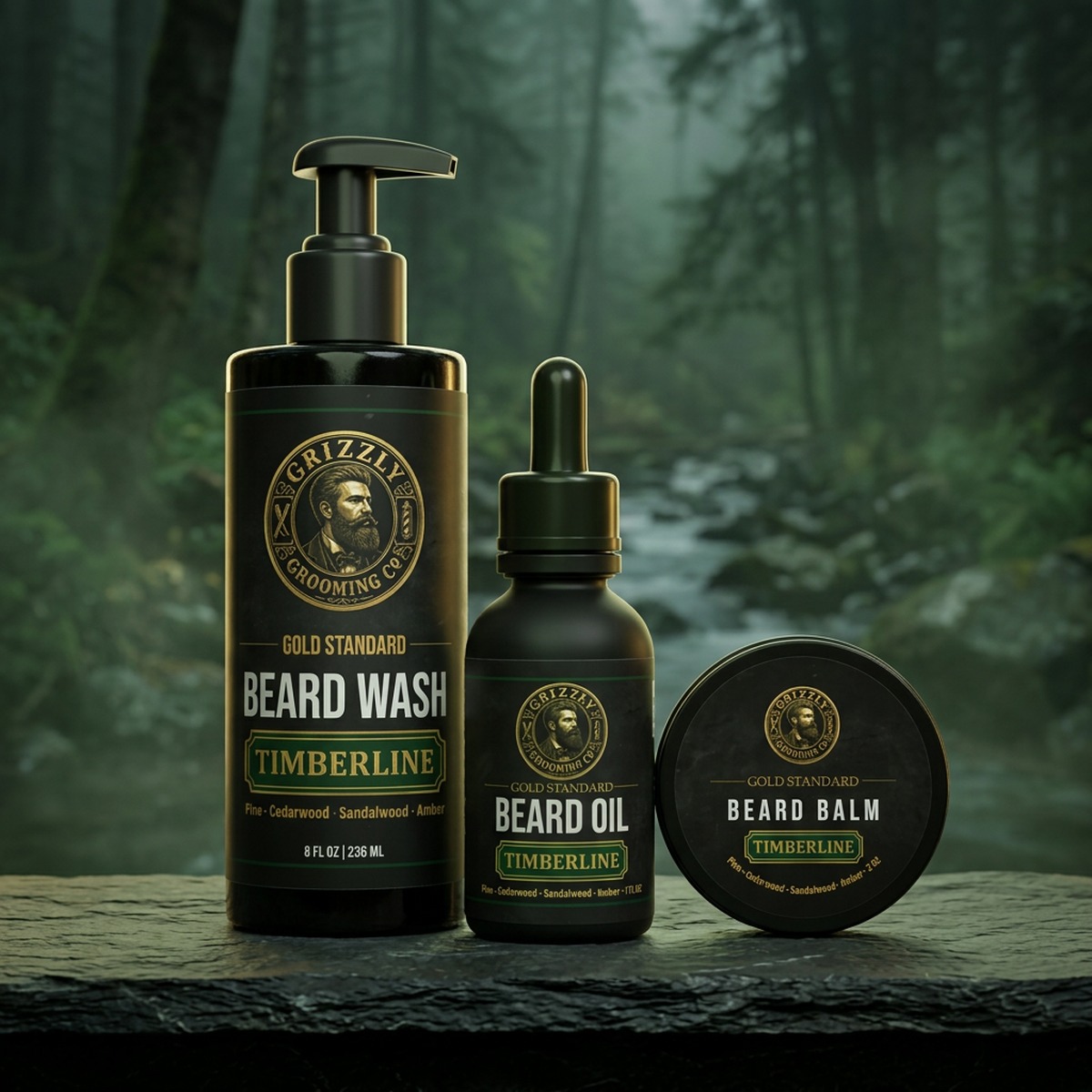
Moisturizing is more than just applying cream; it is about timing. Apply your Grizzly Gold Standard products within sixty seconds of patting your face dry. This traps the residual hydration on the surface before it can evaporate.
In the winter months, look for humectants like glycerin or hyaluronic acid to draw moisture in, followed by occlusives like shea butter or natural oils to lock it there. This two-step approach creates a reliable defense against the wind and snow.
Protecting the Perimeter
Sun damage does not take a winter break. UV rays reflect off snow and ice, hitting your face from multiple angles and further drying out your skin. A daily moisturizer with SPF remains a non-negotiable requirement for the modern professional.
Pay special attention to the beard area. Hair wicks moisture away from the skin, often leaving the jawline prone to flaking. Massaging a few drops of hydrating oil through the beard ensures the skin underneath remains as healthy as the hair above it.
Shift your ritual today and experience the difference that premium, gold-standard hydration makes for your skin.
Frequently Asked Questions
Why does my face get red when I come inside from the cold?+
This is likely caused by vasodilation. Your blood vessels constrict in the cold to preserve heat and then rapidly expand when you enter a warm room, leading to a flushed appearance. Keeping the skin barrier hydrated can help minimize this sensitivity.
Should I exfoliate if my skin is peeling in winter?+
Tread carefully. While it is tempting to scrub away flakes, over-exfoliating can damage an already compromised barrier. Stick to a gentle chemical exfoliant once a week rather than harsh physical scrubs.
Is beard oil enough to stop skin flaking under my facial hair?+
Beard oil is excellent for the hair, but for the skin underneath, you may need a dedicated moisturizer or a thicker balm during peak winter. Ensure you are massaging the product down to the root to treat the skin directly.
"Bought the kit after reading this. First product line that actually did what it said. I'm on subscribe now, never going back."

Join The Grizzly Brotherhood
Scent guides, grooming tips, and early access to new drops. No discount bait — just the good stuff.
Unsubscribe anytime · No spam