The Editorial Guide to Hydration: Why Your Skin Is Your Best Indicator
- ›Hydration is about water retention, not just oil production.
- ›Dehydrated skin often presents as fine lines and a dull, greyish tone.
- ›A consistent routine prevents the transepidermal water loss that causes aging.
- ›Internal water intake is necessary but insufficient without topical support.
- ›Quality ingredients like hyaluronic acid are foundational to skin health.
The Distinction Between Dry and Dehydrated
The most common error in men's grooming is conflating dry skin with dehydrated skin. Dry skin is a skin type characterized by a lack of natural oils, whereas dehydration is a temporary condition where the skin lacks water. Even those with oily skin can suffer from significant dehydration.
When your skin is dehydrated, it loses its elasticity and can look sallow. Identifying which issue you are facing determines the corrective measures you must take; one requires lipids, the other requires moisture retention.
Visual Cues of Dermal Thirst
Your skin acts as a dashboard for your internal health. Dehydration often manifests as 'shadowing' under the eyes or a sudden prominence of fine lines around the forehead and mouth. If your skin feels tight after a shower or looks dull in natural light, your moisture barrier is likely compromised.
A simple way to test for dehydration is the pinch test. Gently pinch the skin on the back of your hand or your cheek; if it doesn't snap back instantly, your hydration levels are suboptimal. This lack of resilience is a precursor to premature aging and irritation.
The Architecture of a Hydration Routine
Maintaining a sophisticated appearance requires more than just drinking water. You must implement topical solutions that lock in moisture. This starts with a gentle cleanser that doesn't strip away the acid mantle, followed by a serum containing humectants like hyaluronic acid.
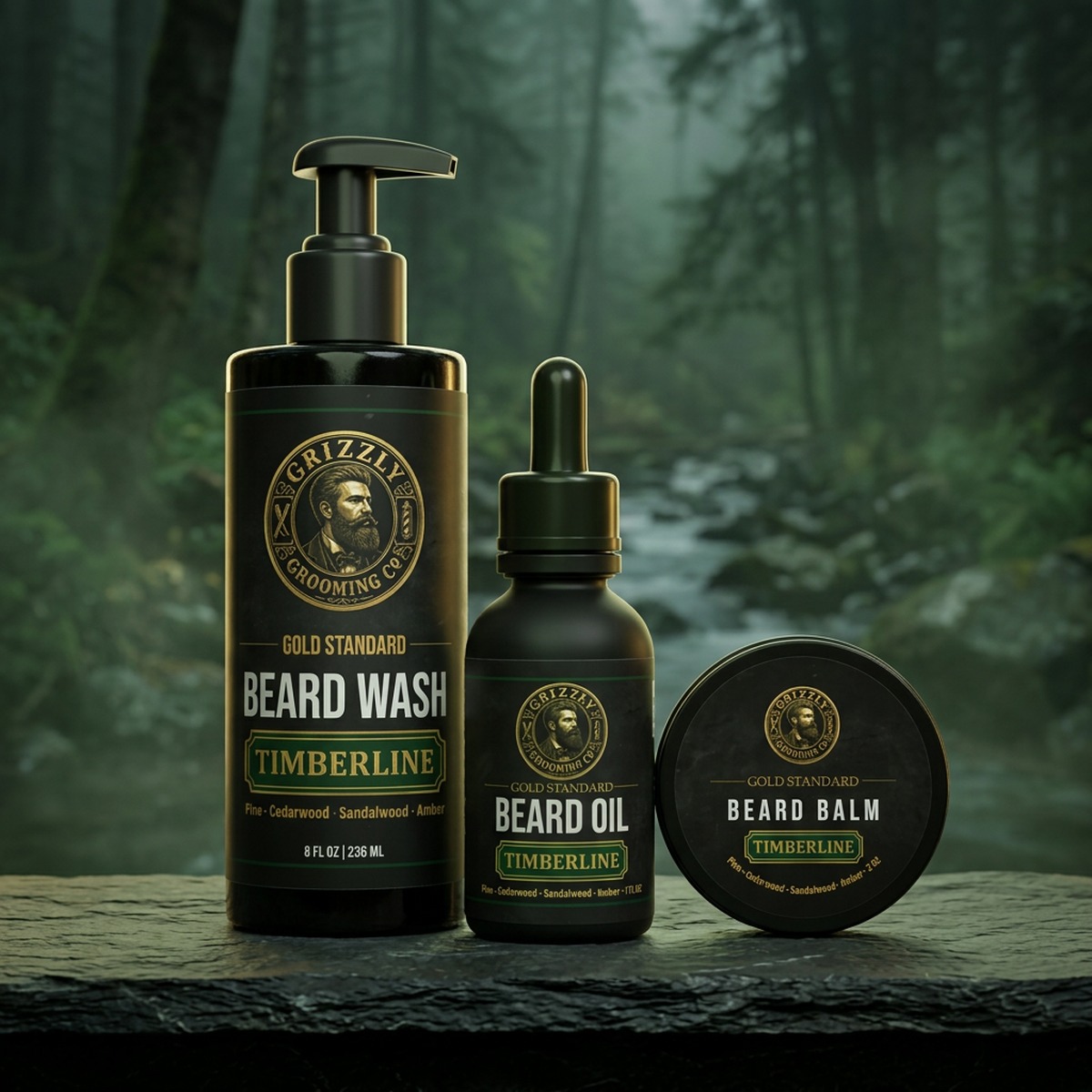
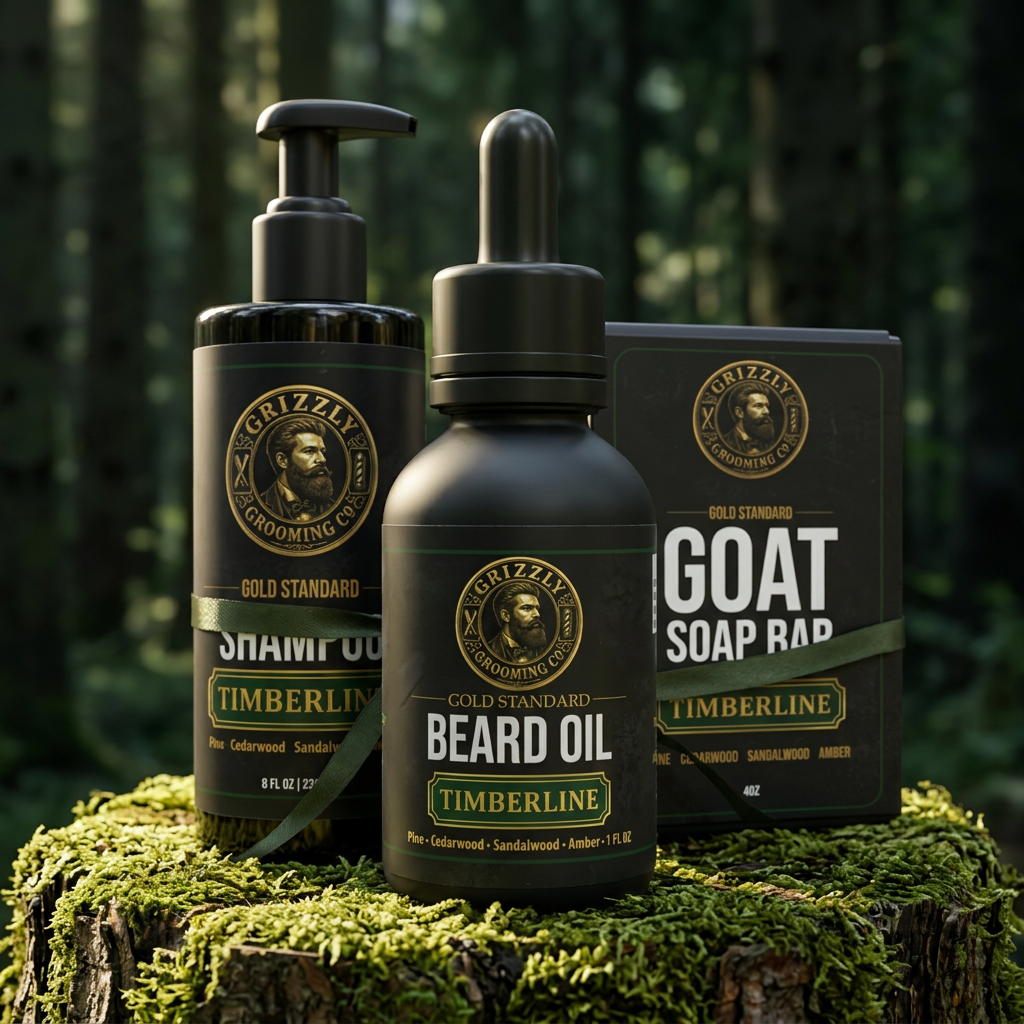
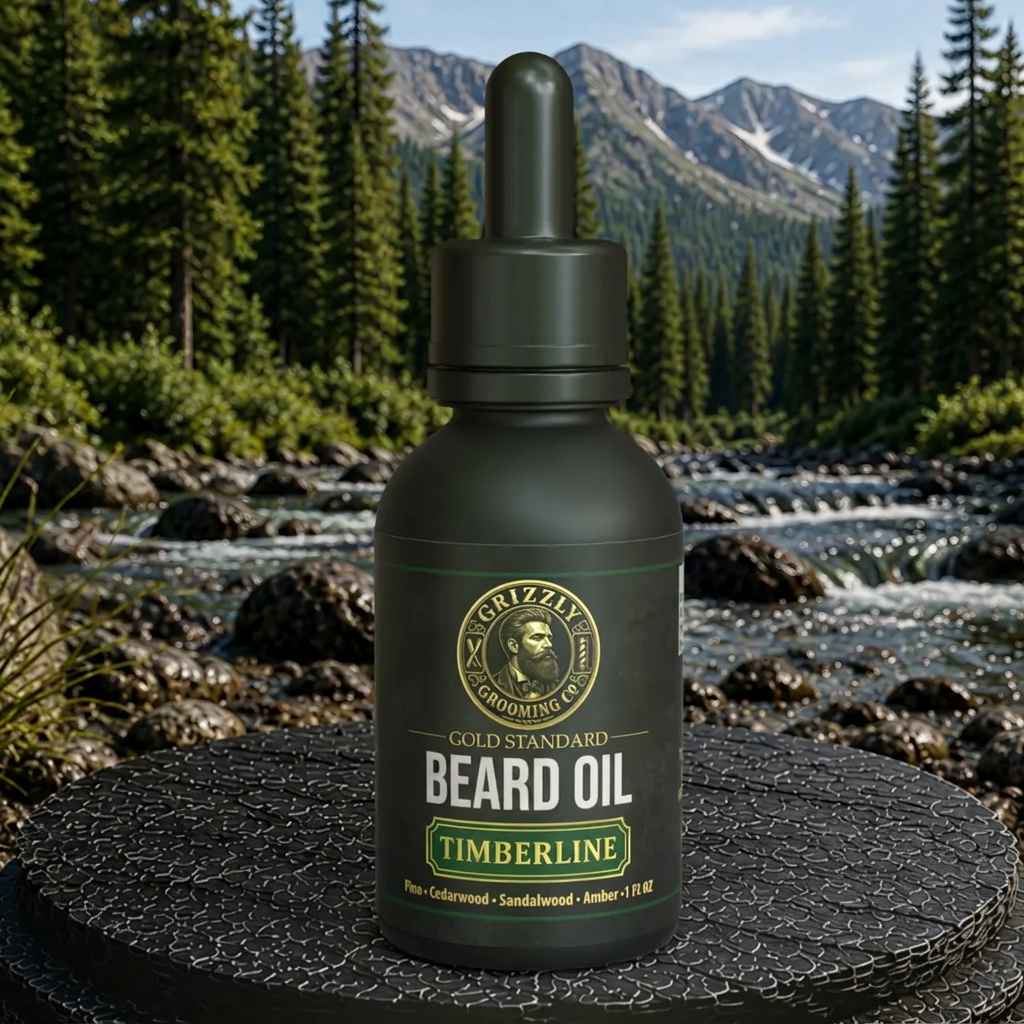
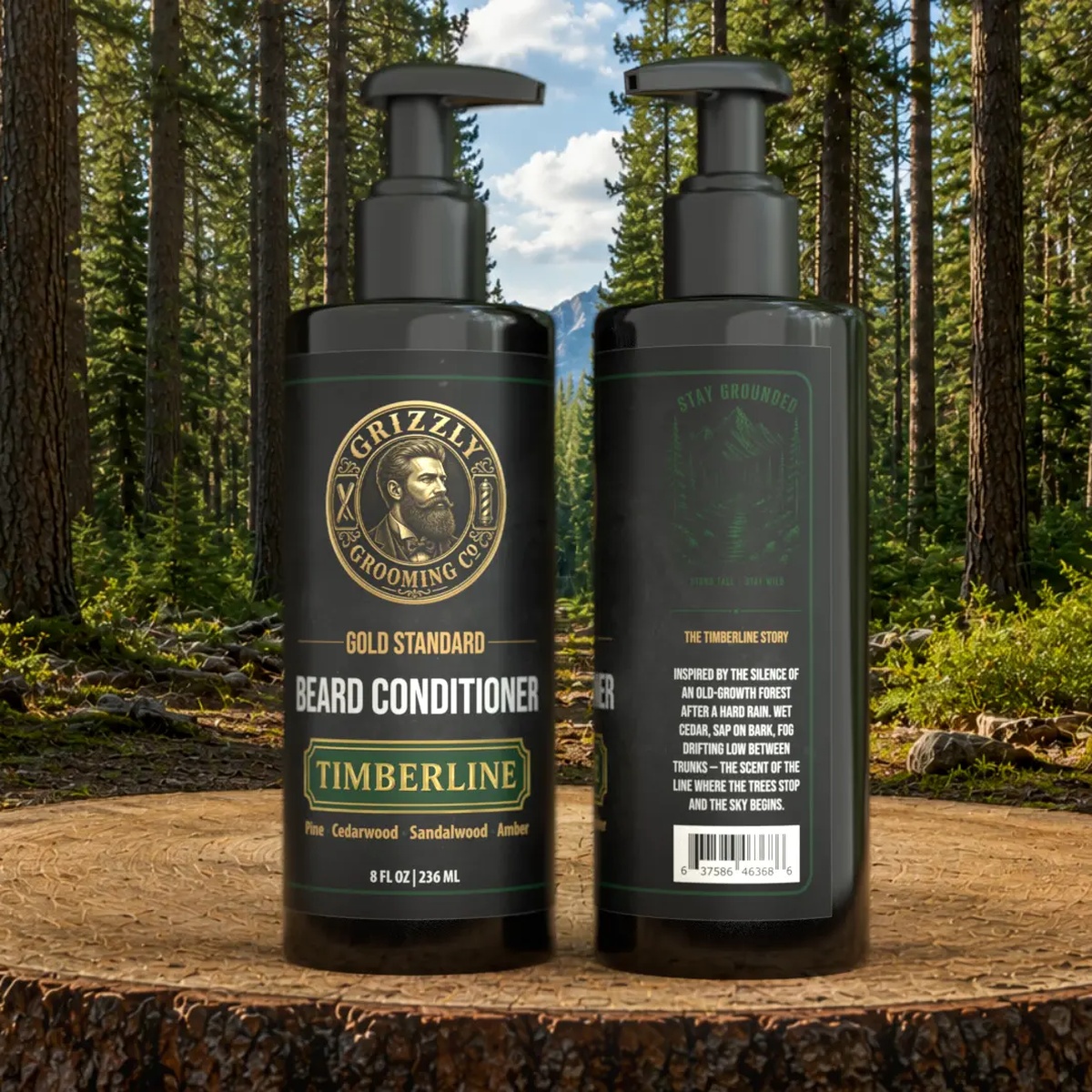
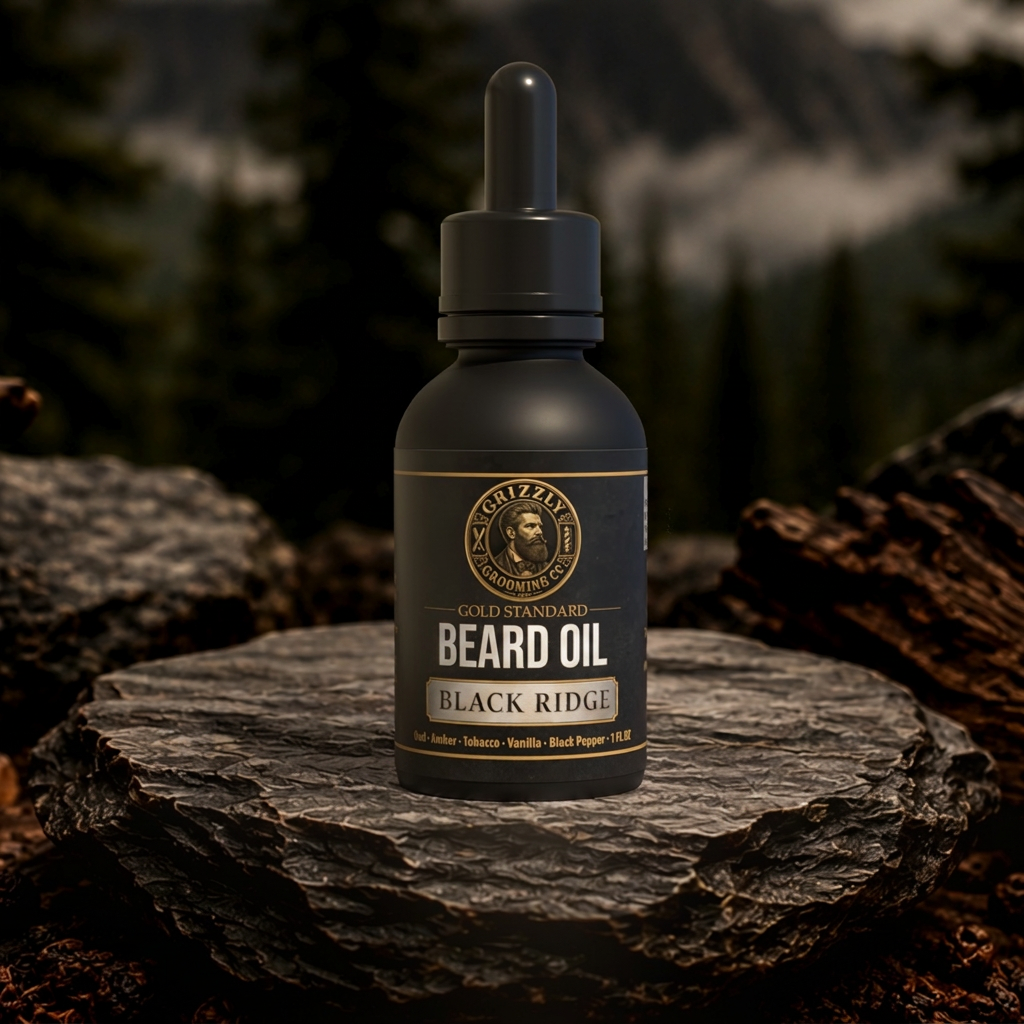
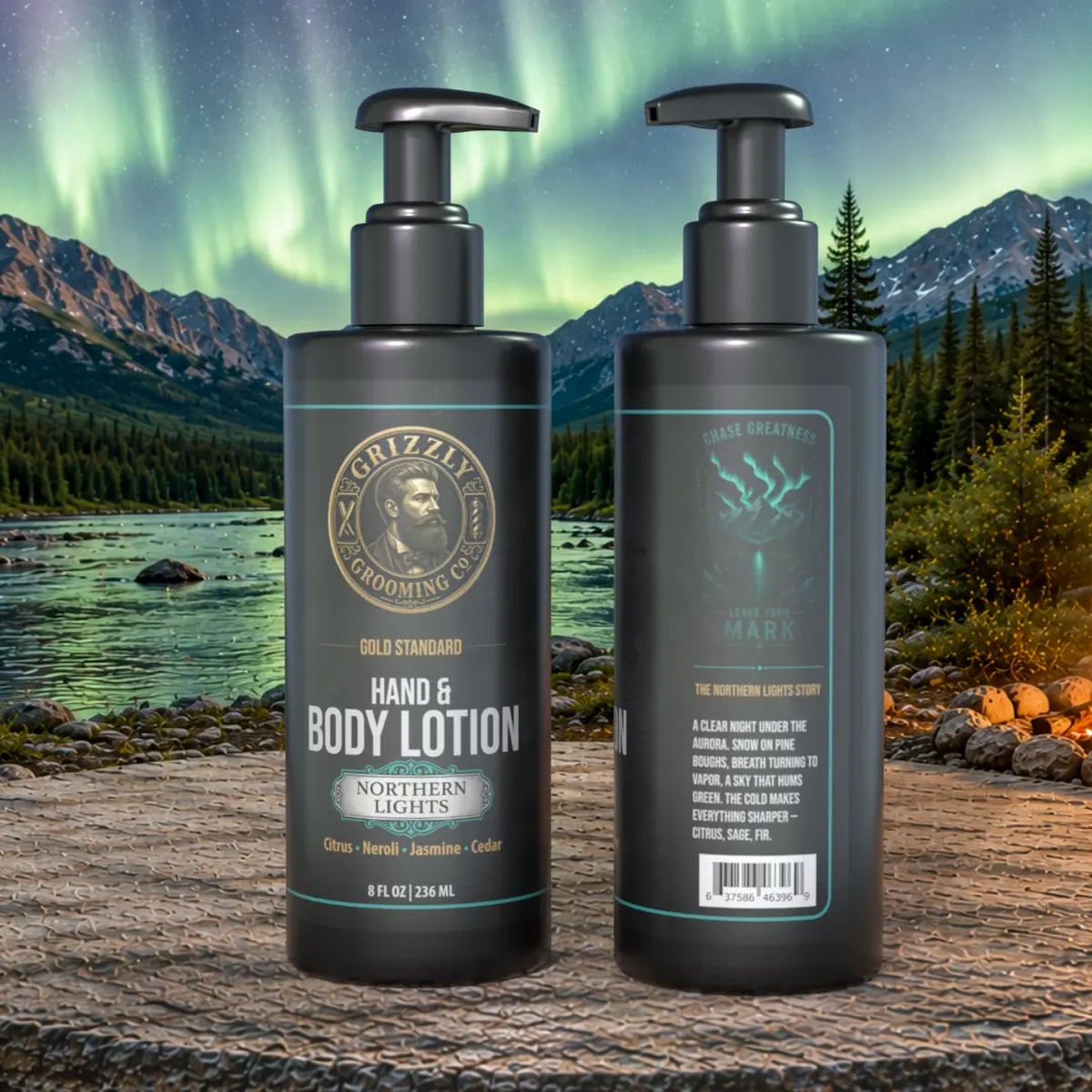
The final step is an occlusive layer—a high-quality moisturizer or oil that seals the previous products in. Grizzly Gold Standard formulations are designed to provide this barrier without the heavy, greasy residue often found in lower-tier products. This layer prevents transepidermal water loss throughout the day.
Lifestyle Factors and Environmental Stress
External elements are often the primary thieves of hydration. Air conditioning, central heating, and wind exposure all accelerate moisture evaporation from the skin surface. Alcohol and caffeine consumption also play a role, acting as diuretics that pull water away from your vital organs and skin.
To counteract these effects, consider the environment in which you spend the most time. If you work in a climate-controlled office, your skin requires more frequent attention. Consistency is the hallmark of the well-groomed man; a morning and evening ritual ensures your skin remains resilient against these daily stressors.
The Role of Diet and Internal Health
While topical care is essential, the foundation of skin health is internal. Consuming water-rich foods like cucumber, watermelon, and leafy greens provides a slow-release form of hydration that the body utilizes more efficiently than plain water alone.
Essential fatty acids found in fish and walnuts also strengthen the cell membranes, helping your skin retain the water you consume. When internal health and external care align, the result is a complexion that looks vibrant and feels firm to the touch.
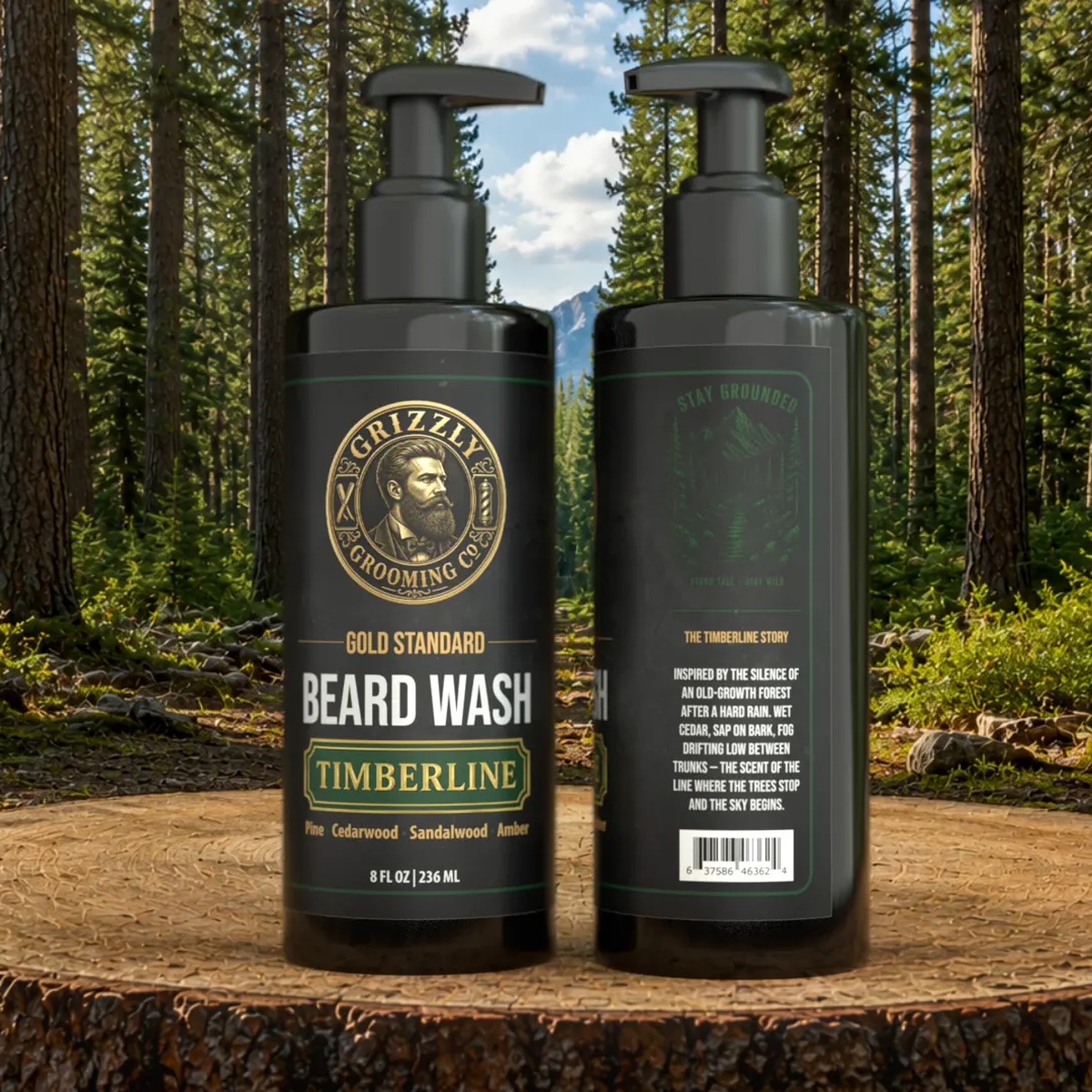
Experience the difference that professional-grade hydration makes by integrating the Grizzly ritual into your daily life.
Frequently Asked Questions
How much water should I actually drink for my skin?+
While the common advice is eight glasses a day, your specific needs depend on your activity level and climate. Aim for enough intake so that you rarely feel thirsty, as thirst is a late-stage signal of dehydration.
Can oily skin still be dehydrated?+
Yes, and it frequently is. When oily skin lacks water, it often overcompensates by producing even more oil to protect the surface, leading to a cycle of breakouts and shine that can only be broken by proper hydration.
When is the best time to apply moisturizer?+
The most effective time is immediately after showering or washing your face while the skin is still slightly damp. This allows the product to trap the moisture already on the surface of your skin for deeper absorption.
"The step-by-step here made it stupid simple. Ordered the bundle, four weeks in the compliments haven't stopped."

Join The Grizzly Brotherhood
Scent guides, grooming tips, and early access to new drops. No discount bait — just the good stuff.
Unsubscribe anytime · No spam
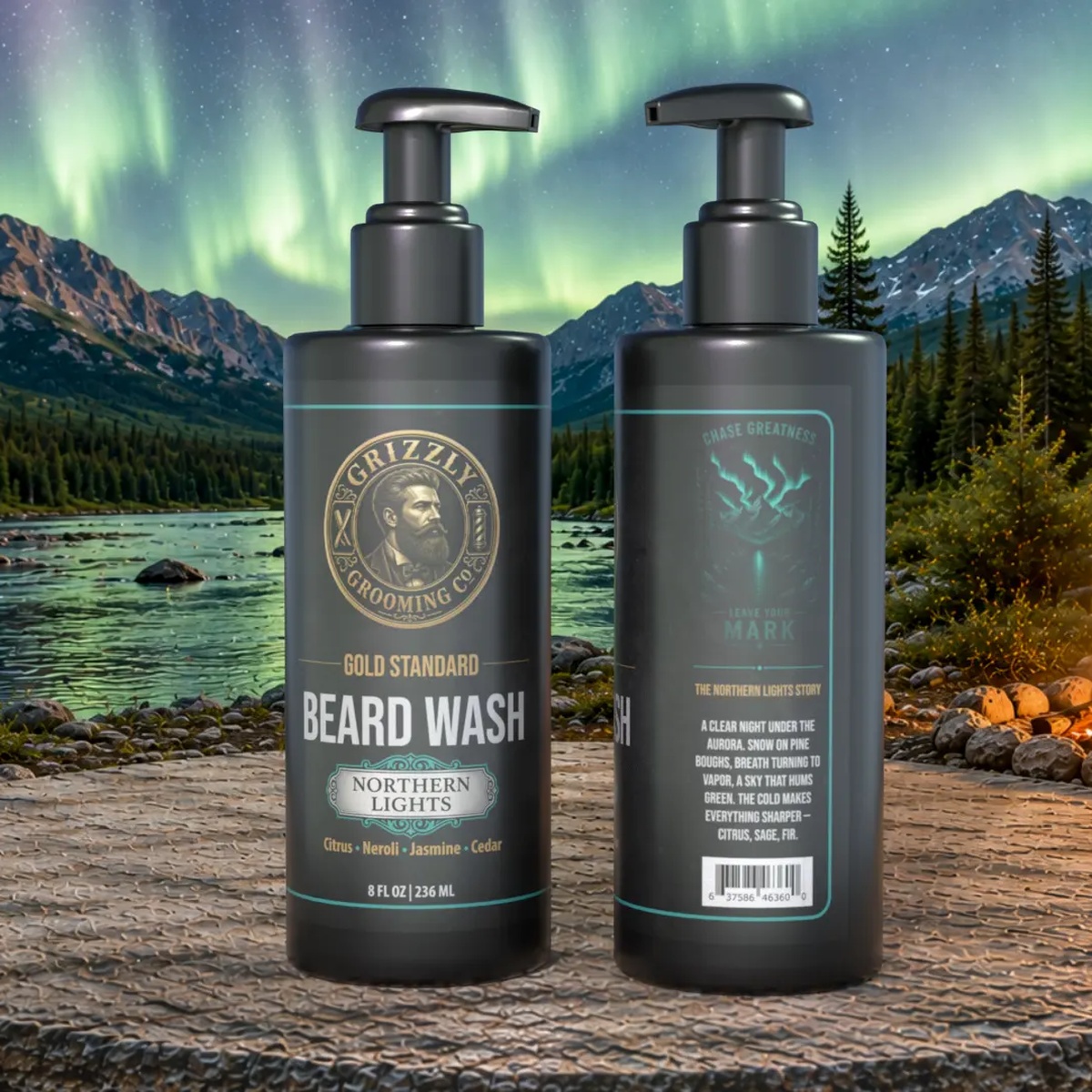
Get Gold Standard Beard Wash
- Everything in this article, one click.
- Free shipping on orders over $75.
- 30-day money-back guarantee.