The Discerning Man's Guide to Sourcing High-Quality Beard Oil
- ›Prioritize cold-pressed carrier oils like jojoba and argan over synthetic fillers.
- ›Avoid products listing 'fragrance' or 'parfum' without disclosing natural origins.
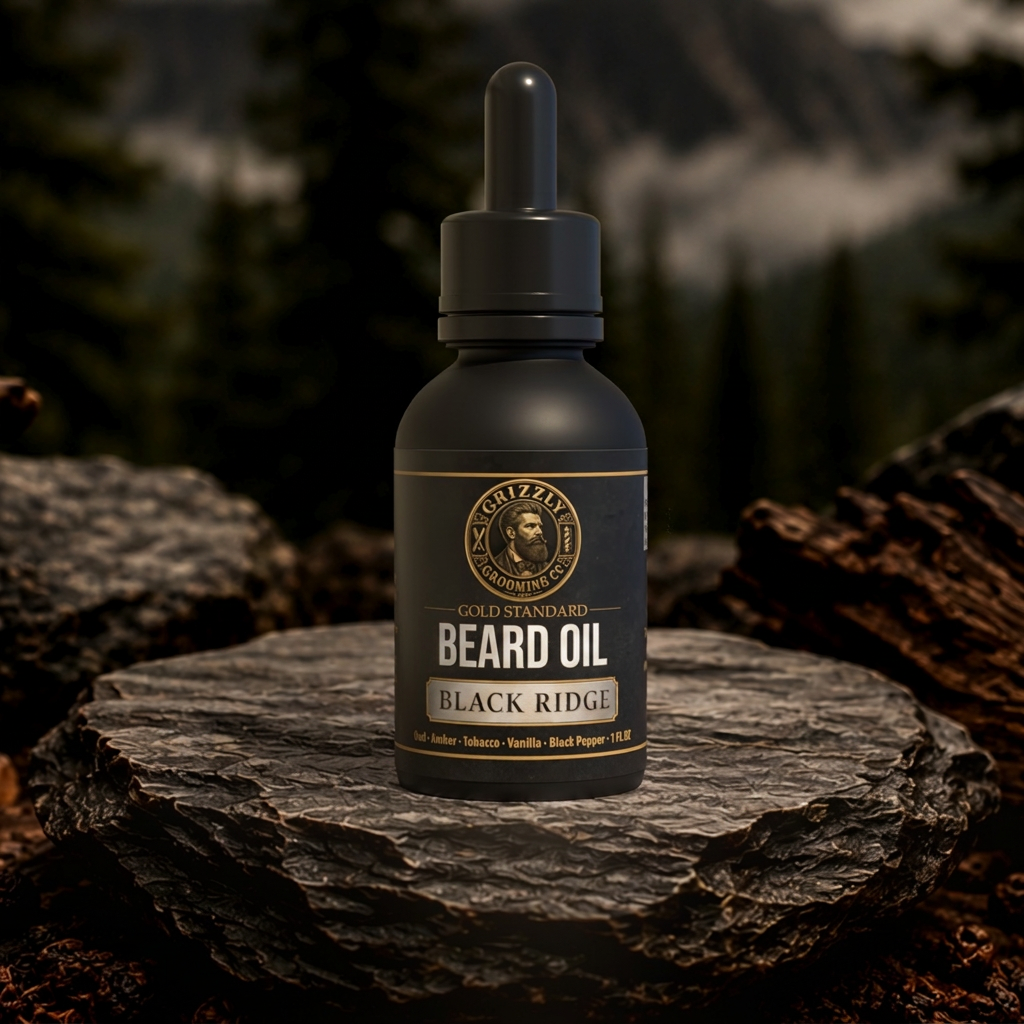
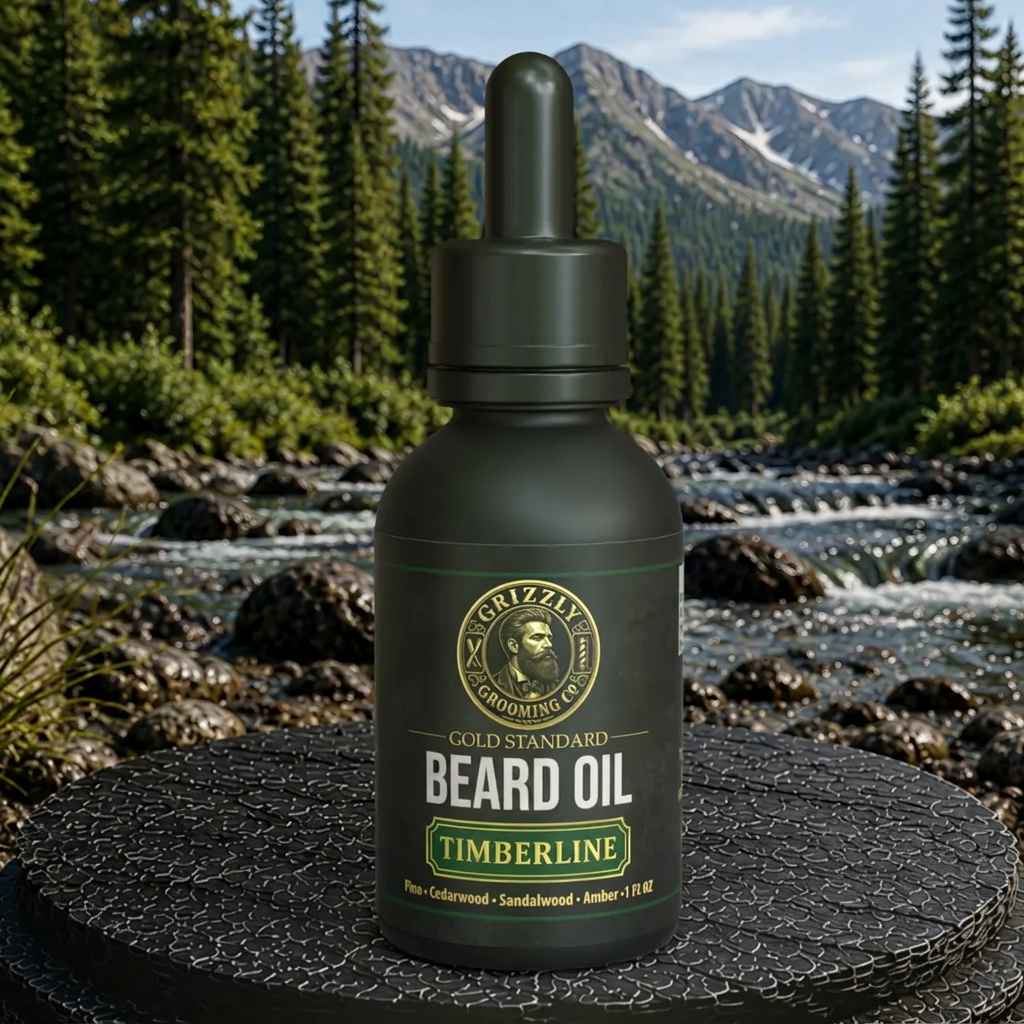
- ›Dark glass packaging is essential to protect the integrity of botanical oils.
- ›Consistency should be viscous and absorbent, never greasy or overly thin.
- ›Price often reflects the purity and sourcing of the botanical extracts used.
The Red Flags of Mass-Market Manufacturing
The beard care industry is currently flooded with opportunistic brands looking to capitalize on a trend. Many of these products are little more than scented mineral oil, which sits on the surface of the hair without providing any genuine nourishment to the follicle or the skin beneath.
When shopping, your first move should be to ignore the front-of-bottle marketing. Terms like 'all-natural' are not strictly regulated in the grooming space. Flip the bottle and look for synthetic silicones like dimethicone, which provide a temporary shine but lead to long-term dehydration and buildup.
A premium oil will rely on the inherent properties of its ingredients rather than chemical additives to achieve its texture. If the list is a string of unpronounceable lab-made compounds, it belongs on a shelf, not on your face.
Decoding the Carrier Oil Hierarchy
The foundation of any reputable beard oil is the carrier oil blend. High-end formulations utilize oils that mimic the skin's natural sebum, such as jojoba or sweet almond oil. These are easily absorbed and work to regulate the skin's moisture levels throughout the day.
Argan oil is another gold standard, prized for its high vitamin E content and ability to soften coarse beard hair. However, many brands dilute these expensive ingredients with cheap alternatives like sunflower or canola oil to keep costs low while still claiming the premium ingredients on the label.
Look for a blend where the nutrient-dense oils are listed first. If your 'Argan Beard Oil' lists argan as the fifth or sixth ingredient, you are paying a premium for a product that is mostly filler.
The Scent and Stability Factor
Scent is an integral part of the grooming ritual, but it is also where many brands cut corners. Synthetic fragrances can contain hundreds of undisclosed chemicals that cause skin irritation and 'beardruff.' A discerning man looks for essential oils or high-grade natural isolates.
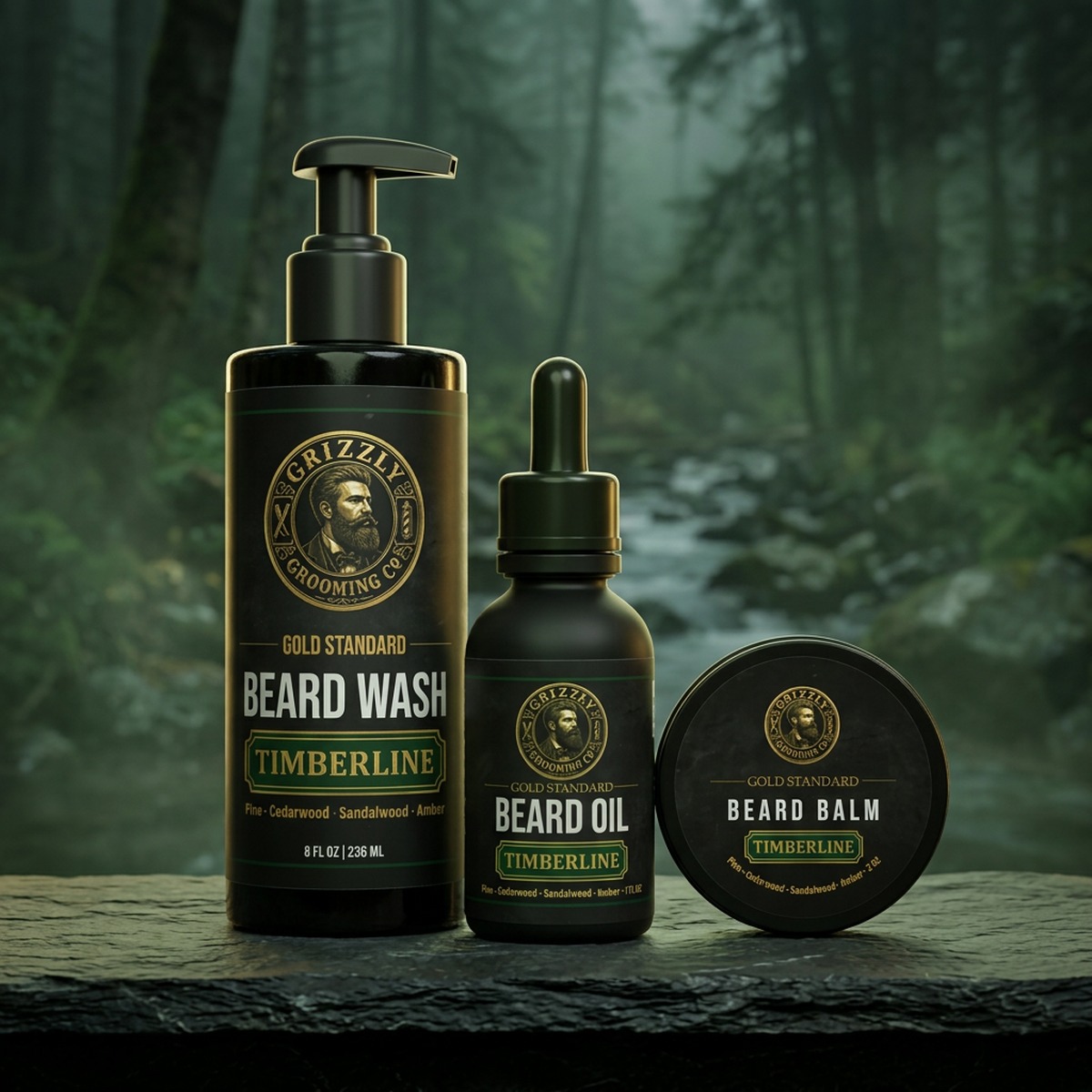
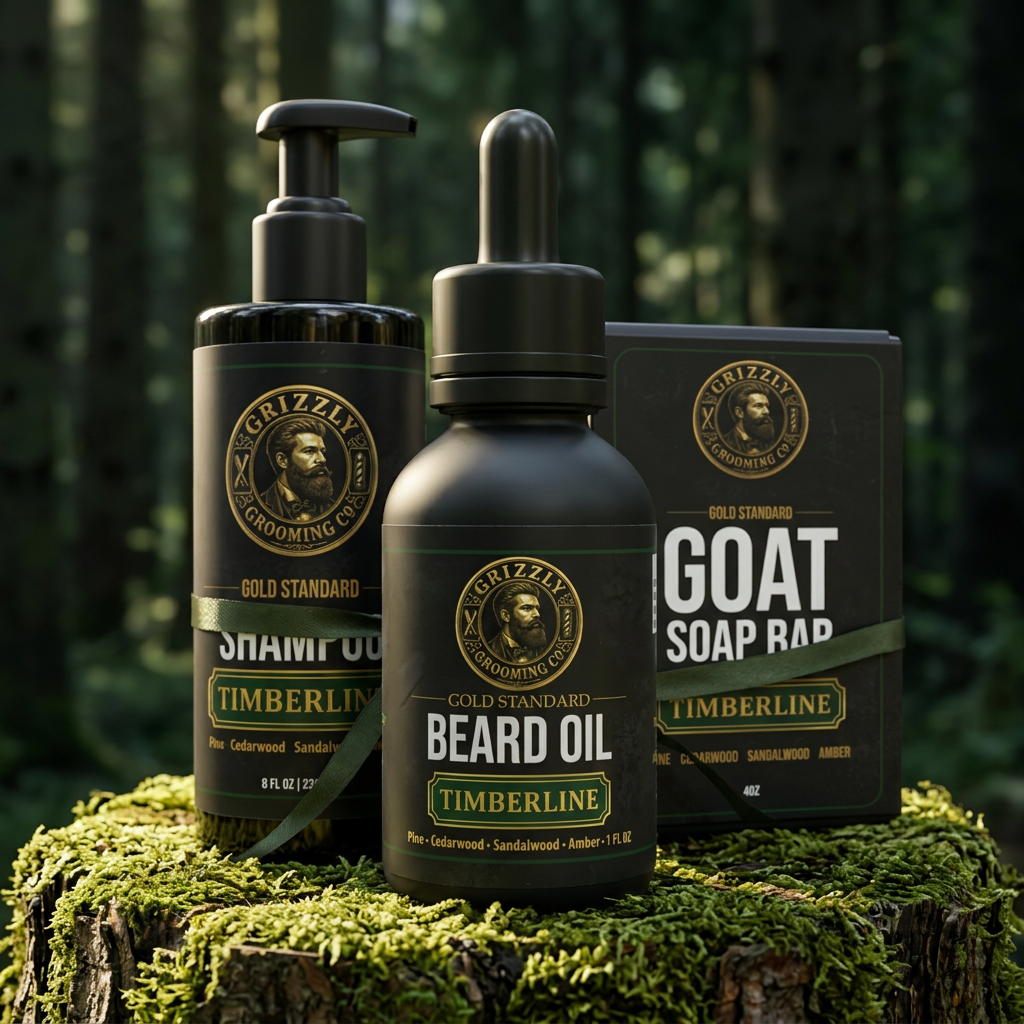
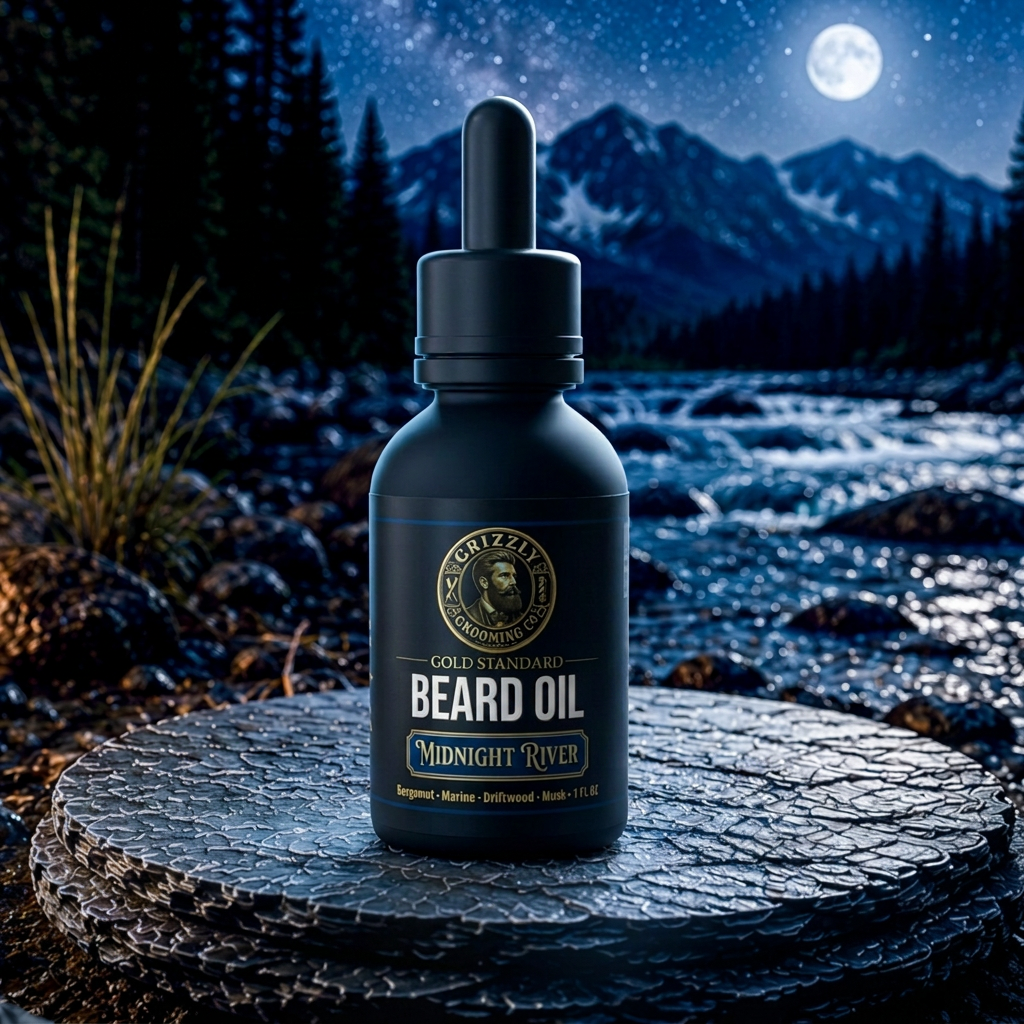
The packaging is equally important to the oil's efficacy. Essential oils are light-sensitive and will oxidize—becoming rancid and losing their benefits—if exposed to UV rays. Professional-grade oils will always be housed in amber, cobalt, or violet glass bottles.
If you see beard oil sold in clear plastic containers, it is a sign that the brand prioritizes aesthetics or cost-cutting over the longevity and health of the product inside.
Defining Value Beyond the Price Tag
Cost is often an indicator of quality, though it is not the only metric. A thirty-dollar bottle of oil that lasts three months and improves skin health is a better investment than a ten-dollar drugstore alternative that causes breakouts and requires twice as much product per application.
The Grizzly Gold Standard focuses on the ratio of active ingredients to ensure that every drop serves a purpose. High-quality oils have a higher viscosity; they should feel substantial between your palms but disappear into the beard within minutes without leaving a tacky residue.
Ultimately, shopping for beard oil is an exercise in intentionality. By understanding what goes into the bottle, you ensure that your grooming routine remains a refined ritual rather than a chore fueled by subpar chemicals.
Elevate your grooming ritual with formulations designed for the man who refuses to compromise on quality.
Frequently Asked Questions
Why is my beard oil making my skin break out?+
Breakouts are usually caused by comedogenic filler oils or synthetic fragrances. Look for non-comedogenic bases like jojoba oil, which helps balance oil production rather than clogging pores.
How can I tell if a beard oil has gone bad?+
If the oil develops a sour, metallic, or 'crayony' smell, it has likely oxidized. This happens when the oil is stored in clear bottles or kept in direct sunlight for too long.
Is a higher price always better for beard care?+
Not necessarily, but sourcing cold-pressed organic oils is expensive. A very low price usually indicates the presence of cheap fillers or synthetic chemicals that lack therapeutic value.
"Followed the ritual in this article for 6 weeks — beard is thicker, softer, and the itch is gone. My wife keeps stealing my Timberline oil for the smell."
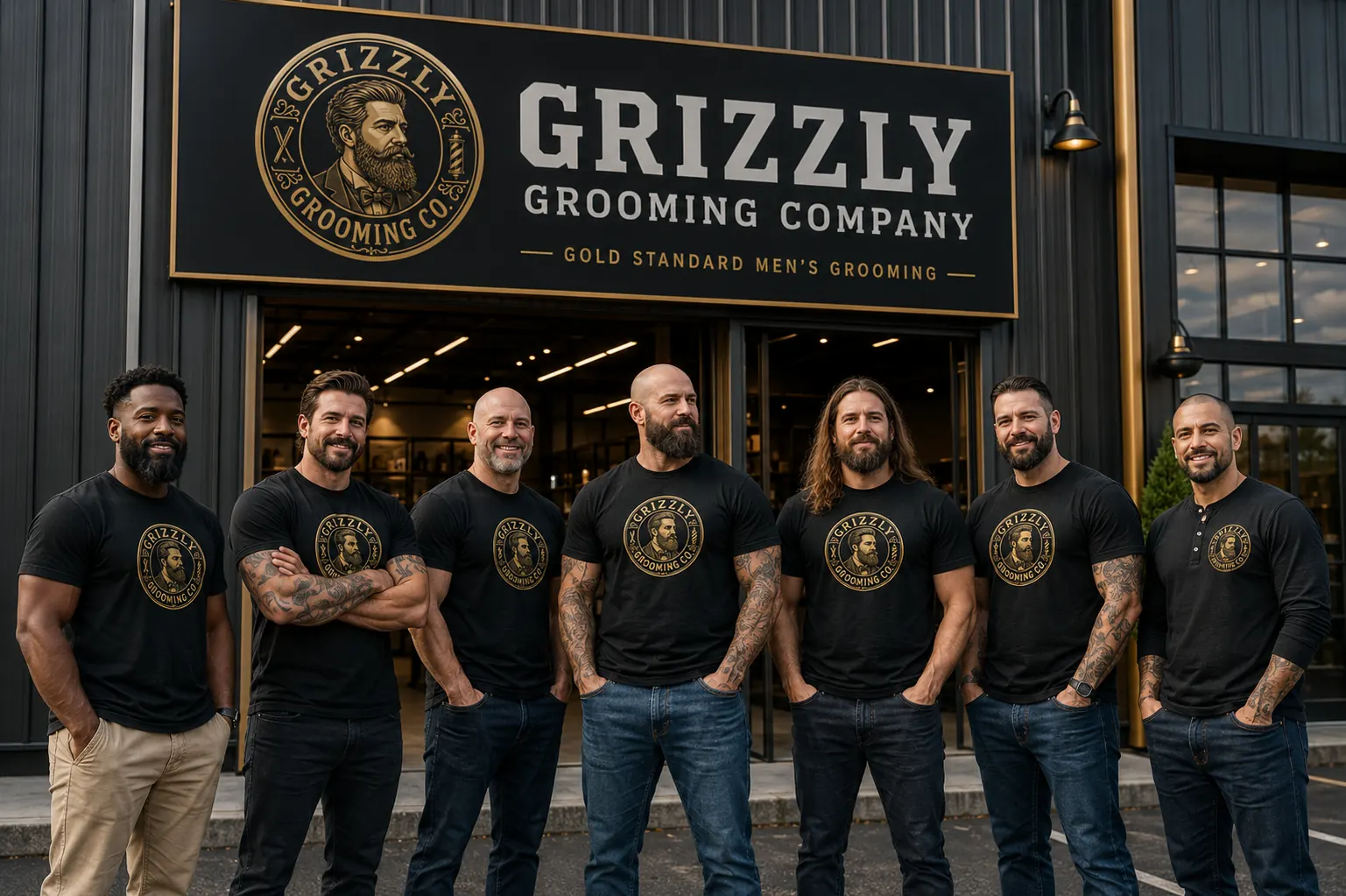
Join The Grizzly Brotherhood
Scent guides, grooming tips, and early access to new drops. No discount bait — just the good stuff.
Unsubscribe anytime · No spam
Get Gold Standard Beard Oil
- Everything in this article, one click.
- Free shipping on orders over $75.
- 30-day money-back guarantee.