Beard Brush Vs Comb: What Each Actually Does, And When You Need Both
- ›Brush (boar bristle) = distribute oils, exfoliate skin, add texture — best on dry beards.
- ›Comb = detangle, style, train direction — best on damp beards after product.
- ›Brush daily as a health tool; comb after products to shape.
- ›Neither replaces the other — most well-groomed beards use both routinely.
Ask ten men about brush vs comb and you get ten different answers. Here's what actually matters: they do different jobs, and skipping either leaves your beard underperforming.
What a boar bristle brush actually does
Natural boar bristles are similar in structure to hair itself. Brushing pulls sebum and applied oils from the roots down the length of each strand — natural distribution no other tool matches. It also gently exfoliates the skin underneath, dislodging flakes before they build up. And it trains the beard: consistent brushing in one direction over weeks teaches hair to lie that way.
What a comb actually does
A comb separates hairs individually to detangle, style, and shape. Combs are the right tool after applying beard oil or balm — they distribute product evenly through the length and set the direction you want the beard to lie. Wide teeth for detangling; fine teeth for styling and clean lines.
Use the brush when
Daily, on a dry beard, before applying products. This is the health ritual — distributes natural oils, exfoliates skin, stimulates blood flow. 60 seconds is enough. Also useful for touching up during the day to redistribute oils and knock the beard back into shape without adding more product.
Use the comb when
After washing (damp beard, wide-tooth to detangle without breaking wet hair), and after applying oil or balm (to work product through evenly and set the shape). Fine-tooth combs are for styling the mustache and creating crisp edges.
Why both, not either
The brush handles skin health and oil distribution — the comb handles styling and product application. A comb-only ritual leaves beard skin under-exfoliated and natural oils poorly distributed. A brush-only ritual can't shape the beard or work product in evenly. Together, they cover the full grooming cycle.
Buying guidance
Brush: 100% first-cut boar bristle, firm density (not soft — soft bristles don't reach the skin on longer beards). $20–40 is a fine range; more than that is craftsmanship not performance. Comb: sawcut sandalwood or cellulose acetate. Skip cheap plastic — molded seams snag hair and cause breakage. A good comb costs $15–30 and lasts a decade.
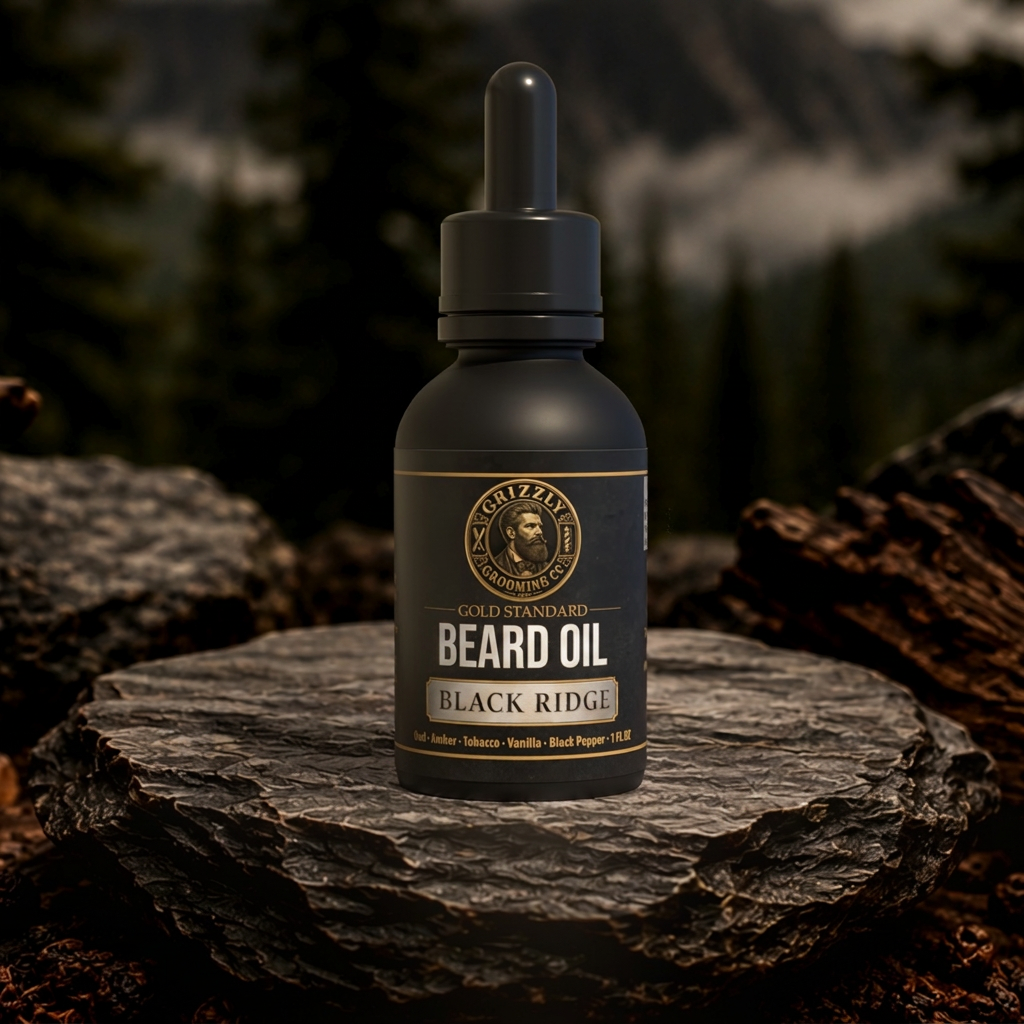
Essential Kit — Black Ridge: kit built for a full grooming cycle; pair with a boar bristle brush for the complete tool set.
Frequently Asked Questions
How often should I brush my beard?+
Once daily is the sweet spot. Twice on days you want extra oil distribution. Over-brushing (5+ times a day) can cause breakage, especially in fine hair.
Can I use my head hair brush on my beard?+
Only if it's a boar bristle brush at the right size for the beard. Nylon-bristle brushes and paddle brushes are too aggressive for facial hair and skin — they cause breakage and irritation.
Wet or dry brushing?+
Dry only. Wet hair is elastic and prone to breakage under bristle tension. Comb wet, brush dry.
How do I clean a boar bristle brush?+
Every week or two, comb out trapped hair, then swirl the bristles in a bowl of warm water with a drop of beard wash. Rinse, shake out water, bristles down on a towel to dry overnight. Never soak the wood handle.
"The step-by-step here made it stupid simple. Ordered the bundle, four weeks in the compliments haven't stopped."
Join The Grizzly Brotherhood
Scent guides, grooming tips, and early access to new drops. No discount bait — just the good stuff.
Unsubscribe anytime · No spam
Get Gold Standard Beard Essential Kit
- Everything in this article, one click.
- Free shipping on orders over $75.
- 30-day money-back guarantee.