Winter Beard Care: How to Prevent Cold Weather Dryness and Damage
The transition to colder months presents a distinct challenge for facial hair, as low humidity and biting winds strip moisture from the hair cuticle. Without a focused shift in your grooming ritual, a healthy beard can quickly become brittle, prone to split ends, and itchy. Maintaining a resilient beard in winter requires a disciplined approach to hydration and environmental protection.
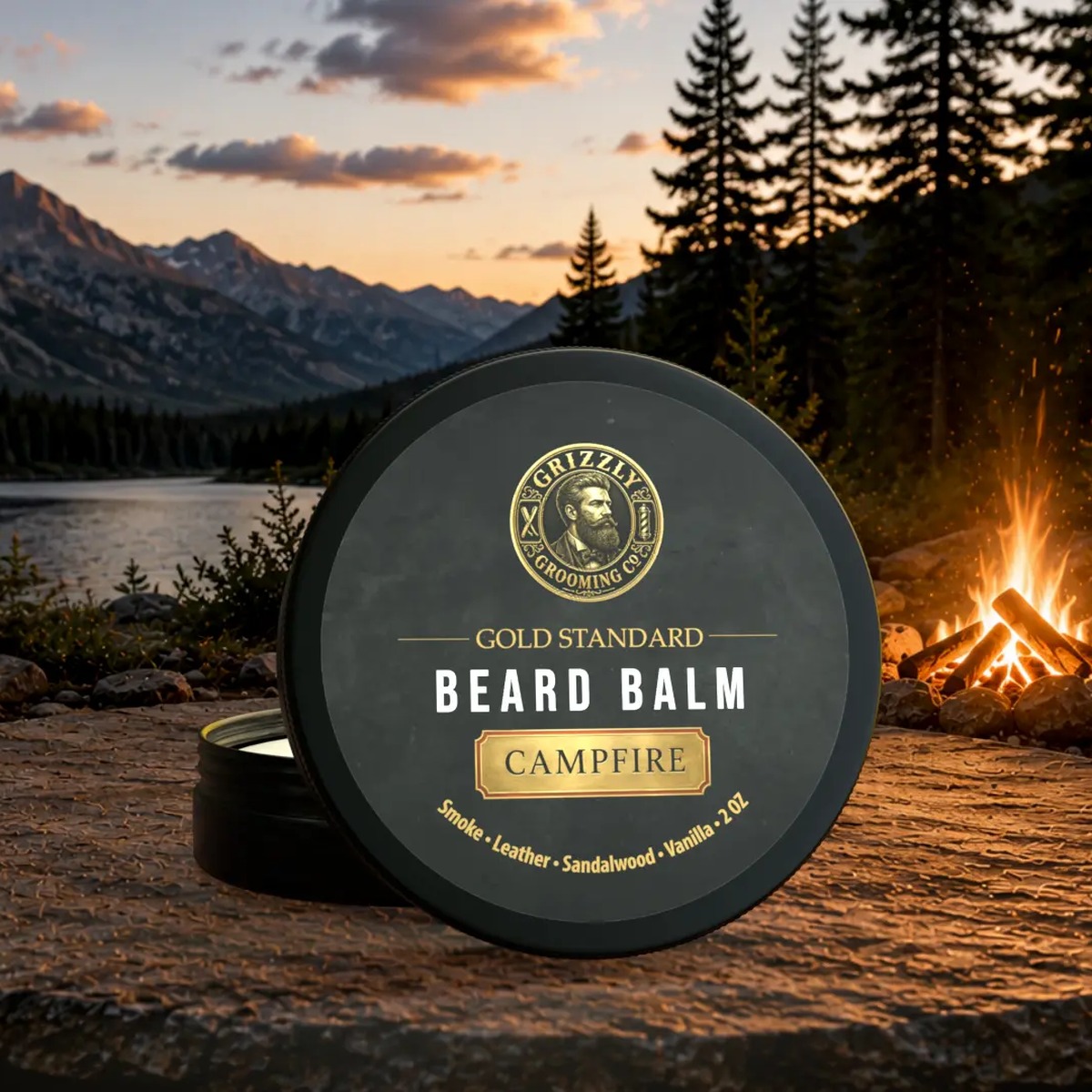
- ›Switch to a heavy-duty beard balm to create a physical barrier against wind.
- ›Lower your water temperature to prevent stripping natural sebum oils.
- ›Increase your application frequency of beard oil to twice daily.
- ›Avoid leaving the house with a damp beard to prevent ice crystal damage.
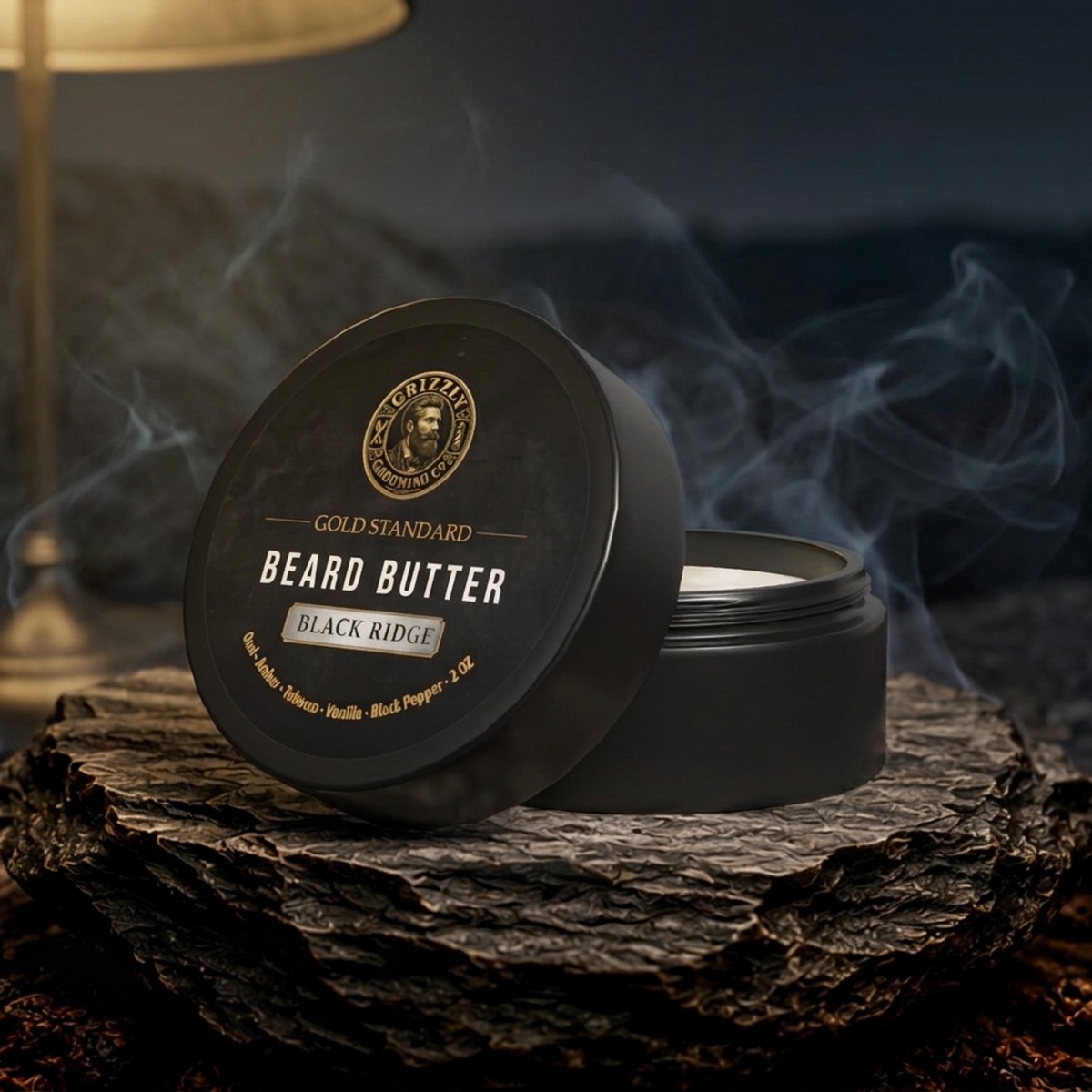
- ›Apply beard butter at night to facilitate deep hydration while you sleep.
The Science of Winter Dehydration
Cold air holds significantly less moisture than warm air, leading to a process where humidity is drawn out of your hair and skin to reach equilibrium with the environment. This atmospheric thirst results in the beard feeling straw-like and the underlying skin becoming flaky, often referred to as beardruff.
Indoor heating systems further exacerbate the issue by circulating dry, recycled air that evaporates the natural oils produced by your sebaceous glands. When these oils are depleted, the hair scales lift, leading to tangles and structural weakness that can result in permanent breakage if not addressed with proper lipids.
Strategic Layering with Beard Oil and Balm
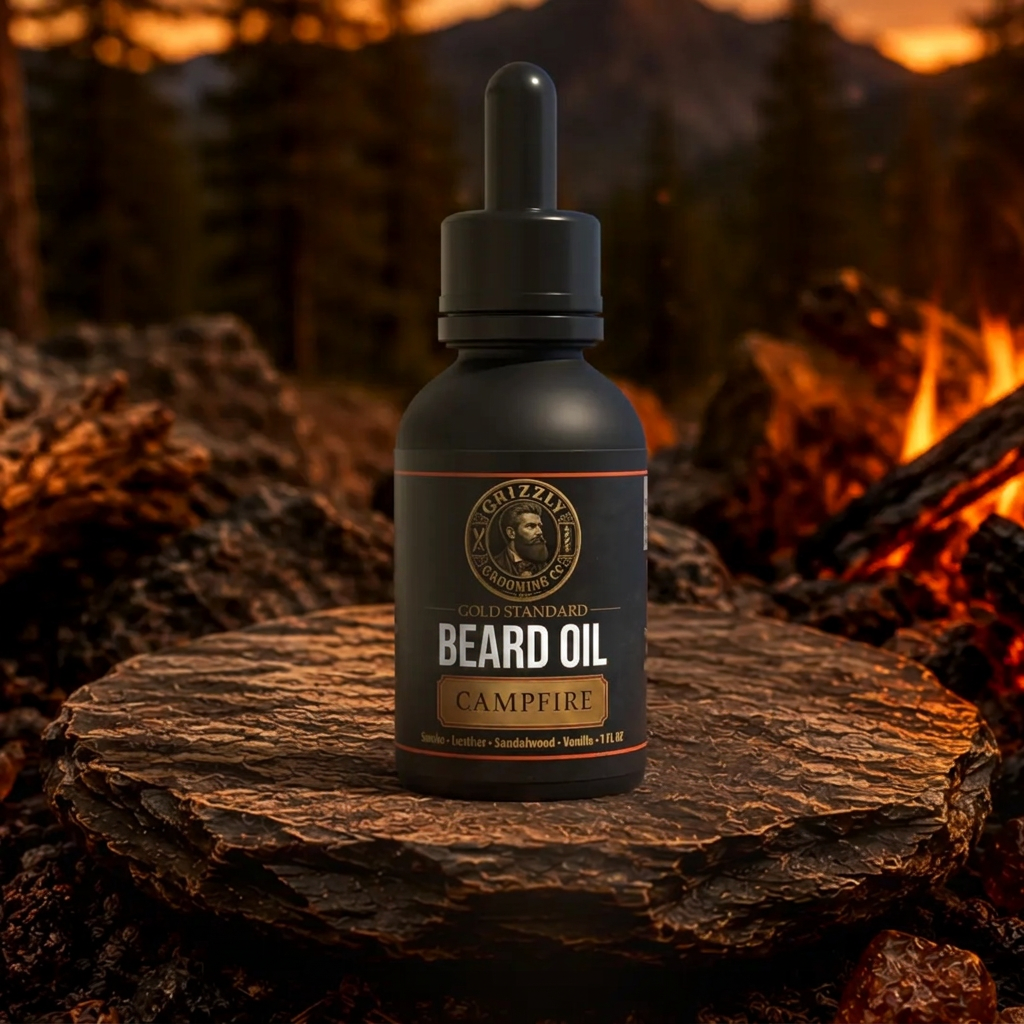
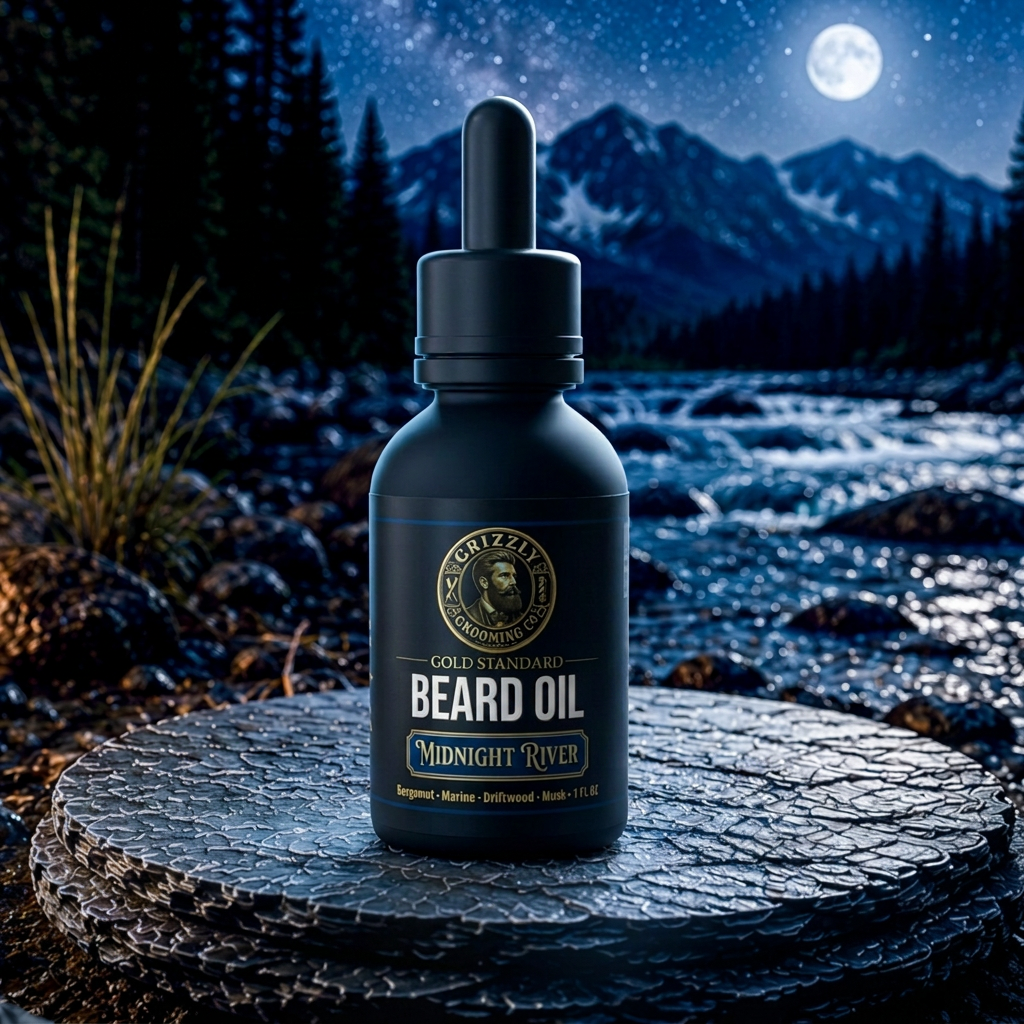
In sub-zero temperatures, a single application of beard oil may not suffice. The oil acts as the primary hydrator, penetrating the hair shaft and skin. For winter, we recommend applying Grizzly Gold Standard beard oil immediately after a lukewarm shower to lock in the moisture while pores are receptive.
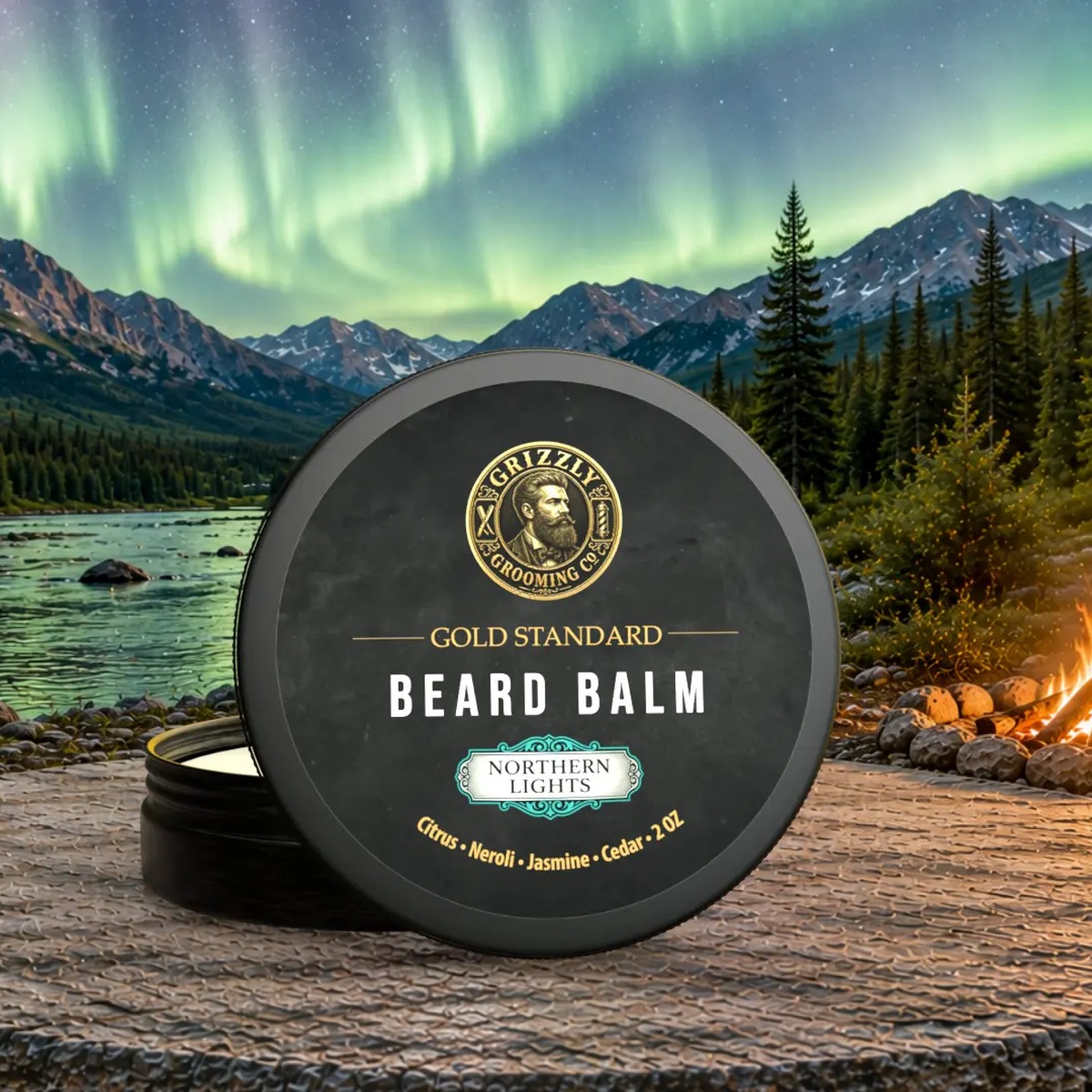
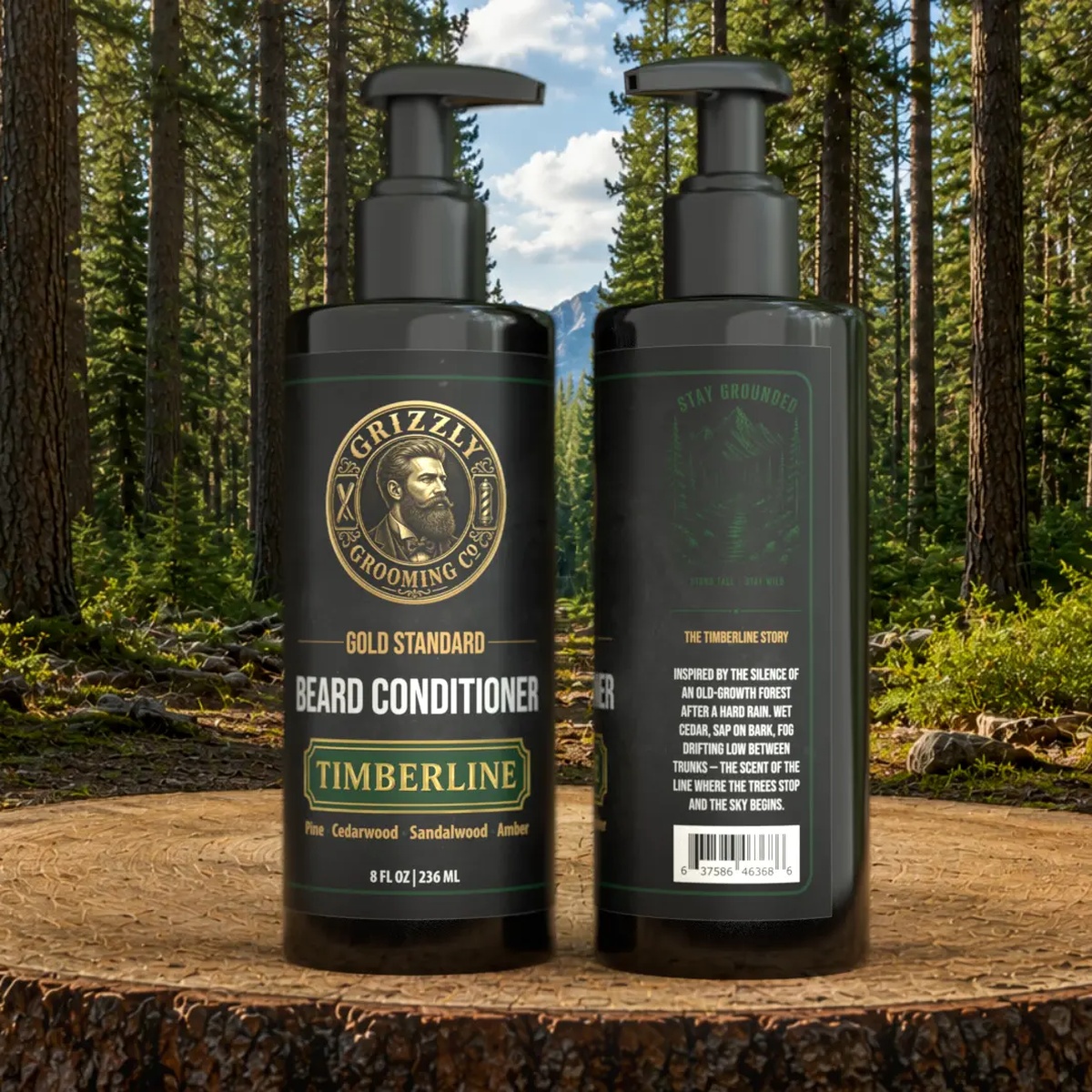
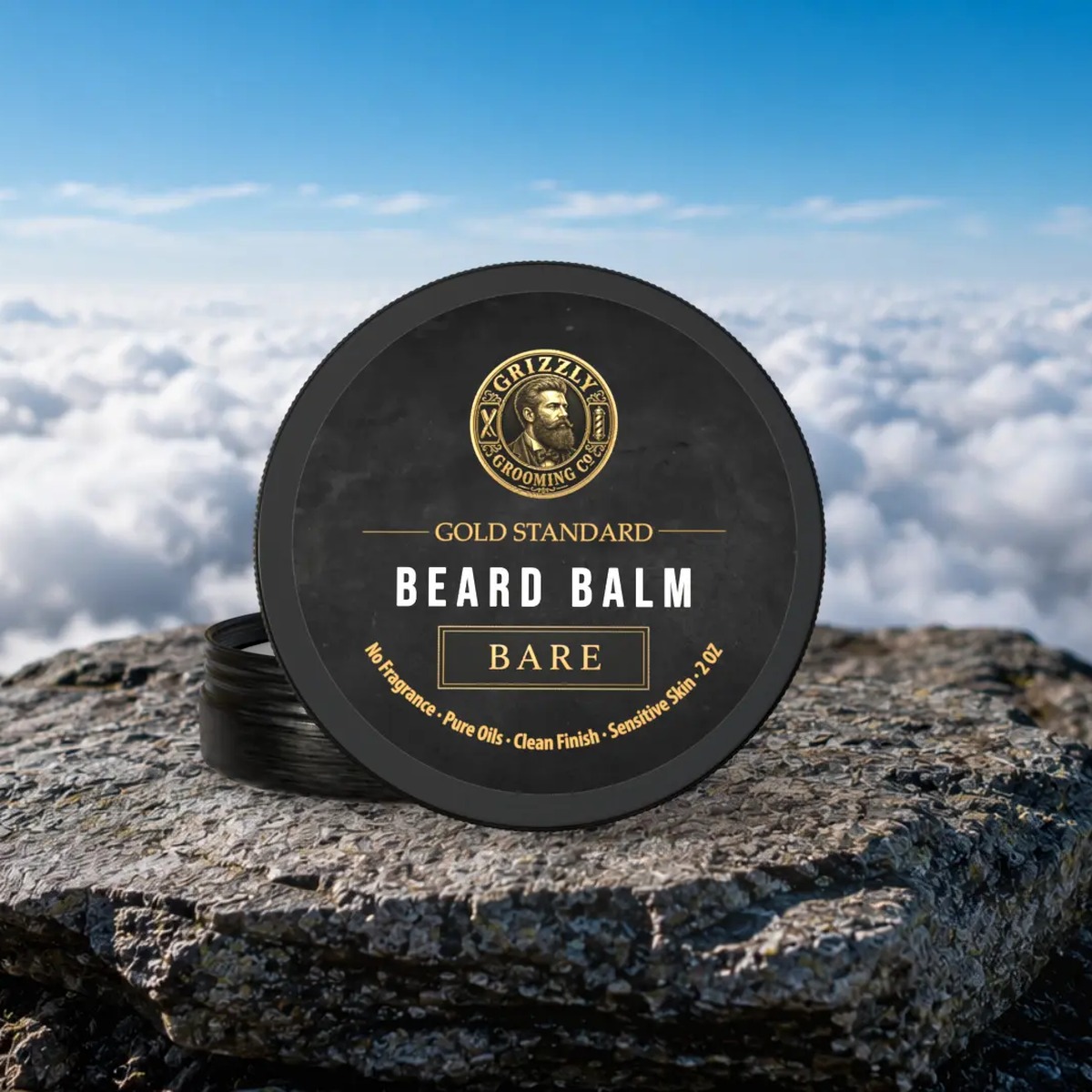
The second layer is your defense. A high-quality beard balm containing beeswax and shea butter acts as a sealant. This wax-based barrier prevents the wind from wicking away the oil you just applied. Think of oil as your base layer and balm as your winter coat; you need both to survive the elements effectively.
Temperature Control in the Shower
The instinct during a cold morning is to turn the shower to a high heat, but this is detrimental to beard health. Scalding water dissolves the natural fats in your hair and skin, leaving the beard vulnerable. Opt for lukewarm water instead to preserve the integrity of the hair's natural defenses.
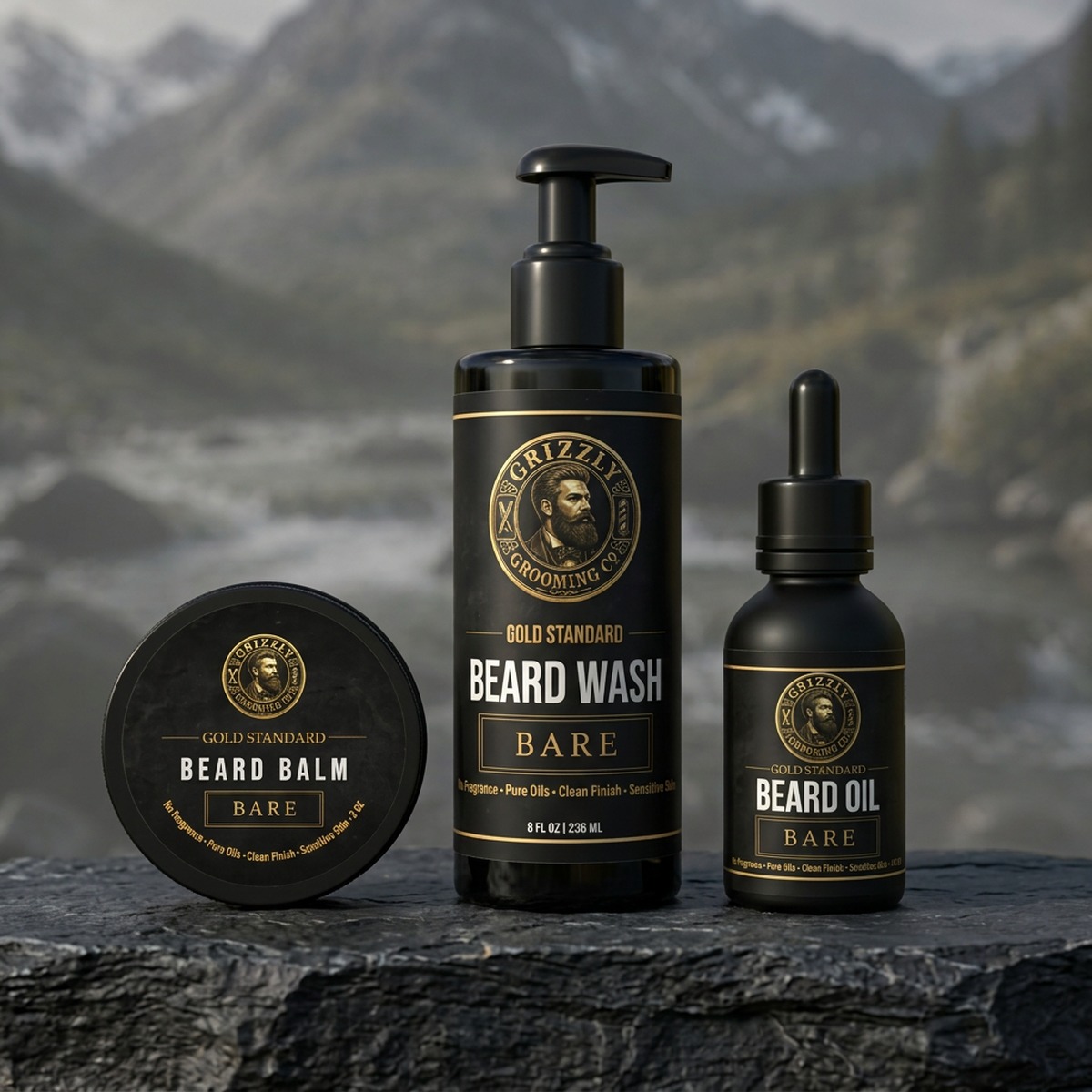
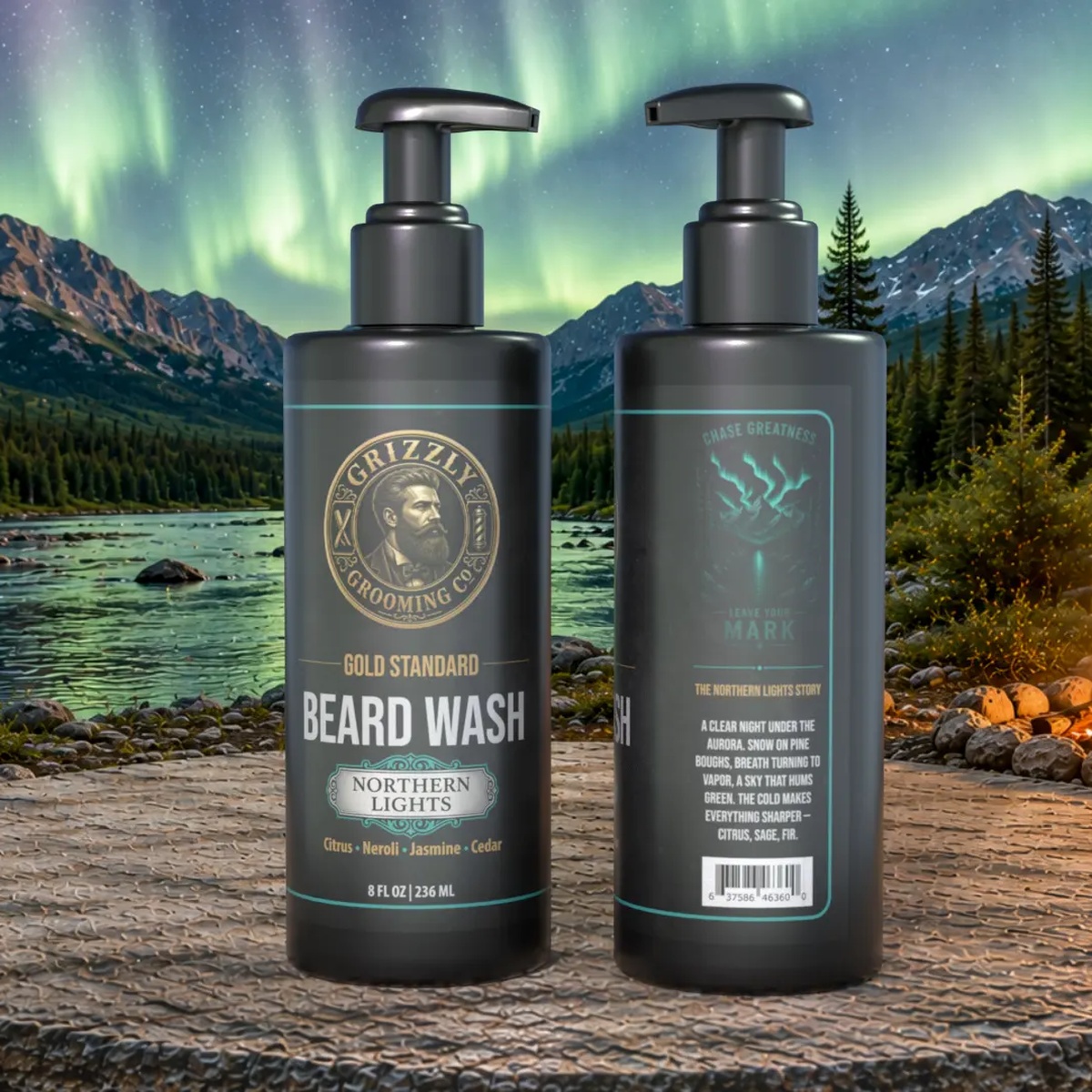
Furthermore, your choice of cleanser matters more now than in the summer. Use a dedicated beard wash rather than a standard bar soap or hair shampoo. Our pH-balanced formulas ensure you are removing dirt without stripping the essential moisture required to keep the beard pliable in the frost.
The Danger of the Damp Beard
Never step outside with a beard that is even slightly damp. Water expands when it freezes, and if water droplets have penetrated the hair cuticle, they can crystallize and expand within the hair shaft. This leads to immediate structural damage and split ends that can only be fixed by trimming.
Use a blow dryer on a cool or low-heat setting to ensure your beard is bone-dry before heading out. Once dried, apply a final touch of mustache wax or beard butter to ensure every strand is coated and protected from the ambient moisture levels found in snow and sleet.
Nighttime Recovery Rituals
Winter recovery happens at night. As your body repairs itself during sleep, your beard should be treated with a deep-conditioning agent. Beard butter is the ideal choice here because it contains a higher concentration of nourishing fats without the heavy waxes found in styling balms.
Apply a generous amount of beard butter before bed, focusing on the ends of the hair. This allows for eight hours of uninterrupted absorption, ensuring you wake up with a beard that is soft and ready to face another day of harsh weather. This ritual is the difference between a beard that survives winter and one that thrives during it.
Frequently Asked Questions
How often should I apply beard oil in the winter?
During winter, you should increase application to twice daily: once in the morning after washing and once in the evening. If you spend significant time outdoors, a small midday touch-up can provide an extra layer of protection.
Why does my beard feel itchier when it is cold?
The itch is caused by dry skin, or xerosis, beneath the beard. As the air dries out your skin, it becomes irritated and flakes. Using a beard oil with jojoba or argan oil helps mimic natural sebum and eliminates this discomfort.
Should I trim my beard shorter for the winter?
Actually, a longer beard can provide more insulation for your face. However, regular maintenance trims are essential to remove any split ends caused by the cold, preventing them from traveling up the hair shaft and causing further damage.
Build your ritual in 60 seconds.
Answer four questions and get a custom regimen — plus a 15% bundle discount.
Start The Ritual Builder