Winter Beard Care Essentials: Protecting Your Facial Hair from Cold
Cold air is notoriously devoid of moisture, and winter winds act as a constant siphon for the natural oils your face produces. Without a deliberate shift in your grooming ritual, a healthy beard can become brittle, coarse, and prone to breakage within weeks of the first frost. Proper winter maintenance is not about convenience; it is about protecting the structural integrity of the hair and the health of the skin beneath it.
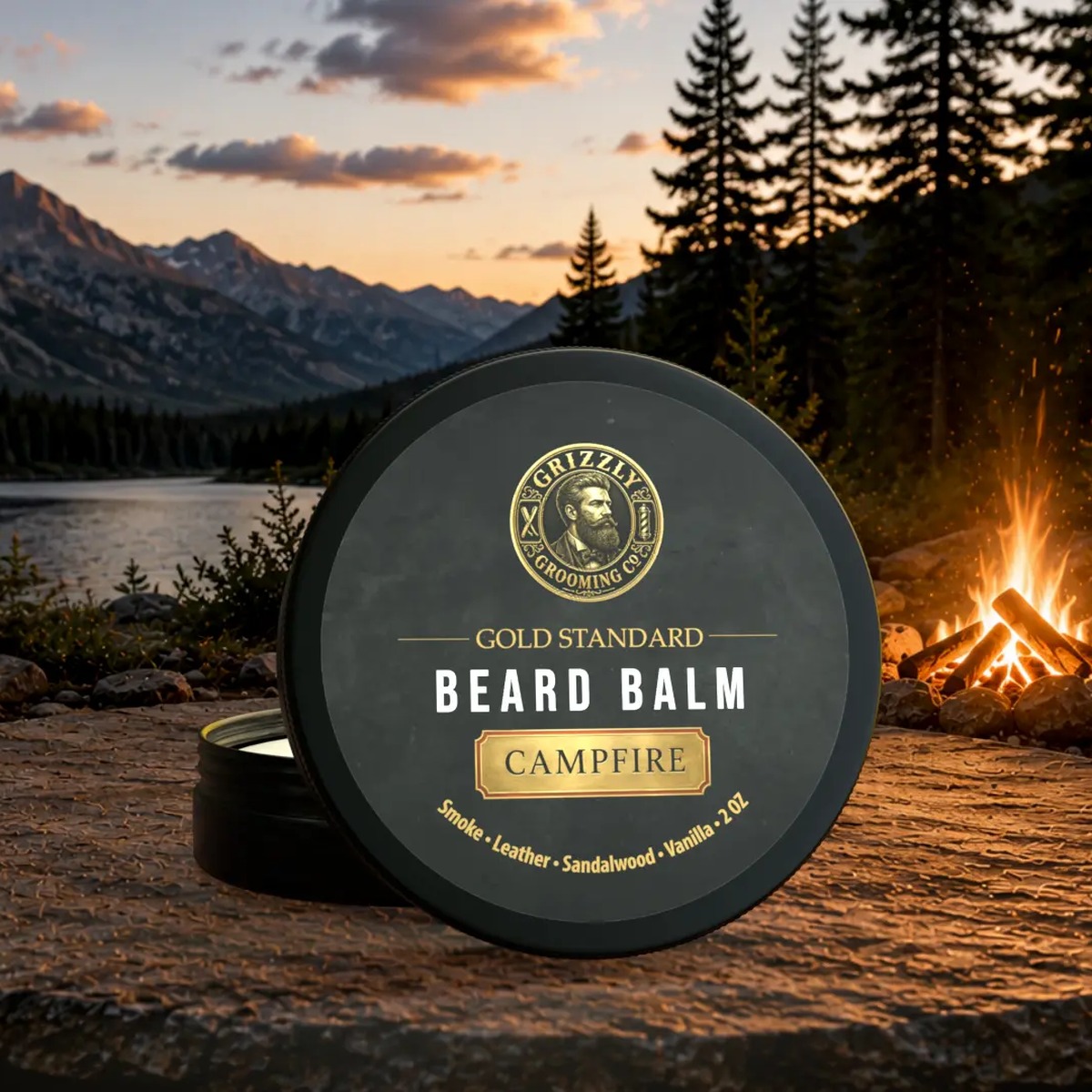
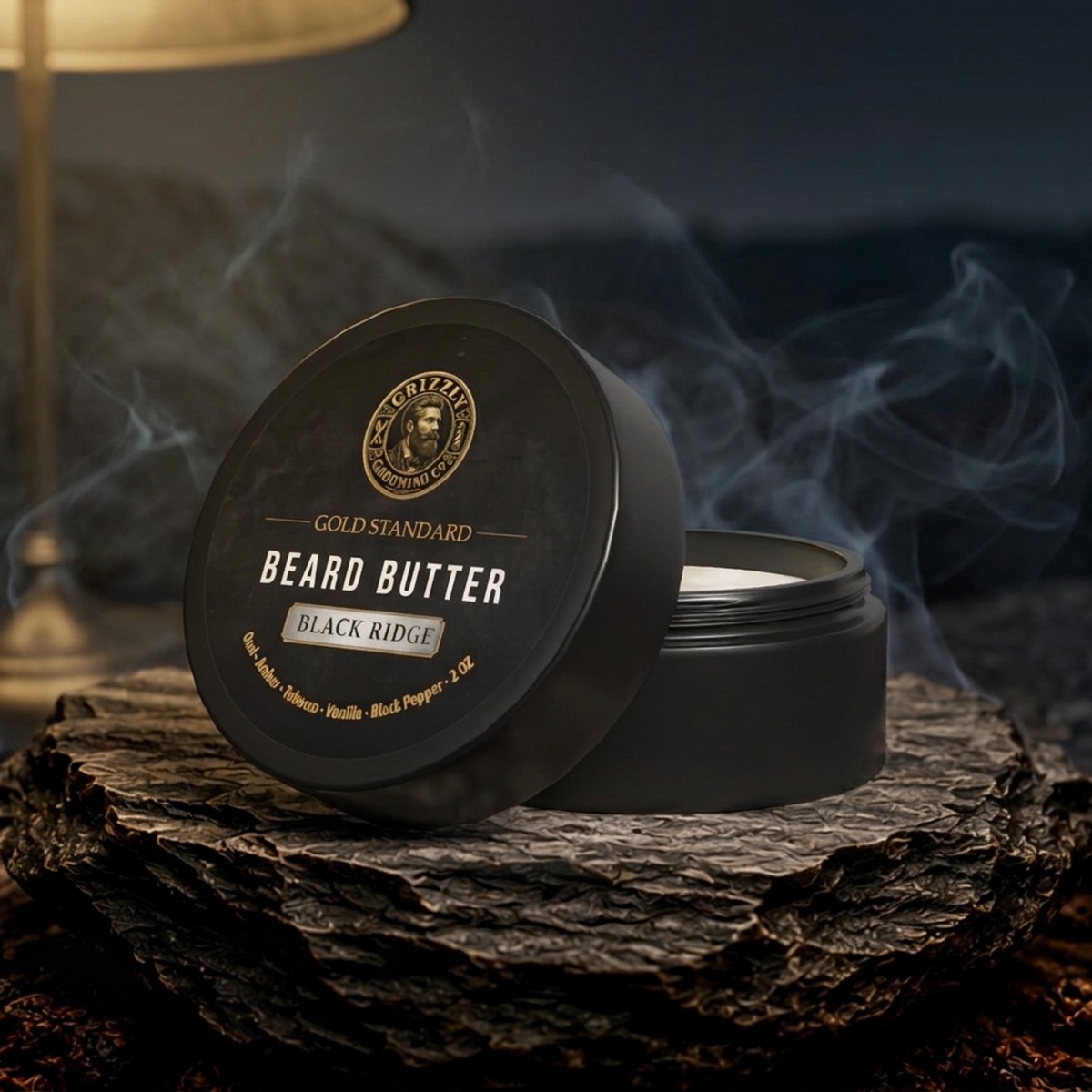
- ›Swap light hydration for heavy-duty protection like beard butter and balm.
- ›Reduce shower temperature to prevent stripping natural sebum oils.
- ›Increase beard oil application to twice daily during peak freezing months.
- ›Always ensure the beard is bone-dry before stepping out into sub-zero temperatures.
- ›Use a gentle beard wash to avoid further dehydrating the hair cuticle.
The Science of Winter Dehydration
The primary antagonist of a winter beard is low humidity. Cold air cannot hold as much water vapor as warm air, which creates a moisture gradient that pulls hydration directly out of your hair shaft. If the hair becomes too dry, the cuticle scales lift, leading to tangles, split ends, and a dull appearance.
Furthermore, the skin on your chin and cheeks reacts to the cold by tightening, which can restrict the sebaceous glands. When these glands under-produce oil, you experience the dreaded winter itch. Preventing this requires a proactive layer of exogenous lipids to bridge the gap between what your body produces and what the environment demands.
Strategic Cleansing and Temperature Control
While a hot shower feels necessary on a freezing morning, it is a primary cause of beard damage. Scalding water dissolves natural oils too efficiently, leaving the beard stripped and vulnerable. Aim for lukewarm water and keep the duration under ten minutes to preserve your skin's natural barrier.
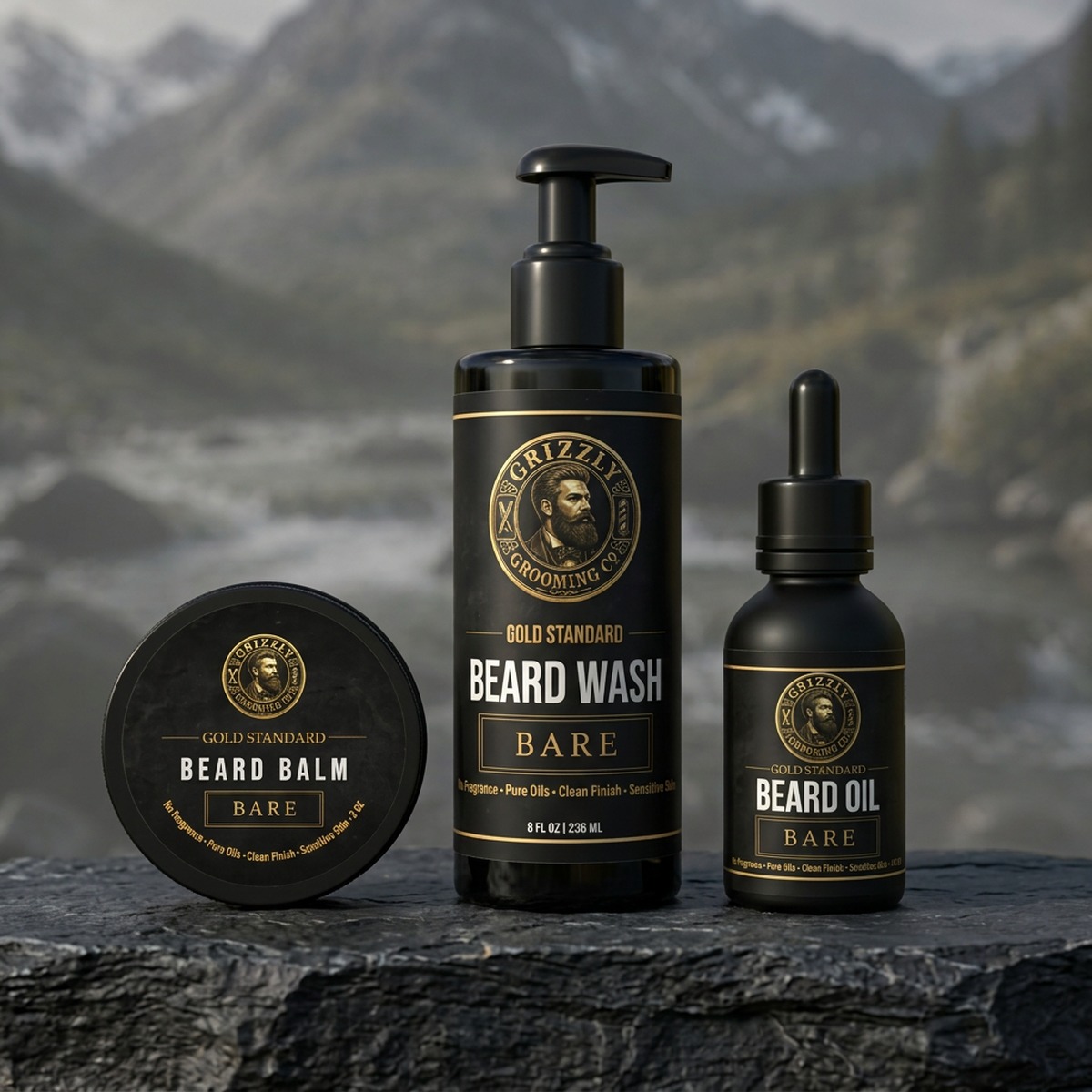
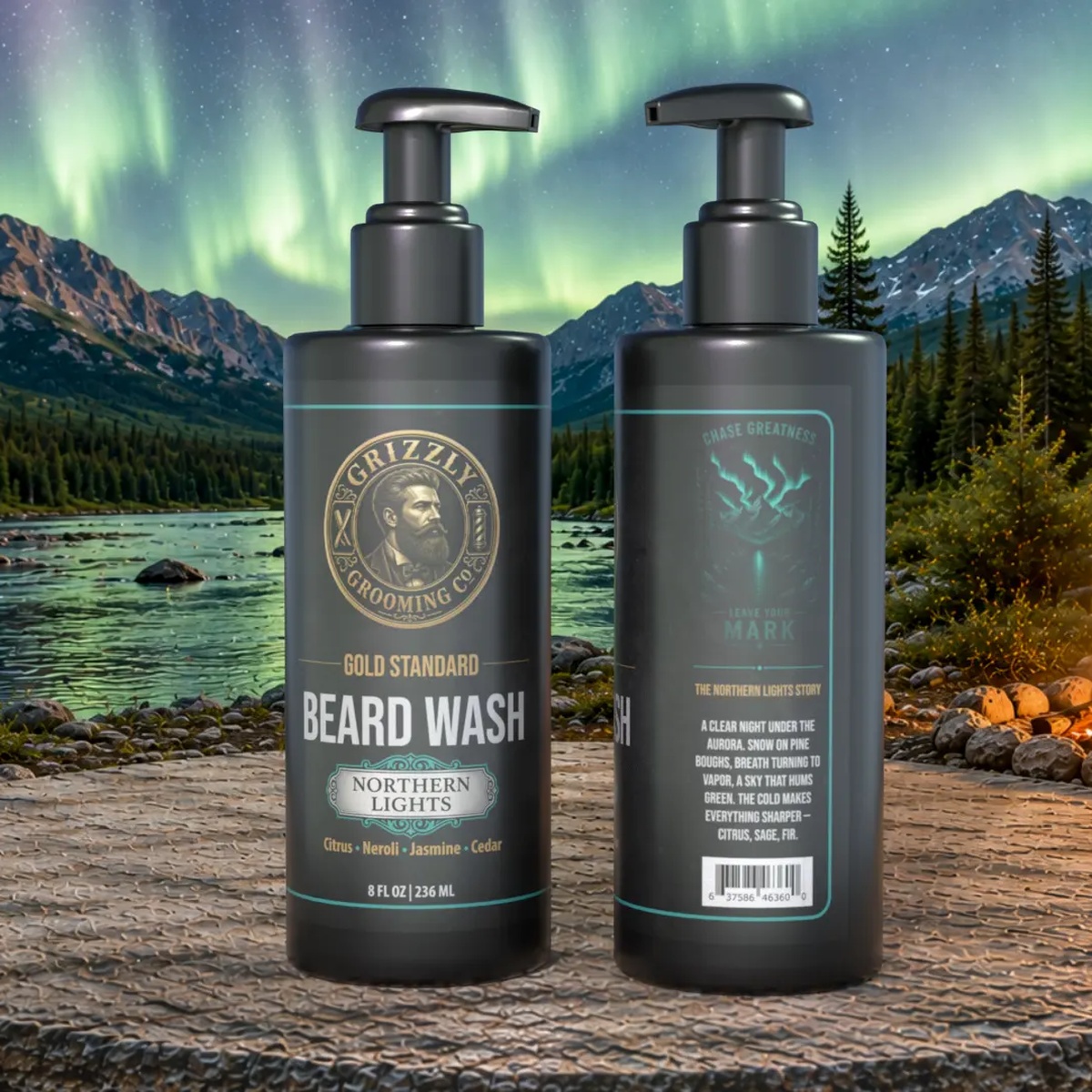
Switching to a sulfate-free beard wash is non-negotiable in winter. Standard shampoos are designed for the scalp, which produces significantly more oil than the face. A dedicated Grizzly Gold Standard beard wash cleanses without compromising the delicate moisture balance required to survive a dry winter climate.
Layering for Maximum Protection
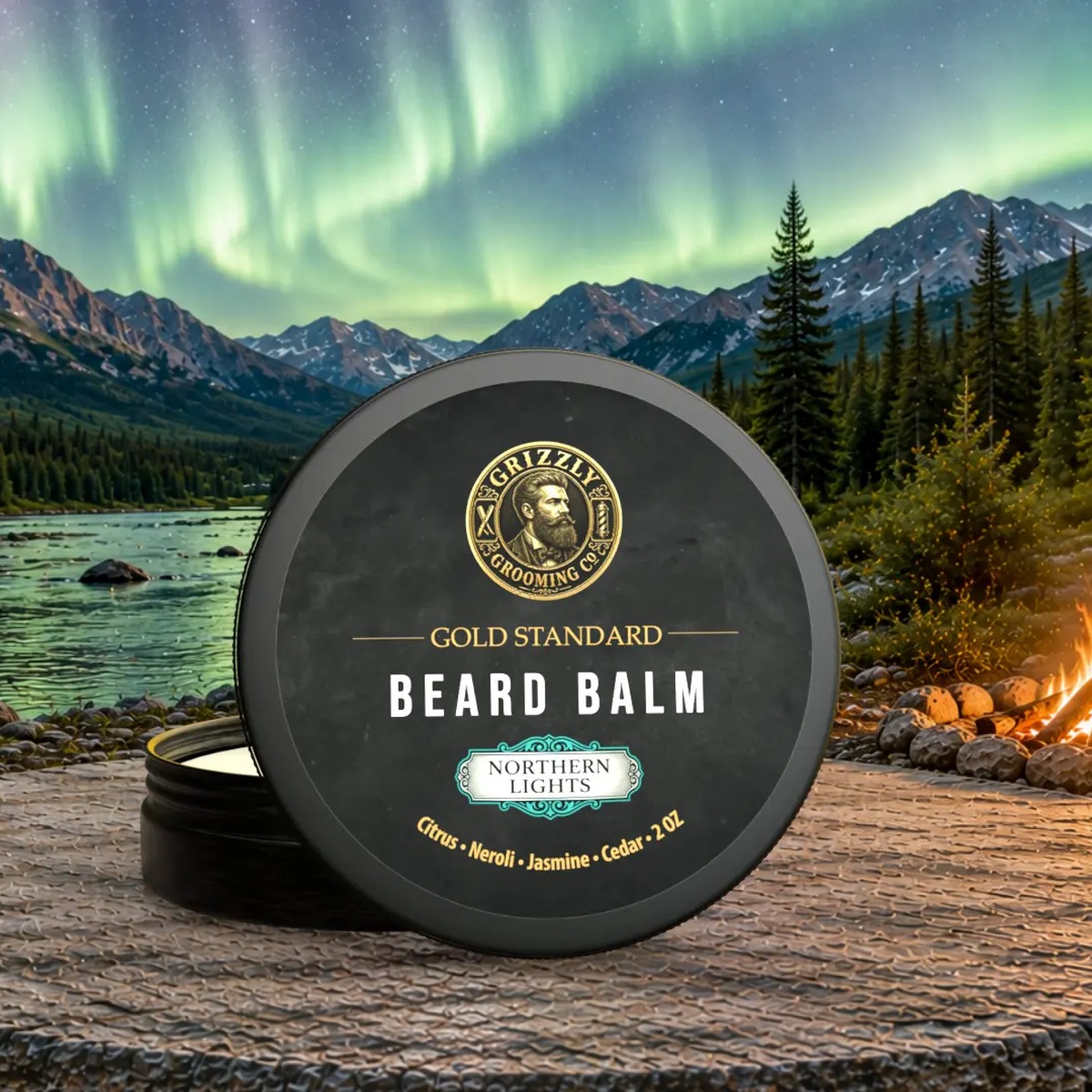
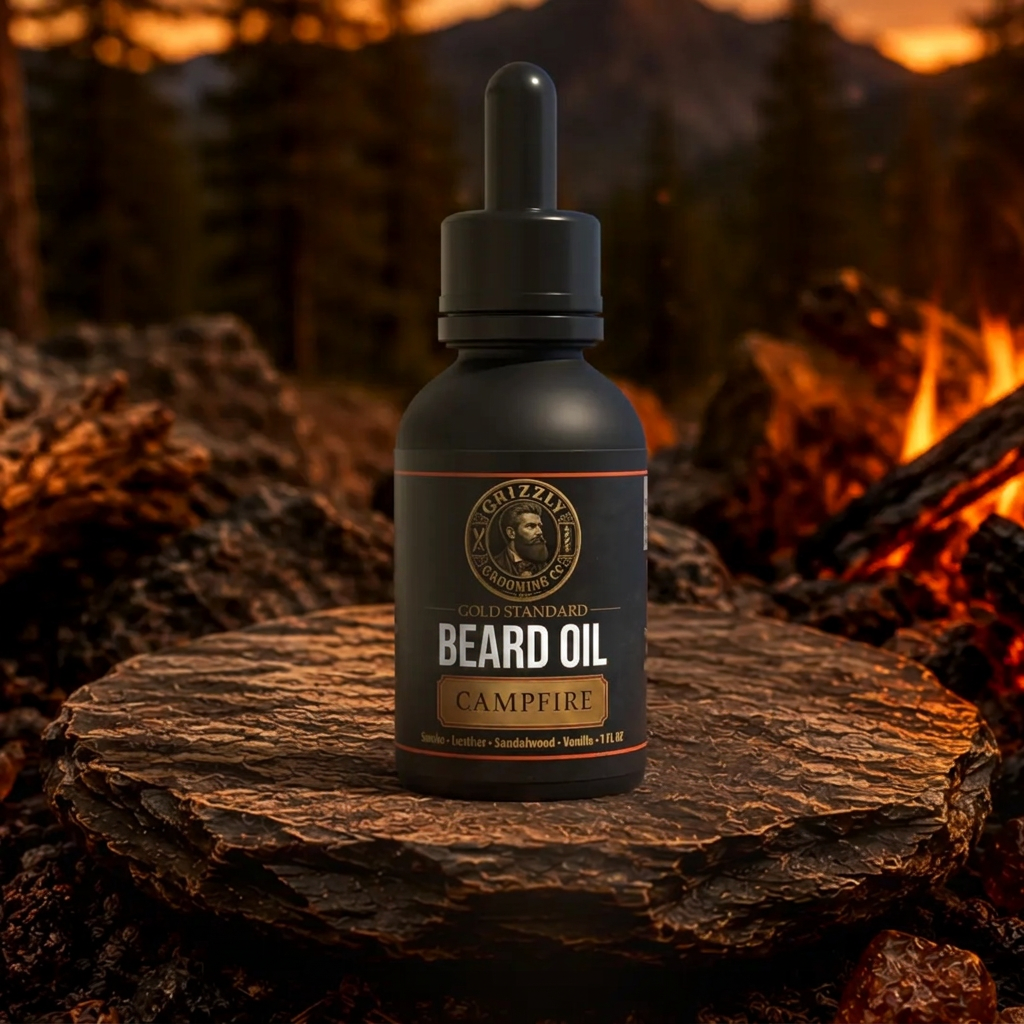
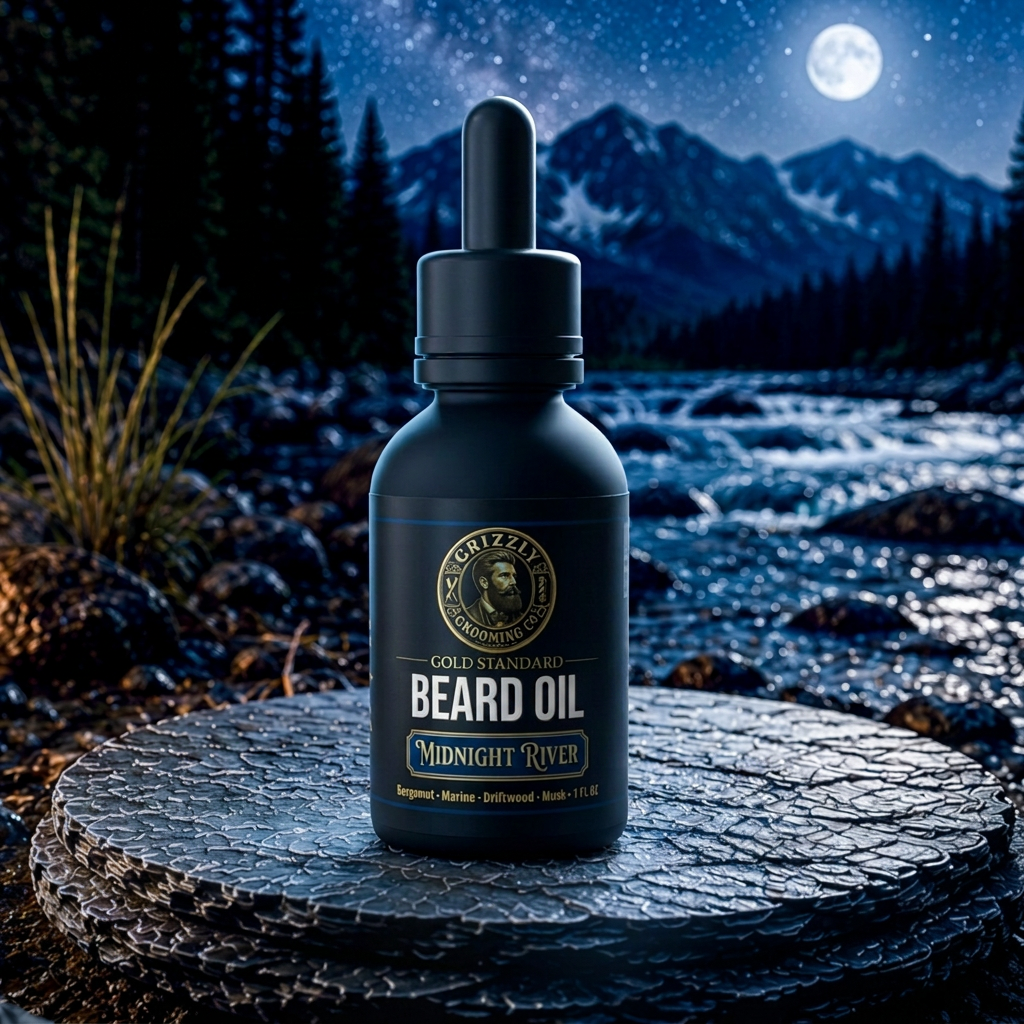
In the summer, a few drops of beard oil might suffice, but winter requires a layered approach. Think of beard oil as your base layer; its primary job is to hydrate the skin. Apply it immediately after drying your beard when your pores are still receptive.
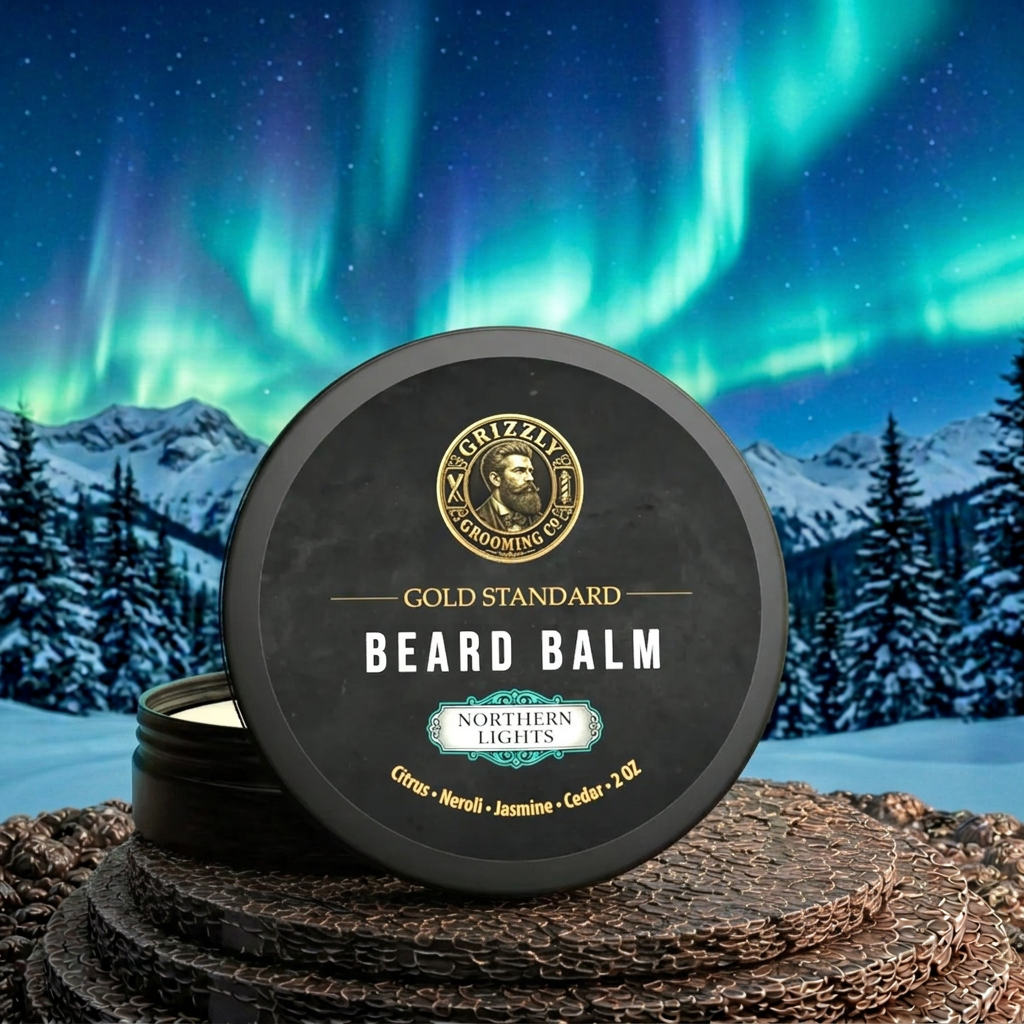
The second layer should be a beard butter or balm. These products contain beeswax and shea butter, which act as occlusives. They create a physical shield that traps the oil and moisture inside the hair shaft, preventing the cold wind from wicking it away. For those in extreme climates, beard butter provides the deep conditioning needed to keep the hair pliable.
Mechanical Maintenance and Winter Grooming
Static electricity becomes a significant issue as humidity drops. Brushing a dry beard with a plastic comb can cause friction and snapping. Instead, use a natural boar bristle brush or a hand-finished wood comb. These tools help distribute oils more evenly from the root to the tip, ensuring no part of the hair is left exposed.
Avoid going outside with a damp beard. Water expands as it freezes; if water is trapped inside the hair cuticle when you step into sub-zero temperatures, it can cause the hair fiber to swell and potentially fracture. Use a blow dryer on a cool or medium setting to ensure your beard is completely dry before leaving the house.
Environmental and Internal Hydration
Your grooming routine is only half the battle. If the air in your home or office is excessively dry due to central heating, your beard will suffer regardless of what products you apply. Using a humidifier in your bedroom can maintain a baseline humidity level of 40-50%, which is ideal for hair and skin health.
Hydration is also internal. Men tend to drink less water in the winter, but your hair's health is directly linked to your hydration levels. Supplementing your topical routine with adequate water intake and a diet rich in Omega-3 fatty acids will provide the building blocks necessary for a resilient, winter-proof beard.
Frequently Asked Questions
How often should I apply beard oil in the winter?
In cold weather, you should increase application to twice daily. Apply once in the morning after your shower to lock in moisture, and again in the evening to nourish the skin while you sleep. Use enough to reach the skin, not just the surface of the hair.
Why does my beard feel more brittle when it's cold?
The lack of atmospheric humidity causes water to evaporate from the hair shaft, making the keratin fibers stiff and prone to breaking. Using a heavy beard butter or balm provides the necessary lipids to keep the hair flexible despite the temperature drop.
Can I use regular hair conditioner on my beard in the winter?
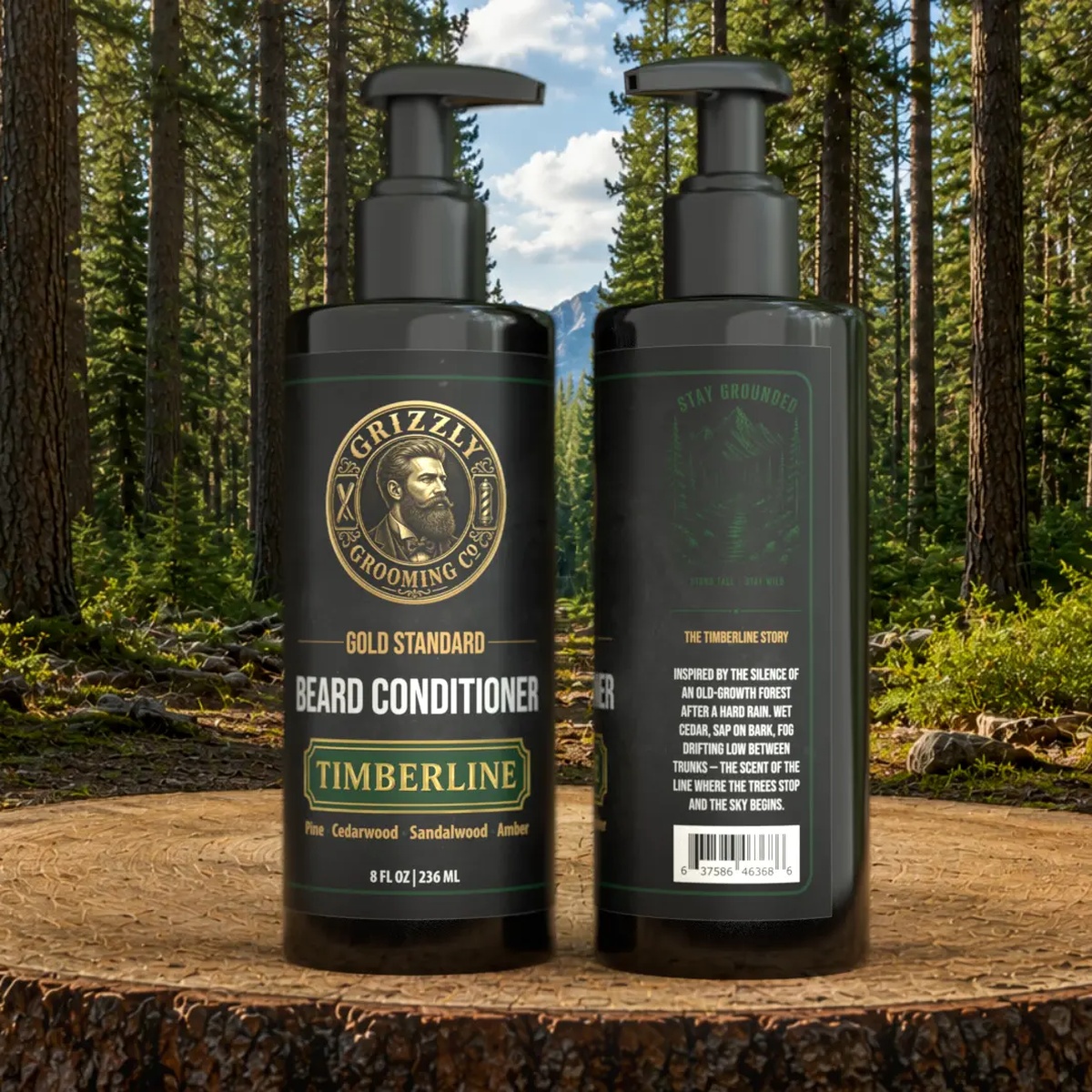
It is better than nothing, but hair conditioners are often too heavy for facial skin and can clog pores. A dedicated Grizzly Gold Standard conditioner is formulated to rinse clean from the face while providing the specific nutrients facial hair needs to stay soft and manageable.
Build your ritual in 60 seconds.
Answer four questions and get a custom regimen — plus a 15% bundle discount.
Start The Ritual Builder