Understanding the Signs Your Current Beard Oil Is Damaging Your Skin
A quality beard oil is the foundation of any serious grooming routine, but the wrong formulation can do more harm than good. When your oil works against your biology, it leads to irritation that most men mistakenly attribute to beard growth rather than poor product selection.
- ›Persistent itching often indicates synthetic fragrances or drying alcohols.
- ›Beard acne is a primary sign of comedogenic carrier oils like soybean or palm.
- ›If your oil leaves a greasy film after twenty minutes, the absorption rate is too low.
- ›Unpleasant scent shifts throughout the day suggest rancid carrier oils.
- ›A dull, brittle texture despite daily oiling indicates a lack of deep hydration.
The Persistent Itch and Skin Redness
Itching is often dismissed as a standard phase of beard growth, but if you are past the one-month mark and still scratching, your oil is likely the culprit. Many mass-market oils use synthetic fragrances and cheap alcohols that strip the skin of its natural sebum, leading to chronic dryness and localized inflammation.
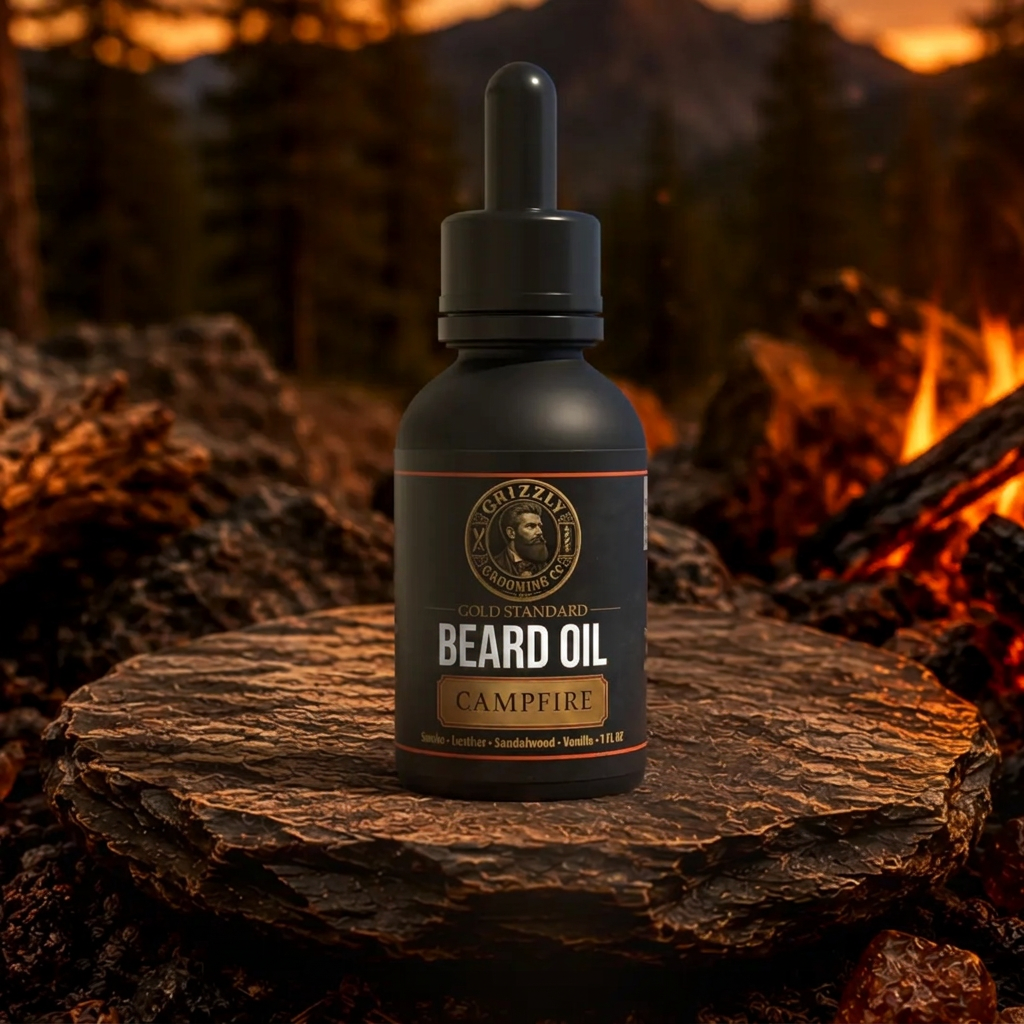
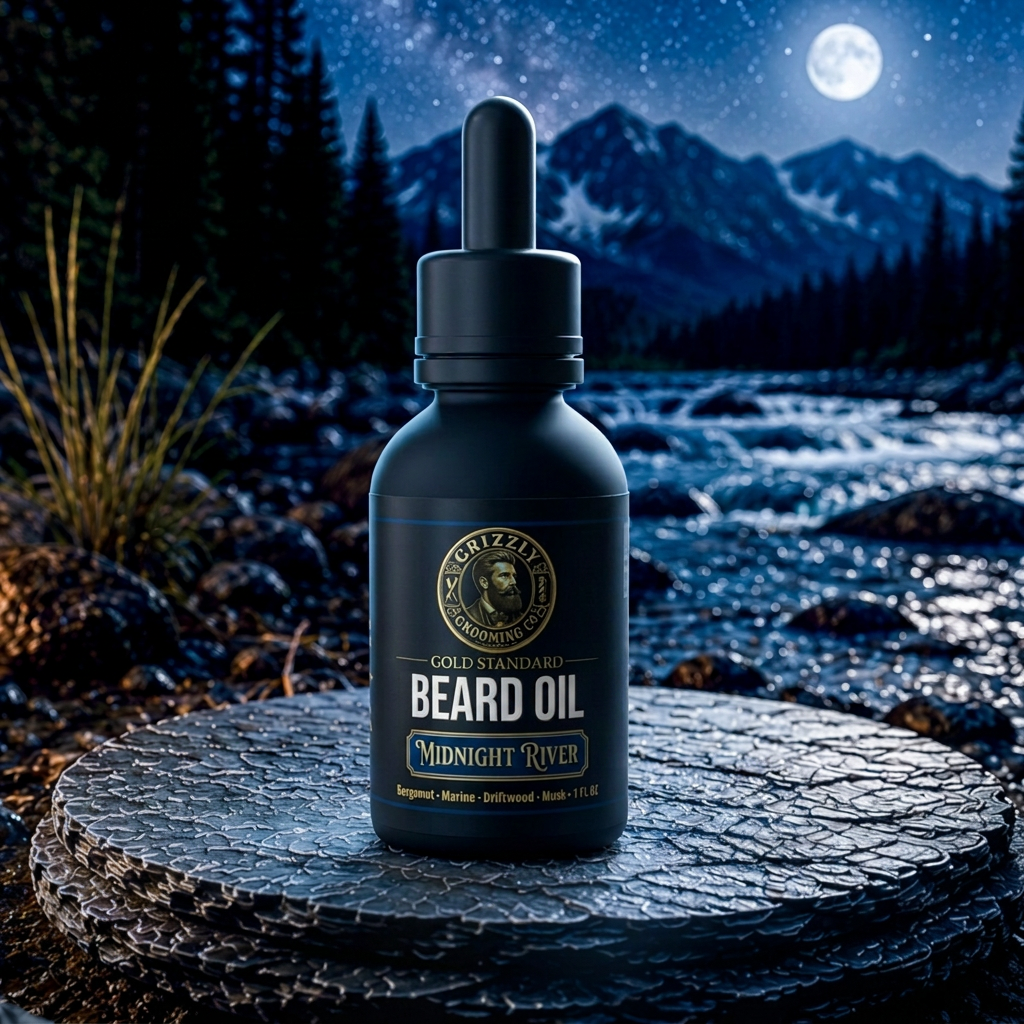
Check your ingredient list for 'fragrance' or 'parfum' without a specific natural source. These chemical cocktails are notorious for causing contact dermatitis. A professional-grade Beard Oil should rely on essential oils and high-quality carrier oils that mimic the skin's natural chemistry to soothe the dermis, not irritate it.
Breakouts and Clogged Pores
If you are noticing pimples beneath your facial hair, your oil is likely comedogenic. Low-grade oils often use synthetic fillers or heavy vegetable oils that sit on top of the skin and trap bacteria within the follicle. This leads to painful 'beardne' that can permanently damage hair follicles if left unchecked.
We recommend looking for non-comedogenic bases such as Jojoba or Argan oil. These oils have a smaller molecular structure, allowing them to penetrate the skin and hair shaft rather than forming a suffocating seal. If your skin feels suffocated or bumpy, it is time to switch to a cleaner formulation.
The Greasy Residue Problem
A proper beard oil should be fully absorbed within 15 to 20 minutes of application. If you find yourself leaving oil spots on your phone screen or shirt collar hours later, your oil is poorly formulated. This usually happens when a product relies too heavily on thick, cheap oils like castor oil without balancing them with lighter, fast-absorbing carriers.
Excessive grease does not equate to better hydration; it simply attracts dust and pollutants from the environment. A balanced Grizzly Gold Standard oil provides a matte, healthy sheen rather than a reflective, oily coating. Transitioning to a lighter blend will improve both the health of your skin and the appearance of your beard.
Brittle Hair and Split Ends
It may seem counterintuitive, but some oils can actually make your beard feel drier over time. This occurs when the oil contains silicones, which create a temporary illusion of softness while preventing actual moisture from entering the hair shaft. Eventually, the hair becomes brittle and prone to split ends.
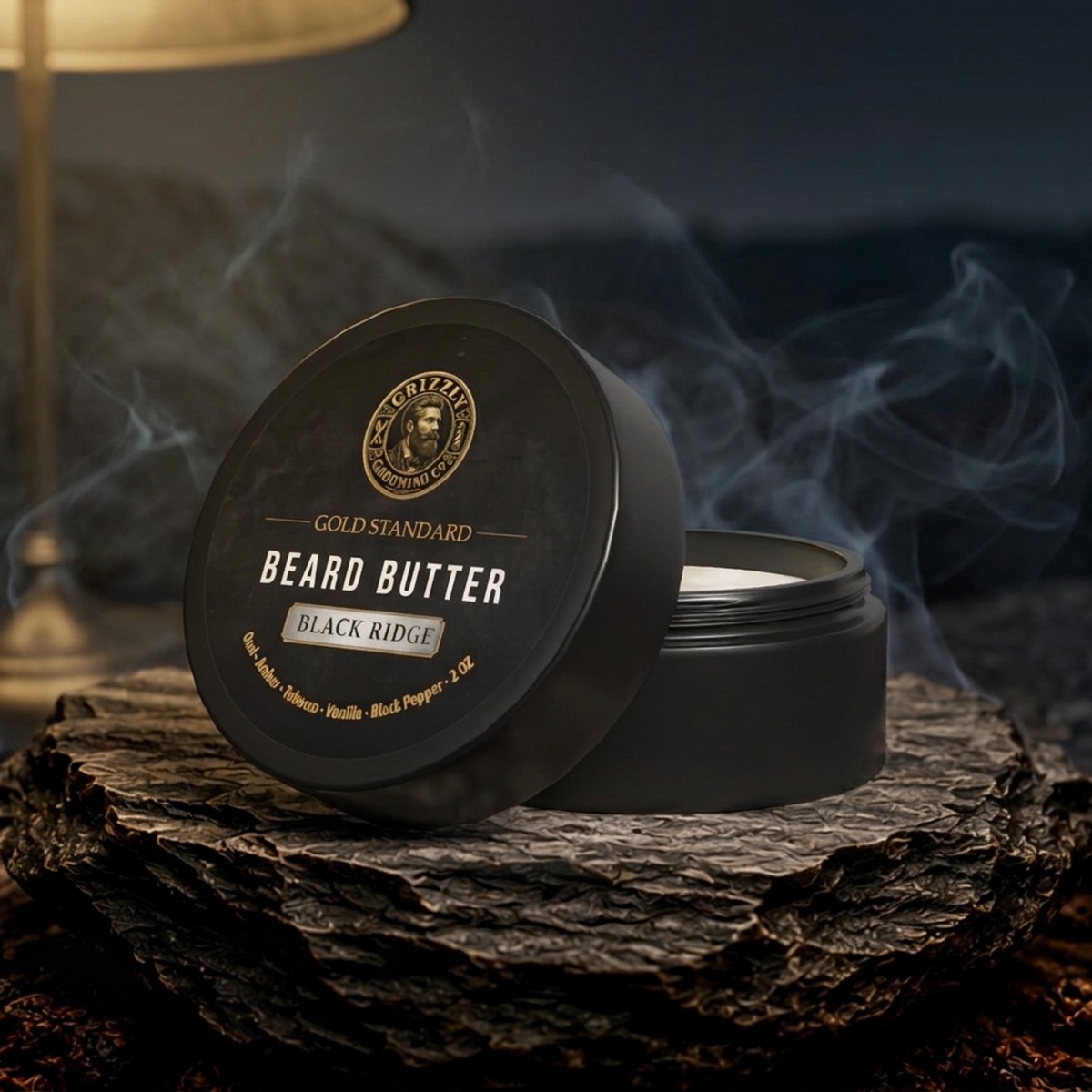
True beard health comes from nutrient-dense botanical oils that strengthen the cuticle. If your beard feels like straw by mid-afternoon despite a morning application, the oil is failing to provide lasting nourishment. In these cases, integrating a Beard Butter for overnight deep conditioning can help repair the damage caused by inferior oils.
Unpleasant Scent Evolution
The way an oil smells in the bottle should remain consistent once applied to your face. If the scent turns sour, metallic, or overly 'earthy' after an hour, it is a sign that the carrier oils are oxidizing on your skin. Oxidation is a sign of rancidity or low-quality sourcing, which can introduce free radicals to your skin.
Quality grooming products use antioxidants like Vitamin E (Tocopherol) to stabilize the blend. A scent that stays true to its profile—whether it is a rugged cedar or a clean citrus—is a hallmark of a well-crafted product. Never settle for a scent that compromises your presence.
Frequently Asked Questions
How often should I actually apply beard oil?
For most men, once a day after a warm shower is sufficient. If you live in a particularly dry climate or have a very long beard, a second small application in the evening may be necessary to maintain softness.
Can I use beard oil and beard balm together?
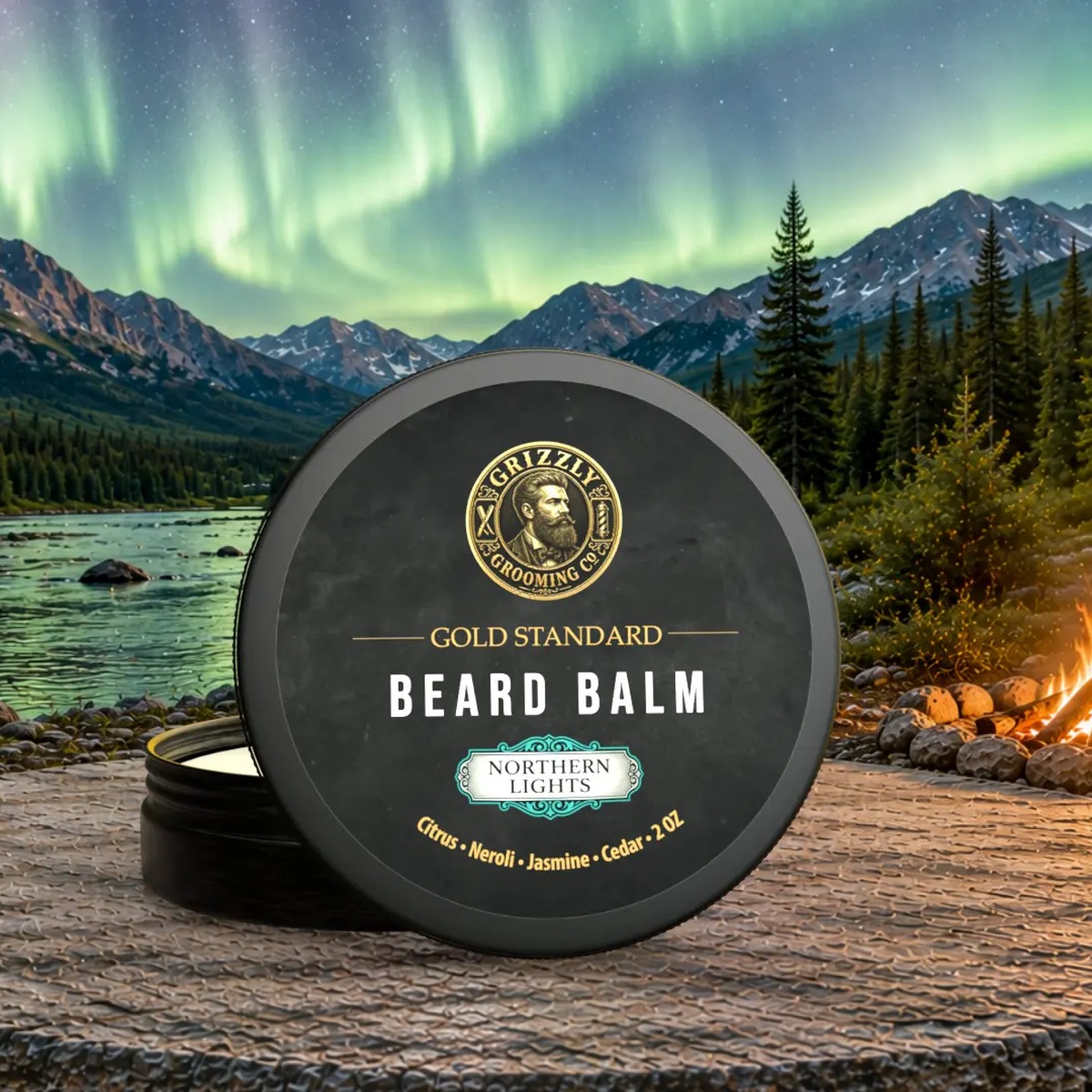
Yes, they serve different purposes. The oil is primarily for the skin beneath the beard, while the balm provides styling hold and protects the hair surface. Apply the oil first, then wait a few minutes before applying balm.
Why does my beard still feel itchy even with high-quality oil?
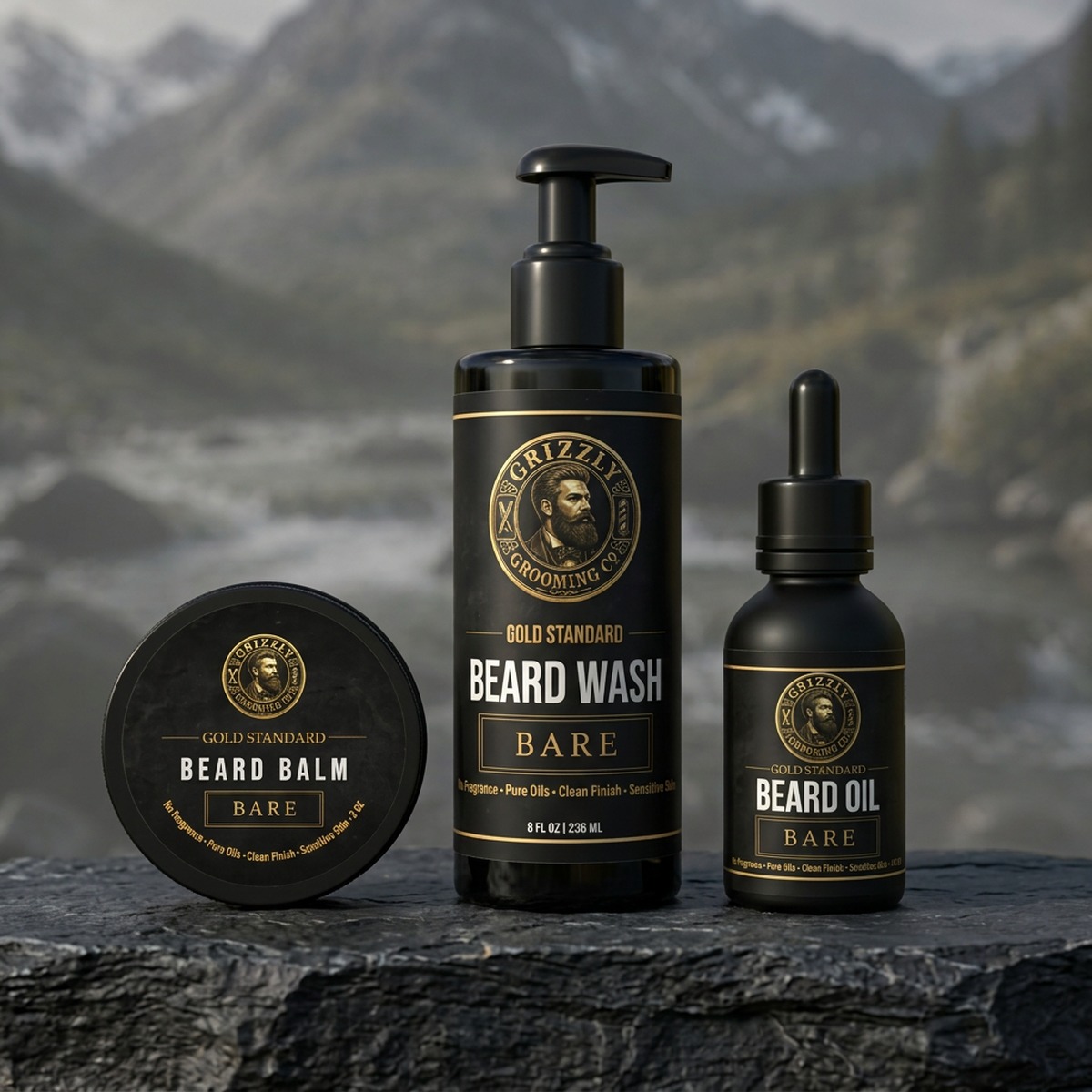
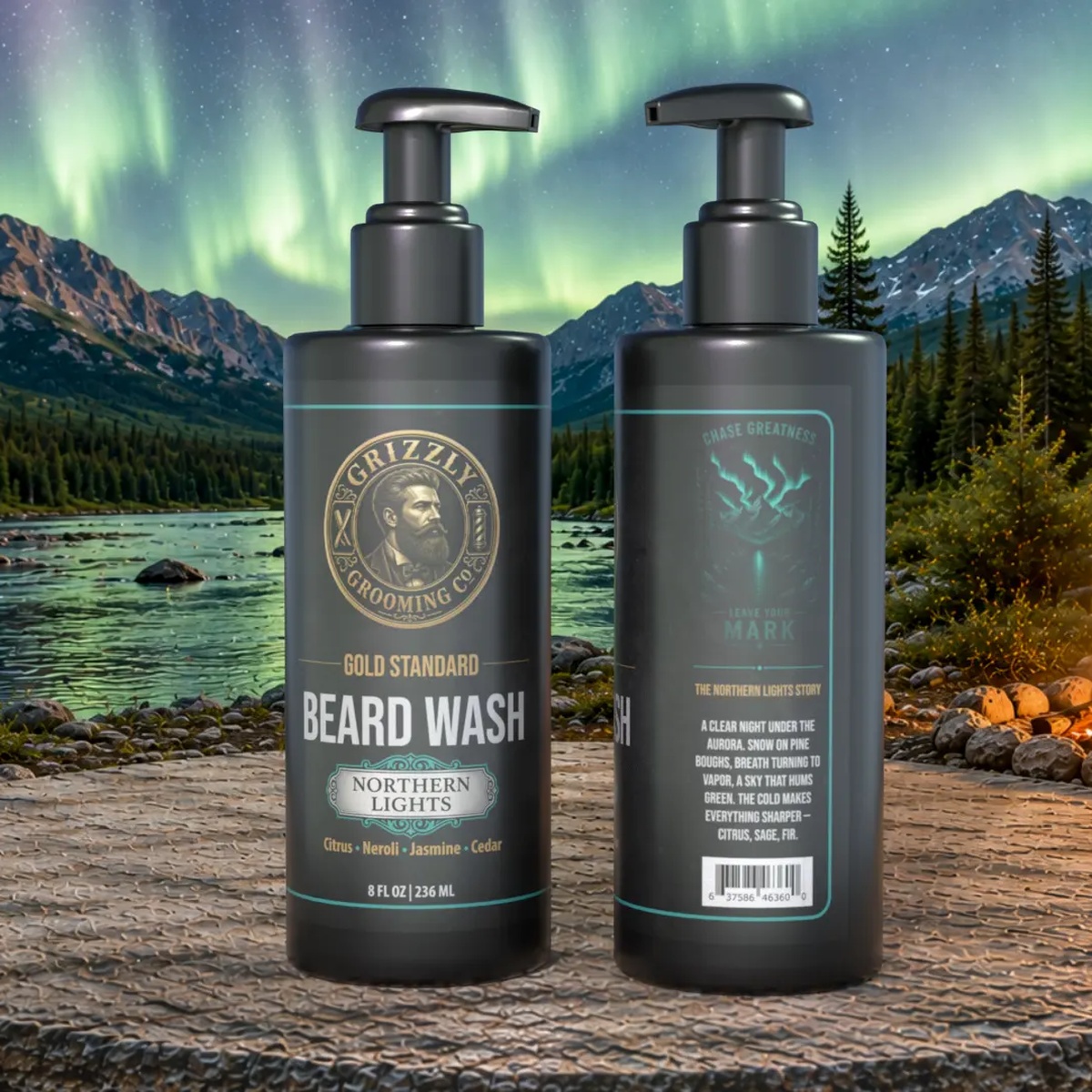
You may be using too much or not washing your beard properly. Residual product buildup can cause irritation. Ensure you are using a dedicated Beard Wash to clear the pores before reapplying fresh oil.
Build your ritual in 60 seconds.
Answer four questions and get a custom regimen — plus a 15% bundle discount.
Start The Ritual Builder