Understanding the Science of Beard Itch and How to Eliminate It
Every man who has grown a beard knows the irritation that sets in during the third week of growth. This discomfort is not a sign of poor hygiene, but a physiological reaction to the structural changes occurring on your face. Understanding the mechanics of your skin and hair is the first step toward a comfortable, permanent beard.
- ›Identify the sharp angles of new growth that cause follicular irritation.
- ›Replenish the natural oils your sebaceous glands fail to provide for longer hair.
- ›Exfoliate the skin beneath the beard to prevent trapped dead skin cells.
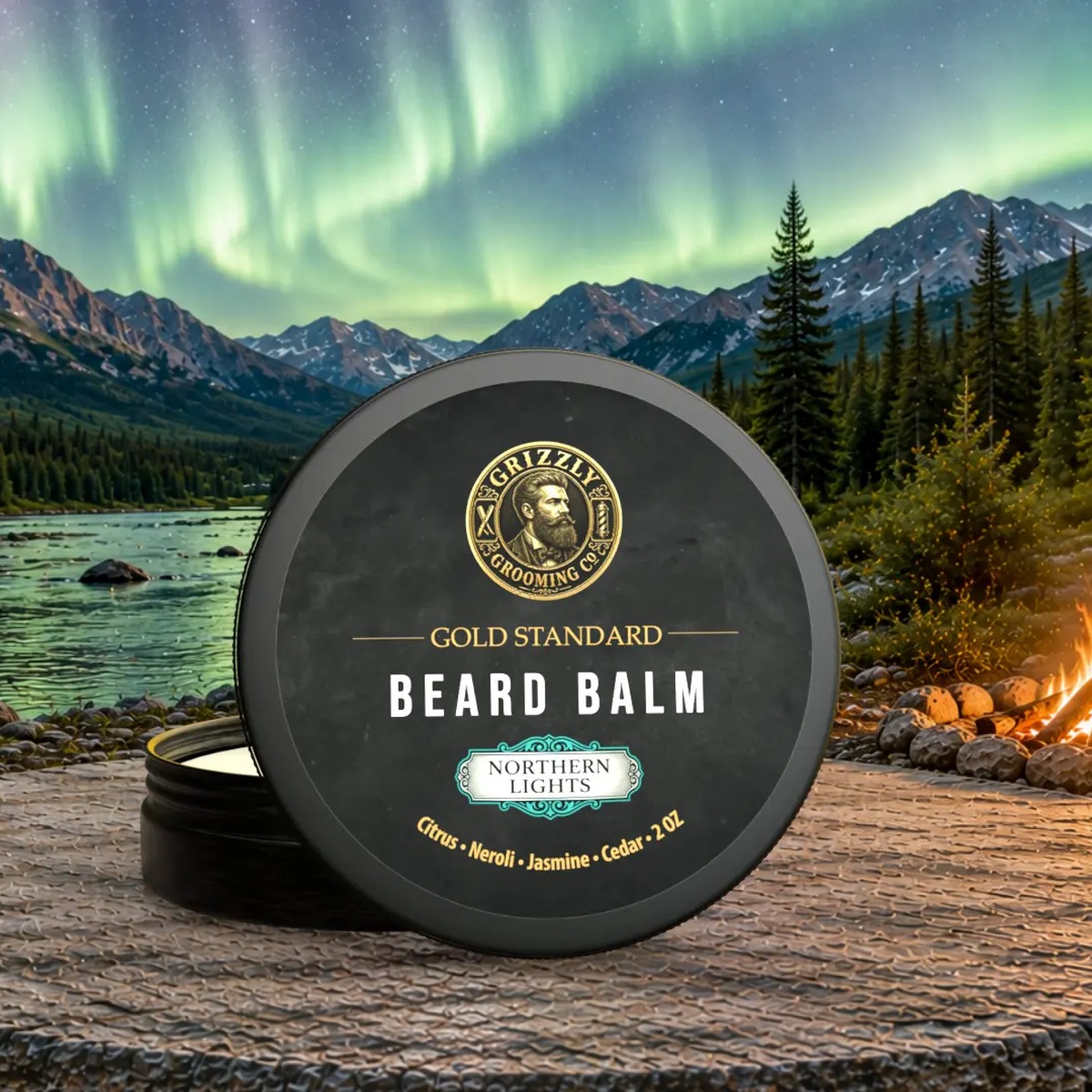
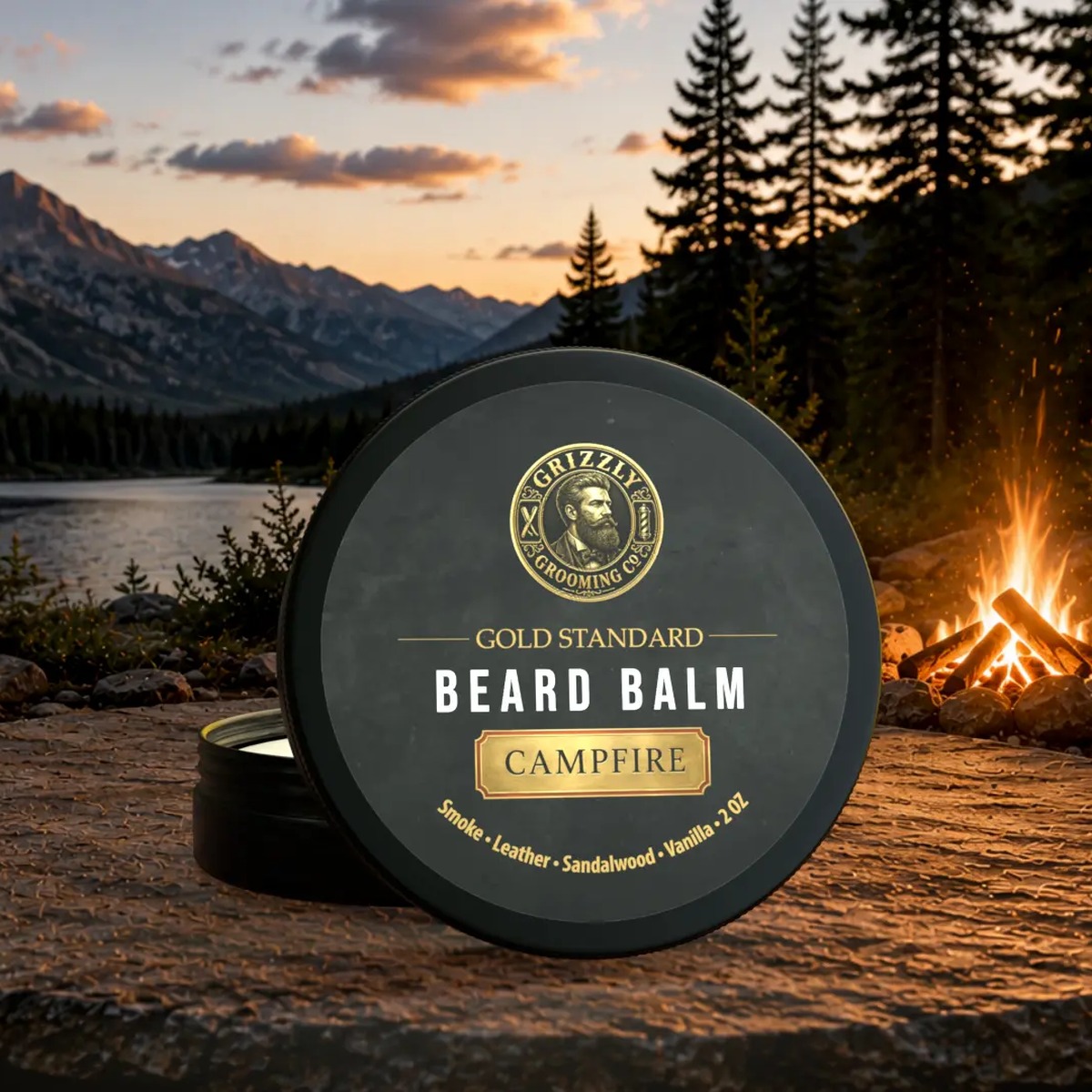
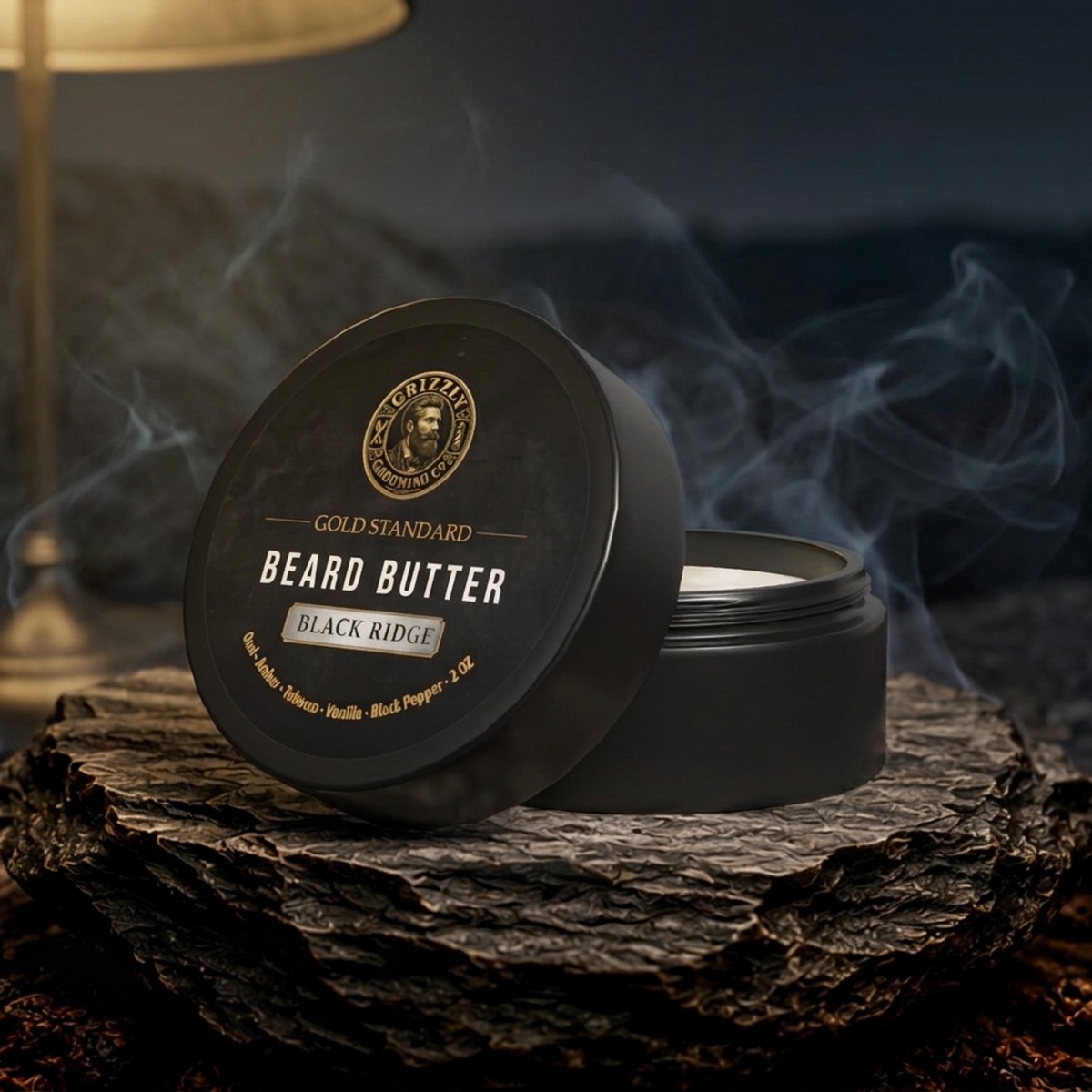
- ›Utilize targeted beard oil and balm to maintain cuticle health and skin elasticity.
- ›Avoid harsh surfactants found in standard soaps that strip essential moisture.
The Mechanics of New Growth Irritation
When you shave, you leave a sharp, beveled edge on the hair shaft at the surface of the skin. As the hair begins to grow out, this sharp tip curves back and pricks the skin of the follicle, leading to the localized redness and itching commonly associated with the stubble phase.
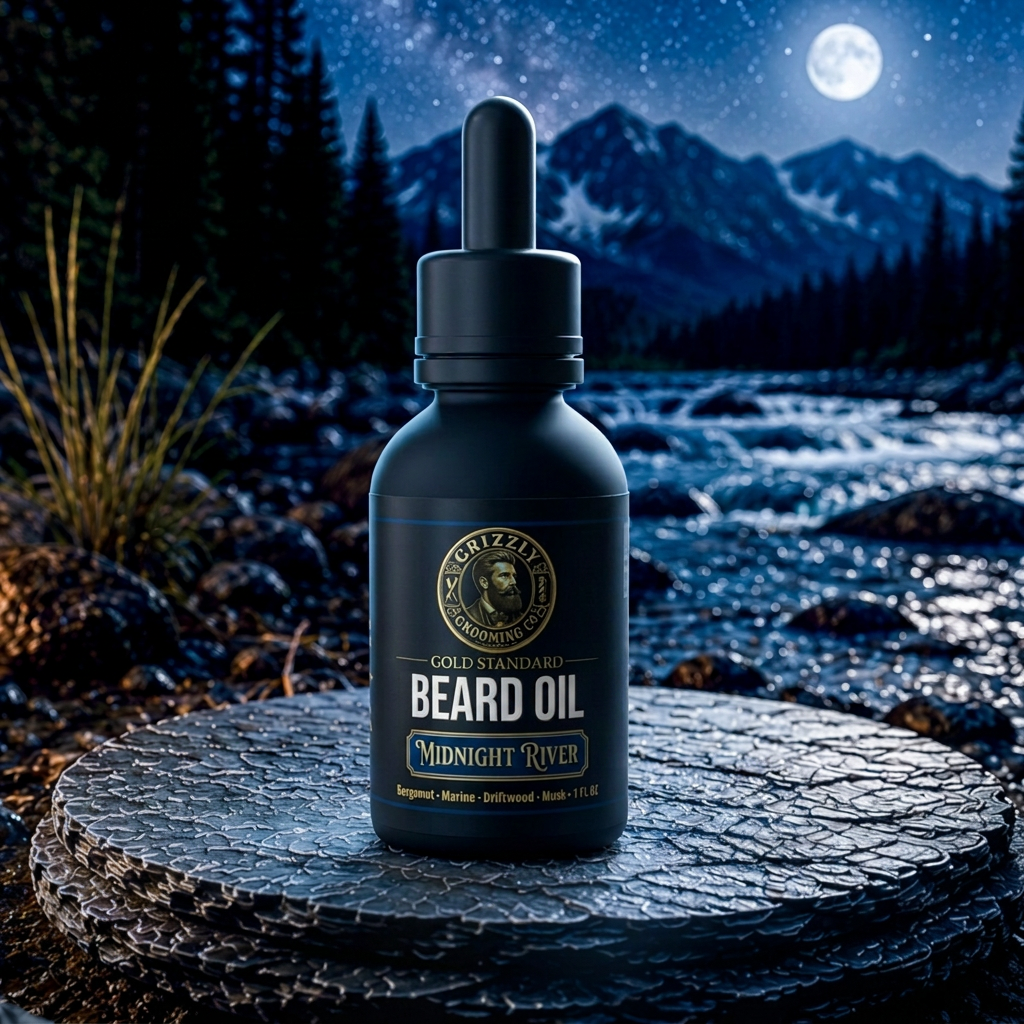
This initial phase is purely mechanical. The discomfort typically lasts for seven to ten days until the hair is long enough to soften and move away from the skin surface. Regular application of a high-quality beard oil during this time can soften the hair fibers, reducing the abrasive impact on your pores.
Sebaceous Glands and the Moisture Deficit
Your face produces a natural oil called sebum, secreted by the sebaceous glands at the base of each hair follicle. While these glands produce enough oil to keep a clean-shaven face hydrated, they cannot scale production to match the length of a growing beard. As the hair grows, it draws sebum away from the skin to coat the hair shaft.
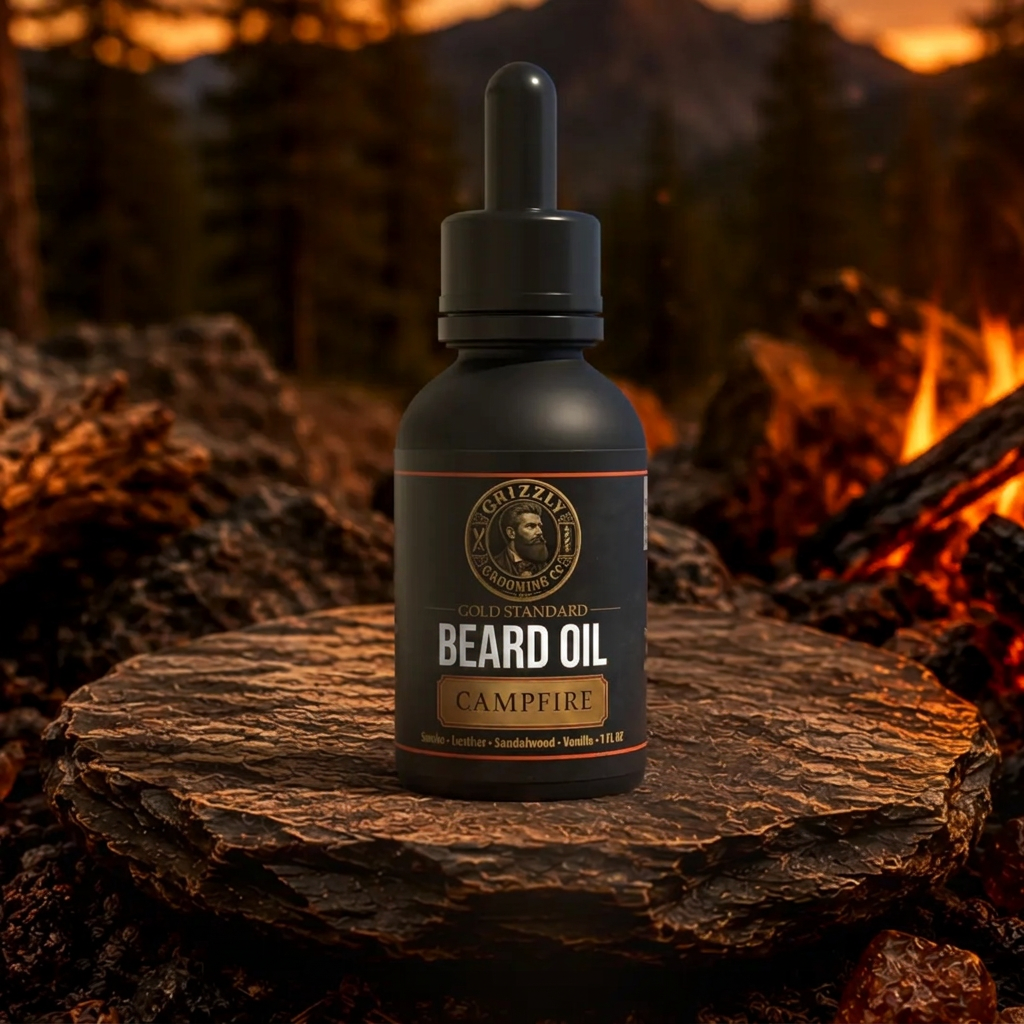
This leaves the skin underneath depleted and dry, leading to the formation of 'beardruff' or dry skin flakes. To counteract this biological limitation, you must introduce external lipids. The Grizzly Gold Standard beard oil is formulated to mimic these natural oils, providing the necessary hydration to the skin that your body can no longer sustain on its own.
The Importance of Proper Cleansing Rituals
Standard facial soaps and body washes are often formulated with harsh sulfates designed to strip away heavy oils. While effective for the body, these chemicals are too aggressive for facial hair and the sensitive skin underneath. Stripping the hair of all moisture causes the cuticle to lift, resulting in a scratchy, velcro-like texture.
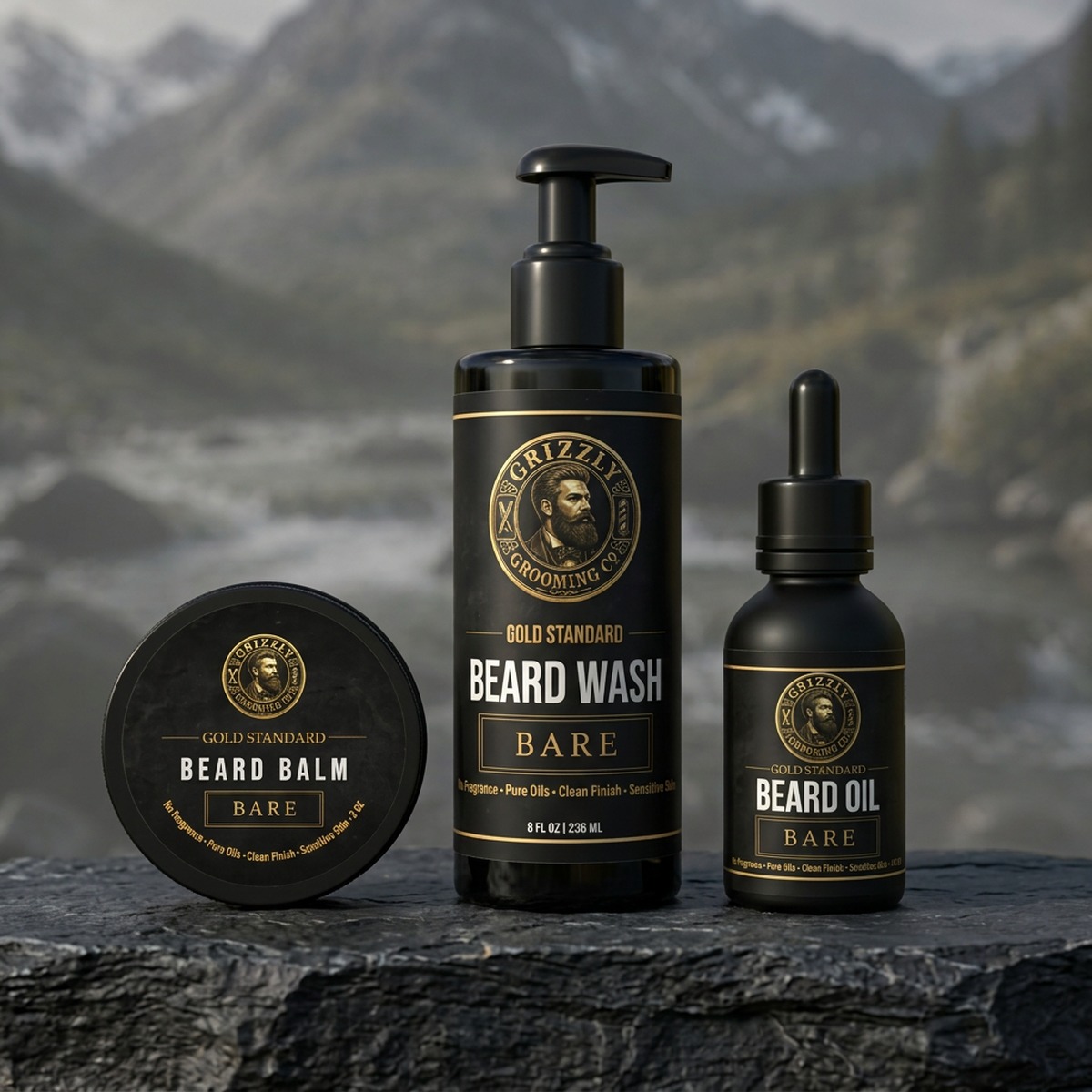
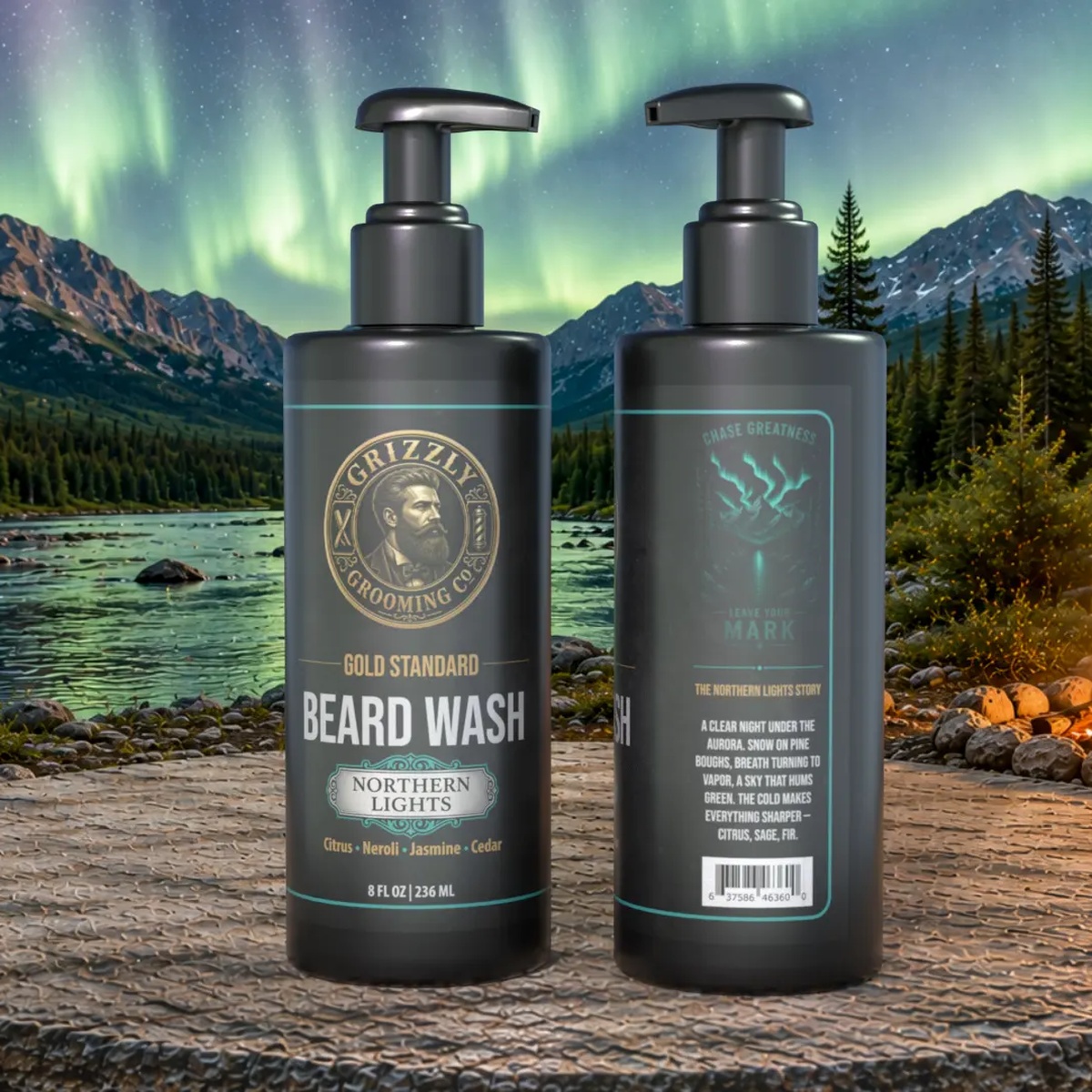
Switching to a dedicated beard wash is non-negotiable for itch management. A proper wash cleanses the hair while preserving the integrity of the skin's moisture barrier. We recommend washing no more than two to three times a week to avoid over-drying, followed immediately by a conditioner to seal the hair cuticle.
Exfoliation and Dead Skin Cell Management
A beard acts as a trap for dead skin cells that would otherwise naturally shed from your face. When these cells become trapped at the base of the hair, they cause inflammation and provide a breeding ground for bacteria. This buildup is a primary driver of chronic beard itch in established growth.
Using a boar hair brush is the most effective way to exfoliate the skin beneath the beard. The stiff bristles reach past the hair to massage the skin, clearing away debris and distributing oils evenly down the shaft. Incorporating this into your daily grooming ritual ensures the skin remains clear and the hair remains supple.
Frequently Asked Questions
How long does the initial beard itch phase last?
For most men, the mechanical itch caused by sharp hair tips lasts about one to two weeks. Once the hair grows long enough to bend away from the skin, the irritation usually subsides, provided you are maintaining skin hydration.
Can I use regular hair shampoo on my beard?
It is not recommended. Scalp skin is thicker and less sensitive than facial skin; therefore, scalp shampoos often contain harsher detergents that will strip your beard of necessary oils, leading to increased itch and brittle hair.
Is beard balm or beard oil better for stopping itch?
Beard oil is superior for stopping itch because its lighter viscosity allows it to reach the skin surface where the irritation begins. Beard balm is better suited for styling and providing a protective layer on the hair itself, though it does offer secondary moisturizing benefits.
Build your ritual in 60 seconds.
Answer four questions and get a custom regimen — plus a 15% bundle discount.
Start The Ritual Builder