Understanding the Ingredient Panel: Selecting Your Beard Wash
Most men mistakenly believe that any soap that produces lather is sufficient for their facial hair. In reality, the chemistry of your beard wash determines whether your hair remains supple or becomes a brittle, unmanageable mess. For the discerning man, reading an ingredient panel is a necessary skill for maintaining the Grizzly Gold Standard.
- ›Identify and avoid harsh sulfates like SLS and SLES that strip natural oils.
- ›Look for gentle surfactants derived from coconut or glucose.
- ›Prioritize pH-balanced formulas that respect the skin's acidic mantle.
- ›Botanical extracts provide actual nourishment rather than just cosmetic slip.
- ›Conditioning agents like provitamin B5 are essential for repairing hair shafts.
The Problem with Traditional Surfactants
The primary function of any wash is to remove sebum and debris, but the mechanism matters. Standard bar soaps and drug-store shampoos often rely on Sodium Lauryl Sulfate (SLS). This is a aggressive degreaser that is better suited for industrial cleanup than a human face.
When these harsh detergents are applied to facial hair, they strip away the essential lipids that keep the hair cuticle closed. Regular use leads to the characteristic 'straw-like' texture men often complain about. A quality beard wash must use mild alternatives that cleanse without compromising the hair's structural integrity.
Botanical Bases and Gentle Cleensing
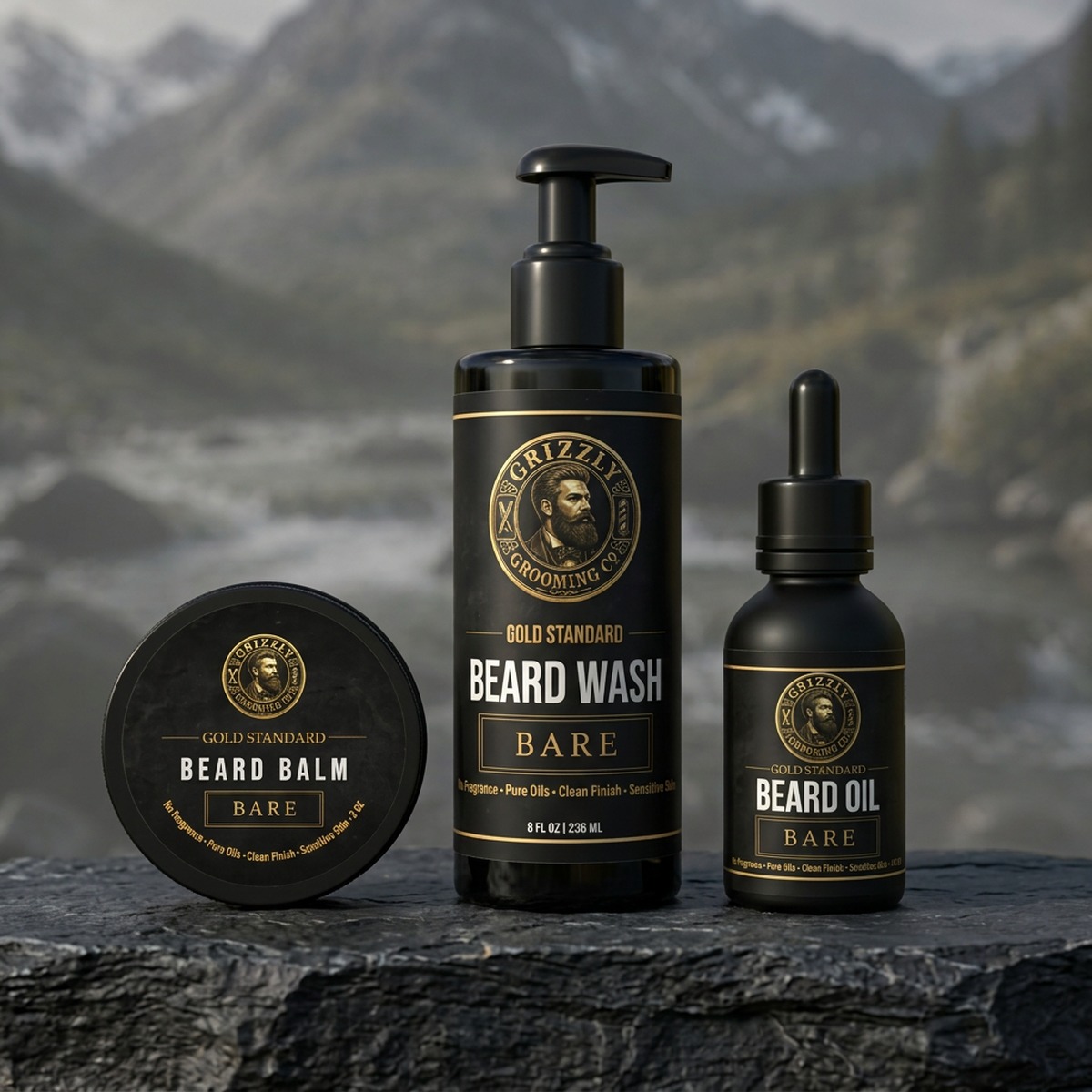
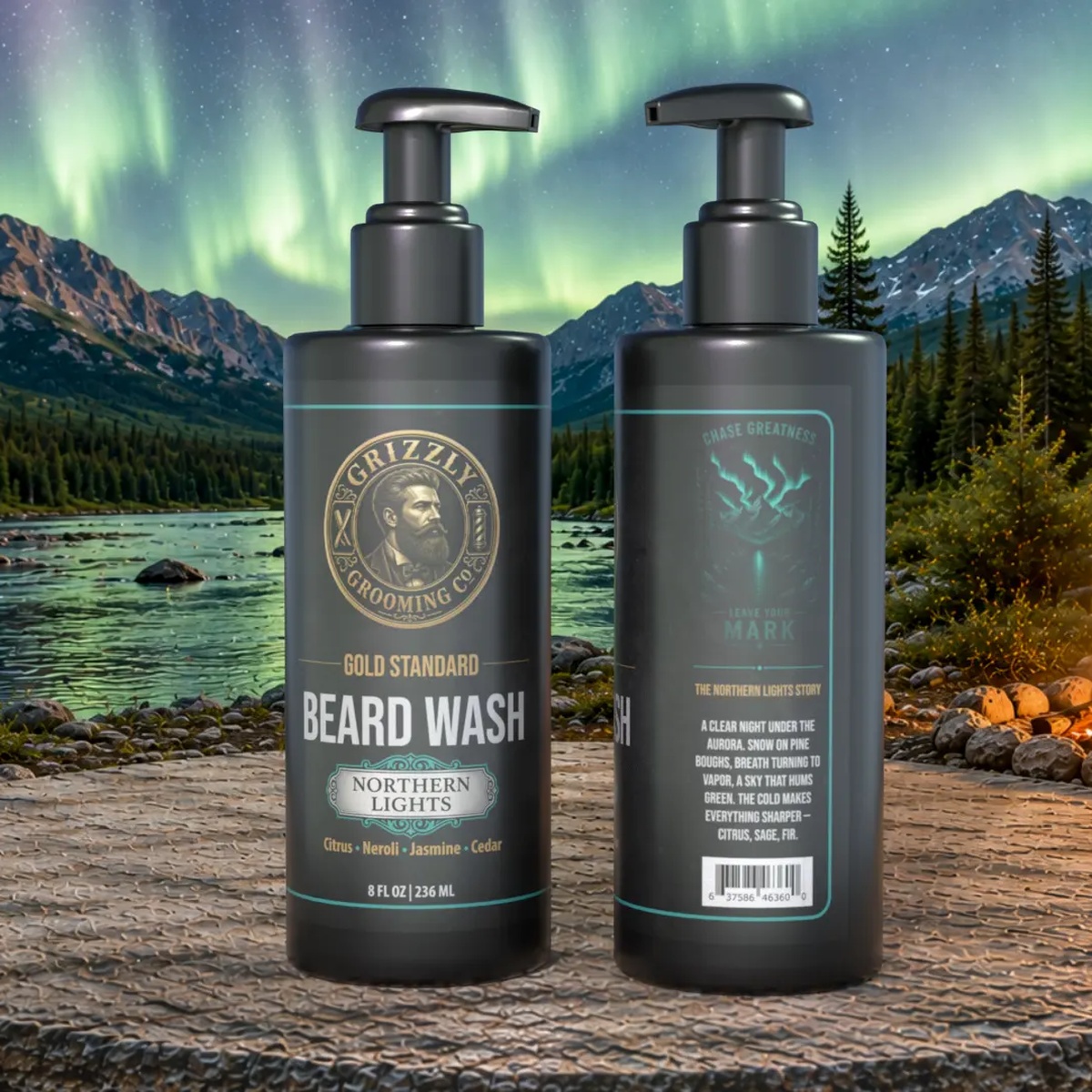
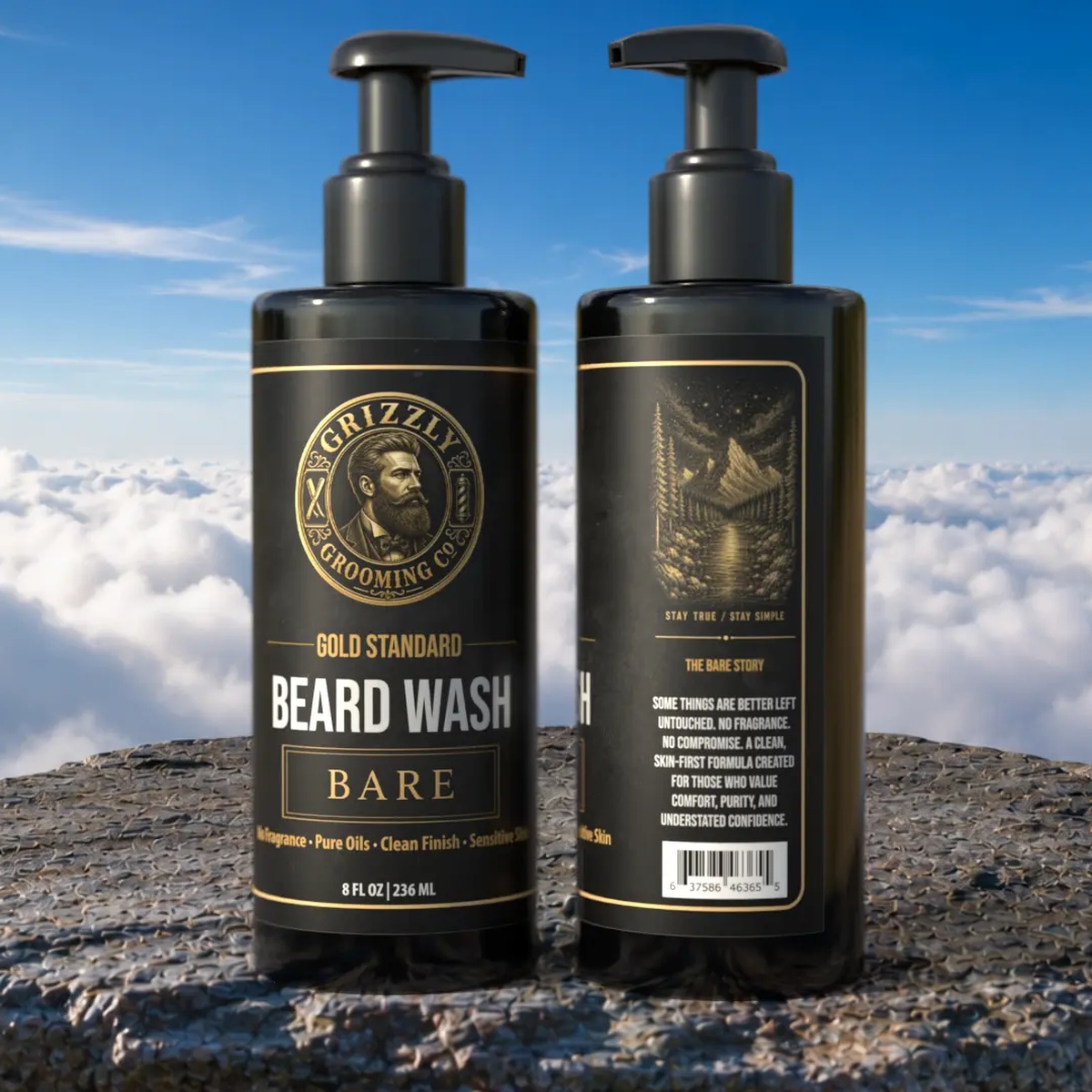
Premium formulations, such as those found in our Grizzly Gold Standard beard wash, utilize surfactants like Decyl Glucoside or Coco-Betaine. These are derived from natural sources and are significantly larger molecules that cannot penetrate the skin as deeply, reducing the risk of irritation and dryness.
These ingredients create a creamy, stable lather that lifts dirt effectively while remaining gentle enough for daily use. Unlike mass-market products, these botanical-based cleansers leave the sebum levels balanced rather than depleted, keeping your beard soft immediately after rinsing.
Humectants and Conditioning Agents
A beard wash should do more than just clean; it should begin the hydration process. Glycerin and Panthenol (Provitamin B5) are key humectants that draw moisture from the environment into the hair shaft. This prep work makes your post-wash application of beard oil or beard butter significantly more effective.
Furthermore, look for hydrolyzed proteins on the label. These smaller protein fragments can bind to the keratin in your beard, filling in gaps in the cuticle and providing a smoother surface. This reduces tangles and makes the morning styling routine much more efficient for the busy professional.
The Truth About Fragrances and Preservatives
Synthetic fragrances are often a cocktail of undisclosed chemicals that can lead to contact dermatitis. At Grizzly Grooming Co., we prioritize essential oils and high-grade aromatics that provide a sophisticated scent profile without the hidden irritants commonly found in cheaper alternatives.
Preservatives are a necessity in any water-based product to prevent bacterial growth, but they should be used judiciously. Avoid parabens and formaldehyde donors. Modern, clean preservatives like Phenoxyethanol or Ethylhexylglycerin are much safer options that ensure your product remains shelf-stable and effective for the duration of its use.
Frequently Asked Questions
Can I use hair shampoo on my beard if it is high quality?
Even premium hair shampoos are formulated for the scalp, which has a higher density of sebaceous glands than the face. Using hair shampoo on your beard will likely lead to dry, itchy skin underneath the hair due to the difference in oil production levels.
How often should I actually wash my beard?
For most men, washing with a dedicated beard wash 2 to 3 times a week is sufficient. If you work in a high-intensity environment or get exceptionally dirty, you can wash more frequently, provided you are using a sulfate-free, botanical formula.
What should the first ingredient in my beard wash be?
Most beard washes will list Water or Aqua as the first ingredient to act as a carrier. What matters most is the second and third ingredients, which should be gentle surfactants like Aloe Vera leaf juice or Coco-Glucoside rather than harsh salts.
Build your ritual in 60 seconds.
Answer four questions and get a custom regimen — plus a 15% bundle discount.
Start The Ritual Builder