Understanding Minoxidil for Beard Growth: Benefits and Side Effects
While originally formulated for scalp restorative treatments, minoxidil has become a staple for men looking to fill patches in their facial hair. As editors and barbers, we prioritize the health of the follicle and the skin beneath it above temporary gains. Understanding the mechanism behind this vasodilator is essential before integrating it into your daily grooming ritual.
- ›Minoxidil works by prolonging the anagen growth phase of the hair follicle.
- ›Consistent application is required for at least six months to see permanent terminal hair transition.
- ›The alcohol base in many solutions often causes severe skin dryness and irritation.
- ›Pairing treatment with a high-quality beard oil is non-negotiable for maintaining skin elasticity.
- ›Consultation with a professional is advised to manage potential cardiovascular side effects.
The Science of Follicle Stimulation
Minoxidil is an antihypertensive vasodilator that, when applied topically, widens blood vessels to deliver more oxygen and nutrients to the hair follicles. This process shifts resting hairs from the telogen phase into the active anagen growth phase, often resulting in thicker, more visible strands over time.
Unlike scalp hair, facial hair is androgenic, meaning it is driven by testosterone and dihydrotestosterone. Minoxidil acts as a growth catalyst regardless of these hormone levels, making it effective for men with the genetic potential for a beard who simply need a localized stimulant to activate dormant follicles.
Managing the Dryness Cycle
The most common delivery method for minoxidil is a liquid solution containing high concentrations of propylene glycol and alcohol. These ingredients are notorious for stripping the skin of its natural sebum, leading to flaking, itching, and 'beardruff' that can damage the skin barrier.
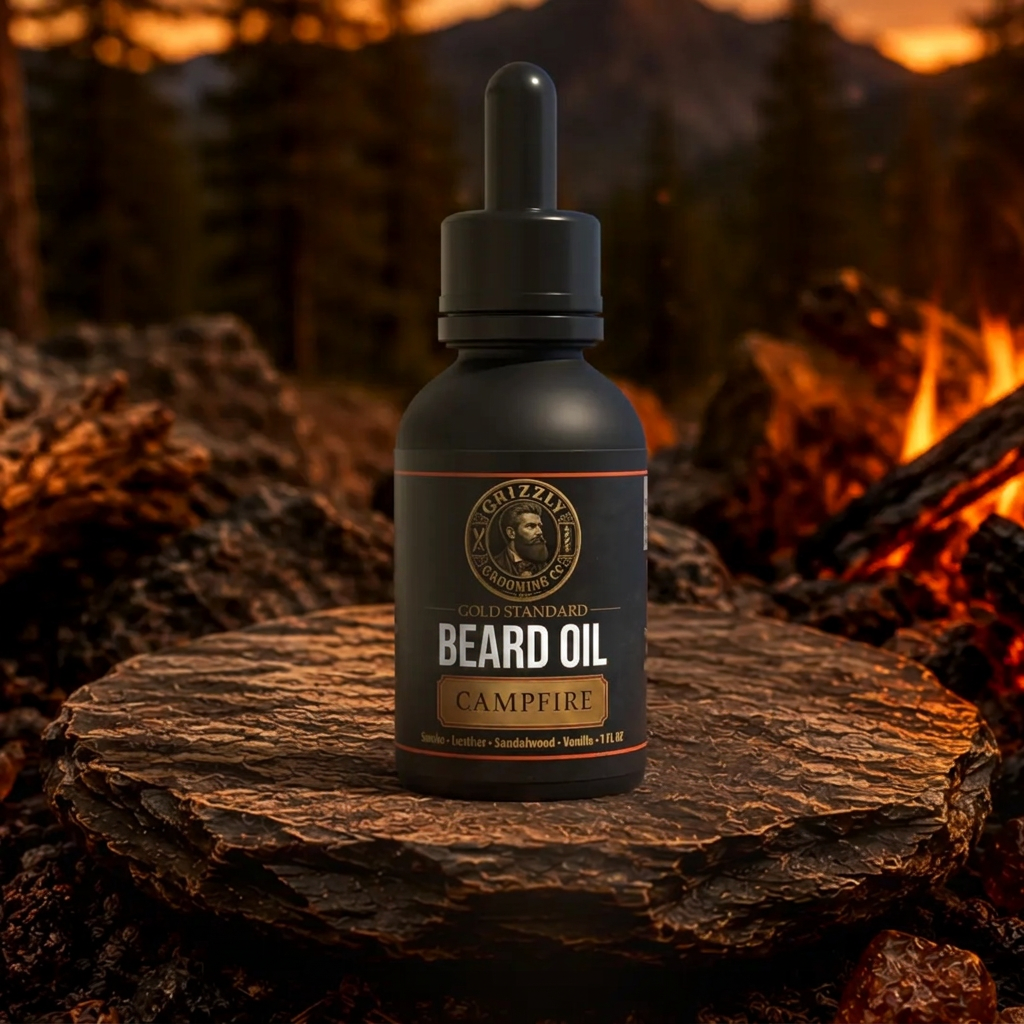
To counter this, we recommend a staggered routine. Apply the solution, wait for it to fully dry, and four hours later, apply a nutrient-dense Grizzly Beard Oil. This replenishes the lipid layer without interfering with the absorption of the treatment, ensuring your skin remains supple while the hair grows.
Transitioning from Vellus to Terminal Hair
Many men stop their treatment too early because they mistake vellus hair for permanent growth. Vellus hairs are the fine, blonde, peach-fuzz strands that first appear; if you stop minoxidil at this stage, those hairs will likely shed and not return.
The goal is to reach the terminal stage, where the hair becomes thick, pigmented, and deeply rooted. This transition typically requires twelve to eighteen months of consistent use. Once the hair has turned terminal, it no longer relies on the vasodilator to maintain its presence, allowing you to taper off the treatment.
Safety and Systemic Absorption
Because the skin on the face is more permeable than the scalp, systemic absorption of minoxidil is a possibility. Some users report heart palpitations, lightheadedness, or unwanted hair growth in areas adjacent to the application site.
Start with a lower concentration, such as 2%, before moving to the standard 5% strength. If any cardiovascular symptoms occur, discontinue use immediately. Our approach at Grizzly Grooming Co. is always health-first; a dense beard is never worth compromising your systemic well-being.
The Post-Treatment Maintenance Ritual
Once you have achieved the desired density and your hairs have achieved terminal status, your focus must shift from growth to preservation. The chemicals used during the growth phase can leave hair slightly more brittle than natural growth.
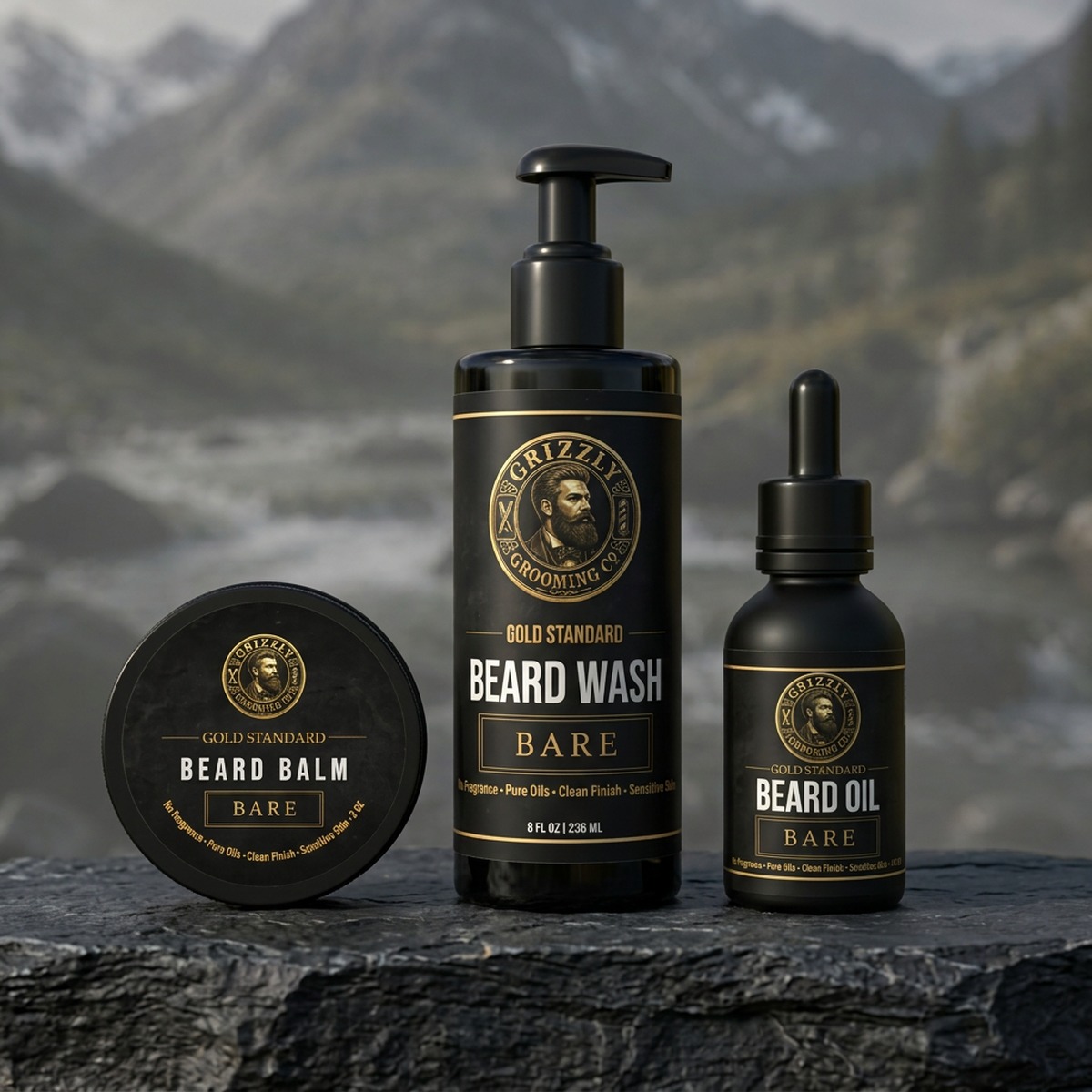
Transitioning to a regimen of Grizzly Beard Wash and a deep-conditioning Beard Butter will help restore the structural integrity of the hair shaft. Regular grooming with a boar hair brush will also distribute natural oils, ensuring your new growth remains soft and manageable rather than straw-like.
Frequently Asked Questions
How long does it take to see results with minoxidil?
Most men observe the first signs of vellus hair growth within 8 to 12 weeks of twice-daily application. Significant density and terminal hair transition usually require a commitment of 6 to 12 months.
Can I use beard oil while using minoxidil?
Yes, and you should. Minoxidil is extremely drying to the skin; applying a high-quality beard oil roughly four hours after your application helps prevent skin cracking and irritation without blocking the medication's absorption.
Will my beard fall out if I stop using it?
If the hairs have reached the terminal stage—meaning they are thick, dark, and mature—they will remain. However, if you stop while the hairs are still in the vellus stage, those new gains will likely shed within a few weeks.
Build your ritual in 60 seconds.
Answer four questions and get a custom regimen — plus a 15% bundle discount.
Start The Ritual Builder