Understanding Beard Wash Ingredients for Better Facial Hair Health
The skin on your face is fundamentally different from your scalp, necessitating a specific approach to cleansing. Most generic soaps strip the natural sebum your follicles require, leading to irritation and brittle hair. Dissecting the ingredient panel is the only way to ensure your beard wash is actually supporting your growth rather than hindering it.
- ›Avoid harsh sulfates like SLS which strip essential oils.
- ›Look for gentle surfactants derived from coconut or sugars.
- ›Natural humectants like glycerin are vital for moisture retention.
- ›Essential oils offer scent and skin benefits without synthetic phthalates.
- ›pH balance is critical for maintaining the health of the skin barrier.
The Chemistry of Cleansing
Every cleanser relies on surfactants to lift dirt and oil, but the intensity of these agents varies significantly. Harsh detergents found in standard soaps are often too aggressive for the face, resulting in the dreaded beard itch and flaky skin underneath.
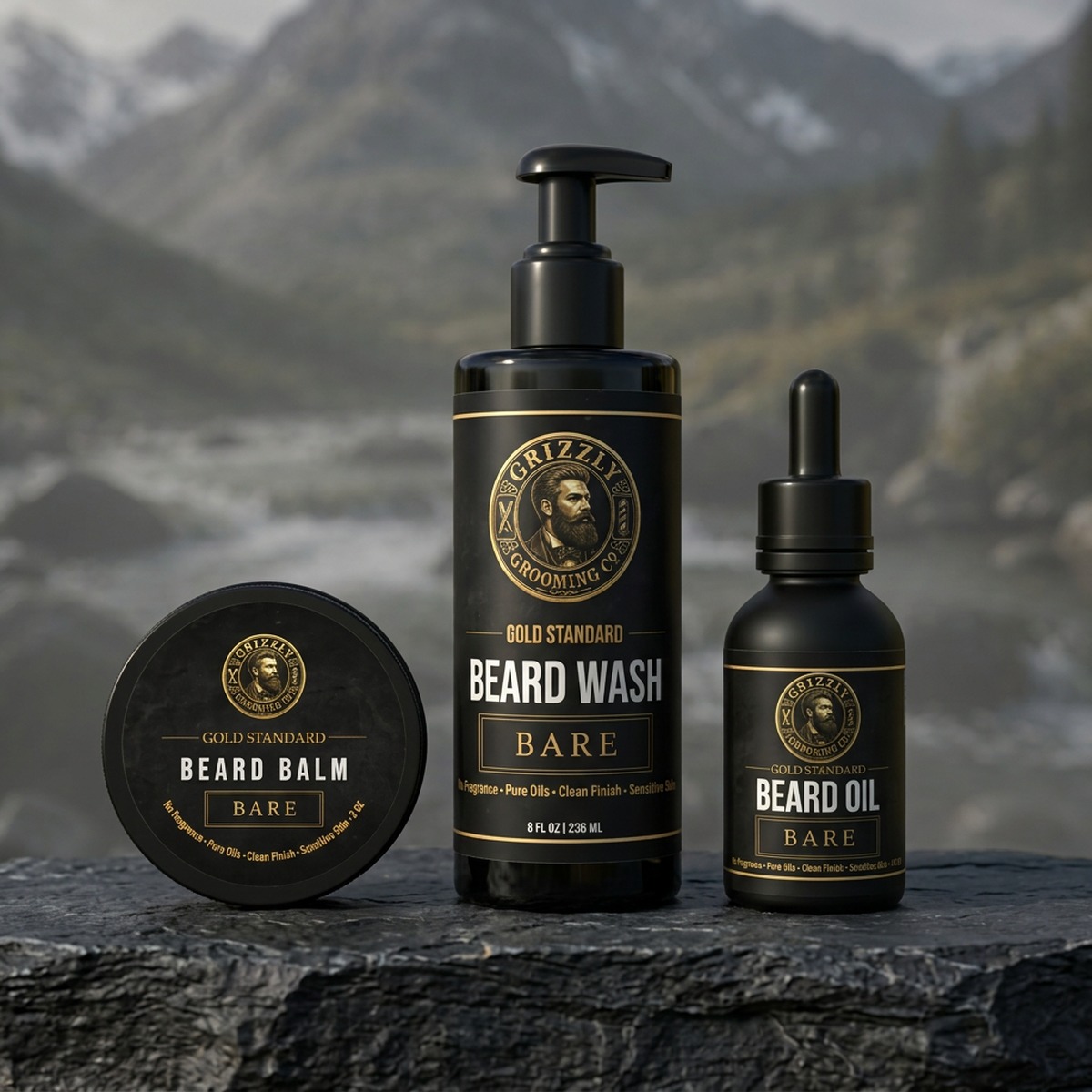
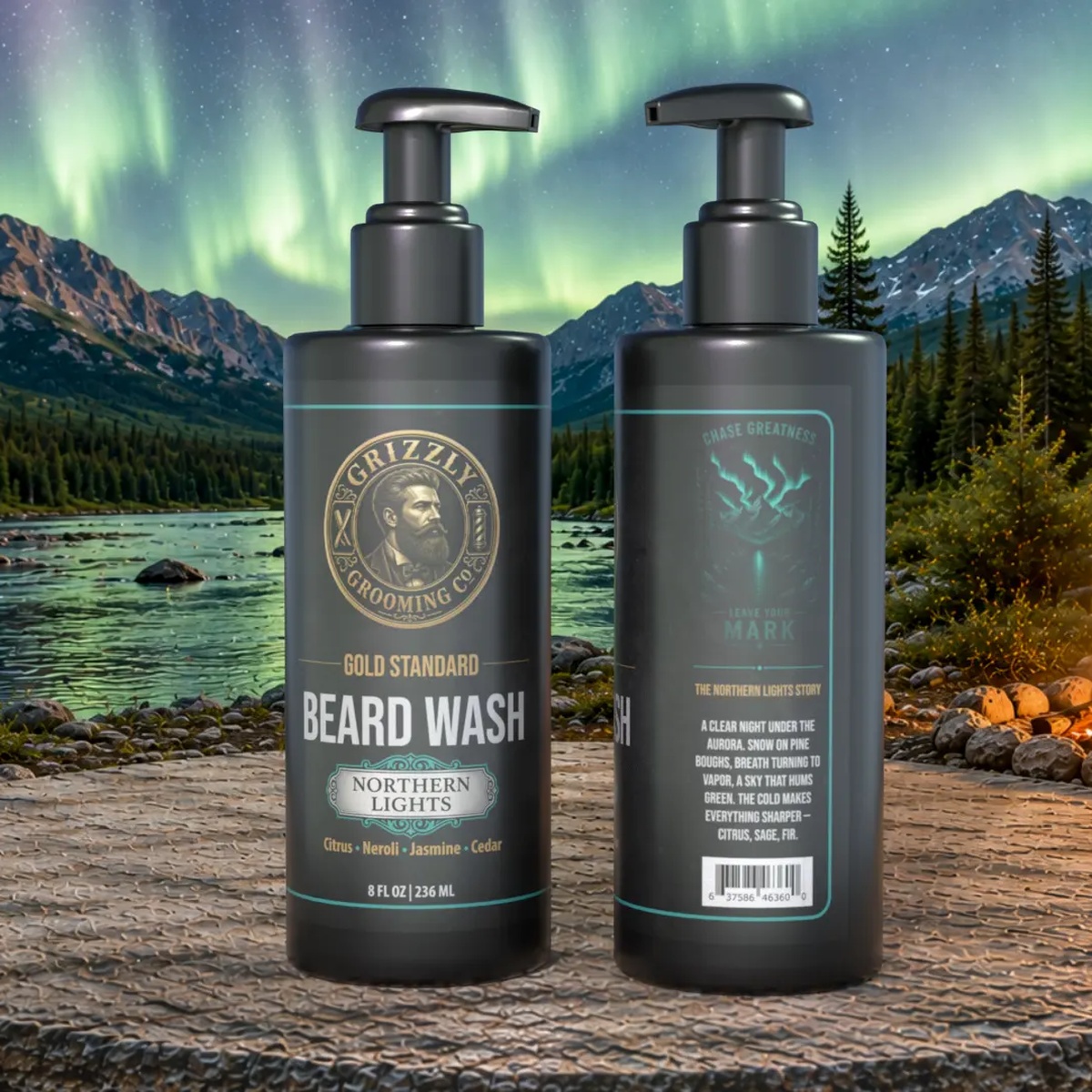
A proper Grizzly beard wash utilizes mild surfactants such as Cocamidopropyl Betaine or Decyl Glucoside. these molecules are large enough to cleanse the hair surface without penetrating and damaging the skin barrier, ensuring a clean beard that remains soft to the touch.
Why Sulfates Are the Enemy
Sodium Lauryl Sulfate (SLS) and Sodium Laureth Sulfate (SLES) are industrial-strength degreasers that create high foam but provide no biological benefit to your beard. They are highly efficient at removing wax and heavy oils, but they also take the natural moisture your beard needs to stay pliable.
Repeated use of sulfate-heavy products leads to micro-cracks in the hair cuticle. Once the cuticle is compromised, your beard becomes prone to split ends and tangles, making it nearly impossible to style even with high-quality balms or butters.
The Importance of Natural Humectants
Cleansing is only half the battle; the second half is moisture management. Ingredients like Vegetable Glycerin and Aloe Vera act as humectants, meaning they pull moisture from the environment and lock it into the hair shaft during the wash process.
Grizzly Gold Standard formulations often include these elements to counteract the drying effects of hard water. By maintaining this moisture balance, you reduce the amount of beard oil needed post-wash, as the hair is already hydrated at a cellular level.
Botanicals and Essential Oils
Synthetic fragrances are often listed simply as 'Parfum' and can contain hundreds of undisclosed chemicals that cause skin sensitivity. A premium beard wash focuses on essential oils and botanical extracts like Jojoba oil or Peppermint, which provide functional benefits along with a masculine scent.
These natural oils mirror the skin's sebum, providing a protective layer that persists even after rinsing. This is the difference between a beard that feels like straw after a shower and one that feels conditioned and ready for styling.
Frequently Asked Questions
Can I use regular hair shampoo on my beard?
It is generally not recommended. Scalp shampoos are formulated to remove the heavy oils produced by the scalp, which are much more abundant than the sebum produced on your face, leading to extreme dryness.
How often should I use a beard wash?
Most men find that washing 2 to 3 times per week is the ideal balance. However, if you work in a dusty environment or use heavy styling products daily, you may need to wash more frequently with a gentle formulation.
What should I look for first on the label?
Check the first three ingredients after water. You want to see gentle, plant-derived cleansers rather than sulfates or high-alcohol content which can zap moisture instantly.
Build your ritual in 60 seconds.
Answer four questions and get a custom regimen — plus a 15% bundle discount.
Start The Ritual Builder