Understanding Beard Itch: The Scientific Approach to Lasting Relief
Beard itch is not a rite of passage; it is a symptom of neglected skin and structural changes in the hair follicle. Transitioning from a clean shave to a full beard requires a specific adjustment in how you manage moisture and exfoliation.
- ›New growth causes irritation because shaved tips are sharp and curl back toward the skin.
- ›The skin's natural sebum production is often insufficient for longer facial hair.
- ›Regular exfoliation prevents dead skin cells from trapping bacteria near the follicle.
- ›High-quality beard oil mimics natural oils to restore the lipid barrier.
- ›Proper washing techniques prevent the buildup of environmental pollutants and sweat.
The Physics of New Growth Irritation
When you shave, the razor leaves the hair shaft with a sharp, chisel-like edge. As the hair begins to grow beyond the surface of the dermis, it naturally curves back toward the skin, causing mechanical irritation as those sharp edges prick the follicle wall.
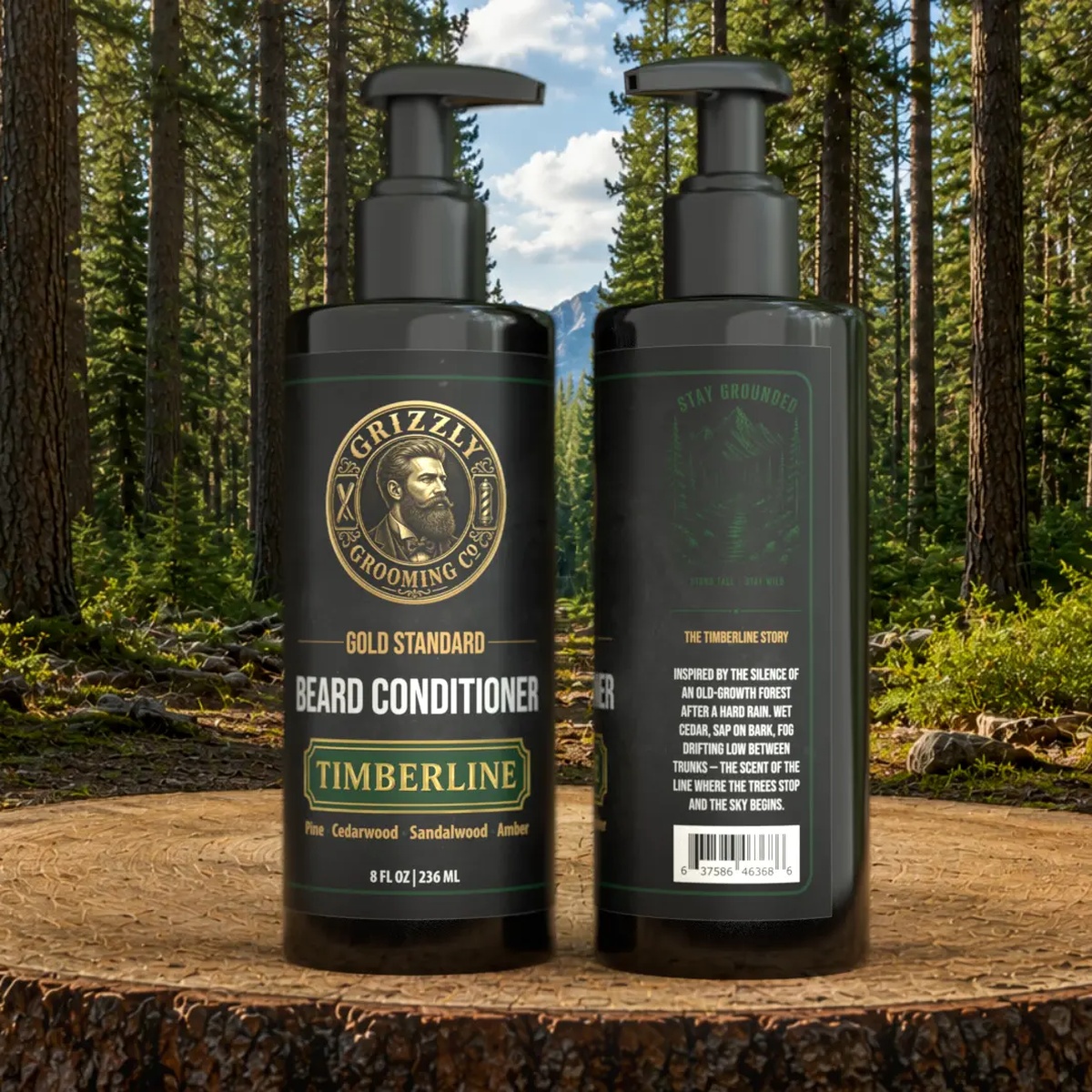
This phase typically lasts for the first two to three weeks of growth. To mitigate this, a foundational softening agent is required to reduce the rigidity of the hair fiber, making the initial growth phase less abrasive against the face.
The Sebum Deficit and Transepidermal Water Loss
Your skin produces a natural oil called sebum, which is designed to keep a clean-shaven face hydrated. However, as beard hair grows longer, it wicks that sebum away from the skin and distributes it along the length of the hair, leaving the skin underneath depleted.
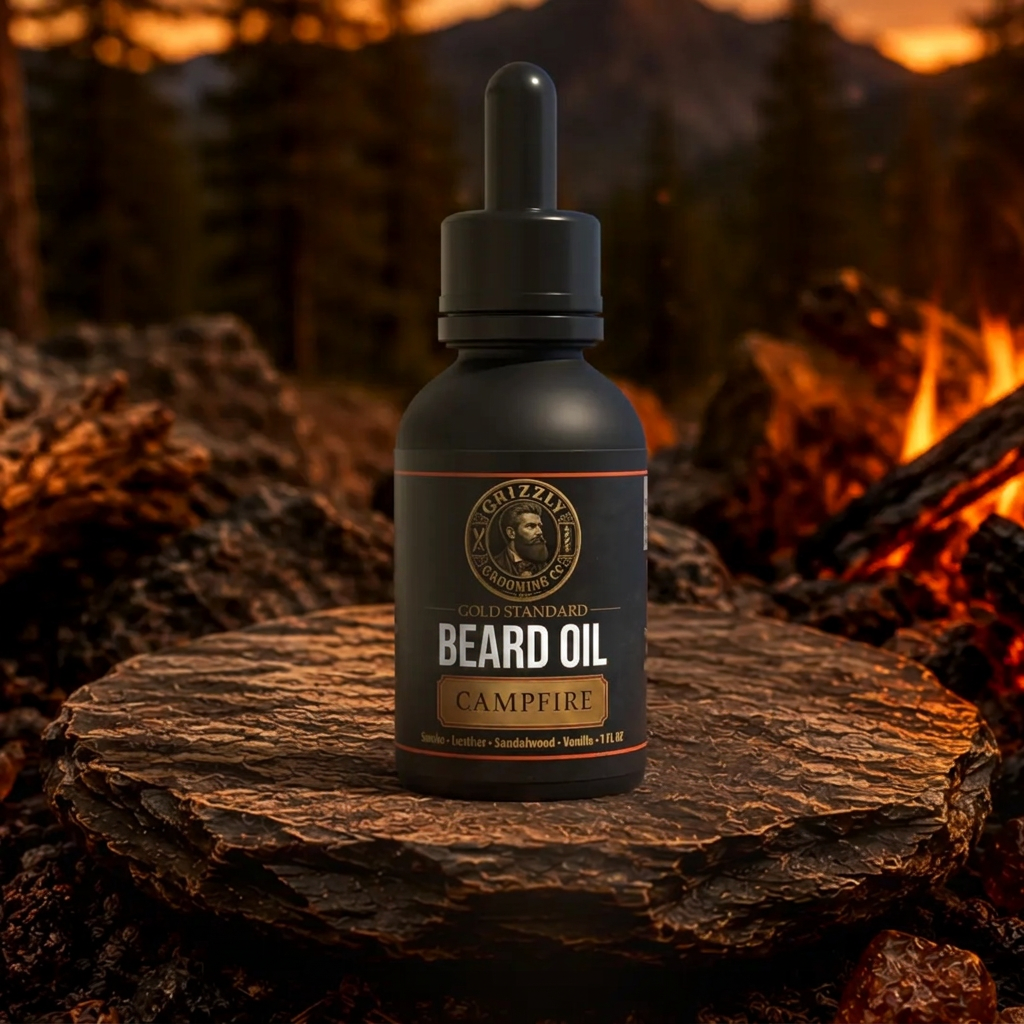
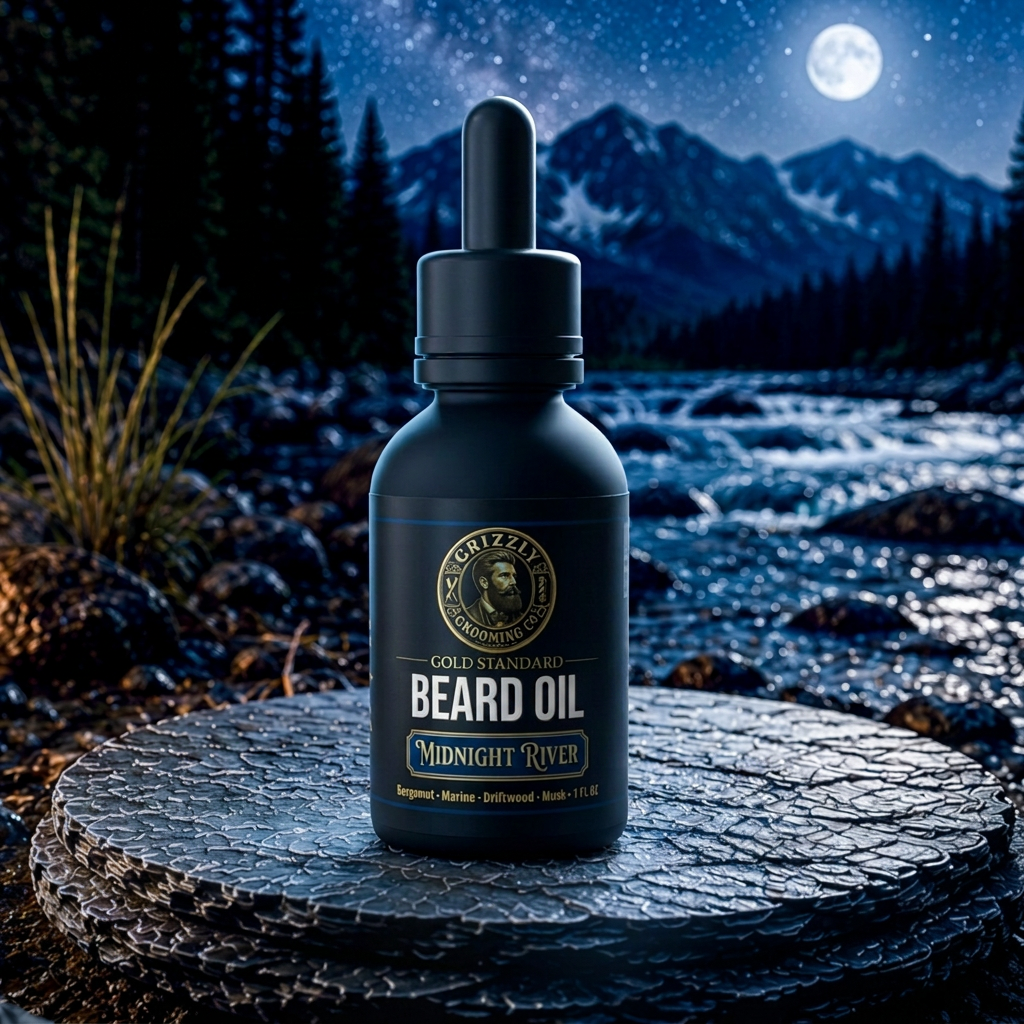
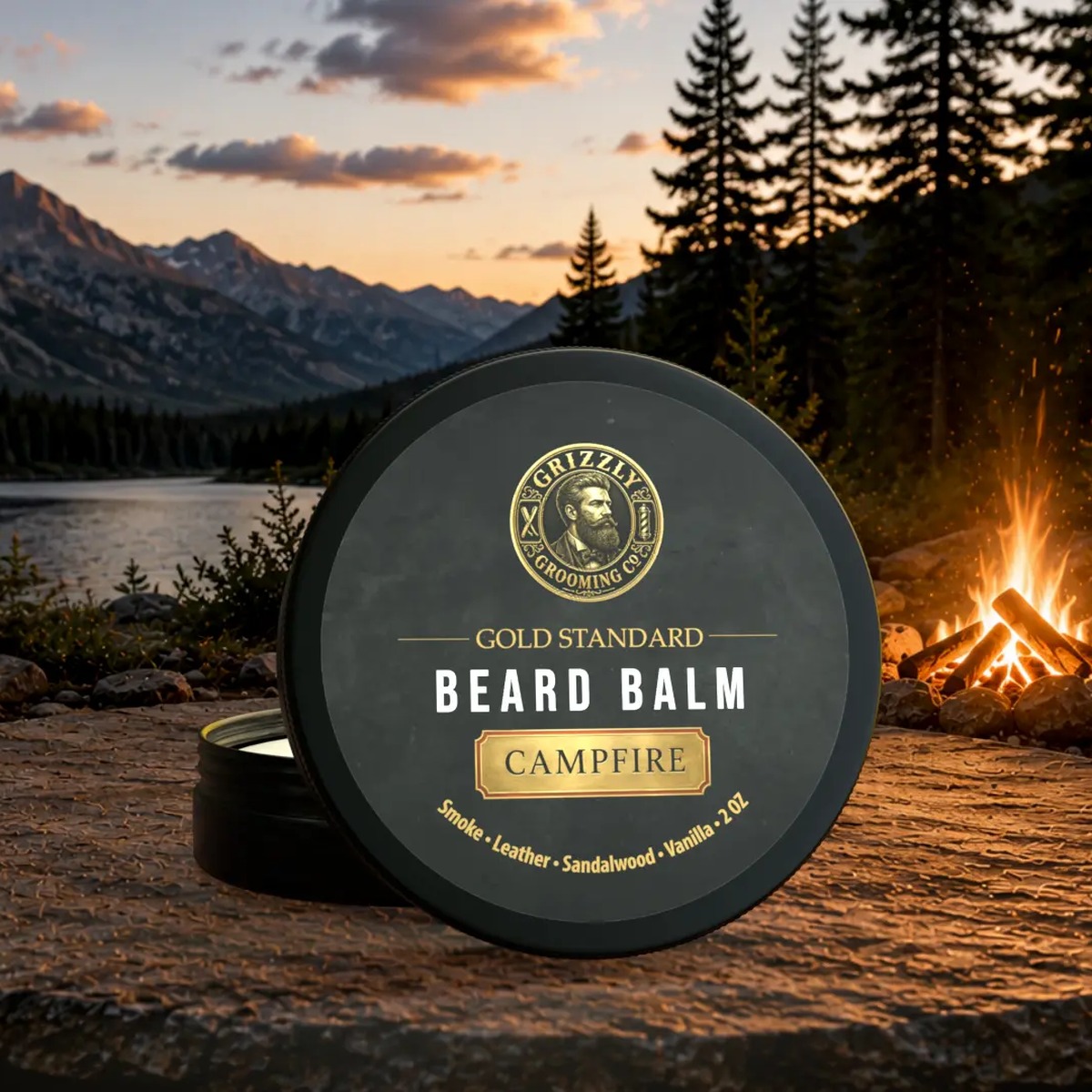
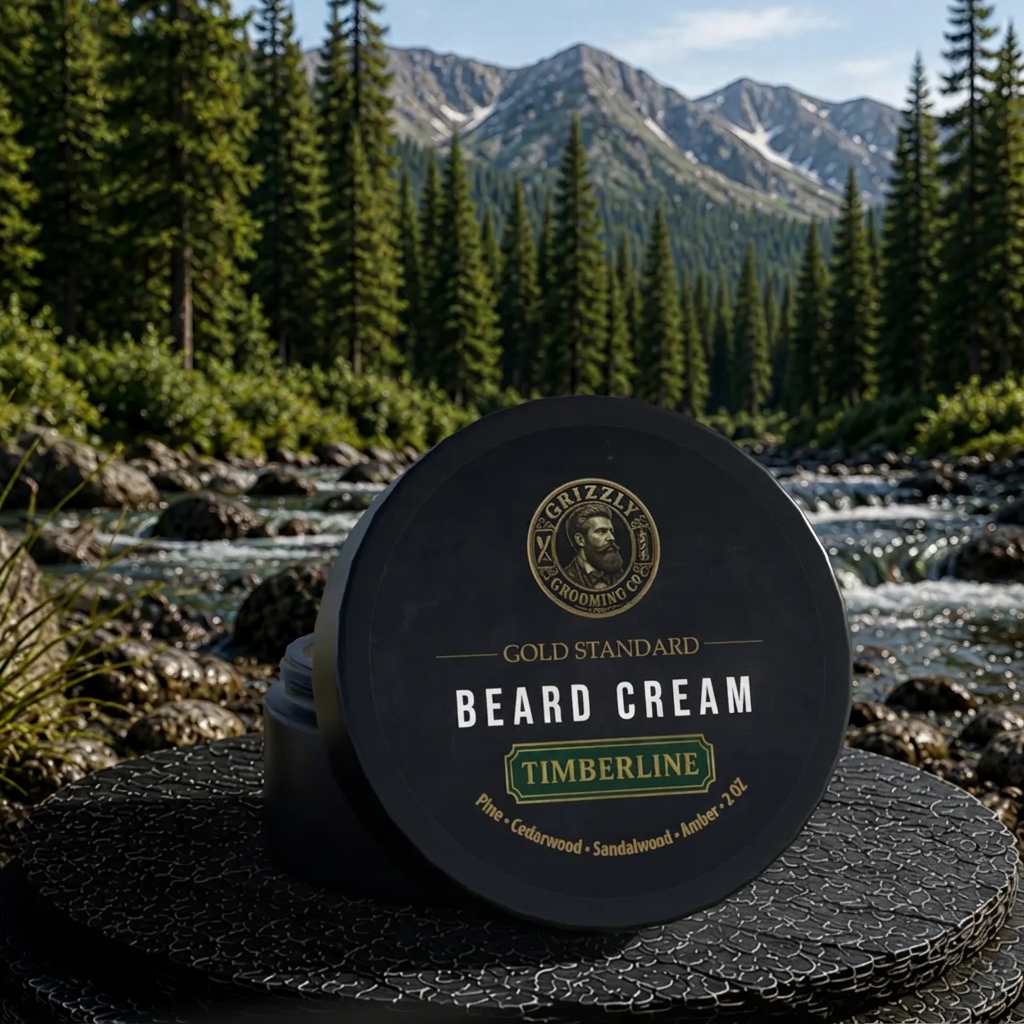
This creates a state of chronic dryness and itching known as transepidermal water loss. Utilizing a high-quality beard oil, such as those in the Grizzly Gold Standard line, replenishes this lost moisture by providing a synthetic sebum layer that protects the skin while softening the hair.
Managing Beard Dandruff and Cellular Turnover
The skin constantly undergoes a process of cellular turnover, shedding dead cells to make room for new ones. Without a beard, these cells fall away naturally; with a beard, they become trapped against the skin, leading to inflammation and 'beardruff'.
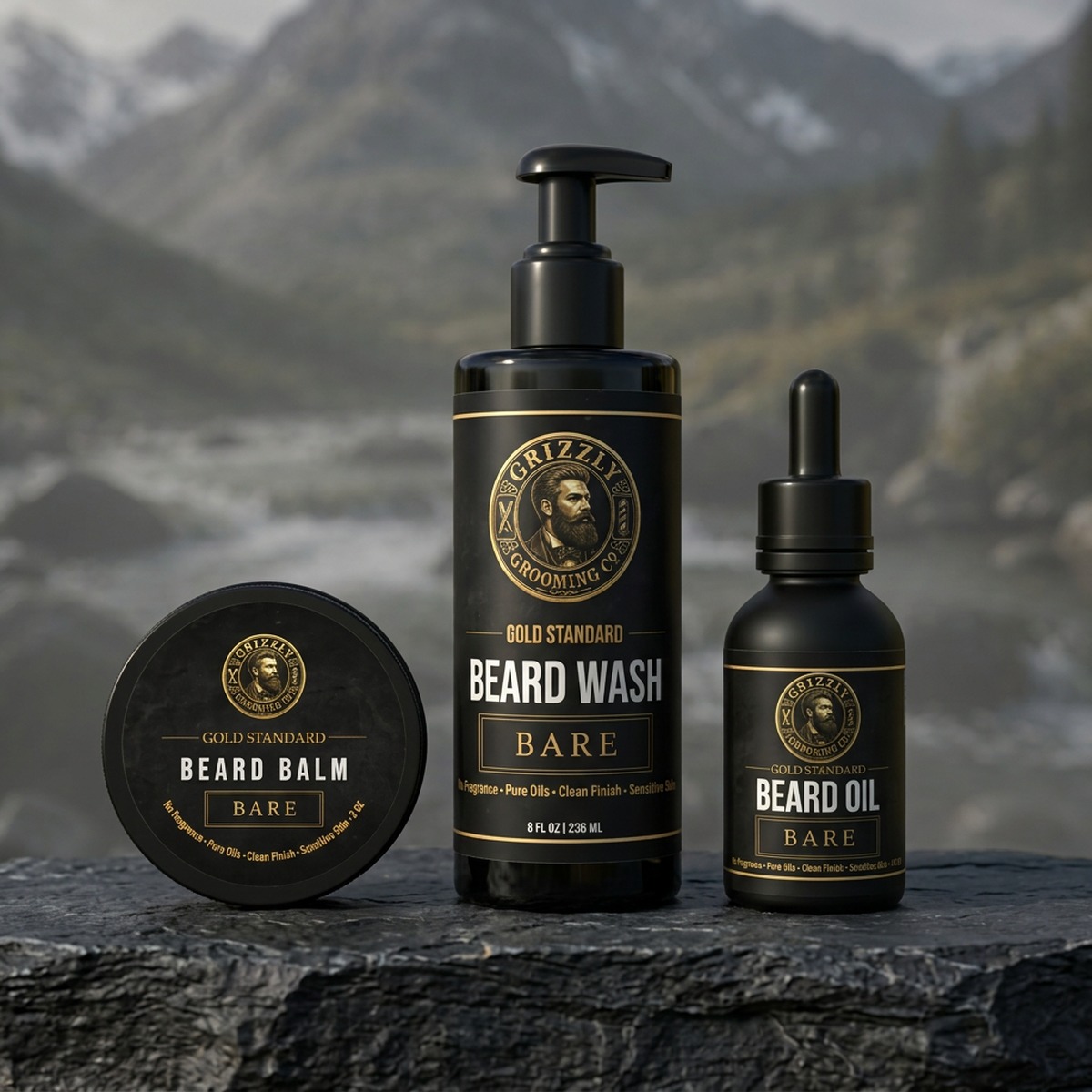
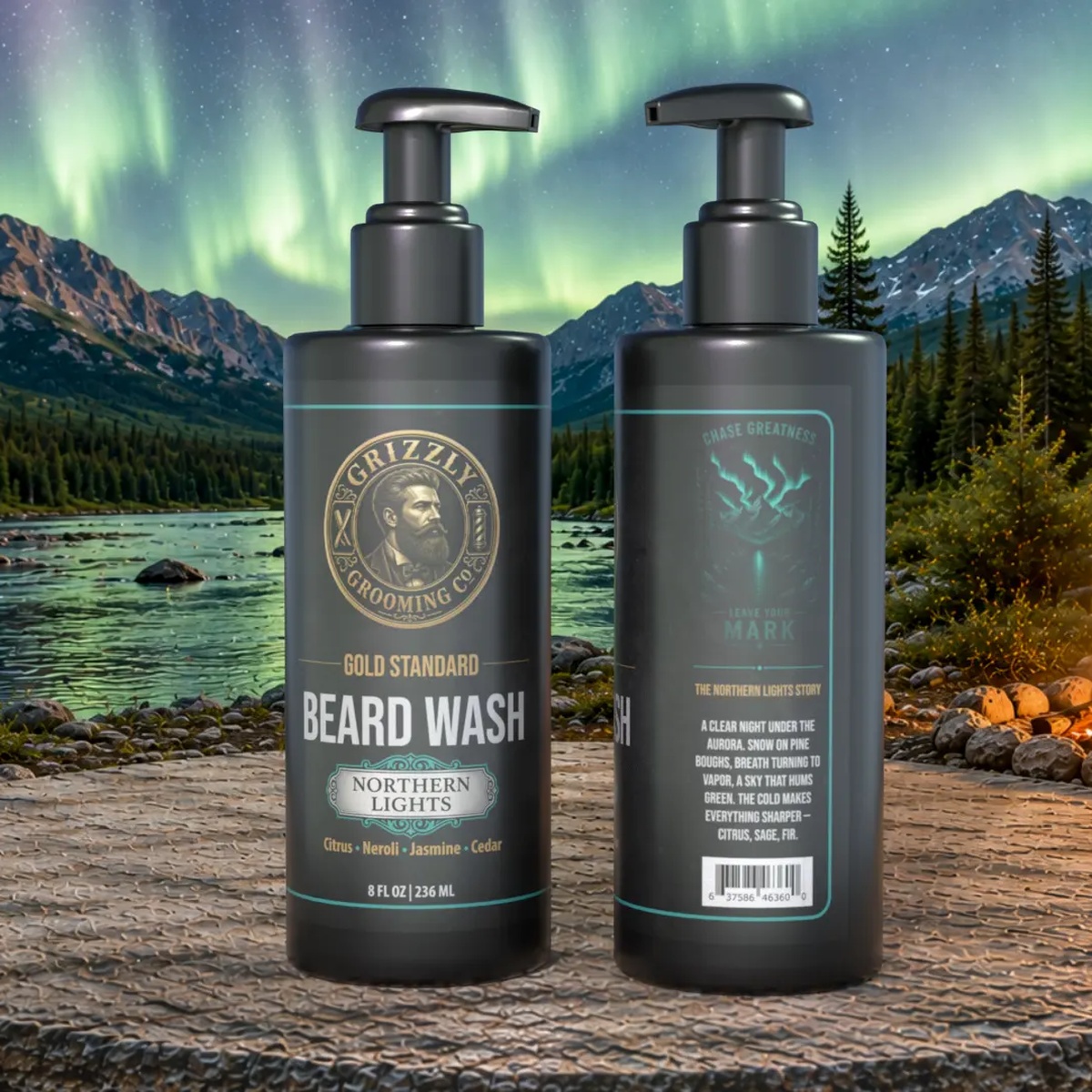
Effective management requires a dedicated beard wash rather than standard bar soap. Standard soaps contain harsh surfactants that strip necessary lipids, whereas a specialized wash removes debris without compromising the skin's pH balance.
The Role of Environmental Pollutants
Facial hair acts as a filter, trapping dust, smoke, and food particles throughout the day. If these particulates reach the skin, they can cause localized allergic reactions and persistent itching.
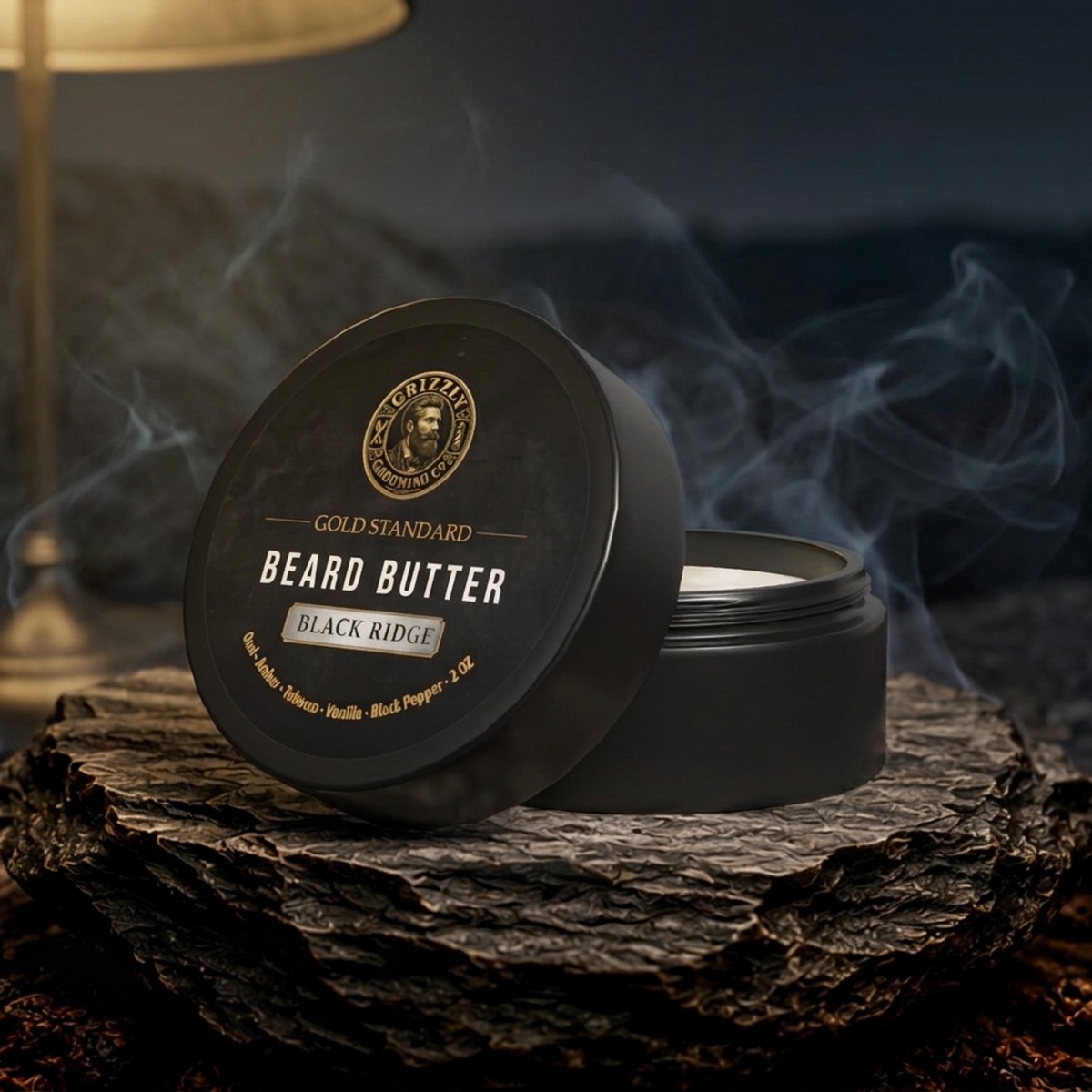
Applying a lightweight beard butter in the evening can help provide a protective barrier and deep conditioning. This ritual ensures that the hair remains supple and the skin stays calm, even after a day of exposure to the elements.
Frequently Asked Questions
How long does the initial beard itch phase typically last?
For most men, the mechanical itch caused by sharp hair tips lasts about two to four weeks. During this time, consistent application of beard oil is essential to soften the hair and soothe the skin.
Can I use regular hair shampoo on my beard to stop the itching?
No, regular scalp shampoo is formulated to remove heavy oils from the scalp and is too aggressive for the face. A dedicated beard wash is necessary to maintain the delicate moisture balance of facial skin.
How often should I apply beard oil to prevent dryness?
In most climates, applying beard oil once a day after your morning shower is sufficient. If you live in a particularly arid environment or have very coarse hair, a second application in the evening may be beneficial.
Build your ritual in 60 seconds.
Answer four questions and get a custom regimen — plus a 15% bundle discount.
Start The Ritual Builder