Understanding Beard Itch: The Science of Follicle Health and Relief
Beard itch is more than a minor annoyance; it is a physiological response to skin dehydration and follicle irritation. Most men abandon their growth within the first four weeks due to this discomfort, yet the solution lies in understanding how natural oils interact with new hair growth.
- ›New growth causes microscopic abrasions on the skin surface.
- ›The face is often unable to produce enough sebum to lubricate long whiskers.
- ›Daily hydration with nutrient-dense beard oil is non-negotiable for relief.
- ›Exfoliation via a high-quality beard wash prevents the buildup of dead skin cells.
- ›Consistency in routine is the only permanent solution to persistent itching.
The Biological Mechanism of the Itch
Every hair on your face grows out of a follicle equipped with a sebaceous gland. These glands produce sebum, a natural oil meant to keep the hair and surrounding skin hydrated. The problem arises as the beard grows longer; the limited amount of sebum becomes insufficient to coat the entire hair shaft, leaving both the skin and the hair parched.
When the skin lacks moisture, it becomes brittle and prone to micro-cracking. Furthermore, if you have recently shaved, the hairs are cut at a sharp angle. As they curve back toward the skin, these sharp tips cause localized inflammation and irritation, which your nervous system interprets as a persistent itch.
Managing Sebum Depletion with Beard Oil
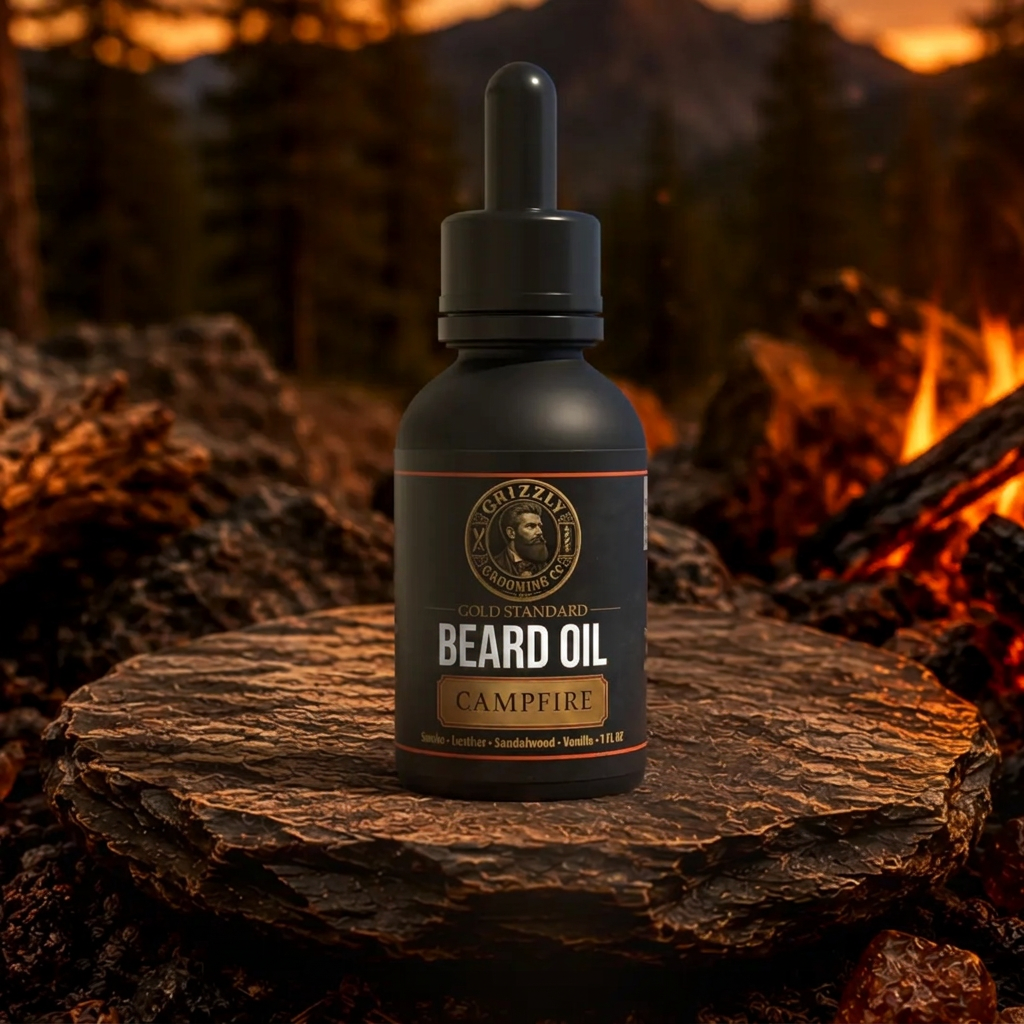
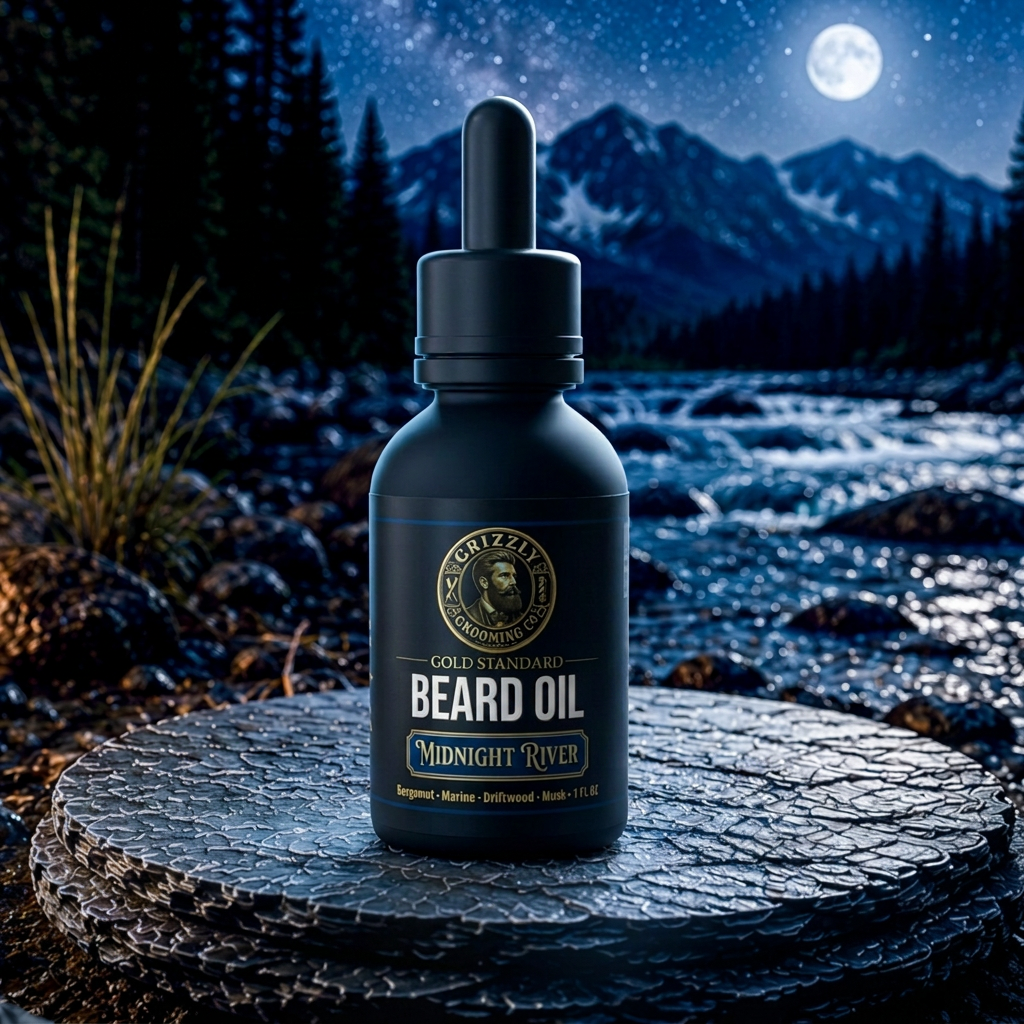
Because your sebaceous glands cannot increase their output to match the length of your beard, you must introduce external lipids. Grizzly Gold Standard beard oil is formulated to mimic the skin's natural sebum, absorbing quickly into the dermis to provide the necessary lubrication that stops the friction between the hair and the pore.
Application technique is as critical as the product itself. You should apply oil to a slightly damp beard immediately after showering, when the pores are open and receptive. Focus on massaging the oil into the skin rather than just the hair, ensuring the foundation of the beard is fully nourished.
The Role of Proper Cleansing
General-purpose body washes or scalp shampoos are too aggressive for the face. They contain harsh surfactants like sodium lauryl sulfate that strip away every trace of oil, leading to a condition known as beardruff—dry, flaking skin trapped beneath the hair. This buildup is a primary driver of chronic itching.
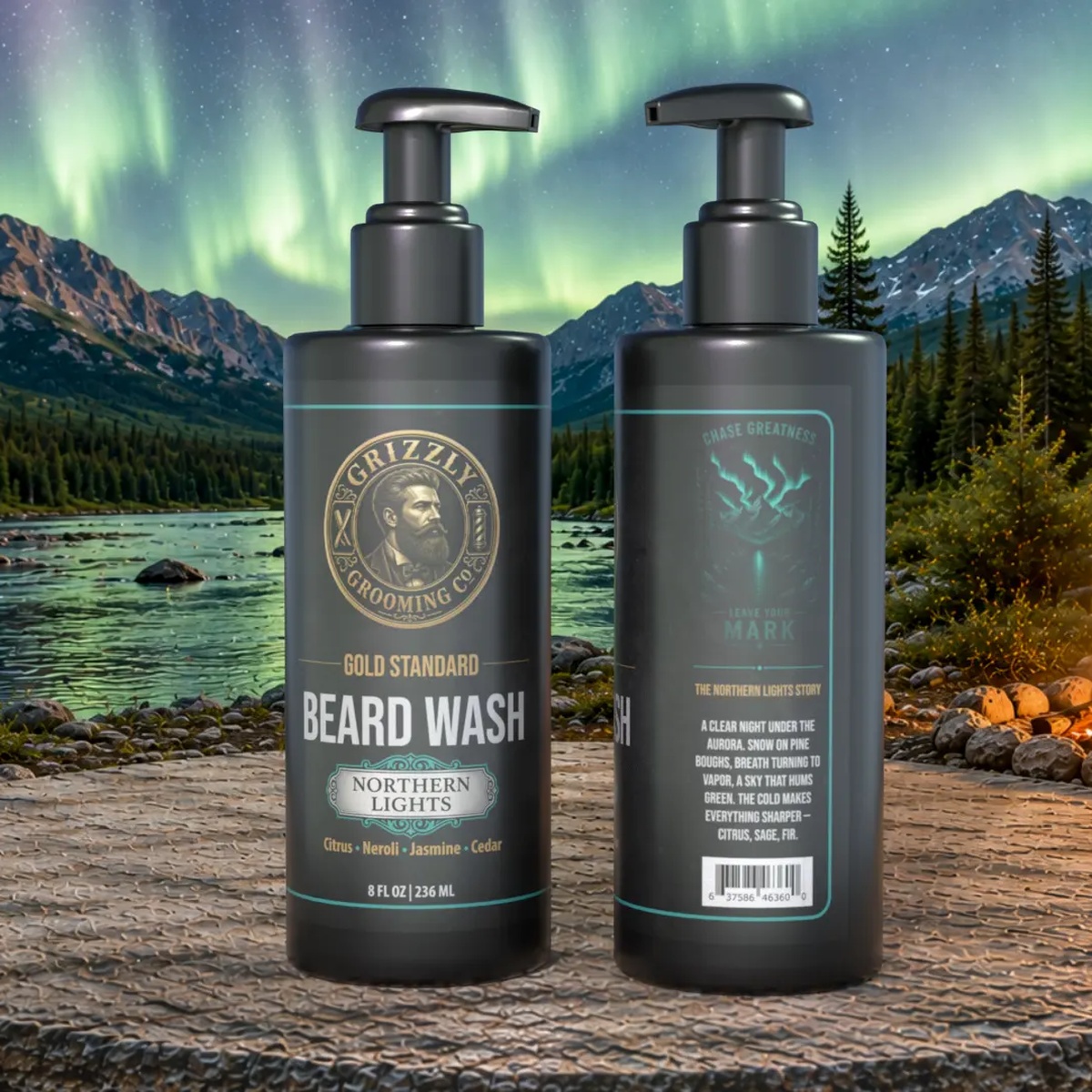
A dedicated beard wash is designed to cleanse without compromising the skin's lipid barrier. By removing environmental pollutants and dead skin cells, you prevent the follicles from becoming clogged. Clogged follicles lead to ingrown hairs, which significantly increase the intensity of the itching sensation.
Physical Exfoliation and Directional Growth
Dead skin cells naturally shed, but a thick beard traps them against the skin. Over time, this debris irritates the follicles. Incorporating a boar bristle brush into your morning routine serves a dual purpose: it manually exfoliates the skin surface and trains the hairs to grow in a uniform direction.
Regular brushing also helps distribute your natural oils and applied products from the root to the tip. This ensures that no part of the hair shaft remains dry or brittle, reducing the likelihood of split ends and the general prickliness that often characterizes a neglected beard.
Nighttime Recovery and Softening
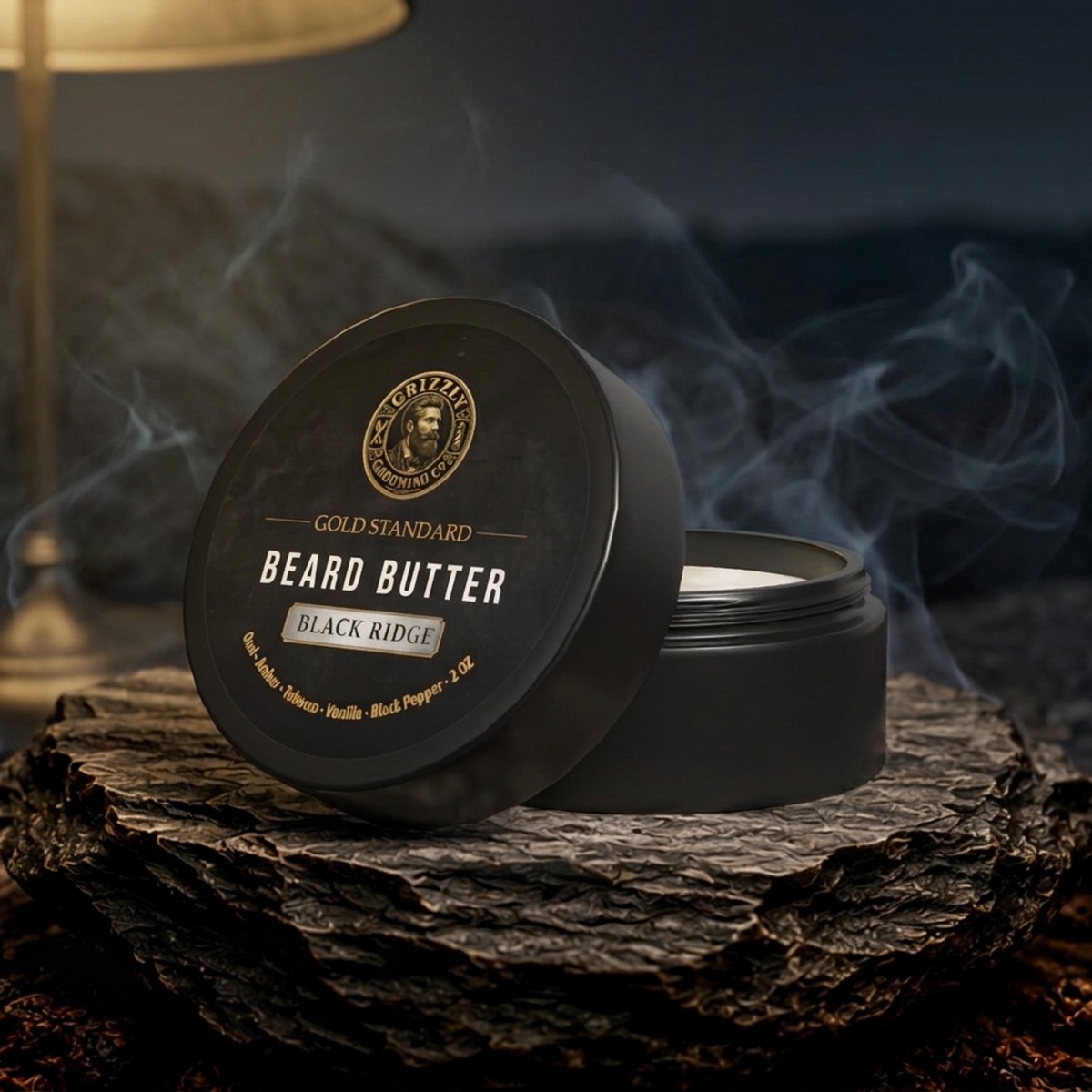
The skin undergoes its most significant repair processes while you sleep. Utilizing a beard butter during the evening provides a slow-release moisture barrier. Unlike oil which absorbs quickly, butter contains fats that sit on the hair slightly longer, deeply softening the cuticle of the hair.
Softening the hair is vital because softer hair is less likely to irritate the skin when it folds or rubs against the face. By maintaining a 24-hour hydration cycle—oil in the morning and butter at night—you ensure the skin never reaches the point of critical dehydration where the itch begins.
Frequently Asked Questions
How long does the initial beard itch typically last?
For most men, the early-stage itch lasts about two to three weeks as the hair clears the skin surface. However, without proper hydration from a quality beard oil, the itch can return at any stage of growth due to skin dryness.
Can I use regular lotion on my beard to stop the itching?
Regular lotions are often water-based and contain alcohols or fragrances that can further irritate the sensitive skin on your face. Oils and butters are superior because they are anhydrous and designed specifically to penetrate thick facial hair.
Does cold weather make beard itch worse?
Yes, cold air and indoor heating systems strip moisture from the air and your skin. During winter months, you should increase the frequency of beard oil application to compensate for the accelerated rate of dehydration.
Build your ritual in 60 seconds.
Answer four questions and get a custom regimen — plus a 15% bundle discount.
Start The Ritual Builder