Understanding Beard Itch: The Biological Causes and Proven Solutions
Beard itch is not a rite of passage; it is a physiological signal that your skin is struggling to keep pace with hair growth. Understanding the transition from a clean-shaven face to a bearded one requires a technical look at how your sebaceous glands function.
- ›New growth creates sharp hair tips that curl back and abrade the skin surface.
- ›Sebaceous glands produce a finite amount of oil that cannot support longer beard lengths.
- ›Traditional soaps strip essential moisture, exacerbating dryness and inflammation.
- ›Daily application of beard oil is a biological necessity for healthy facial hair.
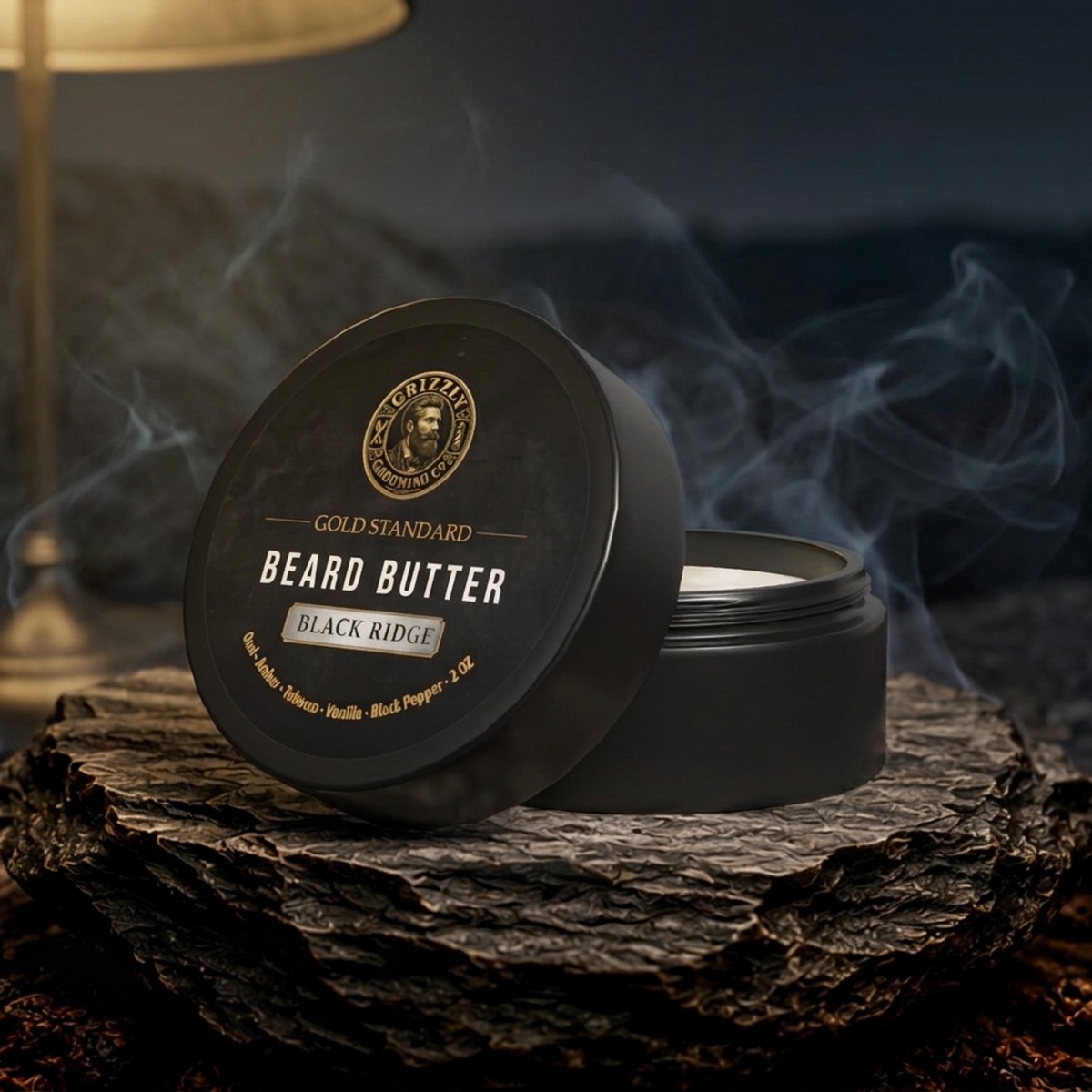
- ›Beard butter provides the overnight occlusion needed to repair the skin barrier.
The Mechanics of Cuticular Abrasion
When you shave, the razor leaves the hair follicle with a sharp, chisel-like edge. As the hair grows out during the first few weeks, the natural curl of the follicle often directs that sharp point back toward the skin, causing micro-trauma to the epidermis.
This constant physical irritation triggers an inflammatory response. The body attempts to heal these microscopic punctures, resulting in the persistent prickling sensation commonly referred to as the 'itchy phase' of growth.
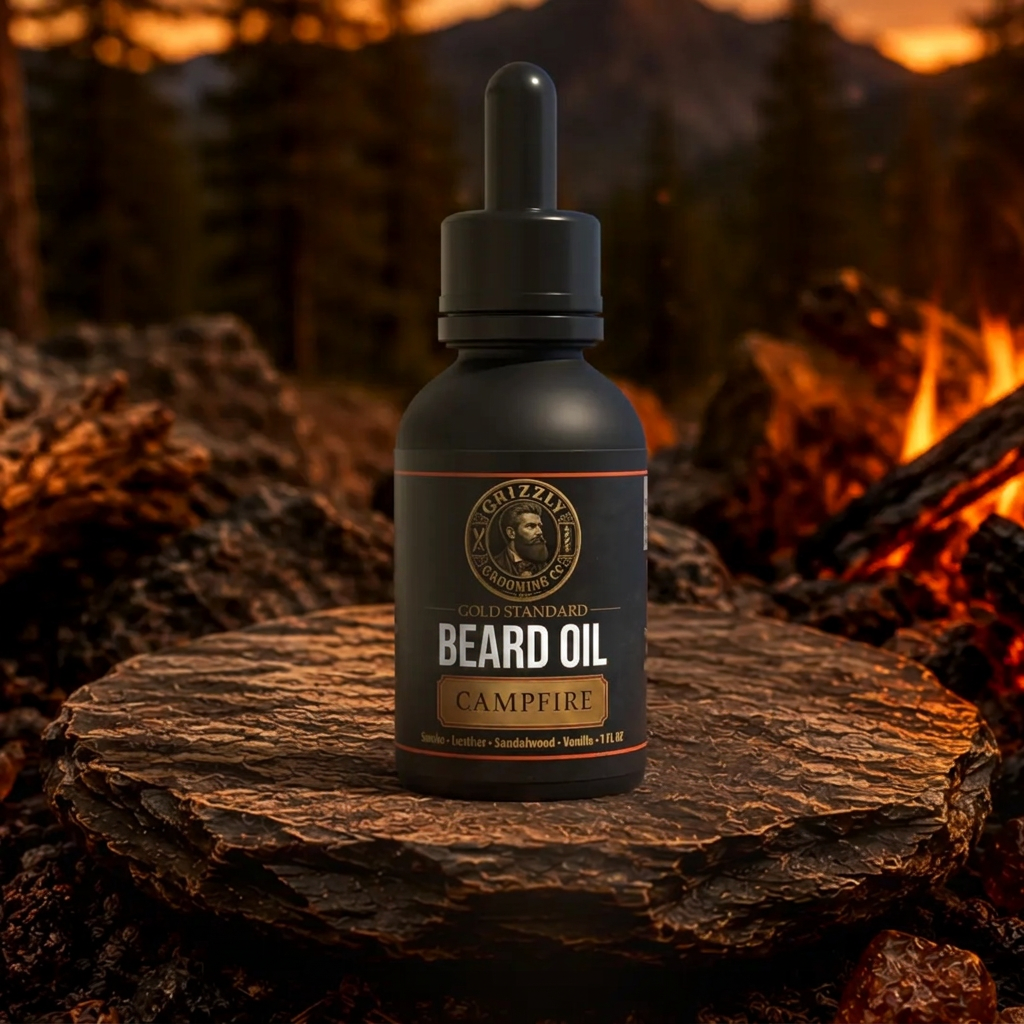
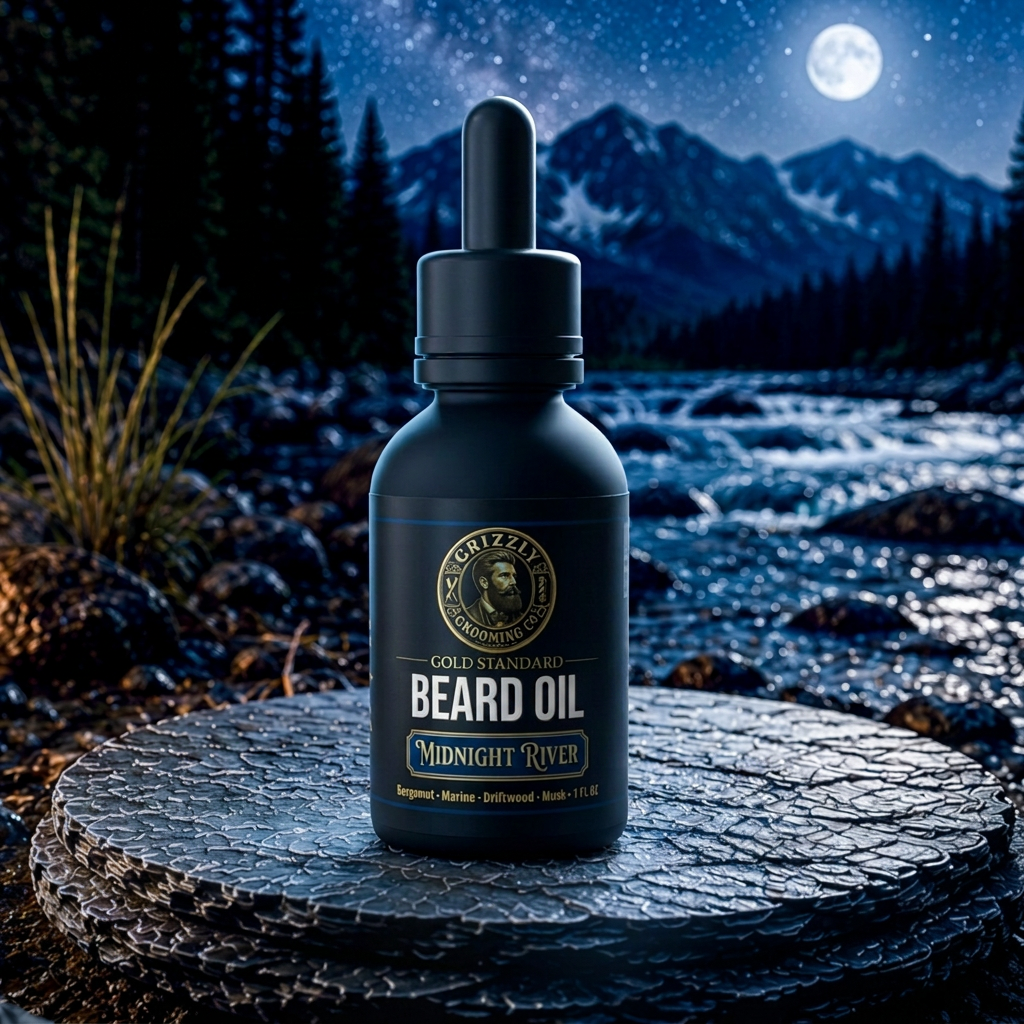
To mitigate this, one must soften the hair fiber itself. Utilizing a dedicated beard oil early in the growth process increases the elasticity of the hair, making it less likely to cause irritation when it contacts the skin surface.
The Sebaceous Gland Deficit
Your skin relies on sebaceous glands to produce sebum, a natural oil that coats the hair and protects the skin barrier. However, these glands are calibrated for the surface area of your face, not the additional surface area of a full beard.
As your beard grows longer, it acts like a wick, drawing sebum away from the skin to the ends of the hair. This leaves the skin underneath dangerously dry, leading to flaking, also known as beardruff, and intense itching.
Supplementing with a high-quality beard oil is the only way to address this deficit. Look for formulations containing jojoba and argan oils, which closely mimic the molecular structure of human sebum, providing an immediate relief to the parched dermis.
The Chemistry of Cleansing
Standard bar soaps and hair shampoos are formulated with harsh surfactants designed to strip away heavy oils. While effective for the scalp, these chemicals are too aggressive for the sensitive skin of the face.
Using these products on a beard destroys the delicate acid mantle, the protective film on the skin's surface. This disruption leads to increased sensitivity and a higher likelihood of contact dermatitis, further fueling the itch.
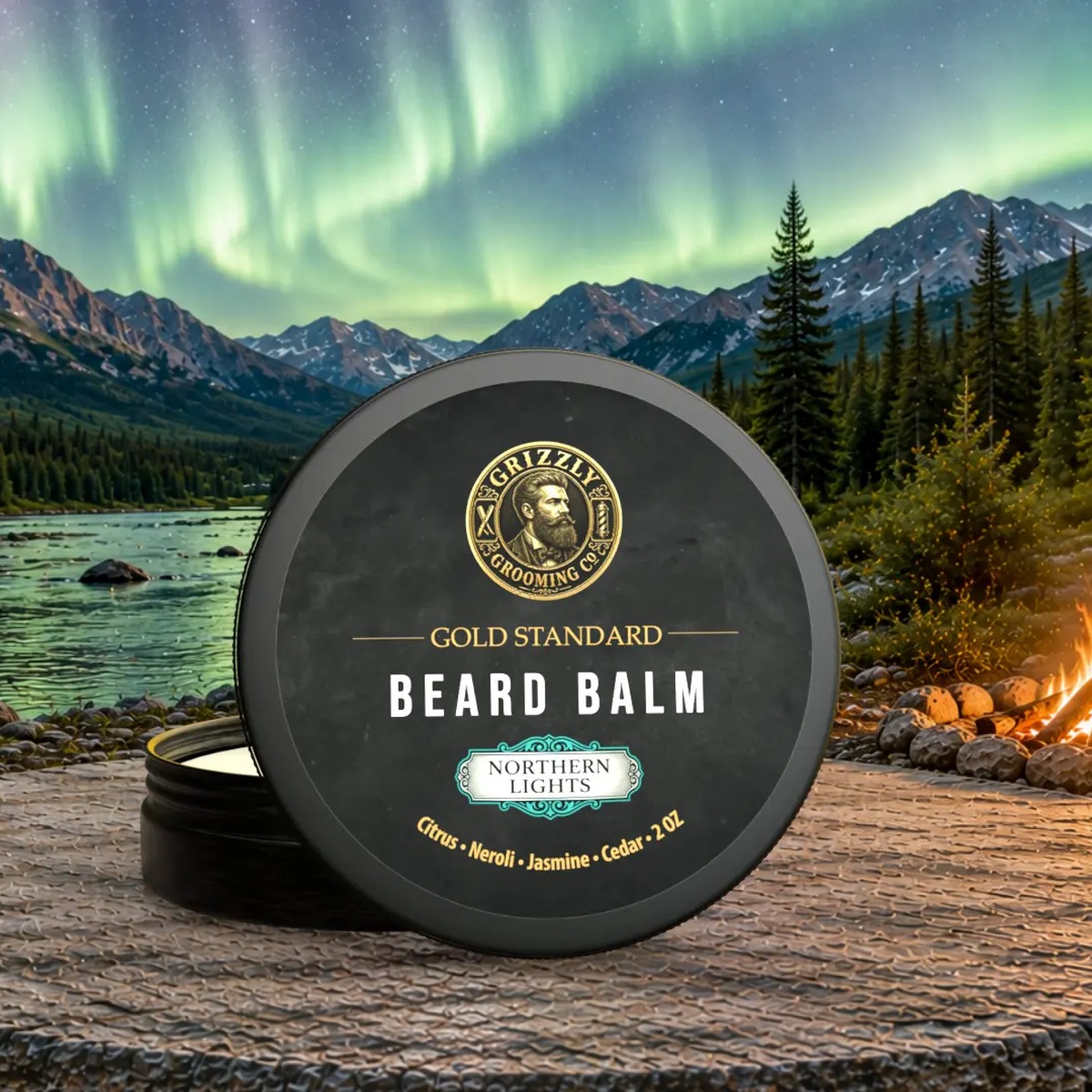
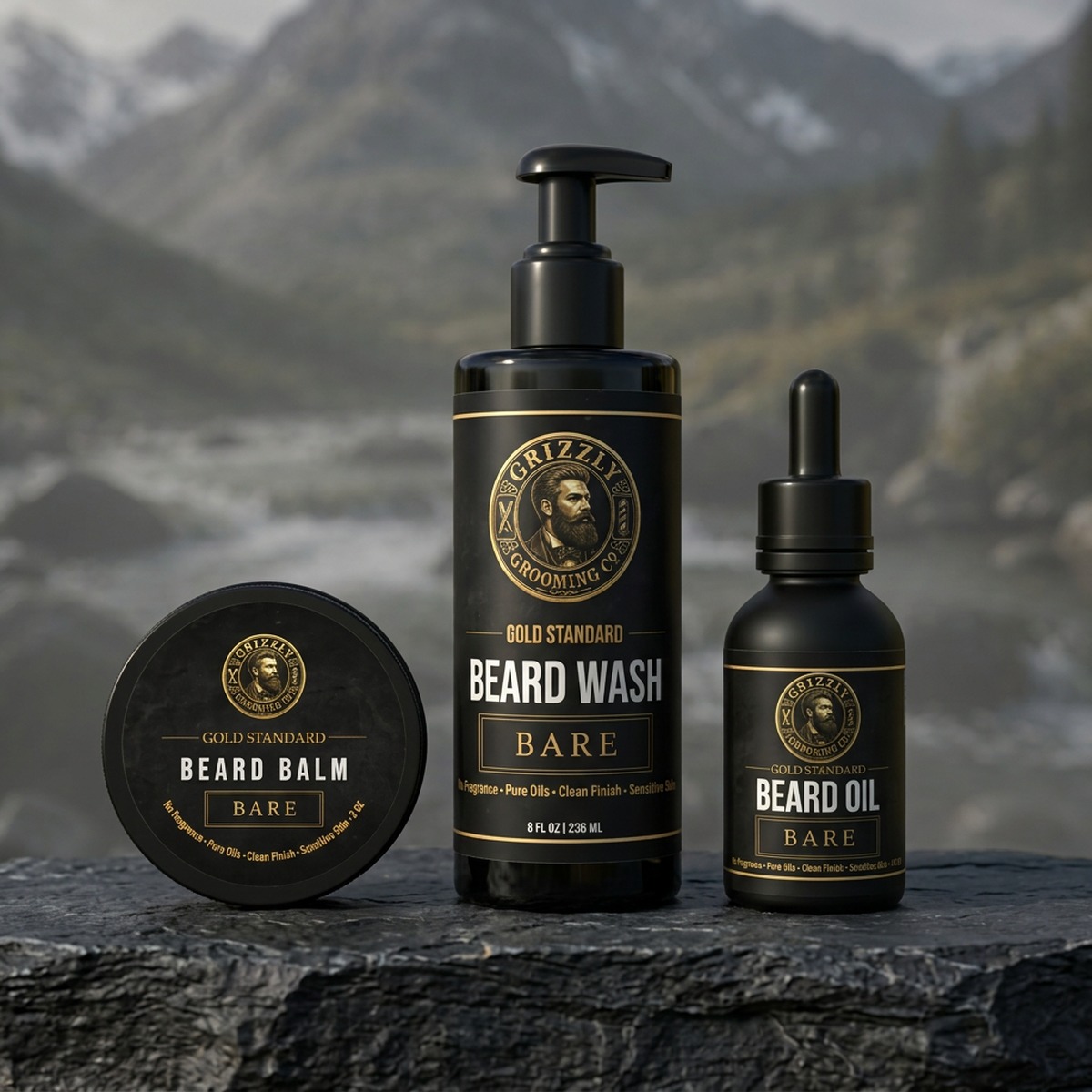
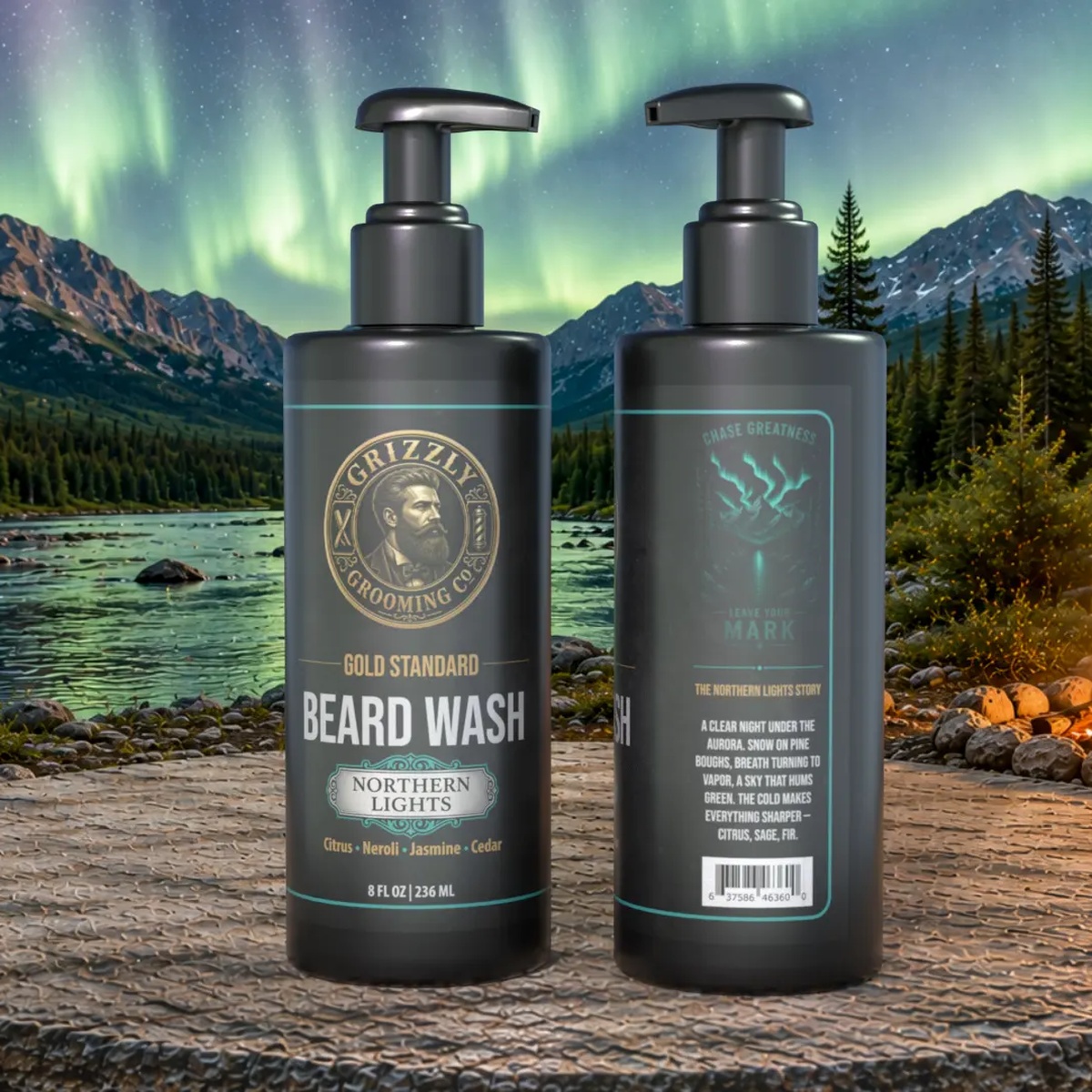
Switching to a specialized beard wash is a fundamental step. These cleansers use gentler agents that remove dirt and excess debris while leaving the essential lipid layer intact, ensuring the skin remains hydrated and calm.
Deep Hydration and Barrier Repair
Daytime maintenance is only half the battle. Overnight, your skin undergoes a natural repair cycle where moisture loss is at its peak. This is where beard butter becomes a critical tool in a man's arsenal.
Beard butter utilizes shea and cocoa butters to provide an occlusive layer. This traps moisture against the skin and deeply conditions the hair fibers while you sleep, preventing the morning stiffness that contributes to irritation.
For those experiencing chronic itch, a two-stage ritual of beard oil followed by beard butter provides the most comprehensive defense. The oil hydrates the skin, while the butter seals it in, providing a 24-hour cycle of protection.
Frequently Asked Questions
How long does the initial beard itch typically last?
The acute phase usually lasts between two to four weeks as the hair clears the skin surface. However, if you do not implement a hydration routine, chronic itch caused by dry skin can persist indefinitely.
Can I use regular lotion on my beard to stop the itching?
Regular lotions are generally too thick to penetrate the beard hair and often contain alcohols that can further dry out the skin. A liquid beard oil is significantly more effective at reaching the skin through the hair density.
Why does my beard itch more in the winter months?
Cold air holds less moisture, and indoor heating further dehydrates the skin. This environmental stress accelerates the depletion of your natural oils, making seasonal adjustments to your grooming routine essential.
Build your ritual in 60 seconds.
Answer four questions and get a custom regimen — plus a 15% bundle discount.
Start The Ritual Builder