Transitioning from Clean-Shaven to Bearded: The Professional Guide
The shift from a bare face to a full beard is a test of patience and skin maintenance. To move through this transition without the common pitfalls of irritation and messiness, one must understand the biological requirements of maturing facial hair. This is a deliberate process of cultivation, not merely the cessation of shaving.
- ›Exfoliate the skin early to prevent ingrown hairs and facilitate follicle health.
- ›Introduce beard oil immediately to manage the inevitable itch of the first two weeks.
- ›Define the neckline and cheek lines early to maintain a professional appearance.
- ›Swap standard soaps for a dedicated beard wash to preserve natural sebum oils.
- ›Use a boar bristle brush to train hair direction as soon as the length allows.
The Foundation of Skin Preparation
The first week of growth is often the most uncomfortable because your skin is accustomed to the daily exfoliation provided by a razor. Once that stops, dead skin cells can accumulate around the base of new hairs, leading to irritation and redness. It is essential to continue cleansing the skin thoroughly.
A quality face wash is mandatory, but as the stubble reaches the three-day mark, you should begin monitoring for ingrown hairs. The goal is to keep the skin supple so the hair can break the surface without resistance. Keeping the area hydrated is the best defense against the initial discomfort.
Managing the Two-Week Itch
Around the ten-day to two-week mark, most men experience the notorious 'beard itch.' This occurs because the sharp, tapered ends of hairs cut by your last shave begin to curl back and poke the skin. This is the primary reason many men abandon the growth process prematurely.
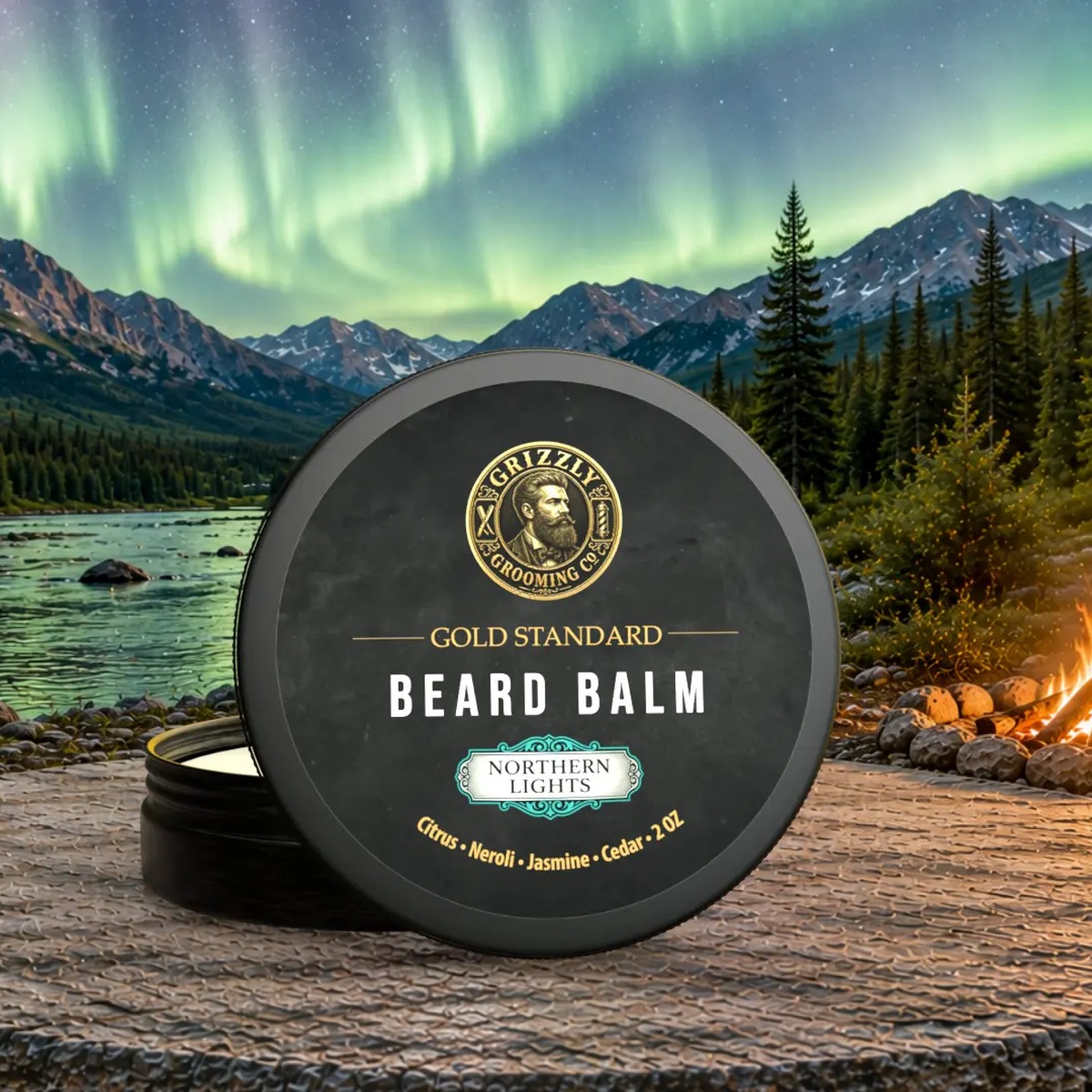
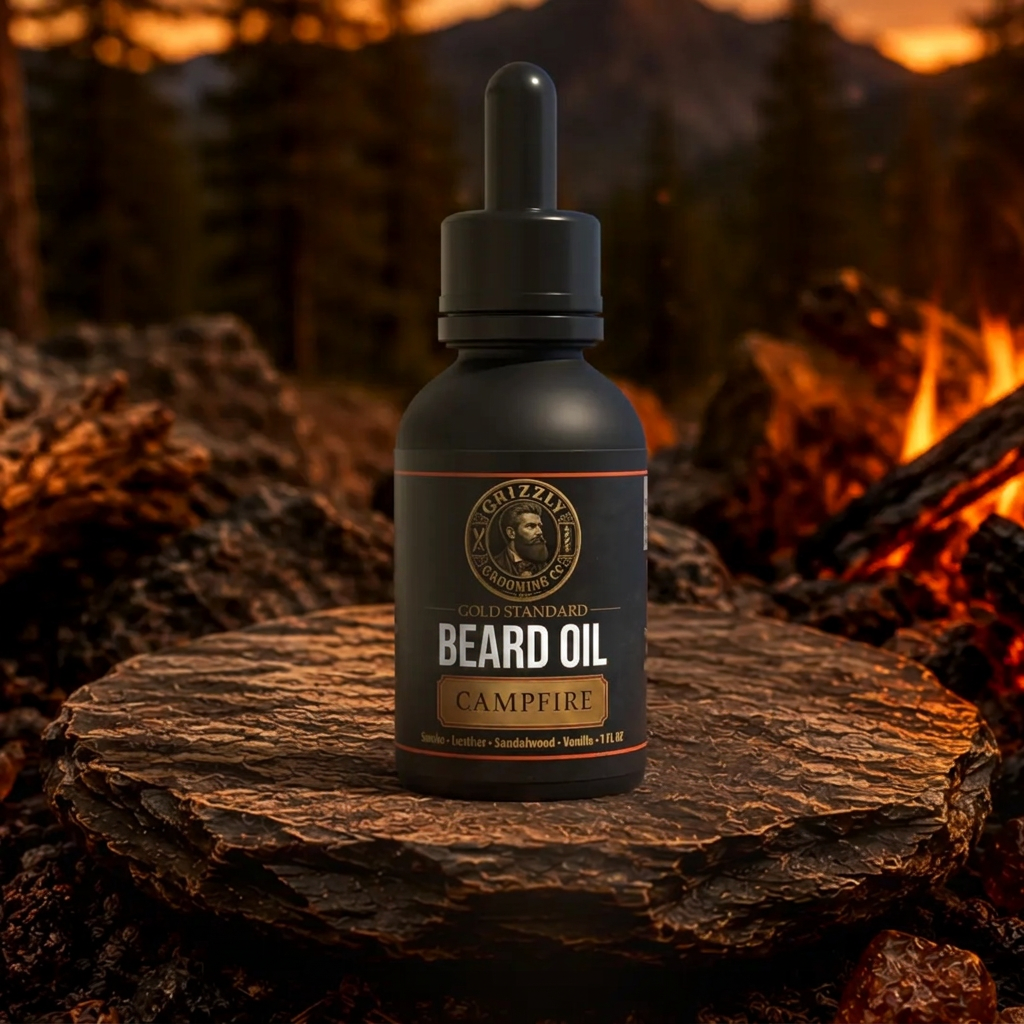
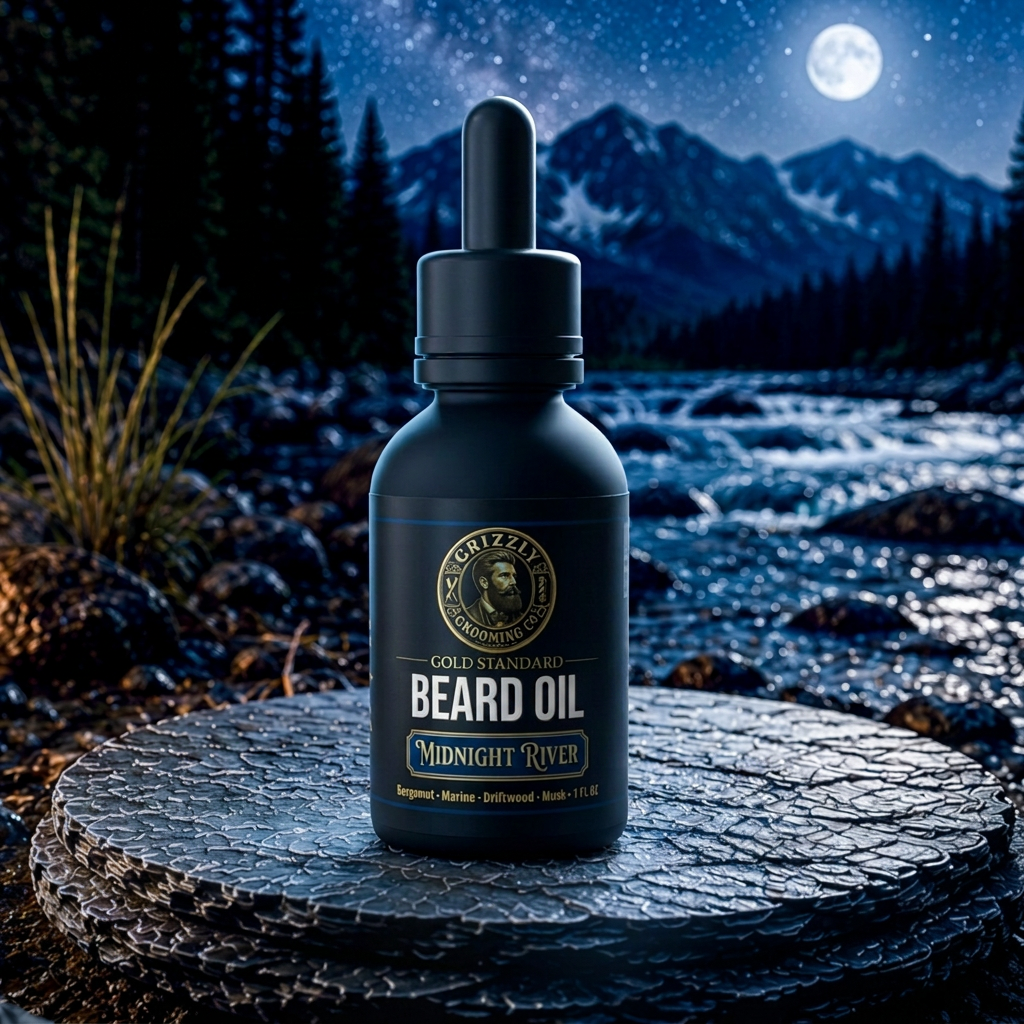
Applying a Grizzly Gold Standard beard oil daily during this phase is not optional. The oil serves to soften those sharp tips while providing the underlying skin with the moisture it no longer receives from your typical moisturizer. Focus the application on the skin itself, rather than just the hair.
Structuring the Growth
The difference between a man growing a beard and a man who has simply forgotten to shave is the neckline. After about two weeks of growth, you must define the boundaries. A general rule is to place two fingers above your Adam's apple; this is where your beard should end.
Shave everything below this line to keep the look intentional and clean. Similarly, tidy up the stray hairs high on the cheeks. By maintaining these clean borders, you signal that the growth is a stylistic choice, allowing you to look professional even during the 'patchy' middle stage.
Cleaning Without Stripping
By the end of the first month, your facial hair will begin to trap dust, skin cells, and food particles. You cannot use standard scalp shampoo or bar soap on your face; these contain harsh surfactants like sulfates that strip away sebum, leaving your beard dry and brittle.
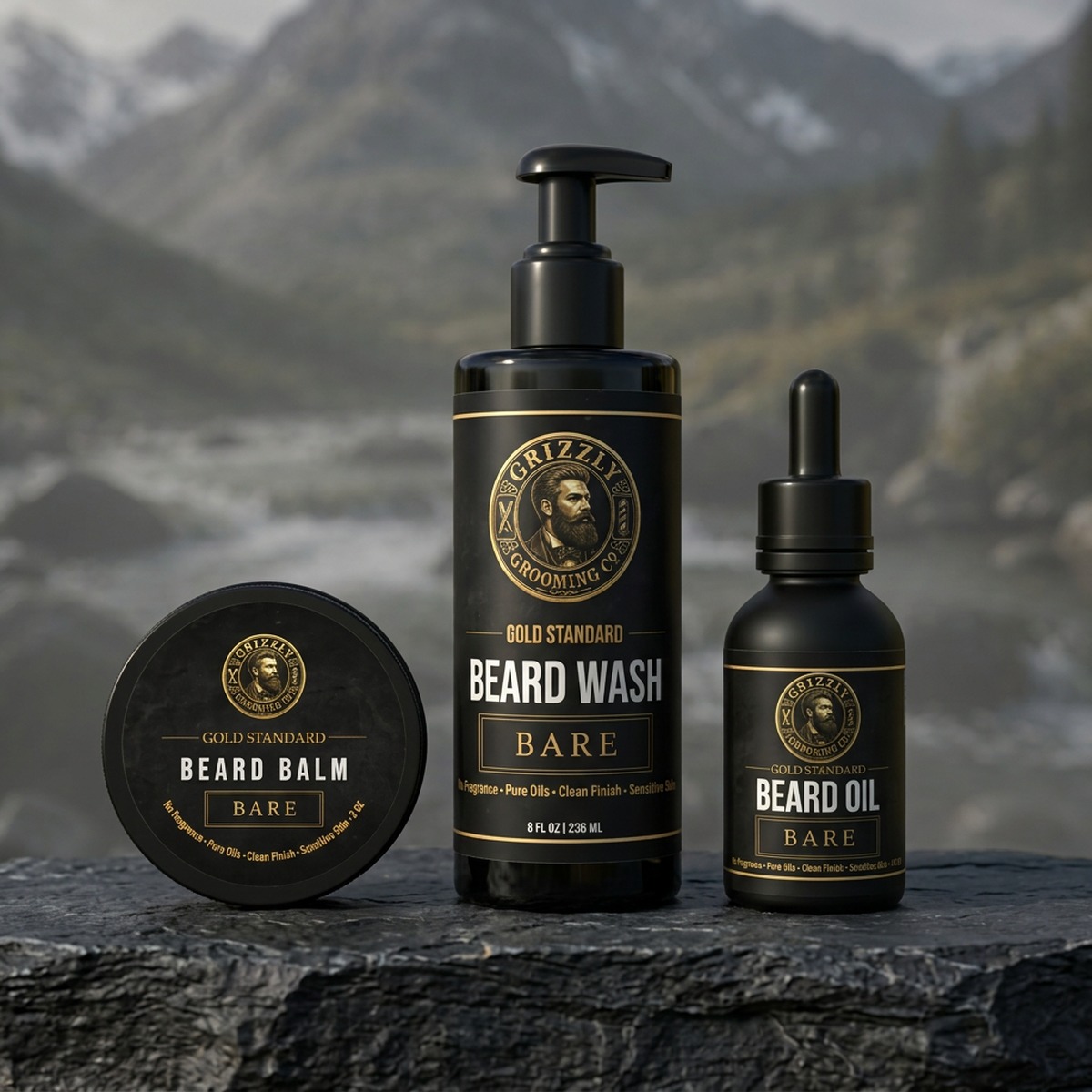
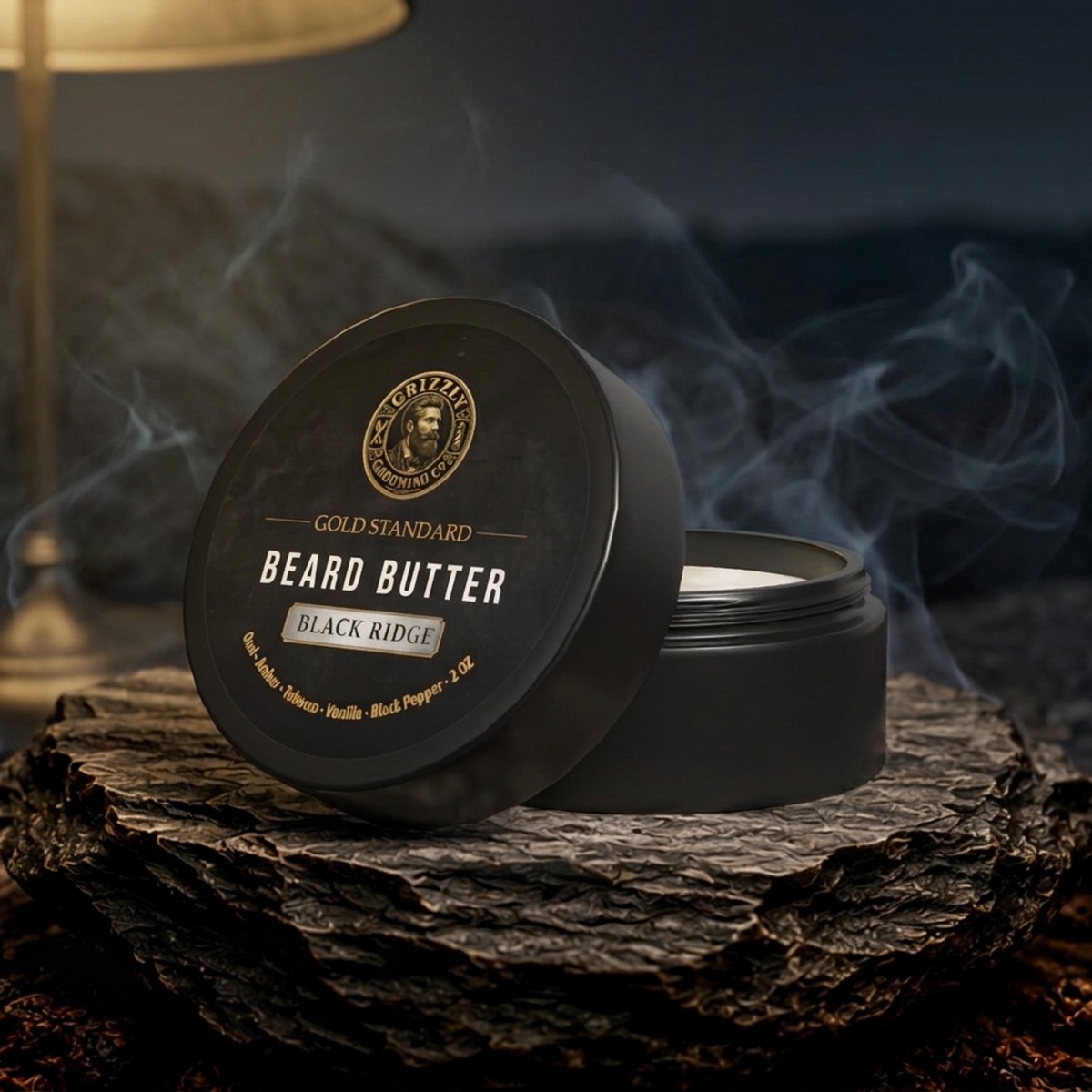
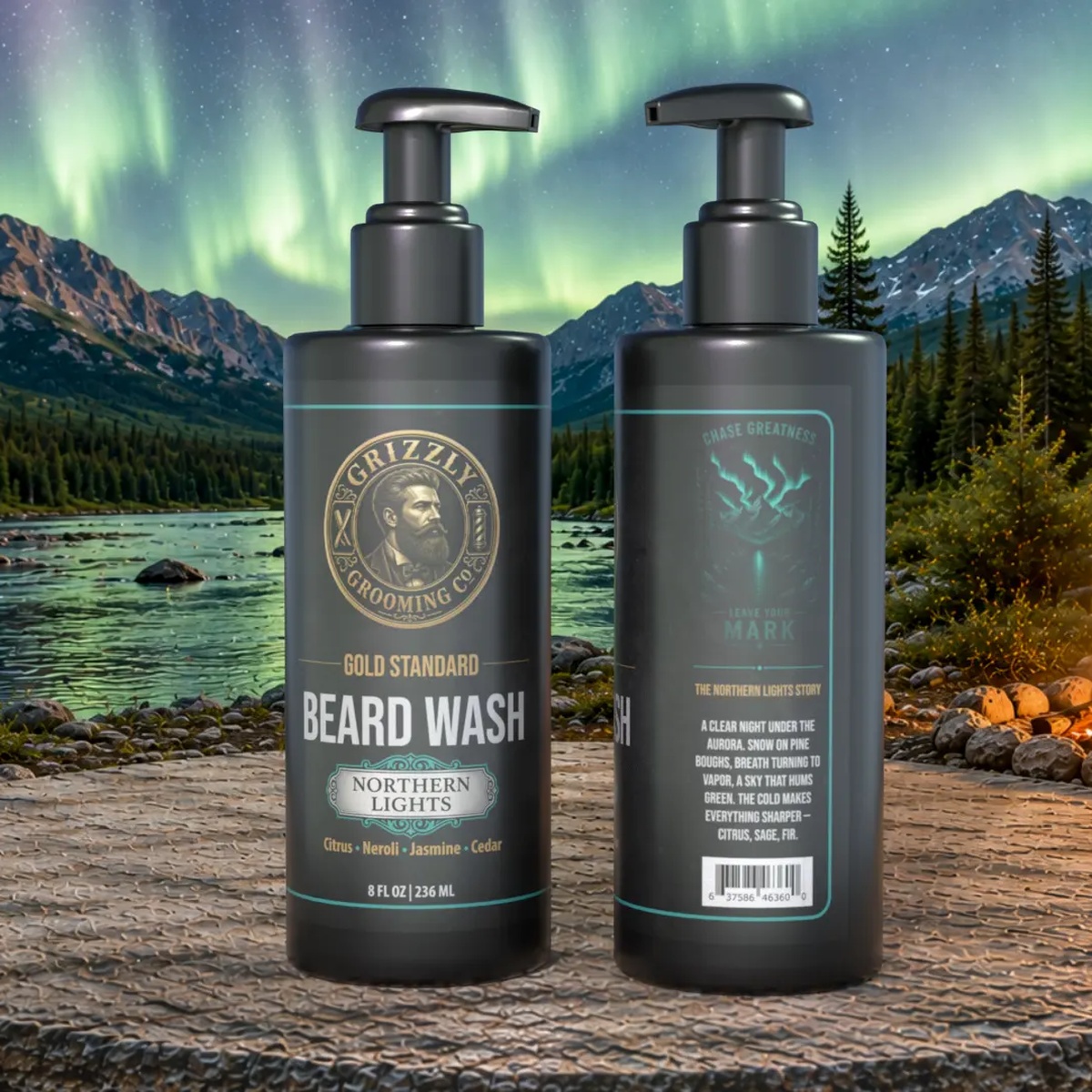
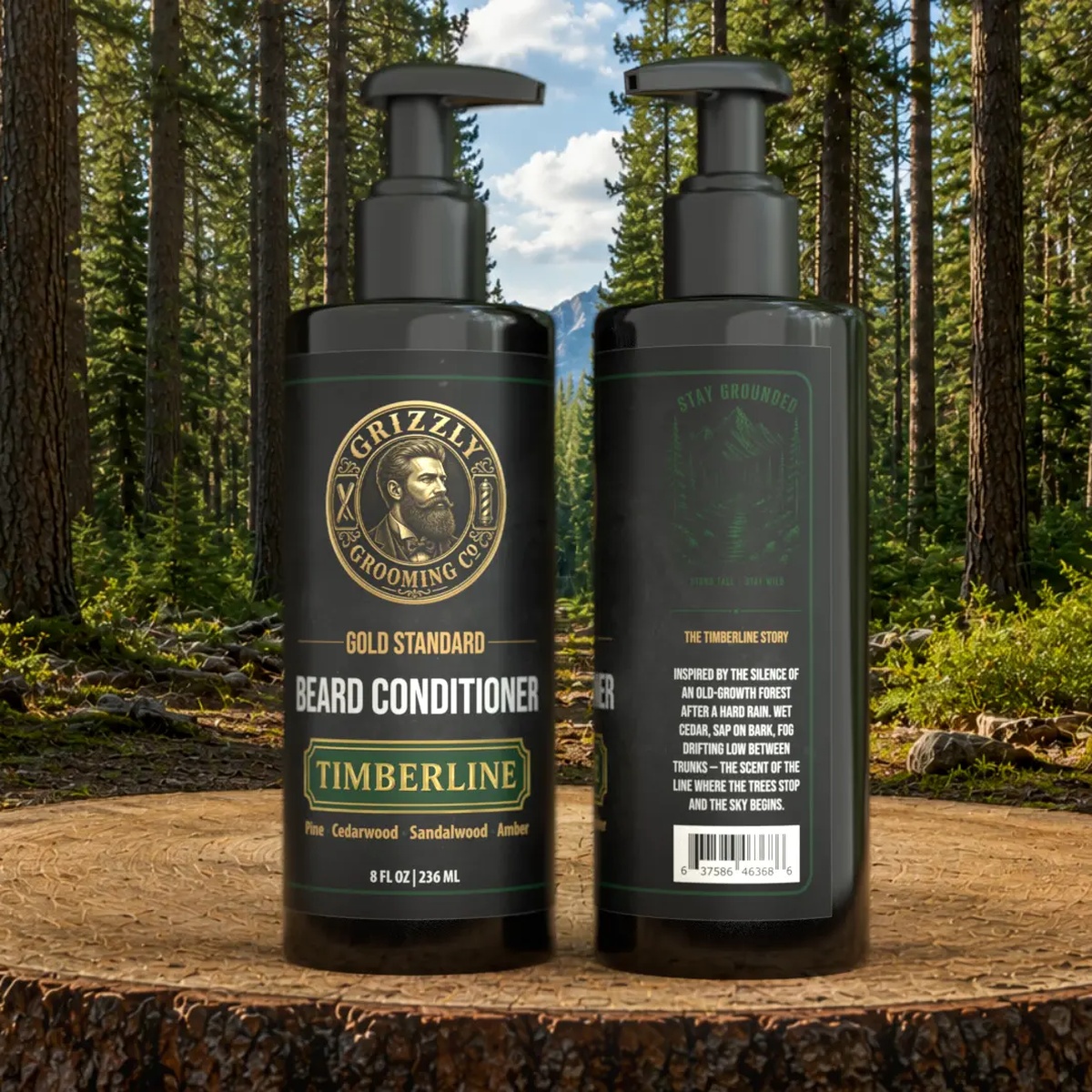
Switch to a dedicated beard wash. These formulas are designed to cleanse the hair while respecting the delicate pH balance of your facial skin. Regular conditioning with a specialized beard conditioner or beard butter will also help provide the weight needed to keep the hair Lying flat against the face.
The Importance of Mechanical Training
As your beard moves past the half-inch mark, the natural growth patterns become evident. Most hair does not grow straight down; it grows in swirls and various angles. To manage this, you must begin using a boar bristle brush daily.
The bristles reach through the hair to the skin, distributing oils and exfoliating the surface while 'training' the hair follicles to grow in a uniform direction. This mechanical training is what creates the silhouette of a well-groomed beard rather than a wild thicket.
Frequently Asked Questions
How long does the itchy phase actually last?
The itch typically lasts for 7 to 14 days. It subsides once the hair grows long enough to lose its rigidity and soften, especially if you are consistently using beard oil to hydrate the follicles.
When should I see a barber for the first time?
We recommend waiting at least 4 to 6 weeks. This gives the barber enough bulk to work with so they can shape the beard according to your natural growth patterns and face shape.
Does shaving make the beard grow back thicker?
No, that is a common myth. Shaving give the hair a blunt tip, which may briefly make it appear thicker as it emerges, but it has no impact on the actual density or growth rate of the hair follicles.
Build your ritual in 60 seconds.
Answer four questions and get a custom regimen — plus a 15% bundle discount.
Start The Ritual Builder