
The Professional Guide to Shaving Sensitive Skin Without Irritation
A smooth shave should never be a sacrifice for comfort or skin health. Achieving a clean finish on sensitive skin requires a transition from speed to precision and a thorough understanding of hair growth patterns.
- ›Hydrate the follicle for at least two minutes before the blade touches your skin.
- ›Map your beard growth to ensure you are shaving with the grain on the first pass.
- ›Apply minimal pressure and let the weight of the razor perform the cutting.
- ›Seal the pores and calm the skin with cold water and a high-quality post-shave treatment.
Pre-Shave Preparation and Softening
The primary cause of nicks is resistance between the blade and a dry, rigid hair follicle. To mitigate this, start your ritual with a warm shower or a hot towel to open the pores and soften the keratin in the hair.
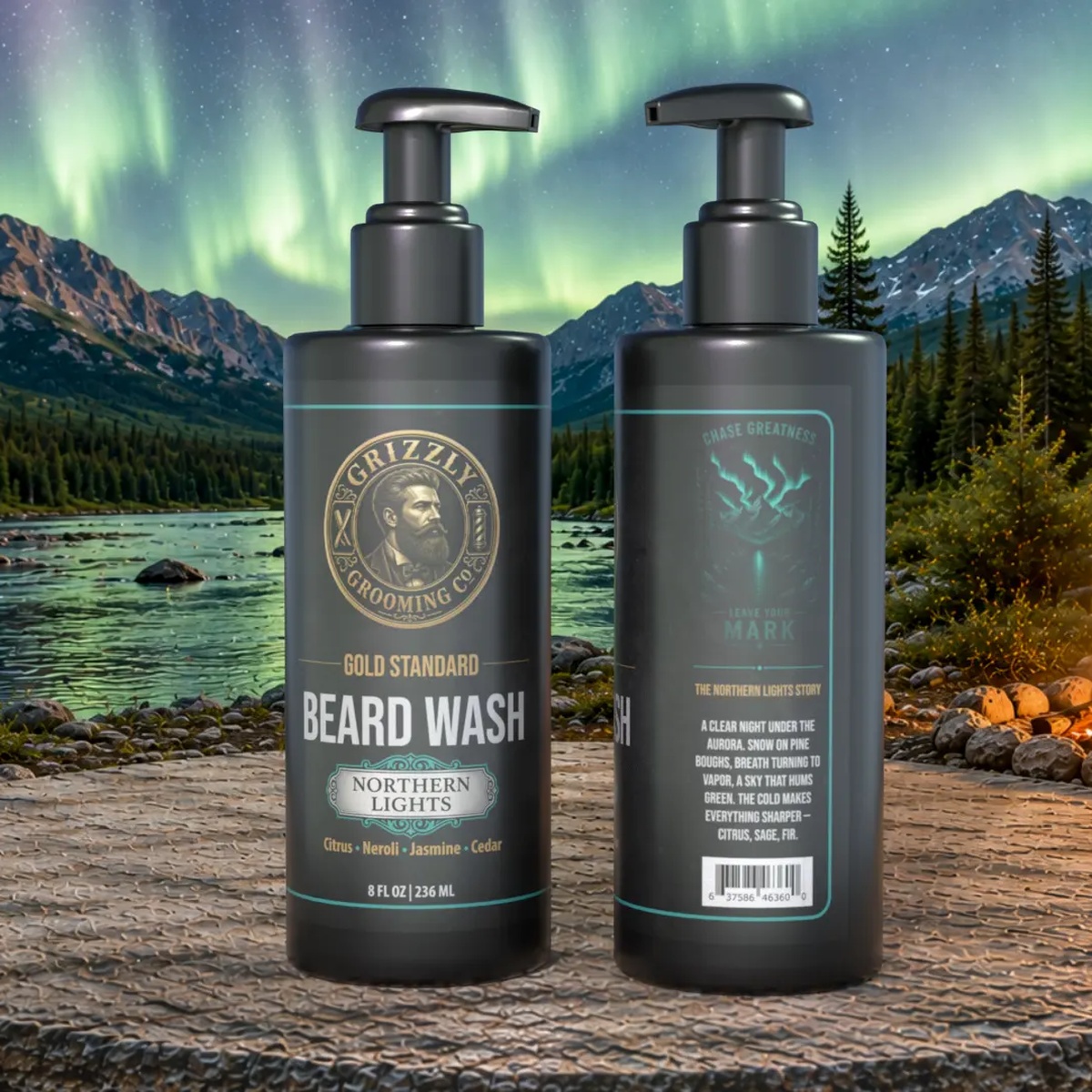
Using a dedicated beard wash is superior to standard soap because it cleanses the skin without stripping the natural oils required for glide. A hydrated beard requires significantly less force to cut, which reduces the likelihood of the blade catching on the skin.
Mapping the Grain for Technical Precision
Most men suffer from irritation because they shave against the direction of hair growth on their first pass. Spend time mapping your beard by running your fingers across your stubble to determine which direction feels smooth and which feels rough.
Always execute your first pass with the grain. If you require a closer finish, re-lather and perform a second pass across the grain. Avoiding an against-the-grain pass entirely is the most effective way to prevent nicks and ingrown hairs on sensitive neck skin.
The Physics of Pressure and Blade Angle
A common error is applying downward pressure to compensate for a dull blade or poor technique. A sharp, high-quality blade should glide across the skin, not be pressed into it. If you feel you must press down, it is time to change your blade.
Maintain a consistent angle, typically around 30 degrees for a safety razor. Shorter strokes of one to two inches allow for better control over the contours of the jawline and chin, where the majority of nicks occur.
Post-Shave Restoration and Protection
Once the shave is complete, rinse the face with cold water to constrict the blood vessels and soothe any minor inflammation. This step is vital for calming the skin before applying any topical products.
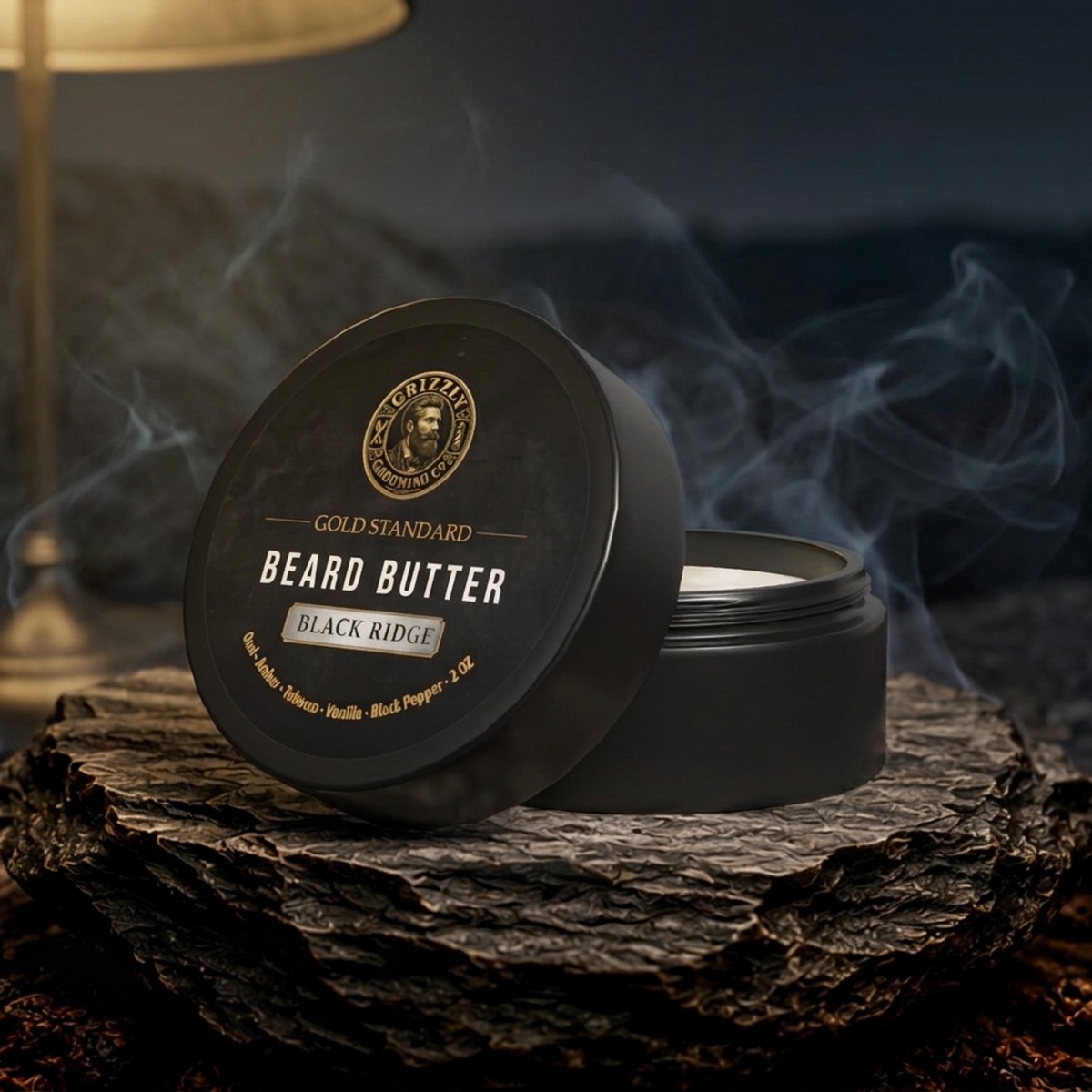
Finish with a soothing beard butter or a specialized post-shave balm that focuses on hydration. Avoid alcohol-based splashes that dehydrate the skin. The goal is to restore the moisture barrier and provide a protective layer against environmental debris.
Frequently Asked Questions
How often should I change my razor blade?
For sensitive skin, a blade should be replaced every three to five shaves. A dull blade tugs at the hair follicle rather than slicing through it, which is the leading cause of redness and nicks.
Is shaving in the shower better for sensitive skin?
Yes, the steam and consistent humidity keep the hair soft and the skin supple. However, ensure you have a fog-less mirror to maintain the technical precision required to avoid nicks.
Should I use a multi-blade or single-blade razor?
Men with sensitive skin often benefit from a single-blade safety razor. Multi-blade systems can lift and cut the hair below the skin line, increasing the risk of irritation and ingrown hairs.
Build your ritual in 60 seconds.
Answer four questions and get a custom regimen — plus a 15% bundle discount.
Start The Ritual Builder