The Ingredient Panel: Analyzing What Is Actually in Your Beard Wash
The skin on your face is fundamentally different from the skin on your scalp, yet many men treat them with the same harsh chemicals. Understanding the chemistry behind your grooming products is the first step toward a superior beard.
- ›Traditional shampoos use sulfates that strip the natural oils necessary for beard health.
- ›Look for gentle surfactants like decyl glucoside that clean without causing irritation.
- ›Botanical extracts provide specific benefits, such as soothing skin or strengthening hair fibers.
- ›Avoid parabens and synthetic silicones that cause long-term buildup and brittle hair.
- ›Ph balance is critical to keeping the hair cuticle flat and preventing frizz.
The Problem with Conventional Surfactants
Most commercial hair shampoos rely on Sodium Lauryl Sulfate (SLS) or Sodium Laureth Sulfate (SLES). These are high-power detergents designed to strip away heavy sebum and styling products from the scalp. However, applying these to your face is a mistake.
Facial hair relies on a limited supply of sebum oil produced by the sebaceous glands at the base of each follicle. When you use aggressive surfactants, you strip this oil entirely, leading to the dreaded 'beard itch' and eventually, flaky skin often called beardruff.
A proper beard wash replaces these harsh detergents with mild, plant-derived alternatives. Ingredients like cocamidopropyl betaine or decyl glucoside provide a rich lather that lifts dirt and environmental pollutants without compromising the lipid barrier of your skin.
Humectants and Conditioning Agents
Cleaning the hair is only half the battle; a quality wash must also manage moisture. This is where humectants like glycerin or panthenol (Vitamin B5) come into play. These ingredients draw moisture from the air and bind it to the hair shaft.
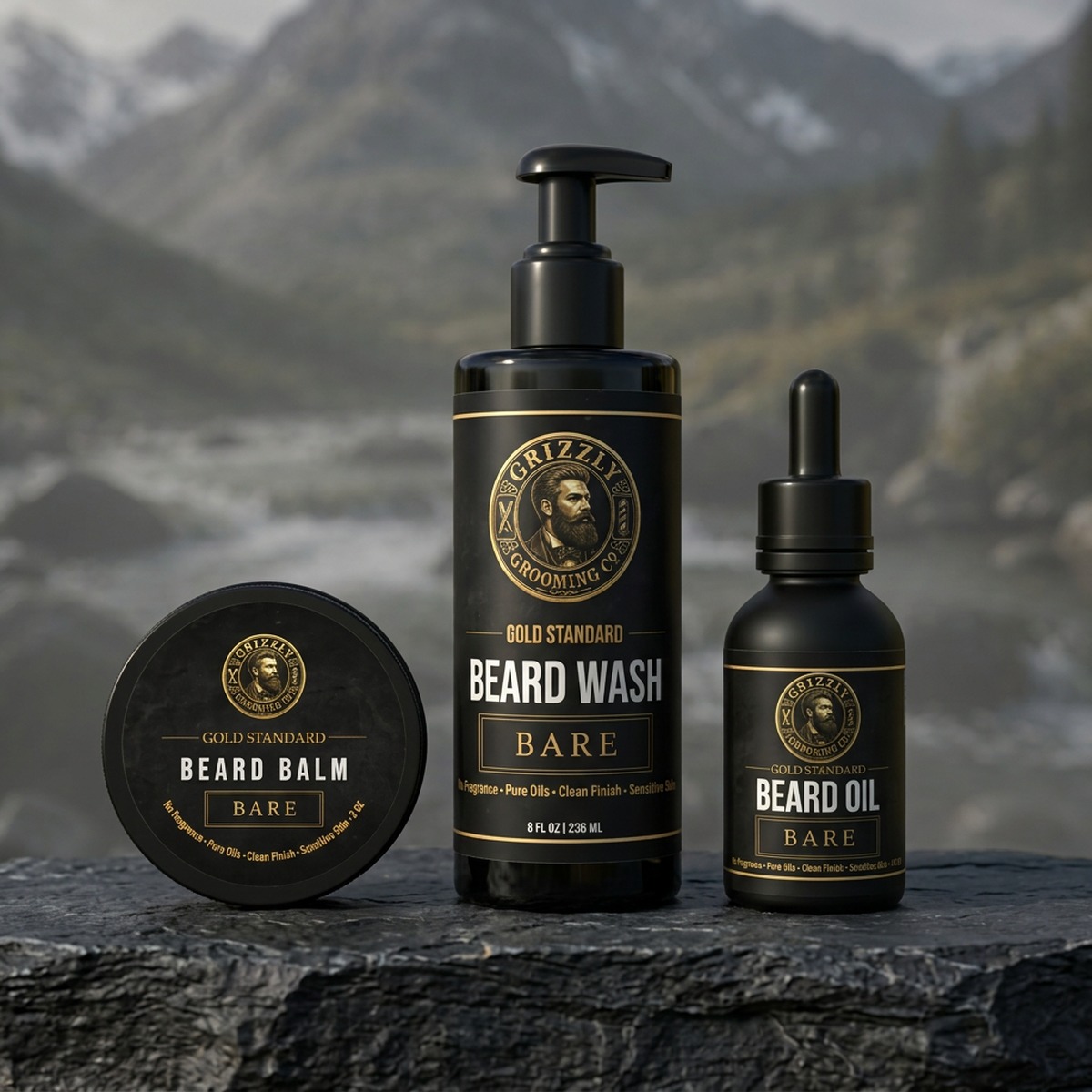
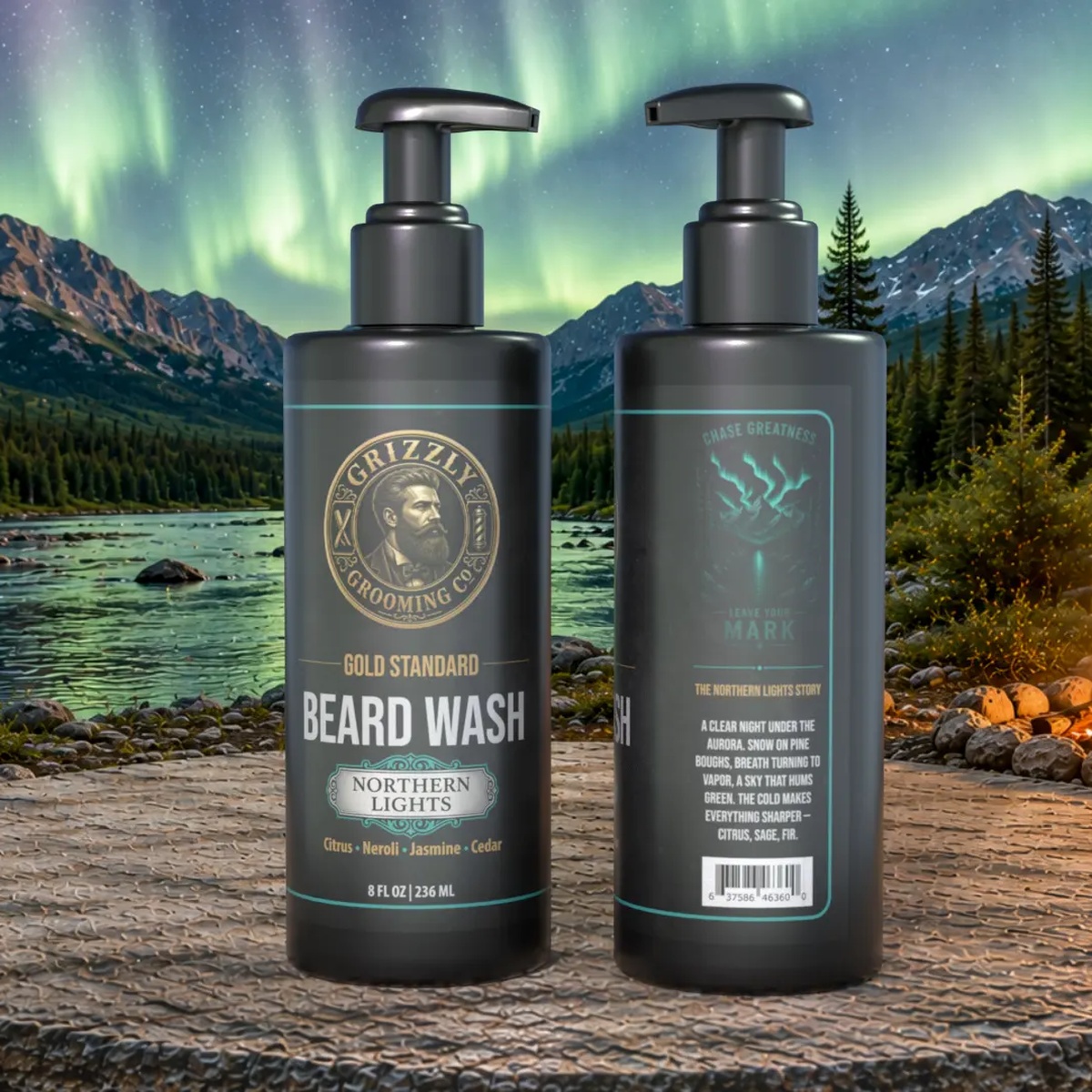
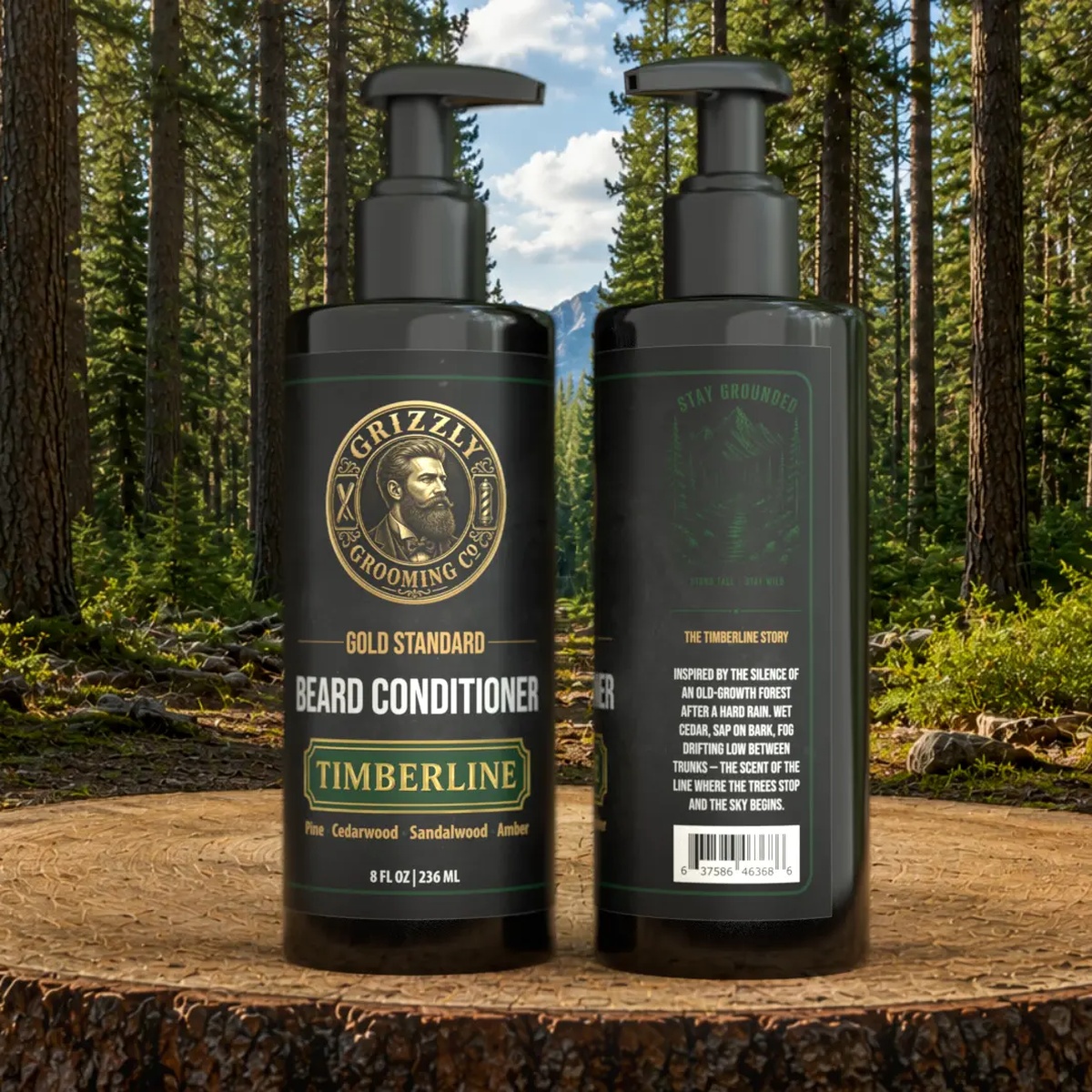
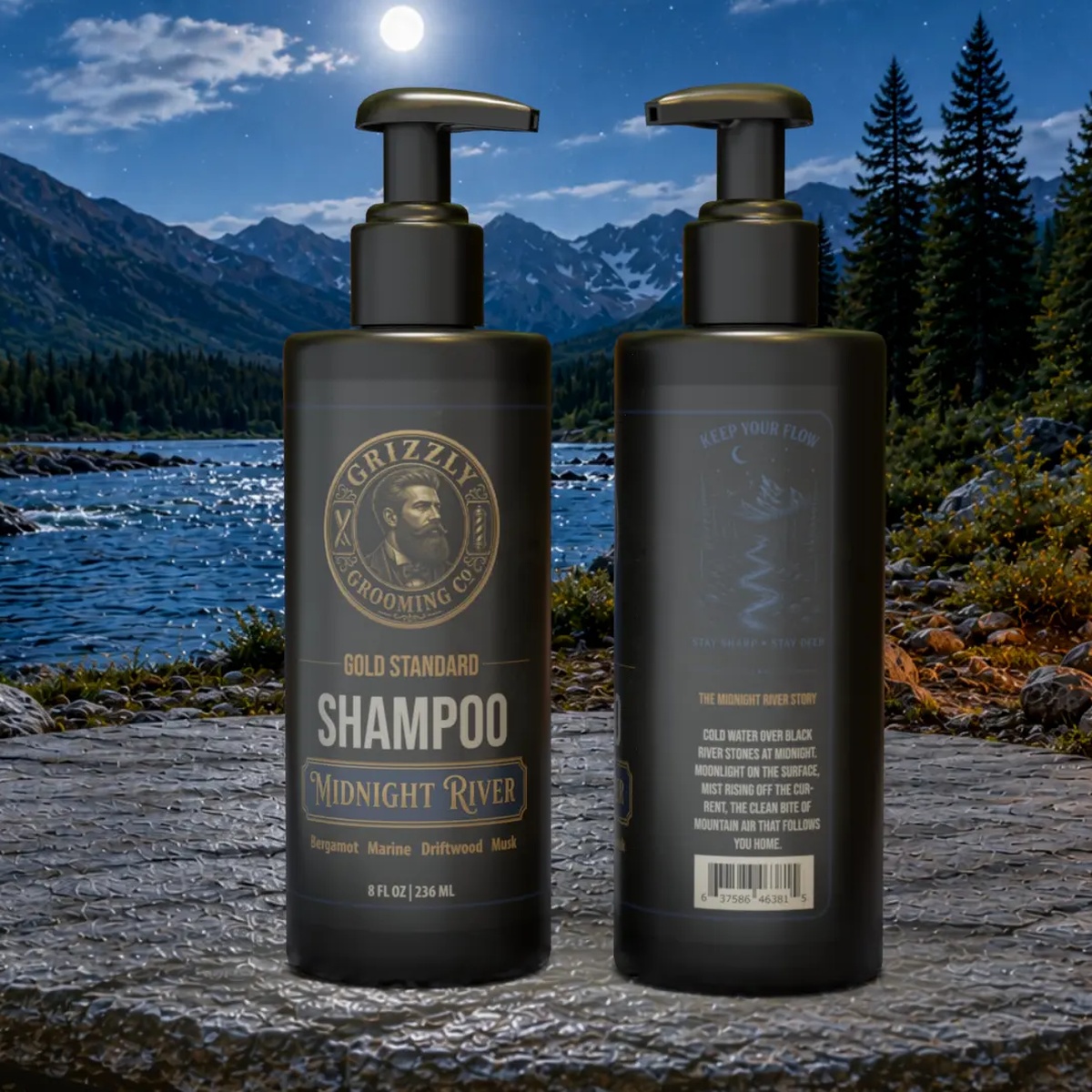
In our Grizzly Gold Standard beard wash, we focus on ingredients that penetrate the cuticle rather than just coating it. This ensures that the beard feels soft and pliable immediately after rinsing, rather than feeling stiff or straw-like.
Conditioning agents like polyquaterniums or natural oils help to smooth the cuticle. When the cuticle is smooth, the beard reflects more light and appears healthier, while also preventing the individual hairs from snagging against one another.
The Role of Botanical Extracts
Beyond the base cleansers, a professional formulation includes botanical extracts for scalp and follicle health. Aloe vera is a common inclusion for its ability to soothe inflammation, which is vital during the early stages of beard growth.
Green tea extract and vitamin E act as antioxidants, protecting the beard from oxidative stress and UV damage that can lead to premature graying or weakened hair structures. These aren't just additives; they are essential for long-term beard maintenance.
We also look for essential oils that provide natural antimicrobial properties. Tea tree and peppermint, for example, do more than provide a crisp scent; they help keep the skin clear of bacteria that can cause folliculitis.
Identifying Red Flags in the List
When reading a label, the order of ingredients matters. They are listed by concentration. If a beneficial oil like argan or jojoba is at the very end of the list, it is likely there for marketing purposes rather than performance.
Avoid products that contain parabens, which are preservatives linked to hormonal disruptions, and phthalates, often hidden under the vague term 'fragrance'. A quality brand will be transparent about their scent profiles and preservation methods.
Silicones like dimethicone should also be treated with caution. While they provide immediate slip and shine, they are not water-soluble. Over time, they create a plastic-like coating that prevents moisture from entering the hair, requiring even harsher soaps to remove.
Frequently Asked Questions
Can I just use my regular hair shampoo on my beard?
It is not recommended. Scalp shampoos are formulated to remove the higher oil production of the scalp and are far too aggressive for the sensitive skin on your face and the coarser texture of beard hair.
How often should I use a beard wash?
Most men should wash their beard 2 to 3 times a week. Washing every day, even with a gentle formula, can still lead to dryness. On off-days, simply rinse with warm water and apply a beard oil.
What is the difference between beard wash and beard soap?
Beard wash is typically a liquid pH-balanced cleanser, whereas soaps are often made through saponification which results in a higher pH. A liquid wash is generally more controlled and better for maintaining the hair's natural acidity.
Build your ritual in 60 seconds.
Answer four questions and get a custom regimen — plus a 15% bundle discount.
Start The Ritual Builder